+977-9709047652
Explore by Country
See all 22 Thailand packages
Most popular pick
See all 22 Thailand packages →
See all 11 Vietnam packages
Most popular pick
See all 11 Vietnam packages →
See all 10 Indonesia (Bali) packages
Most popular pick
See all 10 Indonesia (Bali) packages →
See all 7 Maldives packages
Most popular pick
See all 7 Maldives packages →
See all 10 China packages
Most popular pick
See all 10 China packages →
See all 13 Sri Lanka packages
Most popular pick
See all 13 Sri Lanka packages →
See all 9 Malaysia packages
Most popular pick
See all 9 Malaysia packages →
See all 8 Singapore packages
Most popular pick
See all 8 Singapore packages →
See all 2 Kenya packages
Most popular pick
See all 2 Kenya packages →
See all 16 India packages
Most popular pick
See all 16 India packages →
See all 3 Dubai packages
Most popular pick
See all 3 Dubai packages →
See all 7 Nepal packages
Most popular pick
See all 7 Nepal packages →
See all 6 Philippines packages
Most popular pick
See all 6 Philippines packages →
Search Tours or Places
Blog / Philippines

Best Time to Visit the Philippines: Season Guide

18 min read 18 Aug 2026 · Updated 21 Sep 2026
Best Time to Visit the Philippines: Season Guide

The best time to visit the Philippines is the dry season, from late November to April, when sunny skies and calm seas make island hopping, diving and beach days reliable. The wet season, roughly June to October, brings heavier rain and the risk of typhoons, though it also means fewer crowds, lush green scenery and lower prices. Because the country is a sprawling archipelago of more than seven thousand islands, the weather varies by region, so the perfect timing depends a little on where you want to go. This guide breaks down the seasons month by month, the best time for each island and activity, and how to plan around the typhoons.

When is the dry season in the Philippines?

The dry season runs from about late November to May, and it is the peak travel window. It splits into two moods: a cooler, more comfortable stretch from November to February, with pleasant temperatures and lower humidity, and a hotter, very sunny period from March to May, when beach weather is at its best but the heat builds. This is when flights and resorts book up early, especially around Christmas, New Year, Chinese New Year and Easter, so reserve well ahead if you travel then.

When is the rainy season, and should you avoid it?

The rainy season lasts from around June to October, with the heaviest rain and most typhoons between July and September. You do not have to avoid it entirely. Showers are often short and heavy rather than constant, the islands turn a vivid green, waterfalls are at their fullest, and prices drop with the crowds. The key is flexibility: build buffer days into your plans, avoid tightly timed non refundable inter island travel during typhoon prone weeks, and keep an eye on forecasts. Some regions stay drier than others in these months, so you can often chase the sun by switching islands.
Explore Philippines tour packages
View all →

What are the three climate types in the Philippines?

One thing that surprises first time visitors is that the Philippines does not have a single national weather pattern. Broadly, different parts of the country experience their wet and dry spells at different times, which is why you can almost always find good weather somewhere. As a simple guide, the western side of the country, including Manila, Palawan and the west of the major islands, follows the classic dry season from November to April and a wet season from June to October. The eastern seaboard, facing the Pacific, can see rain spread more evenly through the year, with a wetter stretch late in the year. Central and southern areas such as much of Cebu, Bohol and parts of Mindanao enjoy a more even climate with no pronounced dry or wet extreme. Knowing this means a rainy month in one region can still be a fine time to visit another.

Philippines weather month by month

MonthsWeatherGood for
January to FebruaryDry, cooler, sunnyBeaches, diving, festivals
March to MayHot and dryIsland hopping, best beach weather
June to AugustWet and humidGreen scenery, lower prices
September to OctoberWettest, typhoon riskSurfing in Siargao, fewer crowds
November to DecemberDrying out, pleasantStart of peak season

What is the best month to visit the Philippines?

For most travellers, March and April are the best months: reliably sunny, warm and calm seas, and ideal conditions for beaches and boat trips across the country. The trade off is that these are peak, hot and busy. If you prefer cooler, less humid days and do not mind bigger crowds around the holidays, aim for December to February, which many consider the sweet spot for comfort. January and February in particular pair good weather with the country's biggest festivals, making them a rewarding time to visit.

When is the best time for each island and region?

Because the archipelago is so spread out, the ideal timing shifts a little from island to island. Here is a quick regional guide for the most popular destinations.

DestinationBest monthsWhy
Palawan (El Nido, Coron)December to MayCalm seas for island hopping and lagoons
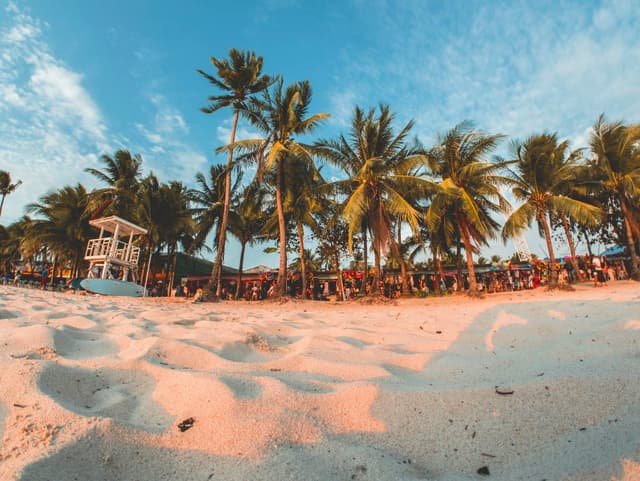
BoracayNovember to MayDry, sunny beach weather, calm water
Cebu and BoholYear round, best January to MayEven climate, great diving and canyoneering
SiargaoBest waves August to NovemberSurf season, though wetter
Banaue and the northDecember to MayClearer skies for the rice terraces

When is the best time for diving and snorkelling?

The Philippines is a world class diving destination, and the dry season generally offers the best conditions, with calm seas and excellent visibility from around March to May. Timing also depends on what you hope to see, as several signature encounters are seasonal.

  • Thresher sharks at Malapascua: sightings are possible year round, with the dry season easiest for calm crossings.
  • Whale sharks off Donsol: the main season runs roughly from December to May, peaking in the first months of the year.
  • Sardine run at Moalboal, Cebu: the huge sardine shoals can be seen year round, making it a reliable highlight in any season.
  • Tubbataha Reefs: this remote UNESCO marine park is only accessible on liveaboards during a short season, roughly mid March to mid June.

If diving is the focus of your trip, plan around these windows and the calmer, clearer waters of the dry months.

When is the best time for surfing and festivals?

Timing depends on the experience you are chasing, and two of the country's biggest draws sit at opposite ends of the calendar.

  • Surfing: the swell in Siargao, the country's surf capital, is strongest from around September to November, which overlaps the wetter months but delivers the best waves.
  • Festivals: January is the festival month, with the vibrant Sinulog in Cebu and Ati-Atihan in Kalibo lighting up the central islands, followed by the Panagbenga flower festival in Baguio in February and the colourful MassKara festival in Bacolod in October.

Once you have picked your dates, our full Philippines travel guide covers where to go, costs and a sample itinerary in more detail.

How do typhoons affect travel, and how do you plan around them?

Typhoons are the main weather concern in the Philippines, most common between June and November and peaking around July to September. They tend to affect the eastern and northern parts of the country, including Luzon and the eastern Visayas, more than the far south. The practical approach is not to cancel a wet season trip, but to plan it wisely: favour regions that are drier or more sheltered at that time, keep a couple of flexible buffer days, avoid booking tight non refundable connections, and take out travel insurance that covers weather disruption. Storms usually pass within a day or two, and modern forecasting gives useful warning, so with a flexible itinerary the wet season can still be a rewarding, quieter time to visit.

When is the cheapest time to visit the Philippines?

The cheapest time is the low or green season, roughly June to September, when airlines and resorts cut prices and beaches are quieter. You trade some sunshine for savings and calm, uncrowded islands. The shoulder weeks of late May and early November can be a sweet spot, offering decent weather with lower prices before the peak. To keep costs down, avoid the Christmas, New Year and Easter peaks, travel midweek, and book domestic flights early, since inter island fares rise quickly close to departure.

What should you pack for the Philippines?

Pack for heat, sun and sudden rain. Answer first: light, quick drying clothing, strong sun protection, and a compact rain layer. Breathable cotton and quick dry fabrics suit the humidity, while a rash guard protects you from the sun during long boat trips and snorkelling. Bring reef safe sunscreen, a hat and sunglasses, insect repellent for evenings and jungle areas, and water shoes for rocky shores. A light rain jacket or travel umbrella is useful even in the dry season for the occasional shower, and a dry bag keeps electronics safe on island hopping boats. If you plan to visit the cooler mountain areas around Banaue or Baguio, add a warm layer for the evenings.

Once you have picked your dates, Gomayu can also arrange Philippines holiday packages timed to the season you choose, with the flights, transfers and island hops handled for you.

How does timing vary across Luzon, the Visayas and Mindanao?

Splitting the country into its three main groups helps when planning a multi region trip. Luzon in the north, home to Manila, Banaue's rice terraces and the beaches of La Union and Zambales, follows the classic pattern of a dry season from November to April and a wetter, more typhoon prone stretch from June to October. The Visayas in the centre, including Cebu, Bohol, Boracay and Siquijor, enjoy a more even climate with a reliable dry season and generally lighter typhoon exposure, which is why they are such dependable beach destinations. Mindanao in the south, including Siargao and Davao, sits largely below the main typhoon belt and sees rain spread more evenly through the year, so it can be a good rainy season choice. Understanding these differences means you can plan a trip that follows the best weather from region to region rather than being caught out by a single national season.

When is the best time for a first trip to the Philippines?

For a first visit that combines beaches, island hopping and a festival or two, aim for January to April. The early months pair dry, sunny weather with the country's biggest celebrations, while March and April bring the calmest seas and the classic postcard beach conditions across Palawan, Boracay and the Visayas. This window makes it easy to string together the highlights without worrying much about rain, though it is peak season, so book flights, ferries and resorts ahead. If you would rather travel with fewer crowds and lower prices on your first trip, the shoulder weeks of late November and May still offer largely good weather with better value.

When is the best time for a honeymoon or relaxed beach holiday?

Couples and anyone after easy, sun soaked days should lean into the heart of the dry season, roughly December to May, when the seas are calm and the skies clear. Palawan's lagoons, Boracay's white sand and the quieter islands of the Visayas are at their romantic best in these months, with reliable weather for sunset cruises and island picnics. The cooler window from December to February is especially comfortable, while March to May guarantees warm water and sunshine at the cost of more heat and crowds. Avoiding the wettest months keeps boat trips and beach plans on track, which matters most when the weather is central to the trip.

How does the Philippines compare with its neighbours for timing?

Like much of Southeast Asia, the Philippines is tropical and humid, but its position in the western Pacific means typhoons play a bigger role than in some neighbouring countries. Its dry season, from November to April, broadly lines up with the best weather in Thailand and Vietnam, making it easy to combine regional beach trips in the northern winter. Where the Philippines differs is the wet season typhoon risk from June to November, which calls for more flexibility than a rainy season trip to, say, the Malaysian west coast. If you are planning a wider Southeast Asia itinerary, slot the Philippine island portion into the dry months and treat the country's more even climate regions, such as the central Visayas and the south, as your flexible options.

When is the best time for the rice terraces and mountains?

The famous rice terraces of Banaue and Batad in northern Luzon are at their most photogenic when skies are clear and the terraces are green or golden. The dry season from December to May offers the best chance of clear mountain views, while the terraces are typically a vivid green after planting earlier in the year and turn golden before the harvest around June and July. The mountain air is cooler than the lowlands, so pack a warm layer for the evenings. Baguio, the summer capital, is pleasant year round but especially lively during the February flower festival. Avoid the peak wet months if mountain views are a priority, as cloud and rain can obscure the terraces.

Quick reference: best time by interest

You wantBest months
Island hopping and calm seasMarch to May
Cooler, comfortable sightseeingDecember to February
Diving with best visibilityMarch to June
Surfing in SiargaoSeptember to November
FestivalsJanuary to February, plus October
Lowest prices and fewest crowdsJune to September
Whale sharks off DonsolDecember to May

When is peak, shoulder and low season?

Understanding the three seasons helps you balance weather, crowds and cost. Peak season is the dry, sunny window from December to April, and especially the holiday weeks around Christmas, New Year, Chinese New Year and Easter, when demand and prices are highest and popular spots are busiest. The shoulder periods of late November and May offer a sweet spot, with largely good weather, thinner crowds and better value before and after the peak. Low or green season runs from June to September, the wettest and quietest months, when prices fall and islands empty out. Choosing the shoulder weeks often gives the best overall value, combining reliable conditions with fewer people and gentler prices.

What is the weather like in the shoulder months?

The shoulder months of May and November deserve special mention because they often deliver the best mix for value seekers. May sits at the tail of the dry season, hot and sunny with warm, calm seas, making it excellent for beaches and diving just before the rains arrive, and prices ease compared with the March and April peak. November marks the transition out of the wet season, with the rain tailing off, the landscape still lush and green, and resorts quieter before the December rush. Both months carry a small risk of an early or late storm, so a little flexibility helps, but they reward travellers who want good conditions without peak season crowds and rates.

How does timing shape your route and length of trip?

The season influences how you build an itinerary as much as how long you stay. With a week in the dry season you can comfortably focus on one region, such as Palawan or the Cebu and Bohol pairing, with reliable weather throughout. With ten days to two weeks you can combine two regions, for example Palawan with the Visayas, confident that the dry months keep the boats running and the beaches sunny. In the wet season, lean toward the more sheltered central and southern islands and keep the plan loose, allowing an extra day or two so a passing storm does not derail the whole trip. In short, the dry season lets you plan ambitiously and tightly, while the wet season rewards a shorter, more flexible route in the right regions.

When is the best time to visit Boracay, Cebu and Bohol?

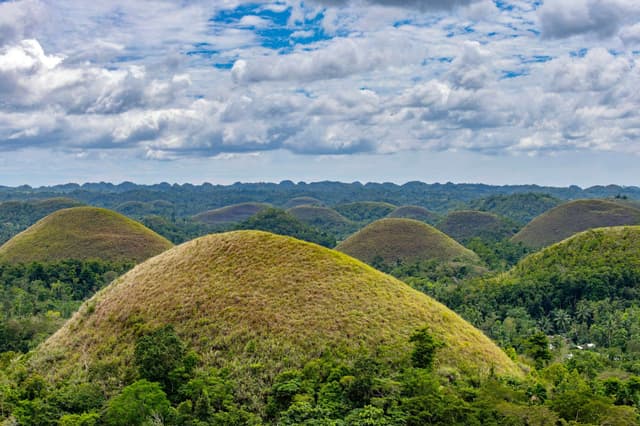
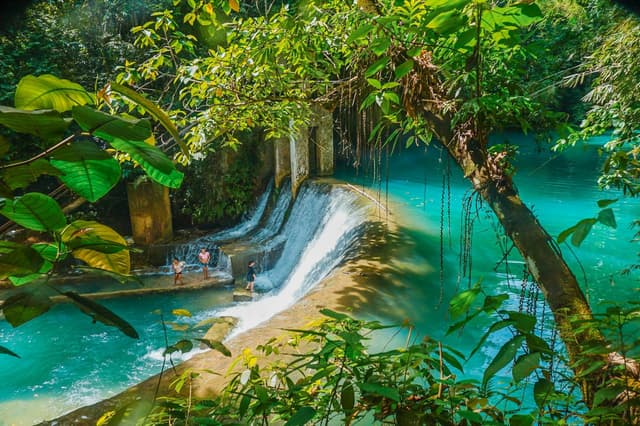
These headline Visayas destinations are among the most dependable in the country. Boracay is at its best from November to May, when the calm, clear water and famous white beach are reliably sunny, with the early part of the year especially pleasant. Cebu and Bohol enjoy a more even climate and are rewarding year round, though January to May offers the calmest seas for diving, canyoneering at Kawasan Falls, and island hopping to spots like the sardine run at Moalboal and the Chocolate Hills of Bohol. Because the central Visayas sit a little away from the worst of the typhoon belt, they also make a smart choice if you are travelling in the wetter months and want the best odds of good weather.

How does the season affect ferries and inter island travel?

In an archipelago, getting between islands is part of the adventure, and the season shapes how smoothly it goes. During the dry months from November to May, seas are calm, ferries and bangka boats run on schedule, and island hopping tours operate reliably, so you can plan connections with confidence. In the wet season, especially from July to October, rough seas and storm warnings can suspend ferry services and cancel small boat trips at short notice, sometimes stranding travellers for a day or two. The practical response is to lean on domestic flights for the longer hops in the wet season, keep buffer time between island transfers and international departures, and avoid booking non refundable connections too tightly. Whatever the season, allow a cushion before a flight home, since a single cancelled ferry can otherwise cascade through a whole itinerary.

How can you plan flexibly around Philippine weather?

Because the archipelago spans so many microclimates and sits in the typhoon belt, a flexible mindset is the single most useful planning tool. Answer first: pick your season, build in buffer days, and keep a backup region in mind. Start by choosing your travel dates around the dry season if weather certainty matters, or accept the wet season trade offs in exchange for lower prices and fewer crowds. Within the trip, leave a spare day or two between island transfers and before your flight home, so a cancelled ferry or a passing storm does not unravel everything. Keep a second region on your shortlist, ideally one in the more even central or southern climate, so you can pivot if the forecast turns. Check reliable weather updates in the days before travel, favour refundable or flexible bookings during storm prone months, and carry insurance that covers weather disruption. With these habits, almost any month can work, because there is nearly always good weather somewhere in the Philippines.

Frequently asked questions

Do ferries stop running in the rainy season?

They can. Rough seas and storm warnings sometimes suspend ferries and small boat trips at short notice between July and October. For longer hops in the wet season, domestic flights are more reliable, and leaving buffer time between transfers helps avoid missed onward connections.

What is the rainiest month in the Philippines?

August and September are usually the wettest, with the highest chance of typhoons, particularly in the north and around Luzon. Rain in these months often comes in heavy bursts, and storms can disrupt inter island travel, so flexibility helps.

Is the Philippines good to visit in December?

Yes. December is dry, cooler and festive, making it one of the most popular months, though prices and crowds peak around the Christmas and New Year holidays. Book flights and resorts well ahead if you travel then.

Can I still travel during the rainy season?

Yes. Rain often comes in short bursts, and regions like Palawan, Cebu and Siargao can still have good conditions, so you can chase the sun by changing islands. Just keep your itinerary flexible and avoid tightly timed non refundable connections during typhoon prone weeks.

How far ahead should I book for peak season?

Book two to three months ahead for the November to April window, and even earlier for Christmas, New Year, Chinese New Year and Easter travel, when domestic flights and popular resorts fill up fast and prices climb.

When is the best time for island hopping?

March to May offers the calmest seas and clearest water, making it the top window for island hopping and boat tours, especially in Palawan and around the Visayas. The wider dry season from November is also excellent.

When is the best time to visit Palawan?

December to May is ideal for Palawan, including El Nido and Coron, when calm seas and sunny skies make the lagoons, island hopping tours and beaches at their best. The wet season can bring rougher water that occasionally cancels boat trips.

When should I go to the Philippines for surfing?

Head to Siargao between September and November for the strongest and most consistent surf. This overlaps the wetter season, but it delivers the best waves, and the island stays lively and green during these months.

What are the shoulder months in the Philippines?

Late November and May are the shoulder months. They offer largely dry, sunny weather with fewer crowds and lower prices than the December to April peak, making them a strong choice for value seekers, though a small risk of an early or late storm means keeping some flexibility.

Which islands are best in the rainy season?

The central Visayas, such as Cebu and Bohol, and southern islands like Siargao sit away from the worst of the typhoon belt and see rain spread more evenly, so they are the safest bets in the wet season. Keep your itinerary flexible and watch forecasts.

Is the Philippines worth visiting in the rainy season?

Yes, if you stay flexible. The wet season brings lush scenery, fewer crowds and lower prices, and rain often falls in short bursts. Favour the more sheltered central and southern islands, build in buffer days, and take out insurance that covers weather disruption.

Is the Philippines too hot in April and May?

April and May are the hottest, driest months, with strong sun and high temperatures, but they also offer the most reliable beach weather. Stay hydrated, plan activities for early morning or late afternoon, and enjoy the calm, clear seas, which are ideal for the water.

Tags
Philippines
Share
G
Gomayu Team
Writer at Gomayu
Keep reading
Blog / Philippines
Best Time to Visit the Philippines: Season Guide
18 min read 18 Aug 2026 · Updated 21 Sep 2026
Best Time to Visit the Philippines: Season Guide

The best time to visit the Philippines is the dry season, from late November to April, when sunny skies and calm seas make island hopping, diving and beach days reliable. The wet season, roughly June to October, brings heavier rain and the risk of typhoons, though it also means fewer crowds, lush green scenery and lower prices. Because the country is a sprawling archipelago of more than seven thousand islands, the weather varies by region, so the perfect timing depends a little on where you want to go. This guide breaks down the seasons month by month, the best time for each island and activity, and how to plan around the typhoons.

When is the dry season in the Philippines?

The dry season runs from about late November to May, and it is the peak travel window. It splits into two moods: a cooler, more comfortable stretch from November to February, with pleasant temperatures and lower humidity, and a hotter, very sunny period from March to May, when beach weather is at its best but the heat builds. This is when flights and resorts book up early, especially around Christmas, New Year, Chinese New Year and Easter, so reserve well ahead if you travel then.

When is the rainy season, and should you avoid it?

The rainy season lasts from around June to October, with the heaviest rain and most typhoons between July and September. You do not have to avoid it entirely. Showers are often short and heavy rather than constant, the islands turn a vivid green, waterfalls are at their fullest, and prices drop with the crowds. The key is flexibility: build buffer days into your plans, avoid tightly timed non refundable inter island travel during typhoon prone weeks, and keep an eye on forecasts. Some regions stay drier than others in these months, so you can often chase the sun by switching islands.
Explore Philippines tour packages
View all →

What are the three climate types in the Philippines?

One thing that surprises first time visitors is that the Philippines does not have a single national weather pattern. Broadly, different parts of the country experience their wet and dry spells at different times, which is why you can almost always find good weather somewhere. As a simple guide, the western side of the country, including Manila, Palawan and the west of the major islands, follows the classic dry season from November to April and a wet season from June to October. The eastern seaboard, facing the Pacific, can see rain spread more evenly through the year, with a wetter stretch late in the year. Central and southern areas such as much of Cebu, Bohol and parts of Mindanao enjoy a more even climate with no pronounced dry or wet extreme. Knowing this means a rainy month in one region can still be a fine time to visit another.

Philippines weather month by month

MonthsWeatherGood for
January to FebruaryDry, cooler, sunnyBeaches, diving, festivals
March to MayHot and dryIsland hopping, best beach weather
June to AugustWet and humidGreen scenery, lower prices
September to OctoberWettest, typhoon riskSurfing in Siargao, fewer crowds
November to DecemberDrying out, pleasantStart of peak season

What is the best month to visit the Philippines?

For most travellers, March and April are the best months: reliably sunny, warm and calm seas, and ideal conditions for beaches and boat trips across the country. The trade off is that these are peak, hot and busy. If you prefer cooler, less humid days and do not mind bigger crowds around the holidays, aim for December to February, which many consider the sweet spot for comfort. January and February in particular pair good weather with the country's biggest festivals, making them a rewarding time to visit.

When is the best time for each island and region?

Because the archipelago is so spread out, the ideal timing shifts a little from island to island. Here is a quick regional guide for the most popular destinations.

DestinationBest monthsWhy
Palawan (El Nido, Coron)December to MayCalm seas for island hopping and lagoons
BoracayNovember to MayDry, sunny beach weather, calm water
Cebu and BoholYear round, best January to MayEven climate, great diving and canyoneering
SiargaoBest waves August to NovemberSurf season, though wetter
Banaue and the northDecember to MayClearer skies for the rice terraces

When is the best time for diving and snorkelling?

The Philippines is a world class diving destination, and the dry season generally offers the best conditions, with calm seas and excellent visibility from around March to May. Timing also depends on what you hope to see, as several signature encounters are seasonal.

  • Thresher sharks at Malapascua: sightings are possible year round, with the dry season easiest for calm crossings.
  • Whale sharks off Donsol: the main season runs roughly from December to May, peaking in the first months of the year.
  • Sardine run at Moalboal, Cebu: the huge sardine shoals can be seen year round, making it a reliable highlight in any season.
  • Tubbataha Reefs: this remote UNESCO marine park is only accessible on liveaboards during a short season, roughly mid March to mid June.

If diving is the focus of your trip, plan around these windows and the calmer, clearer waters of the dry months.

When is the best time for surfing and festivals?

Timing depends on the experience you are chasing, and two of the country's biggest draws sit at opposite ends of the calendar.

  • Surfing: the swell in Siargao, the country's surf capital, is strongest from around September to November, which overlaps the wetter months but delivers the best waves.
  • Festivals: January is the festival month, with the vibrant Sinulog in Cebu and Ati-Atihan in Kalibo lighting up the central islands, followed by the Panagbenga flower festival in Baguio in February and the colourful MassKara festival in Bacolod in October.

Once you have picked your dates, our full Philippines travel guide covers where to go, costs and a sample itinerary in more detail.

How do typhoons affect travel, and how do you plan around them?

Typhoons are the main weather concern in the Philippines, most common between June and November and peaking around July to September. They tend to affect the eastern and northern parts of the country, including Luzon and the eastern Visayas, more than the far south. The practical approach is not to cancel a wet season trip, but to plan it wisely: favour regions that are drier or more sheltered at that time, keep a couple of flexible buffer days, avoid booking tight non refundable connections, and take out travel insurance that covers weather disruption. Storms usually pass within a day or two, and modern forecasting gives useful warning, so with a flexible itinerary the wet season can still be a rewarding, quieter time to visit.

When is the cheapest time to visit the Philippines?

The cheapest time is the low or green season, roughly June to September, when airlines and resorts cut prices and beaches are quieter. You trade some sunshine for savings and calm, uncrowded islands. The shoulder weeks of late May and early November can be a sweet spot, offering decent weather with lower prices before the peak. To keep costs down, avoid the Christmas, New Year and Easter peaks, travel midweek, and book domestic flights early, since inter island fares rise quickly close to departure.

What should you pack for the Philippines?

Pack for heat, sun and sudden rain. Answer first: light, quick drying clothing, strong sun protection, and a compact rain layer. Breathable cotton and quick dry fabrics suit the humidity, while a rash guard protects you from the sun during long boat trips and snorkelling. Bring reef safe sunscreen, a hat and sunglasses, insect repellent for evenings and jungle areas, and water shoes for rocky shores. A light rain jacket or travel umbrella is useful even in the dry season for the occasional shower, and a dry bag keeps electronics safe on island hopping boats. If you plan to visit the cooler mountain areas around Banaue or Baguio, add a warm layer for the evenings.

Once you have picked your dates, Gomayu can also arrange Philippines holiday packages timed to the season you choose, with the flights, transfers and island hops handled for you.

How does timing vary across Luzon, the Visayas and Mindanao?

Splitting the country into its three main groups helps when planning a multi region trip. Luzon in the north, home to Manila, Banaue's rice terraces and the beaches of La Union and Zambales, follows the classic pattern of a dry season from November to April and a wetter, more typhoon prone stretch from June to October. The Visayas in the centre, including Cebu, Bohol, Boracay and Siquijor, enjoy a more even climate with a reliable dry season and generally lighter typhoon exposure, which is why they are such dependable beach destinations. Mindanao in the south, including Siargao and Davao, sits largely below the main typhoon belt and sees rain spread more evenly through the year, so it can be a good rainy season choice. Understanding these differences means you can plan a trip that follows the best weather from region to region rather than being caught out by a single national season.

When is the best time for a first trip to the Philippines?

For a first visit that combines beaches, island hopping and a festival or two, aim for January to April. The early months pair dry, sunny weather with the country's biggest celebrations, while March and April bring the calmest seas and the classic postcard beach conditions across Palawan, Boracay and the Visayas. This window makes it easy to string together the highlights without worrying much about rain, though it is peak season, so book flights, ferries and resorts ahead. If you would rather travel with fewer crowds and lower prices on your first trip, the shoulder weeks of late November and May still offer largely good weather with better value.

When is the best time for a honeymoon or relaxed beach holiday?

Couples and anyone after easy, sun soaked days should lean into the heart of the dry season, roughly December to May, when the seas are calm and the skies clear. Palawan's lagoons, Boracay's white sand and the quieter islands of the Visayas are at their romantic best in these months, with reliable weather for sunset cruises and island picnics. The cooler window from December to February is especially comfortable, while March to May guarantees warm water and sunshine at the cost of more heat and crowds. Avoiding the wettest months keeps boat trips and beach plans on track, which matters most when the weather is central to the trip.

How does the Philippines compare with its neighbours for timing?

Like much of Southeast Asia, the Philippines is tropical and humid, but its position in the western Pacific means typhoons play a bigger role than in some neighbouring countries. Its dry season, from November to April, broadly lines up with the best weather in Thailand and Vietnam, making it easy to combine regional beach trips in the northern winter. Where the Philippines differs is the wet season typhoon risk from June to November, which calls for more flexibility than a rainy season trip to, say, the Malaysian west coast. If you are planning a wider Southeast Asia itinerary, slot the Philippine island portion into the dry months and treat the country's more even climate regions, such as the central Visayas and the south, as your flexible options.

When is the best time for the rice terraces and mountains?

The famous rice terraces of Banaue and Batad in northern Luzon are at their most photogenic when skies are clear and the terraces are green or golden. The dry season from December to May offers the best chance of clear mountain views, while the terraces are typically a vivid green after planting earlier in the year and turn golden before the harvest around June and July. The mountain air is cooler than the lowlands, so pack a warm layer for the evenings. Baguio, the summer capital, is pleasant year round but especially lively during the February flower festival. Avoid the peak wet months if mountain views are a priority, as cloud and rain can obscure the terraces.

Quick reference: best time by interest

You wantBest months
Island hopping and calm seasMarch to May
Cooler, comfortable sightseeingDecember to February
Diving with best visibilityMarch to June
Surfing in SiargaoSeptember to November
FestivalsJanuary to February, plus October
Lowest prices and fewest crowdsJune to September
Whale sharks off DonsolDecember to May

When is peak, shoulder and low season?

Understanding the three seasons helps you balance weather, crowds and cost. Peak season is the dry, sunny window from December to April, and especially the holiday weeks around Christmas, New Year, Chinese New Year and Easter, when demand and prices are highest and popular spots are busiest. The shoulder periods of late November and May offer a sweet spot, with largely good weather, thinner crowds and better value before and after the peak. Low or green season runs from June to September, the wettest and quietest months, when prices fall and islands empty out. Choosing the shoulder weeks often gives the best overall value, combining reliable conditions with fewer people and gentler prices.

What is the weather like in the shoulder months?

The shoulder months of May and November deserve special mention because they often deliver the best mix for value seekers. May sits at the tail of the dry season, hot and sunny with warm, calm seas, making it excellent for beaches and diving just before the rains arrive, and prices ease compared with the March and April peak. November marks the transition out of the wet season, with the rain tailing off, the landscape still lush and green, and resorts quieter before the December rush. Both months carry a small risk of an early or late storm, so a little flexibility helps, but they reward travellers who want good conditions without peak season crowds and rates.

How does timing shape your route and length of trip?

The season influences how you build an itinerary as much as how long you stay. With a week in the dry season you can comfortably focus on one region, such as Palawan or the Cebu and Bohol pairing, with reliable weather throughout. With ten days to two weeks you can combine two regions, for example Palawan with the Visayas, confident that the dry months keep the boats running and the beaches sunny. In the wet season, lean toward the more sheltered central and southern islands and keep the plan loose, allowing an extra day or two so a passing storm does not derail the whole trip. In short, the dry season lets you plan ambitiously and tightly, while the wet season rewards a shorter, more flexible route in the right regions.

When is the best time to visit Boracay, Cebu and Bohol?

These headline Visayas destinations are among the most dependable in the country. Boracay is at its best from November to May, when the calm, clear water and famous white beach are reliably sunny, with the early part of the year especially pleasant. Cebu and Bohol enjoy a more even climate and are rewarding year round, though January to May offers the calmest seas for diving, canyoneering at Kawasan Falls, and island hopping to spots like the sardine run at Moalboal and the Chocolate Hills of Bohol. Because the central Visayas sit a little away from the worst of the typhoon belt, they also make a smart choice if you are travelling in the wetter months and want the best odds of good weather.

How does the season affect ferries and inter island travel?

In an archipelago, getting between islands is part of the adventure, and the season shapes how smoothly it goes. During the dry months from November to May, seas are calm, ferries and bangka boats run on schedule, and island hopping tours operate reliably, so you can plan connections with confidence. In the wet season, especially from July to October, rough seas and storm warnings can suspend ferry services and cancel small boat trips at short notice, sometimes stranding travellers for a day or two. The practical response is to lean on domestic flights for the longer hops in the wet season, keep buffer time between island transfers and international departures, and avoid booking non refundable connections too tightly. Whatever the season, allow a cushion before a flight home, since a single cancelled ferry can otherwise cascade through a whole itinerary.

How can you plan flexibly around Philippine weather?

Because the archipelago spans so many microclimates and sits in the typhoon belt, a flexible mindset is the single most useful planning tool. Answer first: pick your season, build in buffer days, and keep a backup region in mind. Start by choosing your travel dates around the dry season if weather certainty matters, or accept the wet season trade offs in exchange for lower prices and fewer crowds. Within the trip, leave a spare day or two between island transfers and before your flight home, so a cancelled ferry or a passing storm does not unravel everything. Keep a second region on your shortlist, ideally one in the more even central or southern climate, so you can pivot if the forecast turns. Check reliable weather updates in the days before travel, favour refundable or flexible bookings during storm prone months, and carry insurance that covers weather disruption. With these habits, almost any month can work, because there is nearly always good weather somewhere in the Philippines.

Frequently asked questions

Do ferries stop running in the rainy season?

They can. Rough seas and storm warnings sometimes suspend ferries and small boat trips at short notice between July and October. For longer hops in the wet season, domestic flights are more reliable, and leaving buffer time between transfers helps avoid missed onward connections.

What is the rainiest month in the Philippines?

August and September are usually the wettest, with the highest chance of typhoons, particularly in the north and around Luzon. Rain in these months often comes in heavy bursts, and storms can disrupt inter island travel, so flexibility helps.

Is the Philippines good to visit in December?

Yes. December is dry, cooler and festive, making it one of the most popular months, though prices and crowds peak around the Christmas and New Year holidays. Book flights and resorts well ahead if you travel then.

Can I still travel during the rainy season?

Yes. Rain often comes in short bursts, and regions like Palawan, Cebu and Siargao can still have good conditions, so you can chase the sun by changing islands. Just keep your itinerary flexible and avoid tightly timed non refundable connections during typhoon prone weeks.

How far ahead should I book for peak season?

Book two to three months ahead for the November to April window, and even earlier for Christmas, New Year, Chinese New Year and Easter travel, when domestic flights and popular resorts fill up fast and prices climb.

When is the best time for island hopping?

March to May offers the calmest seas and clearest water, making it the top window for island hopping and boat tours, especially in Palawan and around the Visayas. The wider dry season from November is also excellent.

When is the best time to visit Palawan?

December to May is ideal for Palawan, including El Nido and Coron, when calm seas and sunny skies make the lagoons, island hopping tours and beaches at their best. The wet season can bring rougher water that occasionally cancels boat trips.

When should I go to the Philippines for surfing?

Head to Siargao between September and November for the strongest and most consistent surf. This overlaps the wetter season, but it delivers the best waves, and the island stays lively and green during these months.

What are the shoulder months in the Philippines?

Late November and May are the shoulder months. They offer largely dry, sunny weather with fewer crowds and lower prices than the December to April peak, making them a strong choice for value seekers, though a small risk of an early or late storm means keeping some flexibility.

Which islands are best in the rainy season?

The central Visayas, such as Cebu and Bohol, and southern islands like Siargao sit away from the worst of the typhoon belt and see rain spread more evenly, so they are the safest bets in the wet season. Keep your itinerary flexible and watch forecasts.

Is the Philippines worth visiting in the rainy season?

Yes, if you stay flexible. The wet season brings lush scenery, fewer crowds and lower prices, and rain often falls in short bursts. Favour the more sheltered central and southern islands, build in buffer days, and take out insurance that covers weather disruption.

Is the Philippines too hot in April and May?

April and May are the hottest, driest months, with strong sun and high temperatures, but they also offer the most reliable beach weather. Stay hydrated, plan activities for early morning or late afternoon, and enjoy the calm, clear seas, which are ideal for the water.

Tags
Philippines
Share
G
Gomayu Team
Writer at Gomayu
Keep reading