














































+977-9709047652
Explore by Country
See all 22 Thailand packages
Most popular pick
See all 22 Thailand packages
See all 11 Vietnam packages
Most popular pick
See all 11 Vietnam packages
See all 10 Indonesia (Bali) packages
Most popular pick
See all 10 Indonesia (Bali) packages
See all 4 Maldives packages
Most popular pick
See all 4 Maldives packages
See all 10 China packages
Most popular pick
See all 10 China packages
See all 6 Sri Lanka packages
Most popular pick
See all 6 Sri Lanka packages
See all 9 Malaysia packages
Most popular pick
See all 9 Malaysia packages
See all 8 Singapore packages
Most popular pick
See all 8 Singapore packages
See all 2 Kenya packages
Most popular pick
See all 2 Kenya packages
See all 16 India packages
Most popular pick
See all 16 India packages
See all 3 Dubai packages
Most popular pick
See all 3 Dubai packages
See all 6 Philippines packages
Most popular pick
See all 6 Philippines packages
Search Tours or Places
Blog / Philippines

Philippines Itinerary: How to Plan 7 to 14 Days

19 min read 21 Aug 2026 · Updated 09 Sep 2026
Philippines Itinerary: How to Plan 7 to 14 Days

A great Philippines itinerary focuses on one or two island groups rather than trying to see all 7,600 islands in a single trip. With 7 days, concentrate on Palawan. With 10 days, add Cebu or Bohol. With 14 days, combine Palawan, Cebu and Bohol, or swap in Boracay or Siargao at a relaxed pace. Cheap domestic flights, mostly routed through Manila and Cebu, tie the island groups together and keep the plan realistic.

This guide lays out ready made routes for 5, 7, 10 and 14 days, with honest drive and flight times, island comparisons, seasonal advice, food ideas, safety notes and budget ranges, so you can pick the trip length that fits your dates and travel style. The Philippines rewards travellers who slow down, so it is better to see two islands well than five in a blur.

What are the best Philippines itineraries by length?

The right route depends on how many days you have and whether you want pure beaches, diving and adventure, or a mix of both. The table below is the quick answer, and every route is expanded in detail further down the page.

DaysSuggested routeBest for
5 daysManila, El NidoA short first taste of Palawan
7 daysManila, El Nido, CoronPalawan island hopping and lagoons
10 daysPalawan plus Cebu or BoholScenery, adventure and beaches
14 daysPalawan, Cebu, Bohol, optional Boracay or SiargaoA full highlights loop

A useful rule of thumb is to allow at least three nights per island group. Anything less and you spend more time in airports and on boats than on the water, because most journeys between regions involve a flight through a hub. Build your trip around a single arrival and departure city, usually Manila or Cebu, and radiate out from there.

What does a quick 5 day Philippines itinerary look like?

Five days is enough for one signature destination, and El Nido in Palawan is the obvious choice. Keep it simple and avoid a second inter island flight so your short trip is spent on beaches rather than in transit.

  • Day 1: Arrive in Manila. Take an evening flight, or an early next day flight, to Puerto Princesa or direct to El Nido if schedules allow.
  • Day 2: Transfer to El Nido town, settle into your accommodation, and ease in with a beach afternoon and a sunset viewpoint such as Las Cabanas.
  • Day 3: El Nido Tour A, the classic circuit of the Big Lagoon, Small Lagoon and Secret Lagoon, with snorkelling stops and a beach lunch.
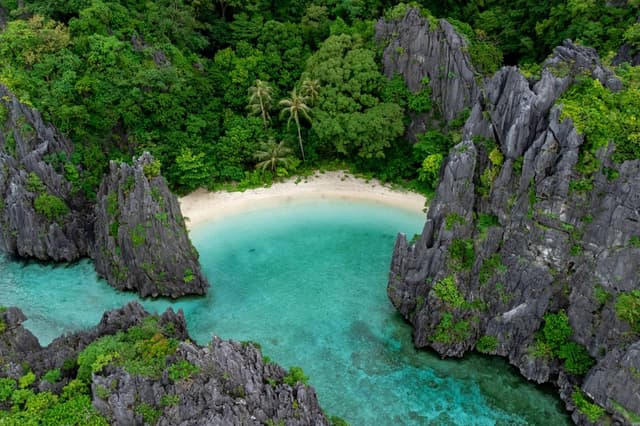
  • Day 4: El Nido Tour C, taking in Helicopter Island, Matinloc Shrine and Hidden Beach, or hire a private boat if you want to skip the crowds.
  • Day 5: A relaxed morning, then fly back to Manila for onward international connections.

If you would rather trade El Nido for diving, Coron works just as well in five days and adds World War Two shipwrecks and the mirror clear Kayangan Lake to the mix. Whichever you choose, five days suits travellers who want a focused first look and plan to return.
Explore Philippines tour packages
View all →

How do you spend 7 days in the Philippines?

Seven days is the sweet spot for Palawan, an island regularly voted among the most beautiful in the world. Fly into Manila, then onward to Palawan, and split your week between El Nido and Coron for the best mix of lagoons and wrecks.

  • Day 1: Arrive in Manila. If time allows, walk the old Spanish walls of Intramuros and Fort Santiago, then rest before the early island flight.
  • Day 2: Fly to Puerto Princesa or El Nido, then transfer to El Nido town and get your bearings along the main beach.
  • Day 3: El Nido Tour A for the famous lagoons and towering limestone cliffs of Bacuit Bay, some of the finest island scenery in Asia.
  • Day 4: El Nido Tour C for the outer islands, drift snorkelling and quieter beaches away from the main circuit.
  • Day 5: Ferry or flight to Coron. The fast ferry between El Nido and Coron takes around four hours when running, and a short flight is the backup.
  • Day 6: Coron Ultimate Tour, including Kayangan Lake, Twin Lagoon and Barracuda Lake, widely called the most scenic day in the country.
  • Day 7: Morning wreck snorkelling or a reef trip, then fly back to Manila for your connection home.

This week delivers the archipelago's most iconic scenery with minimal backtracking. Book the El Nido to Coron ferry or flight early, because seats are limited and sell out fast in the December to May high season.

How do you spend 10 days in the Philippines?

Ten days lets you keep the full Palawan week and add a second island group for contrast. The two strongest add ons are Cebu, for canyoneering and diving, and Bohol, for wildlife and easy beaches. This is the itinerary most first time visitors enjoy the most.

  • Days 1 to 5: Follow the Palawan route above, El Nido then Coron, for lagoons and shipwrecks.
  • Day 6: Fly from Coron or Puerto Princesa to Cebu, usually via Manila, and overnight near the airport or in the south.
  • Day 7: Cebu south coast. Canyoneering to Kawasan Falls near Badian is the adrenaline highlight, followed by a night in the dive town of Moalboal.
  • Day 8: Moalboal for the astonishing sardine run and turtle snorkelling straight off Panagsama Beach, no boat required.
  • Day 9: Transfer to Bohol by fast ferry from Cebu City, which takes around two hours, or stay in Cebu for a dedicated diving day at Pescador Island.
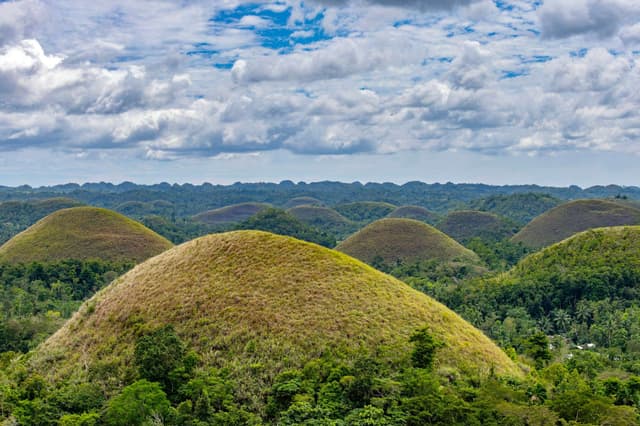
  • Day 10: Bohol countryside tour, the surreal Chocolate Hills and the tiny wide eyed tarsiers, then relax on Panglao beaches before flying home from Bohol or Cebu.

If you prefer wildlife and calmer beaches over adventure, swap the Cebu canyoneering days for two full days in Bohol and Panglao, adding a Loboc River cruise and the Hinagdanan Cave.

How do you spend 14 days in the Philippines?

Two weeks is enough to combine three island groups without rushing, or to add a dedicated beach or surf finish. A balanced loop is Palawan, then Cebu, then Bohol, with a final flourish in Boracay or Siargao depending on whether you want polish or surf.

  • Days 1 to 5: Palawan, El Nido and Coron.
  • Days 6 to 8: Cebu, canyoneering, Moalboal snorkelling and a diving or waterfall day.
  • Days 9 to 11: Bohol, Chocolate Hills, tarsiers, the Loboc River and Panglao beaches.
  • Days 12 to 13: Fly to Boracay for the powder sand of White Beach and easy nightlife, or to Siargao for surfing and lagoon hopping at Sugba.
  • Day 14: A slow final morning, then fly back to Manila or Cebu for your international departure.

Keep one buffer day near the end for weather and inter island flight changes. Domestic delays are common in the Philippines, so never schedule a same day domestic connection to your international flight home. A wasted afternoon on the beach is far better than a missed flight.

Which islands should anchor your Philippines itinerary?

Each region has a distinct character. Use the table to match islands to the kind of trip you want, then build your days around one or two of them rather than spreading yourself thin.

Island groupKnown forIdeal length
Palawan (El Nido, Coron)Lagoons, limestone cliffs, wreck diving4 to 6 days
CebuCanyoneering, Moalboal sardines, diving2 to 4 days
Bohol and PanglaoChocolate Hills, tarsiers, family beaches2 to 3 days
BoracayWhite Beach, nightlife, water sports2 to 3 days
SiargaoSurfing, island hopping, laid back vibe3 to 5 days

First time visitors usually cannot go wrong with Palawan plus one of Cebu or Bohol. Surfers and slow travellers often skip the classic loop and give most of their trip to Siargao instead, while honeymooners lean toward a private Palawan resort or the boutique stays of Panglao. For a deeper breakdown, read our guide to the best islands in the Philippines.

What are the top experiences on a Philippines trip?

Beyond the beaches, a few signature experiences define a Philippines itinerary and are worth planning specific days around.

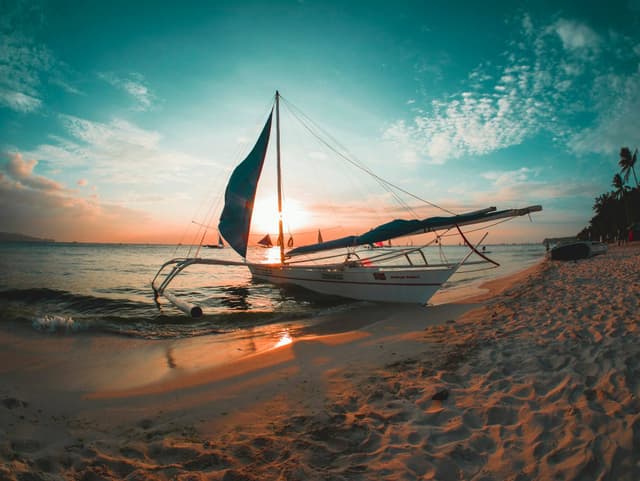
  • Island hopping in Bacuit Bay, El Nido, gliding between towering karst islands and hidden lagoons by outrigger boat.
  • Kayangan Lake in Coron, a short climb to a viewpoint above impossibly clear brackish water ringed by cliffs.
  • Kawasan Falls canyoneering in Cebu, jumping and swimming through turquoise pools down a river gorge.
  • Snorkelling the Moalboal sardine run, a swirling silver tornado of fish just metres from shore.
  • Meeting the tarsiers and driving the Chocolate Hills in Bohol, an easy and photogenic countryside day.
  • Surfing Cloud 9 and lagoon hopping in Siargao, the country's coolest laid back island.

Choose two or three of these as anchors, then fill the surrounding days with slower beach time so the trip does not feel like a checklist.

How do you get around the Philippines?

Because the country is spread across thousands of islands, moving between regions almost always means a domestic flight, usually through Manila or Cebu. Within an island, land transport and short boats fill the gaps, and they are cheap and frequent.

ModeBest forNotes
Domestic flightsBetween island groupsCebu Pacific, Philippine Airlines and AirAsia. Book early for the best fares.
Ferries and fast boatsNearby islandsCebu to Bohol, El Nido to Coron. Check weather and seasonal schedules.
Vans and busesOverland within an islandShared vans link airports to beach towns such as Puerto Princesa to El Nido.
Tricycles and jeepneysShort local hopsCheap, colourful and everywhere. Agree fares in advance.

The single most important booking is your inter island flight, so reserve popular routes like Manila to Palawan weeks ahead. For deeper detail, see our guide on how to get around the Philippines.

Where should you stay on each island?

Accommodation ranges from cheap beach huts to world class resorts, and the right base changes the feel of your trip. These are the areas most travellers choose.

  • El Nido: stay in or near town for tours, or on Corong Corong beach for sunsets and a quieter vibe.
  • Coron: Coron town is the practical base for tours, while private island resorts offer seclusion at a premium.
  • Cebu and Moalboal: Panagsama and White Beach put you steps from the water and dive shops.
  • Bohol: Alona Beach on Panglao has the widest choice of hotels, restaurants and dive operators.
  • Boracay: Station 1 for upscale calm, Station 2 for the lively centre, Station 3 for budget stays.
  • Siargao: General Luna, known as GL, is the surf and social hub with hostels and boutique hotels.

How much does a Philippines trip cost?

The Philippines can be very affordable or comfortably mid range depending on your choices. Island hopping tours, domestic flights and beachfront rooms are the main costs, while food and local transport stay cheap. The ranges below are rough per person daily estimates in US dollars, excluding international flights.

StyleDaily budget per personWhat it looks like
Budget40 to 60 USDGuesthouses, shared tours, local eats
Mid range80 to 140 USDNice hotels, private tours, a few flights
Comfort200 USD and upResorts, private boats, fine dining

Group island hopping tours typically cost a modest fixed price that includes lunch and gear, which keeps daily spending predictable. Carry enough cash on smaller islands, where card payments and reliable ATMs can be scarce, and set aside a little for environmental and terminal fees charged at some destinations.

When is the best time to visit the Philippines?

The dry season from late November to May is the best window for island hopping, with the calmest seas and clearest skies. The wet season from June to October brings heavier rain and the risk of typhoons, especially on the eastern side of the country.

SeasonMonthsWhat to expect
Cool dryDecember to FebruaryPeak season, pleasant temperatures, busy beaches
Hot dryMarch to MayHot and sunny, ideal for the water, higher prices at Easter
WetJune to OctoberRain, possible typhoons, quieter and cheaper

If you travel in the wet season, keep your plans flexible and favour western destinations like Palawan, which often stay drier than the east. Always leave a buffer day for weather disruption. For a full month by month breakdown, see the best places to visit in the Philippines.

What food should you try in the Philippines?

Filipino food is hearty, tangy and comforting, and every island has its own specialities. Trying local dishes is one of the easiest and cheapest highlights of any itinerary.

  • Adobo, meat braised in soy, vinegar and garlic, the unofficial national dish.
  • Sinigang, a sour tamarind soup that locals swear by.
  • Lechon, slow roasted pork with crackling, at its best in Cebu.
  • Fresh seafood grilled at beach shacks, especially in Palawan and Boracay.
  • Halo halo, a colourful shaved ice dessert perfect for hot afternoons.

For a fuller list, read our guide on what to eat in the Philippines.

Is the Philippines safe for travellers?

The main tourist islands of Palawan, Cebu, Bohol, Boracay and Siargao are generally safe and welcoming, and English is widely spoken, which makes getting help easy. As anywhere, watch your belongings in crowds, use registered tour operators, and follow local advice about sea conditions and currents. Check your government's current travel guidance before you go, as advisories can single out specific remote regions that are not on a standard itinerary.

What should you pack for a Philippines island trip?

  • Reef safe sunscreen, a rash guard and a hat for long hours in the sun.
  • Quick dry clothing, sandals and water shoes for rocky shores and boats.
  • A dry bag and a waterproof phone pouch for island hopping tours.
  • Motion sickness tablets for boat and van transfers.
  • Enough cash in pesos for smaller islands and tour tips.
  • A basic first aid kit and any personal medication, since island pharmacies are limited.

Do you need a visa for the Philippines?

Many nationalities can enter the Philippines visa free for around 30 days for tourism, and extensions are usually possible through the Bureau of Immigration once you are in the country. Rules vary by passport and change over time, so confirm the current requirement and any onward ticket or passport validity conditions with an official source before you travel. Keep a copy of your return or onward flight, as airlines often ask for it at check in.

What are practical tips for a smooth Philippines itinerary?

  • Base your route on one hub at a time to avoid criss crossing the country.
  • Book inter island flights and the El Nido to Coron ferry well in advance.
  • Start island hopping tours early to beat crowds and afternoon winds.
  • Download offline maps, as mobile signal drops on smaller islands.
  • Respect marine life, never touch coral, and choose responsible operators.
  • Keep your international departure day free of domestic connections.

A closer look at Palawan

Palawan is the heart of most Philippines itineraries, a long thin province of jungle covered karst islands, hidden lagoons and some of the clearest water in Southeast Asia. El Nido, at the northern tip, is the launch point for the Bacuit Bay tours that made the region famous, with limestone towers rising straight from turquoise shallows. Coron, on nearby Busuanga island, pairs those same dramatic seascapes with a cluster of Japanese shipwrecks from the Second World War, making it one of the best wreck diving sites on the planet.

Between the two sits the provincial capital, Puerto Princesa, home to the Underground River, a UNESCO listed cave system navigable by boat. Many travellers skip it in favour of more time in El Nido and Coron, but it is a worthwhile stop if you fly in and out of Puerto Princesa. Wherever you base yourself in Palawan, plan for slow boats, limited signal and early tour departures, and you will be rewarded with the country's signature scenery.

A closer look at Cebu and Bohol

Cebu and Bohol are neighbours in the central Visayas and pair naturally on a longer itinerary. Cebu is the country's second city and a major flight hub, but the real draw is the south coast, where canyoneering to Kawasan Falls and the Moalboal sardine run deliver adventure and snorkelling in equal measure. Divers add Pescador Island and the thresher sharks of Malapascua in the far north.

Bohol is gentler and greener, best known for the Chocolate Hills, more than a thousand symmetrical mounds that turn brown in the dry season, and the tarsier, one of the world's smallest primates. Panglao island, joined to Bohol by bridge, offers the white sand of Alona Beach and a relaxed dive scene. Together the two islands give a satisfying mix of thrills, wildlife and beach time in just three or four days.

Should you add Manila or northern Luzon to your itinerary?

Most beach focused travellers treat Manila only as a transit hub, but the capital rewards a half day with the Spanish era district of Intramuros, the walls of Fort Santiago and a lively food scene. If you have extra time and prefer mountains to beaches, northern Luzon offers the emerald rice terraces of Banaue and Batad, the Spanish colonial streets of Vigan, and the cool ridges of Sagada. These add several days of overland travel, so they suit longer trips rather than a first visit centred on the islands.

Is the Philippines good for a honeymoon or family trip?

The Philippines is a strong choice for both. Honeymooners gravitate to private resorts in El Nido, secluded island stays around Coron, and the boutique hotels of Panglao, where candlelit beach dinners and private island hopping are easy to arrange. Families do best on calmer islands such as Bohol and Panglao, where beaches are gentle, wildlife visits are short and engaging for children, and drives between sights are manageable. Whatever the occasion, keeping the pace relaxed and the number of flights low makes for a happier trip.

How do you combine islands efficiently?

The secret to a smooth Philippines itinerary is respecting the geography. Because nearly every hop between island groups routes through Manila or Cebu, chaining distant islands wastes hours in airports. Group destinations that share a hub, such as Cebu and Bohol in the Visayas, or Palawan on its own in the west, and you cut backtracking dramatically. A sensible order for a two week trip is to start in the far corner, Palawan, then work back toward your Visayan hub, finishing near the airport you will fly home from.

Where a direct inter island flight exists, such as some seasonal Palawan to Cebu services, use it rather than doubling back through Manila. When no direct link is available, treat the transfer as a half day and do not plan any activity on either end. Building your route hub by hub, rather than island by island, is what separates a relaxed trip from an exhausting one.

What common mistakes should you avoid?

  • Overpacking the schedule. Trying to see Palawan, Cebu, Bohol, Boracay and Siargao in ten days means living out of a suitcase and missing the point of each island.
  • Tight flight connections. Domestic delays are frequent, so never book a same day domestic flight that connects to your international departure.
  • Underestimating cash needs. Small islands run on cash, and ATMs can be empty or offline, so withdraw in the cities first.
  • Ignoring the season. Booking the eastern islands during peak typhoon months can lead to cancelled boats and washed out beach days.
  • Skipping travel insurance. Remote islands, boats and adventure activities make good cover essential rather than optional.

Avoid these and your Philippines itinerary will feel effortless, leaving you free to enjoy the beaches, reefs and island villages at their own gentle pace.

For more planning, see our Philippines travel guide, our guide to the best islands in the Philippines, and the best places to visit in the Philippines.

To have flights, island hopping and hotels arranged in one place, explore our curated Philippines tour packages.

Frequently asked questions

How many days do you need in the Philippines?

Seven days is enough for one island group such as Palawan, while 10 to 14 days lets you combine two or three islands comfortably with time to relax on the beach.

Is one week enough for the Philippines?

Yes, if you focus. One week works well for Palawan, covering El Nido and Coron, without spending too much time on inter island travel.

What is the best month for a Philippines trip?

The dry season from November to May is ideal, with December to February the coolest and most comfortable. Avoid the peak typhoon months if island hopping is central to your plan.

Should you book domestic flights in advance?

Yes. Inter island flights are affordable but fill up on popular routes like Manila to Palawan, so booking early secures better times and fares.

Which is better, El Nido or Coron?

El Nido is famous for dramatic lagoons and island hopping, while Coron is known for shipwreck diving and Kayangan Lake. With a week you can comfortably do both.

Is the Philippines good for a first time Asia trip?

Yes. English is widely spoken, locals are welcoming, and the beaches are world class. Focus on one or two island groups and the logistics are straightforward.

Can you island hop on a budget?

Absolutely. Shared group tours include lunch and equipment for a low fixed price, dorms and guesthouses are cheap, and local food costs very little.

Do you need cash on the islands?

Yes. ATMs and card machines are limited on smaller islands, so withdraw enough pesos in Manila, Cebu or Puerto Princesa before heading to remote areas.

Is the Philippines good for families?

Yes. Bohol and Panglao suit families with calm beaches, easy wildlife visits and short drives, while resorts across the islands cater well to children.

Is Palawan or Boracay better?

Palawan is about dramatic nature, lagoons and island hopping, while Boracay is a single polished beach island with lively nightlife and water sports. For scenery choose Palawan, for an easy beach break choose Boracay.

How far in advance should you plan a Philippines trip?

Aim to book domestic flights and popular tours one to three months ahead in high season. Accommodation in El Nido, Boracay and Siargao also fills early around Christmas, New Year and Easter.

Tags
Philippines
Share
G
Gomayu Team
Writer at Gomayu
Keep reading
Blog / Philippines
Philippines Itinerary: How to Plan 7 to 14 Days
19 min read 21 Aug 2026 · Updated 09 Sep 2026
Philippines Itinerary: How to Plan 7 to 14 Days

A great Philippines itinerary focuses on one or two island groups rather than trying to see all 7,600 islands in a single trip. With 7 days, concentrate on Palawan. With 10 days, add Cebu or Bohol. With 14 days, combine Palawan, Cebu and Bohol, or swap in Boracay or Siargao at a relaxed pace. Cheap domestic flights, mostly routed through Manila and Cebu, tie the island groups together and keep the plan realistic.

This guide lays out ready made routes for 5, 7, 10 and 14 days, with honest drive and flight times, island comparisons, seasonal advice, food ideas, safety notes and budget ranges, so you can pick the trip length that fits your dates and travel style. The Philippines rewards travellers who slow down, so it is better to see two islands well than five in a blur.

What are the best Philippines itineraries by length?

The right route depends on how many days you have and whether you want pure beaches, diving and adventure, or a mix of both. The table below is the quick answer, and every route is expanded in detail further down the page.

DaysSuggested routeBest for
5 daysManila, El NidoA short first taste of Palawan
7 daysManila, El Nido, CoronPalawan island hopping and lagoons
10 daysPalawan plus Cebu or BoholScenery, adventure and beaches
14 daysPalawan, Cebu, Bohol, optional Boracay or SiargaoA full highlights loop

A useful rule of thumb is to allow at least three nights per island group. Anything less and you spend more time in airports and on boats than on the water, because most journeys between regions involve a flight through a hub. Build your trip around a single arrival and departure city, usually Manila or Cebu, and radiate out from there.

What does a quick 5 day Philippines itinerary look like?

Five days is enough for one signature destination, and El Nido in Palawan is the obvious choice. Keep it simple and avoid a second inter island flight so your short trip is spent on beaches rather than in transit.

  • Day 1: Arrive in Manila. Take an evening flight, or an early next day flight, to Puerto Princesa or direct to El Nido if schedules allow.
  • Day 2: Transfer to El Nido town, settle into your accommodation, and ease in with a beach afternoon and a sunset viewpoint such as Las Cabanas.
  • Day 3: El Nido Tour A, the classic circuit of the Big Lagoon, Small Lagoon and Secret Lagoon, with snorkelling stops and a beach lunch.
  • Day 4: El Nido Tour C, taking in Helicopter Island, Matinloc Shrine and Hidden Beach, or hire a private boat if you want to skip the crowds.
  • Day 5: A relaxed morning, then fly back to Manila for onward international connections.

If you would rather trade El Nido for diving, Coron works just as well in five days and adds World War Two shipwrecks and the mirror clear Kayangan Lake to the mix. Whichever you choose, five days suits travellers who want a focused first look and plan to return.
Explore Philippines tour packages
View all →

How do you spend 7 days in the Philippines?

Seven days is the sweet spot for Palawan, an island regularly voted among the most beautiful in the world. Fly into Manila, then onward to Palawan, and split your week between El Nido and Coron for the best mix of lagoons and wrecks.

  • Day 1: Arrive in Manila. If time allows, walk the old Spanish walls of Intramuros and Fort Santiago, then rest before the early island flight.
  • Day 2: Fly to Puerto Princesa or El Nido, then transfer to El Nido town and get your bearings along the main beach.
  • Day 3: El Nido Tour A for the famous lagoons and towering limestone cliffs of Bacuit Bay, some of the finest island scenery in Asia.
  • Day 4: El Nido Tour C for the outer islands, drift snorkelling and quieter beaches away from the main circuit.
  • Day 5: Ferry or flight to Coron. The fast ferry between El Nido and Coron takes around four hours when running, and a short flight is the backup.
  • Day 6: Coron Ultimate Tour, including Kayangan Lake, Twin Lagoon and Barracuda Lake, widely called the most scenic day in the country.
  • Day 7: Morning wreck snorkelling or a reef trip, then fly back to Manila for your connection home.

This week delivers the archipelago's most iconic scenery with minimal backtracking. Book the El Nido to Coron ferry or flight early, because seats are limited and sell out fast in the December to May high season.

How do you spend 10 days in the Philippines?

Ten days lets you keep the full Palawan week and add a second island group for contrast. The two strongest add ons are Cebu, for canyoneering and diving, and Bohol, for wildlife and easy beaches. This is the itinerary most first time visitors enjoy the most.

  • Days 1 to 5: Follow the Palawan route above, El Nido then Coron, for lagoons and shipwrecks.
  • Day 6: Fly from Coron or Puerto Princesa to Cebu, usually via Manila, and overnight near the airport or in the south.
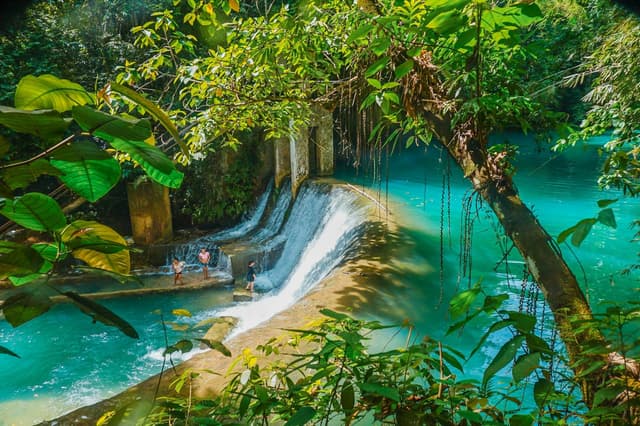
  • Day 7: Cebu south coast. Canyoneering to Kawasan Falls near Badian is the adrenaline highlight, followed by a night in the dive town of Moalboal.
  • Day 8: Moalboal for the astonishing sardine run and turtle snorkelling straight off Panagsama Beach, no boat required.
  • Day 9: Transfer to Bohol by fast ferry from Cebu City, which takes around two hours, or stay in Cebu for a dedicated diving day at Pescador Island.
  • Day 10: Bohol countryside tour, the surreal Chocolate Hills and the tiny wide eyed tarsiers, then relax on Panglao beaches before flying home from Bohol or Cebu.

If you prefer wildlife and calmer beaches over adventure, swap the Cebu canyoneering days for two full days in Bohol and Panglao, adding a Loboc River cruise and the Hinagdanan Cave.

How do you spend 14 days in the Philippines?

Two weeks is enough to combine three island groups without rushing, or to add a dedicated beach or surf finish. A balanced loop is Palawan, then Cebu, then Bohol, with a final flourish in Boracay or Siargao depending on whether you want polish or surf.

  • Days 1 to 5: Palawan, El Nido and Coron.
  • Days 6 to 8: Cebu, canyoneering, Moalboal snorkelling and a diving or waterfall day.
  • Days 9 to 11: Bohol, Chocolate Hills, tarsiers, the Loboc River and Panglao beaches.
  • Days 12 to 13: Fly to Boracay for the powder sand of White Beach and easy nightlife, or to Siargao for surfing and lagoon hopping at Sugba.
  • Day 14: A slow final morning, then fly back to Manila or Cebu for your international departure.

Keep one buffer day near the end for weather and inter island flight changes. Domestic delays are common in the Philippines, so never schedule a same day domestic connection to your international flight home. A wasted afternoon on the beach is far better than a missed flight.

Which islands should anchor your Philippines itinerary?

Each region has a distinct character. Use the table to match islands to the kind of trip you want, then build your days around one or two of them rather than spreading yourself thin.

Island groupKnown forIdeal length
Palawan (El Nido, Coron)Lagoons, limestone cliffs, wreck diving4 to 6 days
CebuCanyoneering, Moalboal sardines, diving2 to 4 days
Bohol and PanglaoChocolate Hills, tarsiers, family beaches2 to 3 days
BoracayWhite Beach, nightlife, water sports2 to 3 days
SiargaoSurfing, island hopping, laid back vibe3 to 5 days

First time visitors usually cannot go wrong with Palawan plus one of Cebu or Bohol. Surfers and slow travellers often skip the classic loop and give most of their trip to Siargao instead, while honeymooners lean toward a private Palawan resort or the boutique stays of Panglao. For a deeper breakdown, read our guide to the best islands in the Philippines.

What are the top experiences on a Philippines trip?

Beyond the beaches, a few signature experiences define a Philippines itinerary and are worth planning specific days around.

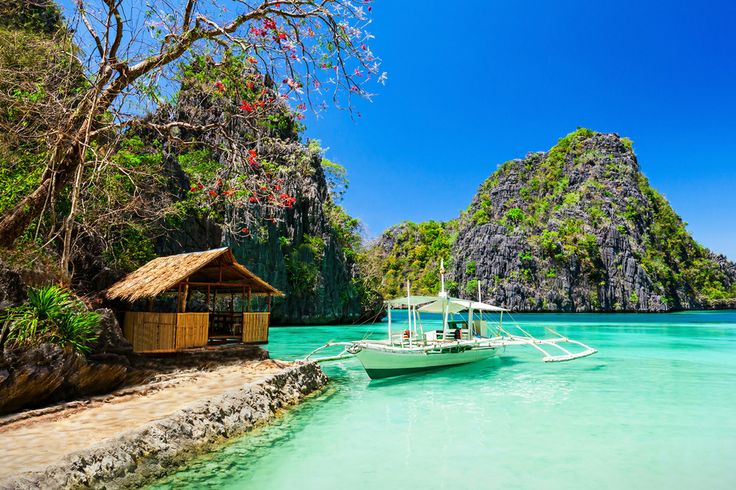
  • Island hopping in Bacuit Bay, El Nido, gliding between towering karst islands and hidden lagoons by outrigger boat.
  • Kayangan Lake in Coron, a short climb to a viewpoint above impossibly clear brackish water ringed by cliffs.
  • Kawasan Falls canyoneering in Cebu, jumping and swimming through turquoise pools down a river gorge.
  • Snorkelling the Moalboal sardine run, a swirling silver tornado of fish just metres from shore.
  • Meeting the tarsiers and driving the Chocolate Hills in Bohol, an easy and photogenic countryside day.
  • Surfing Cloud 9 and lagoon hopping in Siargao, the country's coolest laid back island.

Choose two or three of these as anchors, then fill the surrounding days with slower beach time so the trip does not feel like a checklist.

How do you get around the Philippines?

Because the country is spread across thousands of islands, moving between regions almost always means a domestic flight, usually through Manila or Cebu. Within an island, land transport and short boats fill the gaps, and they are cheap and frequent.

ModeBest forNotes
Domestic flightsBetween island groupsCebu Pacific, Philippine Airlines and AirAsia. Book early for the best fares.
Ferries and fast boatsNearby islandsCebu to Bohol, El Nido to Coron. Check weather and seasonal schedules.
Vans and busesOverland within an islandShared vans link airports to beach towns such as Puerto Princesa to El Nido.
Tricycles and jeepneysShort local hopsCheap, colourful and everywhere. Agree fares in advance.

The single most important booking is your inter island flight, so reserve popular routes like Manila to Palawan weeks ahead. For deeper detail, see our guide on how to get around the Philippines.

Where should you stay on each island?

Accommodation ranges from cheap beach huts to world class resorts, and the right base changes the feel of your trip. These are the areas most travellers choose.

  • El Nido: stay in or near town for tours, or on Corong Corong beach for sunsets and a quieter vibe.
  • Coron: Coron town is the practical base for tours, while private island resorts offer seclusion at a premium.
  • Cebu and Moalboal: Panagsama and White Beach put you steps from the water and dive shops.
  • Bohol: Alona Beach on Panglao has the widest choice of hotels, restaurants and dive operators.
  • Boracay: Station 1 for upscale calm, Station 2 for the lively centre, Station 3 for budget stays.
  • Siargao: General Luna, known as GL, is the surf and social hub with hostels and boutique hotels.

How much does a Philippines trip cost?

The Philippines can be very affordable or comfortably mid range depending on your choices. Island hopping tours, domestic flights and beachfront rooms are the main costs, while food and local transport stay cheap. The ranges below are rough per person daily estimates in US dollars, excluding international flights.

StyleDaily budget per personWhat it looks like
Budget40 to 60 USDGuesthouses, shared tours, local eats
Mid range80 to 140 USDNice hotels, private tours, a few flights
Comfort200 USD and upResorts, private boats, fine dining

Group island hopping tours typically cost a modest fixed price that includes lunch and gear, which keeps daily spending predictable. Carry enough cash on smaller islands, where card payments and reliable ATMs can be scarce, and set aside a little for environmental and terminal fees charged at some destinations.

When is the best time to visit the Philippines?

The dry season from late November to May is the best window for island hopping, with the calmest seas and clearest skies. The wet season from June to October brings heavier rain and the risk of typhoons, especially on the eastern side of the country.

SeasonMonthsWhat to expect
Cool dryDecember to FebruaryPeak season, pleasant temperatures, busy beaches
Hot dryMarch to MayHot and sunny, ideal for the water, higher prices at Easter
WetJune to OctoberRain, possible typhoons, quieter and cheaper

If you travel in the wet season, keep your plans flexible and favour western destinations like Palawan, which often stay drier than the east. Always leave a buffer day for weather disruption. For a full month by month breakdown, see the best places to visit in the Philippines.

What food should you try in the Philippines?

Filipino food is hearty, tangy and comforting, and every island has its own specialities. Trying local dishes is one of the easiest and cheapest highlights of any itinerary.

  • Adobo, meat braised in soy, vinegar and garlic, the unofficial national dish.
  • Sinigang, a sour tamarind soup that locals swear by.
  • Lechon, slow roasted pork with crackling, at its best in Cebu.
  • Fresh seafood grilled at beach shacks, especially in Palawan and Boracay.
  • Halo halo, a colourful shaved ice dessert perfect for hot afternoons.

For a fuller list, read our guide on what to eat in the Philippines.

Is the Philippines safe for travellers?

The main tourist islands of Palawan, Cebu, Bohol, Boracay and Siargao are generally safe and welcoming, and English is widely spoken, which makes getting help easy. As anywhere, watch your belongings in crowds, use registered tour operators, and follow local advice about sea conditions and currents. Check your government's current travel guidance before you go, as advisories can single out specific remote regions that are not on a standard itinerary.

What should you pack for a Philippines island trip?

  • Reef safe sunscreen, a rash guard and a hat for long hours in the sun.
  • Quick dry clothing, sandals and water shoes for rocky shores and boats.
  • A dry bag and a waterproof phone pouch for island hopping tours.
  • Motion sickness tablets for boat and van transfers.
  • Enough cash in pesos for smaller islands and tour tips.
  • A basic first aid kit and any personal medication, since island pharmacies are limited.

Do you need a visa for the Philippines?

Many nationalities can enter the Philippines visa free for around 30 days for tourism, and extensions are usually possible through the Bureau of Immigration once you are in the country. Rules vary by passport and change over time, so confirm the current requirement and any onward ticket or passport validity conditions with an official source before you travel. Keep a copy of your return or onward flight, as airlines often ask for it at check in.

What are practical tips for a smooth Philippines itinerary?

  • Base your route on one hub at a time to avoid criss crossing the country.
  • Book inter island flights and the El Nido to Coron ferry well in advance.
  • Start island hopping tours early to beat crowds and afternoon winds.
  • Download offline maps, as mobile signal drops on smaller islands.
  • Respect marine life, never touch coral, and choose responsible operators.
  • Keep your international departure day free of domestic connections.

A closer look at Palawan

Palawan is the heart of most Philippines itineraries, a long thin province of jungle covered karst islands, hidden lagoons and some of the clearest water in Southeast Asia. El Nido, at the northern tip, is the launch point for the Bacuit Bay tours that made the region famous, with limestone towers rising straight from turquoise shallows. Coron, on nearby Busuanga island, pairs those same dramatic seascapes with a cluster of Japanese shipwrecks from the Second World War, making it one of the best wreck diving sites on the planet.

Between the two sits the provincial capital, Puerto Princesa, home to the Underground River, a UNESCO listed cave system navigable by boat. Many travellers skip it in favour of more time in El Nido and Coron, but it is a worthwhile stop if you fly in and out of Puerto Princesa. Wherever you base yourself in Palawan, plan for slow boats, limited signal and early tour departures, and you will be rewarded with the country's signature scenery.

A closer look at Cebu and Bohol

Cebu and Bohol are neighbours in the central Visayas and pair naturally on a longer itinerary. Cebu is the country's second city and a major flight hub, but the real draw is the south coast, where canyoneering to Kawasan Falls and the Moalboal sardine run deliver adventure and snorkelling in equal measure. Divers add Pescador Island and the thresher sharks of Malapascua in the far north.

Bohol is gentler and greener, best known for the Chocolate Hills, more than a thousand symmetrical mounds that turn brown in the dry season, and the tarsier, one of the world's smallest primates. Panglao island, joined to Bohol by bridge, offers the white sand of Alona Beach and a relaxed dive scene. Together the two islands give a satisfying mix of thrills, wildlife and beach time in just three or four days.

Should you add Manila or northern Luzon to your itinerary?

Most beach focused travellers treat Manila only as a transit hub, but the capital rewards a half day with the Spanish era district of Intramuros, the walls of Fort Santiago and a lively food scene. If you have extra time and prefer mountains to beaches, northern Luzon offers the emerald rice terraces of Banaue and Batad, the Spanish colonial streets of Vigan, and the cool ridges of Sagada. These add several days of overland travel, so they suit longer trips rather than a first visit centred on the islands.

Is the Philippines good for a honeymoon or family trip?

The Philippines is a strong choice for both. Honeymooners gravitate to private resorts in El Nido, secluded island stays around Coron, and the boutique hotels of Panglao, where candlelit beach dinners and private island hopping are easy to arrange. Families do best on calmer islands such as Bohol and Panglao, where beaches are gentle, wildlife visits are short and engaging for children, and drives between sights are manageable. Whatever the occasion, keeping the pace relaxed and the number of flights low makes for a happier trip.

How do you combine islands efficiently?

The secret to a smooth Philippines itinerary is respecting the geography. Because nearly every hop between island groups routes through Manila or Cebu, chaining distant islands wastes hours in airports. Group destinations that share a hub, such as Cebu and Bohol in the Visayas, or Palawan on its own in the west, and you cut backtracking dramatically. A sensible order for a two week trip is to start in the far corner, Palawan, then work back toward your Visayan hub, finishing near the airport you will fly home from.

Where a direct inter island flight exists, such as some seasonal Palawan to Cebu services, use it rather than doubling back through Manila. When no direct link is available, treat the transfer as a half day and do not plan any activity on either end. Building your route hub by hub, rather than island by island, is what separates a relaxed trip from an exhausting one.

What common mistakes should you avoid?

  • Overpacking the schedule. Trying to see Palawan, Cebu, Bohol, Boracay and Siargao in ten days means living out of a suitcase and missing the point of each island.
  • Tight flight connections. Domestic delays are frequent, so never book a same day domestic flight that connects to your international departure.
  • Underestimating cash needs. Small islands run on cash, and ATMs can be empty or offline, so withdraw in the cities first.
  • Ignoring the season. Booking the eastern islands during peak typhoon months can lead to cancelled boats and washed out beach days.
  • Skipping travel insurance. Remote islands, boats and adventure activities make good cover essential rather than optional.

Avoid these and your Philippines itinerary will feel effortless, leaving you free to enjoy the beaches, reefs and island villages at their own gentle pace.

For more planning, see our Philippines travel guide, our guide to the best islands in the Philippines, and the best places to visit in the Philippines.

To have flights, island hopping and hotels arranged in one place, explore our curated Philippines tour packages.

Frequently asked questions

How many days do you need in the Philippines?

Seven days is enough for one island group such as Palawan, while 10 to 14 days lets you combine two or three islands comfortably with time to relax on the beach.

Is one week enough for the Philippines?

Yes, if you focus. One week works well for Palawan, covering El Nido and Coron, without spending too much time on inter island travel.

What is the best month for a Philippines trip?

The dry season from November to May is ideal, with December to February the coolest and most comfortable. Avoid the peak typhoon months if island hopping is central to your plan.

Should you book domestic flights in advance?

Yes. Inter island flights are affordable but fill up on popular routes like Manila to Palawan, so booking early secures better times and fares.

Which is better, El Nido or Coron?

El Nido is famous for dramatic lagoons and island hopping, while Coron is known for shipwreck diving and Kayangan Lake. With a week you can comfortably do both.

Is the Philippines good for a first time Asia trip?

Yes. English is widely spoken, locals are welcoming, and the beaches are world class. Focus on one or two island groups and the logistics are straightforward.

Can you island hop on a budget?

Absolutely. Shared group tours include lunch and equipment for a low fixed price, dorms and guesthouses are cheap, and local food costs very little.

Do you need cash on the islands?

Yes. ATMs and card machines are limited on smaller islands, so withdraw enough pesos in Manila, Cebu or Puerto Princesa before heading to remote areas.

Is the Philippines good for families?

Yes. Bohol and Panglao suit families with calm beaches, easy wildlife visits and short drives, while resorts across the islands cater well to children.

Is Palawan or Boracay better?

Palawan is about dramatic nature, lagoons and island hopping, while Boracay is a single polished beach island with lively nightlife and water sports. For scenery choose Palawan, for an easy beach break choose Boracay.

How far in advance should you plan a Philippines trip?

Aim to book domestic flights and popular tours one to three months ahead in high season. Accommodation in El Nido, Boracay and Siargao also fills early around Christmas, New Year and Easter.
Tags
Philippines
Share
G
Gomayu Team
Writer at Gomayu
Keep reading