












































+977-9709047652
Explore by Country
See all 22 Thailand packages
Most popular pick
See all 22 Thailand packages →
See all 11 Vietnam packages
Most popular pick
See all 11 Vietnam packages →
See all 10 Indonesia (Bali) packages
Most popular pick
See all 10 Indonesia (Bali) packages →
See all 7 Maldives packages
Most popular pick
See all 7 Maldives packages →
See all 10 China packages
Most popular pick
See all 10 China packages →
See all 13 Sri Lanka packages
Most popular pick
See all 13 Sri Lanka packages →
See all 9 Malaysia packages
Most popular pick
See all 9 Malaysia packages →
See all 8 Singapore packages
Most popular pick
See all 8 Singapore packages →
See all 2 Kenya packages
Most popular pick
See all 2 Kenya packages →
See all 16 India packages
Most popular pick
See all 16 India packages →
See all 3 Dubai packages
Most popular pick
See all 3 Dubai packages →
See all 7 Nepal packages
Most popular pick
See all 7 Nepal packages →
See all 6 Philippines packages
Most popular pick
See all 6 Philippines packages →
Search Tours or Places
Blog / Philippines

Best Islands in the Philippines: Top Islands Guide

18 min read 21 Aug 2026 · Updated 04 Oct 2026
Best Islands in the Philippines: Top Islands Guide

The best islands in the Philippines for most first time visitors are Palawan, Boracay, Cebu, Bohol and Siargao, with Panglao, Siquijor, Camiguin and Malapascua rewarding travellers who go deeper. With 7,641 islands to choose from, the country can feel overwhelming, so this guide sorts the standouts by what they do best, whether that is powdery beaches, world class diving, surf or dramatic lagoons. Use it to pick the islands that match your trip and to see how they fit together. For the wider plan, start with our Philippines travel guide.

How many islands does the Philippines have, and how do you choose?

The Philippines is made up of 7,641 islands spread across three main regions: Luzon in the north, the Visayas in the centre and Mindanao in the south. Most travellers focus on a handful of well connected islands rather than trying to see them all. The simplest way to choose is by what you want most.

  • Beaches and island hopping: Palawan, Boracay and the Bantayan and Camotes islands.
  • Diving and marine life: Cebu, Bohol, Malapascua and the remote Tubbataha Reefs.
  • Surfing: Siargao, the country's surf capital.
  • Nature and landscapes: Bohol's Chocolate Hills, Palawan's underground river and Camiguin's volcanoes.
  • Quiet and offbeat: Siquijor, Batanes and Romblon.

Two islands in a week, or three in ten days, is a comfortable pace given that most hops route through Manila or Cebu. Trying to cram in more usually means spending your holiday in airports.

The best islands in the Philippines at a glance

IslandBest forSignature highlightMain gateway
PalawanLagoons and island hoppingEl Nido and CoronPuerto Princesa or El Nido airport
BoracayBeaches and nightlifeWhite BeachCaticlan airport plus a short boat
CebuDiving, waterfalls, accessKawasan Falls and sardine runsMactan Cebu airport
Bohol and PanglaoNature and easy beachesChocolate Hills and Alona BeachBohol Panglao airport
SiargaoSurfing and island coolCloud 9 waveSayak Siargao airport
Explore Philippines tour packages
View all →

Palawan: the most beautiful island

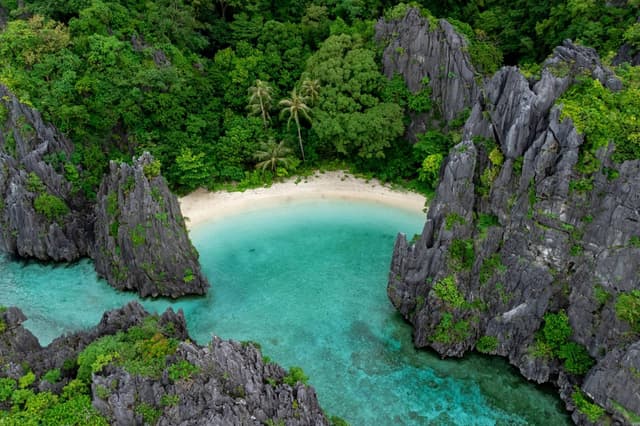
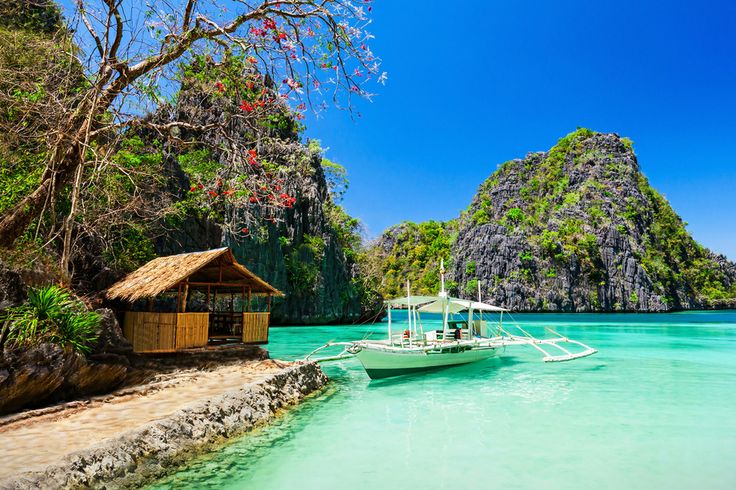
Palawan is regularly named among the most beautiful islands in the world, and it lives up to it. Towering limestone cliffs, hidden lagoons and clear turquoise water make El Nido and Coron two of the finest island hopping bases anywhere. El Nido's boat tours weave between the Bacuit Bay islets, while Coron is famous for shipwreck diving and the crystalline Kayangan Lake. Puerto Princesa adds the Underground River, a UNESCO World Heritage Site. Palawan suits travellers who want dramatic scenery and boat days above all.

Boracay: the classic beach island

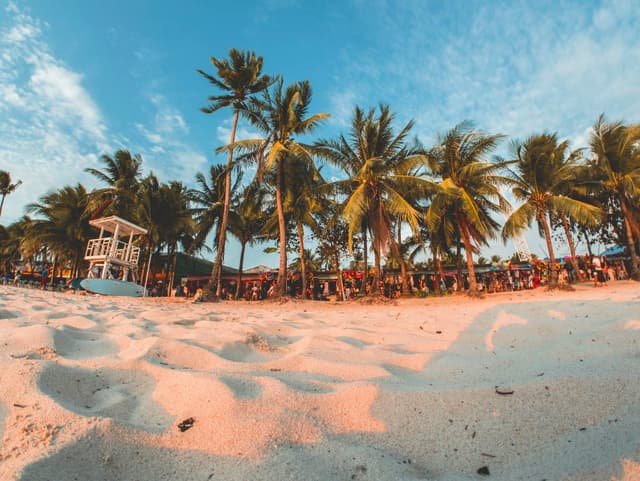
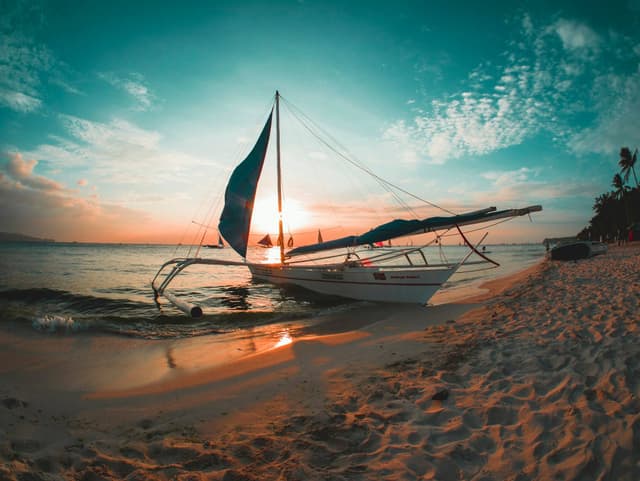
Boracay is small but delivers one of the best beaches on earth. The four kilometre White Beach has powdery sand and calm, shallow water, backed by resorts, bars and restaurants. Since the island's clean up and reopening, it is better managed than ever, with clearer rules and a fresher feel. Beyond the beach there is kitesurfing at Bulabog, island hopping to Crystal Cove and Puka Beach, and a lively but easygoing nightlife. Boracay is the pick for a straightforward beach holiday with plenty to do.

Cebu: diving, waterfalls and easy access

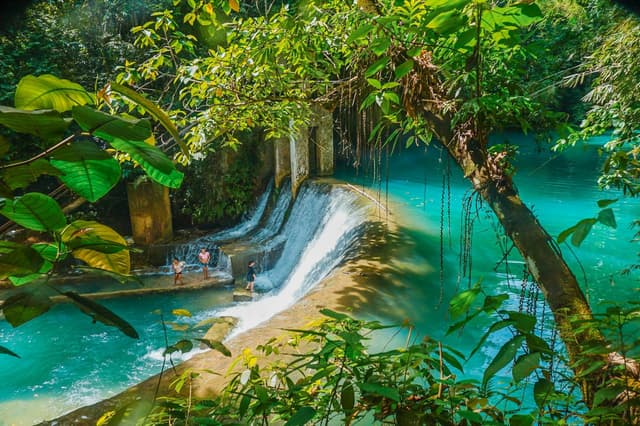
Cebu is the most connected island in the Visayas, with an international airport that makes it a natural hub. The island pairs city convenience with superb nature. In the south, Kawasan Falls offers turquoise canyoneering, Moalboal is famous for its sardine run and turtles, and Oslob draws visitors for whale sharks, best chosen responsibly. From Cebu you can reach Malapascua for thresher sharks and Bantayan for quiet beaches. Cebu suits divers and travellers who want variety with good transport.

Bohol and Panglao: nature plus easy beaches

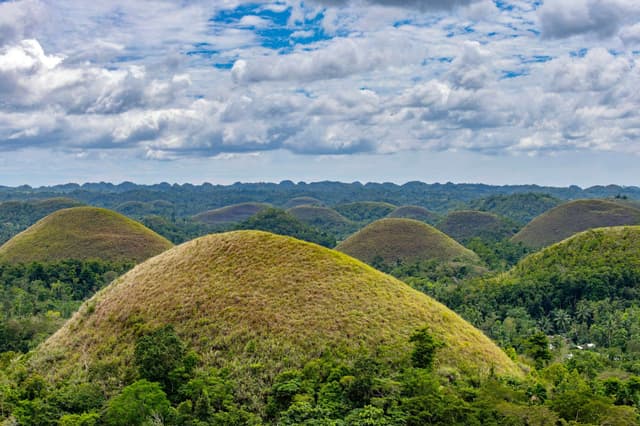
Bohol packs a lot into one island. The Chocolate Hills, hundreds of symmetrical mounds that turn brown in the dry season, are its icon, while the Loboc River cruise and the tiny, saucer eyed tarsiers add to the appeal. Just off Bohol, Panglao offers the sandy Alona Beach and easy diving at Balicasag. The new Bohol Panglao airport has made the island simple to reach. This pairing is ideal for travellers who want nature and beaches without long transfers.

Siargao: the surf capital

Siargao is the Philippines' surf capital, home to the famous Cloud 9 reef break, but it has grown into a laid back all rounder. Beginners find gentle waves, non surfers enjoy island hopping to Naked, Daku and Guyam islands, and the Sugba Lagoon and Magpupungko rock pools round out the days. The island has a relaxed, sociable feel that keeps visitors coming back. Siargao suits surfers and anyone after a cool, unhurried island vibe.

More islands worth your time

Beyond the big five, several islands reward travellers who have more time or want fewer crowds.

IslandWhy go
SiquijorQuiet beaches, waterfalls and a mystical reputation
CamiguinVolcanoes, hot and cold springs, and the sunken cemetery
MalapascuaThe world's most reliable spot to dive with thresher sharks
BantayanPowder soft sand and a slow, village pace
BatanesRolling green hills and stone villages in the far north

These are best added once you have seen the headline islands, or chosen deliberately for a quieter, more local trip.

Which island is best for you?

The right island depends on your priorities. This table matches common travel styles to the best fit.

You wantBest islands
Iconic beachesBoracay, Palawan, Bantayan
Island hopping and lagoonsPalawan (El Nido and Coron)
Diving and marine lifeCebu, Malapascua, Bohol, Tubbataha
SurfingSiargao
Nature and landscapesBohol, Camiguin, Palawan
Peace and quietSiquijor, Batanes, Romblon
Families and honeymoonsPanglao, Boracay, Palawan

How do you island hop in the Philippines?

Because the islands are spread out, most long hops are by plane, usually connecting through Manila or Cebu. Shorter hops between neighbouring islands use fast ferries and traditional bangka boats. A few tips make it smooth:

  • Fly the long legs. Domestic flights via Manila or Cebu save days compared with ferries for distant islands.
  • Ferry the short hops. Cebu to Bohol, Bohol to Siquijor and Caticlan to Boracay are quick, scenic sea crossings.
  • Leave a buffer. Weather can delay boats and small planes, so avoid tight same day connections to your international flight.
  • Pack light. Small aircraft and bangka boats have limited space and baggage limits.

For a full route, see our Philippines itinerary, which shows how to link these islands without wasting days in transit.

When is the best time to visit the Philippine islands?

The dry season from roughly November to May is the best time for beaches and island hopping, with the peak around December to April. The wet season from June to October brings rain and the occasional typhoon, though it also means fewer crowds and lower prices. Conditions vary by region, since the Visayas and Palawan often stay drier than Luzon. For timing detail, see the best time to visit the Philippines.

How many islands can you combine in one trip?

A realistic plan is two islands in a week or three in ten days to two weeks. A classic first trip pairs Palawan for lagoons with Cebu or Bohol for diving and nature, or combines Boracay's beaches with an island of your choice. Surfers often add Siargao. Keeping the count sensible leaves time to actually enjoy each island rather than rushing between airports. If you would rather have the flights, ferries and stays arranged for you, a well planned Philippines tour package ties the islands together into one smooth trip.

Palawan in more detail: El Nido or Coron?

Palawan is large, and most visitors base themselves in El Nido, Coron or both. They are different in character, so it helps to know which suits you.

BaseBest forSignature experiences
El NidoLagoons, beaches and a lively townBacuit Bay island hopping tours A to D, Nacpan Beach, kayaking the Big and Small Lagoons
CoronWreck diving and clear lakesKayangan Lake, Twin Lagoon, Japanese shipwreck dives, Malcapuya Island

With a week you can combine both, linked by a scenic ferry or a short flight. El Nido leans toward classic beach and lagoon hopping, while Coron rewards divers and anyone who loves dramatic karst scenery and hidden lakes. Puerto Princesa, further south, is the entry point for the Underground River and quieter than either.

How many days do you need on each island?

Matching your time to each island keeps the trip relaxed. These are comfortable minimums for the highlights.

IslandSuggested nights
Palawan (El Nido and Coron)4 to 6
Boracay2 to 3
Cebu (with day trips)3 to 4
Bohol and Panglao2 to 3
Siargao3 to 5

Add a night on either side for travel days, since domestic flights and ferries eat into island time. Slower travellers who prefer to settle in one place will happily double these figures.

What does island hopping cost?

Island hopping is one of the great value experiences in the Philippines, though flights between far apart islands are the bigger spend. These are typical planning ranges rather than quotes.

ItemTypical cost
Group island hopping day tourModest per person, lunch often included
Fast ferry between neighbouring islandsLow, a few hours at most
Domestic flight via Manila or CebuThe main transport cost, book ahead for the best price
Environmental and terminal feesSmall local charges at many islands

The Philippines is generally affordable once you arrive, with cheap local food and reasonable guesthouses. Booking domestic flights early and travelling in the shoulder season are the two biggest savings. For a full budget picture, see whether the Philippines is expensive.

Responsible island travel in the Philippines

The islands are fragile, and a few simple habits protect them for the future. Many destinations now enforce rules to keep beaches and reefs healthy.

  • Follow Boracay's rules. The island was closed and cleaned up, and it now limits some beach activities. Respecting the guidelines keeps White Beach pristine.
  • Choose reef safe sunscreen. Ordinary sunscreen harms coral, and some sites require the reef safe kind.
  • Pick ethical wildlife encounters. The Oslob whale shark feeding is controversial, so consider seeing whale sharks in the wild instead, and never touch marine life.
  • Pay the environmental fees. Small terminal and eco fees fund island upkeep.
  • Take your rubbish with you. Waste management is limited on small islands, so pack out what you bring in.

Travelling thoughtfully means the lagoons, reefs and beaches stay as beautiful as the photographs that drew you there.

Sample island hopping routes

Numbers are easier to picture as full routes. These sample plans link the best islands without wasting days in transit.

One week: beaches and lagoons

Fly into El Nido or Puerto Princesa, spend four nights island hopping around El Nido and Coron, then finish with a couple of nights in Cebu or Bohol on the way out. This route pairs Palawan's scenery with easy diving or the Chocolate Hills.

Ten days: variety

Combine Palawan for lagoons, Bohol and Panglao for nature and beaches, and a short Boracay stop for the famous sand. Route the longer legs through Cebu or Manila and keep ferries for the short hops.

Two weeks: the grand tour

Add Siargao for surf and island cool to the ten day plan, or swap in Siquijor or Camiguin for a quieter finish. Two weeks lets you slow down and enjoy each island rather than chasing checklists.

What to pack and know before you go

  • Pack light and quick drying. Small planes and bangka boats limit baggage, and you will be in and out of the water constantly.
  • Bring cash. ATMs are scarce on small islands, so carry Philippine pesos for tours, fees and meals.
  • Protect your electronics. A dry bag is essential for boat days and sudden showers.
  • Mind the sun and the reef. Reef safe sunscreen, a rash guard and water shoes make island days more comfortable.
  • Buy a local SIM or eSIM. Coverage is patchy on remote islands, but a local number helps with bookings and transfers.

Cebu and the Visayas in more detail

Cebu is the springboard for the central Visayas, and its own island holds some of the country's best day trips. In the south, Moalboal is famous for the sardine run, a swirling silver tornado of fish just off the shore, along with turtles and easy reef snorkelling. Nearby Kawasan Falls offers turquoise canyoneering through a series of pools and jumps. To the north, Malapascua is the world's most reliable place to dive with thresher sharks at dawn, while Bantayan and the Camotes islands offer soft sand and a slow, village pace. Because Cebu has a major international airport, it is the easiest base from which to reach all of these in a single trip.

Bohol beyond the Chocolate Hills

Bohol is more than its famous hills. The Loboc River cruise glides past jungle and riverside villages, and the Tarsier Sanctuary protects the tiny, wide eyed primates in a responsible setting. Just offshore, Panglao has become a relaxed beach and diving base, with Alona Beach for sunset drinks and Balicasag Island for turtles and vibrant reefs. The eastern town of Anda offers quieter white sand for travellers who want to escape the crowds. With its own airport, Bohol and Panglao make an easy, well rounded island stop that blends nature, culture and beaches.

How do you get to the Philippines?

Most international visitors arrive at Manila's Ninoy Aquino International Airport, the largest gateway, or at Mactan Cebu International Airport, which is often more convenient for the Visayas and the southern islands. Clark, north of Manila, is a quieter third option. From either main hub, domestic carriers fan out to the island airports at El Nido, Caticlan for Boracay, Bohol Panglao, Siargao and more. Booking your international and domestic flights with a comfortable connection time reduces the risk of missing an onward flight if a domestic leg is delayed.

Are the Philippine islands safe to visit?

The main tourist islands, including Palawan, Boracay, Cebu, Bohol and Siargao, are welcoming and generally safe for travellers, with the usual precautions against petty theft and sea conditions. The most important safety points on the islands are practical ones: respect strong currents and only swim or snorkel where it is advised, choose licensed boat operators, and watch the weather in typhoon season. As with any trip, check your government's current travel advice before you go. For more detail, see whether the Philippines is safe to visit.

Best islands for families and honeymoons

Families do well on Panglao and Boracay, where calm, shallow water, easy resorts and short transfers make life simple with children, and Palawan's boat tours are a hit with older kids. Honeymooners are spoiled for choice: Palawan's lagoons and private island resorts are hard to beat for romance, while Boracay offers sunset sails and fine dining, and Siargao suits couples who want a cooler, more active escape. The Philippines' mix of dramatic scenery and warm hospitality makes it one of Asia's most rewarding island destinations for a special trip.

What makes the Philippine islands special?

Few countries offer this combination: more than seven thousand islands, some of the clearest water in Asia, world class diving and surf, dramatic limestone scenery and famously friendly people. You can swim with sardines in the morning, hop between lagoons in the afternoon and watch the sun set over powder soft sand, all in the same trip. That variety, spread across islands each with its own character, is exactly why choosing the right ones matters so much, and why a focused plan beats trying to see everything at once.

Beyond the beach: what else can you do on the islands?

The Philippine islands reward travellers who look past the sand. Each one has a distinct set of experiences that add depth to a beach holiday.

  • Canyoneering and waterfalls. Cebu's Kawasan Falls and Bohol's cascades offer turquoise pools, jumps and slides.
  • Caving and lakes. Palawan's Underground River and Coron's Kayangan Lake are among Asia's most striking natural sites.
  • Wildlife. Bohol's tarsiers, whale sharks in the wild off Donsol, and thresher sharks at Malapascua.
  • Food and culture. Cebu's lechon, fresh seafood everywhere, Spanish colonial churches and lively island fiestas.
  • Hiking and viewpoints. Batanes' rolling hills, Camiguin's volcanoes and countless island lookouts.

Mixing one or two of these into each island stop turns a simple beach trip into a richer, more memorable journey, and it is often the non beach moments that travellers remember most.

How to choose your first Philippine island

If it is your first trip and you can only pick one or two islands, keep the decision simple. Choose Palawan if dramatic scenery and lagoon island hopping are your dream, and it will likely be the highlight of the trip. Choose Boracay if you want a straightforward, lively beach holiday with everything within walking distance. Add Cebu or Bohol if diving, waterfalls and nature appeal, since they are easy to combine and well connected. Save Siargao for when surf or a laid back vibe is the priority, and leave the quieter islands like Siquijor and Batanes for a return visit. Whatever you choose, resist the urge to pack in too many stops. Two well chosen islands with time to relax almost always beat a rushed dash through five, and the Philippines rewards travellers who slow down enough to enjoy each island's own rhythm.

Frequently asked questions about Philippine islands

What is the most beautiful island in the Philippines?

Palawan is the most commonly named as the most beautiful, thanks to the limestone cliffs, hidden lagoons and clear water around El Nido and Coron. It has topped several global island rankings. Boracay, Siargao and Bohol are strong contenders depending on whether you prize beaches, surf or nature.

When is the best time to visit the Philippine islands?

The dry season from November to May is best for beaches and island hopping, peaking around December to April. The wet season from June to October brings rain and possible typhoons, along with fewer crowds and lower prices. Palawan and the Visayas often stay drier than Luzon.

How many islands does the Philippines have?

The Philippines has 7,641 islands, spread across Luzon, the Visayas and Mindanao. Only about two thousand are inhabited, and most travellers focus on a handful of well connected islands such as Palawan, Cebu, Bohol, Boracay and Siargao rather than trying to see them all.

Frequently asked questions

Which is the best island in the Philippines?

For most first time visitors, Palawan is the best all round island thanks to El Nido and Coron's lagoons and island hopping. Boracay wins for a classic beach holiday, Siargao for surf, and Cebu or Bohol for diving and nature. The best choice depends on whether you want beaches, boats, surf or wildlife.

How many islands should I visit in one trip?

Two islands in a week or three in ten days to two weeks is comfortable. Most long hops route through Manila or Cebu, so trying to see more usually means spending your holiday travelling. Pairing one lagoon or beach island with one diving or nature island works well.

Which Philippine island is best for beaches?

Boracay's White Beach is the most famous, with powdery sand and calm water. Palawan offers dramatic beach and lagoon scenery around El Nido, and Bantayan and Panglao have quieter, soft sand shores. For sheer beach quality with plenty to do, Boracay is hard to beat.

Which island is best for diving?

Cebu and its neighbours lead for diving, with Moalboal's sardine run, Malapascua's thresher sharks and Balicasag off Panglao. Coron in Palawan is famous for wreck diving, and the remote Tubbataha Reefs offer world class liveaboard diving in season. Cebu is the easiest base for varied dive sites.

Is Palawan or Boracay better?

They suit different trips. Palawan is about dramatic scenery, lagoons and boat days around El Nido and Coron, while Boracay is a compact beach island with a superb main beach, dining and nightlife. Choose Palawan for adventure and scenery, Boracay for an easy, lively beach break.

Which island is best for surfing in the Philippines?

Siargao is the surf capital, home to the famous Cloud 9 reef break as well as gentler waves for beginners. The surf season runs strongest from around September to November, but there are rideable waves for much of the year and plenty to do off the board, from island hopping to lagoons.

Is Siargao or Boracay better?

Siargao is laid back and surf focused with a cool, unhurried vibe, while Boracay is a polished beach island with a superb main beach, dining and nightlife. Choose Siargao for surf and a relaxed feel, and Boracay for an easy, lively beach holiday with lots of amenities.

Do you need to fly between the Philippine islands?

For long distances, yes. Most far apart islands connect through Manila or Cebu by domestic flight, which saves days compared with ferries. Neighbouring islands, such as Cebu to Bohol or Caticlan to Boracay, are quick by fast ferry or bangka boat, so a mix of flights and boats works best.

Which Philippine island is best for a first time visitor?

Palawan is the best all round first island for its lagoons and island hopping around El Nido and Coron, and it usually becomes the trip highlight. If you prefer a compact, lively beach base, Boracay is the easiest introduction. Pairing one of these with Cebu or Bohol gives a well balanced first trip.

More Philippines travel guides

Tags
Philippines
Share
G
Gomayu Team
Writer at Gomayu
Keep reading
Blog / Philippines
Best Islands in the Philippines: Top Islands Guide
18 min read 21 Aug 2026 · Updated 04 Oct 2026
Best Islands in the Philippines: Top Islands Guide

The best islands in the Philippines for most first time visitors are Palawan, Boracay, Cebu, Bohol and Siargao, with Panglao, Siquijor, Camiguin and Malapascua rewarding travellers who go deeper. With 7,641 islands to choose from, the country can feel overwhelming, so this guide sorts the standouts by what they do best, whether that is powdery beaches, world class diving, surf or dramatic lagoons. Use it to pick the islands that match your trip and to see how they fit together. For the wider plan, start with our Philippines travel guide.

How many islands does the Philippines have, and how do you choose?

The Philippines is made up of 7,641 islands spread across three main regions: Luzon in the north, the Visayas in the centre and Mindanao in the south. Most travellers focus on a handful of well connected islands rather than trying to see them all. The simplest way to choose is by what you want most.

  • Beaches and island hopping: Palawan, Boracay and the Bantayan and Camotes islands.
  • Diving and marine life: Cebu, Bohol, Malapascua and the remote Tubbataha Reefs.
  • Surfing: Siargao, the country's surf capital.
  • Nature and landscapes: Bohol's Chocolate Hills, Palawan's underground river and Camiguin's volcanoes.
  • Quiet and offbeat: Siquijor, Batanes and Romblon.

Two islands in a week, or three in ten days, is a comfortable pace given that most hops route through Manila or Cebu. Trying to cram in more usually means spending your holiday in airports.

The best islands in the Philippines at a glance

IslandBest forSignature highlightMain gateway
PalawanLagoons and island hoppingEl Nido and CoronPuerto Princesa or El Nido airport
BoracayBeaches and nightlifeWhite BeachCaticlan airport plus a short boat
CebuDiving, waterfalls, accessKawasan Falls and sardine runsMactan Cebu airport
Bohol and PanglaoNature and easy beachesChocolate Hills and Alona BeachBohol Panglao airport
SiargaoSurfing and island coolCloud 9 waveSayak Siargao airport
Explore Philippines tour packages
View all →

Palawan: the most beautiful island

Palawan is regularly named among the most beautiful islands in the world, and it lives up to it. Towering limestone cliffs, hidden lagoons and clear turquoise water make El Nido and Coron two of the finest island hopping bases anywhere. El Nido's boat tours weave between the Bacuit Bay islets, while Coron is famous for shipwreck diving and the crystalline Kayangan Lake. Puerto Princesa adds the Underground River, a UNESCO World Heritage Site. Palawan suits travellers who want dramatic scenery and boat days above all.

Boracay: the classic beach island

Boracay is small but delivers one of the best beaches on earth. The four kilometre White Beach has powdery sand and calm, shallow water, backed by resorts, bars and restaurants. Since the island's clean up and reopening, it is better managed than ever, with clearer rules and a fresher feel. Beyond the beach there is kitesurfing at Bulabog, island hopping to Crystal Cove and Puka Beach, and a lively but easygoing nightlife. Boracay is the pick for a straightforward beach holiday with plenty to do.

Cebu: diving, waterfalls and easy access

Cebu is the most connected island in the Visayas, with an international airport that makes it a natural hub. The island pairs city convenience with superb nature. In the south, Kawasan Falls offers turquoise canyoneering, Moalboal is famous for its sardine run and turtles, and Oslob draws visitors for whale sharks, best chosen responsibly. From Cebu you can reach Malapascua for thresher sharks and Bantayan for quiet beaches. Cebu suits divers and travellers who want variety with good transport.

Bohol and Panglao: nature plus easy beaches

Bohol packs a lot into one island. The Chocolate Hills, hundreds of symmetrical mounds that turn brown in the dry season, are its icon, while the Loboc River cruise and the tiny, saucer eyed tarsiers add to the appeal. Just off Bohol, Panglao offers the sandy Alona Beach and easy diving at Balicasag. The new Bohol Panglao airport has made the island simple to reach. This pairing is ideal for travellers who want nature and beaches without long transfers.

Siargao: the surf capital

Siargao is the Philippines' surf capital, home to the famous Cloud 9 reef break, but it has grown into a laid back all rounder. Beginners find gentle waves, non surfers enjoy island hopping to Naked, Daku and Guyam islands, and the Sugba Lagoon and Magpupungko rock pools round out the days. The island has a relaxed, sociable feel that keeps visitors coming back. Siargao suits surfers and anyone after a cool, unhurried island vibe.

More islands worth your time

Beyond the big five, several islands reward travellers who have more time or want fewer crowds.

IslandWhy go
SiquijorQuiet beaches, waterfalls and a mystical reputation
CamiguinVolcanoes, hot and cold springs, and the sunken cemetery
MalapascuaThe world's most reliable spot to dive with thresher sharks
BantayanPowder soft sand and a slow, village pace
BatanesRolling green hills and stone villages in the far north

These are best added once you have seen the headline islands, or chosen deliberately for a quieter, more local trip.

Which island is best for you?

The right island depends on your priorities. This table matches common travel styles to the best fit.

You wantBest islands
Iconic beachesBoracay, Palawan, Bantayan
Island hopping and lagoonsPalawan (El Nido and Coron)
Diving and marine lifeCebu, Malapascua, Bohol, Tubbataha
SurfingSiargao
Nature and landscapesBohol, Camiguin, Palawan
Peace and quietSiquijor, Batanes, Romblon
Families and honeymoonsPanglao, Boracay, Palawan

How do you island hop in the Philippines?

Because the islands are spread out, most long hops are by plane, usually connecting through Manila or Cebu. Shorter hops between neighbouring islands use fast ferries and traditional bangka boats. A few tips make it smooth:

  • Fly the long legs. Domestic flights via Manila or Cebu save days compared with ferries for distant islands.
  • Ferry the short hops. Cebu to Bohol, Bohol to Siquijor and Caticlan to Boracay are quick, scenic sea crossings.
  • Leave a buffer. Weather can delay boats and small planes, so avoid tight same day connections to your international flight.
  • Pack light. Small aircraft and bangka boats have limited space and baggage limits.

For a full route, see our Philippines itinerary, which shows how to link these islands without wasting days in transit.

When is the best time to visit the Philippine islands?

The dry season from roughly November to May is the best time for beaches and island hopping, with the peak around December to April. The wet season from June to October brings rain and the occasional typhoon, though it also means fewer crowds and lower prices. Conditions vary by region, since the Visayas and Palawan often stay drier than Luzon. For timing detail, see the best time to visit the Philippines.

How many islands can you combine in one trip?

A realistic plan is two islands in a week or three in ten days to two weeks. A classic first trip pairs Palawan for lagoons with Cebu or Bohol for diving and nature, or combines Boracay's beaches with an island of your choice. Surfers often add Siargao. Keeping the count sensible leaves time to actually enjoy each island rather than rushing between airports. If you would rather have the flights, ferries and stays arranged for you, a well planned Philippines tour package ties the islands together into one smooth trip.

Palawan in more detail: El Nido or Coron?

Palawan is large, and most visitors base themselves in El Nido, Coron or both. They are different in character, so it helps to know which suits you.

BaseBest forSignature experiences
El NidoLagoons, beaches and a lively townBacuit Bay island hopping tours A to D, Nacpan Beach, kayaking the Big and Small Lagoons
CoronWreck diving and clear lakesKayangan Lake, Twin Lagoon, Japanese shipwreck dives, Malcapuya Island

With a week you can combine both, linked by a scenic ferry or a short flight. El Nido leans toward classic beach and lagoon hopping, while Coron rewards divers and anyone who loves dramatic karst scenery and hidden lakes. Puerto Princesa, further south, is the entry point for the Underground River and quieter than either.

How many days do you need on each island?

Matching your time to each island keeps the trip relaxed. These are comfortable minimums for the highlights.

IslandSuggested nights
Palawan (El Nido and Coron)4 to 6
Boracay2 to 3
Cebu (with day trips)3 to 4
Bohol and Panglao2 to 3
Siargao3 to 5

Add a night on either side for travel days, since domestic flights and ferries eat into island time. Slower travellers who prefer to settle in one place will happily double these figures.

What does island hopping cost?

Island hopping is one of the great value experiences in the Philippines, though flights between far apart islands are the bigger spend. These are typical planning ranges rather than quotes.

ItemTypical cost
Group island hopping day tourModest per person, lunch often included
Fast ferry between neighbouring islandsLow, a few hours at most
Domestic flight via Manila or CebuThe main transport cost, book ahead for the best price
Environmental and terminal feesSmall local charges at many islands

The Philippines is generally affordable once you arrive, with cheap local food and reasonable guesthouses. Booking domestic flights early and travelling in the shoulder season are the two biggest savings. For a full budget picture, see whether the Philippines is expensive.

Responsible island travel in the Philippines

The islands are fragile, and a few simple habits protect them for the future. Many destinations now enforce rules to keep beaches and reefs healthy.

  • Follow Boracay's rules. The island was closed and cleaned up, and it now limits some beach activities. Respecting the guidelines keeps White Beach pristine.
  • Choose reef safe sunscreen. Ordinary sunscreen harms coral, and some sites require the reef safe kind.
  • Pick ethical wildlife encounters. The Oslob whale shark feeding is controversial, so consider seeing whale sharks in the wild instead, and never touch marine life.
  • Pay the environmental fees. Small terminal and eco fees fund island upkeep.
  • Take your rubbish with you. Waste management is limited on small islands, so pack out what you bring in.

Travelling thoughtfully means the lagoons, reefs and beaches stay as beautiful as the photographs that drew you there.

Sample island hopping routes

Numbers are easier to picture as full routes. These sample plans link the best islands without wasting days in transit.

One week: beaches and lagoons

Fly into El Nido or Puerto Princesa, spend four nights island hopping around El Nido and Coron, then finish with a couple of nights in Cebu or Bohol on the way out. This route pairs Palawan's scenery with easy diving or the Chocolate Hills.

Ten days: variety

Combine Palawan for lagoons, Bohol and Panglao for nature and beaches, and a short Boracay stop for the famous sand. Route the longer legs through Cebu or Manila and keep ferries for the short hops.

Two weeks: the grand tour

Add Siargao for surf and island cool to the ten day plan, or swap in Siquijor or Camiguin for a quieter finish. Two weeks lets you slow down and enjoy each island rather than chasing checklists.

What to pack and know before you go

  • Pack light and quick drying. Small planes and bangka boats limit baggage, and you will be in and out of the water constantly.
  • Bring cash. ATMs are scarce on small islands, so carry Philippine pesos for tours, fees and meals.
  • Protect your electronics. A dry bag is essential for boat days and sudden showers.
  • Mind the sun and the reef. Reef safe sunscreen, a rash guard and water shoes make island days more comfortable.
  • Buy a local SIM or eSIM. Coverage is patchy on remote islands, but a local number helps with bookings and transfers.

Cebu and the Visayas in more detail

Cebu is the springboard for the central Visayas, and its own island holds some of the country's best day trips. In the south, Moalboal is famous for the sardine run, a swirling silver tornado of fish just off the shore, along with turtles and easy reef snorkelling. Nearby Kawasan Falls offers turquoise canyoneering through a series of pools and jumps. To the north, Malapascua is the world's most reliable place to dive with thresher sharks at dawn, while Bantayan and the Camotes islands offer soft sand and a slow, village pace. Because Cebu has a major international airport, it is the easiest base from which to reach all of these in a single trip.

Bohol beyond the Chocolate Hills

Bohol is more than its famous hills. The Loboc River cruise glides past jungle and riverside villages, and the Tarsier Sanctuary protects the tiny, wide eyed primates in a responsible setting. Just offshore, Panglao has become a relaxed beach and diving base, with Alona Beach for sunset drinks and Balicasag Island for turtles and vibrant reefs. The eastern town of Anda offers quieter white sand for travellers who want to escape the crowds. With its own airport, Bohol and Panglao make an easy, well rounded island stop that blends nature, culture and beaches.

How do you get to the Philippines?

Most international visitors arrive at Manila's Ninoy Aquino International Airport, the largest gateway, or at Mactan Cebu International Airport, which is often more convenient for the Visayas and the southern islands. Clark, north of Manila, is a quieter third option. From either main hub, domestic carriers fan out to the island airports at El Nido, Caticlan for Boracay, Bohol Panglao, Siargao and more. Booking your international and domestic flights with a comfortable connection time reduces the risk of missing an onward flight if a domestic leg is delayed.

Are the Philippine islands safe to visit?

The main tourist islands, including Palawan, Boracay, Cebu, Bohol and Siargao, are welcoming and generally safe for travellers, with the usual precautions against petty theft and sea conditions. The most important safety points on the islands are practical ones: respect strong currents and only swim or snorkel where it is advised, choose licensed boat operators, and watch the weather in typhoon season. As with any trip, check your government's current travel advice before you go. For more detail, see whether the Philippines is safe to visit.

Best islands for families and honeymoons

Families do well on Panglao and Boracay, where calm, shallow water, easy resorts and short transfers make life simple with children, and Palawan's boat tours are a hit with older kids. Honeymooners are spoiled for choice: Palawan's lagoons and private island resorts are hard to beat for romance, while Boracay offers sunset sails and fine dining, and Siargao suits couples who want a cooler, more active escape. The Philippines' mix of dramatic scenery and warm hospitality makes it one of Asia's most rewarding island destinations for a special trip.

What makes the Philippine islands special?

Few countries offer this combination: more than seven thousand islands, some of the clearest water in Asia, world class diving and surf, dramatic limestone scenery and famously friendly people. You can swim with sardines in the morning, hop between lagoons in the afternoon and watch the sun set over powder soft sand, all in the same trip. That variety, spread across islands each with its own character, is exactly why choosing the right ones matters so much, and why a focused plan beats trying to see everything at once.

Beyond the beach: what else can you do on the islands?

The Philippine islands reward travellers who look past the sand. Each one has a distinct set of experiences that add depth to a beach holiday.

  • Canyoneering and waterfalls. Cebu's Kawasan Falls and Bohol's cascades offer turquoise pools, jumps and slides.
  • Caving and lakes. Palawan's Underground River and Coron's Kayangan Lake are among Asia's most striking natural sites.
  • Wildlife. Bohol's tarsiers, whale sharks in the wild off Donsol, and thresher sharks at Malapascua.
  • Food and culture. Cebu's lechon, fresh seafood everywhere, Spanish colonial churches and lively island fiestas.
  • Hiking and viewpoints. Batanes' rolling hills, Camiguin's volcanoes and countless island lookouts.

Mixing one or two of these into each island stop turns a simple beach trip into a richer, more memorable journey, and it is often the non beach moments that travellers remember most.

How to choose your first Philippine island

If it is your first trip and you can only pick one or two islands, keep the decision simple. Choose Palawan if dramatic scenery and lagoon island hopping are your dream, and it will likely be the highlight of the trip. Choose Boracay if you want a straightforward, lively beach holiday with everything within walking distance. Add Cebu or Bohol if diving, waterfalls and nature appeal, since they are easy to combine and well connected. Save Siargao for when surf or a laid back vibe is the priority, and leave the quieter islands like Siquijor and Batanes for a return visit. Whatever you choose, resist the urge to pack in too many stops. Two well chosen islands with time to relax almost always beat a rushed dash through five, and the Philippines rewards travellers who slow down enough to enjoy each island's own rhythm.

Frequently asked questions about Philippine islands

What is the most beautiful island in the Philippines?

Palawan is the most commonly named as the most beautiful, thanks to the limestone cliffs, hidden lagoons and clear water around El Nido and Coron. It has topped several global island rankings. Boracay, Siargao and Bohol are strong contenders depending on whether you prize beaches, surf or nature.

When is the best time to visit the Philippine islands?

The dry season from November to May is best for beaches and island hopping, peaking around December to April. The wet season from June to October brings rain and possible typhoons, along with fewer crowds and lower prices. Palawan and the Visayas often stay drier than Luzon.

How many islands does the Philippines have?

The Philippines has 7,641 islands, spread across Luzon, the Visayas and Mindanao. Only about two thousand are inhabited, and most travellers focus on a handful of well connected islands such as Palawan, Cebu, Bohol, Boracay and Siargao rather than trying to see them all.

Frequently asked questions

Which is the best island in the Philippines?

For most first time visitors, Palawan is the best all round island thanks to El Nido and Coron's lagoons and island hopping. Boracay wins for a classic beach holiday, Siargao for surf, and Cebu or Bohol for diving and nature. The best choice depends on whether you want beaches, boats, surf or wildlife.

How many islands should I visit in one trip?

Two islands in a week or three in ten days to two weeks is comfortable. Most long hops route through Manila or Cebu, so trying to see more usually means spending your holiday travelling. Pairing one lagoon or beach island with one diving or nature island works well.

Which Philippine island is best for beaches?

Boracay's White Beach is the most famous, with powdery sand and calm water. Palawan offers dramatic beach and lagoon scenery around El Nido, and Bantayan and Panglao have quieter, soft sand shores. For sheer beach quality with plenty to do, Boracay is hard to beat.

Which island is best for diving?

Cebu and its neighbours lead for diving, with Moalboal's sardine run, Malapascua's thresher sharks and Balicasag off Panglao. Coron in Palawan is famous for wreck diving, and the remote Tubbataha Reefs offer world class liveaboard diving in season. Cebu is the easiest base for varied dive sites.

Is Palawan or Boracay better?

They suit different trips. Palawan is about dramatic scenery, lagoons and boat days around El Nido and Coron, while Boracay is a compact beach island with a superb main beach, dining and nightlife. Choose Palawan for adventure and scenery, Boracay for an easy, lively beach break.

Which island is best for surfing in the Philippines?

Siargao is the surf capital, home to the famous Cloud 9 reef break as well as gentler waves for beginners. The surf season runs strongest from around September to November, but there are rideable waves for much of the year and plenty to do off the board, from island hopping to lagoons.

Is Siargao or Boracay better?

Siargao is laid back and surf focused with a cool, unhurried vibe, while Boracay is a polished beach island with a superb main beach, dining and nightlife. Choose Siargao for surf and a relaxed feel, and Boracay for an easy, lively beach holiday with lots of amenities.

Do you need to fly between the Philippine islands?

For long distances, yes. Most far apart islands connect through Manila or Cebu by domestic flight, which saves days compared with ferries. Neighbouring islands, such as Cebu to Bohol or Caticlan to Boracay, are quick by fast ferry or bangka boat, so a mix of flights and boats works best.

Which Philippine island is best for a first time visitor?

Palawan is the best all round first island for its lagoons and island hopping around El Nido and Coron, and it usually becomes the trip highlight. If you prefer a compact, lively beach base, Boracay is the easiest introduction. Pairing one of these with Cebu or Bohol gives a well balanced first trip.

More Philippines travel guides

Tags
Philippines
Share
G
Gomayu Team
Writer at Gomayu
Keep reading