













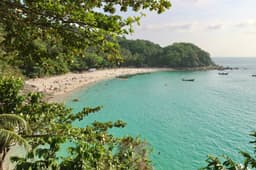

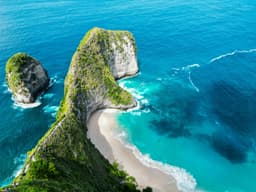
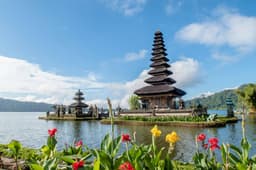
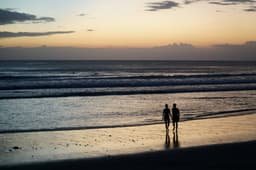
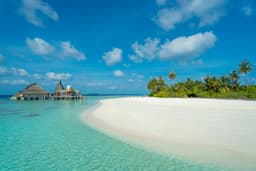





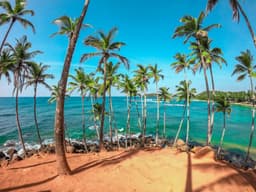




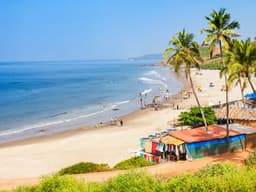




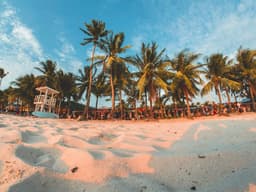
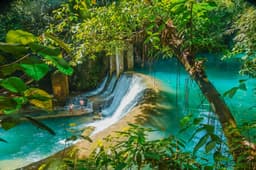
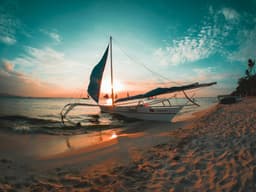
With more than 7,000 islands, the Philippines has some of the finest beaches on the planet, from the powder-white sand of Boracay to the jagged limestone lagoons of Palawan and the surf breaks of Siargao. The question is not whether there is a great beach, but which one suits the trip you want. The short answer for most travellers: Boracay for classic beach life, Palawan for scenery, Siargao for surf, and Bohol, Cebu and Siquijor for a quieter mix.
This guide walks through the best beaches and islands, what each is famous for, which suits families, couples, divers or surfers, when to go, how to get around, what island hopping and diving are like, and the practical fees and rules to know. Every place below is realistic to reach and worth the journey.
What are the best beaches in the Philippines?
The archipelago is huge, so it helps to know the headline islands and what each does best before you plan a route.
| Island or beach | Best for | Highlight |
|---|---|---|
| Boracay | Classic beach holiday | White Beach, sunsets, nightlife |
| Palawan (El Nido, Coron) | Scenery, island hopping | Limestone lagoons, shipwreck diving |
| Siargao | Surfing, laid-back vibe | Cloud 9 break, Sugba Lagoon |
| Bohol (Panglao) | Families, diving | Alona Beach, dolphins, tarsiers |
| Cebu | Variety, easy access | Bantayan, Malapascua, Moalboal |
| Siquijor | Quiet, off the beaten path | Salagdoong, waterfalls, mysticism |
What makes Boracay's White Beach so special?
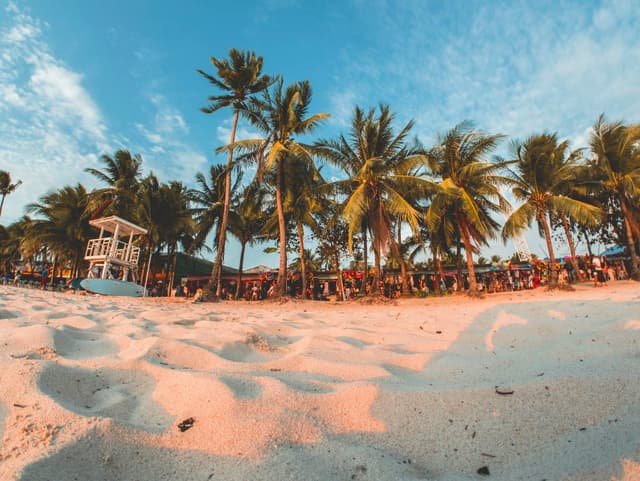
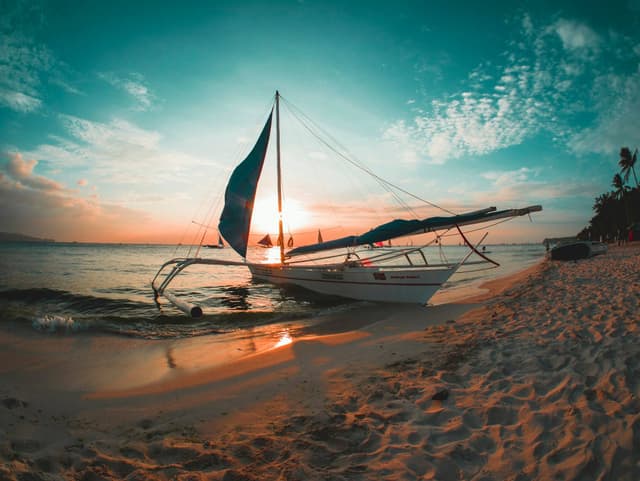
Boracay is the Philippines' most famous beach destination, and its four-kilometre White Beach regularly tops world rankings for good reason. The sand is fine, cool and blindingly white, the water shades from turquoise to deep blue, and the sunsets are legendary, often watched from a traditional paraw sailing boat. The beachfront is lined with resorts, bars and restaurants, so it suits travellers who want life and convenience alongside their swim.
The island was closed for six months in 2018 and given a major clean-up, and it now enforces stricter environmental rules to protect what makes it special. It is busier and more developed than the wilder islands, which is exactly its appeal for some and its drawback for others. For a first Philippine beach trip with easy comforts, Boracay is hard to beat, and quieter stretches like Puka Shell Beach offer a break from the crowds.
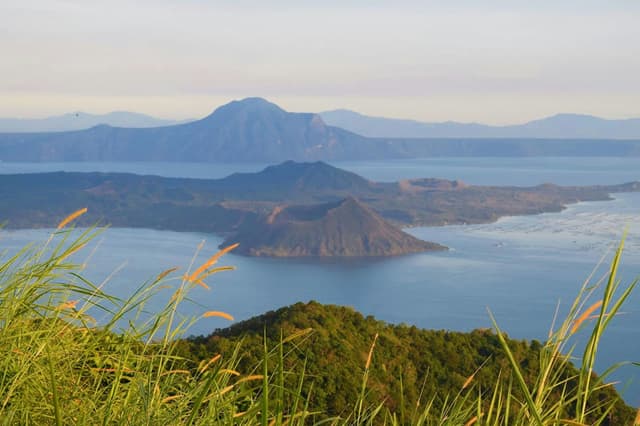
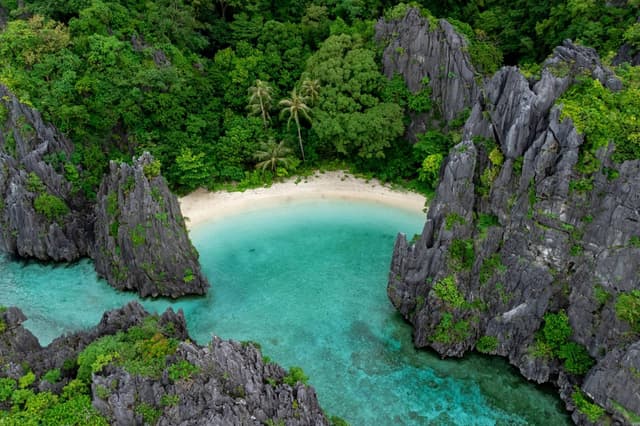
Why is Palawan considered the best island in the world?
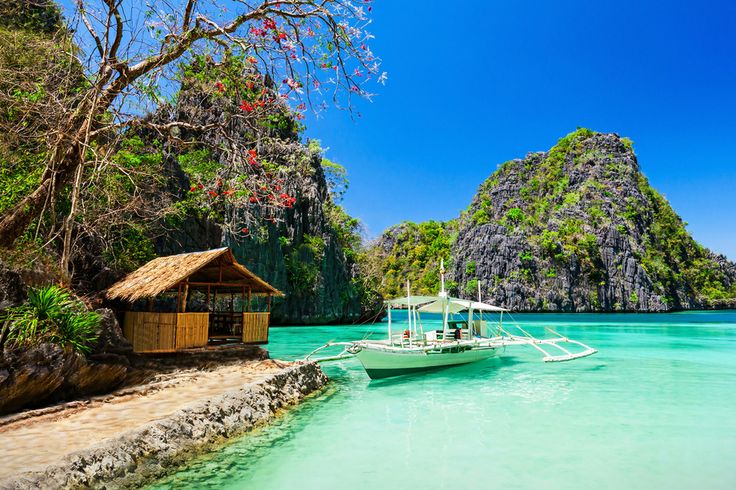
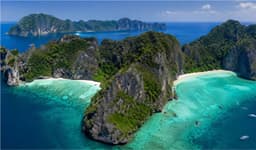
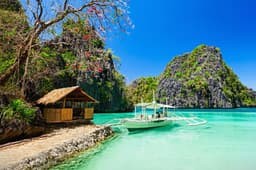
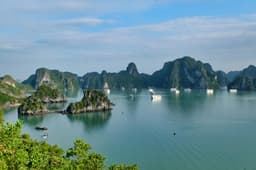
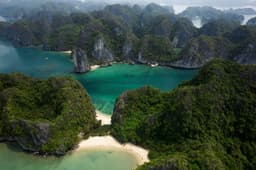
Palawan has topped countless best-island lists, and one look at El Nido or Coron explains why. This is scenery on an epic scale: sheer limestone karst cliffs rising from impossibly clear water, hidden lagoons reached through narrow gaps in the rock, and white-sand coves you share with almost no one.
- El Nido: the star of Palawan, base for island-hopping tours through the Bacuit Archipelago's lagoons.
- Coron: famous for wreck diving on sunken Japanese warships and the crystal waters of Kayangan Lake.
- Port Barton: a slower, more low-key alternative to El Nido with quiet beaches.
- Nacpan Beach: a long, golden stretch near El Nido that feels wonderfully wild.
Palawan takes more effort to reach and get around than Boracay, but the payoff is some of the most breathtaking coastal scenery anywhere. For island hopping and dramatic landscapes, it is the highlight of many Philippine trips.
What are the best beaches in Cebu and Bohol?
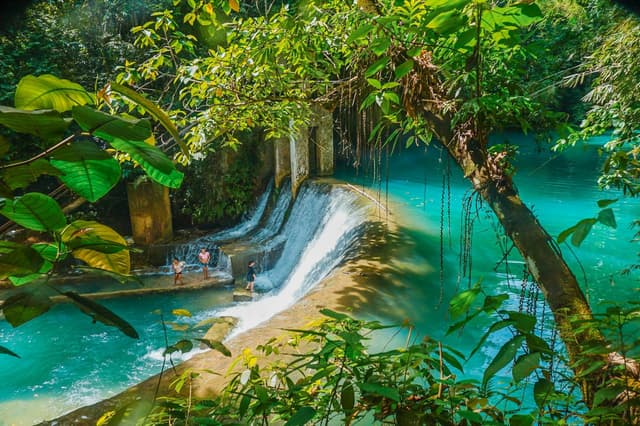
The central Visayas region, anchored by Cebu and Bohol, offers superb beaches with easier access thanks to Cebu's international airport. Cebu itself has huge variety: Bantayan Island for laid-back white sand, Malapascua for thresher shark dives, and Moalboal for the famous sardine run just off the shore and the nearby Kawasan Falls.
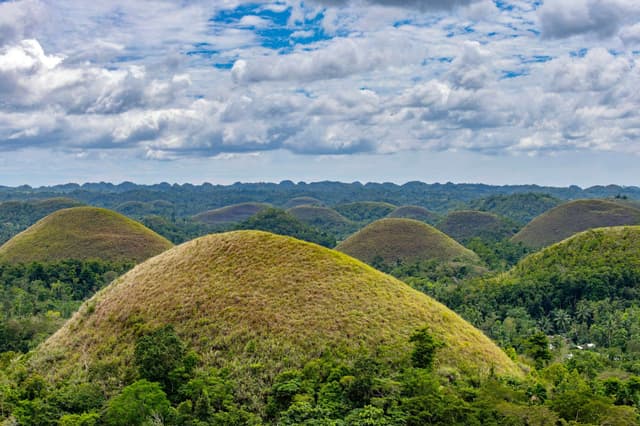
Neighbouring Bohol is best known for Panglao Island, where Alona Beach is the lively hub for diving, dolphin watching and island-hopping trips to Balicasag and Virgin Island. Inland, Bohol adds the surreal Chocolate Hills and the tiny, saucer-eyed tarsier to a beach trip. Together, Cebu and Bohol make an easy, well-connected pairing that blends beaches, diving and land-based sights.
Is Siargao worth visiting?
Siargao has grown from a secret surf island into one of the country's most loved destinations, and it still keeps a relaxed, barefoot charm. It is the surfing capital of the Philippines, home to the world-class Cloud 9 reef break, but you do not need to surf to love it. The island is fringed with palms and rock pools, and its lagoons and islets are stunning.
Beyond the waves, Siargao's highlights include the turquoise Sugba Lagoon, perfect for paddleboarding, the natural Magpupungko rock pools revealed at low tide, and day trips to the tiny Naked, Daku and Guyam islands. The main town of General Luna has a lively cafe and nightlife scene. Siargao suits travellers who want a mix of surf, nature and social buzz in a still-unspoiled setting.
What about Siquijor and other hidden gems?
For travellers who want to escape the crowds, the Philippines still has plenty of quieter corners. Siquijor, wrapped in local legends of healing and mysticism, has gorgeous beaches like Salagdoong, old-growth forest, waterfalls and a wonderfully slow pace. Camiguin, a small volcanic island in the north of Mindanao, offers black and white sand beaches, hot and cold springs and a sunken cemetery to snorkel over.
- Bantayan Island: quiet white sand off northern Cebu, a favourite local escape.
- Caramoan: dramatic limestone islands in the Bicol region, once used for reality TV shoots.
- Romblon and Sibuyan: unspoiled islands with reefs and one of the most pristine rainforests in Asia.
These places take more time and planning to reach, but reward you with beaches you may have almost to yourself.
Which beaches are best for different kinds of traveller?
The right island depends on who you are travelling with and what you want to do. This quick guide points you in the right direction.
| You want | Best choice | Why |
|---|---|---|
| A classic beach holiday | Boracay | White sand, resorts, nightlife, easy |
| Honeymoon and scenery | Palawan (El Nido) | Dramatic lagoons, private tours |
| Surfing | Siargao | Cloud 9 and many breaks |
| Families | Bohol (Panglao) | Calm beaches, dolphins, sights nearby |
| Diving | Coron, Malapascua, Moalboal | Wrecks, sharks, sardine run |
| Peace and quiet | Siquijor, Camiguin | Fewer crowds, slow pace |
When is the best time to visit the Philippine beaches?
The Philippines has a tropical climate with a dry season and a wet, typhoon-prone season, and timing your trip well makes a big difference. The dry months from roughly November to May are the best for beaches, with the peak in the cooler, drier window of December to February.
| Season | Months | What to expect |
|---|---|---|
| Best | December to February | Dry, cooler, calm seas, busiest |
| Good | March to May | Hot and dry, great for the water |
| Wet | June to November | Rain and typhoon risk, fewer crowds |
Because the archipelago is so large, weather varies by region, and Siargao's surf season actually peaks from around August to November. If you travel in the wet season, keep your plans flexible around the weather.
How do you get around the islands?
Island hopping is part of the fun, but it does take planning. The Philippines is spread over a vast area, so most journeys between major islands are done by air, with Manila and Cebu the main hubs feeding smaller airports like Caticlan for Boracay, El Nido and Coron for Palawan, and Siargao. Booking these domestic flights ahead saves both money and stress.
For shorter hops and reaching beaches, ferries and traditional outrigger boats called bangkas do the work, and on land you will use tricycles, jeepneys and vans. Distances that look short on a map can take a while, so build in buffer time and avoid packing too many islands into one trip. Two or three well-chosen destinations beat a frantic dash through six.
What water activities can you do?
The Philippines is a playground for anyone who loves the water. Island-hopping boat tours are the signature experience, especially in El Nido, Coron and around Bohol, taking you to lagoons, snorkelling spots and deserted beaches for a day. The diving is world class, from the wrecks of Coron and the thresher sharks of Malapascua to the sardine run at Moalboal and the reefs of Tubbataha for experienced divers.
Snorkelling is superb almost everywhere, surfing centres on Siargao and La Union, and kayaking and paddleboarding are easy to arrange on calm lagoons. One word of caution on wildlife encounters: the whale-shark feeding at Oslob is controversial for the way the animals are baited, and many responsible travellers prefer to see whale sharks in the wild, such as at Donsol in season, instead.
What should you know about beach fees and rules?
A few practical rules and fees are worth knowing before you go. Boracay charges an environmental fee of around 300 pesos plus a terminal fee of about 150 pesos, usually paid at Caticlan jetty port on arrival, and the island now bans single-use plastics such as straws and stirrers, with fines for offenders. Many other islands and marine parks charge small environmental or entrance fees too.
Island-hopping tours often add separate fees for the lagoons and beaches you visit, so carry cash. Respect local rules on protected reefs, never touch or stand on coral, and take your rubbish with you. These small courtesies keep the beaches beautiful and are increasingly enforced. When you are ready to turn all this into a route, our Philippines tour packages can string the best islands into one smooth itinerary.
What is island hopping in the Philippines like?
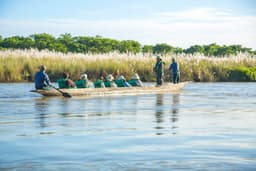
Island hopping is the quintessential Philippine experience, and it is different from simply lounging on one beach. You board a bangka, the traditional wooden outrigger boat, early in the morning with a small group and spend the day cruising between islands, lagoons and snorkelling spots, usually with a fresh seafood lunch grilled on a deserted beach. In El Nido, the tours are lettered A to D, each visiting a different set of lagoons and beaches, while Coron's tours take in shipwrecks and crystal lakes.
Around Bohol's Panglao, boats head to Balicasag for its coral wall and to the sandbar of Virgin Island. The beauty of island hopping is that it reaches places you simply cannot get to any other way, and every stop feels like your own private cove. Bring reef-safe sunscreen, a dry bag for valuables and a little cash for the per-island fees, and be ready for a full, sun-soaked day on the water.
Where should you go for diving and snorkelling?
The Philippines sits in the Coral Triangle, the global centre of marine biodiversity, so its underwater world rivals its beaches. Whether you are a first-time snorkeller or a seasoned diver, there is world-class water almost everywhere.
- Coron, Palawan: one of the world's best wreck-diving sites, with sunken WWII Japanese ships.
- Malapascua, Cebu: the only place with near-daily sightings of thresher sharks.
- Moalboal, Cebu: a vast sardine run swirling just metres from the shore, plus turtles.
- Apo Island, Negros: a protected marine sanctuary superb for snorkelling with turtles.
- Tubbataha Reef: a remote UNESCO marine park for experienced divers on liveaboard trips.
Even non-divers can enjoy exceptional snorkelling straight off many beaches. Always choose operators who respect the reefs, never touch the coral, and use reef-safe sunscreen to help protect this fragile underwater treasure.
What are the best beaches near Manila?
If your time is short or you are flying in and out of the capital, several good beaches are within a few hours of Manila, no domestic flight required. Batangas province, to the south, is the closest, with Anilao renowned for diving and macro photography and Nasugbu and Laiya offering resort beaches for a quick escape. A little further, the town of Puerto Galera on Mindoro is a popular diving and beach base reached by a short ferry.
To the northwest, Zambales has the surf and camping beaches of San Antonio and the dramatic volcanic landscapes near Mount Pinatubo, while the province of La Union is the surf capital of northern Luzon. None of these matches Palawan or Boracay for sheer beauty, but they are ideal for a weekend by the sea or a first taste of the coast before heading to the more famous islands.
Where can you find the whitest, finest sand?
Not all Philippine beaches are equal when it comes to sand, and connoisseurs seek out the softest, whitest stretches. Boracay's White Beach is the benchmark, its sand famously fine and cool underfoot even at midday. But there are rivals worth chasing. Bantayan Island off Cebu has long, powdery white shores with a fraction of the crowds, and Kalanggaman Island near Leyte is little more than a dazzling white sandbar curling into turquoise water.
Nacpan Beach near El Nido offers a wilder, golden-white sweep backed by palms, while the sandbars of Virgin Island in Bohol and the Great Sta. Cruz Island near Zamboanga, famous for its pink-tinged sand, add something different. For pure barefoot bliss on soft sand, these beaches are among the finest the country has to offer.
How much does a Philippine beach trip cost?
The Philippines can suit a wide range of budgets, though the more remote islands cost more to reach and stay on. Beyond international flights, your main costs are domestic flights between islands, accommodation, island-hopping tours and food. These rough per-person daily guides, in Philippine pesos and excluding flights, help you plan.
| Style | Approx daily spend (PHP) | What it includes |
|---|---|---|
| Budget | 1,800 to 3,000 | Guesthouses, local food, shared tours |
| Mid-range | 4,000 to 8,000 | Good hotels, private tours, restaurants |
| Luxury | 12,000 and up | Resorts, private boats, fine dining |
Island-hopping tours typically cost a set price per person for a full day with lunch, plus small per-island fees. Booking domestic flights early is the single biggest way to keep costs down, as fares rise sharply close to departure and in peak season.
Where should you stay on the islands?
Accommodation across the Philippines runs from simple beach huts to world-class resorts, and where you stay shapes the trip. On Boracay, Station 1 has the widest beach and the smartest hotels, Station 2 is the lively centre, and Station 3 is quieter and cheaper. In El Nido, you can base yourself in the busy town for tours and nightlife or splurge on a secluded island resort in the Bacuit Bay.
Siargao's accommodation clusters around General Luna near the surf and cafes, while Bohol's Panglao has everything from backpacker hostels to family resorts along Alona Beach. On the quieter islands like Siquijor and Camiguin, expect charming, small-scale guesthouses rather than big resorts. Booking ahead is important in the December to February peak, especially on the smaller islands where good rooms are limited and fill fast.
What should you pack for a Philippine beach trip?
Pack light, tropical and practical. Quick-dry clothes, swimwear, a rash guard for sun protection in the water, and sturdy sandals or water shoes for rocky shores and boat landings are the essentials. The sun is strong, so a hat, sunglasses and reef-safe sunscreen are must-haves, both for your skin and to protect the coral.
- A dry bag to keep phones and cameras safe on boat trips.
- A snorkel and mask if you have your own, though tours provide them.
- Insect repellent for the evenings and any inland excursions.
- Enough cash, as ATMs are scarce and unreliable on small islands.
- A light rain layer if travelling in or near the wet season.
How can you travel responsibly at the beaches?
The beaches that make the Philippines special are also fragile, and travellers have a real part to play in protecting them. Use reef-safe sunscreen, since ordinary formulas damage coral, and never touch, stand on or take pieces of coral or shells. Take all your rubbish with you, refuse single-use plastics, and support the environmental fees that fund island clean-ups rather than resenting them.
Choose tour operators who follow marine-park rules and treat wildlife ethically; as noted, many travellers avoid the baited whale-shark feeding at Oslob in favour of wild encounters. Respect local communities and customs, buy from local businesses, and be mindful of your water and energy use on small islands where resources are limited. Boracay's temporary closure was a reminder of what happens when tourism outpaces care, and small, responsible choices help keep these beaches beautiful for the future.
How many days do you need for a beach trip?
How long you need depends on how many islands you want to see, and the honest advice is not to rush. For a single destination like Boracay or Siargao, four to five days lets you settle in, enjoy the beach and take a day trip or two. To combine two contrasting islands, such as Boracay and Palawan, or Cebu and Bohol, allow around ten days to account for the travel between them.
With two weeks you can comfortably enjoy two or three islands at a relaxed pace, with time for island hopping, diving and simply doing nothing on the sand. Because inter-island travel eats up time, resist the urge to squeeze in too much; a slower trip through fewer islands is almost always more rewarding than a hurried tour of many.
Which beaches are best for couples and honeymooners?
The Philippines is a dream honeymoon destination, with plenty of romantic corners for couples. El Nido in Palawan is perhaps the most magical, where private island resorts sit beneath towering cliffs and you can charter a boat to a lagoon all your own. For barefoot luxury, the boutique resorts of Coron and the secluded islands off Bohol offer privacy and pampering in equal measure.
Boracay delivers famous sunsets, sunset sailing on a paraw and candlelit dinners right on the sand, ideal for couples who also want dining and nightlife. Quieter Siquijor and Camiguin suit those who prefer seclusion and nature over resorts. Whatever your style, a Philippine honeymoon can pair days of island hopping and diving with evenings watching the sun sink into the Sulu Sea, and it is remarkably good value compared with many tropical rivals.
Are the Philippine beaches safe?
The main beach and island destinations are safe and welcoming for tourists, and Filipinos are famously warm and helpful hosts. As anywhere, take sensible precautions: watch your belongings on busy beaches, use reputable boat operators, and check that vessels have life jackets. The sea itself deserves respect, with strong currents in some areas, so heed local advice and any warning flags before swimming or snorkelling.
Keep an eye on the weather, particularly in the June to November typhoon season, when boat trips can be cancelled for safety, and build flexibility into your plans. A few regions in the far south of Mindanao carry travel advisories and are best avoided, but the popular beach destinations covered here sit well away from those areas. With common-sense care, a Philippine beach trip is as safe as it is spectacular.
What can you eat at the beach?
Beach dining in the Philippines is a highlight in its own right, built around the day's fresh catch. In many places you can pick your seafood from an ice-packed display or a wet market and have it grilled to order, a style known as dampa. Grilled fish, prawns, squid and blue crab, served with garlic rice and a dipping sauce of soy, vinegar and chilli, is the classic beach meal.
Island-hopping tours usually include a fresh seafood lunch cooked on the boat or a deserted beach, often with tropical fruit to follow. Cool off with fresh buko juice straight from a young coconut, or a tall halo-halo in the afternoon heat. From humble beachside carinderias to resort restaurants, eating by the sea is affordable, delicious and a genuine part of the Philippine beach experience.
What makes the Philippines one of the world's top beach destinations?
Few countries can match the sheer scale and variety of the Philippines when it comes to beaches. With more than 7,000 islands, it offers everything from the polished, resort-lined sands of Boracay to wild, empty coves you reach only by boat, and from world-class dive sites to legendary surf breaks, all within one nation. The water is warm year round, the marine life is among the richest on earth, and the scenery, especially in Palawan, is genuinely jaw-dropping.
What ties it all together is the famous warmth of the Filipino welcome, the fresh seafood, and prices that remain excellent value for such extraordinary beauty. Whether you want comfort and convenience, adventure and diving, or solitude on a hidden shore, the Philippines has a beach for it. The only hard part is choosing which islands to see first, and that is a wonderful problem to have.
Where are the best sunset spots on the beaches?
Sunsets are part of the ritual of a Philippine beach holiday, and a few spots stand out. Boracay's White Beach faces west and delivers a nightly show, at its most magical from the deck of a traditional paraw sailing boat gliding across the bay. In El Nido, the sun drops behind the karst islands of Bacuit Bay, best watched from a beachfront bar or a boat returning from an island-hopping tour. Siargao's General Luna and the cliffs of Siquijor offer their own quiet, glowing endings to the day. Wherever you are, grabbing a fresh buko juice or a cold drink and settling on the sand as the sky turns orange and pink is one of the simplest and most memorable pleasures the islands offer.
Frequently asked questions about Philippine beaches
Which is the best beach in the Philippines?
Boracay's White Beach is the most famous and regularly ranks among the world's best, with fine white sand and lively resorts. For scenery and island hopping, El Nido and Coron in Palawan are unrivalled, and Siargao is the top pick for surfing. The best beach depends on whether you want comfort, scenery or surf.
When is the best time to visit the Philippines for beaches?
The dry season from November to May is best, peaking in the cooler, calmer months of December to February. June to November is wetter with a typhoon risk, though it brings fewer crowds. Siargao is an exception, with its best surf from around August to November.
Is Boracay or Palawan better?
They offer different things. Boracay is a compact, developed island with a famous white-sand beach, easy comforts and nightlife, ideal for a classic beach holiday. Palawan, especially El Nido and Coron, is about dramatic limestone scenery, island hopping and diving, with more travel involved. Many trips combine both.
Which Philippine island is best for families?
Bohol, and especially Panglao Island, is a great family choice with calm beaches at Alona, gentle diving and snorkelling, dolphin-watching trips, and land sights such as the Chocolate Hills and tarsiers nearby. Boracay also suits families who want resorts and easy access with plenty to do.
Do you have to pay fees to visit Boracay?
Yes. Boracay charges an environmental fee of around 300 pesos plus a terminal fee of about 150 pesos, usually paid at Caticlan jetty port. The island also bans single-use plastics, with fines for breaking the rules. Many island-hopping tours and marine parks charge small extra fees too, so carry cash.
Is Siargao only for surfers?
No. While Siargao is the surfing capital and home to the Cloud 9 break, non-surfers love it too. Highlights include the Sugba Lagoon for paddleboarding, the Magpupungko rock pools, day trips to the tiny Naked, Daku and Guyam islands, and a lively cafe and nightlife scene in General Luna.
How many islands should you visit on one trip?
Fewer than you might think. The Philippines is spread over a huge area and travel between islands takes time, so two or three well-chosen destinations make for a far better trip than a rushed dash through six. Pick a theme, such as beaches and diving, and build a relaxed route around it.