




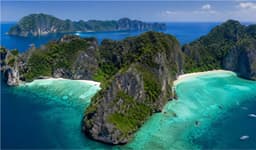


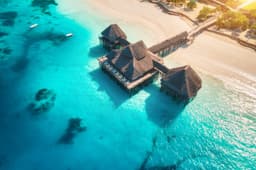






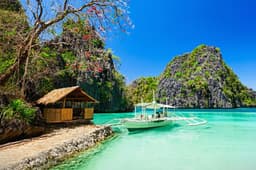



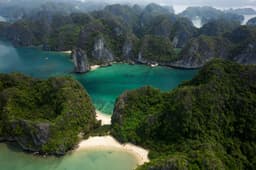



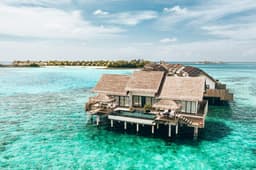
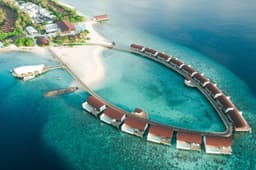













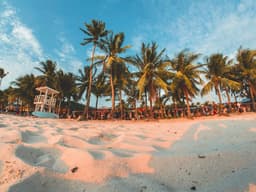

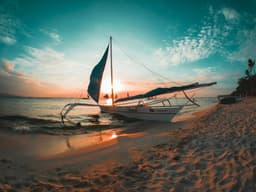
Yes, the Philippines is generally safe for tourists, and the islands most travellers visit, Palawan, Boracay, Cebu, Bohol and Siargao, are welcoming and well used to visitors. The country draws several million international arrivals a year, and the overwhelming majority have trouble-free trips. The sensible approach is simple: apply normal city precautions against petty theft, avoid a small number of flagged regions in the far south, and prepare for the tropical climate and the July to October typhoon season. This guide walks through exactly where is safe, what to watch for, and how to travel with confidence.
Is the Philippines safe for tourists right now?
For a standard island or city trip, the answer is yes. Filipinos are famously friendly, English is one of the official languages and is widely spoken, and the tourism industry is mature and used to foreign visitors. Most major governments rate the country as broadly safe to visit with increased caution, and reserve their strongest warnings for specific areas in the far south that sit well away from the tourist trail.
The risks that actually affect travellers are the everyday ones found in many countries: pickpocketing and bag snatching in crowded parts of Manila and Cebu City, occasional overcharging, and the weather. Violent crime against tourists is rare in the main destinations, and the island hubs in particular are relaxed and low-crime.
What do the official travel advisories say?
Governments publish tiered advisories, and reading them correctly matters because a single national warning can lump together safe islands and genuinely risky regions. As of 2026, the picture from major advisories looks like this.
| Region | Typical advisory level | What it means for you |
|---|---|---|
| Philippines overall | Exercise increased caution | Broadly safe to visit with normal precautions |
| Palawan, Boracay, Cebu, Bohol, Siargao, Manila | Normal precautions | Standard city and beach safety applies |
| Most of Mindanao (outside Davao City, Davao del Norte, Siargao and the Dinagat Islands) | Reconsider travel | Terrorism and kidnapping risk; not a tourist route |
| Sulu Archipelago and Sulu Sea | Do not travel | Serious risk; avoid entirely |
The key takeaway is that the strongest warnings apply to the Sulu Archipelago and parts of western and central Mindanao, none of which are on the usual visitor map. Davao City, Siargao and the Dinagat Islands in the wider Mindanao area are commonly visited and sit outside the highest-risk zones. Always check your own government's current advisory before you book, as levels can change.
Which areas are safe and which should you avoid?
Separating the safe islands from the flagged regions is the single most useful thing you can do when planning. The good news is that almost everything tourists want to see falls firmly in the safe column.
| Where | Status | Note |
|---|---|---|
| Palawan (El Nido, Coron, Puerto Princesa) | Safe | Flagship island destination, low crime |
| Boracay | Safe | Compact resort island, very used to tourists |
| Cebu and Bohol | Safe | Diving, beaches and the Chocolate Hills |
| Siargao | Safe | Surf island, relaxed and popular |
| Manila and Cebu City | Safe with care | Watch for petty theft, especially at night |
| Western and central Mindanao, Sulu | Avoid | Under travel warnings; not a tourist route |
How safe are the main tourist destinations?
Each of the headline destinations has its own character, and all of them are considered safe with everyday precautions. Here is what to expect at the places most travellers actually go.
Is Palawan safe?
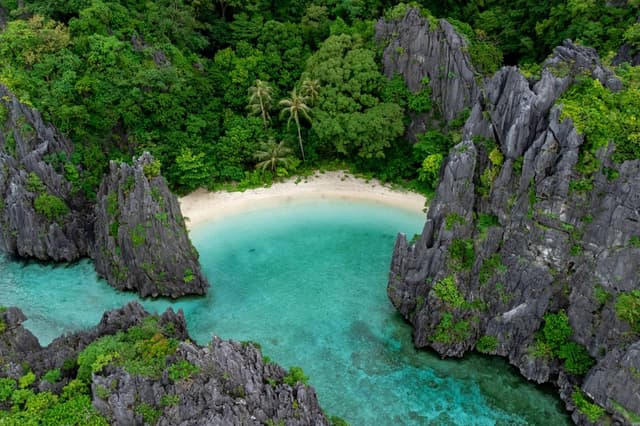
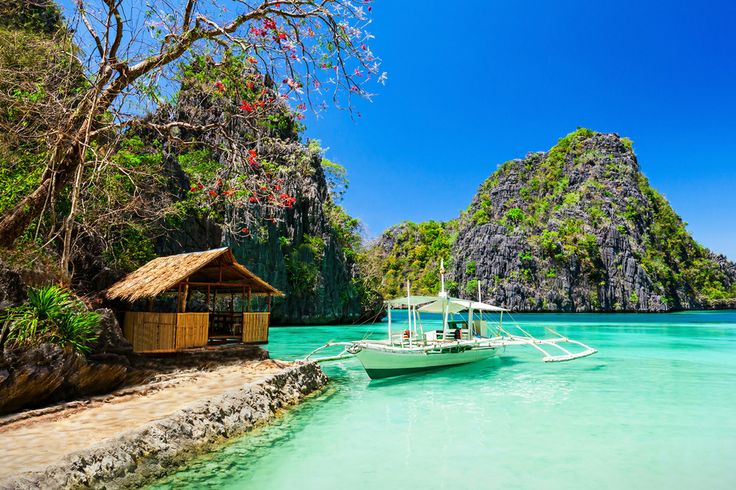
Palawan is one of the safest and most popular destinations in the country. El Nido and Coron are small, walkable towns built around island-hopping, and crime against tourists is uncommon. The main things to manage are boat safety on tours and the weather, since western Palawan is comparatively sheltered from the worst typhoons but still sees storms.
Is Boracay safe?
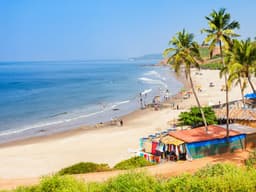
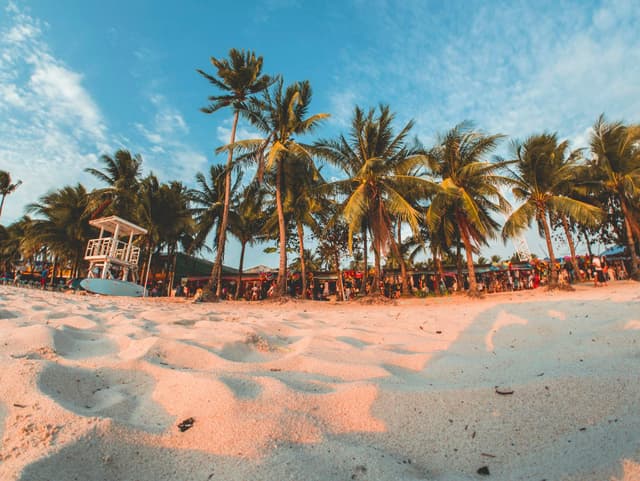
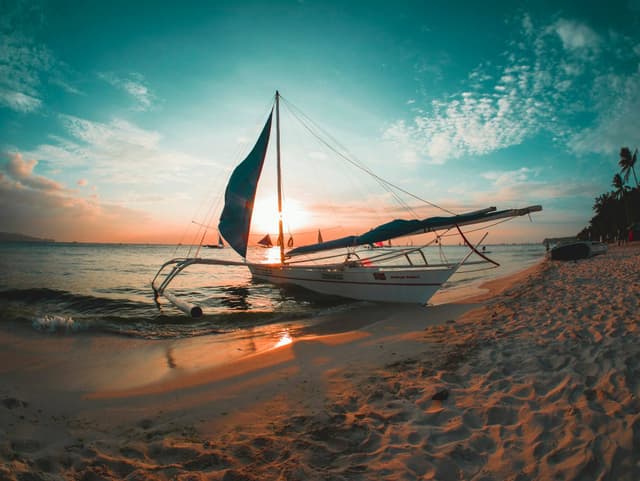
Boracay is a compact resort island where tourism is the entire economy, so it is well policed and easy to navigate. The classic White Beach is busy and lively rather than risky. Watch belongings on the crowded beachfront and choose licensed operators for water sports, and you will have a smooth stay.
Are Cebu and Bohol safe?
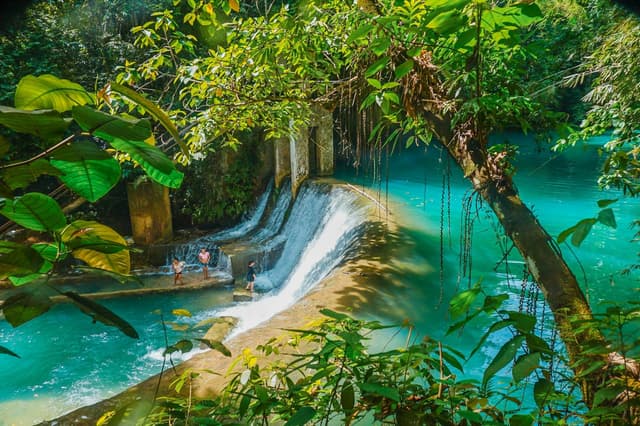
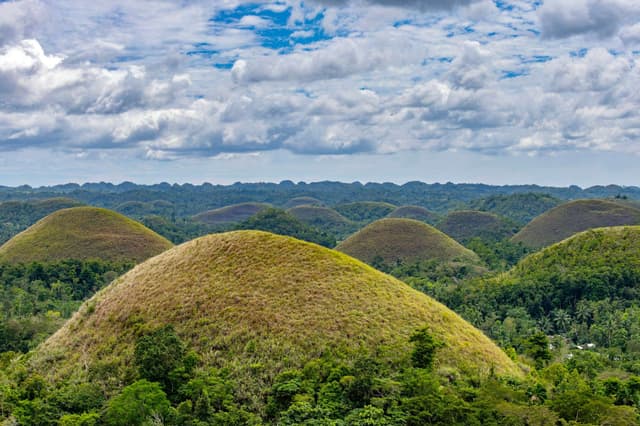
Cebu island and neighbouring Bohol are firm favourites for diving, waterfalls and the Chocolate Hills, and both are safe for visitors. Cebu City is a large urban centre where normal city awareness applies, while the resort areas of Mactan, Moalboal and Panglao are relaxed and tourist-friendly.
Is Siargao safe?
Siargao, the surf capital in the Mindanao region, sits outside the flagged zones and has become one of the country's most-loved islands. It is laid-back and social, with the usual advice to respect the ocean and its currents when surfing or swimming.
Is Manila safe?
Manila is fine for tourists who apply standard big-city caution. Stick to well-known districts such as Makati, Bonifacio Global City and Intramuros, use ride-hailing apps after dark, and keep valuables discreet. The main issue is petty theft rather than danger to visitors.
What petty crime and scams should you watch for?
The most common problems travellers meet are minor and avoidable. Being aware of a handful of patterns is usually enough to sidestep them entirely.
- Pickpocketing and bag snatching: keep valuables out of sight on jeepneys, in markets and in crowded parts of Manila and Cebu City.
- Taxi overcharging: insist on the meter, or use ride-hailing apps such as Grab so the fare is fixed in advance.
- Tour and ticket touts: book island-hopping and transfers through your hotel or a licensed operator rather than street sellers.
- ATM skimming: use machines attached to banks inside branches or malls, and cover the keypad.
- Friendly-stranger and drink scams: be cautious of over-eager new acquaintances and never leave drinks unattended.
Carry only the cash you need for the day, keep a photo of your passport on your phone, and split your money and cards between two places. These small habits neutralise most petty crime.
Is the Philippines safe for solo travellers?
Yes, the Philippines is a popular and rewarding solo destination, especially in the island hubs where a lively backpacker scene makes it easy to meet others. Hostels in El Nido, Siargao and Cebu run group island-hopping trips that are both fun and safer than going it alone.
Solo travellers should keep someone informed of their plans, favour well-reviewed accommodation, avoid isolated areas late at night, and trust their instincts. Because English is so widely spoken, asking locals for directions or advice is straightforward, which removes a lot of the friction solo travellers feel elsewhere.
Is the Philippines safe for female travellers?
Many women travel the Philippines solo or in groups without incident, and it is generally considered welcoming for female visitors. The same sensible precautions apply as anywhere: dress in line with local norms when away from the beach, be assertive with unwanted attention, and use ride-hailing rather than unmarked taxis at night.
In beach resorts and on organised tours, women travellers are typically very comfortable. In cities, the advice is simply the standard urban caution about quiet streets after dark. Sharing your live location with someone at home and choosing accommodation with good reviews from other women both add peace of mind.
Is the Philippines safe for families with children?
The Philippines is a friendly and manageable family destination, particularly on the resort islands where beaches are calm and the pace is slow. Filipino culture is warm toward children, and resorts are used to catering for families.
The practical concerns are health and sun rather than crime: keep children hydrated, use strong sun protection, apply mosquito repellent against dengue, and choose island-hopping operators that provide properly sized life jackets. Palawan, Bohol and Boracay are especially easy with kids.
What health risks should you prepare for?
Health precautions matter more than crime for most Philippines trips. None of these should put you off, but a little preparation makes a real difference.
| Risk | How to manage it |
|---|---|
| Dengue (mosquito-borne) | Use repellent, cover up at dawn and dusk, choose screened rooms |
| Stomach upsets | Drink bottled or filtered water and eat busy, freshly cooked food |
| Sun and heat | Hydrate, use high-factor sunscreen, rest in the midday heat |
| Cuts and coral | Wear reef shoes and clean wounds quickly in humid conditions |
Consult a travel clinic before you go. Routine vaccinations plus hepatitis A and typhoid are commonly advised, and comprehensive travel insurance that covers island-hopping, diving and medical evacuation is strongly recommended given how spread out the islands are.
How safe is transport in the Philippines?
Getting around is part of the adventure, and each mode has its own safety notes. Domestic flights link the islands quickly and are the backbone of most trips.
| Transport | Safety notes |
|---|---|
| Domestic flights | The fastest, most reliable way between islands; book with established carriers |
| Ride-hailing (Grab) | Safest option in cities; fares fixed in advance |
| Jeepneys and tricycles | Cheap and characterful; mind belongings and agree fares |
| Ferries between islands | Convenient, but check operator reputation and avoid overloaded boats in bad weather |
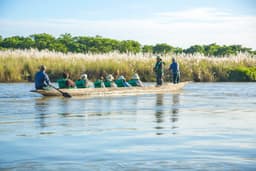
| Island-hopping bangka boats | Choose licensed tours, insist on life jackets, avoid rough seas |
The golden rule on the water is never to sail in bad weather. Reputable operators cancel trips when the sea is dangerous, and you should treat any pressure to go out in a storm as a red flag. For more on moving between islands, see our guide on how to get around the Philippines.
What natural hazards should you know about?
The Philippines sits in a geologically and meteorologically active part of the world, so a basic awareness of natural hazards is part of travelling safely here.
- Typhoons: the risk is highest from roughly July to October, hitting the eastern seaboard hardest. Palawan and the western Visayas are comparatively sheltered.
- Earthquakes: tremors occur; know the basic drop, cover and hold advice.
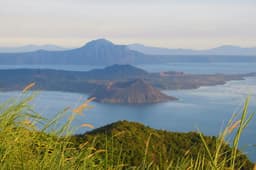
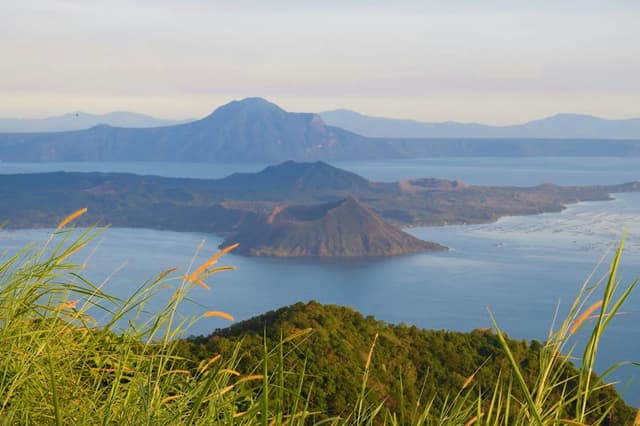
- Volcanoes: Taal and Mayon are active and monitored; follow local guidance and exclusion zones.
- Rip currents: some beaches have strong currents, so heed local flags and lifeguards.
Travel insurance that covers weather disruption is worth having, and building a little flexibility into island-hopping legs means a cancelled boat during a storm is an inconvenience rather than a crisis.
How safe is swimming, diving and island hopping?
Water activities are the heart of a Philippines trip and are very safe with the right operators. The country is a world-class diving destination, from the wrecks of Coron to the reefs of Tubbataha and the thresher sharks of Malapascua.
Choose dive centres with recognised certification and good reviews, never dive beyond your training, and confirm that island-hopping boats carry enough life jackets for everyone aboard. For gentle swimming, stick to patrolled beaches and respect current warnings. Handled sensibly, the water is where most travellers have their best days.
What are the emergency numbers and practical safety tips?
Knowing who to call and keeping a few essentials to hand removes most of the stress if something goes wrong. The national emergency hotline in the Philippines is 911, and major tourist areas also have tourist police.
- Save 911 and your accommodation's number in your phone on arrival.
- Keep a digital and paper copy of your passport and insurance details.
- Register with your embassy's traveller programme if it offers one.
- Carry a small amount of local currency for areas where cards are not accepted.
- Learn a few words of Filipino; even a little goes a long way with locals.
How does the Philippines compare with its neighbours for safety?
Put in regional context, the Philippines sits in a similar bracket to other popular Southeast Asian destinations for everyday traveller safety. Its main tourist areas are broadly comparable to Thailand, Indonesia and Vietnam: low violent crime against visitors, some petty theft in busy cities, and weather that dictates the calendar.
Where the Philippines differs is the concentration of its serious-risk zones in the far south, which is why its national advisory can look sterner than the reality on the islands most people visit. Once you set aside Sulu and parts of Mindanao, the destinations travellers actually choose are as safe as their regional equivalents. The scattered geography also means the water and the weather deserve slightly more attention here than in a single-island country, simply because so much travel happens by boat and plane between islands.
A month-by-month weather safety guide
Because typhoons and rough seas are the most likely thing to disrupt a trip, timing is a genuine safety consideration, not just a comfort one. The overview below helps you plan around the roughest conditions.
| Months | Conditions | Safety note |
|---|---|---|
| December to February | Cool, dry, peak season | Best all-round conditions; calm seas |
| March to May | Hot and dry | Great for beaches; watch the strong sun and heat |
| June to September | Wet, rising typhoon risk | Monitor forecasts, especially on eastern islands |
| October to November | Wet, typhoons possible | Build flexibility into island-hopping legs |
Western Palawan and the western Visayas are comparatively sheltered from the worst storms, so they are useful choices if you must travel during the wetter months. Whatever your dates, travel insurance that covers weather disruption is well worth having.
How safe are money, cards and digital life?
Financial safety in the Philippines comes down to a few sensible habits rather than any unusual threat. Card cloning and ATM skimming exist but are avoidable, and cash remains king on smaller islands.
- Use ATMs inside banks or malls, cover the keypad, and check for anything odd attached to the slot.
- Carry a mix of cash and cards, and keep them in separate places so one loss is not a crisis.
- Buy a local SIM or eSIM on arrival so you always have data for maps and ride-hailing.
- Be cautious with public wifi for banking; use your mobile data or a trusted network instead.
- Withdraw larger amounts less often on remote islands, where ATMs can run dry or be scarce.
Beware online booking scams too: reserve accommodation and tours through reputable platforms or your hotel rather than unverified social-media sellers asking for full upfront transfers.
Is it safe to enjoy nightlife and drink in the Philippines?
The island nightlife in places like Boracay, El Nido and Siargao is relaxed and fun, and most nights out pass without any issue. The advice is the same as anywhere with a lively bar scene: pace yourself and look after your group.
Never leave drinks unattended, keep an eye on new acquaintances who seem overly generous, and arrange your ride home in advance rather than wandering off alone. Stick to busier, well-lit areas, and if you are drinking, budget for a ride-hailing trip back rather than walking unfamiliar streets late. These simple steps keep a good night out a good memory.
Is the Philippines safe for older travellers?
The Philippines is very manageable for older and multi-generational travellers, particularly on the resort islands where the pace is gentle and staff are attentive. The warmth of Filipino hospitality toward guests of all ages is a real asset.
The main considerations are practical: the heat and humidity can be tiring, so plan relaxed afternoons; some island-hopping boats involve wet landings and clambering, so choose operators and beaches with easier access; and medical facilities are best in the cities, so travel insurance with evacuation cover matters more if you have health conditions. With a little planning, the country is comfortable and rewarding at any age.
What should you do if something goes wrong?
Knowing the steps in advance turns a setback into a manageable inconvenience. The essentials are the same for most travel mishaps.
- Theft or lost items: report to the nearest police or tourist police and get a written report for your insurer.
- Lost passport: contact your embassy or consulate promptly; having a photo or copy speeds up a replacement.
- Medical issue: head to a city hospital for anything serious and call your insurer's emergency line.
- Weather disruption: follow official advice, rebook calmly, and lean on your insurance for cancelled boats or flights.
- Emergencies: dial 911, the national emergency number.
What are the common safety myths about the Philippines?
The Philippines suffers from a reputation problem that does not match the experience of most visitors, largely because a single national headline can lump safe islands together with genuinely troubled regions. Separating myth from reality helps you plan with confidence rather than needless worry.
- Myth: the whole country is dangerous. Reality: the serious warnings apply to specific far-southern areas, while the islands tourists visit are safe with normal precautions.
- Myth: kidnapping is a risk for ordinary tourists. Reality: that risk is concentrated in the Sulu region and parts of Mindanao that visitors do not go to, not in Palawan, Cebu or Boracay.
- Myth: you cannot travel solo. Reality: the islands have a thriving solo and backpacker scene, and English is widely spoken.
- Myth: the sea is the biggest danger. Reality: the water is safe with licensed operators and life jackets; the real variable is the weather, which is predictable by season.
The honest summary is that the Philippines is about as safe as its popular Southeast Asian neighbours for the trips people actually take, provided you respect the flagged regions and the weather calendar.
Is the Philippines safe for LGBTQ travellers?
The Philippines is generally regarded as one of the more relaxed destinations in the region for LGBTQ visitors, and the main tourist areas are welcoming and used to international travellers. Same-sex travellers commonly explore the islands without difficulty.
As with public displays of affection generally, a degree of discretion is sensible in more conservative rural or religious areas, while the resort islands and cities are notably easygoing. The usual traveller precautions around nightlife, new acquaintances and getting home safely apply to everyone equally. Overall, most LGBTQ visitors report feeling comfortable and warmly received.
Is the Philippines safe to visit? A quick verdict
Weighing it all up, the Philippines is a safe and hugely rewarding destination for the trips almost everyone takes: island-hopping in Palawan, beaches in Boracay, diving off Cebu and Bohol, and surfing in Siargao. The genuine risks are concentrated in far-southern regions that visitors have no reason to enter, while the everyday concerns come down to petty theft, the weather and health basics, all of which are easy to manage.
Plan your dates around the calmer, drier months using our guide to the best time to visit the Philippines, map out where to go with our Philippines travel guide and best islands roundup, and choose calm-water beaches from our best beaches in the Philippines guide.
If you would rather travel with vetted hotels, licensed guides and organised island transfers so safety is handled for you, you can browse curated Philippines tour packages and adjust the route to your plans.
Frequently asked questions
Is the Philippines safe to visit right now?
The main tourist islands such as Palawan, Boracay, Cebu, Bohol and Siargao are considered safe with normal precautions, while parts of western and central Mindanao and the Sulu Archipelago carry travel warnings. Always check your government's current advisory before booking.
Is Manila safe for tourists?
Manila is safe with standard city precautions. Stay in well-known districts such as Makati and Bonifacio Global City, use ride-hailing apps at night, keep valuables discreet, and the main risk is petty theft rather than danger to visitors.
Which parts of the Philippines should tourists avoid?
Avoid the Sulu Archipelago and Sulu Sea, and reconsider travel to most of western and central Mindanao outside Davao City, Davao del Norte, Siargao and the Dinagat Islands. These areas are not on the usual tourist route.
Is the Philippines safe for solo female travellers?
Many women travel the Philippines solo without incident, especially in the island hubs. Use ride-hailing at night, choose well-reviewed accommodation, keep someone informed of your plans and apply the same caution you would in any unfamiliar city.
Do you need vaccinations for the Philippines?
Check with a travel clinic. Routine vaccines plus hepatitis A and typhoid are commonly advised, and dengue precautions such as repellent and covering up at dawn and dusk are important as there is no widely used traveller vaccine.
Is tap water safe to drink in the Philippines?
It is safer to drink bottled or filtered water. Most hotels and restaurants provide it, refill stations are common, and sticking to sealed or treated water avoids most stomach upsets.
When is the typhoon season in the Philippines?
The highest risk runs roughly from July to October, hitting the eastern islands hardest. The dry season from December to May is calmer, and western areas like Palawan are comparatively sheltered.
Is island hopping safe in the Philippines?
Yes, with a licensed operator. Insist on enough life jackets for everyone, never go out in bad weather, and book through your hotel or an established tour company rather than street touts.
What is the emergency number in the Philippines?
The national emergency hotline is 911. Major tourist areas also have tourist police, and it is wise to save your accommodation's number and your insurer's emergency line on arrival.
Is the Philippines safe for families?
Yes. The resort islands are calm and family-friendly, and Filipino culture is warm toward children. The main concerns are sun, heat and mosquitoes rather than crime, so pack sun protection, repellent and properly sized life jackets for boat trips.
'/%3E%3C/svg%3E)