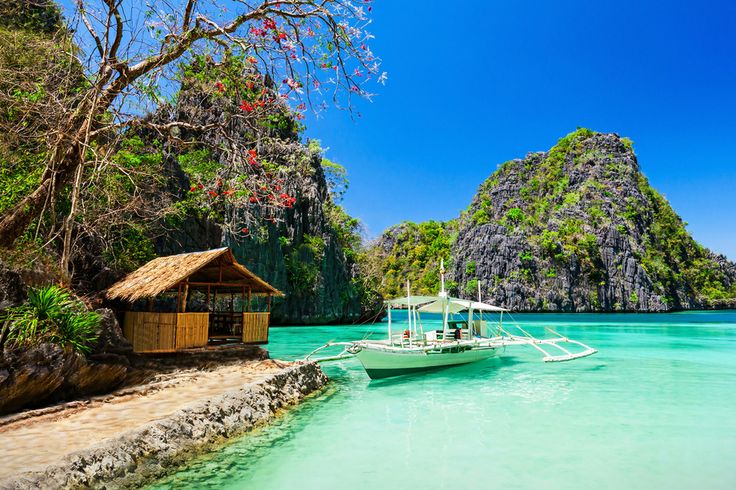













































Short answer: no, the Philippines is not expensive for most visitors, but it is not the cheapest country in Southeast Asia either. As of 2026, a backpacker can travel on roughly 1,800 to 2,800 Philippine pesos a day (about 29 to 45 US dollars), a mid-range traveller on 4,500 to 8,000 pesos (about 72 to 128 US dollars), and a comfortable resort trip starts around 12,000 pesos (about 190 US dollars) per person per day. Food, jeepneys and simple rooms are cheap. The costs that surprise people are domestic flights, island hopping tours and the stack of small environmental and terminal fees at places like Boracay and El Nido.
This guide breaks every major cost down in pesos, with rough US dollar conversions, so you can build a realistic budget before you book anything. All figures are typical ranges gathered from operators, local authorities and 2026 price guides. Prices move quickly in the Philippines, especially after the fuel price shock of 2026, so treat them as a planning baseline and check before you travel.
What is the exchange rate, and does it help visitors?
The Philippine peso (PHP, written ₱) weakened to record lows against the US dollar in September 2026, trading at roughly 62.6 to 62.9 pesos per dollar in mid-September according to Philippine financial press reports. For anyone arriving with dollars, euros or other hard currency, that makes local prices noticeably cheaper than they were a year or two ago. The catch is that the same pressures behind the weak peso, mainly high global oil prices, have pushed up fuel-linked costs such as airfares, boats and jeepney fares.
| Peso amount | Approx. US dollars (at about ₱62.5) | What it typically buys |
|---|---|---|
| ₱14 | 0.22 | Minimum traditional jeepney fare (from 28 September 2026) |
| ₱100 | 1.60 | A carinderia plate of rice and one viand |
| ₱500 | 8 | A hostel dorm bed in El Nido or Boracay in low season |
| ₱1,500 | 24 | A shared El Nido or Coron island hopping tour |
| ₱5,000 | 80 | A standard mid-range hotel room on Boracay in low season |
| ₱10,000 | 160 | A night at a good beach resort outside peak dates |
Exchange rates change daily. Check the live rate on the Bangko Sentral ng Pilipinas site or your bank app before you travel, and avoid airport exchange counters for large amounts.
How much does a day in the Philippines cost?
A realistic daily budget depends far more on how many islands you visit and where you sleep than on food. The figures below are per person, assume two people sharing a room for the mid-range and comfortable styles, and exclude international flights.
| Travel style | Per day (PHP) | Per day (approx. USD) | What it usually covers |
|---|---|---|---|
| Backpacker | 1,800 to 2,800 | 29 to 45 | Dorm bed or fan room, carinderia meals, jeepneys and tricycles, one shared tour every few days |
| Mid-range | 4,500 to 8,000 | 72 to 128 | Air-conditioned private room or small hotel, restaurant meals, a shared tour most days, occasional Grab rides |
| Comfortable | 12,000 to 20,000 | 190 to 320 | Beachfront resort, private boat tours, private transfers, cocktails and seafood dinners |
| Luxury | 25,000 and up | 400 and up | Private island or high-end resorts in Palawan, Boracay Station 1 or Cebu, charter boats |
These ranges line up with 2026 destination guides for El Nido (backpacker about ₱1,400 to ₱2,200 a day) and Boracay (budget about ₱1,500 to ₱2,500 a day). Siargao can be cheaper still, with guides quoting ₱700 to ₱1,200 a day for ultra-budget travellers who stay in Del Carmen rather than General Luna. Add domestic flights and ferries on top: they are the line most first-time visitors forget.
How much does accommodation cost in the Philippines?
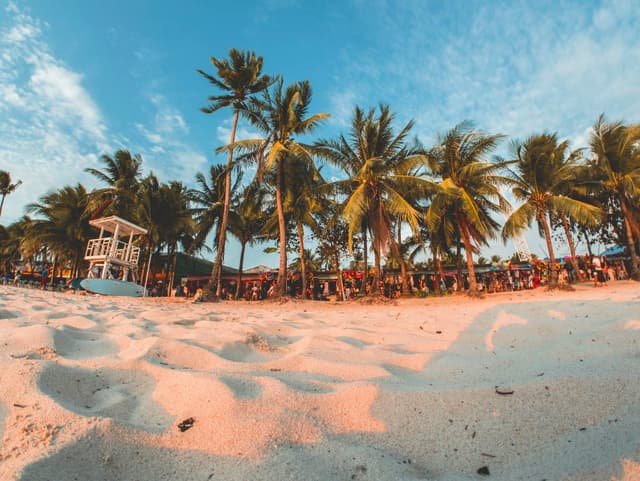
Accommodation is where your budget splits most widely. A dorm bed on Boracay can cost ₱400, while a peak-season beachfront suite on Station 1 can pass ₱30,000. Popular islands charge more than cities, and prices jump 30 to 50 percent over Christmas, Chinese New Year and Holy Week (Easter).
| Type | Low season (PHP per night) | Peak season (PHP per night) | Notes |
|---|---|---|---|
| Hostel dorm bed | 400 to 600 | 600 to 1,200 | Widely available in El Nido, Boracay, Siargao, Cebu and Manila |
| Private fan room | 800 to 1,500 | 1,200 to 2,500 | Common in guesthouses; fine from December to February when nights are cooler |
| Budget air-conditioned room | 1,200 to 2,500 | 2,500 to 4,000 | Air conditioning adds noticeably to the price on small islands |
| Mid-range hotel | 3,000 to 5,000 | 5,000 to 8,000 | Pool, breakfast and reliable power backup are typical |
| Beachfront hotel | 5,000 to 8,000 | 8,000 to 15,000 | Boracay White Beach and El Nido's Lio and Corong Corong areas |
| Luxury resort | 8,000 to 15,000 | 15,000 to 40,000 and up | Island resorts in Palawan can cost far more, often with full board |
Sources: 2026 accommodation guides for Boracay and El Nido. Ranges vary by exact location and booking date.
Where are rooms cheapest?
- Siargao: dorms from about ₱300 to ₱500. Staying in Del Carmen rather than General Luna can cut overall costs by around a third.
- Boracay Station 3: quieter and cheaper than Station 1 and Station 2, while still on White Beach.
- El Nido town proper: cheaper than Lio Estate or Marimegmeg, and closest to where island hopping boats depart.
- Cebu City and Manila: good-value business hotels, especially on weekdays. Moalboal and Panglao in Bohol are mid-priced.
How much does food cost in the Philippines?
Eating in the Philippines is cheap if you eat like locals and quickly expensive if every meal is in a resort. A carinderia (a canteen serving pre-cooked dishes over rice) plate costs around ₱80 to ₱150. A sit-down meal at a local restaurant is about ₱300 to ₱600, and a shared seafood dinner for two in El Nido or Boracay runs roughly ₱1,200 to ₱2,000.
| Item | Typical price (PHP) | Approx. USD |
|---|---|---|
| Carinderia meal (rice plus one or two dishes) | 80 to 150 | 1.30 to 2.40 |
| Street food (fishball, isaw, banana cue), per stick or portion | 10 to 40 | 0.15 to 0.65 |
| Fast-food meal (Jollibee, Mang Inasal), roughly | 100 to 200 | 1.60 to 3.20 |
| Main course at a tourist restaurant | 250 to 600 | 4 to 10 |
| Local beer at a bar (for example San Miguel) | 100 to 150 | 1.60 to 2.40 |
| Seafood dinner for two, El Nido or Boracay | 1,200 to 2,000 | 19 to 32 |
| High-end or resort dining, per person | 800 to 2,000 and up | 13 to 32 and up |
Prices for fast food are indicative, since menus change often. For what to order and where, see our guide to what to eat in the Philippines.
Easy ways to eat well for less
- Look for "paluto" set-ups at markets, where you buy fresh fish or prawns by the kilo and pay a small fee to have them cooked next door.
- Order silog breakfasts (garlic rice, egg and a meat such as tapa or longganisa) at local cafés rather than hotel buffets.
- Drink tap water only if your accommodation filters it; otherwise refill stations are cheaper than buying small bottles.
- Many restaurants add a 10 percent service charge. Check the bill before tipping extra.
How much does getting around cost?
Within a town or city, transport is cheap. New fares approved by the Department of Transportation took effect on 28 September 2026, following months of high fuel prices, so older price lists online are now out of date.
| Mode | New fare (from 28 Sept 2026) | Previous fare |
|---|---|---|
| Traditional jeepney | ₱14 for the first 4 km, then ₱2 per km | ₱13, then ₱1.80 per km |
| Modern jeepney | ₱17 for the first 4 km, then ₱2.40 per km | ₱15, then ₱2.20 per km |
| Metro Manila ordinary city bus | ₱15 for the first 5 km, then ₱2.49 per km | ₱13, then ₱2.25 per km |
| Metro Manila air-conditioned city bus | ₱18 for the first 5 km, then ₱2.98 per km | ₱13, then ₱2.65 per km |
| Airport taxi flag-down | ₱115 for the first 500 m | ₱75 |
| Ride-hailing (Grab), sedan base fare | ₱65 plus distance and time | ₱45 |
Source: Department of Transportation fare adjustment as reported by Top Gear Philippines, 28 September 2026. Surge pricing on Grab can double fares at rush hour or in heavy rain.
Tricycles, scooters and vans
- Tricycles and e-trikes: ₱15 to ₱150 depending on distance and whether you share. On Boracay and in El Nido, agree the price before you get in.
- Scooter rental: about ₱300 to ₱500 a day in El Nido and Siargao. You need a valid licence and should wear a helmet.
- Puerto Princesa to El Nido shared van: about ₱600 to ₱800 for the five to six hour trip.
- Cebu City to Oslob or Moalboal by Ceres or Sunrays bus: about ₱250 to ₱400 one way.
For routes, journey times and how the ferry network fits together, read our guide on how to get around the Philippines.
How much are domestic flights and ferries?
This is usually the single biggest line in a Philippines budget after international flights. The country has more than 7,600 islands, so moving between Manila, Palawan, Cebu, Boracay and Siargao nearly always means a flight or a long ferry. Cebu Pacific, Philippine Airlines and AirAsia Philippines all fly domestic routes, and promo fares can be very low, but taxes, baggage and fuel surcharges add up.
Why airfares rose in 2026
The Philippines imports most of its oil, and the Middle East supply disruption of 2026 sent fuel prices soaring from late March. The Civil Aeronautics Board (CAB) sets a fuel surcharge matrix that airlines may add to tickets. For flights from 1 to 15 October 2026, CAB raised the surcharge to Level 17, meaning roughly ₱559 to ₱1,635 per domestic sector depending on distance, and about ₱1,846 to ₱13,727 on international sectors. The level is reviewed every two weeks, so it may fall or rise again.
| Route or item | Typical cost (PHP) | Notes |
|---|---|---|
| Domestic one-way flight, booked early (e.g. Manila to Puerto Princesa) | roughly 2,000 to 4,500 | Promo base fares can be much lower; all-in totals include taxes and fuel surcharge |
| Domestic one-way flight, booked late or peak dates | roughly 5,000 to 9,000 | Christmas, Holy Week and long weekends sell out |
| CAB domestic fuel surcharge, 1 to 15 Oct 2026 | 559 to 1,635 per sector | Reviewed every two weeks |
| Checked baggage (low-cost carriers) | varies by weight | Cheaper when added at booking than at the airport |
| 2GO ferry, Manila to Coron (about 13 hours, overnight) | about 2,600 to 4,100 | Weekly departures; price depends on class |
| Fast craft, El Nido to Coron (about 3.5 to 4 hours) | roughly 1,800 to 2,500 | Montenegro Lines and other operators; rough seas can cancel sailings |
| NAIA terminal fee (usually included in ticket) | 390 domestic, 950 international | Increased on 14 September 2025 |
Airfares are indicative; check the airline directly for the live price. Flights between Palawan, Boracay (Caticlan or Kalibo) and Siargao often route through Manila or Cebu, which adds a second sector.
What do island hopping tours and entrance fees cost?
Island hopping is the reason most people visit, and it is fairly priced. Shared tours in El Nido and Coron cost about ₱1,200 to ₱2,000 per person including lunch and a boat crew. What adds up is the collection of environmental, terminal and entrance fees, which are small individually but are charged at almost every famous spot.
| Place | Tour or fee | Typical cost (PHP per person) |
|---|---|---|
| El Nido, Palawan | Shared Tour A, B or D | 1,200 to 1,500 |
| El Nido, Palawan | Shared Tour C (longer, more fuel) | 1,500 to 1,800 |
| El Nido, Palawan | Private boat (whole boat) | 6,000 to 12,000 |
| El Nido, Palawan | Eco-Tourism Development Fee (ETDF), non-Palawan resident | 400, valid 10 days |
| El Nido, Palawan | Kayak rental for Big or Small Lagoon | 100 to 300 |
| Coron, Palawan | Shared island hopping tour | 1,500 to 2,000 |
| Coron, Palawan | Kayangan Lake entrance | about 300 |
| Puerto Princesa | Underground River, DIY permit, environmental fee and boat | roughly 1,000 to 1,200 |
| Puerto Princesa | Underground River group tour with transfers and lunch | from about 2,200 |
| Boracay | Environmental fee plus Caticlan terminal fee plus boat | about 500 on arrival |
| Boracay | Shared island hopping | 600 to 1,500 |
| Oslob, Cebu | Whale shark snorkelling, foreign visitor fee | about 1,000 |
| Siargao | Island hopping or Sugba Lagoon tours | 1,500 to 3,100 |
Fees are set by local governments and change without much notice. The El Nido ETDF figures are from a 2026 local rate sheet; the Underground River requires a permit booked in advance through the Puerto Princesa booking office and caps daily visitors at 900.
Boracay arrival fees in detail
Arriving via Caticlan jetty port, most visitors pay an environmental fee of about ₱300, a terminal fee of about ₱150 and a boat ticket of about ₱50, so roughly ₱500 before reaching the island, plus a tricycle from the airport to the port. Leaving, expect another terminal fee and boat ticket, around ₱400 in total. Many hotels and airport transfer services bundle these fees. For how to spend your time once you arrive, see our list of things to do in Boracay.
Paid activities worth budgeting for
- Helmet diving on Boracay: about ₱2,500 to ₱4,000.
- Parasailing on Boracay: about ₱1,500 to ₱2,500.
- Surf lesson in Siargao: about ₱500 to ₱800 per hour, including board.
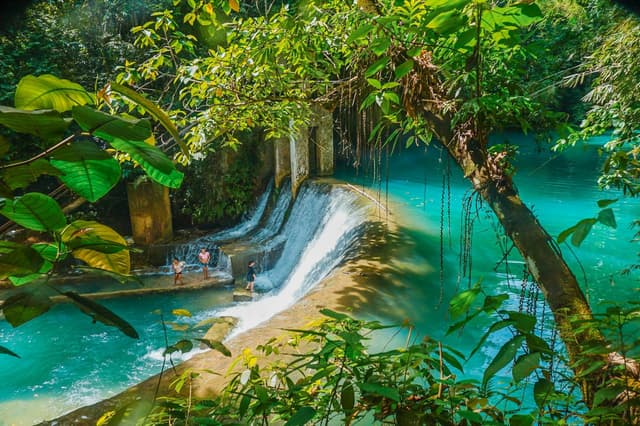
- Canyoneering at Kawasan Falls, Cebu: sold as half-day packages; prices vary by operator and pickup point.
- Scuba diving: fun dives in Coron, Moalboal and Anilao are competitively priced by global standards; courses cost more.
Palawan has the widest mix of tours at every price point; our things to do in Palawan guide compares them.
What hidden costs catch visitors out?
Most budget overruns in the Philippines come from small charges that are easy to miss when planning. None is large alone, but together they can add 10 to 15 percent to a trip.
| Hidden cost | Typical amount | How to reduce it |
|---|---|---|
| ATM fee for foreign cards | about ₱250 per withdrawal at most major banks | Withdraw the maximum each time; per-transaction limits are often ₱10,000 to ₱20,000 |
| Dynamic currency conversion at ATMs and card terminals | a poor exchange rate | Always choose to be charged in pesos |
| Airline fuel surcharge | ₱559 to ₱1,635 per domestic sector (Oct 2026) | Watch for fortnightly CAB reductions |
| Environmental and terminal fees | ₱150 to ₱500 per island or port | Keep small notes handy; some are cash only |
| Restaurant service charge | often 10 percent | Check the bill before tipping |
| Peak season room premium | 30 to 50 percent more | Travel in shoulder months |
| Checked baggage on low-cost flights | varies by weight and route | Pre-book or travel with cabin baggage only |
Do foreign visitors pay the Philippine travel tax?
Generally no. The travel tax collected by the Tourism Infrastructure and Enterprise Zone Authority (TIEZA) applies to Filipino citizens travelling abroad and to foreign nationals who have stayed in the Philippines for more than one year. The full rate is ₱1,620 in economy. Short-stay tourists are not liable, though the international NAIA terminal fee of ₱950 is normally built into your airline ticket.
Mobile data and SIM cards
Globe and Smart both sell SIMs at the Manila (NAIA) arrivals halls, though airport bundles cost more than the same promos bought in town. Tourists must register a SIM with a passport, proof of accommodation and a return ticket, and tourist SIMs are typically deactivated after 30 days unless you show an approved visa extension. Travel eSIMs from international providers start at a few US dollars and skip local registration, which suits short trips.
How much does a 7, 10 or 14 day trip cost?
The estimates below combine the daily budgets above with a realistic number of domestic flights or ferries. They are per person, exclude international flights, and assume a route with one island base per three to four days. A 7-day trip usually means one flight in and out of a single region; 14 days often means three or four sectors.
| Trip length | Backpacker (PHP) | Mid-range (PHP) | Comfortable (PHP) |
|---|---|---|---|
| 7 days (1 region, 2 domestic sectors) | 17,000 to 28,000 (about 270 to 450 USD) | 37,000 to 66,000 (about 590 to 1,060 USD) | 90,000 to 150,000 (about 1,440 to 2,400 USD) |
| 10 days (2 regions, 3 sectors) | 25,000 to 40,000 (about 400 to 640 USD) | 53,000 to 95,000 (about 850 to 1,520 USD) | 130,000 to 215,000 (about 2,080 to 3,440 USD) |
| 14 days (3 regions, 4 sectors) | 34,000 to 55,000 (about 540 to 880 USD) | 73,000 to 130,000 (about 1,170 to 2,080 USD) | 180,000 to 300,000 (about 2,880 to 4,800 USD) |
These are planning estimates calculated from the typical costs in this guide at roughly ₱62.5 to the dollar, not quotes. Your total will depend heavily on booking dates, luggage and how many private tours you choose. For route ideas that keep transfers to a minimum, see our Philippines itinerary guide, and use our best islands in the Philippines overview to decide which regions are worth the extra flight.
When is the Philippines cheapest to visit?
The Philippines is cheapest in the wet season, roughly June to October, when room rates on Boracay and Palawan can be 30 to 50 percent lower than in the December to April peak. The trade-off is rain and typhoon risk, which can cancel boats and flights. The shoulder months of May and November often give the best balance of price and weather.
| Period | Weather | Price level | Budget notes |
|---|---|---|---|
| Mid-December to early January | Dry, pleasant | Highest | Christmas and New Year; book rooms and flights months ahead |
| January to February | Dry, breezy | High | Chinese New Year spikes rates, especially on Boracay |
| March to May | Hot, dry | High to very high | Holy Week and Filipino school holidays fill resorts |
| June to October | Wet, typhoon season | Lowest | Best deals; keep plans flexible and buy travel insurance |
| November | Rains easing | Moderate | Good shoulder value before the Christmas rush |
Weather differs between regions, and Siargao and eastern islands have their own patterns. Our best time to visit the Philippines guide goes month by month.
Is the Philippines more expensive than Thailand, Vietnam or Bali?
Day to day, the Philippines costs about the same as Thailand and Bali, and a little more than Vietnam. Street food, local transport and budget rooms are all similarly cheap. The difference is geography: in Thailand, Vietnam or Bali you can connect most highlights by road or rail, while in the Philippines you pay for flights and boats between islands. That is why a two-week Philippines trip often costs more overall even when daily spending is similar.
| Cost area | Philippines | Thailand | Vietnam | Bali (Indonesia) |
|---|---|---|---|---|
| Local food | Cheap | Cheap | Very cheap | Cheap |
| Budget rooms | Cheap to moderate on famous islands | Cheap | Very cheap | Cheap |
| Getting between highlights | Mostly flights and boats, the biggest extra cost | Buses, trains, cheap flights | Trains, buses, cheap flights | Mostly road on one island |
| Island tours and entry fees | Frequent small fees add up | National park fees at marine parks | Modest entry fees | Temple and tourist levies |
| Beach resort value | Good outside peak dates | Very good | Very good | Very good |
This is a general comparison of price levels, not exact figures; costs vary widely by region and season within each country.
How can you save money in the Philippines?
The biggest savings come from cutting transfers, not from skipping meals. Pick two regions instead of four, book flights early, and travel light. After that, eating local and joining shared tours make the most difference.
- Limit your island bases. Each extra region usually means another flight, terminal fee and transfer. Palawan alone (Puerto Princesa, El Nido, Coron) can fill a week using vans and ferries.
- Book domestic flights early and watch promo sales. Cebu Pacific, Philippine Airlines and AirAsia Philippines run frequent seat sales, sometimes for travel many months ahead.
- Travel with cabin baggage only on low-cost carriers, or pre-book checked bags online.
- Join shared tours. A shared El Nido boat is about ₱1,200 to ₱1,800 per person, versus ₱6,000 to ₱12,000 for a private boat.
- Stay a short walk from the beach. Rooms two or three streets back on Boracay or in El Nido town are much cheaper than beachfront.
- Eat at carinderias and markets for most meals, and save resort dinners for a special night.
- Use Grab outside rush hour in Manila and Cebu, or take jeepneys for short hops.
- Withdraw cash in large amounts to spread the ₱250 ATM fee, and carry small notes for island fees.
- Travel in the shoulder months of May and November for lower rates with manageable weather.
Where does your money go furthest in the Philippines?
Siargao, Moalboal and Siquijor tend to be the best value for budget travellers, while Boracay and El Nido charge more for the same standard of room. Cebu is a good-value base because it has many direct flights and cheap bus links to Moalboal, Oslob and Bohol ferries.
| Destination | Relative cost | Why |
|---|---|---|
| Siargao | Low to moderate | Cheap dorms and food, especially in Del Carmen; flights can be pricey |
| Moalboal and south Cebu | Low | Reached by bus; free snorkelling with the sardine run off Panagsama Beach |
| Bohol (Panglao) | Moderate | Good mid-range choice; ferry links from Cebu |
| Coron | Moderate | Tours fairly priced; lake and beach entrance fees add up |
| El Nido | Moderate to high | High demand pushes up rooms; ETDF and tour costs |
| Boracay | Moderate to high | Arrival fees and beachfront premiums; very high in peak season |
For more on each area, our Philippines travel guide covers regions, entry rules and practical tips in one place.
What else should you budget for before you go?
- Entry requirements: citizens of more than 150 countries can enter visa-free, usually for 30 days, while some nationalities need a visa in advance. Everyone must complete the free eTravel registration within 72 hours before arrival, and immigration may ask for an onward ticket. Nepali passport holders, for example, are not on the visa-free list and should apply for a temporary visitor visa well ahead of travel.
- Travel insurance: strongly recommended, particularly in typhoon season when flights and boats are cancelled.
- Safety budget: keep a small reserve for a rebooked flight or extra night if weather strands you. Our is the Philippines safe guide covers weather, scams and health precautions.
- Cash reserve: many island fees, tricycles and small eateries are cash only, even where cards work in hotels.
If you would rather have flights, transfers and hotels arranged in one place, you can compare Philippines tour packages.
Frequently asked questions
Is the Philippines cheap for tourists?
For most tourists the Philippines is affordable. Carinderia meals cost about ₱80 to ₱150, jeepney rides start at ₱14 and dorm beds from about ₱400. The Philippines becomes more expensive when you add several domestic flights, private boat tours and beachfront resorts, so total cost depends mostly on how many islands you visit and your accommodation style.
How much money do you need per day in the Philippines?
As of 2026, budget travellers in the Philippines need roughly ₱1,800 to ₱2,800 a day (about 29 to 45 US dollars), mid-range travellers ₱4,500 to ₱8,000 (about 72 to 128 US dollars), and comfortable resort travellers from about ₱12,000 (about 190 US dollars). These are per person figures and exclude international and domestic flights.
Why are domestic flights a big cost in the Philippines?
The Philippines has more than 7,600 islands, so most trips need one or more domestic flights between Manila, Cebu, Palawan, Boracay or Siargao. In 2026, high fuel prices added a CAB-approved fuel surcharge of about ₱559 to ₱1,635 per domestic sector for early October. Booking early and travelling with cabin baggage only keeps fares down.
How much does island hopping cost in the Philippines?
Shared island hopping tours in the Philippines typically cost ₱1,200 to ₱2,000 per person in El Nido and Coron, including lunch and snorkel gear, and ₱600 to ₱1,500 on Boracay. Private boats cost ₱6,000 to ₱12,000 for the whole boat in El Nido. Add environmental fees such as El Nido's ₱400 ETDF and site entrance fees.
Is the Philippines cheaper than Thailand or Bali?
Daily costs in the Philippines are broadly similar to Thailand and Bali for food, local transport and budget rooms. The Philippines often works out more expensive overall because moving between islands relies on flights and boats rather than roads. A single-region Philippines trip, such as Palawan only, can be just as affordable as Thailand.
How much is the Boracay environmental fee?
Visitors arriving in Boracay through Caticlan jetty port typically pay an environmental fee of about ₱300, a terminal fee of about ₱150 and a boat ticket of about ₱50, so roughly ₱500 per person. Leaving Boracay costs another terminal fee and boat fare, around ₱400. Fees can change, so check with your hotel before travelling.
What is the El Nido eco-tourism fee?
The El Nido Eco-Tourism Development Fee (ETDF) is ₱400 per tourist for visitors who are not Palawan residents, according to 2026 local rate sheets, with reduced rates for students, seniors and children. The El Nido receipt is valid for 10 days, so you pay once and reuse it on every island hopping tour during your stay.
Do tourists pay the Philippine travel tax?
Most tourists do not. The Philippine travel tax, collected by TIEZA, applies to Filipino citizens leaving the country and to foreign nationals who have lived in the Philippines for more than one year. Short-stay visitors are exempt. The international terminal fee at Manila's NAIA, ₱950 since September 2025, is usually already included in your air ticket.
What is the cheapest time to visit the Philippines?
The cheapest time to visit the Philippines is the wet season from about June to October, when hotel rates on Boracay and Palawan can be 30 to 50 percent below peak prices. Typhoons can disrupt boats and flights, so keep plans flexible. May and November are shoulder months that often balance lower prices with better weather.
Are ATMs expensive for foreigners in the Philippines?
Most major banks in the Philippines charge foreign cards about ₱250 per ATM withdrawal, on top of any fee from your home bank. Per-transaction limits are often ₱10,000 to ₱20,000, so withdraw the maximum each time. Always choose to be charged in pesos rather than accepting the machine's own currency conversion, which usually gives a poor rate.
How much should I budget for two weeks in the Philippines?
For 14 days in the Philippines, a backpacker should budget roughly ₱34,000 to ₱55,000 (about 540 to 880 US dollars) and a mid-range traveller ₱73,000 to ₱130,000 (about 1,170 to 2,080 US dollars) per person, excluding international flights. These estimates include around four domestic flights or ferries between three island regions.
Is food in the Philippines expensive?
Food in the Philippines is inexpensive if you eat where locals eat. A carinderia plate costs about ₱80 to ₱150, a fast-food meal roughly ₱100 to ₱200 and a main course at a tourist restaurant ₱250 to ₱600. Resort and beachfront restaurants charge closer to international prices, and many add a 10 percent service charge.