












































+977-9709047652
Explore by Country
See all 22 Thailand packages
Most popular pick
See all 22 Thailand packages →
See all 11 Vietnam packages
Most popular pick
See all 11 Vietnam packages →
See all 10 Indonesia (Bali) packages
Most popular pick
See all 10 Indonesia (Bali) packages →
See all 7 Maldives packages
Most popular pick
See all 7 Maldives packages →
See all 10 China packages
Most popular pick
See all 10 China packages →
See all 13 Sri Lanka packages
Most popular pick
See all 13 Sri Lanka packages →
See all 9 Malaysia packages
Most popular pick
See all 9 Malaysia packages →
See all 8 Singapore packages
Most popular pick
See all 8 Singapore packages →
See all 2 Kenya packages
Most popular pick
See all 2 Kenya packages →
See all 16 India packages
Most popular pick
See all 16 India packages →
See all 3 Dubai packages
Most popular pick
See all 3 Dubai packages →
See all 7 Nepal packages
Most popular pick
See all 7 Nepal packages →
See all 6 Philippines packages
Most popular pick
See all 6 Philippines packages →
Search Tours or Places
Blog / Philippines

Things to Do in Palawan: Islands, Beaches and Top Spots

17 min read 29 Aug 2026 · Updated 25 Sep 2026
Things to Do in Palawan: Islands, Beaches and Top Spots

Palawan is the Philippines' most spectacular island province, a long ribbon of limestone cliffs, hidden lagoons and coral reefs that regularly tops lists of the world's best islands. The highlights split neatly into three bases: El Nido for its towering karst lagoons, Coron for shipwreck diving and jewel coloured lakes, and Puerto Princesa for the UNESCO listed Underground River. Most visitors spend five to seven days and combine at least two areas by boat or a short flight. This guide covers the best things to do in each base, plus quieter corners, the best time to go, costs and how to get around, so you can build a Palawan trip that fits your time and budget.

Where should you base yourself in Palawan?

Palawan is large and the towns are far apart, so most people pick two bases and connect them rather than trying to see everything from one spot. El Nido and Coron are the headline pair for island hopping, while Puerto Princesa is the main gateway with the Underground River. Quieter Port Barton and San Vicente reward travellers with more time.

BaseBest forSignature experienceIdeal stay
El NidoLagoons and beachesIsland hopping Tours A to D3 to 4 nights
CoronDiving and lakesKayangan Lake and WWII wrecks2 to 3 nights
Puerto PrincesaNature and accessUnderground River1 to 2 nights
Port BartonSlow, low key beachesQuiet reefs and sandbars2 nights
San VicenteLong empty sandLong Beach, the longest in the Philippines1 to 2 nights

A classic first trip pairs El Nido and Coron, connected by a fast ferry or a short flight, with an optional night in Puerto Princesa for the Underground River on the way in or out. To see how Palawan fits a wider route, read our Philippines itinerary.

What are the best things to do in El Nido?

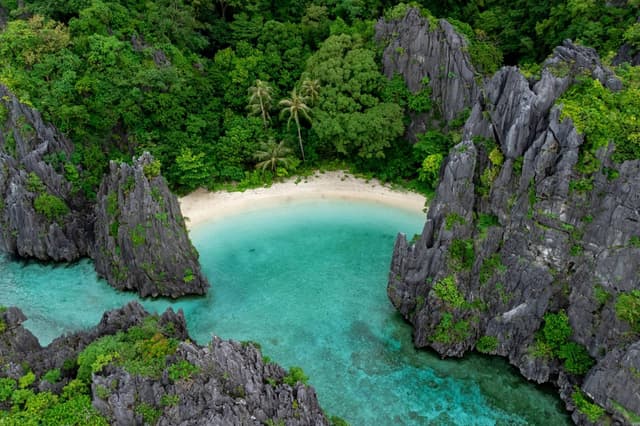
El Nido is the star of Palawan, a small town backed by dramatic limestone cliffs and fringed by dozens of islands. The main event is island hopping, sold as four set day tours labelled A, B, C and D, each visiting a different cluster of lagoons, beaches and snorkelling spots by outrigger boat.

TourMain stopsBest for
Tour ABig Lagoon, Secret Lagoon, Shimizu Island, Seven Commandos BeachThe famous lagoons, most popular
Tour BSnake Island sandbar, Entalula Beach, Cudugnon Cave, Pinagbuyutan IslandBeaches and caves, quieter
Tour CHidden Beach, Secret Beach, Matinloc Shrine, Helicopter IslandDramatic scenery and snorkelling
Tour DSmall Lagoon, Cadlao Lagoon, Paradise Beach, Pasandigan CoveNearer islands, calmer water

Tour A is the classic if you only do one, thanks to the Big and Small Lagoons, but Tour C is a favourite for its wilder cliffs. Beyond the boats, there is plenty to do on land and around town.

  • Kayak into the Big and Small Lagoons at sunrise, before the day boats arrive, for the quietest water.
  • Relax on Nacpan Beach, a long stretch of pale gold sand about an hour north of town.
  • Watch the sunset from Las Cabanas Beach or Marimegmeg, with a drink and a view of the offshore islands.
  • Climb the Taraw Cliff via ferrata for a high level view over the bay, with a guide and safety gear.
  • Hike to the Nagkalit-kalit waterfalls or cycle to quieter northern coves.

El Nido regularly features in our roundup of the best islands in the Philippines, and its shores make our list of the best beaches in the Philippines.
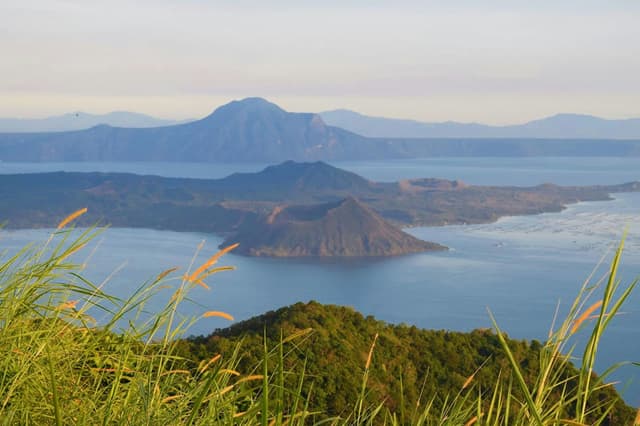
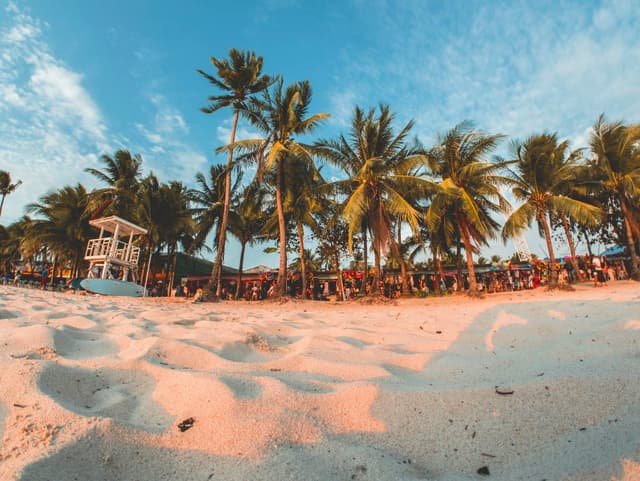
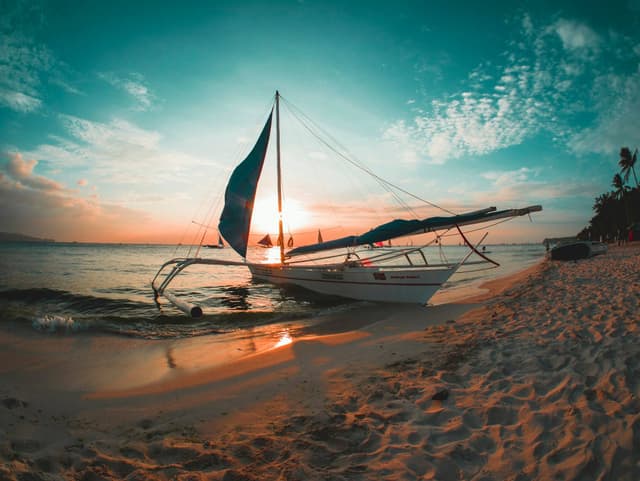
Explore Philippines tour packages
View all →

What are the best things to do in Coron?

Coron, on Busuanga island to the north, is Palawan's diving and lake capital. Its waters hide a fleet of Japanese shipwrecks from the Second World War, while inland the karst hides some of the clearest lakes in the country. It feels a little more rugged and less polished than El Nido, which is part of its charm.

  • Swim in Kayangan Lake, often called the cleanest lake in the Philippines, reached by a short but steep staircase with a classic viewpoint on the way.
  • Float in Twin Lagoon, where cool sea water meets warm freshwater through a gap in the cliffs.
  • Snorkel or dive the wrecks off Coron Bay, one of the world's best wreck diving sites.
  • Dive or snorkel Barracuda Lake, famous for its thermocline where the water suddenly warms.
  • Relax on Malcapuya Island and Banana Island, with white sand and calm shallows.
  • Soak in the saltwater Maquinit Hot Springs after a day on the water.
  • Climb the 700 or so steps up Mount Tapyas for a sunset panorama over the islands.

Like El Nido, Coron sells its sights as set day tours, which makes planning easy. The table shows the most popular options.

TourMain stopsBest for
Coron Ultimate TourKayangan Lake, Twin Lagoon, Barracuda Lake, CYC Beach, Skeleton WreckThe classic first day, lakes and lagoons
Reefs and Wrecks TourShipwrecks, coral gardens, Siete PecadosSnorkellers and wreck fans
Island EscapadeMalcapuya, Banana and Bulog Dos islandsWhite sand beaches and swimming
Calauit and northCalauit Safari Park, northern beachesWildlife and quieter shores

Coron suits a two to three night stay, easily combined with El Nido for the perfect lagoon and wreck double act.

What can you do in Puerto Princesa?

Puerto Princesa is the provincial capital and main air gateway, and it anchors Palawan's most famous natural wonder. It is worth a night either side of your island time rather than a long stay in itself.

  • Glide by boat through the Puerto Princesa Subterranean River, a UNESCO World Heritage Site and one of the world's longest navigable underground rivers, winding through a vast limestone cave.
  • Take a firefly watching tour on the Iwahig River after dark, when the mangroves twinkle with thousands of fireflies.
  • Spend a day island hopping and snorkelling in Honda Bay, an easy trip from the city.
  • Explore the city itself, from Baker's Hill to the waterfront and its seafood restaurants.

The Underground River sits inside a protected area, so numbers are capped and you need a permit, arranged through the city tourism office or, most easily, as part of an organised day tour from Puerto Princesa that includes the boat at Sabang and the cave permit.

Are there quieter alternatives to El Nido and Coron?

If you have time and want fewer crowds, two spots stand out. Port Barton, on the west coast between Puerto Princesa and El Nido, is a laid back village with its own island hopping to quiet reefs, sandbars and turtle spotting, at a gentler pace and lower price than El Nido. San Vicente is home to Long Beach, at around 14 kilometres the longest beach in the Philippines, still largely undeveloped and wonderfully empty. Both reward travellers who prefer hammocks and sunsets to busy boat queues.

Which are the best beaches in Palawan?

Beyond the lagoons, Palawan has some superb beaches, from long mainland strands to tiny island specks. The table below rounds up the pick, so you can slot a beach day into any base.

BeachNearWhy go
Nacpan BeachEl NidoLong golden sand, laid back vibe
Las Cabanas BeachEl NidoSunsets and a zipline over the sea
Malcapuya IslandCoronWhite sand and clear shallows
Long BeachSan VicenteThe longest beach in the country
German IslandPort BartonQuiet snorkelling and turtles

When is the best time to visit Palawan?

Palawan has a simple two season climate: a dry season from roughly November to May and a wet season from June to October. The dry months bring the calmest seas for island hopping and the most reliable sunshine, which is why they are peak season. The shoulder edges of the dry season, November and May, balance good weather with slightly thinner crowds.

PeriodWeatherNotes
December to FebruaryDry, sunny, pleasantPeak season, calm seas, busiest
March to MayDry and hotBest water clarity, warmest
June to OctoberWet seasonRain and rougher seas, more tour cancellations
NovemberDrying outGood value shoulder month

Tours are more often cancelled during the peak of the wet season from July to September, when the sea can be rough, so build a buffer day into your plans if you travel then.

How do you get to Palawan and around?

Getting to Palawan means flying, as it is far from the main islands by sea. Flights from Manila and Cebu serve Puerto Princesa, El Nido and Busuanga, the airport for Coron. Within Palawan the roads are long and slow, so most travellers fly or take a fast ferry between the main bases rather than driving the whole length.

RouteOptionsRough duration
Manila or Cebu to PalawanFlights to Puerto Princesa, El Nido or Busuanga1 to 1.5 hours
Puerto Princesa to El NidoVan or bus by road5 to 6 hours
El Nido to CoronFast ferry or a short flight via BusuangaFerry 3.5 to 4 hours
Around townTricycle, van, rented scooterShort hops

Ferries between El Nido and Coron can be affected by weather, so allow a buffer day before any onward international flight. Tricycles handle short trips in town, while boats do almost all the sightseeing.

How much do things cost in Palawan?

Palawan is affordable by world standards, though a touch pricier than the Philippine mainland because so much arrives by boat. Island hopping day tours are the main spend, and a couple of local fees apply. The figures below are a rough 2026 guide in Philippine pesos, which sit at roughly 56 to the US dollar.

ItemTypical priceIn USD
El Nido island hopping tour (A to D)PHP 1,200 to 1,80021 to 32
El Nido eco-tourism development feePHP 400, valid 10 daysAbout 7
Coron island hopping day tourPHP 1,500 to 2,50027 to 45
Underground River day tour from Puerto PrincesaPHP 1,500 to 2,50027 to 45
Guesthouse or mid range roomPHP 1,500 to 4,00027 to 71

The El Nido eco-tourism development fee is paid once on arrival and the receipt is reused across all your tours within its ten day window, so keep it safe.

What is a good Palawan itinerary?

If you are unsure how to string it together, this flexible one week plan hits the highlights without rushing. Shorten it by dropping a base, or stretch it with extra beach days in Port Barton.

DaysBaseHighlights
Day 1Puerto PrincesaArrive, Underground River day tour or firefly watching
Days 2 to 4El NidoTransfer, then two island hopping tours and a beach day
Day 5El Nido to CoronFast ferry, sunset from Mount Tapyas
Days 6 to 7CoronKayangan Lake, Twin Lagoon, wreck snorkelling, fly out

With only three or four days, base yourself in El Nido alone and do two island hopping tours plus a beach day. With ten days or more, add Port Barton or San Vicente for a slower, quieter finish.

Is Palawan good for diving and snorkelling?

Palawan is one of Asia's great underwater destinations, and you do not need to be a certified diver to enjoy it. Coron Bay is world famous for wreck diving, with around a dozen Japanese ships sunk in the Second World War now draped in coral and easy to reach, some shallow enough to snorkel from the surface. Barracuda Lake offers a surreal dive through a sharp temperature layer, while the reefs around El Nido, Port Barton and Honda Bay are ideal for snorkelling straight off the boat.

Beginners can take a discover scuba experience or a full open water course in both El Nido and Coron, where calm, warm water makes learning easy. Snorkellers are well looked after too, as most island hopping tours include several reef stops with masks provided. Bring your own mask if you can, for a better fit, and choose reef safe sunscreen to protect the coral.

What is the food like in Palawan?

Palawan's food is all about the sea, and eating well here is cheap and fresh. Markets and beachfront grills serve the day's catch, from grilled fish and squid to prawns and crab, often with garlic rice and calamansi. In Puerto Princesa, look for local specialities such as crocodile sisig, a savoury dish from the city's crocodile farm, and the adventurous can try tamilok, the woodworm eaten like a raw oyster in a mangrove setting. Beach towns are full of relaxed cafes and international options too, so fussy eaters and families are easily catered for.

On island hopping tours, boat crews usually cook a generous grilled lunch on a beach, included in the tour price, which is one of the simple pleasures of a Palawan day out. For a wider taste of the country's dishes, see our guide to the food of the Philippines.

Where should you stay in Palawan?

Accommodation ranges from cheap hostels to boutique island resorts, and where you stay shapes the feel of your trip. In El Nido, the town centre is handy for tours and nightlife, while Corong-Corong just south is quieter with sunset views, and a few luxury island resorts sit out in the bay. Coron town is compact and walkable, with dive shops and simple guesthouses. Puerto Princesa has business style hotels near the airport, and Port Barton and San Vicente lean towards laid back beach bungalows. Booking your first night ahead in peak season is wise, as the best value rooms go early.

Is Palawan safe, and any health tips?

Palawan is a relaxed, welcoming place and most trips pass without any trouble. The usual sensible habits apply: watch your belongings on busy boats, keep an eye on the weather before island hopping, and use licensed operators for tours and dives. On the water, wear the life jacket provided, apply reef safe sunscreen, and stay hydrated in the strong sun. Tap water is best avoided, so drink bottled or filtered water, and bring any personal medicines with you, as pharmacies in small towns are limited. Mosquito repellent is worth packing for evenings and jungle spots. For a fuller picture of staying safe across the country, read our guide on whether the Philippines is safe.

What should you know before you go?

A few practical habits make a Palawan trip smoother and kinder to the islands, which rely on healthy reefs and clean lagoons.

  • Bring reef safe sunscreen, as some tours restrict ordinary sunscreen to protect the coral.
  • Carry cash, since ATMs are limited in El Nido and Coron and can run out at busy times.
  • Pack water shoes for rocky entries and a dry bag for phones and cameras on boat days.
  • Book flights and the first night ahead in peak season, when the best rooms sell out.
  • Respect no touching rules on reefs and take all rubbish back with you.

Travellers who would rather have the boats, transfers and island stays arranged in advance often start from curated Philippines tour packages and then add Palawan to their route.

How does Palawan compare with Boracay and Cebu?

Palawan, Boracay and Cebu are the Philippines' three headline beach destinations, and they suit different moods. Palawan is the wild card, all dramatic lagoons, empty beaches and boat adventures, best for travellers who love nature and do not mind a bit of effort to reach it. Boracay is the compact, polished resort island, famous for its long White Beach, easy nightlife and watersports, ideal for a fuss free beach break. Cebu offers the widest mix, from city life and diving with whale sharks to waterfalls and island hopping, and makes a great multi centre base. Many visitors pair Palawan's scenery with a few relaxed days on Boracay or an active stretch around Cebu.

To weigh them up, see our guides to things to do in Boracay and things to do in Cebu, and the wider best places to visit in the Philippines.

Frequently asked questions

How many days do you need in Palawan?

Five to seven days lets you combine two bases, such as El Nido and Coron, without rushing, plus a night for the Underground River. If you only have three days, pick one area and focus on its island hopping tours.

Is El Nido or Coron better?

El Nido is famous for dramatic lagoons and beaches, while Coron is best for diving, lakes and wreck snorkelling. Many visitors do both, connected by a short flight or a fast ferry, for the best of each.

What is the best month to visit Palawan?

December to April is ideal, with calm seas and reliable sunshine, while March and April bring the clearest water. Avoid the peak of the wet season from July to September, when boat tours are more often cancelled.

Do you need to book island hopping tours in advance?

In peak season it helps to book a day ahead, especially in El Nido. In quieter months you can usually arrange a tour the evening before through your hotel or a local operator.

How do you get from El Nido to Coron?

The most common options are a fast ferry of around three and a half to four hours or a short flight via Busuanga. Ferries can be affected by weather, so allow a buffer day before any onward flight.

Do you need a permit for the Underground River?

Yes. The Puerto Princesa Subterranean River is a protected area with capped visitor numbers, so you need a permit. The easiest way is an organised day tour from Puerto Princesa that includes the boat at Sabang and the cave permit.

Which El Nido tour is best?

Tour A is the classic for the Big and Small Lagoons and is the most popular. Tour C is a favourite for its wilder cliffs and snorkelling, while Tours B and D are quieter with more beaches. Many visitors do two tours over two days.

Is Palawan expensive?

Palawan is affordable overall but slightly pricier than the Philippine mainland, as much arrives by boat. Island hopping tours run about PHP 1,200 to 2,500, plus a small eco fee in El Nido, and rooms range widely to suit most budgets.

Are the lagoons and beaches crowded?

The most famous spots, such as El Nido's Big Lagoon, get busy in peak season and midday. Going early, choosing quieter tours, or basing yourself in Port Barton or San Vicente all help you find calmer water and emptier sand.

Is Palawan good for non swimmers and families?

Yes. Many tours include shallow beaches and calm lagoons, life jackets are standard, and boats can wait while stronger swimmers snorkel. Choose calmer tours and shorter boat days for young children.

Do you need to be a diver to enjoy Coron?

No. Coron is superb for divers thanks to its WWII wrecks, but snorkellers can see shallow wrecks, reefs and lakes on standard day tours. Beginners can also take a discover scuba experience or full course in warm, calm water.

How do you get to the Underground River?

Most visitors take a day tour from Puerto Princesa, which includes road transfer to Sabang, a short boat ride to the cave entrance and the required permit. Numbers are capped, so booking ahead in peak season is sensible.

What should I pack for Palawan?

Bring reef safe sunscreen, a dry bag, water shoes, a mask if you have one, plenty of cash for El Nido and Coron, and light quick drying clothes. A buffer day before onward flights covers any weather delays to ferries.

Which base is best for a first trip to Palawan?

El Nido is the best single base for first timers, thanks to its four island hopping tours, lively town and easy beaches. Add Coron if you have five days or more, and a night in Puerto Princesa if you want the Underground River.

Is Palawan worth visiting over the Philippines' other islands?

Yes, if scenery and nature top your list. Palawan's lagoons, lakes and empty beaches are among the finest in Asia. It takes a little more effort to reach than Boracay or Cebu, but rewards you with dramatic, less developed landscapes.

Is Palawan good for a honeymoon?

Very much so. Private island resorts around El Nido, quiet beaches in San Vicente and romantic sunset cruises make Palawan a superb honeymoon choice. Pair a few nights of luxury with island hopping days for the best mix of relaxation and adventure.

Can you visit Palawan in the wet season?

You can, and it is cheaper and quieter, but seas are rougher and boat tours are cancelled more often between July and September. If you travel then, keep your plans flexible, allow buffer days, and be ready to swap a boat day for a land based activity.

Tags
Philippines
Share
G
Gomayu Team
Writer at Gomayu
Keep reading
Blog / Philippines
Things to Do in Palawan: Islands, Beaches and Top Spots
17 min read 29 Aug 2026 · Updated 25 Sep 2026
Things to Do in Palawan: Islands, Beaches and Top Spots

Palawan is the Philippines' most spectacular island province, a long ribbon of limestone cliffs, hidden lagoons and coral reefs that regularly tops lists of the world's best islands. The highlights split neatly into three bases: El Nido for its towering karst lagoons, Coron for shipwreck diving and jewel coloured lakes, and Puerto Princesa for the UNESCO listed Underground River. Most visitors spend five to seven days and combine at least two areas by boat or a short flight. This guide covers the best things to do in each base, plus quieter corners, the best time to go, costs and how to get around, so you can build a Palawan trip that fits your time and budget.

Where should you base yourself in Palawan?

Palawan is large and the towns are far apart, so most people pick two bases and connect them rather than trying to see everything from one spot. El Nido and Coron are the headline pair for island hopping, while Puerto Princesa is the main gateway with the Underground River. Quieter Port Barton and San Vicente reward travellers with more time.

BaseBest forSignature experienceIdeal stay
El NidoLagoons and beachesIsland hopping Tours A to D3 to 4 nights
CoronDiving and lakesKayangan Lake and WWII wrecks2 to 3 nights
Puerto PrincesaNature and accessUnderground River1 to 2 nights
Port BartonSlow, low key beachesQuiet reefs and sandbars2 nights
San VicenteLong empty sandLong Beach, the longest in the Philippines1 to 2 nights

A classic first trip pairs El Nido and Coron, connected by a fast ferry or a short flight, with an optional night in Puerto Princesa for the Underground River on the way in or out. To see how Palawan fits a wider route, read our Philippines itinerary.

What are the best things to do in El Nido?

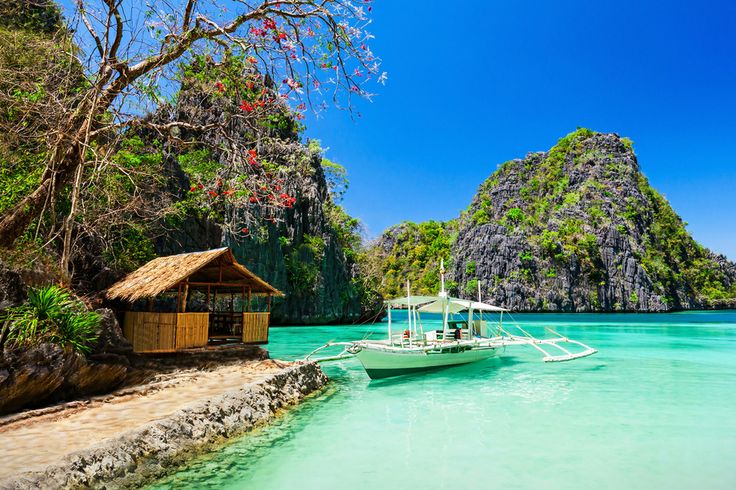
El Nido is the star of Palawan, a small town backed by dramatic limestone cliffs and fringed by dozens of islands. The main event is island hopping, sold as four set day tours labelled A, B, C and D, each visiting a different cluster of lagoons, beaches and snorkelling spots by outrigger boat.

TourMain stopsBest for
Tour ABig Lagoon, Secret Lagoon, Shimizu Island, Seven Commandos BeachThe famous lagoons, most popular
Tour BSnake Island sandbar, Entalula Beach, Cudugnon Cave, Pinagbuyutan IslandBeaches and caves, quieter
Tour CHidden Beach, Secret Beach, Matinloc Shrine, Helicopter IslandDramatic scenery and snorkelling
Tour DSmall Lagoon, Cadlao Lagoon, Paradise Beach, Pasandigan CoveNearer islands, calmer water

Tour A is the classic if you only do one, thanks to the Big and Small Lagoons, but Tour C is a favourite for its wilder cliffs. Beyond the boats, there is plenty to do on land and around town.

  • Kayak into the Big and Small Lagoons at sunrise, before the day boats arrive, for the quietest water.
  • Relax on Nacpan Beach, a long stretch of pale gold sand about an hour north of town.
  • Watch the sunset from Las Cabanas Beach or Marimegmeg, with a drink and a view of the offshore islands.
  • Climb the Taraw Cliff via ferrata for a high level view over the bay, with a guide and safety gear.
  • Hike to the Nagkalit-kalit waterfalls or cycle to quieter northern coves.

El Nido regularly features in our roundup of the best islands in the Philippines, and its shores make our list of the best beaches in the Philippines.
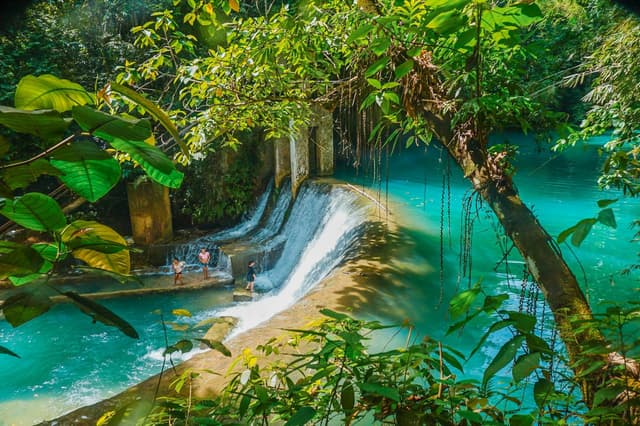
Explore Philippines tour packages
View all →

What are the best things to do in Coron?

Coron, on Busuanga island to the north, is Palawan's diving and lake capital. Its waters hide a fleet of Japanese shipwrecks from the Second World War, while inland the karst hides some of the clearest lakes in the country. It feels a little more rugged and less polished than El Nido, which is part of its charm.

  • Swim in Kayangan Lake, often called the cleanest lake in the Philippines, reached by a short but steep staircase with a classic viewpoint on the way.
  • Float in Twin Lagoon, where cool sea water meets warm freshwater through a gap in the cliffs.
  • Snorkel or dive the wrecks off Coron Bay, one of the world's best wreck diving sites.
  • Dive or snorkel Barracuda Lake, famous for its thermocline where the water suddenly warms.
  • Relax on Malcapuya Island and Banana Island, with white sand and calm shallows.
  • Soak in the saltwater Maquinit Hot Springs after a day on the water.
  • Climb the 700 or so steps up Mount Tapyas for a sunset panorama over the islands.

Like El Nido, Coron sells its sights as set day tours, which makes planning easy. The table shows the most popular options.

TourMain stopsBest for
Coron Ultimate TourKayangan Lake, Twin Lagoon, Barracuda Lake, CYC Beach, Skeleton WreckThe classic first day, lakes and lagoons
Reefs and Wrecks TourShipwrecks, coral gardens, Siete PecadosSnorkellers and wreck fans
Island EscapadeMalcapuya, Banana and Bulog Dos islandsWhite sand beaches and swimming
Calauit and northCalauit Safari Park, northern beachesWildlife and quieter shores

Coron suits a two to three night stay, easily combined with El Nido for the perfect lagoon and wreck double act.

What can you do in Puerto Princesa?

Puerto Princesa is the provincial capital and main air gateway, and it anchors Palawan's most famous natural wonder. It is worth a night either side of your island time rather than a long stay in itself.

  • Glide by boat through the Puerto Princesa Subterranean River, a UNESCO World Heritage Site and one of the world's longest navigable underground rivers, winding through a vast limestone cave.
  • Take a firefly watching tour on the Iwahig River after dark, when the mangroves twinkle with thousands of fireflies.
  • Spend a day island hopping and snorkelling in Honda Bay, an easy trip from the city.
  • Explore the city itself, from Baker's Hill to the waterfront and its seafood restaurants.

The Underground River sits inside a protected area, so numbers are capped and you need a permit, arranged through the city tourism office or, most easily, as part of an organised day tour from Puerto Princesa that includes the boat at Sabang and the cave permit.

Are there quieter alternatives to El Nido and Coron?

If you have time and want fewer crowds, two spots stand out. Port Barton, on the west coast between Puerto Princesa and El Nido, is a laid back village with its own island hopping to quiet reefs, sandbars and turtle spotting, at a gentler pace and lower price than El Nido. San Vicente is home to Long Beach, at around 14 kilometres the longest beach in the Philippines, still largely undeveloped and wonderfully empty. Both reward travellers who prefer hammocks and sunsets to busy boat queues.

Which are the best beaches in Palawan?

Beyond the lagoons, Palawan has some superb beaches, from long mainland strands to tiny island specks. The table below rounds up the pick, so you can slot a beach day into any base.

BeachNearWhy go
Nacpan BeachEl NidoLong golden sand, laid back vibe
Las Cabanas BeachEl NidoSunsets and a zipline over the sea
Malcapuya IslandCoronWhite sand and clear shallows
Long BeachSan VicenteThe longest beach in the country
German IslandPort BartonQuiet snorkelling and turtles

When is the best time to visit Palawan?

Palawan has a simple two season climate: a dry season from roughly November to May and a wet season from June to October. The dry months bring the calmest seas for island hopping and the most reliable sunshine, which is why they are peak season. The shoulder edges of the dry season, November and May, balance good weather with slightly thinner crowds.

PeriodWeatherNotes
December to FebruaryDry, sunny, pleasantPeak season, calm seas, busiest
March to MayDry and hotBest water clarity, warmest
June to OctoberWet seasonRain and rougher seas, more tour cancellations
NovemberDrying outGood value shoulder month

Tours are more often cancelled during the peak of the wet season from July to September, when the sea can be rough, so build a buffer day into your plans if you travel then.

How do you get to Palawan and around?

Getting to Palawan means flying, as it is far from the main islands by sea. Flights from Manila and Cebu serve Puerto Princesa, El Nido and Busuanga, the airport for Coron. Within Palawan the roads are long and slow, so most travellers fly or take a fast ferry between the main bases rather than driving the whole length.

RouteOptionsRough duration
Manila or Cebu to PalawanFlights to Puerto Princesa, El Nido or Busuanga1 to 1.5 hours
Puerto Princesa to El NidoVan or bus by road5 to 6 hours
El Nido to CoronFast ferry or a short flight via BusuangaFerry 3.5 to 4 hours
Around townTricycle, van, rented scooterShort hops

Ferries between El Nido and Coron can be affected by weather, so allow a buffer day before any onward international flight. Tricycles handle short trips in town, while boats do almost all the sightseeing.

How much do things cost in Palawan?

Palawan is affordable by world standards, though a touch pricier than the Philippine mainland because so much arrives by boat. Island hopping day tours are the main spend, and a couple of local fees apply. The figures below are a rough 2026 guide in Philippine pesos, which sit at roughly 56 to the US dollar.

ItemTypical priceIn USD
El Nido island hopping tour (A to D)PHP 1,200 to 1,80021 to 32
El Nido eco-tourism development feePHP 400, valid 10 daysAbout 7
Coron island hopping day tourPHP 1,500 to 2,50027 to 45
Underground River day tour from Puerto PrincesaPHP 1,500 to 2,50027 to 45
Guesthouse or mid range roomPHP 1,500 to 4,00027 to 71

The El Nido eco-tourism development fee is paid once on arrival and the receipt is reused across all your tours within its ten day window, so keep it safe.

What is a good Palawan itinerary?

If you are unsure how to string it together, this flexible one week plan hits the highlights without rushing. Shorten it by dropping a base, or stretch it with extra beach days in Port Barton.

DaysBaseHighlights
Day 1Puerto PrincesaArrive, Underground River day tour or firefly watching
Days 2 to 4El NidoTransfer, then two island hopping tours and a beach day
Day 5El Nido to CoronFast ferry, sunset from Mount Tapyas
Days 6 to 7CoronKayangan Lake, Twin Lagoon, wreck snorkelling, fly out

With only three or four days, base yourself in El Nido alone and do two island hopping tours plus a beach day. With ten days or more, add Port Barton or San Vicente for a slower, quieter finish.

Is Palawan good for diving and snorkelling?

Palawan is one of Asia's great underwater destinations, and you do not need to be a certified diver to enjoy it. Coron Bay is world famous for wreck diving, with around a dozen Japanese ships sunk in the Second World War now draped in coral and easy to reach, some shallow enough to snorkel from the surface. Barracuda Lake offers a surreal dive through a sharp temperature layer, while the reefs around El Nido, Port Barton and Honda Bay are ideal for snorkelling straight off the boat.

Beginners can take a discover scuba experience or a full open water course in both El Nido and Coron, where calm, warm water makes learning easy. Snorkellers are well looked after too, as most island hopping tours include several reef stops with masks provided. Bring your own mask if you can, for a better fit, and choose reef safe sunscreen to protect the coral.

What is the food like in Palawan?

Palawan's food is all about the sea, and eating well here is cheap and fresh. Markets and beachfront grills serve the day's catch, from grilled fish and squid to prawns and crab, often with garlic rice and calamansi. In Puerto Princesa, look for local specialities such as crocodile sisig, a savoury dish from the city's crocodile farm, and the adventurous can try tamilok, the woodworm eaten like a raw oyster in a mangrove setting. Beach towns are full of relaxed cafes and international options too, so fussy eaters and families are easily catered for.

On island hopping tours, boat crews usually cook a generous grilled lunch on a beach, included in the tour price, which is one of the simple pleasures of a Palawan day out. For a wider taste of the country's dishes, see our guide to the food of the Philippines.

Where should you stay in Palawan?

Accommodation ranges from cheap hostels to boutique island resorts, and where you stay shapes the feel of your trip. In El Nido, the town centre is handy for tours and nightlife, while Corong-Corong just south is quieter with sunset views, and a few luxury island resorts sit out in the bay. Coron town is compact and walkable, with dive shops and simple guesthouses. Puerto Princesa has business style hotels near the airport, and Port Barton and San Vicente lean towards laid back beach bungalows. Booking your first night ahead in peak season is wise, as the best value rooms go early.

Is Palawan safe, and any health tips?

Palawan is a relaxed, welcoming place and most trips pass without any trouble. The usual sensible habits apply: watch your belongings on busy boats, keep an eye on the weather before island hopping, and use licensed operators for tours and dives. On the water, wear the life jacket provided, apply reef safe sunscreen, and stay hydrated in the strong sun. Tap water is best avoided, so drink bottled or filtered water, and bring any personal medicines with you, as pharmacies in small towns are limited. Mosquito repellent is worth packing for evenings and jungle spots. For a fuller picture of staying safe across the country, read our guide on whether the Philippines is safe.

What should you know before you go?

A few practical habits make a Palawan trip smoother and kinder to the islands, which rely on healthy reefs and clean lagoons.

  • Bring reef safe sunscreen, as some tours restrict ordinary sunscreen to protect the coral.
  • Carry cash, since ATMs are limited in El Nido and Coron and can run out at busy times.
  • Pack water shoes for rocky entries and a dry bag for phones and cameras on boat days.
  • Book flights and the first night ahead in peak season, when the best rooms sell out.
  • Respect no touching rules on reefs and take all rubbish back with you.

Travellers who would rather have the boats, transfers and island stays arranged in advance often start from curated Philippines tour packages and then add Palawan to their route.

How does Palawan compare with Boracay and Cebu?

Palawan, Boracay and Cebu are the Philippines' three headline beach destinations, and they suit different moods. Palawan is the wild card, all dramatic lagoons, empty beaches and boat adventures, best for travellers who love nature and do not mind a bit of effort to reach it. Boracay is the compact, polished resort island, famous for its long White Beach, easy nightlife and watersports, ideal for a fuss free beach break. Cebu offers the widest mix, from city life and diving with whale sharks to waterfalls and island hopping, and makes a great multi centre base. Many visitors pair Palawan's scenery with a few relaxed days on Boracay or an active stretch around Cebu.

To weigh them up, see our guides to things to do in Boracay and things to do in Cebu, and the wider best places to visit in the Philippines.

Frequently asked questions

How many days do you need in Palawan?

Five to seven days lets you combine two bases, such as El Nido and Coron, without rushing, plus a night for the Underground River. If you only have three days, pick one area and focus on its island hopping tours.

Is El Nido or Coron better?

El Nido is famous for dramatic lagoons and beaches, while Coron is best for diving, lakes and wreck snorkelling. Many visitors do both, connected by a short flight or a fast ferry, for the best of each.

What is the best month to visit Palawan?

December to April is ideal, with calm seas and reliable sunshine, while March and April bring the clearest water. Avoid the peak of the wet season from July to September, when boat tours are more often cancelled.

Do you need to book island hopping tours in advance?

In peak season it helps to book a day ahead, especially in El Nido. In quieter months you can usually arrange a tour the evening before through your hotel or a local operator.

How do you get from El Nido to Coron?

The most common options are a fast ferry of around three and a half to four hours or a short flight via Busuanga. Ferries can be affected by weather, so allow a buffer day before any onward flight.

Do you need a permit for the Underground River?

Yes. The Puerto Princesa Subterranean River is a protected area with capped visitor numbers, so you need a permit. The easiest way is an organised day tour from Puerto Princesa that includes the boat at Sabang and the cave permit.

Which El Nido tour is best?

Tour A is the classic for the Big and Small Lagoons and is the most popular. Tour C is a favourite for its wilder cliffs and snorkelling, while Tours B and D are quieter with more beaches. Many visitors do two tours over two days.

Is Palawan expensive?

Palawan is affordable overall but slightly pricier than the Philippine mainland, as much arrives by boat. Island hopping tours run about PHP 1,200 to 2,500, plus a small eco fee in El Nido, and rooms range widely to suit most budgets.

Are the lagoons and beaches crowded?

The most famous spots, such as El Nido's Big Lagoon, get busy in peak season and midday. Going early, choosing quieter tours, or basing yourself in Port Barton or San Vicente all help you find calmer water and emptier sand.

Is Palawan good for non swimmers and families?

Yes. Many tours include shallow beaches and calm lagoons, life jackets are standard, and boats can wait while stronger swimmers snorkel. Choose calmer tours and shorter boat days for young children.

Do you need to be a diver to enjoy Coron?

No. Coron is superb for divers thanks to its WWII wrecks, but snorkellers can see shallow wrecks, reefs and lakes on standard day tours. Beginners can also take a discover scuba experience or full course in warm, calm water.

How do you get to the Underground River?

Most visitors take a day tour from Puerto Princesa, which includes road transfer to Sabang, a short boat ride to the cave entrance and the required permit. Numbers are capped, so booking ahead in peak season is sensible.

What should I pack for Palawan?

Bring reef safe sunscreen, a dry bag, water shoes, a mask if you have one, plenty of cash for El Nido and Coron, and light quick drying clothes. A buffer day before onward flights covers any weather delays to ferries.

Which base is best for a first trip to Palawan?

El Nido is the best single base for first timers, thanks to its four island hopping tours, lively town and easy beaches. Add Coron if you have five days or more, and a night in Puerto Princesa if you want the Underground River.

Is Palawan worth visiting over the Philippines' other islands?

Yes, if scenery and nature top your list. Palawan's lagoons, lakes and empty beaches are among the finest in Asia. It takes a little more effort to reach than Boracay or Cebu, but rewards you with dramatic, less developed landscapes.

Is Palawan good for a honeymoon?

Very much so. Private island resorts around El Nido, quiet beaches in San Vicente and romantic sunset cruises make Palawan a superb honeymoon choice. Pair a few nights of luxury with island hopping days for the best mix of relaxation and adventure.

Can you visit Palawan in the wet season?

You can, and it is cheaper and quieter, but seas are rougher and boat tours are cancelled more often between July and September. If you travel then, keep your plans flexible, allow buffer days, and be ready to swap a boat day for a land based activity.
Tags
Philippines
Share
G
Gomayu Team
Writer at Gomayu
Keep reading