












































+977-9709047652
Explore by Country
See all 22 Thailand packages
Most popular pick
See all 22 Thailand packages →
See all 11 Vietnam packages
Most popular pick
See all 11 Vietnam packages →
See all 10 Indonesia (Bali) packages
Most popular pick
See all 10 Indonesia (Bali) packages →
See all 7 Maldives packages
Most popular pick
See all 7 Maldives packages →
See all 10 China packages
Most popular pick
See all 10 China packages →
See all 13 Sri Lanka packages
Most popular pick
See all 13 Sri Lanka packages →
See all 9 Malaysia packages
Most popular pick
See all 9 Malaysia packages →
See all 8 Singapore packages
Most popular pick
See all 8 Singapore packages →
See all 2 Kenya packages
Most popular pick
See all 2 Kenya packages →
See all 16 India packages
Most popular pick
See all 16 India packages →
See all 3 Dubai packages
Most popular pick
See all 3 Dubai packages →
See all 7 Nepal packages
Most popular pick
See all 7 Nepal packages →
See all 6 Philippines packages
Most popular pick
See all 6 Philippines packages →
Search Tours or Places
Blog / Philippines

Things To Do in Cebu, Philippines: Top Attractions

12 min read 24 Aug 2026 · Updated 17 Sep 2026
Things To Do in Cebu, Philippines: Top Attractions

Cebu is the Philippines at its most rewarding for travellers who want it all in one place: canyoneering through the electric blue pools of Kawasan Falls, swimming with whale sharks in Oslob, diving the Moalboal sardine run, hopping between white sand islands, and exploring the country's oldest city. Most visitors spend four to seven days here, split between Cebu City, the south around Moalboal and Oslob, and an island or two in the north. This guide walks through the best things to do, when to go, and how to plan a trip that balances adventure, beaches and heritage.

What are the top things to do in Cebu?

Cebu packs an unusual range of experiences into a single province, from adrenaline to culture to pure beach time. These are the highlights most travellers build their trip around.

ExperienceWhereWhy go
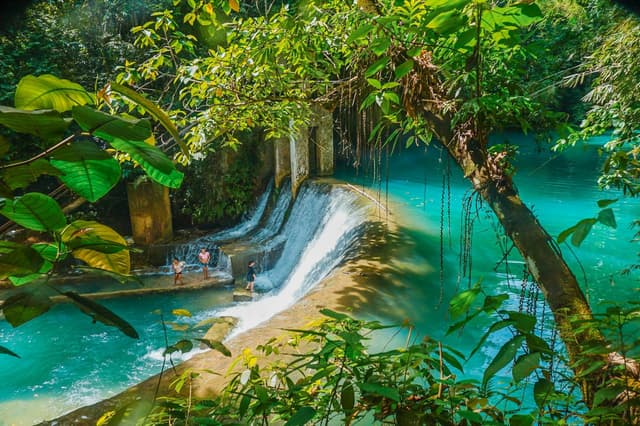
Kawasan Falls canyoneeringBadian, south CebuJump, slide and swim through turquoise gorges to a three tier waterfall
Whale shark encounterOslobSnorkel beside the world's largest fish, close to shore
Sardine run and turtlesMoalboalMillions of sardines swirl metres off Panagsama Beach, with resident sea turtles
Thresher shark divingMalapascuaOne of the only places on earth to reliably see thresher sharks at dawn
Island hoppingBantayan, Sumilon, NalusuanPowder sand, sandbars and clear shallows
Cebu City heritageCebu CityMagellan's Cross, Basilica del Santo Nino and Fort San Pedro

If you only have time for a few, most travellers pick the Kawasan canyoneering, one snorkelling day in the south, and an island hop, which together capture the adventure, marine life and beaches Cebu is famous for.

Is canyoneering at Kawasan Falls worth it?

Yes, and for many visitors it is the single best thing they do in the Philippines. Canyoneering takes you upstream from Kawasan Falls through a series of jumps, natural slides and swims in vivid turquoise water, ending at the main falls. Guides are mandatory, life jackets and helmets are provided, and the jumps range from small steps to bigger optional leaps you can always walk around.

  • Where: the trip starts near Badian in south Cebu, about three hours from Cebu City.
  • Fitness: moderate, with some walking, swimming and climbing, suitable for most reasonably active adults.
  • Safety: go with a licensed guide, never during heavy rain when flash floods are a risk, and follow instructions on jumps.
  • What to bring: water shoes or sturdy sandals, a dry bag and a waterproof camera.

Book a licensed operator, start early to beat the crowds, and pair it with a night in Moalboal or Badian rather than rushing back to the city.
Explore Philippines tour packages
View all →

Should you swim with whale sharks in Oslob?

Oslob is one of the most reliable places in the world to snorkel beside whale sharks, which gather close to shore each morning. It is an unforgettable sight, but it is also a debated activity because the animals are hand fed to keep them in the bay. Travellers who care about wildlife ethics should make an informed choice.

  • The draw: near guaranteed, close range encounters with gentle giants in shallow water.
  • The concern: feeding can change natural behaviour, so some visitors prefer wild sightings elsewhere.
  • Alternatives: seasonal wild whale shark encounters run in other parts of the Philippines, and Cebu also offers non fed marine life at Moalboal and Pescador Island.
  • Etiquette: keep your distance, never touch the sharks, and avoid sunscreen that harms reefs.

Go early, as the sea is calmest and the crowds smallest just after dawn, and combine Oslob with Tumalog Falls nearby for a fuller day.

What is there to do in Moalboal?

Moalboal is Cebu's easygoing dive and beach town, built around Panagsama Beach and the famous sardine run just offshore. It is the base most travellers use for the south coast, with a relaxed strip of dive shops, cafes and sunset bars.

ActivityWhat to expect
Sardine run snorkelA shimmering wall of millions of sardines just metres from shore, free to snorkel
Sea turtlesGreen turtles feed along the same reef, often seen on the same swim
Pescador Island divingA short boat ride to walls, sardines and sometimes thresher sharks
Kawasan day tripCanyoneering and the falls are a short drive away
Sunset at PanagsamaBeach bars and a laid back evening scene

You do not need to be a diver to enjoy Moalboal, as the sardine run and turtles are visible on a simple snorkel straight from the beach.

What can you do in Cebu City?

Cebu City is the oldest city in the Philippines and the cultural heart of the trip, well worth a day at the start or end. It mixes Spanish colonial heritage with hilltop viewpoints and lively food.

  • Magellan's Cross: the historic cross marking the arrival of Christianity in the Philippines in 1521.
  • Basilica del Santo Nino: the country's oldest Roman Catholic church, home to a revered icon.
  • Fort San Pedro: a small Spanish era fort with gardens near the pier.
  • Temple of Leah and Sirao Garden: a grand hilltop temple and a colourful flower garden in the hills above the city.
  • Tops Lookout: sweeping views over the city and sea, best at sunset.
  • Food: try lechon, Cebu's celebrated roast pork, widely rated the best in the country.

A half day covers the downtown heritage sites, while the hilltop attractions and Tops make a good late afternoon out.

Which islands should you visit from Cebu?

Cebu is a launchpad for some of the Visayas' best islands, each with its own character. Where you go depends on whether you want diving, powder sand or a quiet escape.

IslandBest forGetting there
BantayanLong white sand beaches and a slow paceNorth Cebu, then a short ferry
MalapascuaThresher shark diving and calm beachesFar north, then a short boat
SumilonA famous shifting sandbar and day tripsOff Oslob in the south
Nalusuan and HilutunganSnorkelling and marine sanctuariesIsland hopping from Mactan
CamotesLakes, caves and uncrowded beachesFerry from the east coast

For a first trip, Bantayan or Malapascua in the north pair naturally with the southern loop of Oslob, Moalboal and Kawasan.

When is the best time to visit Cebu?

Cebu is a year round destination, but the dry season from roughly December to May offers the most reliable beach and diving weather. The wetter months bring shorter, heavier showers rather than constant rain, and the sardine run and turtles are visible all year.

SeasonMonthsWhat to expect
Dry and coolerDecember to FebruaryThe most comfortable weather, peak season around the holidays
Dry and hotMarch to MayHot, sunny and great for the sea, busy at Easter
Wet seasonJune to NovemberWarm with passing showers, fewer crowds and lower prices

Typhoons are possible mainly between July and November, so watch the forecast if you travel then, and note that the far north around Malapascua and Bantayan can be affected by strong winds.

How do you get around Cebu?

Cebu is large, so planning your transport around a north or south loop saves a lot of time. Most travellers base themselves and take day trips rather than moving hotels every night.

  • Airport: Mactan Cebu International Airport connects to Manila, other Philippine islands and the region.
  • Buses: the Cebu South Bus Terminal serves Oslob, Moalboal and Badian affordably.
  • Private van or car: the most comfortable way to link the southern sights in a day or two.
  • Ferries: connect to Bantayan, Malapascua and neighbouring islands such as Bohol.
  • Motorbike and tricycle: handy for short local hops in towns like Moalboal.

A common and efficient plan is to spend the first and last nights near the city and airport, and the middle of the trip in the south around Moalboal.

How many days do you need in Cebu?

Four to seven days is the sweet spot for Cebu, enough to combine adventure, marine life and beaches without rushing between them.

  • Four days: Cebu City heritage, a southern day for Oslob and Kawasan, and Moalboal for the sardine run.
  • Five to six days: add an island such as Bantayan or a diving base in Malapascua.
  • Seven days or more: fold in Bohol next door, or slow down for extra beach and dive time.

Because Cebu connects so easily to Bohol and the wider Visayas, many travellers extend their trip into a two island adventure.

What are the best beaches near Cebu?

Cebu has beaches for every mood, from polished resort strips minutes from the airport to remote white sand islands. Knowing where each sits helps you match the beach to your plans.

Beach or islandBest forThe feel
Mactan Island resortsEasy beach time near the airportPolished, convenient, resort focused
Bantayan IslandLong, powdery white sandSlow, uncrowded, laid back
Sumilon sandbarA shifting white sandbar and day tripsPostcard perfect, best at low tide
Camotes IslandsQuiet beaches, lakes and cavesOff the beaten path
MalapascuaCalm beaches plus world class divingSmall island, big underwater draw

If you want beach time without a long journey, Mactan works for a first or last night, while Bantayan and Camotes reward the extra travel with far quieter sands.

What Cebuano food should you try?

Cebu is a genuine food destination, and its most famous dish alone is worth the trip. Eating well here is cheap and central to the experience.

  • Lechon: Cebu's celebrated whole roast pork, crisp skinned and widely rated the best in the Philippines.
  • Puso: rice steamed in woven coconut leaf pouches, the classic partner to grilled street food.
  • Sutukil: a fresh seafood style where you pick your catch to be grilled, stewed or served raw as kinilaw.
  • Danggit and dried mango: crispy dried fish and Cebu's famous sweet dried mango, both popular to take home.
  • Ngohiong and chorizo: local spring roll style snacks and Cebu longganisa sausage found in markets.

A meal built around lechon and puso is a rite of passage, and the markets and roadside stalls are where Cebu's food really shines.

What day trips can you take from Cebu?

Cebu's central location in the Visayas makes it an excellent base for day trips and short hops, whether you want peaks, pilgrimage sites or another island entirely.

  • Osmena Peak: the highest point in Cebu near Dalaguete, an easy hike to jagged hills and sunrise views.
  • Simala Shrine: a striking castle like church in Sibonga that draws pilgrims and curious visitors alike.
  • Tumalog Falls: a wide, ethereal curtain of water near Oslob, often paired with the whale sharks.
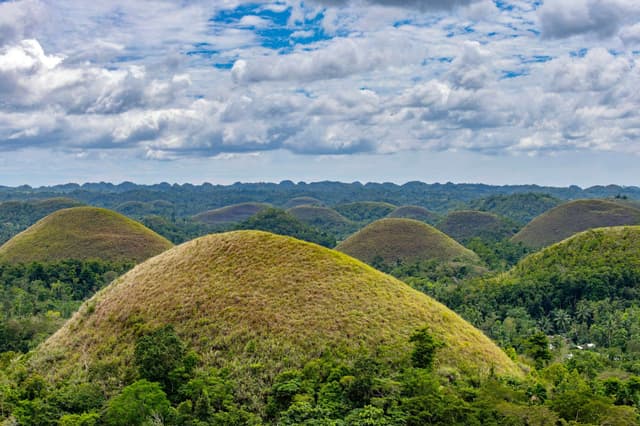
  • Bohol: a fast ferry away, with the Chocolate Hills, tiny tarsiers and Panglao beaches.
  • Sumilon Island: a sandbar and marine sanctuary day trip off the south coast.

Because so many of these link naturally with the southern loop, it is easy to fold one or two into a Cebu itinerary without backtracking.

What should you know before visiting Cebu?

A few practical points make a Cebu trip smoother, especially given the distances and the mix of activities.

  • Currency: the Philippine peso is used everywhere, with cash needed for buses, tricycles and small towns.
  • Costs: Cebu is affordable, with organised activities such as canyoneering and island hopping typically costing a modest set fee per person.
  • Reef safety: use reef safe sunscreen and never touch marine life on snorkel or dive trips.
  • Weather buffer: build a spare day into island plans in case of ferry cancellations in windy weather.
  • Respect: dress modestly at churches and shrines, and follow local guidance at wildlife sites.

Travellers who would rather have the transfers, activities and island hops arranged in advance often compare curated Philippines tour packages before booking each piece themselves. For the wider picture, read our Philippines travel guide, plan the season with the best time to visit the Philippines, and see more of the country in our guide to the best islands in the Philippines.

Frequently asked questions

What is Cebu best known for?

Cebu is known for Kawasan Falls canyoneering, whale sharks in Oslob, the Moalboal sardine run, thresher shark diving in Malapascua, white sand islands, and the heritage of Cebu City, the oldest city in the Philippines. It combines adventure, marine life and culture in one province.

How many days do you need in Cebu?

Four to seven days works well. Four days covers the city, the southern day trips to Oslob and Kawasan, and Moalboal, while five to seven days lets you add an island such as Bantayan or Malapascua, or extend to nearby Bohol.

Is canyoneering at Kawasan Falls safe?

Yes, with a licensed guide and provided helmet and life jacket. The bigger jumps are optional and can be walked around. Avoid canyoneering during heavy rain when flash floods are a risk, and wear proper water shoes.

Is swimming with whale sharks in Oslob ethical?

It is debated, because the whale sharks are hand fed to keep them near shore. The encounters are close and reliable, but travellers who prefer wild sightings may choose seasonal wild encounters elsewhere. If you go, keep your distance and never touch the animals.

When is the best time to visit Cebu?

The dry season from December to May offers the most reliable weather, with December to February coolest and March to May hottest. The wet season from June to November brings passing showers, fewer crowds and lower prices, with typhoon risk mainly later in the year.

Can you see the sardine run without diving?

Yes. The Moalboal sardine run is just metres off Panagsama Beach and easy to see on a simple snorkel, along with resident sea turtles, so you do not need to be a certified diver to enjoy it.

How do you get from Cebu City to the south?

Buses from the Cebu South Bus Terminal serve Oslob, Moalboal and Badian affordably, while a private van or car is faster and more comfortable for linking several southern sights in a day.

Can you combine Cebu with Bohol?

Yes, and many travellers do. Fast ferries connect Cebu City to Bohol in around two hours, making it easy to add the Chocolate Hills, tarsiers and Panglao beaches to a Cebu trip.

What food is Cebu famous for?

Cebu is famous for lechon, its crisp skinned whole roast pork widely considered the best in the Philippines, along with puso rice in woven pouches, fresh sutukil seafood, danggit dried fish and sweet Cebu dried mango.

Which beaches are best near Cebu City?

Mactan Island near the airport has the easiest resort beaches, while Bantayan and Camotes offer quieter white sand a little further out. Sumilon in the south has a famous shifting sandbar, and Malapascua in the north pairs calm beaches with world class diving.

Tags
Philippines
Share
G
Gomayu Team
Writer at Gomayu
Keep reading
Blog / Philippines
Things To Do in Cebu, Philippines: Top Attractions
12 min read 24 Aug 2026 · Updated 17 Sep 2026
Things To Do in Cebu, Philippines: Top Attractions

Cebu is the Philippines at its most rewarding for travellers who want it all in one place: canyoneering through the electric blue pools of Kawasan Falls, swimming with whale sharks in Oslob, diving the Moalboal sardine run, hopping between white sand islands, and exploring the country's oldest city. Most visitors spend four to seven days here, split between Cebu City, the south around Moalboal and Oslob, and an island or two in the north. This guide walks through the best things to do, when to go, and how to plan a trip that balances adventure, beaches and heritage.

What are the top things to do in Cebu?

Cebu packs an unusual range of experiences into a single province, from adrenaline to culture to pure beach time. These are the highlights most travellers build their trip around.

ExperienceWhereWhy go
Kawasan Falls canyoneeringBadian, south CebuJump, slide and swim through turquoise gorges to a three tier waterfall
Whale shark encounterOslobSnorkel beside the world's largest fish, close to shore
Sardine run and turtlesMoalboalMillions of sardines swirl metres off Panagsama Beach, with resident sea turtles
Thresher shark divingMalapascuaOne of the only places on earth to reliably see thresher sharks at dawn
Island hoppingBantayan, Sumilon, NalusuanPowder sand, sandbars and clear shallows
Cebu City heritageCebu CityMagellan's Cross, Basilica del Santo Nino and Fort San Pedro

If you only have time for a few, most travellers pick the Kawasan canyoneering, one snorkelling day in the south, and an island hop, which together capture the adventure, marine life and beaches Cebu is famous for.

Is canyoneering at Kawasan Falls worth it?

Yes, and for many visitors it is the single best thing they do in the Philippines. Canyoneering takes you upstream from Kawasan Falls through a series of jumps, natural slides and swims in vivid turquoise water, ending at the main falls. Guides are mandatory, life jackets and helmets are provided, and the jumps range from small steps to bigger optional leaps you can always walk around.

  • Where: the trip starts near Badian in south Cebu, about three hours from Cebu City.
  • Fitness: moderate, with some walking, swimming and climbing, suitable for most reasonably active adults.
  • Safety: go with a licensed guide, never during heavy rain when flash floods are a risk, and follow instructions on jumps.
  • What to bring: water shoes or sturdy sandals, a dry bag and a waterproof camera.

Book a licensed operator, start early to beat the crowds, and pair it with a night in Moalboal or Badian rather than rushing back to the city.
Explore Philippines tour packages
View all →

Should you swim with whale sharks in Oslob?

Oslob is one of the most reliable places in the world to snorkel beside whale sharks, which gather close to shore each morning. It is an unforgettable sight, but it is also a debated activity because the animals are hand fed to keep them in the bay. Travellers who care about wildlife ethics should make an informed choice.

  • The draw: near guaranteed, close range encounters with gentle giants in shallow water.
  • The concern: feeding can change natural behaviour, so some visitors prefer wild sightings elsewhere.
  • Alternatives: seasonal wild whale shark encounters run in other parts of the Philippines, and Cebu also offers non fed marine life at Moalboal and Pescador Island.
  • Etiquette: keep your distance, never touch the sharks, and avoid sunscreen that harms reefs.

Go early, as the sea is calmest and the crowds smallest just after dawn, and combine Oslob with Tumalog Falls nearby for a fuller day.

What is there to do in Moalboal?

Moalboal is Cebu's easygoing dive and beach town, built around Panagsama Beach and the famous sardine run just offshore. It is the base most travellers use for the south coast, with a relaxed strip of dive shops, cafes and sunset bars.

ActivityWhat to expect
Sardine run snorkelA shimmering wall of millions of sardines just metres from shore, free to snorkel
Sea turtlesGreen turtles feed along the same reef, often seen on the same swim
Pescador Island divingA short boat ride to walls, sardines and sometimes thresher sharks
Kawasan day tripCanyoneering and the falls are a short drive away
Sunset at PanagsamaBeach bars and a laid back evening scene

You do not need to be a diver to enjoy Moalboal, as the sardine run and turtles are visible on a simple snorkel straight from the beach.

What can you do in Cebu City?

Cebu City is the oldest city in the Philippines and the cultural heart of the trip, well worth a day at the start or end. It mixes Spanish colonial heritage with hilltop viewpoints and lively food.

  • Magellan's Cross: the historic cross marking the arrival of Christianity in the Philippines in 1521.
  • Basilica del Santo Nino: the country's oldest Roman Catholic church, home to a revered icon.
  • Fort San Pedro: a small Spanish era fort with gardens near the pier.
  • Temple of Leah and Sirao Garden: a grand hilltop temple and a colourful flower garden in the hills above the city.
  • Tops Lookout: sweeping views over the city and sea, best at sunset.
  • Food: try lechon, Cebu's celebrated roast pork, widely rated the best in the country.

A half day covers the downtown heritage sites, while the hilltop attractions and Tops make a good late afternoon out.

Which islands should you visit from Cebu?

Cebu is a launchpad for some of the Visayas' best islands, each with its own character. Where you go depends on whether you want diving, powder sand or a quiet escape.

IslandBest forGetting there
BantayanLong white sand beaches and a slow paceNorth Cebu, then a short ferry
MalapascuaThresher shark diving and calm beachesFar north, then a short boat
SumilonA famous shifting sandbar and day tripsOff Oslob in the south
Nalusuan and HilutunganSnorkelling and marine sanctuariesIsland hopping from Mactan
CamotesLakes, caves and uncrowded beachesFerry from the east coast

For a first trip, Bantayan or Malapascua in the north pair naturally with the southern loop of Oslob, Moalboal and Kawasan.

When is the best time to visit Cebu?

Cebu is a year round destination, but the dry season from roughly December to May offers the most reliable beach and diving weather. The wetter months bring shorter, heavier showers rather than constant rain, and the sardine run and turtles are visible all year.

SeasonMonthsWhat to expect
Dry and coolerDecember to FebruaryThe most comfortable weather, peak season around the holidays
Dry and hotMarch to MayHot, sunny and great for the sea, busy at Easter
Wet seasonJune to NovemberWarm with passing showers, fewer crowds and lower prices

Typhoons are possible mainly between July and November, so watch the forecast if you travel then, and note that the far north around Malapascua and Bantayan can be affected by strong winds.

How do you get around Cebu?

Cebu is large, so planning your transport around a north or south loop saves a lot of time. Most travellers base themselves and take day trips rather than moving hotels every night.

  • Airport: Mactan Cebu International Airport connects to Manila, other Philippine islands and the region.
  • Buses: the Cebu South Bus Terminal serves Oslob, Moalboal and Badian affordably.
  • Private van or car: the most comfortable way to link the southern sights in a day or two.
  • Ferries: connect to Bantayan, Malapascua and neighbouring islands such as Bohol.
  • Motorbike and tricycle: handy for short local hops in towns like Moalboal.

A common and efficient plan is to spend the first and last nights near the city and airport, and the middle of the trip in the south around Moalboal.

How many days do you need in Cebu?

Four to seven days is the sweet spot for Cebu, enough to combine adventure, marine life and beaches without rushing between them.

  • Four days: Cebu City heritage, a southern day for Oslob and Kawasan, and Moalboal for the sardine run.
  • Five to six days: add an island such as Bantayan or a diving base in Malapascua.
  • Seven days or more: fold in Bohol next door, or slow down for extra beach and dive time.

Because Cebu connects so easily to Bohol and the wider Visayas, many travellers extend their trip into a two island adventure.

What are the best beaches near Cebu?

Cebu has beaches for every mood, from polished resort strips minutes from the airport to remote white sand islands. Knowing where each sits helps you match the beach to your plans.

Beach or islandBest forThe feel
Mactan Island resortsEasy beach time near the airportPolished, convenient, resort focused
Bantayan IslandLong, powdery white sandSlow, uncrowded, laid back
Sumilon sandbarA shifting white sandbar and day tripsPostcard perfect, best at low tide
Camotes IslandsQuiet beaches, lakes and cavesOff the beaten path
MalapascuaCalm beaches plus world class divingSmall island, big underwater draw

If you want beach time without a long journey, Mactan works for a first or last night, while Bantayan and Camotes reward the extra travel with far quieter sands.

What Cebuano food should you try?

Cebu is a genuine food destination, and its most famous dish alone is worth the trip. Eating well here is cheap and central to the experience.

  • Lechon: Cebu's celebrated whole roast pork, crisp skinned and widely rated the best in the Philippines.
  • Puso: rice steamed in woven coconut leaf pouches, the classic partner to grilled street food.
  • Sutukil: a fresh seafood style where you pick your catch to be grilled, stewed or served raw as kinilaw.
  • Danggit and dried mango: crispy dried fish and Cebu's famous sweet dried mango, both popular to take home.
  • Ngohiong and chorizo: local spring roll style snacks and Cebu longganisa sausage found in markets.

A meal built around lechon and puso is a rite of passage, and the markets and roadside stalls are where Cebu's food really shines.

What day trips can you take from Cebu?

Cebu's central location in the Visayas makes it an excellent base for day trips and short hops, whether you want peaks, pilgrimage sites or another island entirely.

  • Osmena Peak: the highest point in Cebu near Dalaguete, an easy hike to jagged hills and sunrise views.
  • Simala Shrine: a striking castle like church in Sibonga that draws pilgrims and curious visitors alike.
  • Tumalog Falls: a wide, ethereal curtain of water near Oslob, often paired with the whale sharks.
  • Bohol: a fast ferry away, with the Chocolate Hills, tiny tarsiers and Panglao beaches.
  • Sumilon Island: a sandbar and marine sanctuary day trip off the south coast.

Because so many of these link naturally with the southern loop, it is easy to fold one or two into a Cebu itinerary without backtracking.

What should you know before visiting Cebu?

A few practical points make a Cebu trip smoother, especially given the distances and the mix of activities.

  • Currency: the Philippine peso is used everywhere, with cash needed for buses, tricycles and small towns.
  • Costs: Cebu is affordable, with organised activities such as canyoneering and island hopping typically costing a modest set fee per person.
  • Reef safety: use reef safe sunscreen and never touch marine life on snorkel or dive trips.
  • Weather buffer: build a spare day into island plans in case of ferry cancellations in windy weather.
  • Respect: dress modestly at churches and shrines, and follow local guidance at wildlife sites.

Travellers who would rather have the transfers, activities and island hops arranged in advance often compare curated Philippines tour packages before booking each piece themselves. For the wider picture, read our Philippines travel guide, plan the season with the best time to visit the Philippines, and see more of the country in our guide to the best islands in the Philippines.

Frequently asked questions

What is Cebu best known for?

Cebu is known for Kawasan Falls canyoneering, whale sharks in Oslob, the Moalboal sardine run, thresher shark diving in Malapascua, white sand islands, and the heritage of Cebu City, the oldest city in the Philippines. It combines adventure, marine life and culture in one province.

How many days do you need in Cebu?

Four to seven days works well. Four days covers the city, the southern day trips to Oslob and Kawasan, and Moalboal, while five to seven days lets you add an island such as Bantayan or Malapascua, or extend to nearby Bohol.

Is canyoneering at Kawasan Falls safe?

Yes, with a licensed guide and provided helmet and life jacket. The bigger jumps are optional and can be walked around. Avoid canyoneering during heavy rain when flash floods are a risk, and wear proper water shoes.

Is swimming with whale sharks in Oslob ethical?

It is debated, because the whale sharks are hand fed to keep them near shore. The encounters are close and reliable, but travellers who prefer wild sightings may choose seasonal wild encounters elsewhere. If you go, keep your distance and never touch the animals.

When is the best time to visit Cebu?

The dry season from December to May offers the most reliable weather, with December to February coolest and March to May hottest. The wet season from June to November brings passing showers, fewer crowds and lower prices, with typhoon risk mainly later in the year.

Can you see the sardine run without diving?

Yes. The Moalboal sardine run is just metres off Panagsama Beach and easy to see on a simple snorkel, along with resident sea turtles, so you do not need to be a certified diver to enjoy it.

How do you get from Cebu City to the south?

Buses from the Cebu South Bus Terminal serve Oslob, Moalboal and Badian affordably, while a private van or car is faster and more comfortable for linking several southern sights in a day.

Can you combine Cebu with Bohol?

Yes, and many travellers do. Fast ferries connect Cebu City to Bohol in around two hours, making it easy to add the Chocolate Hills, tarsiers and Panglao beaches to a Cebu trip.

What food is Cebu famous for?

Cebu is famous for lechon, its crisp skinned whole roast pork widely considered the best in the Philippines, along with puso rice in woven pouches, fresh sutukil seafood, danggit dried fish and sweet Cebu dried mango.

Which beaches are best near Cebu City?

Mactan Island near the airport has the easiest resort beaches, while Bantayan and Camotes offer quieter white sand a little further out. Sumilon in the south has a famous shifting sandbar, and Malapascua in the north pairs calm beaches with world class diving.
Tags
Philippines
Share
G
Gomayu Team
Writer at Gomayu
Keep reading