



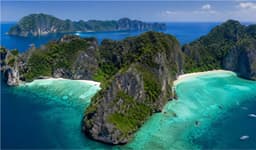










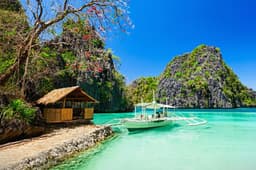

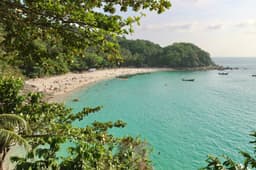
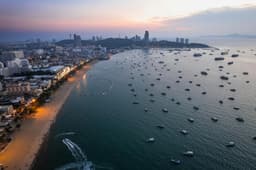


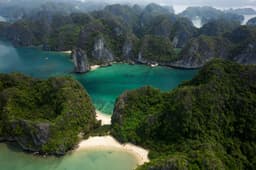
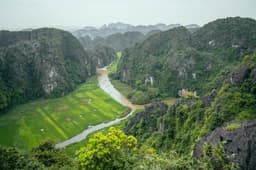
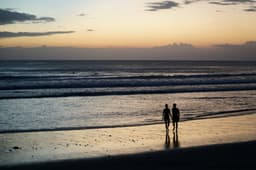
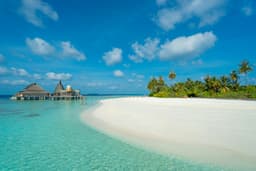
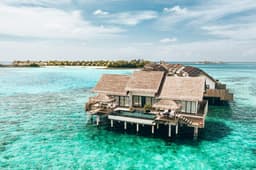
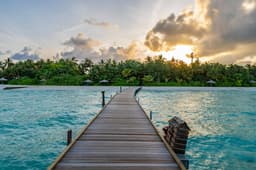














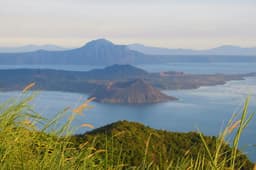
The Philippines has more than 7,000 islands, so the best trips focus on a few standout regions rather than trying to see everything at once. The top places to visit are Palawan for its limestone lagoons, Boracay for its powder white beach, Cebu and Bohol for reefs, waterfalls and wildlife, and Siargao for surf and relaxed island hopping. Add Siquijor, Camiguin, Batanes or the Banaue Rice Terraces when you want something quieter or further off the trail. This guide ranks the highlights, explains what each place is known for, gives current entrance and eco fees, and shows how to link regions by flight and ferry so a one week or ten day trip actually flows instead of stalling in transit.
The country splits into three big groups of islands: Luzon in the north around Manila, the Visayas in the middle where Cebu, Bohol and Boracay sit, and Mindanao in the south with Siargao and Camiguin. Palawan is its own long island to the west. Because domestic flights nearly always route through Manila or Cebu, choosing regions that cluster together saves days and money.
Which places should you visit first in the Philippines?
For a first visit, pair one beach or island hopping region with one nature region so the trip has variety. The five destinations below are the ones almost every itinerary is built around, listed roughly by how often travellers rank them as the highlight of the country.
| Destination | Known for | Best for | Ideal months |
|---|---|---|---|
| Palawan (El Nido, Coron) | Limestone lagoons, WWII wrecks, underground river | Island hopping, diving | December to May |
| Boracay | White Beach, water sports, sunsets | Beach lovers, first timers | November to May |
| Cebu | Whale sharks, canyoneering, reefs | Adventure and diving | December to May |
| Bohol | Chocolate Hills, tarsiers, Panglao beaches | Families and nature | December to May |
| Siargao | Surfing, lagoons, coconut roads | Surfers and slow travel | September to November (surf) |
If you have only seven days, a classic combination is three nights in El Nido and three in Cebu or Bohol. With ten days or more you can add Siargao or a second Palawan base such as Coron. Related reading: our Philippines itinerary breaks these routes into day by day plans, and the Philippines travel guide covers visas, budgets and transport in one place. If your priority is sand, our roundups of the best islands and best beaches go deeper on where to swim.
What are the best places to visit in Palawan?
Palawan is the headline region and the one most travellers rank first. Its two hubs are El Nido in the north and Coron further north still, reached by flight into Puerto Princesa, El Nido or Busuanga (for Coron) airports. Palawan has topped several global reader polls as the world's best island, and once you see Bacuit Bay it is easy to understand why.
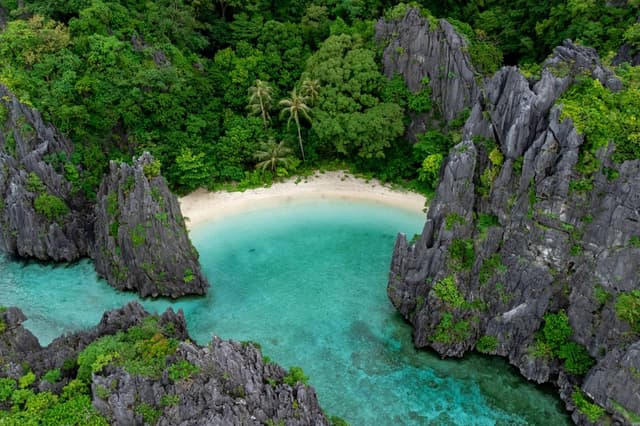
El Nido is famous for Bacuit Bay, a marine reserve of jagged karst islands rising straight out of turquoise water. Its four standard boat trips, Tours A, B, C and D, are the backbone of any stay and run about 4.5 hours each with lunch cooked on a beach. Tour A covers the Big Lagoon, Small Lagoon, Secret Lagoon and Shimizu Island and is the one to book first. Tour C is the scenic favourite for Hidden Beach and Matinloc Shrine, while Tours B and D are quieter. In 2026 the standard tours cost roughly 1,200 to 1,400 PHP per person, and every visitor pays a one time Eco Tourism Development Fee of 400 PHP valid for 10 days. A kayak rental and a separate Big Lagoon entry apply if you paddle inside the lagoon. On land, Nacpan Beach and the sunset bar at Las Cabanas are the two easy add ons.
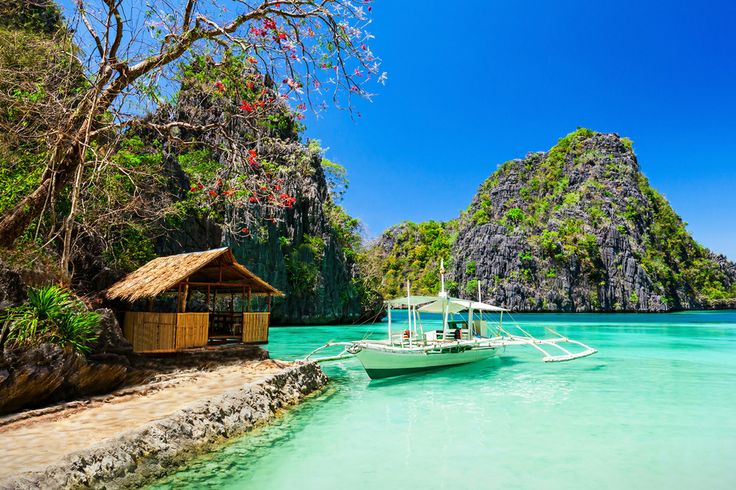
Coron, on Busuanga Island, is the country's best wreck diving site, with a fleet of Japanese ships sunk in September 1944 sitting in clear, shallow water that even snorkellers can appreciate. Above the surface, Kayangan Lake, often called the cleanest lake in the country, and the eerie green Barracuda Lake are the postcard stops, both ringed by limestone cliffs. Twin Lagoon and the sandbars of Malcapuya and Banana Islands fill out the day trips. Port Barton, between Puerto Princesa and El Nido, is the quiet middle option for travellers who want fewer boats and lower prices, with turtles on the house reef. Near the capital, the Puerto Princesa Underground River, a UNESCO World Heritage Site, runs more than 8 km through a limestone cave and is one of the New 7 Wonders of Nature.
| Palawan base | Signature experience | Getting there |
|---|---|---|
| El Nido | Bacuit Bay island hopping Tours A to D | Fly to El Nido, or a 5 to 6 hour van from Puerto Princesa |
| Coron | WWII wreck diving, Kayangan Lake | Fly to Busuanga, or ferry from El Nido |
| Puerto Princesa | Underground River, Honda Bay | Main Palawan gateway airport |
| Port Barton | Quiet reefs and sandbars | Van from Puerto Princesa or El Nido |
A common mistake is trying to do El Nido and Coron as a day trip from each other. They are a 3.5 to 4 hour fast ferry apart, so give each at least two nights. For a deeper look at boats, dive sites and day trips, see our guide to things to do in Palawan.
Is Boracay worth visiting, and what is there to do?
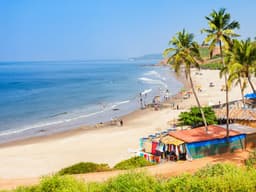
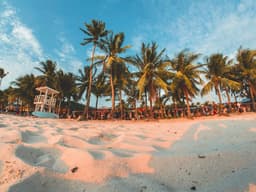
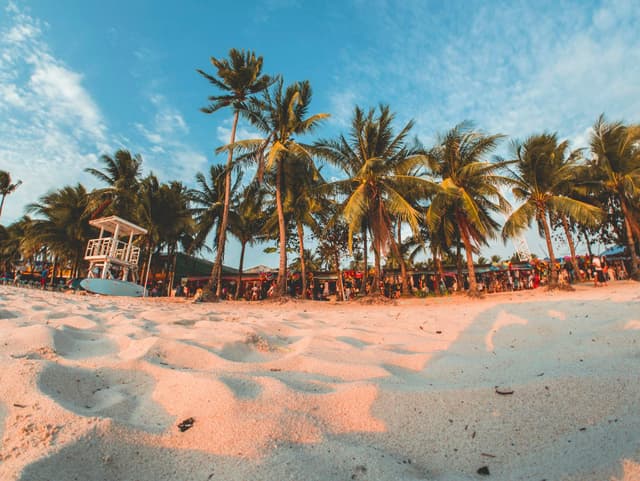
Boracay is worth visiting if you want the easiest, most polished beach break in the country. The island is small, about 7 km long, and centres on White Beach, a 4 km stretch of fine white sand divided into Stations 1, 2 and 3. Station 1 has the widest sand and higher end resorts, Station 2 is the lively middle with the D Mall shops, restaurants and nightlife, and Station 3 is quieter and cheaper. A paved beachfront path links all three, so you can stay in one and wander the rest.
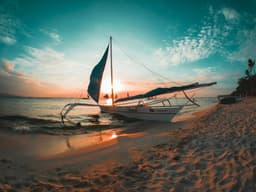
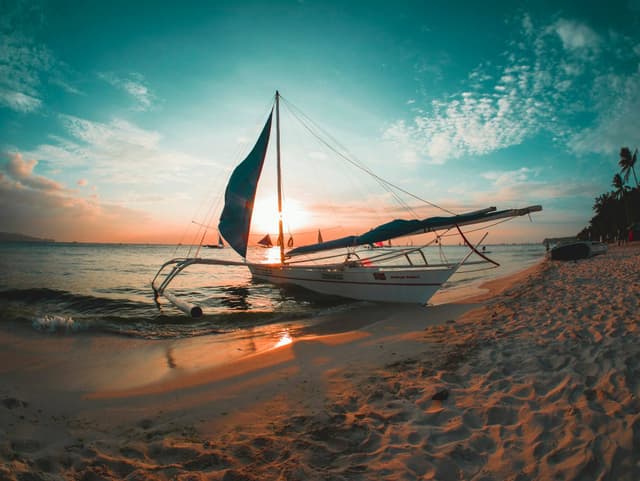
Since the island reopened after its six month rehabilitation in 2018, the rules are stricter and the beach far cleaner: no sandcastle vendors, no fire dancing or parties directly on the sand, and a one time environmental fee of 300 PHP per visitor on arrival, on top of a terminal fee and the short boat transfer from Caticlan jetty. Beyond swimming and sunset sailing on a traditional paraw outrigger, the activity list is long.
- Kitesurfing and windsurfing at Bulabog Beach on the windward side, best from November to April.
- Island hopping to Puka Shell Beach, Crystal Cove and Magic Island, with snorkelling stops.
- Cliff diving at Ariel's Point, a popular half day boat trip with several jump heights.
- Diving and helmet diving around the offshore reefs and Yapak wall for experienced divers.
- Parasailing and paddleboarding off the main beach at sunset.
Boracay also has a genuinely good food and cafe scene for its size, and the sunsets over White Beach are among the most photographed in the country. For a full list, see things to do in Boracay.
What makes Cebu a great base for adventure?
Cebu is the best all round adventure base because so much sits within a few hours of one another and the province has the country's second largest airport, with wide domestic and international links. Cebu City itself carries the deepest Spanish history in the Philippines, home to Magellan's Cross, the Basilica del Santo Nino, Fort San Pedro and the colourful Temple of Leah and Sirao flower gardens in the hills. Most travellers, though, come for the south coast.
- Oslob whale sharks: a near guaranteed morning swim with whale sharks, though the feeding practice is debated, so many travellers choose the wild encounters at Donsol instead.
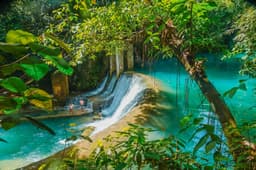
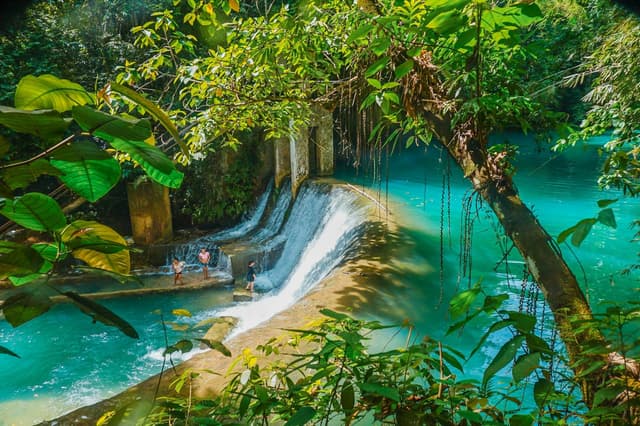
- Kawasan Falls, Badian: turquoise tiered waterfalls and the country's most famous canyoneering route, jumping and swimming down a river gorge. Entrance is 200 PHP, with a 300 PHP raft option under the main fall.
- Moalboal: the sardine run, a swirling baitball of millions of fish just off Panagsama Beach, plus resident turtles and easy shore diving.
- Malapascua: the world's most reliable spot to dive with thresher sharks at Monad Shoal at dawn.
- Bantayan and Sumilon: laid back sandbars and white sand islands for a slower day or two.
Because Bohol is only a 2 hour fast ferry away, many travellers treat Cebu and Bohol as a single loop. See things to do in Cebu for routes and timing.
Why do families and nature lovers choose Bohol?
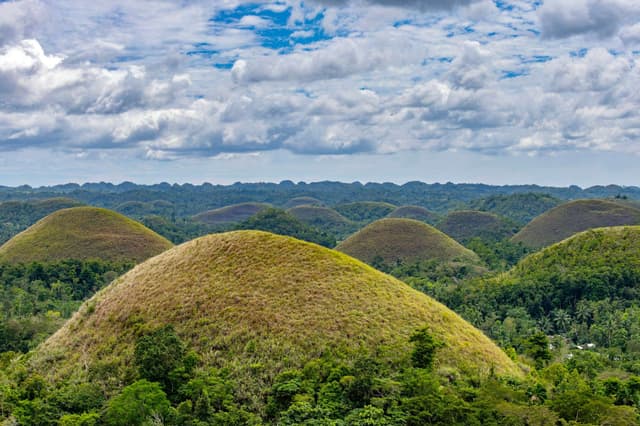
Bohol is the easy pick for families and nature lovers because its headline sights sit close together and the driving is short. The Chocolate Hills, more than 1,200 grass covered mounds that turn chocolate brown in the dry season, are the icon. Since 1 October 2025 the main Carmen viewpoint charges 150 PHP for visitors from outside Bohol and 100 PHP for residents, with reduced rates for children aged 6 to 12 and free entry for under sixes, senior citizens and PWDs.
Nearby you can meet the Philippine tarsier, one of the world's smallest primates with enormous eyes, at the conservation sanctuary in Corella, which is far better for the animals than roadside cages. A Loboc River cruise glides past jungle over a buffet lunch, and the man made mahogany forest makes a cool, cathedral like drive. Panglao Island, joined to Bohol by a short bridge, holds the resort beaches of Alona and the dive boats out to Balicasag, Pamilacan and Balicasag's famous wall for turtles, jacks and, in season, dolphins and whales. Quieter Anda on the east coast and Hinagdanan Cave round out a relaxed few days. The mix of wildlife, calm beaches and short transfers is exactly why Bohol pairs so naturally with Cebu.
What is Siargao known for?
Siargao is known as the surfing capital of the Philippines, built around the reef break of Cloud 9 near General Luna. Surf runs year round but the biggest, cleanest swells arrive from September to November, when the annual competitions are held and the boardwalk at Cloud 9 fills with watchers. You do not have to surf to love it: the island is laced with coconut palms and quiet roads, and the day trips are some of the best in the country.
- Sugba Lagoon: a jade coloured lagoon for paddleboarding, kayaking and a diving platform.
- Magpupungko Rock Pools: natural tidal pools revealed at low tide, so time your visit to the tide table.
- Naked, Daku and Guyam Islands: the classic three island hopping loop of sandbars and palm dotted islets.
- Maasin River and Pacifico: the famous coconut tree rope swing and a mellower northern surf village.
- Beginner surf spots: Jacking Horse and Quiksilver breaks are gentler than Cloud 9 for lessons.
General Luna, usually shortened to GL, has grown a lively cafe, cocktail and food scene, so evenings are easy. Siargao has direct flights from Cebu and Manila, so it slots onto the end of many trips as a relaxed finish.
Where should you go beyond the highlights?
Beyond the big five, several regions reward travellers with more time or a second visit. These are quieter, and often more culturally rich, showing a very different side of the country from the tropical beach postcard.
| Place | Known for | Region |
|---|---|---|
| Siquijor | Waterfalls, folklore, calm reefs | Central Visayas |
| Camiguin | Volcanoes, hot and cold springs, sunken cemetery | Northern Mindanao |
| Batanes | Rolling hills, stone houses, dramatic coast | Far north, Luzon |
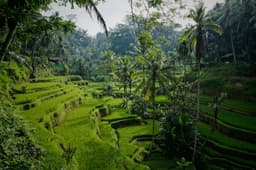
| Banaue and Batad | 2,000 year old rice terraces | Cordillera, Luzon |
| Vigan | Spanish colonial old town, a UNESCO site | Ilocos, Luzon |
| Donsol | Ethical wild whale shark snorkelling | Sorsogon, Luzon |
Batanes and the Cordillera in particular feel worlds away from the beaches, with cool highland weather, terraced valleys carved by the Ifugao people, and stone villages built to withstand typhoons. Siquijor and Camiguin, meanwhile, are small, cheap and easy to explore by scooter in a couple of days each.
What food should you try along the way?
Filipino food is a highlight in its own right, and it changes island to island. Look for lechon, the whole roast pig that Cebu does best, kinilaw, the local ceviche cured in vinegar and calamansi, and fresh seafood grilled at beachside dampa markets. Adobo, sinigang and pancit appear everywhere, while Bicol and parts of Mindanao bring coconut milk and chilli into the mix. Halo halo, a shaved ice dessert piled with fruit, beans and ice cream, is the classic way to cool down. Our guide on what to eat in the Philippines lists the dishes worth seeking out region by region.
How many days do you need and how do you get around?
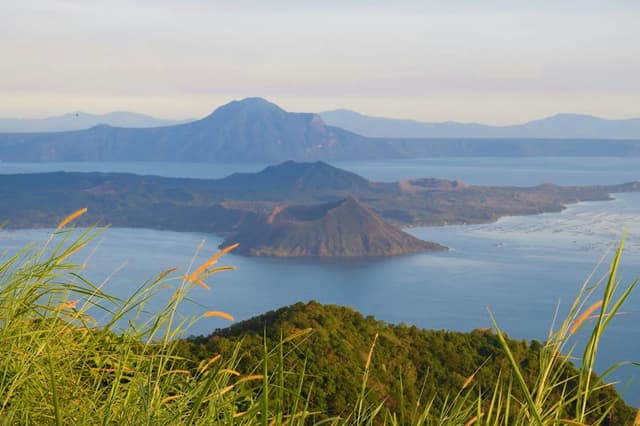
Plan on at least a week for one or two regions, and ten to fourteen days to combine three. Distances look small on a map but sea and air legs eat time, so it pays to island hop in a sensible order rather than backtracking through Manila or Cebu repeatedly.
Domestic flights on Cebu Pacific, Philippine Airlines and AirAsia connect the main hubs cheaply, while fast ferries run by OceanJet and 2GO link neighbouring islands such as Cebu to Bohol in about 2 hours. Within islands, tricycles, jeepneys, vans and habal habal motorbike taxis fill the gaps, and renting a scooter is common on Siargao, Siquijor and Camiguin. Booking domestic flights a few weeks ahead keeps fares low, and it is wise to leave a buffer day before any international flight home in case a ferry or regional flight is delayed by weather. For a full breakdown of ferries, flights and transfers, read how to get around the Philippines.
| Trip length | Suggested combination |
|---|---|
| 7 days | El Nido plus Cebu or Bohol |
| 10 days | El Nido, Coron and Cebu, or Bohol plus Siargao |
| 14 days | Palawan, Cebu and Bohol, then Siargao to finish |
When is the best time to visit the Philippines?
The best overall window is the dry season from December to May, when island hopping across Palawan, Boracay, Cebu and Bohol is most reliable. The northeast Amihan wind keeps December to February pleasantly breezy and slightly cooler, which is peak season. March to May is hotter and busier, building to the Holy Week holiday when domestic travel spikes. The southwest Habagat brings the wet season from June to October, and the main typhoon risk runs July to October, hitting the eastern seaboard hardest.
Weather is regional, though, and that matters for planning. Siargao and the Pacific facing east coast get their best surf and cleaner conditions from September to November, exactly when the western islands are wettest. If you are chasing beaches and calm seas, aim for the dry months; if you are chasing waves, the shoulder of the wet season is prime. For a month by month view, see our guide on the best time to visit the Philippines.
What should you budget and know before you go?
The Philippines is mid range for Southeast Asia: cheaper than Singapore, broadly similar to Thailand once you are on the islands. The currency is the Philippine peso (PHP). Budget travellers can manage on a modest daily figure covering dorms, ferries and street food, while island hopping tours, domestic flights and resort stays are where costs climb. Cash is essential on smaller islands where card machines and ATMs are scarce, so draw pesos in the cities before you head out. Filipinos widely speak English, which makes travel unusually easy for first timers, and the culture is famously warm and welcoming.
A few practical notes: many nationalities enter visa free for 30 days, mobile data is cheap and worth buying on arrival, and reef safe sunscreen is increasingly required at marine parks. Here is a quick reference to the recurring fees that surprise first timers.
| Fee | Amount (2026) | Where |
|---|---|---|
| El Nido Eco Tourism Development Fee | 400 PHP, valid 10 days | El Nido, Palawan |
| Boracay environmental fee | 300 PHP, one time | Boracay on arrival |
| Kawasan Falls entrance | 200 PHP | Badian, Cebu |
| Chocolate Hills entrance | 150 PHP (non resident) | Carmen, Bohol |
What are the best beaches in the Philippines?
The best beaches spread right across the archipelago, so your choice depends on the vibe you want. For a wide, developed strip with restaurants and sunset bars, White Beach in Boracay is unmatched. For raw, undeveloped sand, El Nido's Nacpan Beach and the offshore sandbars of Coron such as Malcapuya are the ones to chase. Bohol's Panglao delivers calm, family friendly Alona Beach, while Cebu adds the long white sweep of Bantayan and Sumilon's shifting sandbar. Siargao is less about swimming beaches and more about lagoons and surf, and Siquijor has quiet coral shores like Salagdoong. Because the Philippines sits inside the Coral Triangle, many of these beaches double as world class snorkelling and diving spots straight off the sand.
What are the top experiences and activities?
The Philippines is at its best when you get in or under the water, but the range of experiences is wide. These are the signature activities travellers plan their routes around.
- Island hopping through El Nido's Bacuit Bay or Coron's lakes and lagoons.
- Diving the wrecks of Coron, the thresher sharks of Malapascua and the walls of Balicasag and Apo Reef.
- Canyoneering down the turquoise pools of Kawasan Falls in Cebu.
- Surfing Cloud 9 and the gentler breaks of Siargao.
- Wildlife encounters with tarsiers in Bohol and wild whale sharks in Donsol.
- Culture and history in Cebu City, colonial Vigan and the Ifugao rice terraces of Banaue and Batad.
Even a single week can combine two or three of these if you pick a compact region such as Cebu and Bohol together.
Is the Philippines safe for tourists?
The main tourist regions, including Palawan, Boracay, Cebu, Bohol and Siargao, are considered safe for visitors, and the biggest day to day risks are ordinary ones: petty theft in crowded areas, road accidents on scooters, and strong currents or boat delays in bad weather. Standard precautions cover most of it, such as watching your belongings, wearing a helmet, checking sea conditions before island hopping, and using registered operators. Some far southern parts of Mindanao carry travel advisories and are well away from the usual tourist trail, so they are easy to avoid. Typhoons are the more practical concern in the wet season, so build a buffer day into any trip between July and October. Our guide on whether the Philippines is safe covers regions and scams in more detail.
Where do you fly into, and how do you plan the route?
Most international arrivals land at Manila (Ninoy Aquino International Airport) or Cebu (Mactan Cebu International Airport), and Cebu is often the smarter gateway because it sits in the middle of the Visayas next to Bohol, Boracay and the southern dive spots. Clark, north of Manila, is a quieter third option served by several regional carriers. From either main hub, cheap domestic flights fan out to Palawan, Boracay (via Caticlan or Kalibo), Siargao and beyond.
The single most useful planning habit is to build your route in a loop or a line rather than a star. Flying back to Manila between every island wastes half days and money, so cluster regions that connect directly: Cebu with Bohol, El Nido with Coron, or Siargao onto the end of a Cebu trip. Book the first island hopping day for a settled morning rather than your arrival day, and keep the last day before an international flight free in case weather delays a ferry or a small regional plane. A realistic pace is two to three nights per region; anything less and you spend the trip in transit.
Accommodation ranges from backpacker hostels and homestays to five star resorts, and it is worth reserving ahead for El Nido, Boracay and Siargao in the December to May peak, when the best rooms sell out. Away from the peak, walk in rates and last minute island hopping bookings are easy to arrange on the spot.
Should you spend time in Manila?
Manila is the country's gateway rather than a beach destination, but a night or two can be worth it if your flights route through the capital anyway. The walled district of Intramuros holds Fort Santiago and San Agustin Church, a UNESCO listed baroque church that survived the wars, while Rizal Park and the National Museum give context to Philippine history. The food scene in Makati and Bonifacio Global City is the best in the country, blending Spanish, Chinese and American influences. Traffic is heavy, so keep expectations realistic and treat Manila as a cultural and culinary stopover on the way to the islands rather than the main event. Many travellers simply connect straight through to Palawan, Cebu or Boracay and save the city for the return leg.
Once you have chosen your islands, curated Philippines tour packages can connect the ferries, domestic flights and island hopping trips so transfers between regions line up without wasted days.
Frequently asked questions
What is the most beautiful place in the Philippines?
Palawan is the most commonly named, especially the lagoons of El Nido and the wreck dives and lakes of Coron. Boracay's White Beach and the surf island of Siargao are close runners up, and Palawan has repeatedly topped global best island polls.
How many places can you realistically visit in one trip?
Two regions in a week, and three in ten to fourteen days. Internal flights connect the main hubs, but leave buffer time for weather and ferry schedules, especially in the June to October wet season.
Is Palawan or Boracay better?
Palawan suits island hopping, lagoons and diving, while Boracay is the easiest polished beach and nightlife break. Many travellers combine both, flying between them via Manila or Cebu.
Which place is best for families?
Bohol and Cebu work best for families, with calm Panglao beaches, the Chocolate Hills, the tarsier sanctuary and the Loboc River cruise all a short drive apart, plus short ferry hops rather than long flights.
Where should first time surfers go?
Siargao is the surfing capital, with Cloud 9 as the famous reef break and gentler beach breaks such as Jacking Horse nearby for lessons. The biggest swells run September to November.
Do you need to swim with whale sharks at Oslob?
No. Oslob offers a near guaranteed but controversial fed encounter. For a wild alternative, Donsol in Sorsogon runs seasonal, regulated whale shark snorkelling that many travellers prefer on welfare grounds.
What is the best time to visit the Philippines?
December to May is the dry season and the best all round window for the beaches. For surf on Siargao and the east coast, aim for September to November instead, when the western islands are wetter.
Is the Philippines expensive to travel?
It is mid range for the region. Food, local transport and simple stays are inexpensive, while island hopping tours, resorts and domestic flights are the main costs. Budgeting ahead for flights and eco fees keeps surprises down.
Do you need a visa to visit the Philippines?
Many nationalities receive a visa free stay of 30 days on arrival, extendable at an immigration office. Always confirm the current rule for your passport before you fly, as requirements change.
Which place is best for a honeymoon?
El Nido and Coron in Palawan top most honeymoon lists for private lagoon tours and island resorts, while Panglao in Bohol and the boutique stays of Siargao are quieter alternatives. Our Philippines honeymoon guide pairs romantic bases with the right season.
What is the cheapest region to visit?
Cebu, Bohol and Siquijor tend to be the most affordable, with cheap ferries, homestays and street food. El Nido and Boracay are the priciest because tours, transfers and rooms all cost more in peak season.
How does island hopping actually work?
You join a shared or private boat that visits several stops in a half or full day, usually with snorkelling gear and a beach lunch included. In El Nido the tours are lettered A to D; elsewhere they are sold as three island or five island loops booked a day ahead.
'/%3E%3C/svg%3E)