















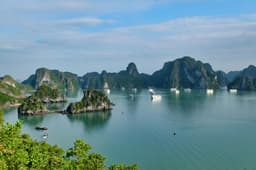
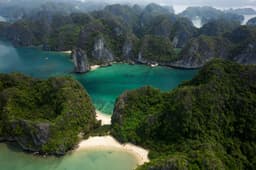
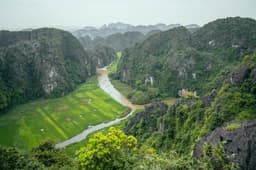
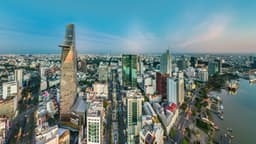
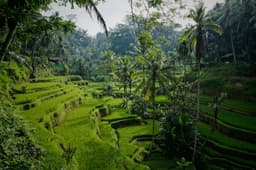
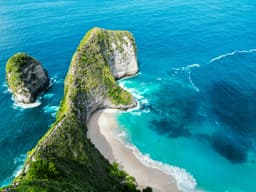
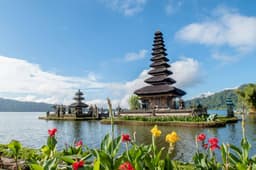
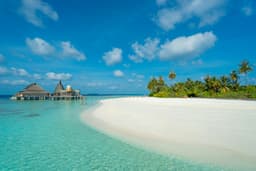
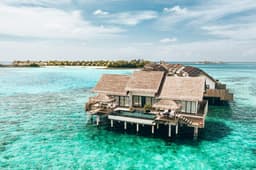
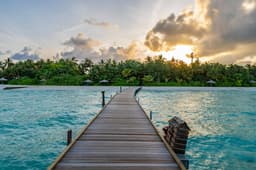
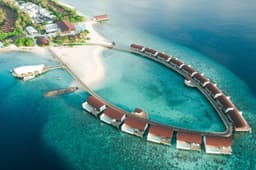




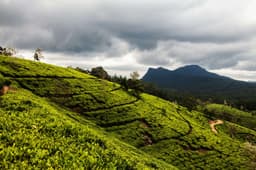

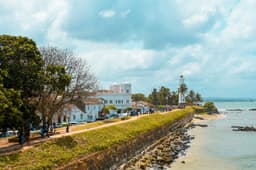








The Philippines is one of the world's great adventure playgrounds, an archipelago of more than 7,000 islands where the best things to do revolve around turquoise water, coral reefs, surf breaks and dramatic limestone scenery. The signature experiences are island hopping through Palawan's lagoons, wreck diving in Coron, surfing in Siargao, snorkelling with whale sharks, and canyoneering to Cebu's Kawasan Falls. Beyond the coast, Manila, Cebu, Bohol and the northern mountains add history, wildlife, food and culture.
This guide covers the top experiences by type and by region, the best islands to base yourself, when to go for each activity, how to move between islands, and roughly what it costs. Because the country is so spread out, the smart approach is to pick one or two regions and go deep rather than trying to see everything at once.
| Experience | Where | Best season |
|---|---|---|
| Island hopping | El Nido, Coron, Bohol | December to May |
| Wreck and reef diving | Coron, Malapascua, Moalboal | Year round, best November to May |
| Surfing | Siargao, La Union, Baler | September to November |
| Whale shark snorkelling | Donsol, Oslob | November to June |
| Canyoneering and waterfalls | Cebu (Kawasan), Bohol | Dry season |
| Rice terraces and mountains | Banaue, Batad, Sagada | December to May |
Why is the Philippines special for things to do?
Few countries pack this much variety into one trip. You can dive a World War Two shipwreck in the morning and learn to surf in the afternoon, hike to a UNESCO listed rice terrace, meet the tiny tarsier, or simply float over a coral wall thick with turtles and sardines. English is widely spoken, the people are famously warm, and the islands range from party beaches to castaway coves. That mix of world class water sports, nature and easygoing island culture is what makes the Philippines stand out in Southeast Asia.
What are the top experiences in the Philippines?
If you only had a shortlist, these are the experiences travellers rank highest. Each one is worth planning a region around.
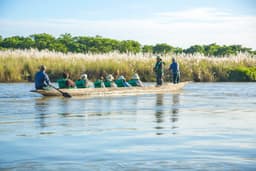
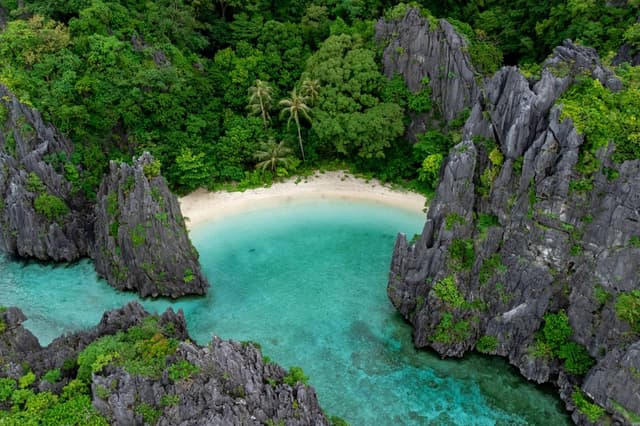
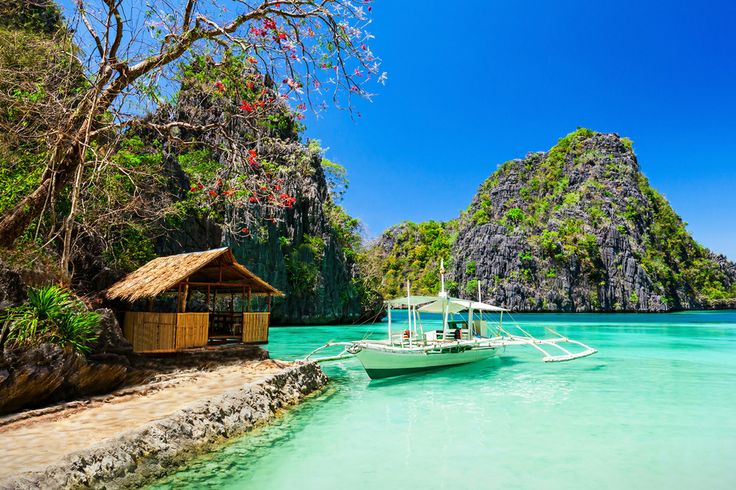
- Island hop the Bacuit Bay lagoons around El Nido by bangka boat, weaving between karst cliffs and hidden beaches.
- Dive the shipwrecks of Coron, a cluster of sunken Japanese vessels that make one of Asia's best wreck sites.
- Snorkel with whale sharks in Donsol, a seasonal, regulated encounter widely seen as more ethical than feeding based tours.
- Learn to surf on Cloud 9 in Siargao, then explore the island's lagoons and rock pools.
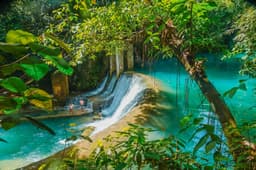
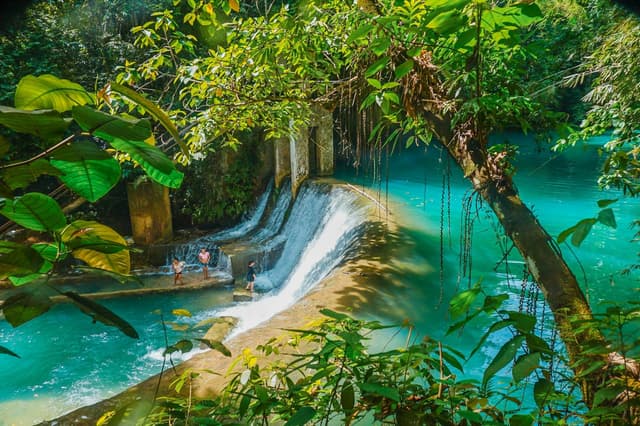
- Canyoneer to Kawasan Falls in Cebu, jumping and swimming through turquoise gorges.
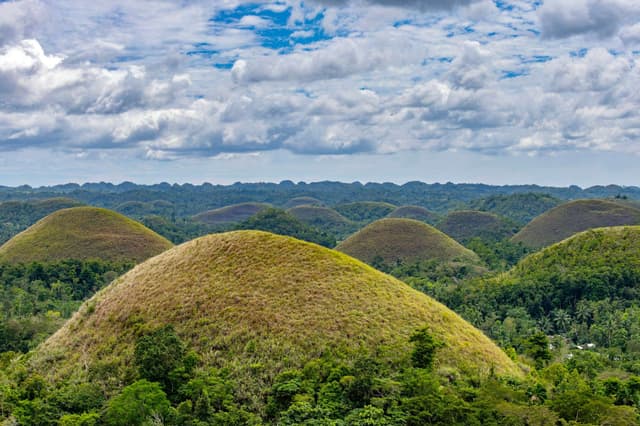
- See the Chocolate Hills and tarsiers of Bohol, then cruise the Loboc River.
- Explore the Puerto Princesa Underground River, a UNESCO listed cave river and one of the New7Wonders of Nature.
What are the best islands and regions to explore?
Grouping your trip by region keeps travel times sane. These are the main bases and what each is known for.
| Region | Known for | Best for |
|---|---|---|
| Palawan (El Nido, Coron) | Lagoons, island hopping, wreck diving | Scenery, first timers |
| Cebu | Canyoneering, sardine run, city and reefs | Adventure, easy access |
| Bohol | Chocolate Hills, tarsiers, Panglao beaches | Families, nature |
| Siargao | Surfing, lagoons, laid back vibe | Surfers, young travellers |
| Boracay | White Beach, nightlife, kitesurfing | Beach lovers, couples |
| Northern Luzon | Rice terraces, mountains, Vigan | Culture, hiking |
For a fuller shortlist, see our guides to the best islands in the Philippines and the best places to visit in the Philippines.
How many days do you need for each region?
Distances are deceptive in an archipelago, so plan enough time in each base. These are comfortable minimums that leave room for weather and rest.
| Region | Suggested days | Why |
|---|---|---|
| Palawan (El Nido and Coron) | 4 to 6 | Two hubs, multiple island hopping days |
| Cebu | 3 to 4 | Canyoneering, sardine run, a city day |
| Bohol | 2 to 3 | Hills, tarsiers, river and beaches |
| Siargao | 3 to 5 | Surf, lagoons and a slow pace |
| Boracay | 2 to 3 | Beach, watersports and nightlife |
What are the best things to do in Palawan?
Palawan is the postcard Philippines. In El Nido, join island hopping tours A, B, C and D to reach the Big Lagoon, Small Lagoon, Secret Lagoon and Snake Island sandbar. In Coron, snorkel Kayangan Lake, the emerald Twin Lagoon and Barracuda Lake, and dive the wartime wrecks. Near Puerto Princesa, paddle into the Underground River. Port Barton offers a slower, quieter alternative to El Nido's crowds. For a deeper look, read our guide to things to do in Palawan.
- El Nido Tour A: the Big Lagoon, Small Lagoon and Secret Lagoon by kayak and boat.
- Coron wrecks and lakes: Kayangan Lake, Twin Lagoon and Barracuda Lake.
- Nacpan Beach: a long golden crescent north of El Nido town.
- Underground River: a UNESCO listed cave river near Puerto Princesa.
What can you do in Cebu and Bohol?
Cebu is the easiest adventure base, with an international airport and reefs, waterfalls and history close by. Canyoneer through Badian to Kawasan Falls, snorkel the Moalboal sardine run and swim with sea turtles, and dive with thresher sharks off Malapascua. In Cebu City, see Magellan's Cross and the Basilica del Santo Nino. A short ferry away, Bohol delivers the Chocolate Hills, the Philippine tarsier, a Loboc River lunch cruise and the white sand of Panglao. Our guide to things to do in Cebu has more.
What about Boracay and Siargao?
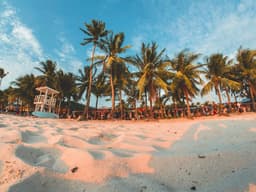
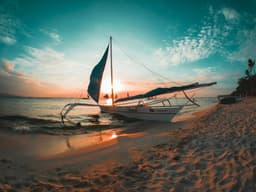
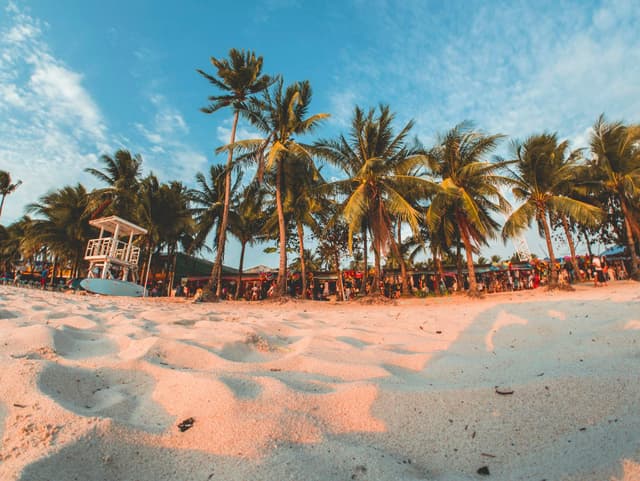
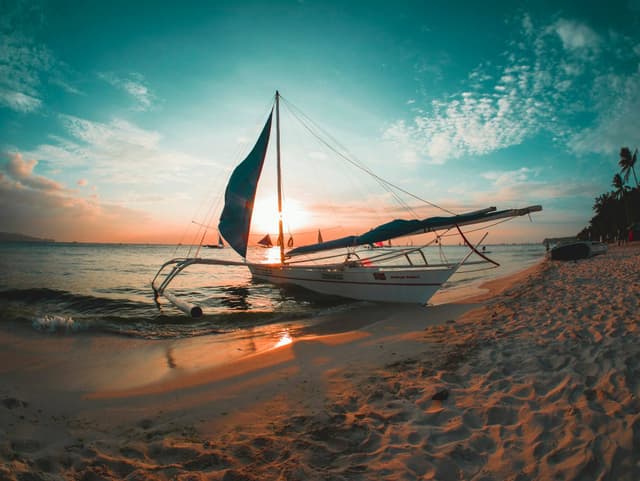
Boracay's four kilometre White Beach remains one of Asia's most famous stretches of sand, now cleaner and better managed after its 2018 rehabilitation. Sail a paraw at sunset, kitesurf off Bulabog Beach, or island hop to nearby coves. Siargao, by contrast, is the surf capital, home to the Cloud 9 break, the palm fringed Sugba Lagoon and the Magpupungko tidal rock pools. Both islands reward a few slow days. See our roundup of things to do in Boracay.
What are the best beaches to relax on?
Between the adventures, the Philippines has some of the finest beaches anywhere. White Beach on Boracay, Nacpan Beach near El Nido, the pink sands of Great Santa Cruz Island, and the sandbars of Bohol and Bantayan are all worth a lazy day. For a full list, browse our guide to the best beaches in the Philippines.
What can you do beyond the beaches?
The Philippines is more than islands. In northern Luzon, the UNESCO listed Banaue and Batad rice terraces climb the mountains in giant green steps, and nearby Sagada is known for its hanging coffins and caves. In Manila, walk the Spanish era walls of Intramuros, visit Fort Santiago and San Agustin Church, ride a jeepney and dig into the food scene. Vigan, another UNESCO site, preserves cobbled colonial streets. These cultural and mountain experiences balance out a beach heavy trip.
What are the best things to do in Manila?
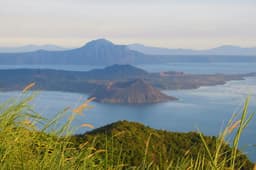
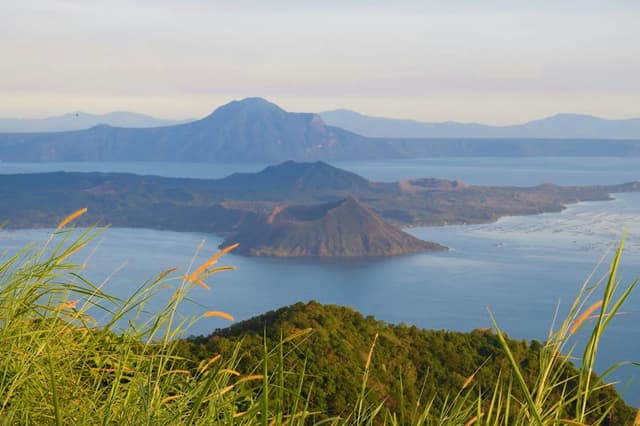
Most trips start in Manila, and the capital rewards a day or two. Walk the cobbled streets and stone walls of Intramuros, the old Spanish quarter, and visit Fort Santiago and San Agustin Church. See the collections at the National Museum complex, pay respects at Rizal Park, and eat your way through Binondo, the world's oldest Chinatown. Finish with a sunset over Manila Bay. If you have extra time, easy day trips reach the cooler highlands of Tagaytay and the Taal volcano, the rapids of Pagsanjan, and the wartime island of Corregidor.
What unique wildlife can you see?
The Philippines is a biodiversity hotspot with species found nowhere else. Meet the saucer eyed Philippine tarsier in Bohol, snorkel with wild whale sharks in Donsol, and watch for sea turtles off Moalboal and Apo Island. Coron's waters shelter dugongs, Malapascua draws thresher sharks, and the rescue centres of Palawan protect the Palawan peacock pheasant and other endemics. Serious wildlife fans head to Davao to see the critically endangered Philippine eagle, the country's national bird. Always choose sanctuaries and operators that put animal welfare first.
What land based adventures are there?
Away from the water, the adventure list stays long. Trek across lahar canyons to the crater lake of Mount Pinatubo, usually combined with a 4x4 ride. Squeeze through the Sumaguing Cave in Sagada, zipline over the Chocolate Hills near Danao, and clamber across the rope trails of the Masungi Georeserve east of Manila. Cyclists, cavers and via ferrata fans all find routes here, and most come with certified local guides.
What festivals can you experience?
Timing a visit with a fiesta adds colour and music. The biggest is Sinulog in Cebu each January, a huge street parade honouring the Santo Nino, alongside Ati-Atihan in Kalibo and Dinagyang in Iloilo the same month. Later in the year, MassKara in Bacolod fills October with smiling masks, while Panagbenga, the Baguio flower festival, brightens February and Pahiyas decorates Lucban with rice art in May. Check dates early, as accommodation books out fast.
What are the best diving and adventure experiences?
Divers are spoiled here. Beyond Coron's wrecks, Tubbataha Reefs Natural Park is a UNESCO listed marine sanctuary reached by liveaboard between mid March and mid June, Malapascua is famous for daily thresher shark sightings, and Apo Island and Anilao teem with macro life. Above water, adventurers can canyoneer, cliff jump, cave, kitesurf and trek volcanoes such as Mount Pinatubo. Whatever your level, there is a guided version to match.
What are the best snorkelling and reef experiences?
You do not need a diving licence to enjoy the underwater Philippines. Snorkellers can float over the Moalboal sardine run in Cebu, swim with turtles at Apo Island, and drift the coral gardens of Balicasag near Bohol and the Twin Lagoon in Coron. Many resorts have a house reef a few strokes from the beach. Bring or rent a mask, go early for calm water, and never touch or stand on the coral.
How do you choose the right islands for you?
With so many islands, matching the destination to your travel style saves time. Use this quick guide to narrow the shortlist before you book.
- For scenery and island hopping: Palawan, with El Nido and Coron, is unbeatable.
- For surfing: Siargao is the surf capital, with La Union closer to Manila.
- For diving: Coron, Malapascua, Moalboal and Tubbataha lead the way.
- For families and nature: Bohol and Cebu combine gentle beaches with wildlife.
- For beach and nightlife: Boracay is the classic choice.
- For culture and mountains: northern Luzon, with Banaue, Sagada and Vigan.
What are essential island hopping tips?
Island hopping is the heart of a Philippines trip, and a little planning makes it smoother. Book tours a day ahead in busy season, and confirm what is included, since some trips add environmental or lagoon fees on the day. Bring a dry bag, reef safe sunscreen, water shoes and cash, and start early to beat both the crowds and the afternoon wind. Check the weather and the boat's safety gear before you set off, and always follow local guidance during the wet season, when sea conditions change quickly.
What are good activities for families?
Families do well in the calmer spots. Bohol's Panglao beaches, the gentle reefs off Cebu, the tarsier sanctuary and the Loboc River cruise all suit children, and many island hopping tours involve short boat rides with plenty of swimming and picnic stops. Choose the dry season, pack reef safe sunscreen, and keep daily plans light so young travellers are not worn out by heat and travel.
What should foodies try?
Filipino food is comfort food with big flavours. Try chicken or pork adobo, the sour soup sinigang, Cebu's crisp roast lechon, sizzling sisig, the peanut stew kare-kare, and the shaved ice dessert halo-halo. Seafood is fresh and cheap along the coast. For dishes and where to find them, see our guide on what to eat in the Philippines.
When is the best time for these activities?
The dry season runs roughly from November to May and is the best window for island hopping, diving and beach time, with the peak from December to April. The wet season, from June to November, brings the southwest monsoon and the risk of typhoons, though showers are often short. Surfing is the exception, since Siargao's best waves arrive from September to November. For a month by month breakdown, read our best time to visit the Philippines guide.
How do you get around between islands?
Domestic flights are the backbone of any multi region trip. Cebu Pacific, Philippine Airlines and AirAsia connect Manila and Cebu to the main island hubs, and booking ahead keeps fares low. Between nearby islands, fast ferries and traditional bangka boats fill the gaps, while tricycles, jeepneys and vans handle short land trips. Always build in buffer time, because weather can delay boats and small aircraft. Our guide to getting around the Philippines explains each option.
How much does it cost to travel the Philippines?
The Philippines is affordable, though internal flights and island hopping tours add up. The daily figures below are approximate per person guidance in Philippine pesos and exclude international flights and hotels, and prices change over time.
| Style | Approx. daily spend (PHP) | What it covers |
|---|---|---|
| Budget | 2,000 to 3,500 | Guesthouses, local food, shared tours |
| Mid range | 4,500 to 8,000 | Nice hotels, private tours, some flights |
| Comfort | 10,000 and up | Resorts, dive packages, private transfers |
For a full breakdown, see our guide on whether the Philippines is expensive.
Is the Philippines safe, and what should you know?
Most tourist regions such as Palawan, Cebu, Bohol, Siargao and Boracay are considered safe for travellers, with the usual care for valuables and sea conditions. English is widely spoken, the currency is the Philippine peso, and cash is essential on smaller islands where cards are rare. Buy a local SIM at the airport for data, respect local customs, and always check weather and boat safety before island hopping. Our guide on whether the Philippines is safe covers this in detail.
What are the best free or low cost things to do?
You do not need a big budget to enjoy the Philippines. Many of the finest experiences are free or nearly so.
- Swim and sunbathe on public beaches such as El Nido's Nacpan or Boracay's White Beach.
- Hike to viewpoints, waterfalls and rice terraces for little or no cost.
- Wander historic Intramuros, Vigan or Cebu's old churches on foot.
- Browse local markets and try street food such as balut, banana cue and fresh mango.
- Watch the sunset with a cold drink, a nightly ritual across the islands.
What are common mistakes to avoid?
A few planning slips cost travellers time and money. Do not try to see the whole country in one short trip, since long ferry and flight legs eat into island time. Do not ignore the June to November typhoon season when planning water activities. Do not underestimate travel times between islands, and always keep enough cash, because ATMs are scarce and cards are rarely accepted on small islands. Finally, choose ethical wildlife encounters and skip operators that feed or crowd the animals.
What should you pack?
Pack light for heat and water. The essentials are quick dry clothing, swimwear, reef safe sunscreen, a rash guard, water shoes and a dry bag for boat trips. Add a light rain layer, insect repellent, a power bank and plenty of small cash. A snorkel and mask are handy if you plan a lot of reef time, though most tours provide them.
Is the Philippines good for a honeymoon?
Yes. Private island resorts, overwater villas, sunset sails and quiet coves make the Philippines a romantic choice. Couples love El Nido and Coron for scenery, Boracay for beach and dining, and Siargao for a laid back escape. Pair a lively adventure base with a few calm resort days for balance. See our Philippines honeymoon guide for the best islands and stays.
Where are the best sunset and nightlife spots?
Evenings are easy here. Boracay's White Beach lines up beach bars, fire dancers and sunset sailing on paraw boats, while Siargao and El Nido keep things low key with beach bonfires and live music. In Cebu and Manila, rooftop bars and night markets carry the buzz later. Wherever you are, catching the sunset with a cold San Miguel is a nightly ritual worth keeping.
What should travellers from Nepal and the diaspora know?
There are no direct flights between Kathmandu and the Philippines, so most journeys connect through Kuala Lumpur, Singapore, Bangkok or Hong Kong, with total travel times of around ten to fourteen hours. Nepali passport holders should arrange a visa in advance, while diaspora travellers on passports such as those from the US, UK, EU or Australia can usually enter visa free for short stays. Carry US dollars to exchange for pesos on arrival, keep enough cash for smaller islands, and consider a regional stopover in Singapore, Malaysia or Thailand to break up the trip. Booking internal flights early keeps island hopping affordable.
How do you fit it all into one trip?
Pick a region and go deep rather than hopping across the whole country. A week suits Palawan plus one more area, while ten days to two weeks lets you add Siargao, or Cebu and Bohol together. Internal flights link the main hubs, so plan a logical loop and keep buffer time for weather. Our Philippines itinerary guide maps out routes for 7 to 14 days, and the Philippines travel guide covers the essentials before you book.
To connect the flights, ferries and island hopping tours across regions into one smooth route, curated Philippines tour packages can tie the logistics together for you.
Frequently asked questions
What is the number one thing to do in the Philippines?
Island hopping in Palawan, especially the lagoons of El Nido and the shipwrecks of Coron, tops most travellers' lists. It is the classic Philippines experience of turquoise water and limestone cliffs.
Is the Philippines good for diving?
Yes. Coron's wrecks, the UNESCO listed Tubbataha Reefs, Malapascua's thresher sharks and the Moalboal sardine run make it a world class diving destination for every level.
Can beginners surf in the Philippines?
Yes. Siargao, La Union and Baler have beginner friendly breaks and surf schools, with the best waves from September to November.
Where can you swim with whale sharks responsibly?
Donsol in Sorsogon offers seasonal, regulated snorkelling with wild whale sharks and is widely seen as more ethical than the feeding based tours in Oslob.
What are the best islands to visit first?
Palawan is the top pick for first timers thanks to El Nido and Coron. Cebu and Bohol pair well for a mix of adventure and nature, while Siargao suits surfers and Boracay suits beach and nightlife lovers.
What can you do in the Philippines besides beaches?
Explore the UNESCO listed Banaue and Batad rice terraces, meet the tarsiers and see the Chocolate Hills in Bohol, walk historic Intramuros in Manila, and wander the colonial streets of Vigan.
When is the best time to visit the Philippines?
The dry season from November to May is best for island hopping, diving and beaches, peaking December to April. The wet season from June to November brings typhoon risk, but Siargao surfs best from September to November.
How many days do you need in the Philippines?
A week lets you enjoy one or two regions such as Palawan, while ten days to two weeks adds Siargao or Cebu and Bohol. The country is large, so going deep in a region beats rushing across many.
How do you get around the islands?
Domestic flights on Cebu Pacific, Philippine Airlines and AirAsia link the main hubs, with ferries and bangka boats for shorter hops and tricycles and jeepneys for land travel. Build in buffer time for weather.
Do Nepali travellers need a visa for the Philippines?
Yes, Nepali passport holders need to arrange a Philippines visa in advance, while many diaspora passports such as those from the US, UK, EU and Australia can enter visa free for short stays. Check the latest rules for your nationality before booking.
Is the Philippines expensive to travel?
It is affordable overall, though internal flights and island hopping tours add up. Budget travellers can manage on roughly 2,000 to 3,500 PHP a day excluding flights and hotels, while resorts and dive packages cost much more. Prices change over time.
What is the best region for first time visitors?
Palawan is the easiest and most scenic first trip, with El Nido and Coron offering classic island hopping. Add Cebu and Bohol for adventure and nature, or Siargao if you want to surf.
Can you island hop on a budget?
Yes. Group island hopping tours are inexpensive, public ferries and bangka boats are cheap, and staying in guesthouses and eating local food keeps costs low. Carry cash, since small islands rarely take cards.
Are there direct flights from Nepal to the Philippines?
No. Travellers from Kathmandu connect through hubs such as Kuala Lumpur, Singapore, Bangkok or Hong Kong. Total travel time is usually around ten to fourteen hours depending on the layover.
What is the currency and is English spoken?
The currency is the Philippine peso, and English is widely spoken across the country, which makes getting around, ordering food and joining tours straightforward for international visitors.
Is it safe to travel during typhoon season?
Travel is still possible from June to November, but plan flexibly. Typhoons and the southwest monsoon can disrupt ferries and flights, so favour regions less exposed to storms, keep buffer days, and monitor local weather updates before any boat trip.
Do you need to book island hopping tours in advance?
In peak season from December to April it is wise to book a day ahead, especially in El Nido and Coron. In quieter months you can often arrange tours on arrival through your accommodation.
'/%3E%3C/svg%3E)