









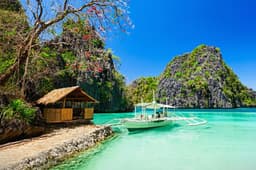



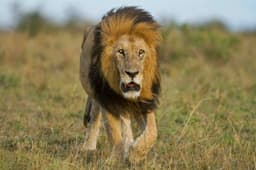
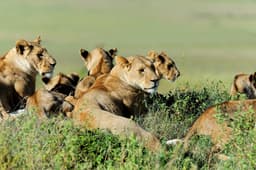
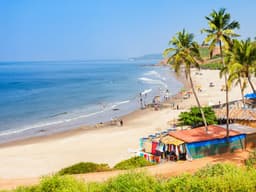

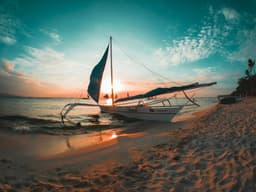
Everyone knows Kenya for lions. Far fewer know it has one of the finest coastlines in the Indian Ocean. Powder white sand, water the temperature of a warm bath, a coral reef that keeps the lagoons calm, and a Swahili culture centuries in the making all run for hundreds of kilometres north and south of Mombasa. Add a few beach days to the end of a safari and you get the classic Kenya trip: dust and predators one week, palm trees and dhows the next. This guide covers the best beaches, when to go, and how to combine sand with a safari.
New to the country? Start with our Kenya travel guide, and see our best time to visit Kenya guide for coast timing.
Which is the best beach in Kenya?
For most first visits it is Diani Beach, south of Mombasa. It has the widest choice of hotels, calm reef protected water, and easy access from the Ukunda airstrip, which means you can fly straight from a Masai Mara safari to the sand in a couple of hops. But the coast is long and varied, so the table below sorts the main beaches by who they suit best.
| Beach | Where | Best for |
|---|---|---|
| Diani | South of Mombasa | First timers, families, resorts |
| Watamu | North of Mombasa | Snorkelling, marine park, quieter |
| Nyali and Bamburi | Mombasa city | Short trips, budget hotels |
| Lamu | Far north archipelago | Culture, dhows, car free island |
| Malindi | North coast | Italian influence, sport fishing |
| Kilifi | North of Mombasa | Creek life, sailing, laid back |
When is the best time for Kenya's beaches?
Aim for the drier, cooler months of December to March, when skies are clear and the sea is calm. Avoid the long rains from April to May, when the coast is at its wettest and some seaweed washes up on the tide. The coast stays hot and humid all year, with daytime temperatures around 28 to 32 C and sea temperatures a swimmable 26 to 29 C in every season. July to October is drier again but breezier, which kitesurfers love.
What is Diani Beach like?
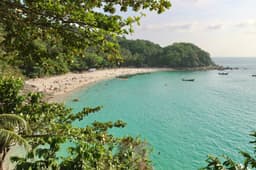
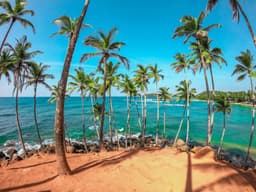
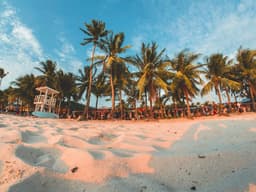
Diani is the poster beach, a long ribbon of fine white sand backed by palms and a shallow, reef protected lagoon. At low tide the sea pulls back to reveal wide sandbars you can walk out onto; at high tide it fills in for easy swimming, snorkelling and kitesurfing. The vibe runs the full range, from backpacker guesthouses and beach bars to five star resorts and private villas. Between swims you can visit the Colobus Conservation to see rare Angolan colobus monkeys crossing the road canopy bridges, or the sacred Kaya Kinondo coastal forest.
What is Watamu good for?
Watamu is quieter, prettier in places, and built around one of the oldest marine parks in Africa. The snorkelling and diving over the coral gardens are superb, sea turtles nest on the beaches between roughly March and September, and Mida Creek nearby is a magical spot for a sunset kayak or a boardwalk stroll through the mangroves. It is the pick for anyone who cares more about the water than the nightlife.
Should you visit Lamu?
Lamu Old Town is a UNESCO World Heritage Site and one of the oldest and best preserved Swahili settlements still lived in today. There are no cars, only donkeys and hand sailed dhows, and life moves at the pace of the tide. Carved wooden doors, rooftop dinners and centuries of Swahili, Arab and Indian influence give it an atmosphere found nowhere else on the coast. It is a longer journey from the safari parks, so it suits travellers with a few extra days who want culture as much as beach.
What about Malindi, Kilifi and the Mombasa beaches?
Malindi has a strong Italian influence, good sport fishing and the Marine National Park, and it works well paired with Watamu. Kilifi, set on a beautiful creek, has become a laid back favourite for sailing, weekend parties and boho beach houses. Closer in, the Mombasa beaches of Nyali and Bamburi are the most convenient and best value, ideal for a short beach add on without a long transfer.
What can you do besides lie on the sand?
The Kenyan coast is more than a place to tan. A few highlights worth planning around:
- Snorkelling and diving the Watamu and Malindi marine parks, with turtles, rays and reef fish.
- Dhow sunset cruises off Diani, Lamu or Kilifi creek, often with fresh seafood aboard.
- Kitesurfing at Diani and Che Shale during the windy July to October and January to February seasons.
- Swahili food and history in the old towns of Mombasa and Lamu, from biryani to Fort Jesus.
- Wasini Island and Kisite Marine Park for dolphins and some of the best snorkelling in the country.
How do you combine a safari and the coast?
The easiest way is to fly. After a Masai Mara or Amboseli safari, connect through Nairobi and take a short flight to Ukunda for Diani, or to Malindi for Watamu. This turns two long road days into a couple of short hops and lets you go from a dawn game drive to a beach sunset within a day. See our Kenya itinerary guide for routes that pair parks with beach days, and note that a coast finish is the perfect way to wind down after early safari mornings.
Want the safari, flights and beach stay arranged in one place? Browse our Kenya tour packages for ready made itineraries.
Kenya beaches FAQ
Which is the best beach in Kenya?
Diani Beach, south of Mombasa, is the most popular choice for its wide sand, calm reef protected water and range of hotels. Watamu is the pick for snorkelling and a quieter feel, and Lamu for culture.
When is the best time to go to the Kenyan coast?
December to March is the driest and sunniest window, with calm seas. The long rains in April and May are the wettest and least reliable.
Is the water warm at Kenya's beaches?
Yes. The Indian Ocean here stays warm all year, usually around 26 to 29 C, which makes swimming and snorkelling comfortable in every season.
Can you swim safely at Diani Beach?
Yes. An offshore reef keeps the lagoon calm and protected, so swimming is safe for most of the day. Check tide times, as the water retreats a long way at low tide.
How do you get from a safari to the beach?
Fly. Connect through Nairobi after your safari and take a short domestic flight to Ukunda for Diani or Malindi for Watamu, which avoids a very long road transfer.
Is Lamu worth visiting?
Yes, if you have the time. It is a car free UNESCO World Heritage island with a unique Swahili culture, but it is a longer trip from the safari parks, so it suits slower itineraries.
'/%3E%3C/svg%3E)