







+977-9709047652
Explore by Country
See all 22 Thailand packages
Most popular pick
See all 22 Thailand packages
See all 11 Vietnam packages
Most popular pick
See all 11 Vietnam packages
See all 10 Indonesia (Bali) packages
Most popular pick
See all 10 Indonesia (Bali) packages
See all 4 Maldives packages
Most popular pick
See all 4 Maldives packages
See all 10 China packages
Most popular pick
See all 10 China packages
See all 2 Sri Lanka packages
Most popular pick
See all 2 Sri Lanka packages
See all 9 Malaysia packages
Most popular pick
See all 9 Malaysia packages
See all 8 Singapore packages
Most popular pick
See all 8 Singapore packages
See all 2 Kenya packages
Most popular pick
See all 2 Kenya packages
See all 16 India packages
Most popular pick
See all 16 India packages
See all 3 Dubai packages
Most popular pick
See all 3 Dubai packages
See all 6 Philippines packages
Most popular pick
See all 6 Philippines packages
Search Tours or Places
Blog / Kenya

Lake Nakuru National Park: Flamingos, Rhino and Safari Tips

6 min read 16 Aug 2026 · Updated 21 Aug 2026
Lake Nakuru National Park: Flamingos, Rhino and Safari Tips

Lake Nakuru is the Rift Valley park where the shoreline once glowed pink with a million flamingos, where both black and white rhinos graze in the open, and where a leopard might be draped over an acacia branch on the drive back to the gate. It is compact, tarmac-close to Nairobi, and stacked with big animals, which is exactly why it earns a place on so many Kenya itineraries. This guide breaks down what you will actually see, when to go, what it costs, and how to slot it into a trip without wasting a single game-drive hour.

Why Lake Nakuru punches above its weight

The park is small by Kenyan standards, roughly 188 square kilometres, but that is its secret. A big cat in Masai Mara can be an hour of driving away. Here the wildlife is concentrated around the lake and the surrounding woodland, so a half-day drive routinely turns up rhino, buffalo, giraffe, zebra, and waterbuck without long empty stretches in between. It is also fully fenced, a rare thing in Kenya, which is why it works as a rhino sanctuary.

For a traveller flying into Nairobi with only a few days, that density is gold. You get a genuine Big Five shot in a park you can reach by road before lunch.

The wildlife: what you are really here for

Lake Nakuru is best known for three things: rhinos, Rothschild giraffes, and, when conditions are right, flamingos.

AnimalYour oddsWhere to look
White rhinoVery highOpen grassland near the lake
Black rhinoModerateDenser acacia and bush
Rothschild giraffeVery highWoodland on the western side
LeopardFairWooded areas, early and late
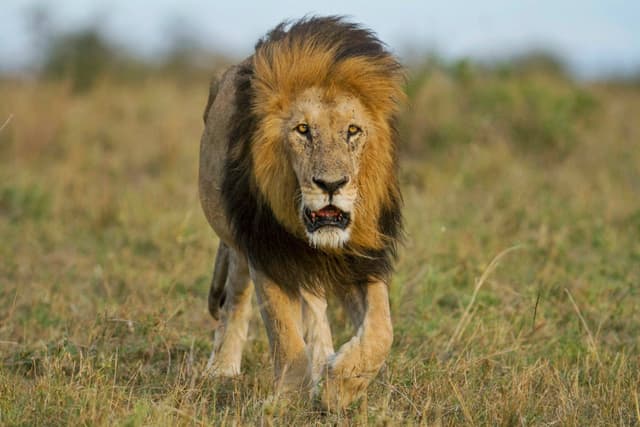
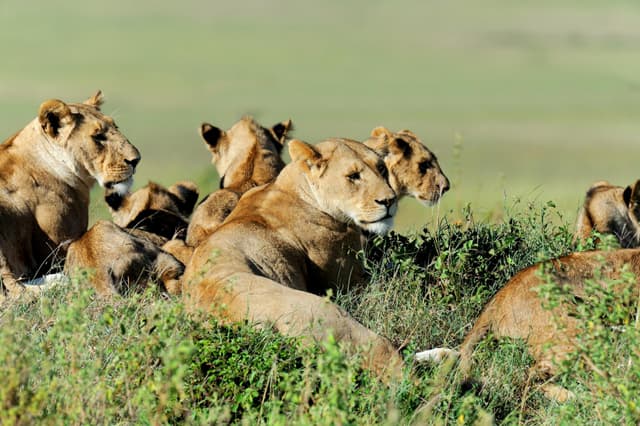
LionFairGrassland and rocky rises
FlamingoSeasonalLake shallows, water-level dependent

The rhinos are the headline. Lake Nakuru is one of the most reliable places in East Africa to see white rhino, often in small groups grazing calmly in the open. Black rhino are shyer and stick to thicker cover, so treat one as a bonus rather than a given.

The Rothschild giraffe is a subspecies you may not have heard of. It is endangered, recognisable by clean white lower legs that look like it forgot to pull its socks up, and Lake Nakuru is one of its strongholds.
Explore Kenya tour packages
View all →

About those flamingos

The postcard image of Lake Nakuru is a shoreline painted pink by more than a million flamingos feeding on algae. That still happens, but it is no longer guaranteed. When heavy rains raised the lake level, the water chemistry changed, the algae thinned, and many flamingos shifted to nearby Lake Bogoria. On a good day the flocks are staggering. On an off day you may see only scattered birds. Manage expectations: come for the rhinos and the scenery, and treat a wall of pink as a spectacular bonus rather than the whole trip.

Even without the flamingos, the birding is world-class. Over 450 species have been recorded, from pelicans and cormorants to fish eagles and marabou storks.

Don't miss Baboon Cliff and Makalia Falls

Two viewpoints turn a game drive into something memorable. Baboon Cliff gives you a sweeping panorama over the whole lake and its soda-crusted edges, the classic photo stop and a good place to stretch your legs (watch your snacks, the baboons are opportunists). At the southern end, Makalia Falls is a modest seasonal waterfall that is prettiest after rain and makes a quiet picnic spot away from the main circuit.

Best time to visit

Lake Nakuru is a year-round park, but the experience shifts with the seasons.

SeasonMonthsWhat to expect
Dry / peakJun to Sep, Jan to FebBest game viewing, animals near water, clear roads
Green seasonMar to MayLush scenery, fewer crowds, some muddy tracks
Short rainsOct to NovGood value, brief afternoon showers, strong birding

For the most reliable wildlife and easy driving, aim for the dry months. If you care mainly about photography and green landscapes, the shoulder months reward you with softer light and thinner crowds.

How much time do you need?

Because the park is compact, most travellers see it well in a single full day or one night. A common rhythm is an afternoon game drive on arrival, an overnight stay inside or near the park, and a morning drive before moving on. Two nights let you slow down, revisit the lake at different light, and add the quieter southern loop, but one night is genuinely enough to tick the highlights.

How Lake Nakuru fits your Kenya trip

Geography makes this park easy to love. It sits on the classic route northwest of Nairobi, so it pairs naturally with other Rift Valley stops.

  • Nairobi to Lake Nakuru: roughly a 2.5 to 3 hour drive on good tarmac.
  • Pair with Lake Naivasha: add a boat ride and a walk at Crater Lake or Hell's Gate.
  • Build toward Masai Mara: Nakuru is a strong first or second stop before the long push to the Mara.

A popular loop is Nairobi, Lake Nakuru, then Masai Mara, giving you rhinos and big cats in one trip. For the full picture of how the days stitch together, see our Kenya itinerary guide, and if you are still choosing parks, our Masai Mara safari guide covers the country's most famous reserve.

Practical tips before you go

  • Park entry is paid per person per day in US dollars for non-residents, so budget it into your safari cost.
  • Roads inside are mostly good, but a 4x4 is wise in the green season.
  • Bring binoculars; the birdlife and distant rhinos reward them.
  • Keep windows up near the baboons at viewpoints and picnic sites.
  • Mornings and late afternoons give the best light and the most active animals.

Ready to build a trip that includes Lake Nakuru's rhinos alongside the rest of Kenya's greatest hits? Explore our Kenya tour packages to see sample routes and what is included.

Frequently asked questions

Are there still flamingos at Lake Nakuru?

Yes, but numbers vary. Rising water levels reduced the algae flamingos feed on, so the huge pink flocks are seasonal and not guaranteed. Come mainly for the rhinos and scenery, and enjoy the flamingos as a bonus when they are in.

Can you see the Big Five at Lake Nakuru?

You have a strong chance at four of them: rhino, buffalo, leopard, and lion, with rhino almost guaranteed. Elephants are not found here, so a true Big Five sweep needs to be combined with another park like Masai Mara or Amboseli.

How far is Lake Nakuru from Nairobi?

About 160 kilometres, or a 2.5 to 3 hour drive on tarmac, making it one of the easiest major parks to reach from the capital.

How many days should I spend at Lake Nakuru?

One full day or a single overnight is enough to see the highlights. Add a second night only if you want a slower pace or plan to combine it with nearby Lake Naivasha.

Is Lake Nakuru worth visiting?

Tags
KenyaLake NakuruSafariNational ParkRift Valley
Share
G
Gomayu Team
Writer at Gomayu
Keep reading
Blog / Kenya
Lake Nakuru National Park: Flamingos, Rhino and Safari Tips
6 min read 16 Aug 2026 · Updated 21 Aug 2026
Lake Nakuru National Park: Flamingos, Rhino and Safari Tips

Lake Nakuru is the Rift Valley park where the shoreline once glowed pink with a million flamingos, where both black and white rhinos graze in the open, and where a leopard might be draped over an acacia branch on the drive back to the gate. It is compact, tarmac-close to Nairobi, and stacked with big animals, which is exactly why it earns a place on so many Kenya itineraries. This guide breaks down what you will actually see, when to go, what it costs, and how to slot it into a trip without wasting a single game-drive hour.

Why Lake Nakuru punches above its weight

The park is small by Kenyan standards, roughly 188 square kilometres, but that is its secret. A big cat in Masai Mara can be an hour of driving away. Here the wildlife is concentrated around the lake and the surrounding woodland, so a half-day drive routinely turns up rhino, buffalo, giraffe, zebra, and waterbuck without long empty stretches in between. It is also fully fenced, a rare thing in Kenya, which is why it works as a rhino sanctuary.

For a traveller flying into Nairobi with only a few days, that density is gold. You get a genuine Big Five shot in a park you can reach by road before lunch.

The wildlife: what you are really here for

Lake Nakuru is best known for three things: rhinos, Rothschild giraffes, and, when conditions are right, flamingos.

AnimalYour oddsWhere to look
White rhinoVery highOpen grassland near the lake
Black rhinoModerateDenser acacia and bush
Rothschild giraffeVery highWoodland on the western side
LeopardFairWooded areas, early and late
LionFairGrassland and rocky rises
FlamingoSeasonalLake shallows, water-level dependent

The rhinos are the headline. Lake Nakuru is one of the most reliable places in East Africa to see white rhino, often in small groups grazing calmly in the open. Black rhino are shyer and stick to thicker cover, so treat one as a bonus rather than a given.

The Rothschild giraffe is a subspecies you may not have heard of. It is endangered, recognisable by clean white lower legs that look like it forgot to pull its socks up, and Lake Nakuru is one of its strongholds.

Explore Kenya tour packages
View all →

About those flamingos

The postcard image of Lake Nakuru is a shoreline painted pink by more than a million flamingos feeding on algae. That still happens, but it is no longer guaranteed. When heavy rains raised the lake level, the water chemistry changed, the algae thinned, and many flamingos shifted to nearby Lake Bogoria. On a good day the flocks are staggering. On an off day you may see only scattered birds. Manage expectations: come for the rhinos and the scenery, and treat a wall of pink as a spectacular bonus rather than the whole trip.

Even without the flamingos, the birding is world-class. Over 450 species have been recorded, from pelicans and cormorants to fish eagles and marabou storks.

Don't miss Baboon Cliff and Makalia Falls

Two viewpoints turn a game drive into something memorable. Baboon Cliff gives you a sweeping panorama over the whole lake and its soda-crusted edges, the classic photo stop and a good place to stretch your legs (watch your snacks, the baboons are opportunists). At the southern end, Makalia Falls is a modest seasonal waterfall that is prettiest after rain and makes a quiet picnic spot away from the main circuit.

Best time to visit

Lake Nakuru is a year-round park, but the experience shifts with the seasons.

SeasonMonthsWhat to expect
Dry / peakJun to Sep, Jan to FebBest game viewing, animals near water, clear roads
Green seasonMar to MayLush scenery, fewer crowds, some muddy tracks
Short rainsOct to NovGood value, brief afternoon showers, strong birding

For the most reliable wildlife and easy driving, aim for the dry months. If you care mainly about photography and green landscapes, the shoulder months reward you with softer light and thinner crowds.

How much time do you need?

Because the park is compact, most travellers see it well in a single full day or one night. A common rhythm is an afternoon game drive on arrival, an overnight stay inside or near the park, and a morning drive before moving on. Two nights let you slow down, revisit the lake at different light, and add the quieter southern loop, but one night is genuinely enough to tick the highlights.

How Lake Nakuru fits your Kenya trip

Geography makes this park easy to love. It sits on the classic route northwest of Nairobi, so it pairs naturally with other Rift Valley stops.

  • Nairobi to Lake Nakuru: roughly a 2.5 to 3 hour drive on good tarmac.
  • Pair with Lake Naivasha: add a boat ride and a walk at Crater Lake or Hell's Gate.
  • Build toward Masai Mara: Nakuru is a strong first or second stop before the long push to the Mara.

A popular loop is Nairobi, Lake Nakuru, then Masai Mara, giving you rhinos and big cats in one trip. For the full picture of how the days stitch together, see our Kenya itinerary guide, and if you are still choosing parks, our Masai Mara safari guide covers the country's most famous reserve.

Practical tips before you go

  • Park entry is paid per person per day in US dollars for non-residents, so budget it into your safari cost.
  • Roads inside are mostly good, but a 4x4 is wise in the green season.
  • Bring binoculars; the birdlife and distant rhinos reward them.
  • Keep windows up near the baboons at viewpoints and picnic sites.
  • Mornings and late afternoons give the best light and the most active animals.

Ready to build a trip that includes Lake Nakuru's rhinos alongside the rest of Kenya's greatest hits? Explore our Kenya tour packages to see sample routes and what is included.

Frequently asked questions

Are there still flamingos at Lake Nakuru?

Yes, but numbers vary. Rising water levels reduced the algae flamingos feed on, so the huge pink flocks are seasonal and not guaranteed. Come mainly for the rhinos and scenery, and enjoy the flamingos as a bonus when they are in.

Can you see the Big Five at Lake Nakuru?

You have a strong chance at four of them: rhino, buffalo, leopard, and lion, with rhino almost guaranteed. Elephants are not found here, so a true Big Five sweep needs to be combined with another park like Masai Mara or Amboseli.

How far is Lake Nakuru from Nairobi?

About 160 kilometres, or a 2.5 to 3 hour drive on tarmac, making it one of the easiest major parks to reach from the capital.

How many days should I spend at Lake Nakuru?

One full day or a single overnight is enough to see the highlights. Add a second night only if you want a slower pace or plan to combine it with nearby Lake Naivasha.

Is Lake Nakuru worth visiting?

Tags
KenyaLake NakuruSafariNational ParkRift Valley
Share
G
Gomayu Team
Writer at Gomayu
Keep reading