












+977-9709047652
Explore by Country
See all 12 Thailand packages
Most popular pick
See all 12 Thailand packages
See all 8 Vietnam packages
Most popular pick
See all 8 Vietnam packages
See all 4 Indonesia (Bali) packages
Most popular pick
See all 4 Indonesia (Bali) packages
See all 3 Maldives packages
Most popular pick
See all 3 Maldives packages
See all 3 China packages
Most popular pick
See all 3 China packages
See all 2 Sri Lanka packages
Most popular pick
See all 2 Sri Lanka packages
See all 3 Malaysia packages
Most popular pick
See all 3 Malaysia packages
See all 2 Singapore packages
Most popular pick
See all 2 Singapore packages
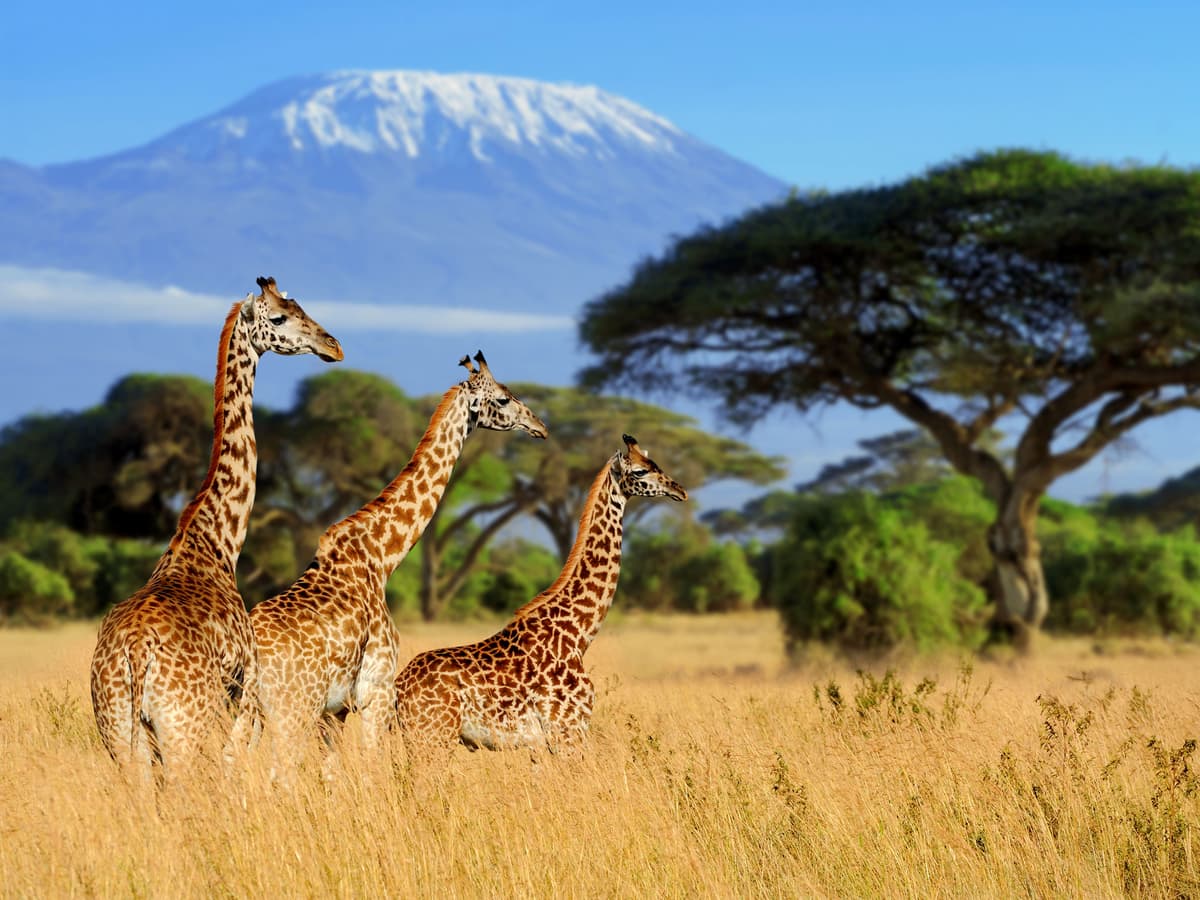
See all 2 Kenya packages
Most popular pick
See all 2 Kenya packages
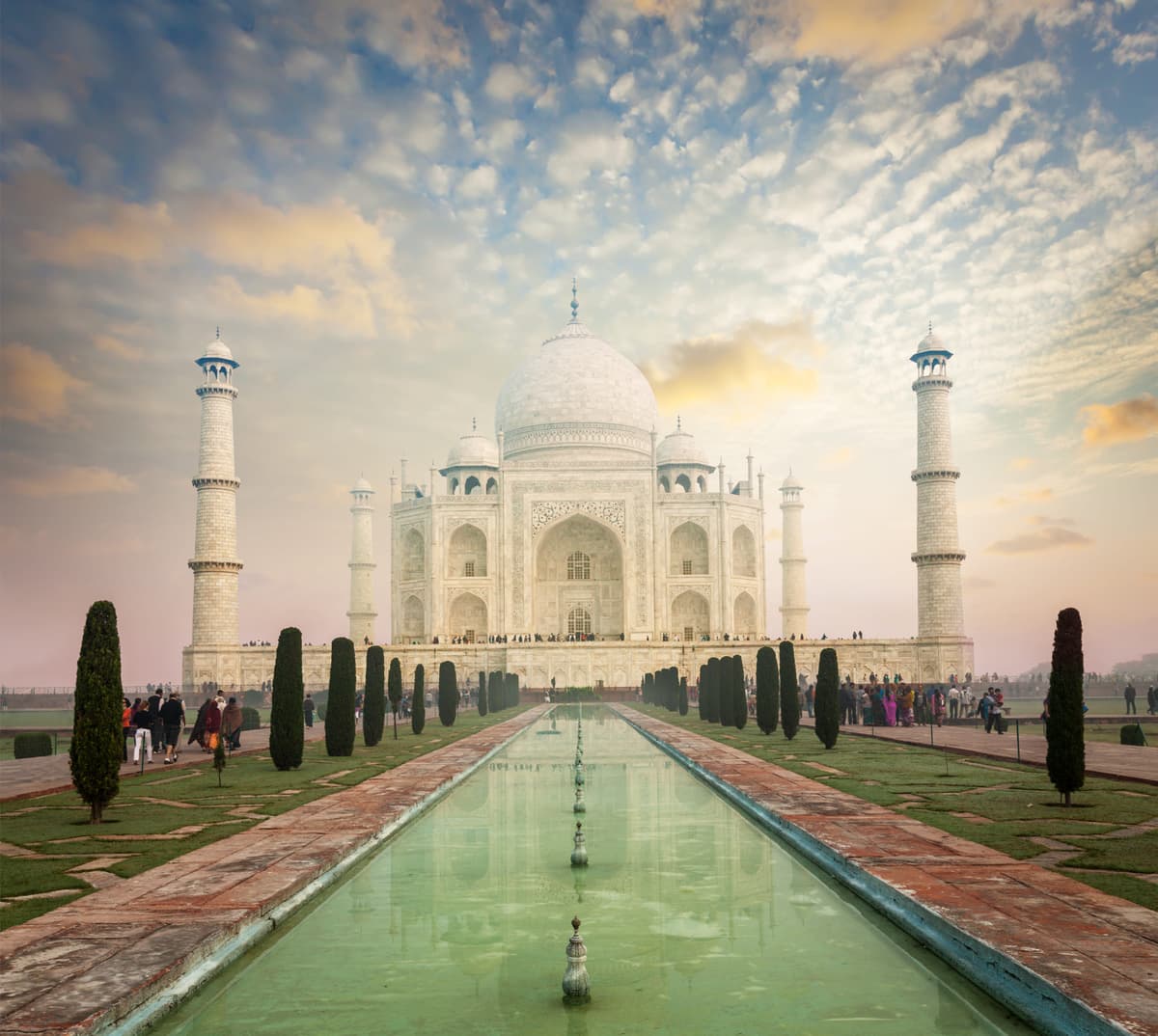
See all 4 India packages
Most popular pick
See all 4 India packages
Search Tours or Places
Blog / Kenya

Kenya Travel Guide: How to Plan a Trip That Works

12 min read 27 Jul 2026

A useful Kenya travel guide is less about which lodge to book and more about the handful of decisions that shape the whole trip: when you go, which regions you string together, how you move between them, and what you sort out before you leave.

Kenya is easy to travel, but it punishes a few specific mistakes: going in the wrong month for the wildlife you want, trying to cover the Mara, Amboseli and the coast in a week by road, or arriving without the right paperwork.

So this is the practical layer above the wish list. For the wish list itself, see our posts on places to visit in Kenya and things to do in Kenya.

What paperwork do you need to enter Kenya?

Kenya scrapped conventional visas on 1 January 2024 and replaced them with an Electronic Travel Authorisation, the eTA, applied for online at etakenya.go.ke before departure. The Kenya Embassy in Washington states processing takes three working days but can take longer, and the UK Foreign Office advises applying at least two weeks ahead.

One important update: following a government gazette notice of 30 May 2025, most African nationals and a list of other nationalities no longer need an eTA at all and simply present a passport on arrival, with East African Community citizens granted a much longer stay. That list changes, so check your nationality on the official eTA site, not on any third party page including this one.

Two details catch people out. Your passport needs six months of validity beyond arrival and two blank pages. And an approved eTA must be used within 90 days of issue; the stay you actually get is stamped by the immigration officer, not set by the eTA.

Yellow fever is the most misunderstood rule. Kenya's Ministry of Health requires a certificate from travellers arriving from countries where yellow fever is endemic, so it depends on where you have been, not on Kenya. Fly in from a country with no transmission risk and you are generally not asked; route through a risk country and you may be, with travel health services commonly treating an airport transit of more than 12 hours as triggering it. Medical exemptions exist, but they need a properly issued letter.

When is the best time to visit Kenya?

Kenya sits on the equator, so it has dry and wet seasons rather than summer and winter, two of each.

SeasonRoughlyWhat it means for travel
Short dry seasonJanuary to FebruaryHot and clear, good game viewing at shrinking water sources, quieter than mid year.
Long rainsMarch to MayHeaviest rain. Some camps close, dirt roads deteriorate, landscapes turn green, fewest visitors.
Long dry seasonJune to OctoberPeak wildlife season and peak demand. Short grass, animals concentrated at water.
Short rainsNovember to DecemberDefined afternoon downpours rather than all day rain. Green, excellent birding, still very travellable.

The long dry season is the default answer, and good camps fill many months ahead. But the short rains are underrated: rain arrives in bursts, the light is excellent and the country is far less crowded.
When does the Great Migration river crossing actually happen?

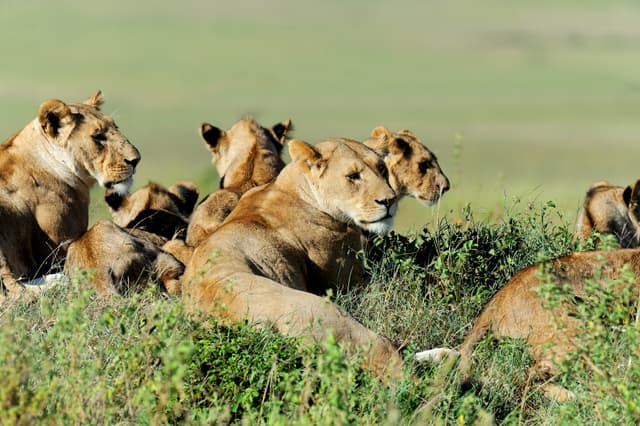
Broadly, the wildebeest herds are in the Maasai Mara from around July to October, with Mara River crossings most likely between late July and September. That is the honest version. The dishonest version is a calendar naming the week they cross.

The migration is a continuous, year round loop driven by rainfall. Herds cross when they cross, sometimes back and forth over the same stretch within days, sometimes avoiding a crossing point for weeks. Guides read them daily; nobody predicts them a season out. So book the window, not the event: at least three nights in the Mara, near the river if crossings matter, and a crossing treated as a bonus on top of a landscape already full of animals.

How this Kenya travel guide splits the country into regions

Thinking in regions rather than individual parks makes routing far easier. Six matter to most trips.

  • Nairobi and the central highlands. Your arrival point and a destination in its own right, at around 1,795 m. Cool, green, the base for Mount Kenya and the Aberdares.
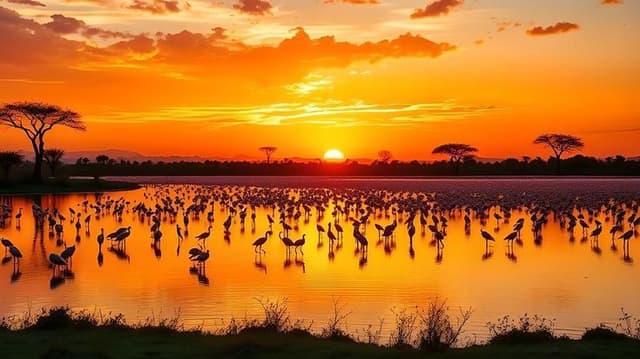
  • The Rift Valley. An easy road trip north west of Nairobi: soda lakes, flamingos, and volcanic walks like Mount Longonot. Usually a first or last stop.
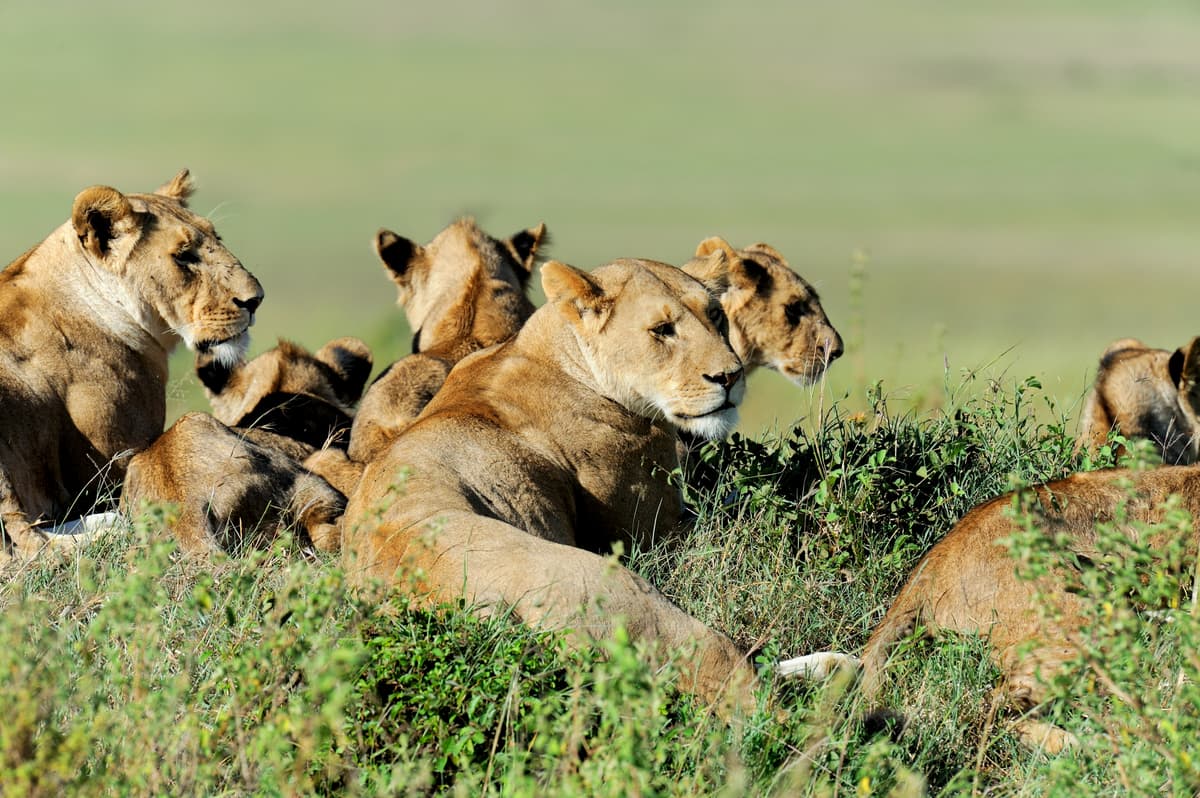
  • The Mara. South west, on the Tanzanian border. The national reserve plus a ring of private conservancies, and where most first timers spend the most nights.
  • Amboseli and the Tsavos. South east, on the corridor towards the coast. Amboseli for elephants under Kilimanjaro, the Tsavos for scale and red dust.
  • Samburu and the north. Drier, hotter, emptier, with species you do not see further south. Real variety, but usually needs a flight.
  • The coast. Mombasa, Diani, Watamu and Lamu. Indian Ocean, Swahili culture, the natural second half of a safari trip.

The workable logic: two regions for a week, three for ten days, and never link the Mara to the coast overland. Pair a wildlife region with the highlands or the beach, and let a plane do the long hop.

How do you get around Kenya?

Domestic flights make a multi region trip possible. Light aircraft from Nairobi's Wilson Airport serve airstrips inside and beside the parks, turning a full driving day into under an hour. The trade off is a strict weight limit, often around 15 kg including hand luggage, and soft sided bags only, because rigid suitcases do not fit the holds.

Road transfers are better than they get credit for. You see the country between the parks, and a good driver guide is half the experience. Tarmac trunk roads are decent, the last stretch into a park often is not, and journey times stretch in the rains. Road works within one region and stops working the moment you use it to cross the country.

The SGR train, branded the Madaraka Express, links Nairobi and Mombasa and is the sensible way to reach the coast without flying. Kenya Railways runs a morning inter county service stopping at Mariakani, Miasenyi, Voi, Mtito Andei, Kibwezi, Emali and Athi River, plus afternoon and night express services stopping only at Voi. It is comfortable, punctual and passes through Tsavo. Book ahead around holidays, and note the Nairobi terminus sits outside the city centre.

What health preparation does Kenya need?

Have this conversation with a travel doctor six to eight weeks before you fly, because some vaccines need a course rather than a single shot. No Kenya travel guide can make the call for you.

Malaria is the main one. Risk exists in essentially all areas below 2,500 m, including the game parks, and is predominantly Plasmodium falciparum. Central Nairobi and the highlands above 2,500 m are considered minimal risk. So a Mara or coast trip is a prophylaxis conversation and a Nairobi city break usually is not, but the drug and the decision belong to your doctor. Keep using repellent and covering up at dusk regardless; no tablet is complete cover.

Beyond malaria, the usual discussion covers hepatitis A and B, typhoid, tetanus and measles, with rabies raised for remote trips. Drink bottled or properly treated water, be sensible about ice and raw salads early on, and let your stomach settle before exploring the more adventurous end of Kenyan food. Altitude matters too: Nairobi alone can leave you short of breath on stairs for a day, and Mount Kenya is a genuine altitude undertaking rather than a walk.

How do payments and connectivity work in Kenya?

Kenya runs on mobile money to a degree that surprises first time visitors. M-Pesa, operated by Safaricom, lets people send, receive and pay by phone through a SIM linked wallet, and it is accepted almost everywhere: shops, restaurants, matatus, market stalls, fuel stations, small hotels. Safaricom announced in December 2024 that M-Pesa had passed 34 million customers in Kenya. A till or paybill number is the default; cash is the fallback rather than the norm.

So the practical route for a visitor is a local SIM or eSIM on arrival, which gives you data and, once the line is registered with your passport, access to mobile money. Coverage is good in cities and along main corridors and patchy deep inside the parks, which most people end up enjoying. Download offline maps before leaving Nairobi.

What are the rules in Kenya's parks and conservancies?

The difference between a national park or reserve and a private conservancy changes what your days look like. Parks and reserves are public land open to any vehicle with a valid entry ticket, with strict rules: stay on designated tracks, no off road driving, no night driving, no leaving the vehicle except at marked points, and fixed opening and closing times. In high season you may share a popular sighting with a queue of vehicles. Conservancies are community owned land leased to a limited number of camps, which caps both beds and vehicles at a sighting, and they typically permit night drives, guided walks and controlled off road approaches that the reserve does not. Many Mara itineraries deliberately mix the two.

Responsible behaviour is not decoration here. Keep a respectful distance, never ask a driver to cut off or surround an animal, keep your voice down, do not feed anything, skip flash on nocturnal wildlife, and ask before photographing people, particularly in Maasai and Samburu communities. Kenya also banned plastic carrier bags outright in August 2017, with a further ban on single use plastics inside protected areas from June 2020, and duty free plastic bags must be left at the point of entry.

What should you pack for a Kenyan safari?

  • Neutral colours. Khaki, olive, beige, brown. Not aesthetics: white stands out badly against the bush, and dark blue and black are known to attract tsetse flies. Avoid camouflage, restricted in several African countries.
  • Layers, not warm clothes. Dawn game drives on the highland plateau are genuinely cold and midday is hot. A fleece and a windproof layer solve it.
  • A soft bag. If any leg is on a light aircraft, a duffel is not optional. Check the weight limit first.
  • Binoculars per person. The most underrated item here. Sharing one pair between two ruins half the sightings.
  • Sun and dust protection. Brimmed hat, high factor sunscreen, sunglasses, and a buff for dust in open vehicles. Equatorial sun at altitude is stronger than it feels.
  • Power. Kenya uses UK style type G three pin sockets at 240 V. A power bank matters more than the adapter, because camp generators often run only part of the day.
  • No plastic bags. Repeat, because it is a real law with real penalties. Use dry bags or cloth pouches.

How safe is Kenya, honestly?

The safari circuit is well run, and the realistic risks are ordinary urban ones in Nairobi and Mombasa: opportunistic theft, phone snatching, and taxi or money changing scams aimed at people who have just landed. Use ride hailing apps rather than street taxis, keep your phone away at night, and be wary of unsolicited offers at airports and bus stands. Border areas in the north and north east are ones governments advise against and no legitimate operator includes. Check your government's current advice before booking, and see our fuller post on whether Kenya is safe to visit rather than treating this paragraph as the whole answer.

Frequently asked questions

Do I still need a visa for Kenya?

No. Kenya replaced visas with an Electronic Travel Authorisation on 1 January 2024, applied for online before you travel. Since 30 May 2025 many nationalities, including most African ones, are exempt from the eTA entirely and simply present a passport on arrival. Check your nationality on the official eTA site.

How far in advance should I apply for the Kenya eTA?

Official guidance puts processing at three working days, though it can take longer, and the UK Foreign Office recommends applying at least two weeks before departure. An approved eTA must be used for travel within 90 days of issue, so there is little point applying many months early.

Is a yellow fever vaccination compulsory for Kenya?

Not universally. Kenya requires a certificate from travellers arriving from countries where yellow fever is endemic, so it depends on your origin and transit route rather than on Kenya itself. Long airport transits in a risk country can trigger the requirement, so check your full routing before you fly.

What is the best month to see the Great Migration in the Maasai Mara?

The herds are generally in the Mara from July to October, with river crossings most likely between late July and September. No month guarantees a crossing, because the movement follows rainfall rather than a calendar. Book several nights inside the window instead of chasing a specific date.

Should I fly or drive between Kenyan parks?

Fly for long hops between regions, such as Nairobi to the Mara, Samburu or the coast, since light aircraft turn a full driving day into under an hour. Drive within a region, where the road is part of the experience. Light aircraft enforce soft bags and a low weight limit, so pack accordingly.

Can I use my card in Kenya, or do I need cash?

Cards work in hotels, larger restaurants and city shops, but Kenya's default is M-Pesa mobile money, accepted almost everywhere including small vendors and transport. A local SIM or eSIM gives you data and, once registered with your passport, access to mobile money. Carry some cash as backup for remote areas.

Are plastic bags really banned in Kenya?

Yes. Kenya banned plastic carrier bags in August 2017 and extended the ban to single use plastics inside national parks, beaches and other protected areas in June 2020. Duty free plastic bags must be surrendered at the point of entry, so pack cloth bags and a refillable bottle.

Tags
KenyaTravel GuideSafariMaasai MaraKenya eTATrip Planning
Share
G
Gomayu Team
Writer at Gomayu
Keep reading
Blog / Kenya

Kenya Travel Guide: How to Plan a Trip That Works

12 min read 27 Jul 2026

A useful Kenya travel guide is less about which lodge to book and more about the handful of decisions that shape the whole trip: when you go, which regions you string together, how you move between them, and what you sort out before you leave.

Kenya is easy to travel, but it punishes a few specific mistakes: going in the wrong month for the wildlife you want, trying to cover the Mara, Amboseli and the coast in a week by road, or arriving without the right paperwork.

So this is the practical layer above the wish list. For the wish list itself, see our posts on places to visit in Kenya and things to do in Kenya.

What paperwork do you need to enter Kenya?

Kenya scrapped conventional visas on 1 January 2024 and replaced them with an Electronic Travel Authorisation, the eTA, applied for online at etakenya.go.ke before departure. The Kenya Embassy in Washington states processing takes three working days but can take longer, and the UK Foreign Office advises applying at least two weeks ahead.

One important update: following a government gazette notice of 30 May 2025, most African nationals and a list of other nationalities no longer need an eTA at all and simply present a passport on arrival, with East African Community citizens granted a much longer stay. That list changes, so check your nationality on the official eTA site, not on any third party page including this one.

Two details catch people out. Your passport needs six months of validity beyond arrival and two blank pages. And an approved eTA must be used within 90 days of issue; the stay you actually get is stamped by the immigration officer, not set by the eTA.

Yellow fever is the most misunderstood rule. Kenya's Ministry of Health requires a certificate from travellers arriving from countries where yellow fever is endemic, so it depends on where you have been, not on Kenya. Fly in from a country with no transmission risk and you are generally not asked; route through a risk country and you may be, with travel health services commonly treating an airport transit of more than 12 hours as triggering it. Medical exemptions exist, but they need a properly issued letter.

When is the best time to visit Kenya?

Kenya sits on the equator, so it has dry and wet seasons rather than summer and winter, two of each.

SeasonRoughlyWhat it means for travel
Short dry seasonJanuary to FebruaryHot and clear, good game viewing at shrinking water sources, quieter than mid year.
Long rainsMarch to MayHeaviest rain. Some camps close, dirt roads deteriorate, landscapes turn green, fewest visitors.
Long dry seasonJune to OctoberPeak wildlife season and peak demand. Short grass, animals concentrated at water.
Short rainsNovember to DecemberDefined afternoon downpours rather than all day rain. Green, excellent birding, still very travellable.

The long dry season is the default answer, and good camps fill many months ahead. But the short rains are underrated: rain arrives in bursts, the light is excellent and the country is far less crowded.

When does the Great Migration river crossing actually happen?

Broadly, the wildebeest herds are in the Maasai Mara from around July to October, with Mara River crossings most likely between late July and September. That is the honest version. The dishonest version is a calendar naming the week they cross.

The migration is a continuous, year round loop driven by rainfall. Herds cross when they cross, sometimes back and forth over the same stretch within days, sometimes avoiding a crossing point for weeks. Guides read them daily; nobody predicts them a season out. So book the window, not the event: at least three nights in the Mara, near the river if crossings matter, and a crossing treated as a bonus on top of a landscape already full of animals.

How this Kenya travel guide splits the country into regions

Thinking in regions rather than individual parks makes routing far easier. Six matter to most trips.

  • Nairobi and the central highlands. Your arrival point and a destination in its own right, at around 1,795 m. Cool, green, the base for Mount Kenya and the Aberdares.
  • The Rift Valley. An easy road trip north west of Nairobi: soda lakes, flamingos, and volcanic walks like Mount Longonot. Usually a first or last stop.
  • The Mara. South west, on the Tanzanian border. The national reserve plus a ring of private conservancies, and where most first timers spend the most nights.
  • Amboseli and the Tsavos. South east, on the corridor towards the coast. Amboseli for elephants under Kilimanjaro, the Tsavos for scale and red dust.
  • Samburu and the north. Drier, hotter, emptier, with species you do not see further south. Real variety, but usually needs a flight.
  • The coast. Mombasa, Diani, Watamu and Lamu. Indian Ocean, Swahili culture, the natural second half of a safari trip.

The workable logic: two regions for a week, three for ten days, and never link the Mara to the coast overland. Pair a wildlife region with the highlands or the beach, and let a plane do the long hop.

How do you get around Kenya?

Domestic flights make a multi region trip possible. Light aircraft from Nairobi's Wilson Airport serve airstrips inside and beside the parks, turning a full driving day into under an hour. The trade off is a strict weight limit, often around 15 kg including hand luggage, and soft sided bags only, because rigid suitcases do not fit the holds.

Road transfers are better than they get credit for. You see the country between the parks, and a good driver guide is half the experience. Tarmac trunk roads are decent, the last stretch into a park often is not, and journey times stretch in the rains. Road works within one region and stops working the moment you use it to cross the country.

The SGR train, branded the Madaraka Express, links Nairobi and Mombasa and is the sensible way to reach the coast without flying. Kenya Railways runs a morning inter county service stopping at Mariakani, Miasenyi, Voi, Mtito Andei, Kibwezi, Emali and Athi River, plus afternoon and night express services stopping only at Voi. It is comfortable, punctual and passes through Tsavo. Book ahead around holidays, and note the Nairobi terminus sits outside the city centre.

What health preparation does Kenya need?

Have this conversation with a travel doctor six to eight weeks before you fly, because some vaccines need a course rather than a single shot. No Kenya travel guide can make the call for you.

Malaria is the main one. Risk exists in essentially all areas below 2,500 m, including the game parks, and is predominantly Plasmodium falciparum. Central Nairobi and the highlands above 2,500 m are considered minimal risk. So a Mara or coast trip is a prophylaxis conversation and a Nairobi city break usually is not, but the drug and the decision belong to your doctor. Keep using repellent and covering up at dusk regardless; no tablet is complete cover.

Beyond malaria, the usual discussion covers hepatitis A and B, typhoid, tetanus and measles, with rabies raised for remote trips. Drink bottled or properly treated water, be sensible about ice and raw salads early on, and let your stomach settle before exploring the more adventurous end of Kenyan food. Altitude matters too: Nairobi alone can leave you short of breath on stairs for a day, and Mount Kenya is a genuine altitude undertaking rather than a walk.

How do payments and connectivity work in Kenya?

Kenya runs on mobile money to a degree that surprises first time visitors. M-Pesa, operated by Safaricom, lets people send, receive and pay by phone through a SIM linked wallet, and it is accepted almost everywhere: shops, restaurants, matatus, market stalls, fuel stations, small hotels. Safaricom announced in December 2024 that M-Pesa had passed 34 million customers in Kenya. A till or paybill number is the default; cash is the fallback rather than the norm.

So the practical route for a visitor is a local SIM or eSIM on arrival, which gives you data and, once the line is registered with your passport, access to mobile money. Coverage is good in cities and along main corridors and patchy deep inside the parks, which most people end up enjoying. Download offline maps before leaving Nairobi.

What are the rules in Kenya's parks and conservancies?

The difference between a national park or reserve and a private conservancy changes what your days look like. Parks and reserves are public land open to any vehicle with a valid entry ticket, with strict rules: stay on designated tracks, no off road driving, no night driving, no leaving the vehicle except at marked points, and fixed opening and closing times. In high season you may share a popular sighting with a queue of vehicles. Conservancies are community owned land leased to a limited number of camps, which caps both beds and vehicles at a sighting, and they typically permit night drives, guided walks and controlled off road approaches that the reserve does not. Many Mara itineraries deliberately mix the two.

Responsible behaviour is not decoration here. Keep a respectful distance, never ask a driver to cut off or surround an animal, keep your voice down, do not feed anything, skip flash on nocturnal wildlife, and ask before photographing people, particularly in Maasai and Samburu communities. Kenya also banned plastic carrier bags outright in August 2017, with a further ban on single use plastics inside protected areas from June 2020, and duty free plastic bags must be left at the point of entry.

What should you pack for a Kenyan safari?

  • Neutral colours. Khaki, olive, beige, brown. Not aesthetics: white stands out badly against the bush, and dark blue and black are known to attract tsetse flies. Avoid camouflage, restricted in several African countries.
  • Layers, not warm clothes. Dawn game drives on the highland plateau are genuinely cold and midday is hot. A fleece and a windproof layer solve it.
  • A soft bag. If any leg is on a light aircraft, a duffel is not optional. Check the weight limit first.
  • Binoculars per person. The most underrated item here. Sharing one pair between two ruins half the sightings.
  • Sun and dust protection. Brimmed hat, high factor sunscreen, sunglasses, and a buff for dust in open vehicles. Equatorial sun at altitude is stronger than it feels.
  • Power. Kenya uses UK style type G three pin sockets at 240 V. A power bank matters more than the adapter, because camp generators often run only part of the day.
  • No plastic bags. Repeat, because it is a real law with real penalties. Use dry bags or cloth pouches.

How safe is Kenya, honestly?

The safari circuit is well run, and the realistic risks are ordinary urban ones in Nairobi and Mombasa: opportunistic theft, phone snatching, and taxi or money changing scams aimed at people who have just landed. Use ride hailing apps rather than street taxis, keep your phone away at night, and be wary of unsolicited offers at airports and bus stands. Border areas in the north and north east are ones governments advise against and no legitimate operator includes. Check your government's current advice before booking, and see our fuller post on whether Kenya is safe to visit rather than treating this paragraph as the whole answer.

Frequently asked questions

Do I still need a visa for Kenya?

No. Kenya replaced visas with an Electronic Travel Authorisation on 1 January 2024, applied for online before you travel. Since 30 May 2025 many nationalities, including most African ones, are exempt from the eTA entirely and simply present a passport on arrival. Check your nationality on the official eTA site.

How far in advance should I apply for the Kenya eTA?

Official guidance puts processing at three working days, though it can take longer, and the UK Foreign Office recommends applying at least two weeks before departure. An approved eTA must be used for travel within 90 days of issue, so there is little point applying many months early.

Is a yellow fever vaccination compulsory for Kenya?

Not universally. Kenya requires a certificate from travellers arriving from countries where yellow fever is endemic, so it depends on your origin and transit route rather than on Kenya itself. Long airport transits in a risk country can trigger the requirement, so check your full routing before you fly.

What is the best month to see the Great Migration in the Maasai Mara?

The herds are generally in the Mara from July to October, with river crossings most likely between late July and September. No month guarantees a crossing, because the movement follows rainfall rather than a calendar. Book several nights inside the window instead of chasing a specific date.

Should I fly or drive between Kenyan parks?

Fly for long hops between regions, such as Nairobi to the Mara, Samburu or the coast, since light aircraft turn a full driving day into under an hour. Drive within a region, where the road is part of the experience. Light aircraft enforce soft bags and a low weight limit, so pack accordingly.

Can I use my card in Kenya, or do I need cash?

Cards work in hotels, larger restaurants and city shops, but Kenya's default is M-Pesa mobile money, accepted almost everywhere including small vendors and transport. A local SIM or eSIM gives you data and, once registered with your passport, access to mobile money. Carry some cash as backup for remote areas.

Are plastic bags really banned in Kenya?

Yes. Kenya banned plastic carrier bags in August 2017 and extended the ban to single use plastics inside national parks, beaches and other protected areas in June 2020. Duty free plastic bags must be surrendered at the point of entry, so pack cloth bags and a refillable bottle.

Tags
KenyaTravel GuideSafariMaasai MaraKenya eTATrip Planning
Share
G
Gomayu Team
Writer at Gomayu
Keep reading