
The best places to visit in Kenya are not a list of fifteen unrelated dots on a map. They fall into four workable clusters: the Rift Valley lakes, the Maasai Mara, the southern parks running down to the coast, and the dry north around Samburu. Pick one or two clusters and you get a trip. Try to do all four in a week and you get a lot of driving.
Kenya is small enough that this works. Nairobi sits in the middle, and most of the famous parks are within a day's drive or a short domestic flight. What changes between the clusters is not the scenery so much as the purpose: some places are for predators, some for elephants, some for birds, some for doing nothing at all on a beach. Below is what each is actually for, and when it is worth going.
How to group Kenya's best places into a realistic route
Most sensible Kenya itineraries follow one of these shapes.
- The classic loop: Nairobi, the Rift Valley lakes, then the Maasai Mara. All drivable, and you get big cats plus birds plus a volcano.
- The southern run: Nairobi, Amboseli, Tsavo, then down to the coast at Diani or Watamu. Safari first, sea second.
- The northern add-on: Samburu, usually flown into, for species that do not occur in the south.
- The coast-only trip: Diani or Lamu with maybe one short park visit. Fine on limited time.
Mixing the Mara and Amboseli in one trip is common but means either a long transfer through Nairobi or a light aircraft hop. Doable, just plan for it rather than discovering it on day three.
Maasai Mara, and when the wildebeest migration actually happens
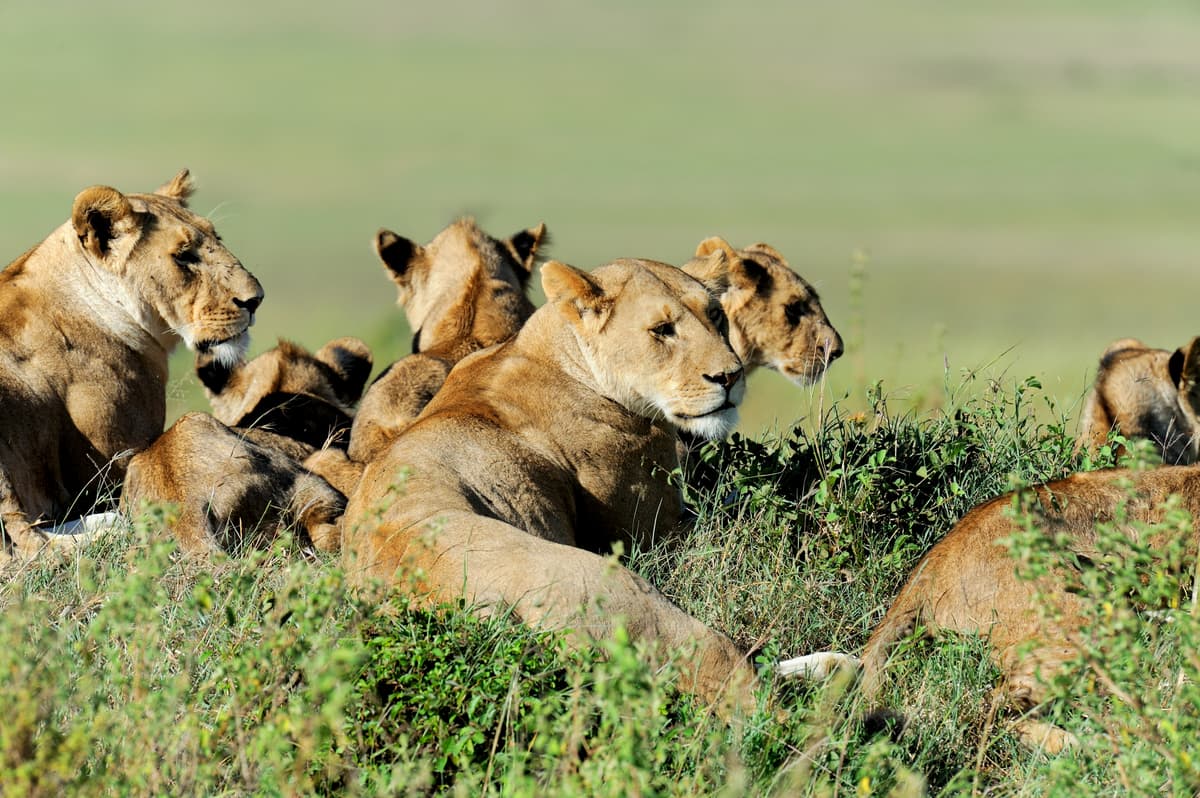
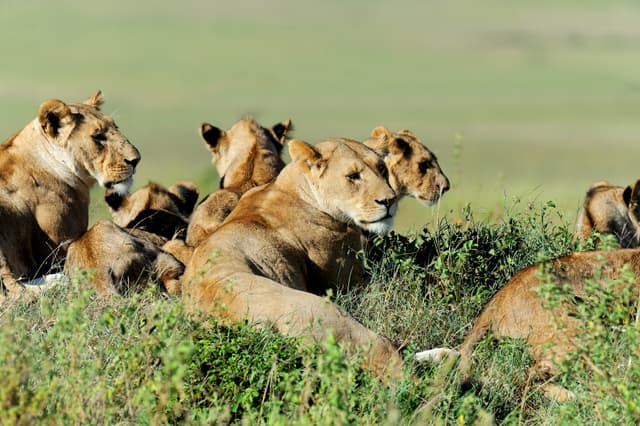
The Maasai Mara is the reserve almost everyone comes for, and it earns it. Open grassland, very high densities of lion, cheetah and hyena, and the Kenyan end of the great wildebeest migration. Herds move north out of the Serengeti through the middle of the year, reach Kenya in late July or August, stay through the dry season, and head back south from around early November. Roughly 1.7 million wildebeest and about 260,000 zebra are involved.
The Mara River crossings are the part people picture, and they are unscheduled. Herds can gather at a bank for hours and not cross, or cross three times in a morning. August and September give the best odds, not a guarantee.
One practical change worth knowing: under the Maasai Mara National Reserve Management Plan for 2023 to 2032, game viewing away from the main roads is restricted to 4WD safari vehicles, while 2WD cars and large buses stay on main roads. Narok County has also pushed guests towards licensed guided vehicles rather than self-driving. The plan sets viewing rules too, including staying 25 metres from animals and moving on after 15 minutes when five vehicles are already at a sighting.
The conservancies bordering the reserve, among them Naboisho, Olare Motorogi and Mara North, run lower vehicle numbers and allow night drives and walking, which the main reserve does not. If crowding worries you, that is the lever to pull.
Amboseli, Tsavo East and Tsavo West
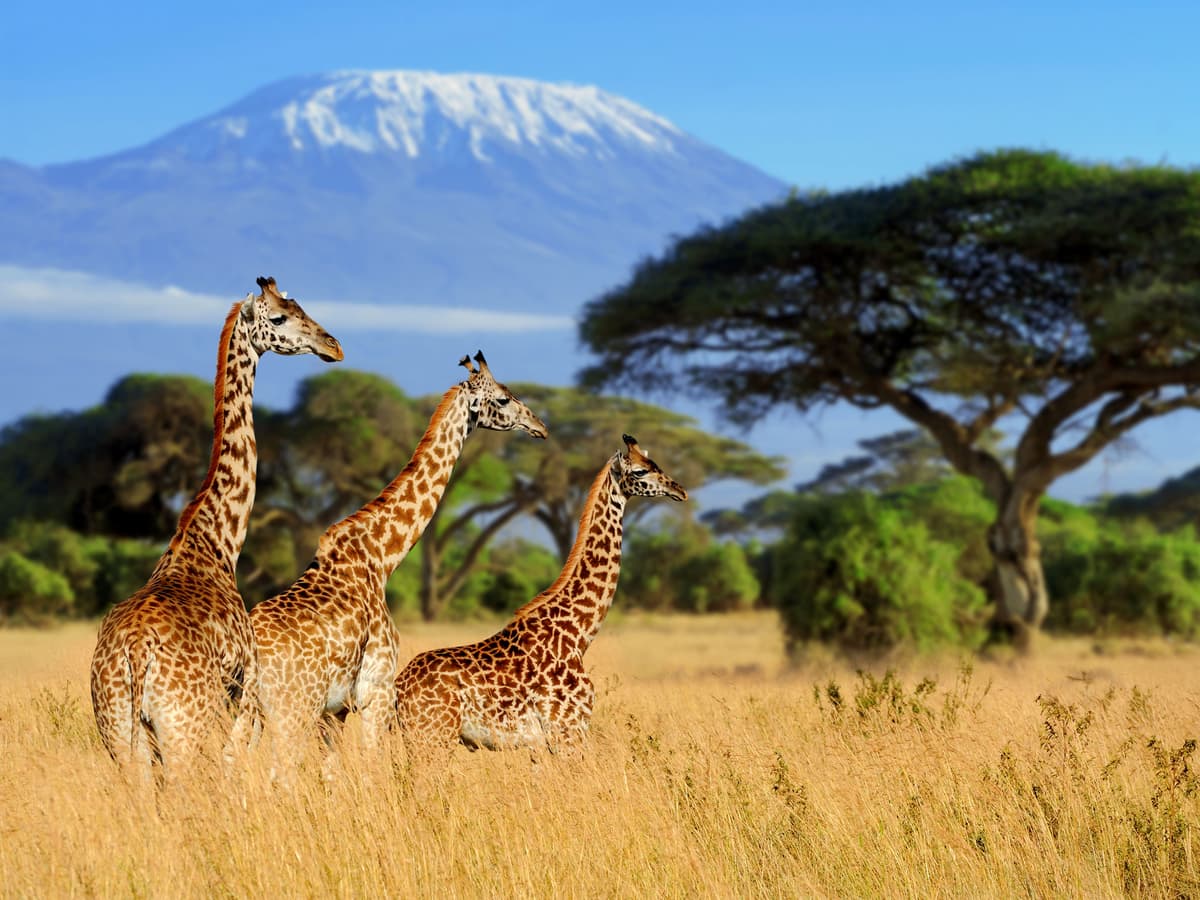
Amboseli is a small park, about 392 square kilometres, under Kilimanjaro on the Tanzanian border. You go for elephants and for the mountain. The elephant families here have been studied continuously since 1972, which means large, old, relaxed animals in open ground. Kilimanjaro itself is shy: the clearest views are early morning and late afternoon, and it can stay hidden all day in cloudy months.
Tsavo is the opposite of small. Tsavo East and Tsavo West together cover roughly 22,000 square kilometres and feel genuinely empty, which some people love and some find slow.
- Tsavo East is flat, dry and red. Its elephants dust themselves in the local soil and come out rust coloured. The Yatta Plateau here runs about 290 kilometres and is the world's longest lava flow.
- Tsavo West is greener, hillier and wetter, with Mzima Springs, Lake Jipe, volcanic terrain and a black rhino sanctuary.
Both sit between Nairobi and Mombasa, which makes Tsavo the obvious stop if you are heading for the coast anyway.
The Rift Valley lakes: Nakuru, Naivasha and Hell's Gate
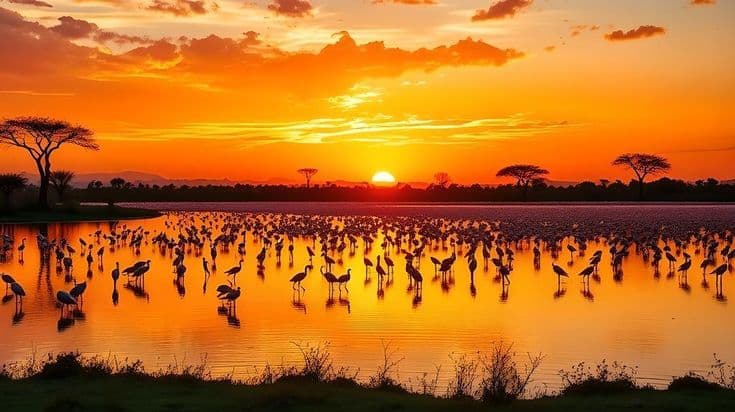
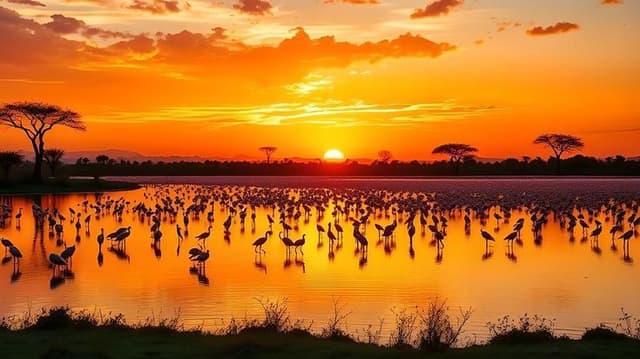
This cluster is the easiest part of Kenya to reach and the best use of a short trip. Lake Nakuru belongs to the Kenya Lake System in the Great Rift Valley, a UNESCO World Heritage site it shares with Lake Bogoria and Lake Elementaita. UNESCO calls the three lakes together the single most important foraging site for the lesser flamingo in the world, with over 100 migratory bird species recorded. Flamingo numbers at Nakuru itself shift with water levels and have been well below the old photographs in recent years, so treat flamingos as a bonus and the rhinos, which Nakuru protects well, as the reason to go.
Lake Naivasha is freshwater, full of hippo, and the base most people use on a Maasai Mara and Lake Naivasha safari. From there, Hell's Gate National Park is one of the few Kenyan parks where you can cycle and walk among zebra, giraffe and buffalo, past cliffs, geothermal steam and a narrow gorge. The gorge needs a local guide and should not be entered when rain is forecast.
Mount Longonot is the other half day here, a dormant volcano with a crater rim circuit that most reasonably fit walkers manage. Our separate guide to hiking Mount Longonot covers the trail and timing.
Samburu, for wildlife you will not see in the Mara
Samburu National Reserve, north of Mount Kenya on the Ewaso Ng'iro river, is dry, rocky and hot, and it holds five species that are largely absent from the southern parks. Guides call them the Samburu Special Five: Grevy's zebra, reticulated giraffe, Beisa oryx, gerenuk and Somali ostrich.
It is the least crowded of Kenya's well-known reserves and pairs naturally with Mount Kenya. If you have already done the Mara or Amboseli, go here rather than repeating the same grasslands.
Diani, the coast and Lamu
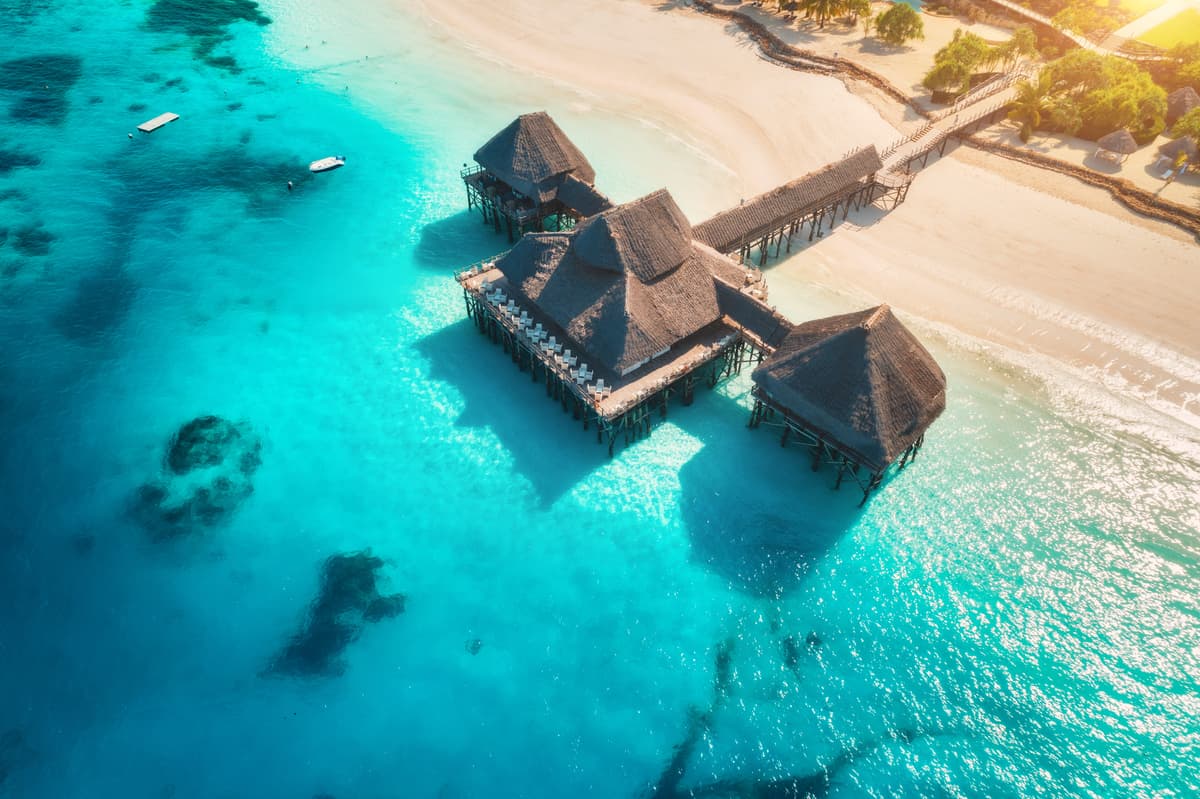
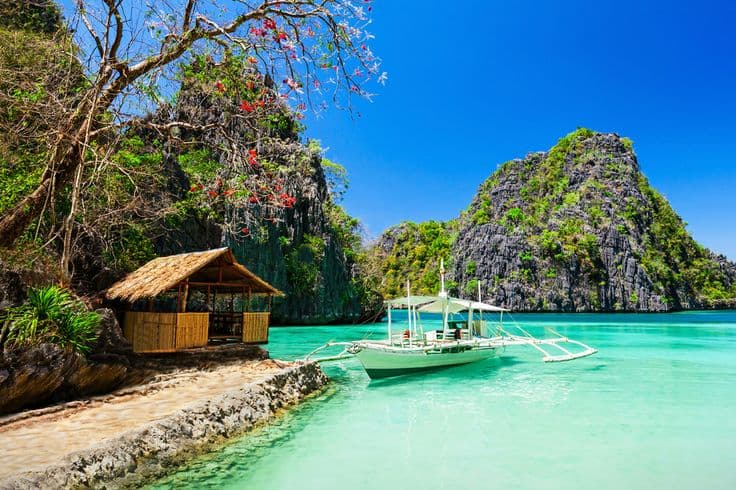
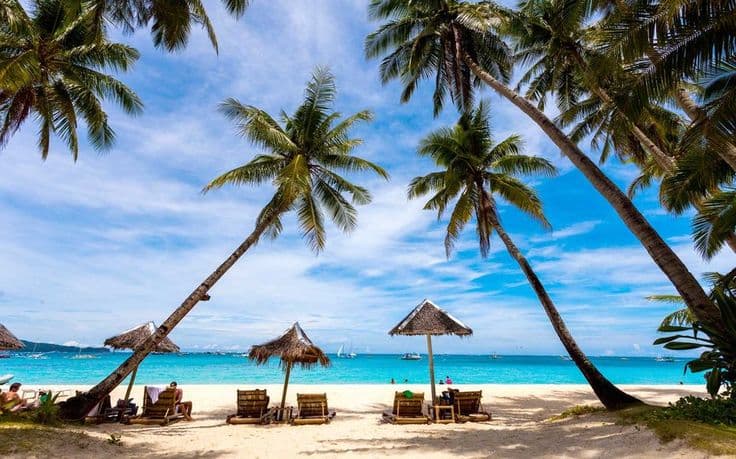
Diani Beach, south of Mombasa, is the coast most visitors mean. Long white sand, warm Indian Ocean, a reef offshore, and enough infrastructure that you can do nothing, or dive, kitesurf and take a boat to the Kisite-Mpunguti marine park near Wasini Island. North of Mombasa, Watamu and Malindi offer the same water with fewer people.
Lamu is a different proposition. Lamu Old Town has been a UNESCO World Heritage site since 2001 and is the oldest and best preserved Swahili settlement in East Africa, built in coral stone and mangrove timber, still lived in and largely free of cars. Check current government travel advice for Lamu County before booking, since advisories there have historically been more specific than for the rest of the coast. Our post on whether Kenya is safe to visit covers the areas with genuine advisories.
The coast is also where Kenyan cooking is at its most distinctive, with Swahili biryani, coconut rice and fresh seafood. Worth reading up on Kenyan food and what to order first.
Mount Kenya and Nairobi
Mount Kenya is Africa's second highest mountain and a UNESCO World Heritage site. Its two highest points, Batian and Nelion, are technical rock climbs. Point Lenana, at just under 5,000 metres, is a walkers' summit and the realistic target for most visitors, usually over four or five days on the Sirimon, Chogoria or Naro Moru routes. Altitude, not difficulty, turns people back.
Nairobi itself deserves more than an airport transfer. Nairobi National Park covers about 117 square kilometres roughly 7 kilometres from the city centre, holds a strong black rhino population and lions with a skyline behind them, and is one of very few parks of its kind adjoining a capital city. It has four of the big five; there are no resident wild elephants. Add the giraffe centre and the elephant orphanage and you have a solid first or last day. For the full range of activities countrywide, see our guide to things to do in Kenya.
Best places to visit in Kenya at a glance
| Place | What it is for | Best months |
|---|---|---|
| Maasai Mara | Big cats, migration river crossings | July to October |
| Amboseli | Elephant herds, Kilimanjaro views | June to October, January to February |
| Tsavo East | Red elephants, wide empty country | June to October |
| Tsavo West | Volcanic scenery, springs, rhino sanctuary | June to October |
| Lake Nakuru | Rhino, pelicans, birdlife | Year round, drier June to March |
| Naivasha and Hell's Gate | Hippo, cycling and walking safaris | Year round |
| Mount Longonot | Half day volcano hike | Dry months, early start |
| Samburu | Grevy's zebra, gerenuk, oryx | June to October |
| Diani and the coast | Beach, reef, diving | December to March, July to October |
| Lamu | Swahili old town, dhows, slow days | December to March |
| Mount Kenya | Trekking to Point Lenana | January to February, July to September |
| Nairobi National Park | Rhino and lion beside a city | Year round |
What to know before you book
- Two rainy seasons: the long rains fall roughly March to May and the short rains around November. Parks stay open, but tracks get harder and some camps close.
- Book the migration months early: July to October is the busiest window in the Mara and the good camps fill months ahead.
- Fly the long legs: Nairobi to the Mara, Samburu or the coast by light aircraft saves most of a day each way compared with driving.
- Use a guided safari vehicle: in the Mara it is now effectively required for game drives off the main roads, and a good guide changes what you see everywhere else.
- Do not over-plan: two nights minimum per park. One night means you arrive, sleep, and leave.
- Pack for cold mornings: most of these places to visit in Kenya sit above 1,500 metres, and early game drives are genuinely cold before the sun is up.
If you want the parks, lakes and coast arranged into a single workable route, our Kenya tours and holiday packages page sets out the standard combinations.
Frequently asked questions
Ready to turn this list into a route? Our Kenya travel guide covers seasons, entry rules and how to link these regions without backtracking.What are the top places to visit in Kenya for a first trip?
For a first trip, the Maasai Mara, Amboseli and one Rift Valley lake cover the most ground. That gives you big cats, elephants under Kilimanjaro and birdlife without excessive driving. Add Diani Beach at the end if you want a few days by the sea.
When is the best time to visit Kenya?
June to October is the main dry season and the strongest all-round window, with July to October covering the wildebeest migration in the Maasai Mara. January and February are also dry and good for Amboseli and Mount Kenya. The long rains run roughly March to May.
How many days do you need to see the main places to visit in Kenya?
Eight to ten days is comfortable for two or three parks plus a couple of coastal days. Under a week, pick one cluster rather than trying to cross the country. Two nights per park is the practical minimum, since half of day one and day three are spent travelling.
Can you self-drive around Kenya's national parks?
You can self-drive many Kenyan parks, but the Maasai Mara now restricts game viewing away from main roads to 4WD safari vehicles, and Narok County has pushed visitors towards licensed guided vehicles. For most people a guided vehicle is easier, and the guide finds far more wildlife than you would alone.
Is the Maasai Mara worth visiting outside the migration months?
Yes. The Maasai Mara has resident lion, cheetah, leopard and elephant year round, and the reserve is much quieter outside July to October. You lose the river crossings but gain green landscapes, better light for photography and easier availability at the better camps.
Which Kenyan park is best for elephants?
Amboseli is the best park in Kenya for elephants. Its families have been studied since 1972, the terrain is open, and Kilimanjaro sits behind them on clear mornings. Tsavo East is the alternative if you want the famous dust-reddened elephants and far fewer vehicles around.
Are Lake Nakuru's flamingos still there?
Flamingo numbers at Lake Nakuru fluctuate with water levels and have been well below historic peaks in recent years, with birds shifting between Nakuru, Bogoria and Elementaita. Go for the black and white rhino, pelicans and general birdlife, and treat a big flamingo showing as luck rather than a plan.
'/%3E%3C/svg%3E)