
































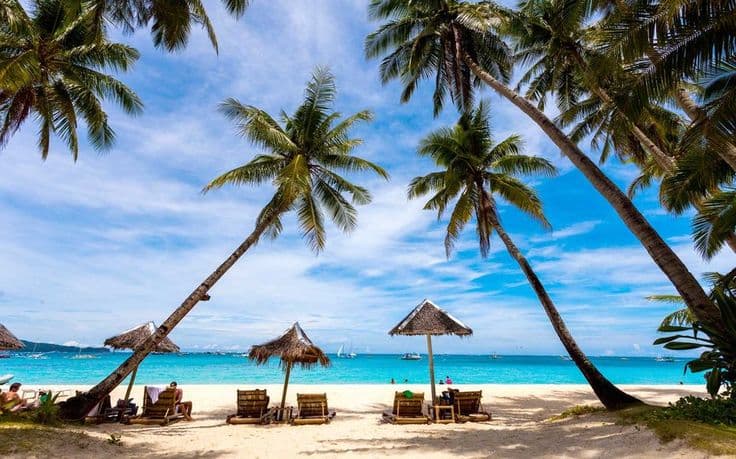
Yes, for most visitors Kenya is safe, and travelers who ask "is Kenya safe" are usually picturing something far worse than what they will actually find. The normal tourist circuit, meaning Nairobi, the Maasai Mara, Amboseli, Lake Naivasha, Samburu, Tsavo and the south coast beaches, behaves like tourism in any other middle income country. Well over a million international visitors arrive every year, go on safari, eat well and fly home with nothing worse than dust on their boots.
The real risks are not the ones people imagine. In rough order: road crashes, opportunistic theft in parts of Nairobi and Mombasa, careless behavior around wild animals, and a short list of border areas with genuine government warnings. That does not make the country dangerous. It makes it a place where planning pays, and our Kenya travel guide covers the rest of that groundwork.
The short answer for tourists
Kenya's tourist areas are safe for travelers who use ordinary sense. Safari lodges sit inside or beside protected areas with staff, rangers and radios. Beach resorts on Diani are secure and used to foreign guests. Nairobi is a big working capital with rich and poor districts, and the parts most visitors use are fine in daylight.
What changes the picture is how you move around and who you book with. A licensed operator with insured vehicles and experienced guides removes most of the risk before you land. Our guide to things to do in Kenya covers the parks and coastal spots that make up that well protected route.
Roads and driving, the biggest real risk
Traffic is the single most likely thing to hurt a visitor in Kenya. The National Transport and Safety Authority estimates around 3,000 road deaths a year, with pedestrians, motorcyclists and passengers in public service vehicles carrying most of the burden. The WHO country profile for road safety in Kenya sets out the official picture.
Night driving between towns is the worst of it. Highways carry unlit trucks, animals, potholes and vehicles overtaking on blind rises, and few have shoulders or lighting. Finish long transfers before dark.
- Wear a seatbelt in every seat, including the middle row of a safari van.
- Say no to a driver who wants to push on after sunset to save a day.
- Skip boda boda motorbike taxis where you can, and insist on a helmet if you cannot.
- Use ride hailing apps or hotel cars rather than flagging vehicles down.
- Fly the long legs. Light aircraft hops to the Mara or Samburu cut hours of highway.
A structured route such as our Nairobi, Maasai Mara and Lake Naivasha Tour keeps drives short and daylight only, which quietly removes the largest safety variable of the trip.
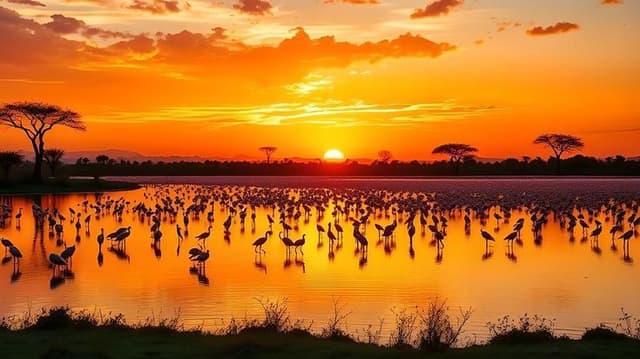
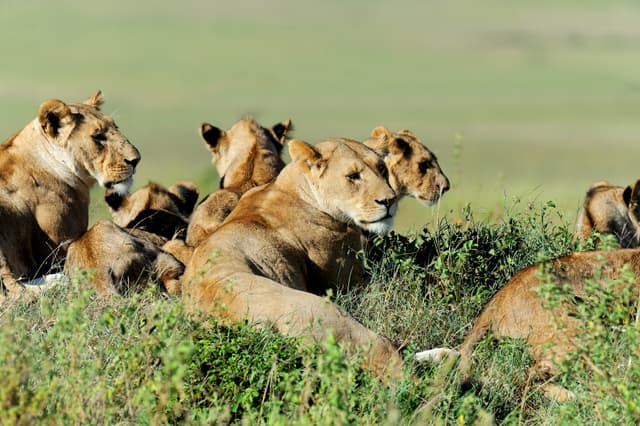
Safari and wildlife rules that actually matter
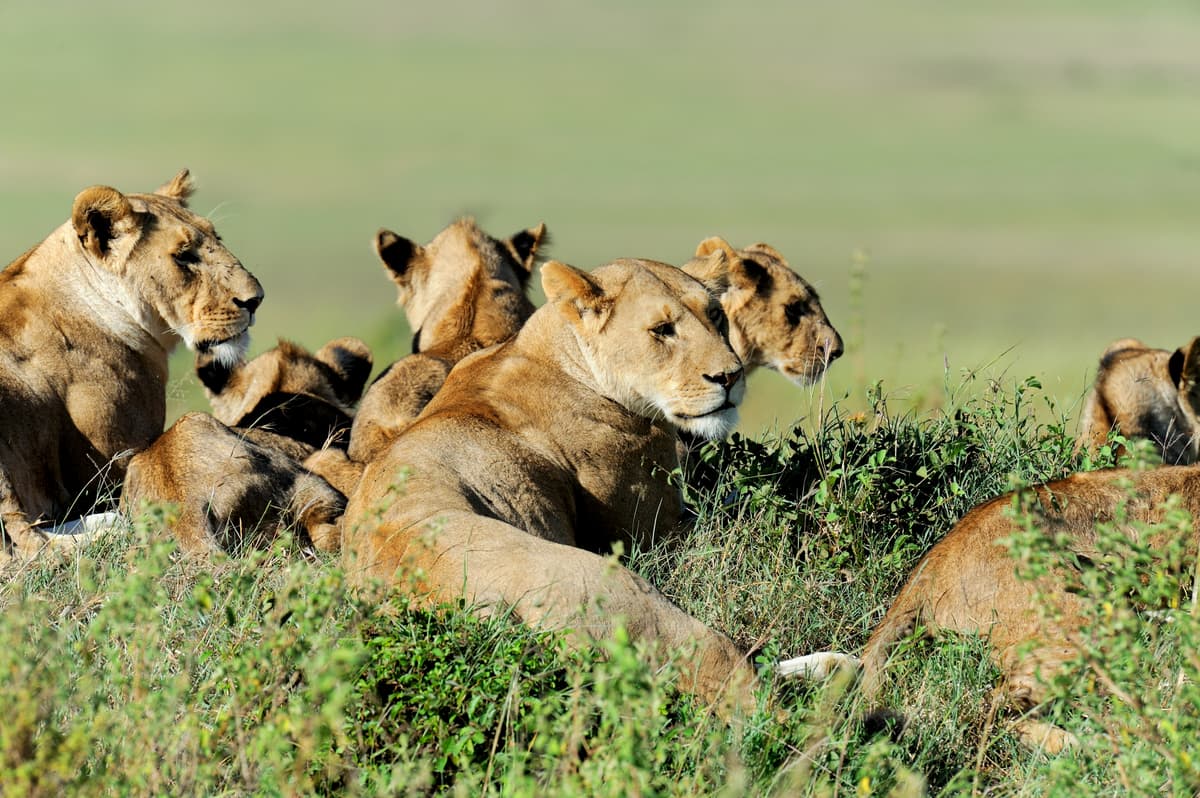
Safari is safe when you follow the rules and risky when you do not. Animals in Kenyan parks are used to vehicles, not to people. Kenya Wildlife Service rules are simple: stay in the vehicle except at marked picnic sites and viewpoints, keep to designated tracks, do not feed anything, respect speed limits, and be back in camp by the posted evening hour.
The animals that actually injure people are not the ones on the poster. Hippos and buffalo cause more human deaths in Africa than lions or leopards. Hippos graze on land at night and charge anything between them and the water, which is why camps escort you to your tent after dark. Buffalo, especially lone old bulls, attack when surprised.
Walking safaris are excellent and should only be done with an armed, licensed ranger. That is a requirement in Kenya's national parks, not a formality. Elephants and rhino react very differently to a person on foot, and a trained ranger reads the situation long before you do.
Nairobi, honestly
Nairobi is safe in the areas visitors use and needs care in others. Westlands, Kilimani, Karen, Gigiri and the main hotel districts are normal city environments by day. Petty crime rises after dark in the central business district, and phone snatching from car windows in stopped traffic happens citywide.
The United States advisory names Eastleigh and Kibera specifically and asks travelers to reconsider going there because of crime and kidnapping risk. That is a warning about two neighborhoods, not about the capital. Anyone asking "is Nairobi safe" should read it that way.
- Do not walk the central business district at night. Take a car.
- Keep your phone off your lap and out of sight in traffic.
- Carry one card and a little cash, and leave your passport in the hotel safe.
- If you want to see Kibera, go with an established community organization, never alone.
The coast and Mombasa
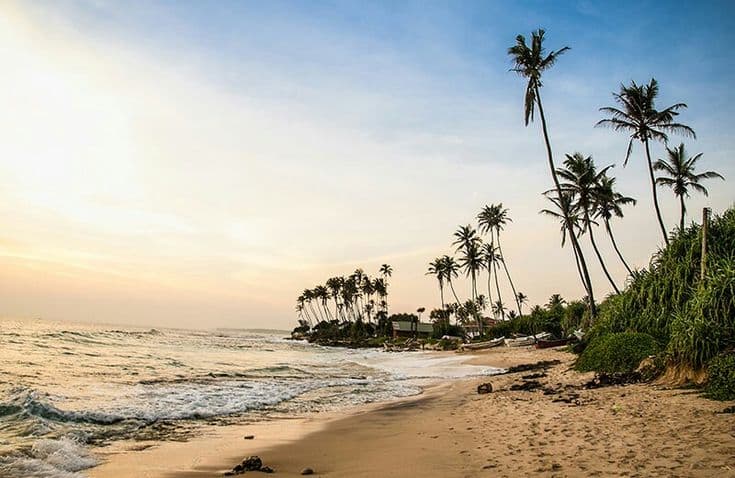
The Kenyan coast is largely safe, with one clear geographic line. Diani, Watamu, Kilifi town, Nyali and Mombasa itself are established tourist areas with heavy hotel security and no unusual warnings. The picture changes north of Malindi, where several governments raise their advice because of the Somalia border.
In Mombasa, treat Old Town and the ferry crowds like any crowded market: bag in front, phone away. Beach touts on Diani are persistent but not a safety problem. Do not walk empty beaches after dark, and do not swim after drinking, since currents and coral cuts send more visitors to a clinic than anything else here.
Areas with genuine government advice
A small part of Kenya carries real warnings, and it is worth being precise rather than labeling the whole country. The United States travel advisory for Kenya places the country overall at "exercise increased caution" and lists do not travel areas: Mandera, Wajir and Garissa counties on the Somalia border, Tana River county, Lamu county, Kilifi county north of Malindi, West Pokot, western Turkana south of Lodwar, and parts of Marsabit and Turkana near the Ethiopian border.
The UK Foreign, Commonwealth and Development Office draws a similar map, advising against all travel to Mandera, much of Wajir and Garissa and most of Lamu county, while excluding Lamu Island and Manda Island. Nothing on either list touches the Maasai Mara, Amboseli, Tsavo, Nakuru, Naivasha, Samburu, Nairobi or the south coast. Check your own government's page before you travel, since these lists get revised.
Petty crime and the specific scams
Theft in Kenya is opportunistic rather than violent for most visitors, and it follows predictable patterns. Bags get opened on crowded matatu minibuses and long distance coaches, phones go from open car windows, and luggage disappears at bus stages.
- The friendly stranger. Someone claims to recognize you from your hotel, then steers you toward a shop, a bar bill or a story about needing help.
- The fake safari operator. A street office or social media account takes a deposit for a trip that does not exist. Book only with a licensed operator you can verify.
- Card skimming. Use ATMs inside bank branches or hotel lobbies during business hours, cover the keypad, and check for a loose card slot.
- The wrong change. Count what comes back, especially at night markets and taxi handovers.
Kenya runs on M-Pesa mobile money, and nearly everything from a taxi to a curio stall accepts it. Mobile payment plus a card means you barely need cash, which removes what thieves are looking for.
Health, malaria and water
Malaria is present across most of Kenya below about 2,500 meters, including the game parks, the coast and the Lake Victoria basin. Central Nairobi is a rare exception where cases are unusual and preventive tablets are not routinely advised, though bite precautions still make sense. Standard options are atovaquone with proguanil, doxycycline, mefloquine or tafenoquine, and the right one for you is a conversation with a travel clinic.
A yellow fever certificate is required for travelers aged one year and older arriving from a country with yellow fever transmission risk, and may be asked for after long transits in such countries. Carry the card with your passport.
Tap water is not reliably drinkable. Stick to sealed or filtered water, which every lodge provides. Food on the tourist circuit is well handled, and hot, freshly cooked food is usually fine while lukewarm buffets and raw salads are the usual culprits. Our guide to what to eat in Kenya is a good primer, and the CDC travel health page for Kenya has current vaccine guidance.
Solo travelers, women and LGBTQ+ visitors
Kenya works well for solo travelers, and an organized safari is the easiest way to do it, since you are with a guide and a group all day. Travelers asking whether Kenya is safe for solo female travelers should know that harassment is mostly verbal attention in cities and beach towns, and it drops sharply on safari and inside resorts. Arrange transfers in advance, avoid walking alone at night, and use registered taxis or ride hailing apps.
On LGBTQ+ travel, the legal position needs stating plainly. Same sex relations remain criminalized under Kenya's penal code, and the High Court upheld those provisions in 2019. Tourists are very rarely the focus of enforcement and gay couples do travel in Kenya, but public affection between same sex partners can attract hostility, and hotel staff may assume separate beds. Many travelers book through operators experienced with LGBTQ+ guests.
Entry paperwork
Kenya replaced its visa system with an Electronic Travel Authorization on 5 January 2024, and almost every visitor now applies online before flying. The official portal is etakenya.go.ke, the only site you should use. Official processing is three working days and can take longer, so apply a week or two ahead. Approval is valid for travel within 90 days of issue, and length of stay is set on arrival.
Exemptions have widened. East African Community citizens are exempt, as are nationals of a long list of African and other countries, plus transit passengers and certain official passport holders. Check the eligibility page for your passport rather than assuming, or let a reputable operator confirm it when you book Kenya tour packages.
What to do if something goes wrong
Kenya's general emergency number is 999, and 112 works from mobile phones. A tourist police unit operates in the main tourist areas, and any theft claim for insurance needs a police abstract from the nearest station.
Private healthcare in Nairobi is good by regional standards. The Nairobi Hospital, Aga Khan University Hospital and MP Shah are the ones residents and travelers use, and they handle everything from a stomach bug to serious trauma. Outside the cities, facilities thin out fast.
That is why travel insurance for Kenya should include emergency air evacuation. Remote camps in the Mara, Samburu and the north are hours from a hospital by road but under an hour by air, and services such as AMREF Flying Doctors exist for that reason. Read the wording and confirm that game drives, light aircraft transfers and any water sports are covered.
| Risk | How likely | How to avoid it |
|---|---|---|
| Road crash | The highest real risk | No night driving between towns, seatbelts always, fly the long legs |
| Phone or bag snatching | Fairly common in city crowds | Phone out of sight in traffic, bag in front, nothing loose at night |
| Wildlife incident | Rare, almost always rule breaking | Stay in the vehicle, escort after dark, armed ranger for walks |
| Malaria | Real below 2,500 meters | Preventive tablets, repellent, long sleeves at dusk, treated nets |
| Card or ATM fraud | Occasional | Bank lobby ATMs, cover the keypad, use mobile money |
| Stomach upset | Common and minor | Sealed water, hot cooked food, skip raw salads off the circuit |
| Security incident in border counties | Confined to listed areas | Stay off the advisory list, check your government's page |
Frequently asked questions about safety in Kenya
Is Kenya safe for tourists right now?
Kenya is safe for tourists on the standard circuit. Governments place the country overall at an increased caution level while naming specific border counties as no go areas. The parks, Nairobi's main districts and the south coast are not on those lists.
Is Nairobi safe to walk around?
Nairobi is fine to walk in areas like Westlands, Kilimani and Karen during the day. Avoid the central business district after dark, keep your phone hidden in stopped traffic, and treat Eastleigh and Kibera as places to visit only with a trusted local guide.
Is Kenya safe for solo female travelers?
Yes, with normal precautions. Most reported issues are verbal attention in cities and beach towns rather than anything more serious. Booking a guided safari, arranging transfers in advance and avoiding solo night walks handles almost all of it.
Do I need malaria tablets for a Kenya safari?
Usually yes. Malaria risk covers most of Kenya below about 2,500 meters, including the game parks and the coast. Central Nairobi is a low risk exception. Ask a travel clinic which preventive drug suits you before you fly.
Is it safe to drive yourself in Kenya?
Self driving is possible but not recommended for a first visit. Road crashes are the biggest risk to travelers, signage is inconsistent and night highways are genuinely dangerous. A driver guide who knows the routes is safer and usually more useful.
What travel insurance do I need for Kenya?
Take a policy that covers medical treatment, emergency air evacuation and repatriation. Remote camps are far from hospitals by road, so air evacuation cover matters. Confirm that safari game drives, light aircraft transfers and any water sports are included.
'/%3E%3C/svg%3E)