

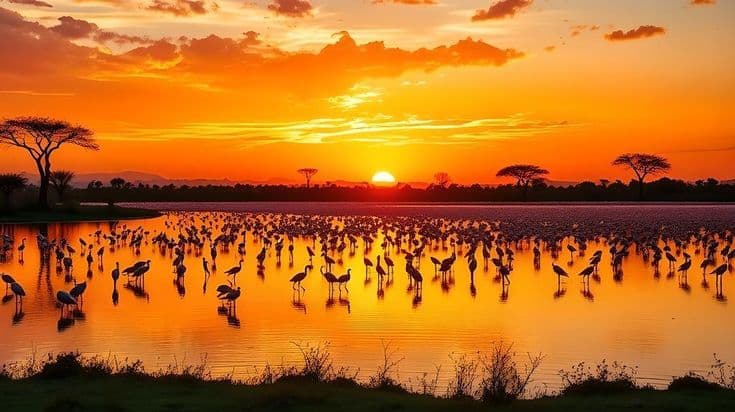
Ask ten travelers what the best things to do in Kenya are and you get ten different answers, because Kenya is several countries stacked into one: savannah plains with big cats, a volcanic Rift Valley you can hike and cycle, a coral coast with old Swahili towns, a glaciated mountain almost on the equator. Here is what is worth your time, who each experience suits, and the honest catch with each.
When to go, and when the migration actually happens
Kenya has two rainy seasons: the long rains from late March through May, the short rains around November. The dry stretches, late June to October and January to February, are the classic Kenya safari windows, with short grass and animals gathered around what water is left.
The wildebeest herds cross from the Serengeti into the Maasai Mara usually around July and August, and Mara River crossings are most likely from July through October, with the herds heading south again once the short rains start in November.
Those dates are averages, not a schedule. The migration follows rainfall and fresh grass, so herds arrive early, arrive late, or drift back and forth for weeks, and nobody can promise a crossing on a fixed day. Allow three or four nights in the Mara if it matters. January and February are hot, quiet, and strong for general game viewing, and the green season from March to May is best for birding.
The Maasai Mara, and why it earns the hype
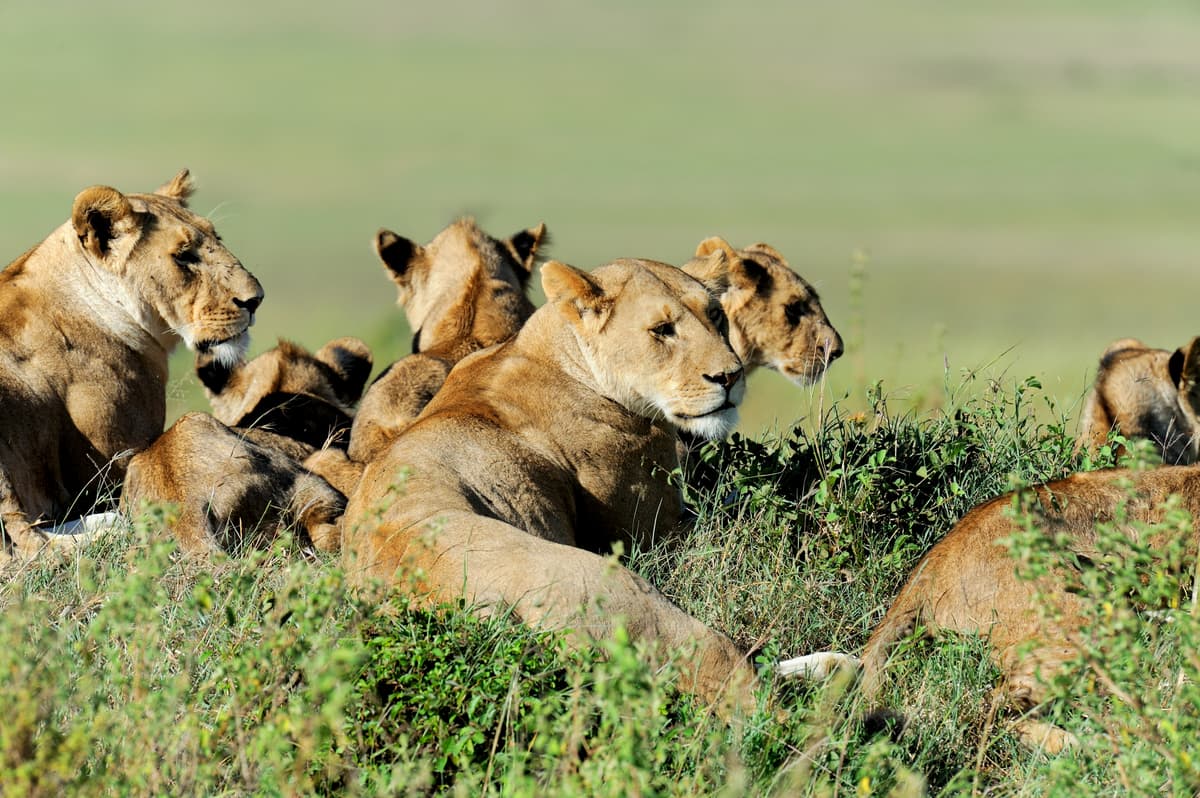
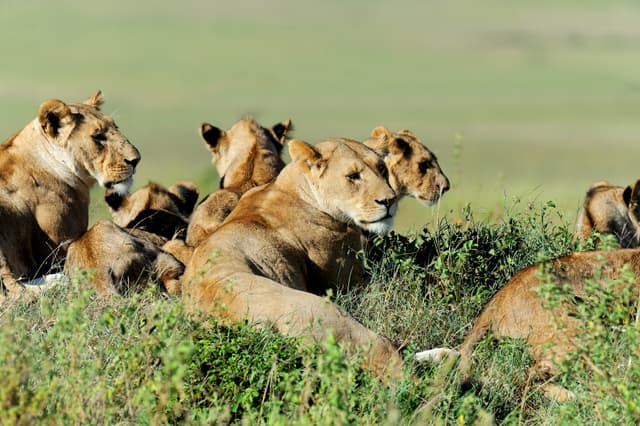
The Maasai Mara is a national reserve in southwest Kenya sharing an unfenced border with Tanzania's Serengeti. It holds one of the highest densities of lion, cheetah, and leopard in Africa, and elephant, buffalo, and big plains herds are routine rather than lucky, which puts it among the best safari destinations in Africa. Reach it by road from Nairobi, most of a day, or by a short scheduled flight. It suits first timers, photographers, and short trips.
The catch: in peak season one good sighting can draw a queue of vehicles. The private conservancies bordering the reserve cap vehicle numbers and allow night drives and walking, which the reserve does not. Our Nairobi, Maasai Mara and Lake Naivasha Tour pairs the Mara with the Rift Valley lakes.
Floating over the Mara in a hot air balloon
Balloon flights launch before dawn and drift low over the plains for about an hour, usually ending with a bush breakfast wherever you land. Seeing the herds from above is genuinely different from a game drive, and it is the classic splurge for honeymooners. The catch: pickup is often around 4:30am, baskets are shared, and flights get canceled for wind. Book it for your first morning in the Mara so there is room to try again.
Amboseli, for elephants under Kilimanjaro
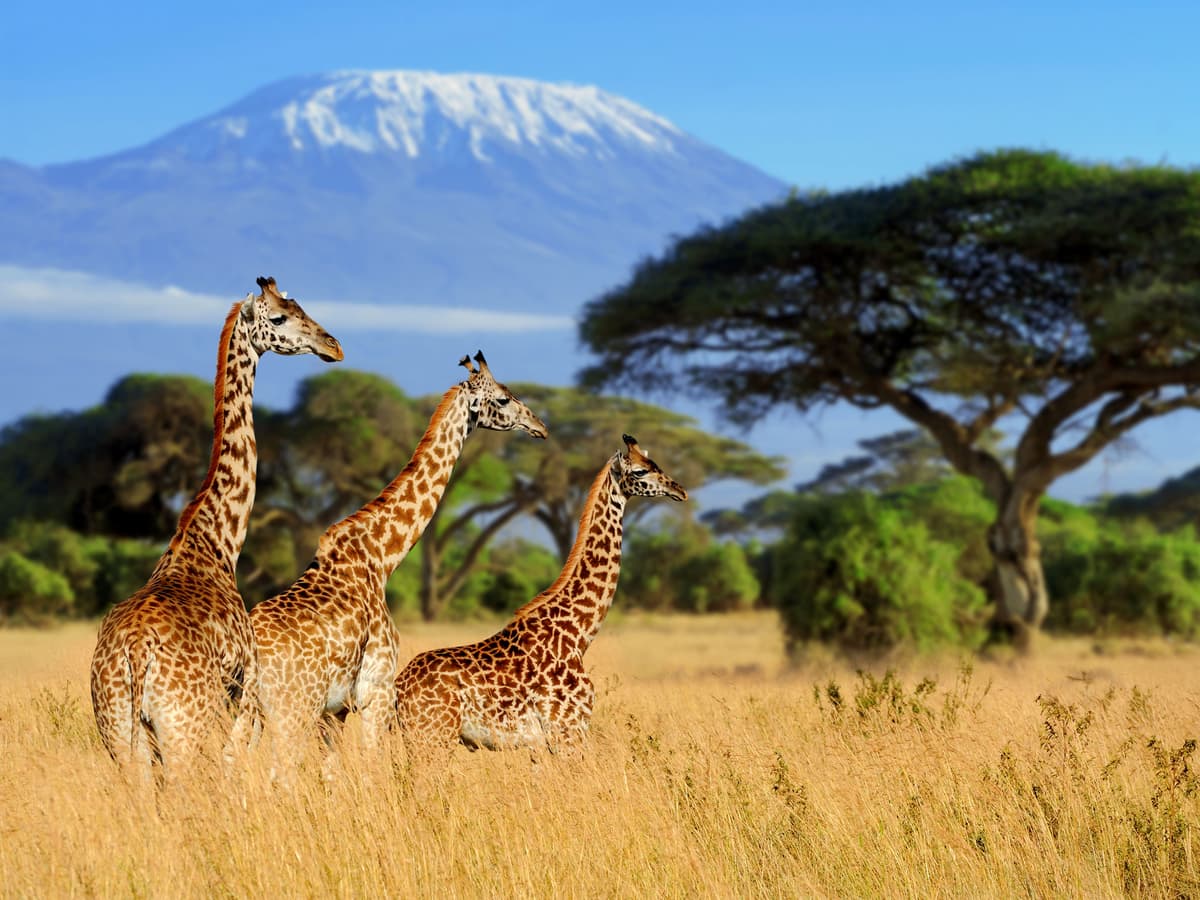
Amboseli National Park sits on the Tanzanian border and is known for two things: some of the largest, calmest elephant herds in Africa, and Mount Kilimanjaro rising behind them. The park is small and flat, with swamps fed by meltwater from the mountain, so wildlife concentrates predictably. Good for photographers and families, and close enough to Nairobi to add on in half a day. The catch: Kilimanjaro hides behind cloud most of the day, showing at sunrise and near sunset, so plan an early drive and a late one.
Lake Nakuru and Lake Naivasha
These two Rift Valley lakes are usually visited together. Lake Nakuru National Park is fenced and reliable for both black and white rhino, plus Rothschild's giraffe.
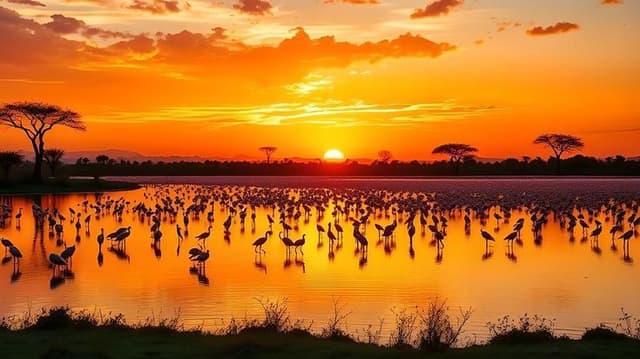
Be careful with the flamingo claims. Nakuru once held over a million lesser flamingos, but the lake has risen sharply since around 2010, diluting the alkaline water and killing the algae the birds feed on. Numbers are now a fraction of what older articles describe, and many birds moved to Bogoria and Elementaita. Come for rhino, treat flamingos as a bonus.
Lake Naivasha is freshwater, with hippo, fish eagles, and boat rides. From there you can walk on Crescent Island, a peninsula stocked with zebra, giraffe, and antelope but no big predators, which is why walking with a guide is allowed. Our Nairobi, Maasai Mara and Lake Nakuru safari covers this pairing.
Cycling Hell's Gate and hiking Mount Longonot
Hell's Gate National Park near Naivasha is one of very few Kenyan parks where you can cycle and walk without a vehicle, since there are no elephants and few predators. You ride between red cliffs past zebra, giraffe, and warthog, then walk into a gorge carved by hot springs. Flash floods can close the gorge, so ask the rangers first.
Mount Longonot, about an hour away, is a dormant Rift Valley volcano. The trail climbs roughly 3 kilometers from the gate to the crater rim, and the full rim loop adds about 7 kilometers, with the summit at 2,776 meters. Allow four to five hours. The catch: the loop is steep, loose, and shadeless, with no water on the route.
Nairobi National Park, giraffes, and orphaned elephants
Nairobi National Park is the only national park on the edge of a capital city, with rhino, lion, buffalo, and giraffe against a skyline of office towers. It is run by the Kenya Wildlife Service, the government agency responsible for Kenya's parks and wildlife conservation.
Nearby, the Giraffe Centre lets you hand feed endangered Rothschild's giraffes from a raised platform, and the Sheldrick Wildlife Trust runs a nursery for orphaned elephants. All three suit families, or a first day while you shake off jet lag. The catch: the nursery opens to visitors for a short window each day and usually needs booking ahead.
Samburu, for species you will not see in the Mara
Samburu National Reserve lies north of Mount Kenya in dry, rocky country along the Ewaso Nyiro river. It is home to the Samburu Special Five: Grevy's zebra, reticulated giraffe, Beisa oryx, gerenuk, and Somali ostrich, none common further south. Best for repeat visitors who want scenery that looks nothing like classic savannah. The catch: it is hot, dry, and far enough from Nairobi that most people fly in rather than lose two days driving.
Tsavo, Kenya's wide open wilderness
Tsavo East and Tsavo West together form one of Africa's largest protected areas, split by the Nairobi to Mombasa highway. Tsavo East is flat, red, and vast, with elephants that look rust colored from dust bathing. Tsavo West is greener, with lava flows and the pools of Mzima Springs, where you watch hippo through an underwater viewing tank. It suits travelers combining safari with the coast. The catch: the bush is thick and the park enormous, so sightings take patience.
Diani Beach, the coast, and Lamu
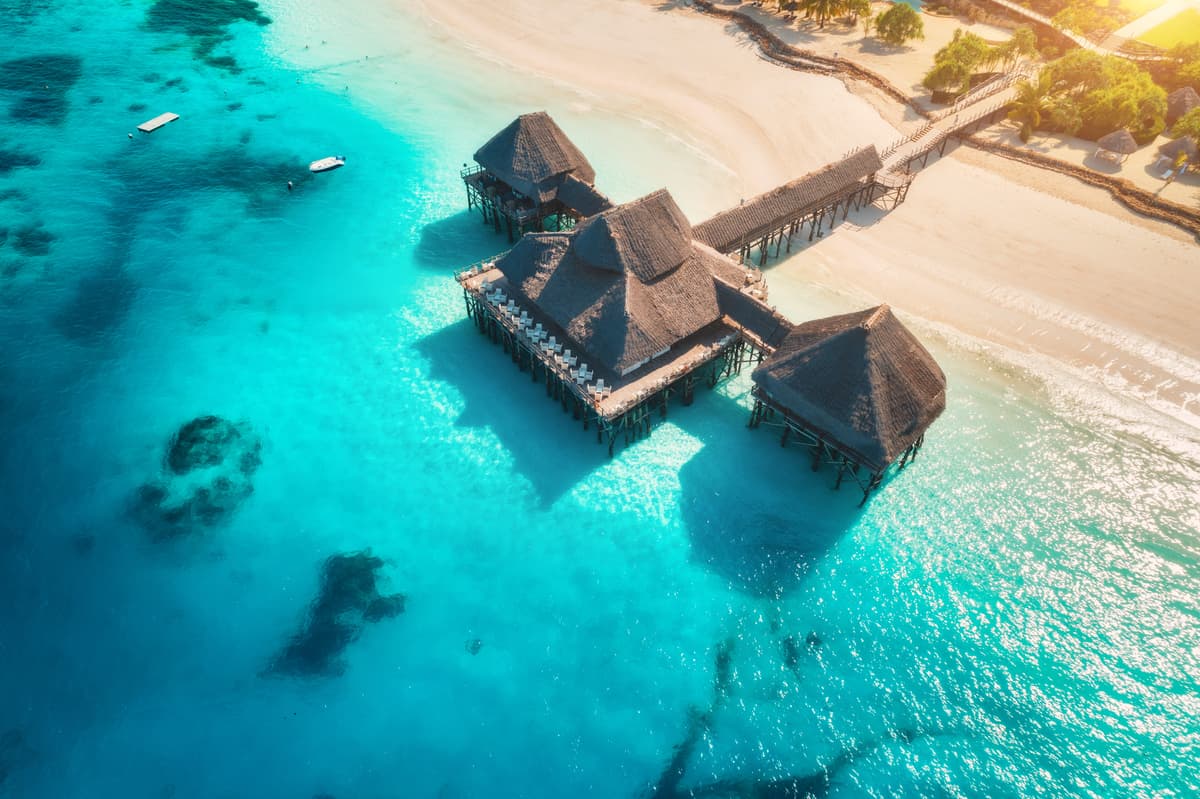
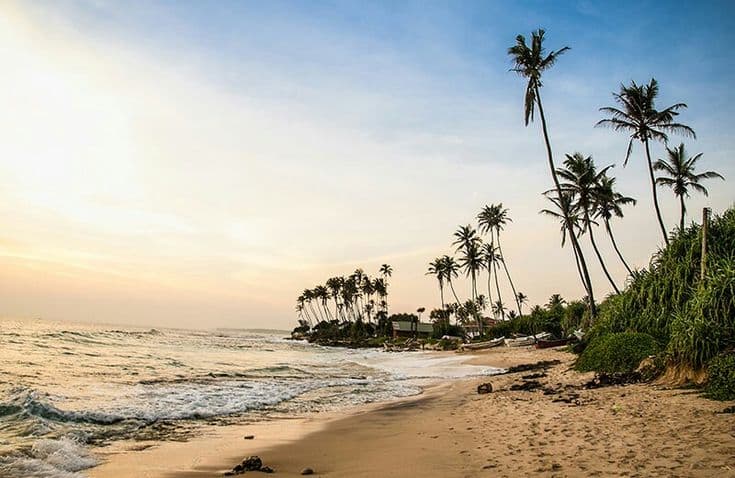
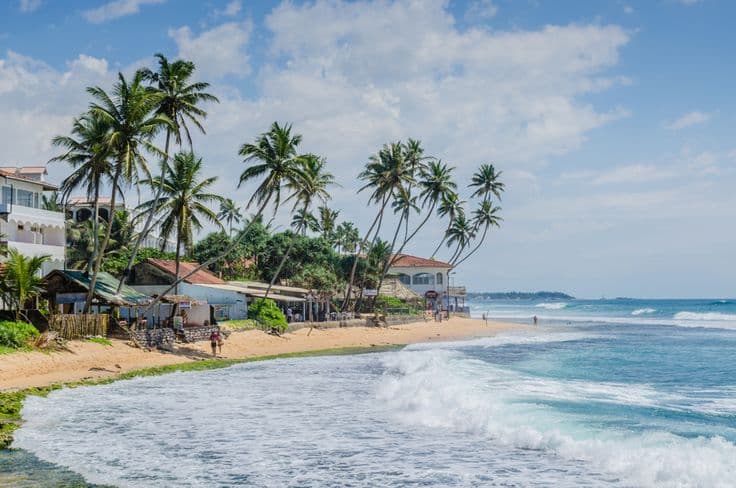
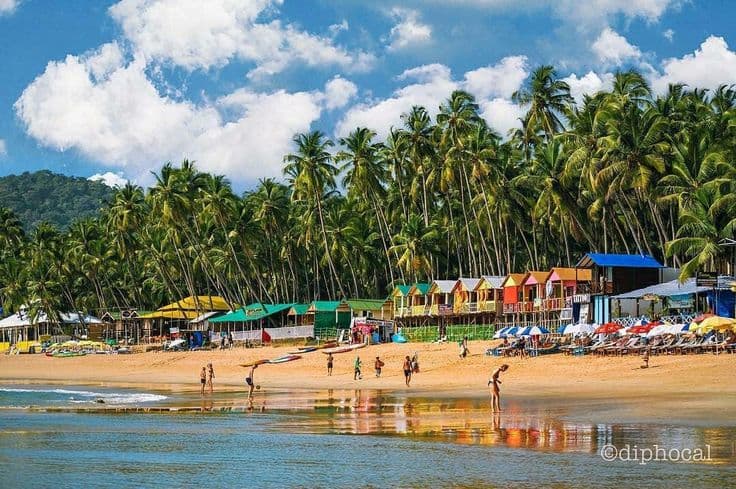
Kenya's Indian Ocean coast is a proper beach destination, not an afterthought. Diani Beach south of Mombasa has white sand, a reef offshore, and warm water, with kitesurfing, diving, and dhow trips. Watamu to the north is quieter and good for snorkeling. Lamu Old Town is different again: a Swahili island town and UNESCO World Heritage site of coral stone houses and carved doors, with almost no cars. Three or four beach nights after a safari pair naturally.
One thing to state plainly: several governments issue heightened travel advice for parts of Kenya near the Somalia border, sometimes covering the wider Lamu region, while the main circuit and southern coast sit at a normal level. Check your own government's advisory and fly rather than drive that leg.
Food and city life in Nairobi
Nyama choma, slow grilled goat or beef, is the national social meal. Ugali, a stiff maize staple, comes with almost everything, alongside sukuma wiki, greens cooked with onion and tomato. On the coast the cooking turns Swahili, with coconut, tamarind, biryani, and pilau. Nairobi has a serious coffee culture, live music, art spaces, and Maasai markets that rotate around the city by day. The catch: traffic is heavy, so allow far more time than a map suggests.
Climbing Mount Kenya
Mount Kenya is Africa's second highest mountain, sitting almost on the equator with glaciers near the top. The highest peaks, Batian at 5,199 meters and Nelion at 5,188 meters, are technical rock climbs. Point Lenana at 4,985 meters is the trekking summit, reachable by fit walkers with no climbing skills over four to five days on the Sirimon, Chogoria, or Naro Moru routes. The catch: altitude is the real difficulty, and rushing Point Lenana in three days is the most common reason people turn back sick.
Comparing the main experiences
| Experience | Where | Best for | When to go |
|---|---|---|---|
| Big cats and the migration | Maasai Mara | First timers, photographers | July to October |
| Hot air balloon at dawn | Maasai Mara | Honeymooners, occasions | Any dry month |
| Elephants with mountain views | Amboseli | Families, photographers | June to October |
| Rhino and Rift Valley lakes | Nakuru and Naivasha | Short trips, birders | Year round |
| Walking safari on foot | Crescent Island, Naivasha | Active travelers, families | Year round |
| Cycling and volcano hiking | Hell's Gate, Longonot | Active travelers, couples | Dry months, early morning |
| Rare northern species | Samburu | Repeat safari goers | June to October |
| Red elephants and big spaces | Tsavo East and West | Safari and beach combos | June to October |
| Beach, reef, Swahili towns | Diani, Watamu, Lamu | Honeymooners, slow travel | December to March |
| High altitude trekking | Mount Kenya | Hikers | January to February, August |
How to plan your Kenya trip
A workable Kenya itinerary for a first visit runs eight to ten days: a night in Nairobi, three or four in the Maasai Mara, two in Amboseli or the Rift Valley lakes, and three on the coast. With five days, pick one park and stay put rather than spending the trip in transit.
Entry is handled through an Electronic Travel Authorization, not a traditional visa. Kenya replaced visas with the eTA in January 2024, and the rules have moved since: East African Community citizens, most African nationals, a further list of countries, transit passengers, and children under 16 are exempt. The official Kenya eTA portal is the government site and the only reliable place to check your status, since the exemption list is updated periodically. Applications usually process in a few days, but apply a couple of weeks ahead.
Fly into Nairobi for safari or Mombasa for the coast, use light internal flights to save days, and pack neutral colors with a warm layer, because the Mara at dawn is genuinely cold. Ask a travel clinic about malaria and yellow fever rules, which our Kenya travel guide covers alongside money, transport, and packing. Peak season Mara camps sell out early, so book roughly six months ahead. Our Kenya tour packages show how the parks and the coast fit together.
Frequently asked questions about visiting Kenya
What is the best time to visit Kenya?
The dry seasons are best for wildlife: late June to October, and January to February. Migration river crossings in the Maasai Mara fall in the first window, usually July to October. March to May brings the long rains, green landscapes, and fewer visitors.
Do I need a visa for Kenya?
Kenya replaced visas with an Electronic Travel Authorization in January 2024, applied for online before departure. East African Community citizens, most African nationals, some other listed countries, transit passengers, and children under 16 are exempt. Check the official eTA portal, since the list changes.
Can I guarantee seeing a river crossing during the migration?
No. The migration follows rainfall and grazing rather than a calendar, so crossings cannot be scheduled. July to October gives the best odds, and staying three or four nights in the Maasai Mara improves your chances.
Are there still flamingos at Lake Nakuru?
Some, but far fewer than older guides suggest. Rising water levels since around 2010 diluted the lake's alkalinity and reduced the algae flamingos feed on, so most birds shifted to lakes such as Bogoria and Elementaita. Visit Nakuru for its rhino.
Is Kenya safe for tourists?
The main circuit of Nairobi, the Maasai Mara, Amboseli, the Rift Valley lakes, and the southern coast is generally treated as low concern by most governments, while areas near the Somalia border carry heightened advice. Check your government's current advisory before booking.
How many days do I need in Kenya?
Eight to ten days covers a comfortable first trip: Nairobi, the Maasai Mara, one more park, and a few nights on the coast. With five days or fewer, choose a single park rather than losing time to long transfers.
'/%3E%3C/svg%3E)