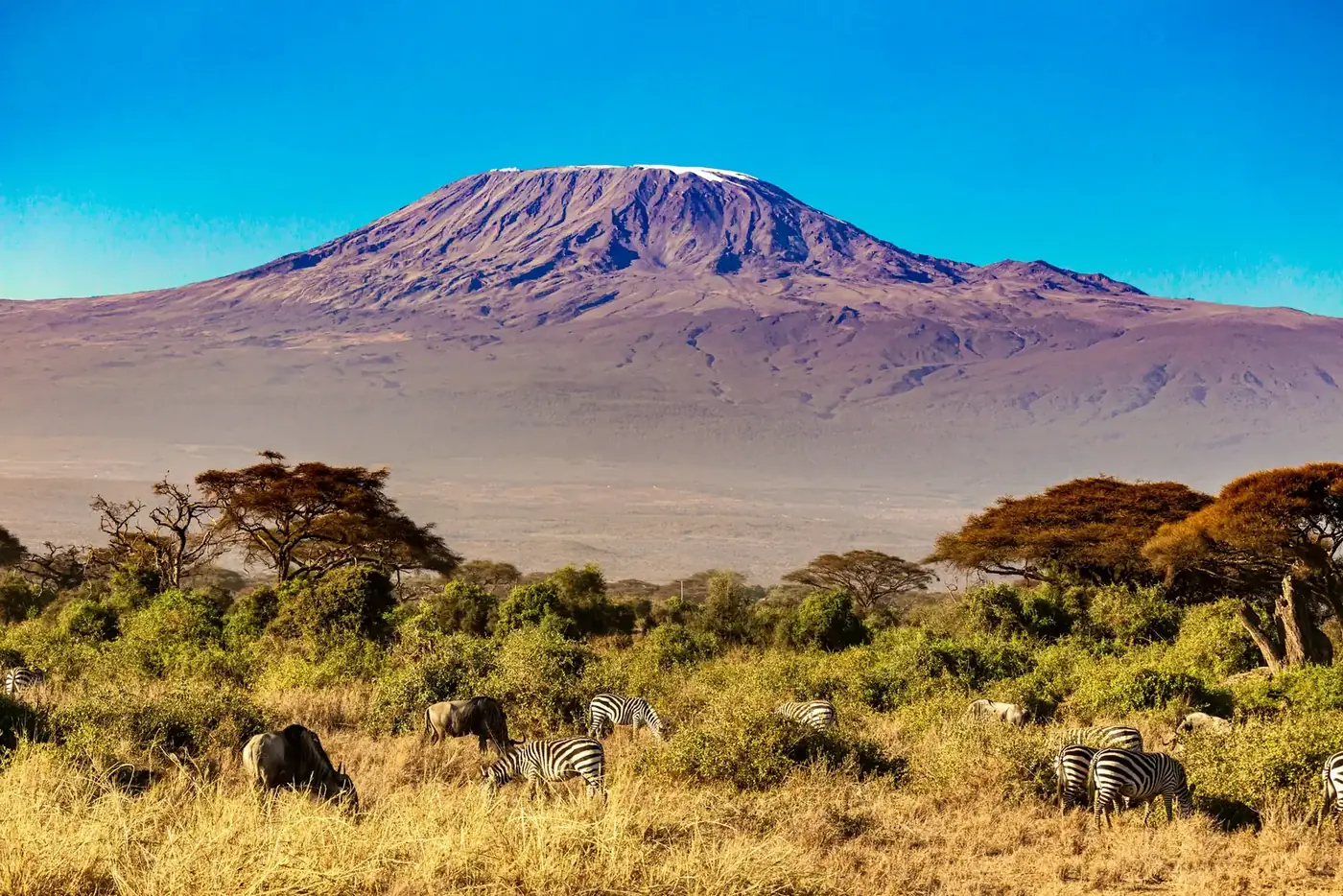













































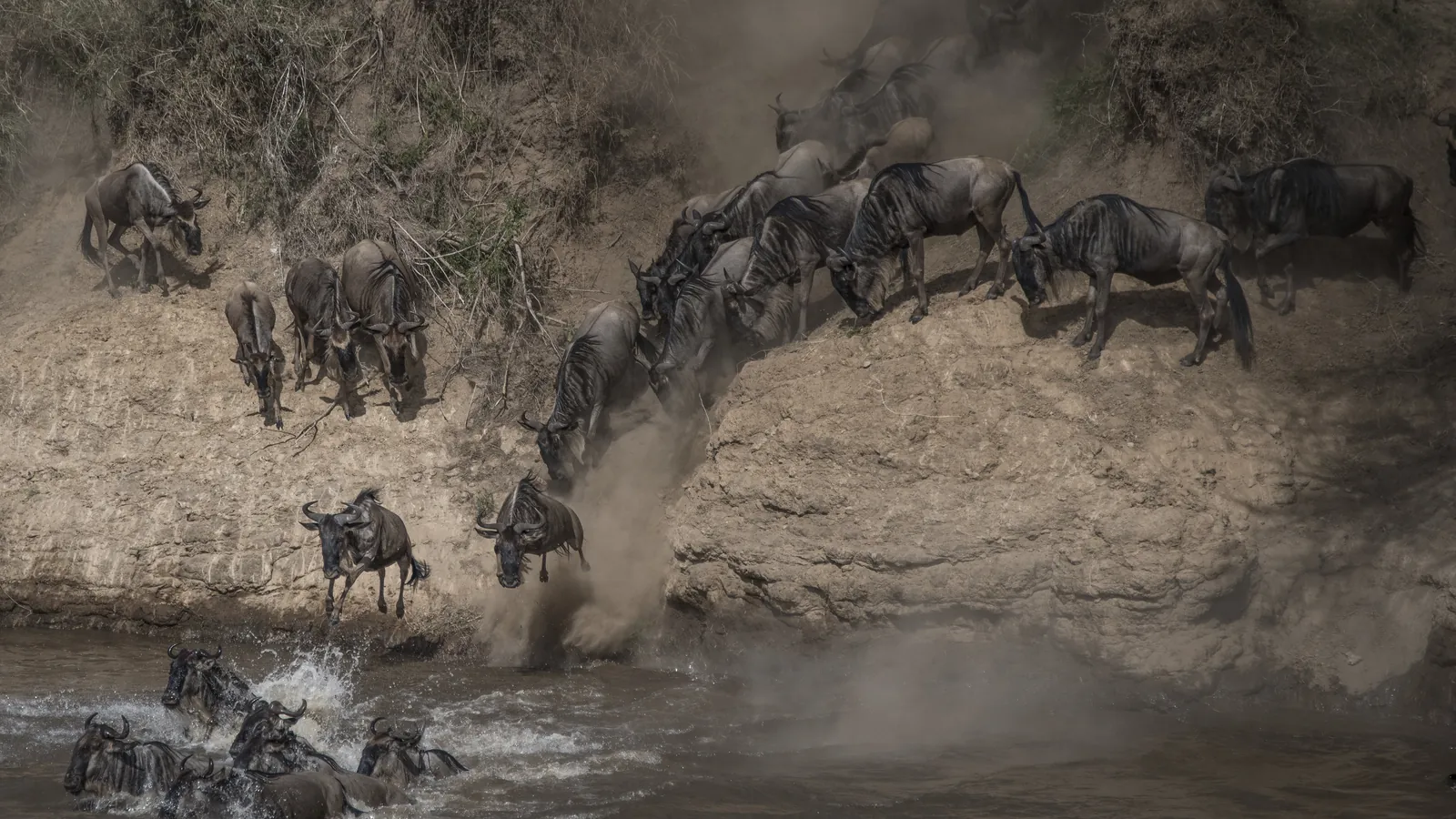
Short answer: the Great Migration is usually in Kenya's Masai Mara from about July to October, and the Mara River crossings are most likely from late July to September. The exact dates move every year because the herds follow the rain and the grass, not a calendar. In 2026, for example, safari operators' sighting logs were still recording Mara River crossings through September and into October, while describing the crossing season as gradually winding down by mid October. If you want newborn calves instead of river crossings, you need Tanzania's southern Serengeti in January and February, not Kenya.
This guide is the month by month calendar for the great migration in the Masai Mara and the Serengeti. It covers where the herds usually are in each month, how unpredictable the river crossings really are, how Nepali holiday windows such as summer leave, Dashain and Tihar line up with the herds, and whether the Mara or the Serengeti suits your trip. For the wider safari picture (camps, wildlife, getting around, the Maasai) read our complete Masai Mara safari guide, and for weather across the whole country see when to visit Kenya for beaches, birds and safaris.
When is the Great Migration in Kenya?
The Kenyan chapter of the Great Migration usually runs from July to October. In most years the first big herds cross from Tanzania's northern Serengeti into the Masai Mara National Reserve in July, the Mara is at its fullest in August and September, and the herds start leaving in October as rain begins to fall on the short grass plains far to the south. Some years start earlier, some finish later.
The migration itself never stops. It is a continuous, roughly circular movement of wildebeest, zebra and gazelle around the Serengeti and Mara ecosystem, which straddles the Kenya and Tanzania border. Tanzania National Parks (TANAPA) describes more than 1.5 million wildebeest, hundreds of thousands of zebras and about half a million gazelles taking part. NASA's Earth Observatory puts the loop at about 1,000 kilometres a year. Kenya only hosts the herds for the northern part of that loop, but it is the part with the most famous scenes: the crossings of the Mara River.
| Quick fact | Answer | Source |
|---|---|---|
| Usual months in Kenya (Masai Mara) | About July to October, in most years | TANAPA, NASA Earth Observatory, field reports |
| Most likely months for Mara River crossings | Late July to September; possible from late June in some years and into October | TANAPA (June to October migration window); operator sighting logs; Gomayu team guidance |
| Calving season (births) | January to February, southern Serengeti (Tanzania) | TANAPA |
| Animals taking part | More than 1.5 million wildebeest, hundreds of thousands of zebras, about half a million gazelles | TANAPA |
| Length of the yearly loop | About 1,000 km | NASA Earth Observatory |
| What drives the timing | Rainfall and fresh grass, which change every year | NASA Earth Observatory |
| Kenya time zone | UTC+3, which is 2 h 45 min behind Nepal | Standard time zones |
Checked: 27 Oct 2026, Tanzania National Parks (Serengeti page and park brochure) and NASA Earth Observatory.
One honest point before the calendar. Nobody, including the reserve, can tell you in January which week the herds will be at the river in August. Every month below is the usual pattern, based on long running observations, and the rain can shift it by weeks. Plan a window of several nights rather than a single "migration day".
Where are the herds month by month?
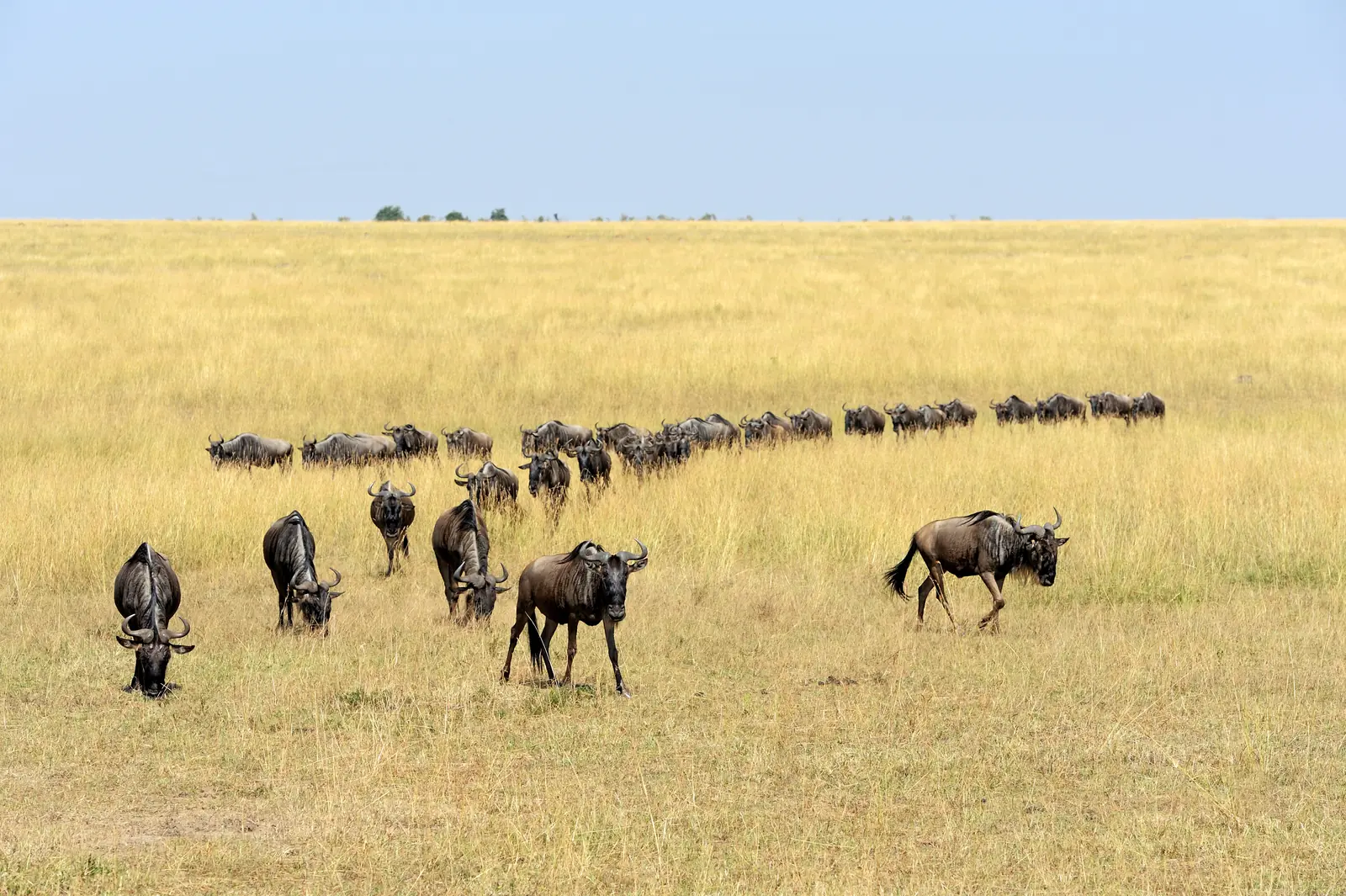
In short: the herds spend roughly December to March in Tanzania's southern Serengeti, move west and north from April to June, reach the northern Serengeti and Kenya's Masai Mara from about July, stay through September, and head back south from October and November. The table below is the calendar we use when helping travellers choose a month.
| Month | Where the herds usually are | Country | Mara crowd level | Rain in the Mara |
|---|---|---|---|---|
| January | Southern Serengeti short grass plains around Ndutu; calving begins | Tanzania | Low | Short dry spell, some showers |
| February | Southern Serengeti and Ndutu; peak calving | Tanzania | Low | Short dry spell, some showers |
| March | Southern plains, starting to break up as grass is grazed down | Tanzania | Low | Rains building |
| April | Moving north and west through central Serengeti | Tanzania | Very low | Long rains, wettest period |
| May | Western corridor towards Lake Victoria; long columns on the move | Tanzania | Very low | Long rains, easing late in the month |
| June | Western corridor and Grumeti River; front herds heading for the north | Tanzania (early arrivals in Kenya some years) | Low to moderate | Drying out |
| July | Northern Serengeti and the Masai Mara; crossings begin | Kenya and Tanzania | High | Dry season |
| August | Masai Mara and northern Serengeti; crossings in both directions | Kenya and Tanzania | Very high | Dry season |
| September | Masai Mara and northern Serengeti; crossings continue | Kenya and Tanzania | Very high | Dry season |
| October | Herds thinning in the Mara and drifting south; late crossings | Kenya and Tanzania | Moderate to high | Dry, short rains may start |
| November | Moving south through eastern Serengeti towards the southern plains | Tanzania | Low | Short rains |
| December | Arriving back on the southern plains | Tanzania | Low to moderate (holiday travel) | Short rains easing |
Checked: 27 Oct 2026. Herd positions from NASA Earth Observatory ("Circling the Serengeti") and the TANAPA Serengeti page; Mara rain pattern from the Kenya Meteorological Department's seasonal outlooks; crowd levels are the Gomayu team's typical guidance, not an official measure.
January to March: calving in the southern Serengeti
From December to March most wildebeest gather around Ndutu, at the southern tip of the Serengeti plains, where the short grass is rich in nutrients. TANAPA places the calving season in January and February. NASA's Earth Observatory says wildebeest mothers give birth to thousands of calves each February, at around 8,000 calves a day over a window of four to six weeks. Predators follow the newborns, so this is one of the best times of year for lion and cheetah action. None of this happens in Kenya. The Masai Mara is quiet, green and excellent for resident wildlife.
April to June: the long march north
As the southern plains dry and the grass is eaten down, the herds set off on their loop. They move through central Serengeti and into the western corridor towards Lake Victoria, often in long columns that stretch for kilometres. These months overlap with Kenya's long rains, roughly April and May, which is the low season in the Mara. By June the leading herds are at the Grumeti River in the western Serengeti, where the first river crossings of the year can happen, and some years the front groups are already pushing towards the Kenyan border.
July to September: the Mara months
This is the peak. The herds reach the northern Serengeti and spill across into the Masai Mara, where the grass grown during the long rains is now tall and dry. Herds cross the Mara River repeatedly, and also smaller rivers such as the Talek and the Sand. Days are mostly dry, the grass gets shorter as it is grazed, and predators are everywhere. It is also the busiest time in the reserve, with many vehicles at the main crossing points.
October to December: the return south
When rain starts to fall on the southern Serengeti, the herds turn back. NASA's Earth Observatory notes that by November the rainy season begins again in the southern Serengeti and the wildebeest return to Ndutu. In the Mara, October can still be very good, with late crossings and fewer vehicles, but the numbers drop through the month. By November most of the migration has left Kenya.
2026 season snapshot (Checked: 27 Oct 2026; one safari operator's public sighting log, The Standard, Kenya Meteorological Department). These are observations, not an official record. A 2026 report in The Standard, a Kenyan newspaper, described the first herds entering the reserve across the Sand River from the Serengeti. One operator's sighting log recorded Mara River crossings in both directions in late September, described the crossing season as "gradually winding down" by mid October, and still logged a crossing on 21 October. The Kenya Meteorological Department's October to December 2026 outlook expects above average rainfall for Narok County, where the reserve sits, and describes El Niño as currently strong. Fresh rain in the south usually pulls herds towards the Serengeti, so read this as a sign of the season ending, not a forecast for 2027.
Planning the wider trip? Our Kenya travel guide covers seasons, health, money and getting around in one place.
When do the Mara River crossings happen?
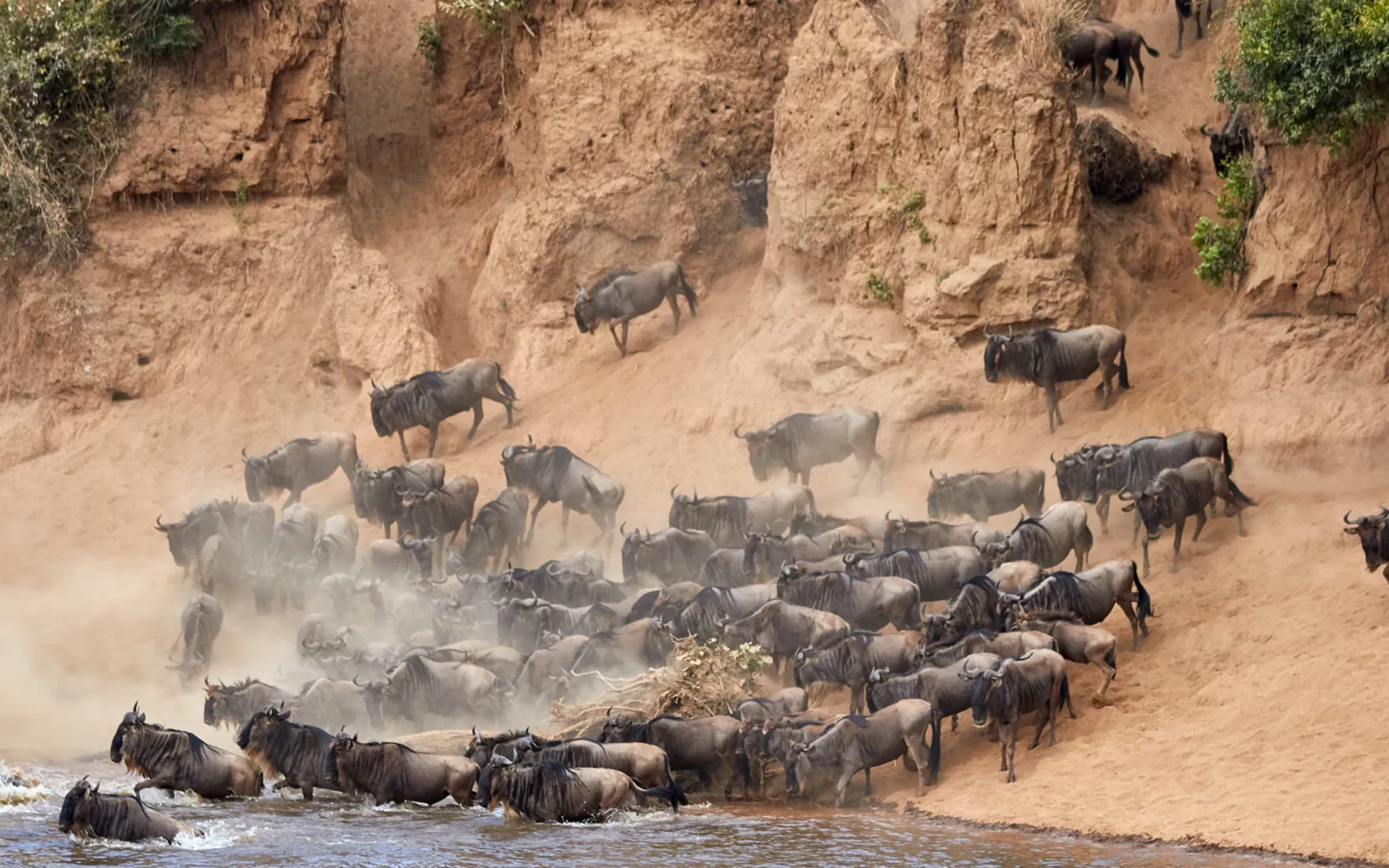
Mara River crossings are most likely from late July to September, with the best odds usually in August and September. They can start in late June or July and carry on into October, and they can happen in either direction, because the herds move back and forth across the river as grazing and rain shift. A crossing is not a single event: it happens many times over the season, at different points along the river, each lasting anywhere from a few minutes to much longer.
What no one can promise is a crossing on a particular day. Herds often gather on the bank, hesitate, wander off and come back. Your guide may wait with you for hours and see nothing, then catch a huge crossing the next morning. The best defence is time: two or three full days in the crossing area gives you far better odds than a single afternoon.
Why crossing timing varies from year to year
| Factor | How it shifts the crossings |
|---|---|
| Timing of the long rains | Late or heavy long rains keep grass green further south, so herds can arrive in the Mara later. An early dry season can push them north sooner. NASA notes that in 2019 the herds crossed the Mara early because the dry season arrived early. |
| Short rains in October and November | Early rain on the southern plains can pull herds out of the Mara sooner, shortening the season. |
| River level | High water makes crossings more dangerous. NASA reports that in 2007 about 15,000 wildebeest drowned crossing the Mara River after heavy rain raised the water. |
| Local grazing | Herds split and move between the Mara and the northern Serengeti depending on where fresh grass is, so crossings happen in both directions. |
| Disturbance at the bank | Vehicles or people blocking a herd's path can make animals turn back or cross at a worse spot. The Mara Triangle warns that wildebeest have died in the hundreds when pushed into poor crossing points. |
| Climate trends | NASA cites research suggesting that climate driven changes in flooding and drought may alter the migration further over time. |
Checked: 27 Oct 2026, NASA Earth Observatory and Mara Triangle (Mara Conservancy) wildlife viewing guidance.
Where the crossings happen
The main crossing points are on the Mara River inside the Masai Mara National Reserve, between the main reserve on the east bank and the Mara Triangle on the west bank, and further south in Tanzania's northern Serengeti, around the Kogatende and Lamai areas. Crossing points are known by numbers among guides, and which one is active changes week to week. Guides share sightings by radio, so a good driver matters more than which lodge is closest to one particular point.
Rules at the river (and why they matter)
Crossing etiquette is strict, and enforcement has tightened. The Mara Triangle, the western section of the reserve managed by the not for profit Mara Conservancy, says visitors at a crossing must remain inside the vehicle, stay silent and keep their distance from the crossing point. Its park rules limit viewing to 10 minutes when more than five vehicles are waiting at a sighting, with waiting vehicles kept 100 metres back. On the Narok County side, the reserve deploys police reservists at the main crossing points to stop vans crowding the riverbanks, and drivers who go off road or harass wildlife face fines and possible bans from the reserve, according to reports in The Standard in 2024 and 2026. In August 2025 the reserve's chief warden publicly addressed an incident where visitors stood near a crossing at a flooded bridge; the reserve said rangers ordered everyone back into their vehicles.
For travellers this means two things. Expect to watch from a distance, often with a long lens, rather than right at the water. And choose an operator whose guides follow the rules, because a guide who blocks a herd can ruin the crossing for everyone. Checked: 27 Oct 2026, maratriangle.org park rules and FAQ; The Standard; Citizen Digital.
Is Dashain or Tihar a good time for the migration?
Dashain is usually a good, if late, window for the Mara migration; Tihar is a gamble. In 2027 Dashain is expected in early October (provisionally Ghatasthapana on 30 September and Vijaya Dashami on 10 October, per published almanac calendars; the official holiday list is not out yet), when in most years the herds are still in the Mara and northern Serengeti and late crossings are possible, though numbers are thinning. Tihar 2027 is expected at the end of October (provisionally Laxmi Puja on 29 October, Bhai Tika on 31 October), when many herds are already heading south. You will still see superb resident wildlife at Tihar, but do not travel then only for river crossings.
Most Nepali families and working professionals can only travel during fixed breaks. Here is how those windows line up with the herds.
| Nepali travel window | Typical timing | What the migration is doing | Our honest verdict |
|---|---|---|---|
| Nepali New Year (Baisakh) | Mid April | Herds in central Serengeti, moving north; Kenya in the long rains | Not a migration window; quiet, green Mara |
| School summer break | Varies by school, often June to July | Herds in the western corridor and Grumeti, reaching the Mara from about July | Good from mid July; June is early and less certain in Kenya |
| Diaspora summer holidays (Gulf, UK, US, Europe) | July to August | Herds in the Mara and northern Serengeti; crossings likely | Peak window; book early |
| Dashain 2027 (provisional dates) | About 30 Sep to 14 Oct (Vijaya Dashami 10 Oct) | Herds usually still in the Mara or nearby; late crossings possible | Good; plan extra nights and stay flexible |
| Tihar 2027 (provisional dates) | About 27 to 31 Oct (Laxmi Puja 29 Oct, Bhai Tika 31 Oct) | Herds usually leaving; short rains may begin | Possible but risky for crossings; strong for resident wildlife |
| Winter break, Christmas and New Year | Late December to January | Herds back in southern Serengeti; calving starts in January | Choose Tanzania for the migration; Kenya for big cats |
| Late winter leave | February to March | Peak calving in the southern Serengeti | Excellent for Tanzania's calving season |
Checked: 27 Oct 2026. All 2027 festival dates here are provisional. Dashain dates from Drik Panchang's Dashain calendar (calculated for New Delhi) and VedicMarga's October 2027 calendar; Tihar dates from VedicMarga. Nepal's official public holiday list for 2084 BS (2027/28) had not been published at the time of writing, and Nepali almanac dates can differ from Indian calculations by a day, so confirm with the Government of Nepal holiday notice before booking non refundable travel.
Tips for a Dashain safari
- Go early in the festival. If your leave allows, start the safari around Ghatasthapana or Fulpati rather than after Vijaya Dashami. Every week later in October lowers the odds of crossings.
- Add nights, not parks. Three or four nights near the river beats racing through several parks for a short visit to each.
- Think about elders at home. Many Nepali travellers want to be home for tika from elders. If that matters, plan the safari for the first part of the holiday and fly back before Vijaya Dashami, or travel after tika and accept a later, quieter Mara.
- Remember the time difference. Kenya is 2 hours 45 minutes behind Nepal, which makes video calls home for tika easy in the Kenyan morning.
- Book early. Dashain is peak outbound season from Kathmandu, and Gulf connections fill up fast. Our post on planning a Dashain and Tihar holiday abroad has more on timing your leave.
Summer leave and diaspora visits
For Nepali families living in the Gulf, the UK, Europe or North America, July and August school holidays sit right on top of the Mara season. That makes the migration one of the easiest long haul trips to match with children's holidays, but it also means you are travelling in the busiest weeks. Families who can travel in the second half of September often find a better balance of herds and space.
Winter break: go to Tanzania instead
If your only window is late December or January, the herds are in Tanzania's southern Serengeti, not Kenya. That is not a bad thing: January and February bring the calving season, with huge herds on open plains and intense predator activity. Our Tanzania travel guide and the list of things to do in Tanzania explain the Serengeti, Ngorongoro and the rest of the northern circuit.
Great Migration in the Masai Mara or Serengeti: which should you choose?
Choose the Masai Mara if your dates fall between July and October and you want the river crossings in a compact area that is quick to reach from Nairobi. Choose the Serengeti if you are travelling between December and June, want calving season, or want a much larger landscape with more space between vehicles. They are two halves of the same ecosystem, and the herds do not recognise the border.
| Point | Masai Mara (Kenya) | Serengeti (Tanzania) |
|---|---|---|
| Size | About 1,510 to 1,672 sq km, depending on the source | About 14,763 sq km (UNESCO; TANAPA says over 15,000) |
| Managed by | Narok County (main reserve); Mara Conservancy (Mara Triangle); community conservancies around it | Tanzania National Parks (TANAPA) |
| Migration months | About July to October | All year in different areas; calving January to February, Grumeti around June, north July to October |
| River crossings | Mara River, Talek, Sand; main reserve and Mara Triangle | Grumeti (around June); Mara River in the north (Kogatende, Lamai) |
| Calving season | No | Yes, southern plains around Ndutu |
| Access | Light aircraft from Nairobi's Wilson Airport, about 1 hour; road from Nairobi about 5 to 6 hours | Scheduled and charter flights from Arusha to airstrips such as Seronera, Kogatende and Lamai |
| Crowding in peak season | High at main crossing points in the reserve; much lower in conservancies | Varies; the north can be busy at crossings, but the park is far larger |
| Good for short trips | Yes; easy to add Nairobi, Lake Nakuru or Amboseli | Better with more days; usually combined with Ngorongoro |
| Entry for Nepali passport holders | Kenya eTA, see Kenya visa guidance | Separate Tanzanian entry rules; check the official Tanzania immigration site |
Checked: 27 Oct 2026, TANAPA Serengeti park brochure (area, airstrips, access from Arusha), UNESCO World Heritage listing for Serengeti National Park, and masaimara.travel airstrip guide for Wilson to Mara flight times. Published figures for the Mara's area range from about 1,510 sq km (the boundary set in 1984, as summarised on Wikipedia) to 1,672 sq km (UNESCO's figure).
A few points that help Nepali travellers decide:
- Time on the ground. With a 7 to 9 day leave, the Mara is usually the efficient choice. Fewer internal flights, and the reserve is small enough that your guide can reach any active crossing point within a game drive.
- Combining both. Some travellers do the northern Serengeti and the Mara in one trip. It is possible, but most combined trips route via Nairobi and Arusha with a flight or long transfer in between, so check current border and transfer options with your operator. It adds cost and travel days, so it suits longer trips.
- Elderly parents. The Mara's shorter flights and quicker game drives are gentler for senior travellers. The road from Nairobi is long and bumpy in places, so flying in is kinder for older knees and backs.
- Vegetarian food. Both countries' safari camps are used to vegetarian requests, and Nairobi's long established South Asian community means Indian style vegetarian food is easy to find in the city. Mention Jain, no onion, no garlic or other needs when booking.
For a wider comparison that also covers Botswana, South Africa and Namibia, read our guide to the best safari destinations in Africa.
Which conservancies give a quieter migration experience?
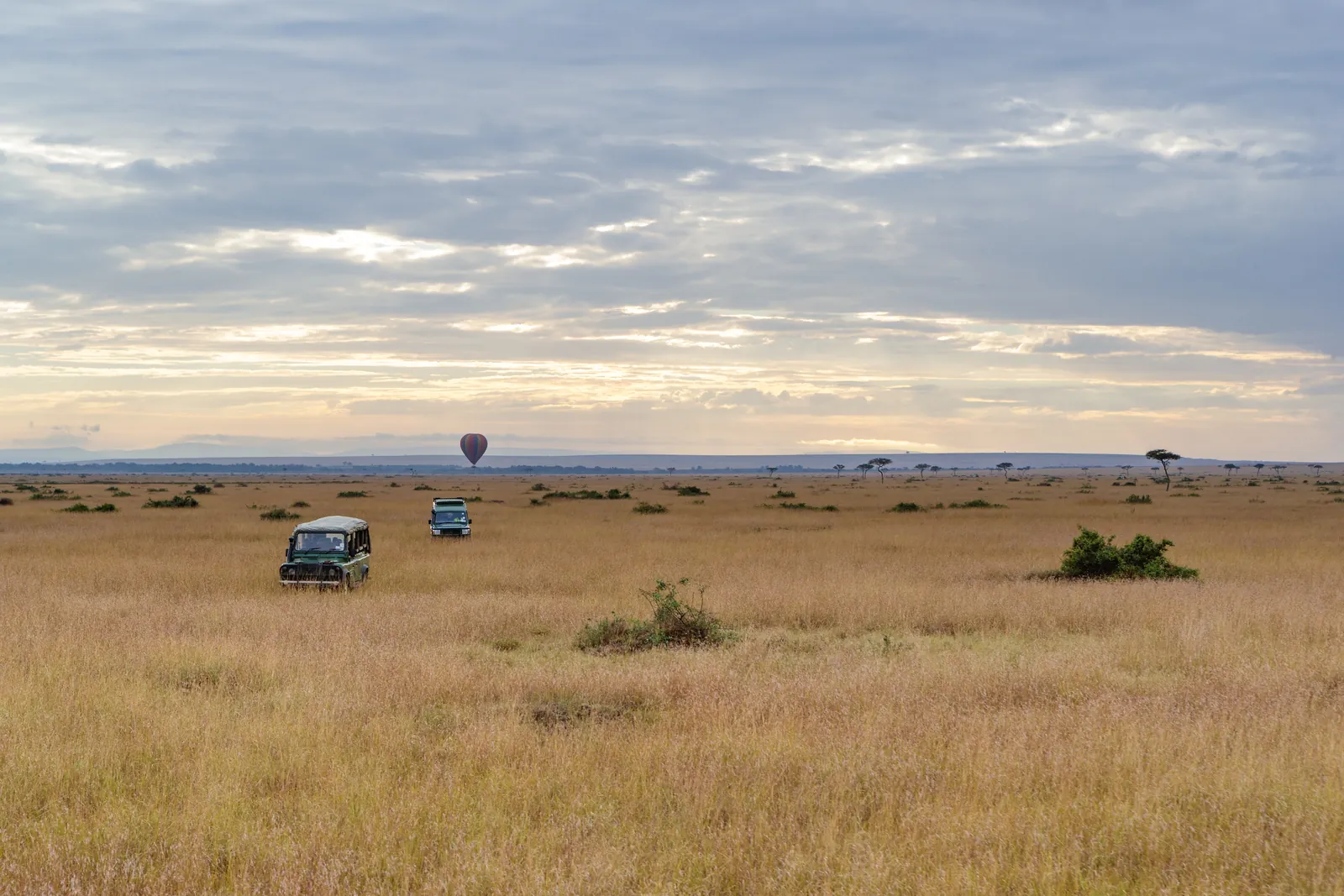
The private, community owned conservancies along the reserve's northern and eastern edges, such as Mara North, Olare Motorogi and Mara Naboisho, give the quietest migration experience. They limit the number of camps and vehicles, allow activities that the main reserve does not, and pay lease fees to Maasai landowners. The trade off is that the main Mara River crossing points are inside the reserve, so conservancy guests drive into the reserve for crossing days.
| Conservancy | Approximate size | Landowners | Location | Why people choose it |
|---|---|---|---|---|
| Mara North Conservancy | About 28,500 to 29,200 hectares | About 770 to 780 Maasai landowners | North west, bordering the reserve | Established January 2009; the largest of the three |
| Olare Motorogi Conservancy | About 13,500 to 15,200 hectares | About 290 to 300 landowners | Bordering the reserve, acting as a buffer zone | The smallest of the three, with few camps |
| Mara Naboisho Conservancy | About 22,500 hectares | About 500 to 700 landowners (figures vary by source) | Northeast of the reserve | Limits visitor numbers to reduce vehicle crowding |
Checked: 27 Oct 2026, Maasai Mara Wildlife Conservancies Association (maraconservancies.org) conservancy profiles and naboisho.com. The association's own pages give slightly different figures in different places, so treat sizes and landowner counts as approximate.
What conservancies allow that the main reserve does not
- Off road driving to approach a sighting, under guide rules. In the main reserve, off road driving is prohibited and fined.
- Night drives, which are not allowed in the reserve, where game drives run in daylight.
- Walking safaris with a trained guide.
- Fewer vehicles at sightings, because camps and beds are capped by agreements with landowners.
Self drive is not permitted in the conservancies, and access is generally arranged through the camps inside them, so they are not built for day visits in the way the reserve is. A transfer from a conservancy to the reserve's crossing areas typically takes about 30 minutes to an hour by road, depending on the camp, according to Africa Geographic's reserve and conservancy guide. A popular plan is two nights in a conservancy for quiet game viewing and walks, and a full day or two inside the reserve for the river. Our guide to reserve and conservancy stays in the Mara explains the choice in more depth.
Is a hot air balloon flight worth it in migration season?
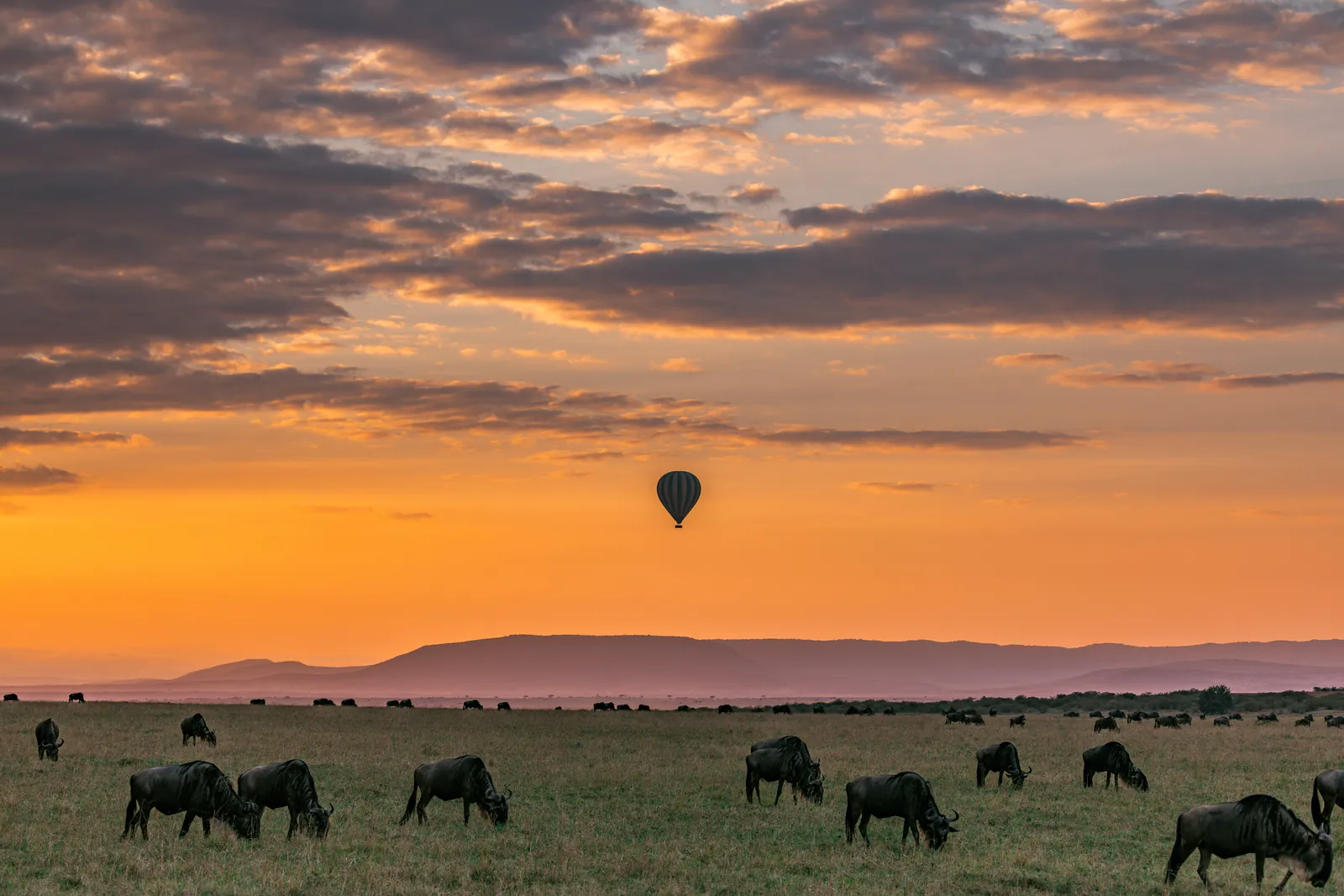
For many travellers, yes. A balloon flight over the Mara at sunrise shows the scale of the herds in a way a vehicle cannot, especially in August and September when the plains are full. Flights launch around dawn and usually last about an hour, depending on the wind, and are followed by a breakfast in the bush and a game drive back to camp. Flights are weather dependent and can be cancelled on the morning.
Things to know before you book:
- Operators set their own rules. One Mara operator's page, for example, does not allow children under 8 or expectant mothers and sets a minimum height of 1.2 metres. Ask before you book if travelling with children or elderly parents.
- Wake up is very early. At one Mara camp, guests are woken at 4:30 in the morning and driven about 45 minutes to the launch site.
- Balloon operators in the reserve need yearly approvals from Narok County, the Kenya Civil Aviation Authority and the National Environment Management Authority, according to a 2026 report in The Standard.
- A balloon flight is a view from above, not a substitute for river time. Do it on a day you are not planning to wait at the crossings.
Checked: 27 Oct 2026, balloon operator pages in the Mara and The Standard. We do not list balloon or park prices here; they change and depend on the operator.
What can you see in the Mara outside migration season?
A lot. The Masai Mara is one of Africa's best places for lion, leopard and cheetah all year, because the predators and many other animals are residents and do not migrate. Elephant, buffalo, giraffe, hippo, topi, eland and resident wildebeest are present every month. Outside July to October you trade the crossings for fewer vehicles, greener scenery and, in the rains, lower demand.
| Season | Months | What is good in the Mara | What to expect |
|---|---|---|---|
| Short dry spell | January to February | Big cats, clear skies, fewer vehicles; pairs well with a beach stay on the Kenyan coast | Migration is calving in Tanzania |
| Long rains | About April to May | Lush green plains, birdlife, quiet roads | Heavy showers, muddy tracks, some camps close for maintenance |
| Early dry season | June | Fewer people; front herds may arrive late in the month | Crossings in Kenya are not reliable yet |
| Short rains | November to December | Green season, migratory birds, newborns among resident animals | Afternoon storms; herds mostly gone south |
Checked: 27 Oct 2026, Kenya Meteorological Department seasonal outlooks for the long rains and short rains pattern; seasonal camp closures vary by camp.
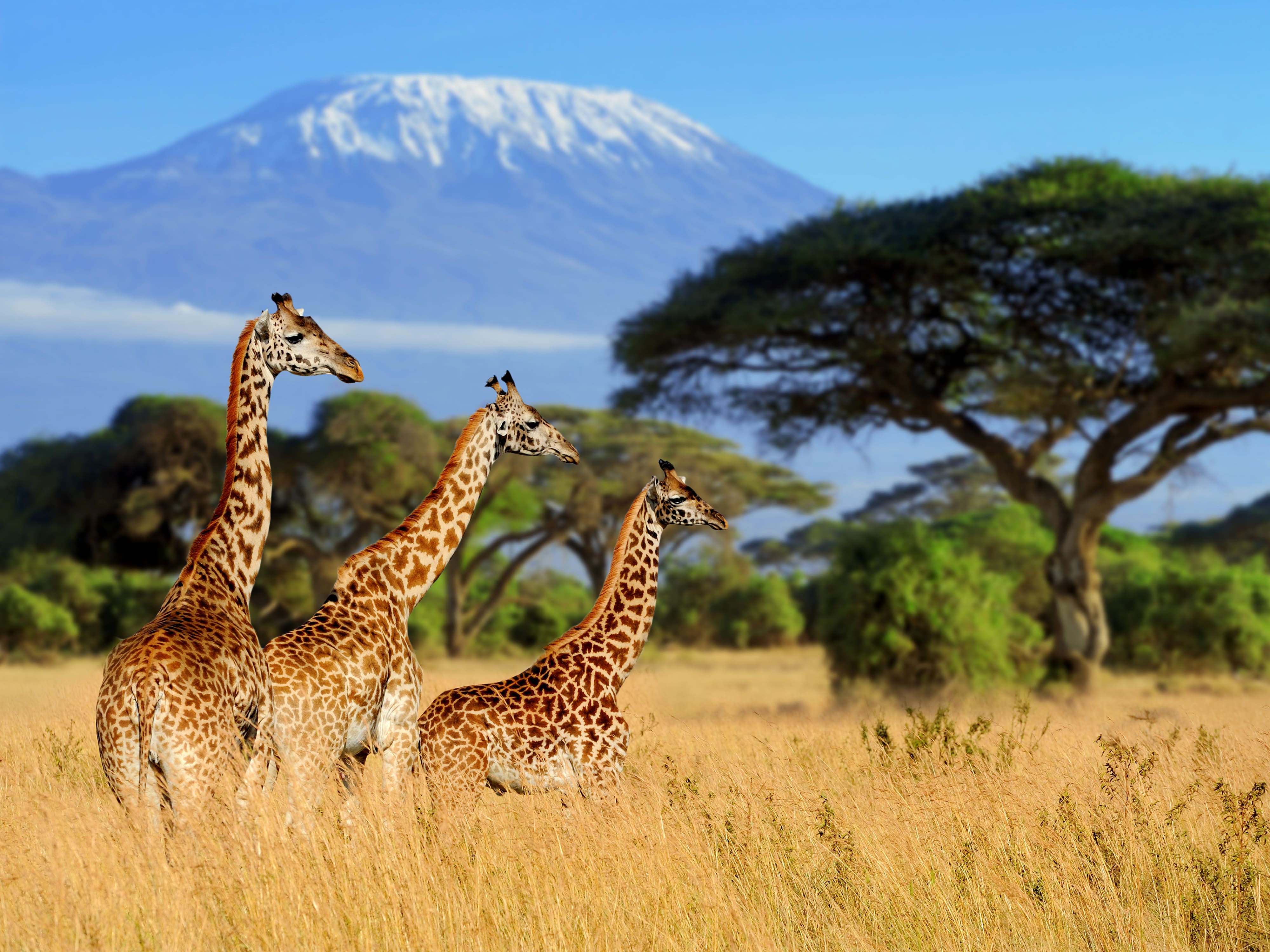
If you are building a broader Kenya trip, add the flamingo lakes, Amboseli's elephants under Kilimanjaro or a couple of days in the capital. Our Kenya itinerary ideas and Nairobi travel guide show how the pieces fit together, and things to do in Kenya covers life beyond the parks.
How far ahead should you plan a migration trip?
For July to September, start planning about 9 to 12 months ahead, and confirm camps and flights at least six months before travel. The best placed camps near the river, and the conservancy camps with few rooms, are often the first to fill for August and September. For Dashain or Tihar travel, book early as well, because flights out of Kathmandu are in demand at the same time. Shoulder months such as June, October and November are easier to book at shorter notice.
This is our team's practical timeline, not an official rule:
| When | What to do |
|---|---|
| 9 to 12 months before | Pick your window (summer, Dashain, Tihar or winter), decide Mara or Serengeti, and choose reserve, conservancy or a mix |
| 6 to 9 months before | Confirm camps and the Nairobi to Mara transfer; hold international flights from Kathmandu |
| About 3 months before | See a travel health clinic about malaria and vaccines, and check whether your transit route triggers a yellow fever certificate requirement |
| 1 to 2 months before | Arrange your Kenya eTA with help from our Kenya visa guidance team; buy travel insurance from Nepal that covers safari activities |
| 2 weeks before | Pack soft bags for light aircraft, neutral clothes, layers for cold dawns, binoculars and a long lens if you shoot photos |
Getting there from Kathmandu
There are no nonstop flights between Kathmandu and Nairobi. flydubai's route page states that non stop flights are not available and lists connecting itineraries of about 14 and a half hours. Qatar Airways flies Kathmandu to Doha and Doha to Nairobi. Most Nepali travellers therefore connect through a Gulf hub such as Dubai or Doha, arriving at Nairobi's Jomo Kenyatta International Airport. From Nairobi, light aircraft from Wilson Airport reach the Mara airstrips in about an hour, sometimes stopping at more than one airstrip, or you can drive in about 5 to 6 hours. Checked: 27 Oct 2026, flydubai and Qatar Airways route pages; masaimara.travel airstrip guide. For which routes do fly nonstop from Nepal, see our direct flights from Kathmandu hub.
Health and safety basics
Malaria risk applies in the Mara, so talk to a doctor about prevention before you go, and pack repellent and long sleeves for the evenings. Yellow fever certificate rules depend on where you have been and where you transit, so check your full route. On safety, the parks are well managed and incidents inside them are rare; our guide to safety in Kenya covers Nairobi and the practical precautions. For a realistic picture of what drives the cost of a Mara trip (camp style, flights, season), read our Kenya safari budget guide.
A simple checklist for migration season
- Travel window chosen and matched to the herd calendar above
- At least three nights near the river for crossing odds
- Reserve, conservancy or a mix decided
- Kenya eTA arranged and passport validity checked
- Health clinic visit done; insurance bought
- Soft bag, binoculars, camera, layers and a hat packed
When your dates are clear, browse our Kenya tour packages to see Mara safaris built around the right season, and match the trip to your Dashain, Tihar or summer leave.
Frequently asked questions
What is the best month to see the Great Migration in Kenya?
August and September are usually the best months for the Great Migration in Kenya's Masai Mara, because the herds are most concentrated and Mara River crossings are most frequent. July and early October can also be very good. Timing shifts each year with rainfall, so plan several nights rather than one day.
Are Mara River crossings guaranteed?
No. Mara River crossings are never guaranteed on a given day. Herds can gather on the bank for hours and then turn away. Your odds improve with two or three full days near the river between late July and September, and with an experienced guide who follows the reserve's crossing rules and radio updates.
Is October too late for the migration in the Masai Mara?
Not usually. In most years early October still has herds in the Masai Mara and late crossings, with fewer vehicles than August. By late October many herds are moving south. In 2026, one operator's sighting log described crossings as winding down by mid October, so October is a good but less certain month.
When do the herds leave the Masai Mara?
The herds usually leave the Masai Mara during October and early November, when rain begins on Tanzania's southern Serengeti and pulls them south. By November most of the migration has returned to Tanzania. Early or heavy short rains on the southern plains can make the exit earlier.
Does the Great Migration happen in Kenya or Tanzania?
Both. The Great Migration moves around one ecosystem shared by Tanzania's Serengeti and Kenya's Masai Mara. The herds spend most of the year in Tanzania, including calving season, and are usually in Kenya's Masai Mara from about July to October, which is when the famous Mara River crossings happen.
When is the wildebeest calving season?
The wildebeest calving season is usually in January and February on the southern Serengeti plains around Ndutu in Tanzania, not in Kenya. TANAPA lists January to February for calving, and NASA reports thousands of calves born each February over a four to six week window. It is excellent for predator action.
Can you see the migration on a short trip to Kenya?
Yes, if you travel between July and September. Kenya's Masai Mara is about an hour by light aircraft from Nairobi, so a short Kenya trip with three nights in the Mara can include the migration. You may not see a river crossing in that time, but you will see large herds and predators.
Do the rains change Great Migration timing?
Yes. Rain is the main driver of Great Migration timing. Late long rains can delay the herds' arrival in Kenya's Masai Mara, an early dry season can bring them sooner, as happened in 2019, and early short rains in the south can pull them out of the Mara earlier.
Is the Masai Mara crowded in August?
Yes, August is the busiest month in Kenya's Masai Mara National Reserve, and many vehicles gather at the main Mara River crossing points. Staying in a conservancy such as Mara North, Olare Motorogi or Naboisho, where vehicle numbers are limited, and visiting the reserve on crossing days gives a calmer experience.
Is a hot air balloon flight worth it in migration season?
For many visitors to Kenya's Masai Mara, a sunrise balloon flight in August or September is a highlight, because you see the size of the herds from above. Flights usually last about an hour, depend on the weather and have operator age rules. Book it on a day you are not waiting at the river.
Dashain ma Kenya gayera migration herna milchha?
Prayah milchha. Dashain ko bela (2027 ma sambhavit miti: Ghatasthapana 30 September dekhi Vijaya Dashami 10 October samma; sarkari bida suchi aaunu baki chha) dherai jaso barsha Masai Mara ma bathan haru hunchhan ra kehi river crossing pani dekhna sakinchha. Tihar ko bela samma dherai bathan Tanzania tira pharkisakeka hunchhan. (English: Usually yes; during Dashain the herds are normally still in Kenya's Masai Mara, but by Tihar many have gone back to Tanzania.)