



































































Where else can you watch lions hunt at dawn and be in a rooftop bar by nightfall, in the same city? Nairobi is East Africa's biggest, brashest and most creative capital, the arrival point for almost every Kenya trip, and a place most travellers rush through when it actually deserves a day or two of its own. This guide covers the best things to do, where to stay, how to get around, how to stay safe, and how to use the city as a springboard to the parks.
Planning the wider trip? See our Kenya travel guide for entry rules and seasons, and our Kenya itinerary guide for routes out of the city.
Is Nairobi worth visiting?
Yes, for a day or two. Most people treat Nairobi as a gateway, but it earns a proper stop. It is the only capital city on earth with a full national park on its doorstep, home to the most loved elephant orphanage in Africa, and the beating heart of a food, art and music scene that is the liveliest in the region. Home to roughly 5 million people and sitting at a cool 1,795 metres above sea level, it is greener, higher and milder than first time visitors expect.
What are the best things to do in Nairobi?
These are the experiences worth building a day around:
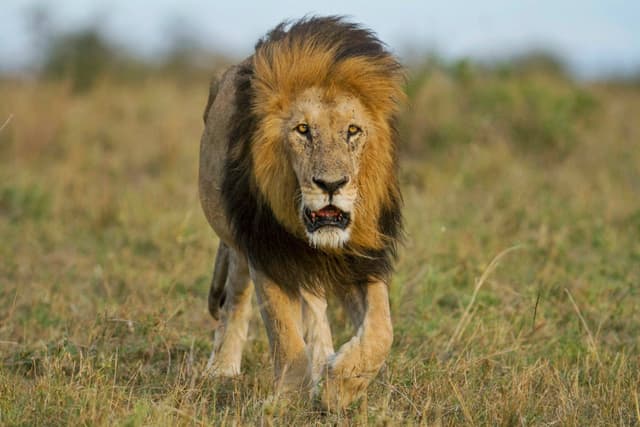
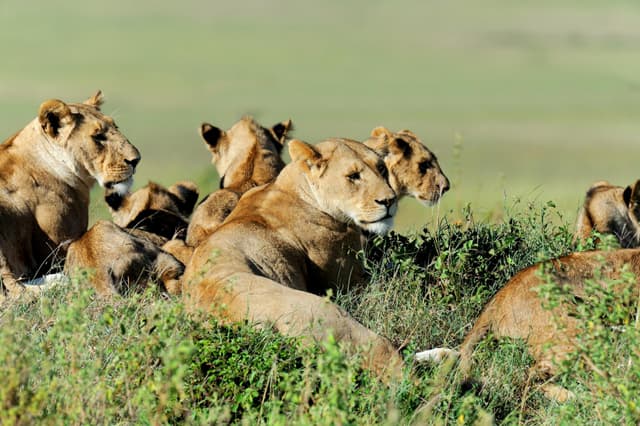
- Nairobi National Park: the only national park within a capital city, where you can see lion, rhino, giraffe and buffalo with skyscrapers on the horizon, just 7 kilometres from the centre.
- Sheldrick Wildlife Trust: the famous elephant orphanage, open to visitors for one hour each morning, where keepers raise orphaned calves for release back into the wild.
- Giraffe Centre: hand feed endangered Rothschild giraffes from a raised platform and, if you are brave, get a slobbery kiss.
- Karen Blixen Museum: the farmhouse from Out of Africa, set in the leafy Karen suburb named after the author herself.
- Nairobi National Museum and the Kazuri bead workshop: for history, prehuman fossils, culture and handmade crafts that support local women.
- The food scene: from a carnivore feast of roast meats to the buzzing cafes of Westlands and a growing wave of Kenyan coffee roasters.
Where should you stay in Nairobi?
Base yourself by purpose. The table below sorts the main areas by what they are best for.
| Area | Vibe | Best for |
|---|---|---|
| Westlands and Parklands | Central, buzzy | Restaurants, nightlife, shopping |
| Kilimani | Modern, apartment heavy | Cafes, mid range hotels, walkable |
| Karen and Langata | Green, quiet, suburban | Giraffe Centre, elephant orphanage, families |
| Near JKIA airport | Functional | Early safari flights and late arrivals |
How do you get around Nairobi?
Use ride hailing apps like Uber and Bolt. They are cheap, metered, and by far the easiest option for visitors, with a short hop across town often costing just a few dollars. Traffic, however, is legendary, so allow generous extra time in the morning and evening rush, when a 10 kilometre trip can take an hour. The colourful matatu minibuses are a cultural experience in themselves but confusing and cramped for first timers, so most travellers skip them. Nairobi is not a walking city between districts, so plan to ride.
Is Nairobi safe for tourists?
Nairobi is fine with normal city sense, and the vast majority of visitors have no trouble at all. The practical rules are simple:
- Use ride hailing rather than walking after dark, especially downtown.
- Keep phones, bags and jewellery out of sight, particularly in slow traffic where opportunistic theft can happen through a window.
- Stick to established areas and avoid unlit backstreets at night.
- Carry a copy of your passport and leave the original in the hotel safe.
Follow these and you are very unlikely to have any issue. Our Kenya safety guide covers the full picture in more detail.
How do you use Nairobi as a safari gateway?
Nairobi has two airports, and knowing the difference saves confusion. Jomo Kenyatta International, known as JKIA, handles international arrivals and departures. Wilson Airport, a smaller field closer to town, is the hub for the light aircraft that fly to the Masai Mara, Amboseli and other parks in under an hour. The classic pattern is to spend one night in the city on arrival, then fly out to the bush the next morning, and often to finish with a night back in Nairobi before flying home.
How long do you need in Nairobi?
One full day covers the headline trio of the national park, the elephant orphanage and the giraffe centre, plus a good dinner. Two days lets you add a museum, some shopping and a slower pace. Beyond that, most travellers are itching to get to the parks, so Nairobi works best as a sharp, well used bookend rather than the main event.
Want the city stay and safari arranged together? Browse our Kenya tour packages for ready made itineraries.
Nairobi travel FAQ
How many days do you need in Nairobi?
One or two days is enough for the highlights: the national park, the elephant orphanage and the giraffe centre. Most people use it as a short stop before or after a safari.
Is Nairobi safe for tourists?
Yes, with normal precautions. Use Uber or Bolt instead of walking at night, keep valuables out of sight in traffic, and stay in established areas.
What is Nairobi famous for?
It is the only capital city with a national park on its doorstep, home to the Sheldrick elephant orphanage and the Giraffe Centre, and the main gateway for Kenyan safaris.
How do you get from Nairobi to the Masai Mara?
Fly from Wilson Airport, about 45 minutes, or drive 5 to 6 hours. Flying is the popular choice on shorter trips.
What is the best area to stay in Nairobi?
Westlands and Kilimani for dining and nightlife, Karen and Langata for a green and quiet base near the wildlife attractions, or near the airport for early safari departures.
What is the difference between JKIA and Wilson Airport?
JKIA handles international flights, while Wilson is the domestic hub for light aircraft to the safari parks. Many trips arrive at JKIA and depart on safari from Wilson.

'/%3E%3C/svg%3E)