Short answer: Nepali travellers buy outbound travel insurance from non-life insurers licensed by the Nepal Insurance Authority, at a branch, through an agent or, with several insurers, online. Buy it before you leave, for a return trip, choosing the area that covers every country you will enter. Read the exclusions, save the 24-hour assistance number on your phone, and call it before any hospital treatment abroad.
Buying travel insurance from Kathmandu works differently from the comparison-site advice written for the UK or the US. Policies are sold by a small group of Nepali non-life insurers with a similar structure of plans and areas, and they carry rules that surprise first-time buyers: they are generally not valid for one-way trips, they cap the traveller's age, and the wordings we checked exclude some of the very activities Nepali holidaymakers enjoy in Thailand, Bali and the Maldives.
This guide covers where to buy, what the wording usually says, which trips need cover most, and how to claim abroad. It does not rank insurers or quote prices, because premiums depend on age, area, plan and trip length. Everything was checked against insurers' published documents and official sources on 12 October 2026; wordings differ and are revised, so your own policy is the final word.
If you are still choosing where to go, start with our guide to the best travel destinations for Nepalese travellers, then come back here once your dates are fixed.
Where can Nepali travellers buy outbound travel insurance?

You buy it from a Nepali non-life (general) insurance company licensed by the Nepal Insurance Authority (NIA), the regulator that oversees insurers under the Insurance Act 2079. According to a renewal list reported by Beema Post in October 2025, the authority renewed 37 insurers, of which 14 were non-life companies. Travel cover sits with the non-life companies, not with life insurers.
The product goes by several names. You will see it called Travel Medical Insurance (often shortened to TMI), Overseas Travel Insurance, Travel Insurance or a Travellers Mediclaim policy. The names differ, but the structure is broadly the same: emergency medical cover abroad is the core, and other benefits such as baggage, delay and cancellation are added on in larger plans.
Which insurers publish an outbound travel product?
The table below lists insurers whose own websites or proposal forms we checked. It is alphabetical, it is not a ranking or a recommendation, and other licensed insurers may sell travel cover too.
| Insurer (alphabetical) | What its own published material shows | Buying channel mentioned |
|---|---|---|
| Prabhu Insurance | Travel insurance "designed for Nepalese citizens traveling abroad", listing personal accident, medical and emergency expenses, medical evacuation, travel delay, checked baggage, passport loss and personal liability | Online "Get Policy" portal, plus online claim intimation form |
| Sagarmatha Lumbini Insurance (SALICO) | Travel insurance proposal form with Plans A and B and four geographic areas; for Nepal residents aged 70 and under at inception | Proposal form; branches |
| Sanima GIC Insurance | Travel Medical Insurance with individual, family, and student and professional plans; long-stay cover up to 185 days; 24/7 assistance by Global Response | Online purchase and premium calculator on its website |
| Shikhar Insurance | Travel Medical Insurance with Plan A (medical and personal accident) and Plan B (package), four geographic areas | Quote request, premium calculator and a digital portal |
| Siddhartha Premier Insurance | Lists travel insurance among its non-life products | Online purchase through its SPIL DIGI platform |
| United Ajod Insurance | Published travel insurance policy wording with full exclusions and claims procedure; 24/7 assistance by Global Response | Proposal form; branches |
Checked: 12 Oct 2026, insurers' official websites and proposal forms (Prabhu, SALICO, Sanima GIC, Shikhar, Siddhartha Premier, United Ajod). Verify yearly.
The four ways to buy
- Online, directly with the insurer. Several insurers run portals where you choose a plan and receive the policy digitally. It is quickest if you are confident reading policy terms.
- At an insurer's branch. Staff can walk you through plans and areas, which helps if you are buying for elderly parents or have a medical condition to declare.
- Through a licensed insurance agent. Agents sell on behalf of an insurer. Ask which company is issuing the policy and make sure that company's name is on the certificate.
- With help from someone arranging your trip. Whoever helps you, the contract is always between you and a licensed insurer. If a certificate does not name a licensed Nepali insurer, ask questions before you pay.
Who can buy a Nepali policy, and who cannot?
The wordings we checked are written for residents of Nepal travelling out and back. Shikhar's product page names two groups: Nepalese citizens travelling abroad for business or leisure, and foreign nationals living in Nepal long term, provided the trip begins and ends in Nepal. Sanima GIC describes its product as available for Nepali residents.
Two groups are often caught out. Non-Resident Nepalis who live abroad should buy cover where they live, because a Nepali outbound policy is built around a trip that starts in Nepal. And travellers on one-way tickets should note that the Shikhar and SALICO proposal forms state the insurance "is not valid for one way trip". Students should ask about the student plans some insurers list. Foreign employment follows a separate process outside this guide.
How do you buy travel insurance in Nepal, step by step?
Buy it once your flights are confirmed and before you leave Nepal. The proposal forms we checked state that the insurer's liability does not begin until the proposal is accepted, the premium is received and the policy is issued, so a policy bought at the last minute or after departure is a risk you do not need. Our pre-trip checklist puts insurance in the "one month out" list for exactly this reason.
- Fix your dates and route. Write down the departure and return dates and every country you will enter, including transit stops where you leave the airport. Add a little margin if your return flight could slip.
- Choose the geographic area. Nepali policies are usually sold by area, and the area must cover every country on the trip. A Bangkok and Bali trip sits in a different area from a Delhi pilgrimage or a London visit. The area table further down explains how this works.
- Choose the plan. Decide whether you need medical and personal accident cover only, or a package plan that adds baggage, delay, passport loss and cancellation. Check which benefits are actually available for your area.
- List your activities. If you plan to dive, ride a scooter, paraglide, ski or join a caving trip, read the hazardous activities exclusion before you buy, not after you arrive.
- Complete the proposal form honestly. The forms ask about any condition for which you, or any travelling dependant, took medication, had treatment or sought advice in the last two years. Non-disclosure is one of the most common reasons a claim fails.
- Check the certificate before you pay the final amount. Your name must match your passport exactly, with the same spelling as your Nepali e-passport. Check the dates, the area, the plan and the emergency assistance number.
- Save it in three places. Keep a PDF on your phone, a printed copy in your hand luggage, and a copy with someone at home who can call the insurer for you.
Keep the policy with your passport and tickets on departure day. Our Kathmandu airport international departure guide explains each step at Tribhuvan International Airport.
What to read in the policy wording before you pay
| Item in the wording | Why it matters | Question to ask the insurer |
|---|---|---|
| Geographic area | A claim from a country outside your area can be refused | Does my area include every country and transit stop on my route? |
| Plan and benefit list | Some areas only allow a medical and accident plan | Which of the listed benefits apply to my area? |
| Sum insured per benefit | Each benefit has its own limit, and medical limits matter most | What is the limit for medical expenses and for evacuation? |
| Excess | All claims in the wordings we checked carry an excess you pay yourself | What is the excess on medical and baggage claims? |
| Pre-existing condition clause | Conditions treated in the look-back period are excluded | How long is the look-back, and how do you define a condition? |
| Hazardous activities | Diving, motorcycling and similar activities are often excluded | Is my specific activity covered, and on what conditions? |
| Assistance company | This is who you call from abroad | What is the 24-hour number, and can I call reverse charge? |
| Claim deadline | Late claims can be refused | How many days after return do I have to submit? |
Which cover types matter most for trips from Nepal?
Emergency medical cover matters most, followed by medical evacuation and repatriation, because a hospital stay abroad can cost more than the holiday itself. Baggage, delay and cancellation cover protect smaller amounts. The table summarises benefits found in Nepali wordings.
| Cover type | What it pays for | Why it matters from Nepal | What to check |
|---|---|---|---|
| Emergency medical and hospital expenses | Treatment for sudden illness or accident while abroad, including hospital admission | Hospitals abroad may ask for payment or a guarantee of payment before treatment, in foreign currency | Medical limit, excess, need for prior approval |
| Medical evacuation and repatriation | Moving you to a suitable hospital or back to Nepal when medically necessary; repatriation of remains | Islands, ships and safari areas are far from major hospitals | Whether the insurer's doctors must approve the move |
| Personal accident | A fixed sum for accidental death or permanent disability | Supports the family at home | Age limits; some wordings restrict this benefit for travellers under 18 or over 65 |
| Travel delay | Compensation when a covered flight is delayed beyond a set number of hours | Departures and connections can be disrupted by weather, especially in peak season | Minimum hours of delay, and whether it covers outward, return or both |
| Checked baggage loss and delay | Loss of checked bags, and essentials bought while bags are delayed | Most trips from Kathmandu involve a connection where bags can go astray | Per-item limits, proof of ownership, airline reports required |
| Loss of passport | Costs of replacing a lost or stolen passport abroad | Getting a replacement or emergency travel document abroad takes time and paperwork | Police report deadline |
| Cancellation and curtailment | Prepaid costs lost when you must cancel or cut short for a covered reason | Peak festival bookings are often paid well in advance | The list of covered reasons; "change of mind" is not one |
| Personal liability and legal expenses | Claims against you for accidental injury or damage to others | Rarely used, but expensive when needed | Exclusions for vehicles and hired equipment |
| Emergency return home | Returning to Nepal early after the death of a close family member | Covers an urgent return for a family emergency | Who counts as a close family member |
How plans and areas work in Nepali policies
Nepali travel policies usually ask you to pick two things: a plan and an area. Shikhar Insurance publishes the clearest version of this structure, and the SALICO proposal form follows the same layout. Plan A covers medical expenses and personal accident (with a hospital ancillary benefit). Plan B is the package that adds the other benefits. The catch is that not every benefit is available in every area.
| Area (Shikhar structure) | Countries | Benefits available |
|---|---|---|
| Area 1 | Worldwide including USA and Canada | Full package (benefits A to N) under Plan B |
| Area 2 | Worldwide excluding USA and Canada | Full package (benefits A to N) under Plan B |
| Area 3 | Asian countries such as Thailand, Malaysia, Singapore, the Philippines, Indonesia, China, Japan, South Korea and Vietnam | Benefits A to I: medical, accident, baggage, passport, liability, travel delay and hijack, but not cancellation |
| Area 4 | SAARC countries: India, Bangladesh, the Maldives, Bhutan, Sri Lanka, Pakistan and Afghanistan | Benefits A and B under Plan A only: personal accident and medical expenses |
Checked: 12 Oct 2026, Shikhar Insurance travel medical insurance page and proposal form. Other insurers may group countries differently. Verify yearly.
This matters in practice. A Maldives honeymoon falls in the SAARC area under this structure, so the policy would cover medical emergencies and accidents but not lost baggage or a missed connection. A Thailand trip in Area 3 would include baggage and delay but not cancellation. If those extra benefits matter to you, ask the insurer what is possible for your route before you buy. Planning a couple's trip? Our guide to honeymoon destinations from Nepal covers the popular choices.
Why the medical limit is the number to read first
Each benefit has its own sum insured, and the medical limit is the one that protects you from a debt that follows you home. Compare the medical limit and the excess first, then the extras.
Sanima GIC's published product page gives a feel for how specific these limits can be: emergency dental treatment is limited to pain relief up to USD 150, a family member benefit applies if you are hospitalised for more than five days, and cover extends up to 90 days if you are medically unable to return on time. Other insurers set different figures. Read your own schedule.
What does a Nepali travel policy usually exclude?
The biggest exclusions are pre-existing medical conditions, travelling against medical advice, hazardous activities such as scuba diving and motorcycling, and events linked to a declared pandemic. Travel medical insurance is an emergency policy, not general health insurance: Sanima GIC says it is "strictly for sudden, unexpected emergencies and accidents", and the Shikhar and SALICO forms say the same in different words.
United Ajod Insurance publishes a full policy wording, and its exclusions are a useful guide to what Nepali policies typically leave out:
- Pre-existing conditions: any sickness for which you took medication, had treatment or sought advice in the 24 months before buying.
- Travelling against medical advice, travelling to obtain treatment, being on a waiting list or awaiting test results, or having received a terminal prognosis.
- Pregnancy, except for complications in the first six months.
- Alcohol or drug influence, unless the drug was prescribed, as well as suicide, illegal acts and mental disorders.
- War, terrorism and nuclear hazards.
- A declared pandemic: claims arising "directly or indirectly as a result of a pandemic as declared by the World Health Organization".
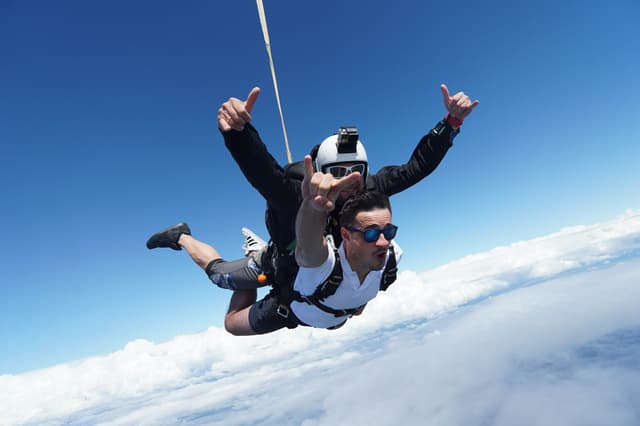
- Hazardous activities, including scuba diving with breathing apparatus, motorcycling above 50 cc, paragliding, parachuting, bungee jumping, mountaineering using ropes, caving and pot-holing, motor racing and go-karting, with snow skiing covered only for an additional premium.
- Manual work after the trip has started, and losses caused by the financial failure of an airline or other carrier.
- Valuables in checked baggage.
Checked: 12 Oct 2026, United Ajod Insurance travel insurance policy wording and Sanima GIC travel medical page. Exclusions differ between insurers. Verify yearly.
The 24-month look-back on health conditions
Both Sanima GIC and United Ajod use a 24-month look-back: if you took medicine, had treatment or sought advice for a condition in the two years before buying, claims arising from that condition are excluded. Blood pressure tablets, diabetes medicine or a thyroid prescription all count, even when the condition is stable.
Declare everything on the proposal form and ask the insurer, in writing, how it will be treated. Then plan around the gap: carry enough medicine plus spare, in original packs, with a doctor's letter listing generic names.
Scooters, diving and caving: where holiday plans meet the exclusions
Three popular holiday activities run straight into standard Nepali exclusions. Renting a scooter in Bali, Phuket or Langkawi typically means a machine well above 50 cc, so an accident on it may not be covered under a wording like United Ajod's. Our guide to whether Bali is safe to travel discusses road safety in more detail.
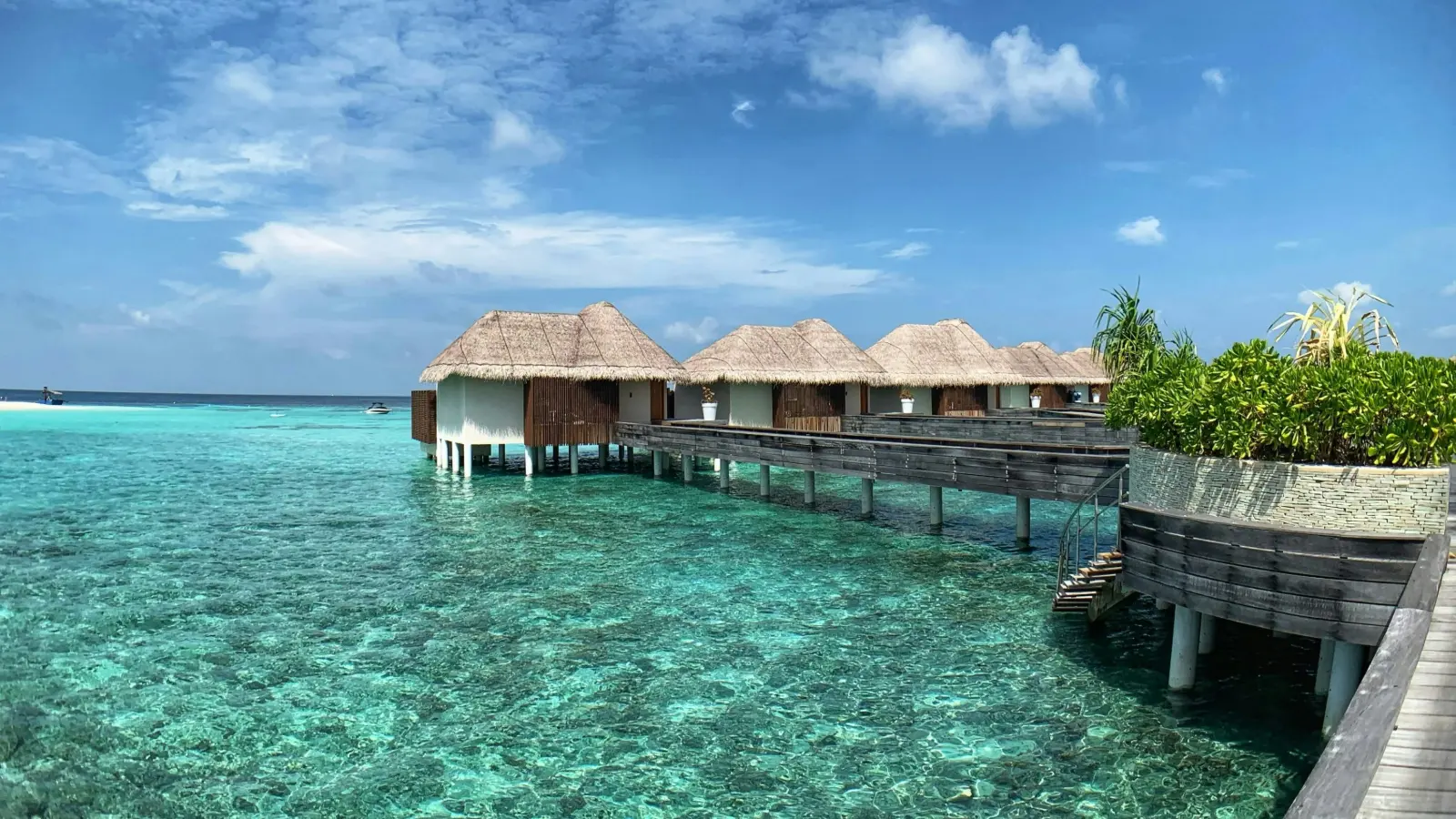
Scuba diving is the second. A try dive in the Maldives uses breathing apparatus, so it falls inside that exclusion unless your policy says otherwise. Snorkelling is not named in the list we read, but ask. If diving in the Maldives or Maldives water sports are the point of your trip, raise them with the insurer before buying and ask the dive centre what cover it carries.
The third is caving. Guided expeditions such as Son Doong cave in Vietnam are exactly the "caving and pot-holing" the wording excludes. The same logic applies to paragliding and bungee jumping abroad.
Pandemics and COVID-19
The World Health Organization ended COVID-19's status as a public health emergency of international concern on 5 May 2023. Some wordings, including United Ajod's, exclude claims arising from a pandemic "as declared by the World Health Organization". How a particular insurer treats a COVID-19 illness today depends on its wording and its claims practice, so if this worries you, ask the insurer in writing before you buy and keep the reply.
Which trips make insurance especially important?
Insurance matters most where medical care is expensive or far away, where you are doing something physical, and where the traveller is older. The table matches common trips from Kathmandu to the cover that deserves the most attention.
| Trip type | Main risk | Cover to prioritise | Watch for |
|---|---|---|---|
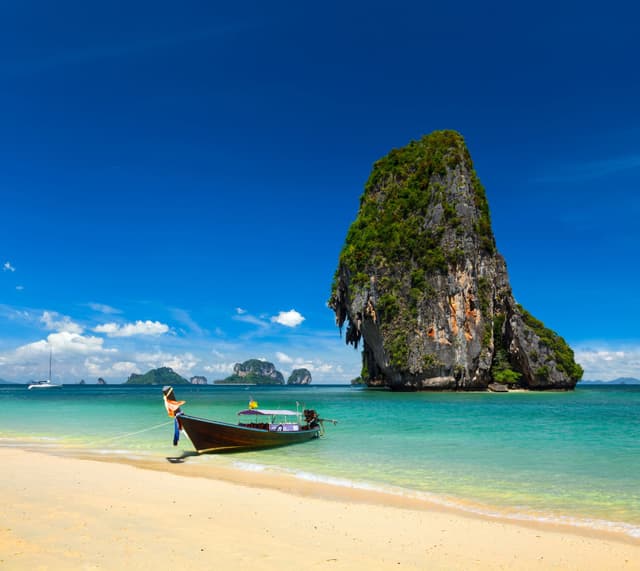
| Beach and island holiday (Thailand, Bali, Maldives, Philippines) | Road accidents, water injuries, stomach illness, ferry and boat incidents | Medical, evacuation from islands | Scooter, diving and water sports exclusions |
| Trek or high-altitude hike abroad (Mount Bromo, Mount Longonot, Char Dham) | Falls, altitude illness, distance from hospitals | Medical, evacuation | Mountaineering and altitude clauses; the SAARC area may only include medical and accident cover |
| Elderly parents travelling | Sudden illness, falls, existing conditions flaring up | Medical, evacuation, emergency return | Age limit at purchase, pre-existing exclusions, personal accident restrictions |
| Cruise | Illness on board, evacuation by boat or air | Medical, evacuation | Ship medical charges billed to your onboard account; every port must sit inside your area |
| Safari (Kenya, Tanzania) | Remote locations, road travel, insect-borne illness | Evacuation, medical | A worldwide area is needed |
| Family trip with children | Childhood illness, minor accidents | Medical, family plan | Age limits for dependent children on family certificates |
| Festival peak travel (Dashain, Tihar) | Delays, missed connections, overbooked flights | Travel delay, baggage, cancellation | Whether your area includes these benefits |
| Trip with transits (Delhi, Kuala Lumpur, Doha, Dubai) | Bags lost at the connecting airport | Baggage loss and delay | Transit countries inside your area |
Beach and island holidays
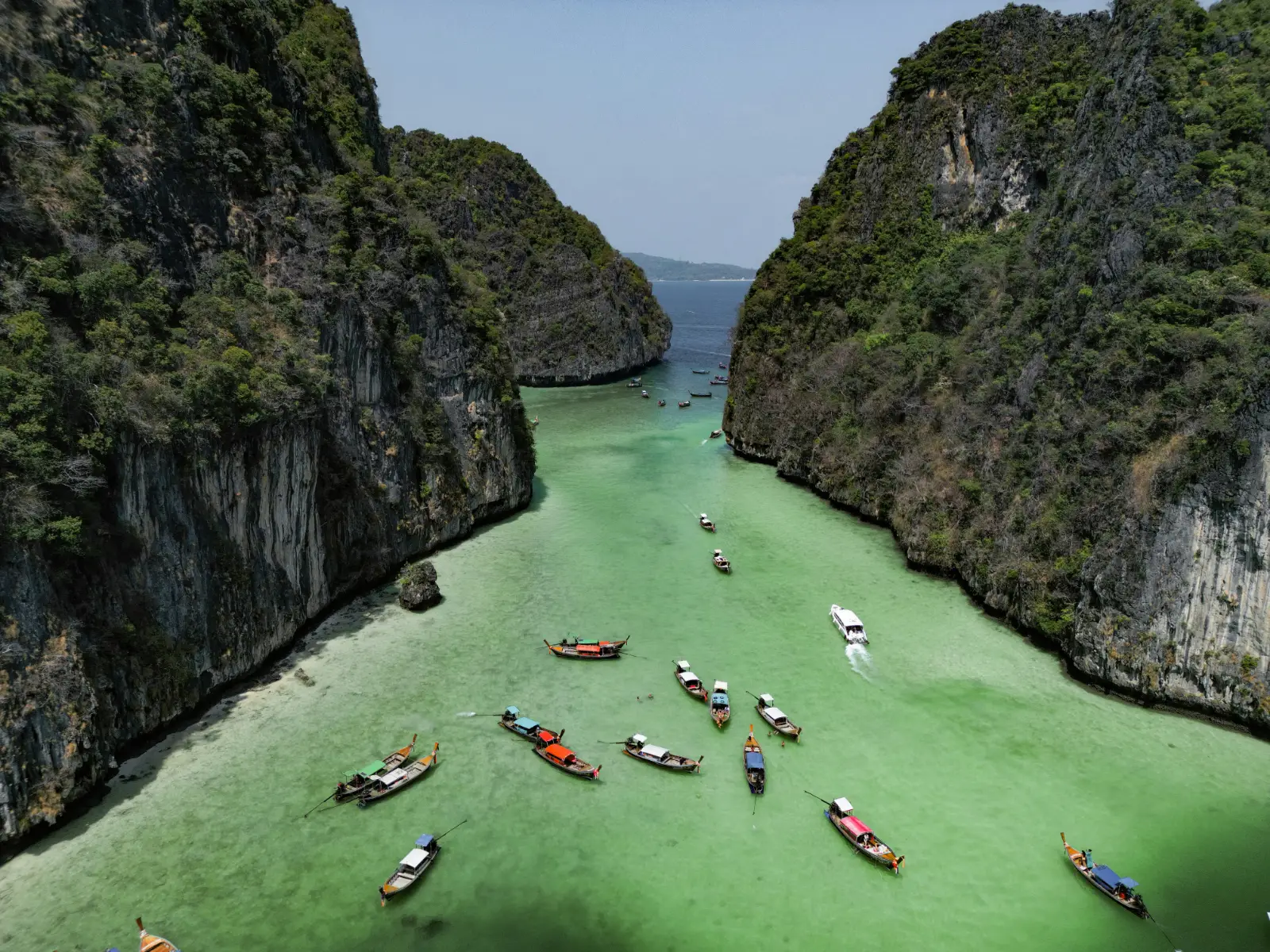
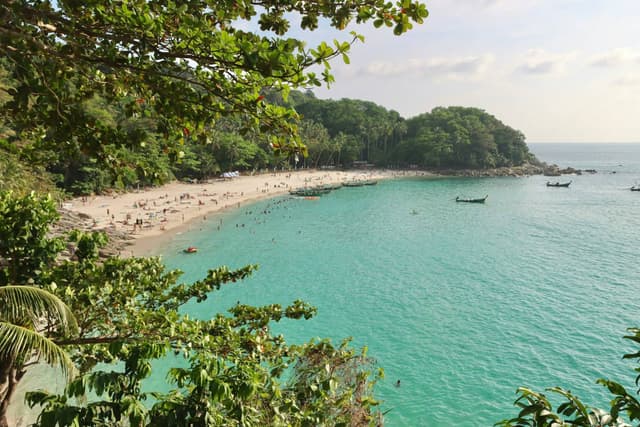
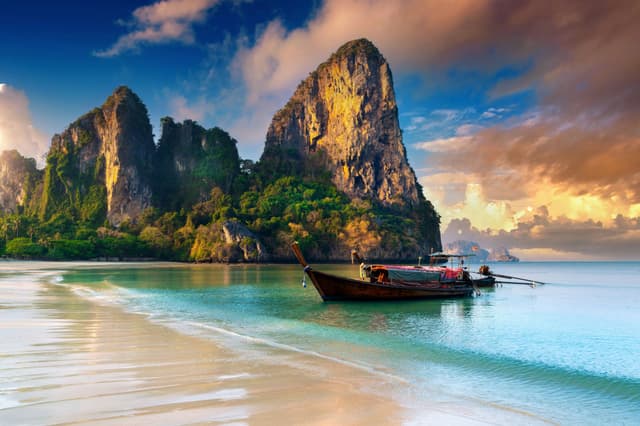
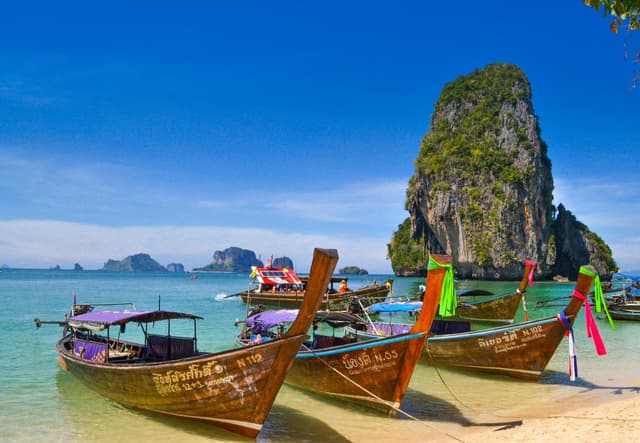
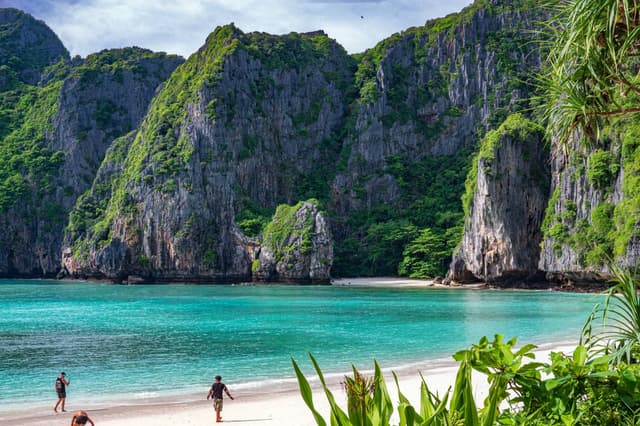
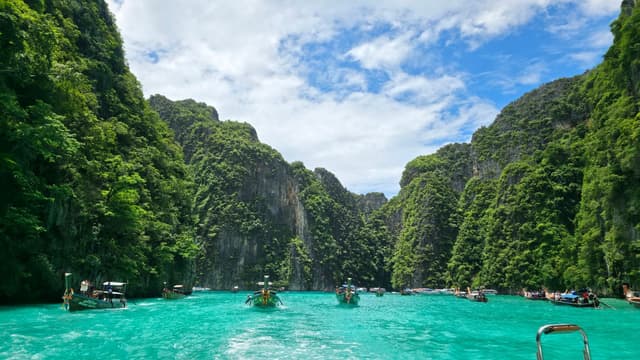
Beach trips feel low risk, yet the problems are predictable: a scooter skid, an infected coral cut, a speedboat bump, or a stomach bug that turns into dehydration. Reaching a hospital from a resort island can mean a boat, a seaplane or a domestic flight, so evacuation cover matters even on a relaxed holiday. If you are heading to Thailand's islands, plan for the monsoon too; our guide on the best time to visit Thailand explains when seas get rough and boats get cancelled. For Bali, the practical health advice in how to avoid Bali belly is worth reading alongside your policy.
Treks, hikes and adventure abroad
An outbound policy covers trips outside Nepal only. Abroad, ordinary hiking is usually treated differently from roped mountaineering, but altitude and activity clauses vary, so ask. Sunrise hikes such as Mount Bromo in Indonesia or crater walks like Mount Longonot in Kenya are popular add-ons. For pilgrimages in India, such as the Char Dham Yatra, remember that India sits in the SAARC area, where some insurers only offer medical and accident cover.
Cruises
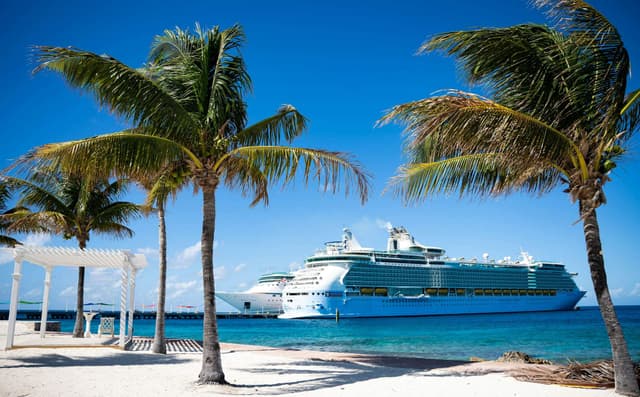
A cruise puts you on a ship with a small medical centre, sometimes a day or more from a large hospital. Charges for treatment on board are typically added to your onboard account and must be settled before you leave the ship, and land-based health plans often do not pay them directly. A May 2024 KFF Health News report described a passenger on a Royal Caribbean cruise who had seizures, was evacuated by rescue boat and was handed the onboard bill before he could disembark. He had no travel insurance, because he thought it only covered luggage and cancellations.
Before a cruise, check that every port of call sits inside your policy's area, that evacuation from a ship is included, and how to claim back onboard charges with receipts.
Safaris and remote areas
A safari in the Masai Mara means long drives on rough roads and remote lodges. Kenya and Tanzania sit outside the Asian and SAARC areas, so you need a worldwide area. Our Kenya travel guide covers health preparation.
Festival travel and long connections
The Dashain and Tihar holidays are the busiest window for outbound travel from Kathmandu, and that is when flights fill, connections tighten and bags go astray. If you are planning a festival trip, our guide to Dashain and Tihar holidays abroad covers timing, and our list of direct flights from Kathmandu shows which routes avoid a connection altogether.
Do some countries require travel insurance for a visa?
Yes, some visas and entry permissions ask for proof of insurance, but these are visa rules and they change, so we keep them with our visa team rather than restating them here. Check the rules for your destination on our visa pages for Nepali passport holders, for example Thailand visa, Indonesia visa or Kenya visa, and on the official government site linked there.
Europe is the example most people have heard of. The European Commission's Schengen visa page says Schengen visa applicants need medical insurance covering emergency medical care, hospitalisation and repatriation. That is a Schengen rule for Schengen visas; it is not a general rule for Asian trips. If Europe is on your list, read our guide to a Europe trip from Nepal and the European Commission's Schengen visa page.
Nepal itself does not ask holidaymakers for insurance at the airport. When the government eased departure rules for Nepali visit-visa travellers in October 2025, the documents listed at the immigration desk were a passport valid for at least six months, a visa where needed, an air ticket to the destination and a self-declaration form; travel insurance was not among them (Himal Press, 31 Oct 2025).
Where a visa does not ask for insurance, that does not mean you are covered by anything else. Even for visa-free countries for Nepali passport holders, the cost of a hospital stay is yours unless a policy pays it.
Checked: 12 Oct 2026, European Commission, Migration and Home Affairs. Verify yearly.
How do you make a claim while abroad?
For anything serious, call the insurer's 24-hour assistance company first, before you agree to treatment or pay a large bill, and follow its instructions. For smaller losses, collect the right paperwork on the spot (hospital reports, airline reports, police reports, receipts) and submit the claim form after you return to Nepal within the deadline in your wording, which is 31 days in the wordings we checked.
Sanima GIC and United Ajod both name Global Response as their 24-hour assistance company; it describes its services as including direct payment of medical bills for policyholders and arranging complex medical evacuations. Your certificate prints the assistance company's numbers.
Medical emergency or hospital admission
- Get to safety and treatment first.
- Call the assistance number as early as you can. United Ajod's wording asks you to contact Global Response immediately in the event of death, an accident, hospital admission or medical expenses over USD 500, and says the company is not liable for costs incurred without prior approval. Sanima GIC gives the same instruction. The wording allows reverse-charge calls.
- Give them your policy number, passport number, location and the hospital's details. If you cannot call, ask a travelling companion or a family member in Nepal to call for you.
- Let the assistance company talk to the hospital. Where they can, they arrange payment directly or agree what will be covered.
- Keep every document. Admission and discharge summaries, doctors' reports, prescriptions, itemised bills and payment receipts, all in original.
- Follow their advice on evacuation or return. The wordings state that the insurer may repatriate you when the treating doctor and the insurer's medical advisers agree you are fit to travel.
If you must pay upfront, pay by card where possible and keep the receipt. A backup card and some cash help; our guide to the foreign currency limit from Nepal explains how much you can take.
Lost, delayed or damaged baggage
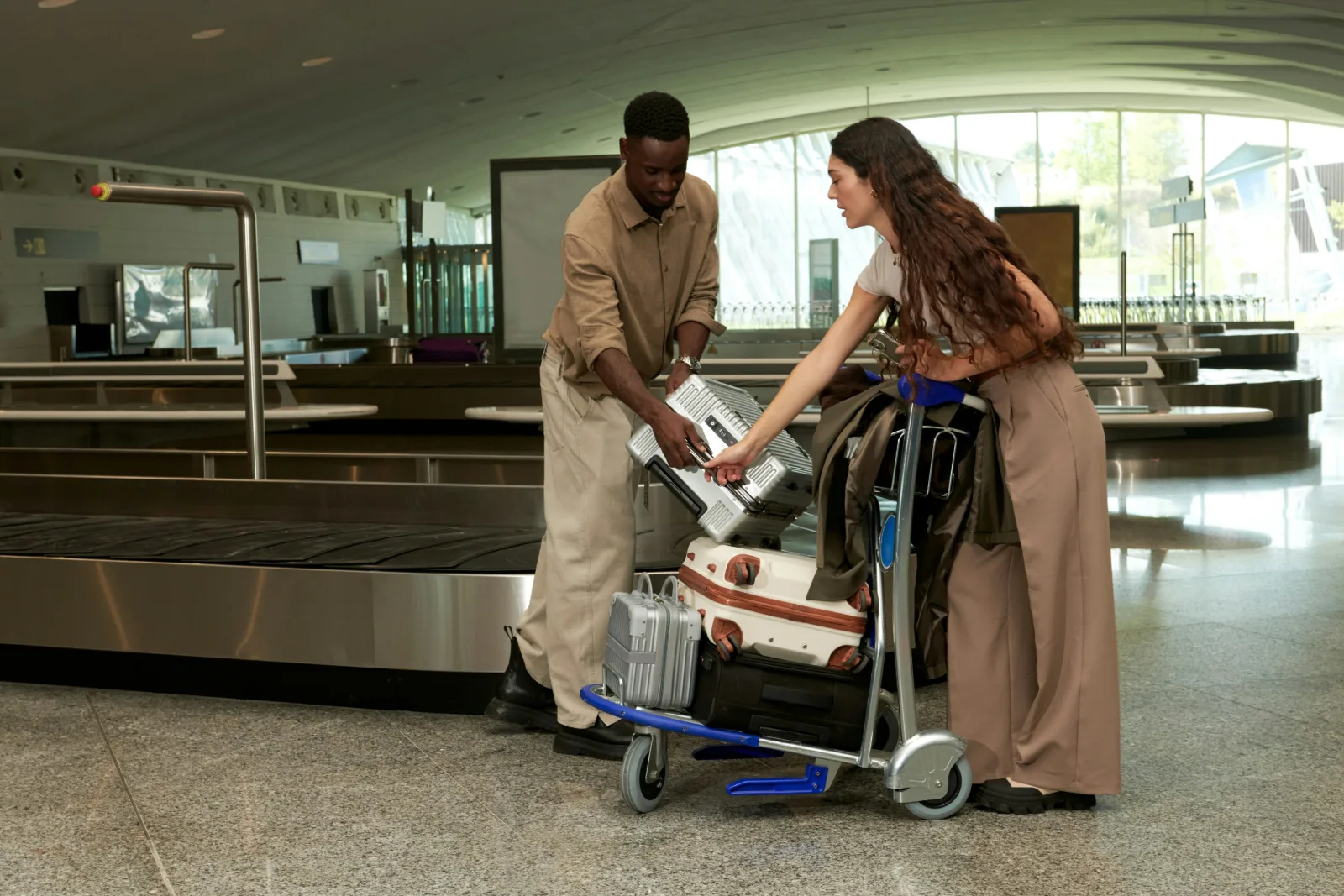
Do not leave the baggage hall. Go to the airline's baggage desk and get a Property Irregularity Report (PIR), which is the document both the airline and your insurer will ask for. For delayed bags, United Ajod's wording also asks for a non-delivery certificate from the airline and confirmation that the bags were delayed for more than 12 hours on the outward journey, plus receipts for emergency purchases. Its baggage loss benefit covers international flights only, items over USD 100 need proof of ownership, and each article is capped at USD 300.
Claim from the airline as well as the insurer. Under the Montreal Convention, as summarised by American Airlines in its conditions of carriage, a complaint must be made within 7 days for damaged baggage and 21 days for delayed baggage, and carrier liability is limited in most cases to 1,519 Special Drawing Rights per passenger. Our first time flight tips walk through what to do at the baggage desk.
Checked: 12 Oct 2026, American Airlines, liability for international flights. Verify yearly.
Lost or stolen passport
Report the theft to the local police within 24 hours and get an official report; United Ajod's wording makes this a condition for the passport loss benefit. Then contact the nearest Embassy or Consulate of Nepal for help with a replacement passport or an emergency travel document. A scan of your passport photo page on your phone makes the embassy process easier.
Flight delay or missed connection
Ask the airline for written confirmation of the delay and keep your boarding passes. Sanima GIC, for example, describes delay cover for an outward flight from Nepal delayed over 12 hours. Check whether delay cover applies in your area at all.
Claim document checklist
| Claim type | Collect abroad | Contact first |
|---|---|---|
| Hospital admission or major treatment | Admission and discharge summary, doctor's report, itemised bills, receipts, prescriptions | Assistance company, before treatment if possible |
| Outpatient doctor visit or pharmacy | Doctor's note with diagnosis, receipts, prescriptions | Assistance company if costs may be large |
| Checked baggage lost | PIR, baggage tag receipt, boarding pass, airline's final response, proof of ownership for valuable items | Airline baggage desk at the airport |
| Checked baggage delayed | PIR, non-delivery certificate, receipts for essentials bought | Airline baggage desk at the airport |
| Passport lost or stolen | Police report (within 24 hours in the wording we checked), embassy receipts | Local police, then the Nepali embassy |
| Travel delay | Airline letter confirming the delay and reason, boarding passes | Airline at the airport |
| Cancellation or curtailment | Evidence of the reason (for example a medical or death certificate), booking invoices, refund refusals | Assistance company as soon as possible |
Back in Nepal: submitting the claim
Submit the claim form with originals and copies of everything within the deadline: Sanima GIC and United Ajod both set 31 days from your return to Nepal for non-emergency claims. Keep a copy of the file and get a claim number. Some insurers also accept claim intimation online; Prabhu, for example, publishes an online claim form.
What if a claim is delayed or refused?
Ask the insurer for the reason in writing, check it against the policy wording, and if you still believe the decision is wrong, complain to the Nepal Insurance Authority. The authority runs an online grievance form that sends complaints about insurers to its complaint management branch.
In July 2026 the authority publicly invited complaints about claim handling, asking for the insurer's name, the policy and claim numbers, details of the problem and supporting evidence, and said it would act under the Insurance Act 2079. Organised documents make such a complaint possible.
Checked: 12 Oct 2026, Nepal Insurance Authority grievance page and Ratopati report of 13 Jul 2026. Verify yearly.
What should elderly travellers check?

Check the age limit first. Every Nepali wording we checked (Sanima GIC, Shikhar, SALICO and United Ajod) is for travellers aged 70 and under when the policy starts. If a parent is older than that, ask the insurer directly whether any cover is available before you book flights, rather than assuming it is.
After age, the pre-existing condition clause matters most. Older travellers are more likely to be on regular medication, and under a 24-month look-back almost any regular prescription makes the related condition an exclusion. Some wordings also reduce personal accident benefits with age; United Ajod's, for example, restricts benefits for travellers under 18 or over 65 and does not pay permanent total disablement over 65.
| Check | Why it matters for parents and grandparents |
|---|---|
| Age at the start of the policy | The wordings we checked cap eligibility at 70 |
| Every condition declared on the form | Undeclared conditions can void a claim, even one unrelated to the illness |
| How the insurer treats declared conditions | Get the answer in writing before travel |
| Medical and evacuation limits | Older travellers are more likely to need hospital care and a medically escorted return |
| Emergency return or family member benefit | Someone may need to fly out to accompany a parent home |
| Medicines and a doctor's letter | Treatment for a pre-existing condition will not be paid, so run-outs must be avoided |
| Who will call the insurer | Give a younger family member the policy number and assistance number |
Practical tips for travelling with older parents
- Book a pace they can manage, without packed days and early starts.
- Request wheelchair or mobility help with the airline when booking, not at the airport. Large transit airports such as Singapore Changi involve long walks between gates.
- Choose destinations with good hospitals within reach if a parent has a heart or lung condition. City-based trips like Dubai with family or Sri Lanka with family are easier to manage than remote islands.
- Diaspora visits: if parents are flying from Kathmandu to visit children in another country, check that the area covers that country (the USA and Canada are a separate area in the structure we checked), and check whether the host country's visa asks for its own health cover on the relevant visa page.
What should be on your phone before you fly?
Make sure you can reach your insurer and prove your cover without signal.
- The policy PDF, saved offline, with the policy number noted separately.
- The assistance company's 24-hour number, saved as a contact and written on paper in your wallet.
- A scan of your passport photo page and visa, stored offline and in email.
- A family contact in Nepal who has a copy of the policy and knows how to call the insurer.
Useful apps for storing documents offline are covered in our roundup of the best travel apps. If this is your first international trip, read our step-by-step flying guide and the full checklist of what to sort before you fly, and if you are still deciding on a country, compare the paperwork for each one in our guide to destinations that suit Nepali passport holders.
Frequently asked questions
Is travel insurance mandatory for Nepali tourists?
Not for leaving Nepal. The departure documents for Nepali visit-visa travellers, as eased in October 2025, are a passport, a visa where needed, an air ticket and a self-declaration form, with no insurance requirement. Some destinations do ask for insurance as a visa condition, Schengen Europe being the best known, so check the destination's visa page before booking.
Can I buy travel insurance online in Nepal?
Yes. Several Nepali insurers, including Sanima GIC, Prabhu Insurance and Siddhartha Premier Insurance, offer online purchase through their own websites or digital portals, and Shikhar Insurance offers quotes and a premium calculator online. You can also buy at a branch or through a licensed agent. Whichever route you choose, read the policy wording and check that your name matches your passport.
Does travel insurance cover COVID or illness abroad?
Nepali travel medical policies cover sudden, unexpected illness and accidents abroad, subject to limits and exclusions. They do not cover pre-existing conditions treated in the look-back period, which is 24 months in the wordings we checked. Some wordings exclude claims linked to a pandemic declared by the WHO, so ask your insurer in writing how it treats COVID-19 today.
Does travel insurance from Nepal cover lost baggage?
Often, but not always. Baggage cover is usually part of a package plan, and in some insurers' structures it is not offered for SAARC countries such as India, Sri Lanka and the Maldives. Where it applies, you need a Property Irregularity Report from the airline, proof of ownership for valuable items, and you should claim from the airline too.
Is adventure activity like diving covered by Nepali travel insurance?
Often not by default. The United Ajod wording we checked excludes scuba diving with breathing apparatus, motorcycling above 50 cc, paragliding, bungee jumping, caving and roped mountaineering, and covers snow skiing only for an extra premium. If diving in Thailand or the Maldives is planned, ask the insurer before buying and get any extension confirmed in writing.
Do elderly parents need special cover for a trip abroad?
They need the same core cover with extra checks. The Nepali wordings we checked cover travellers aged 70 and under at the start of the policy, exclude pre-existing conditions, and some reduce accident benefits after 65. Declare every condition, carry enough medicine, and ask the insurer directly if a parent is over 70 before booking flights.
How do I claim if I am hospitalised abroad?
Call the 24-hour assistance number on your policy as soon as possible, ideally before admission or before paying a large bill, because wordings we checked require prior approval for hospital admission and costs over USD 500. Give your policy and passport numbers, let the assistance company deal with the hospital, and keep every original report, bill and receipt.
Does Schengen-style insurance apply in Asia?
No. The Schengen insurance requirement is a European rule for Schengen visa applications, covering emergency medical care, hospitalisation and repatriation. Asian countries set their own entry rules, which our visa pages track. Check each destination's visa page, and choose a Nepali policy whose geographic area covers every country on your route.
Do I need travel insurance for Bali?
Whether Indonesia asks for insurance as part of entry is a visa matter, so check our Indonesia visa page and the official source before you travel. Even if it is not required, cover is wise for Bali: scooter accidents, water injuries and stomach illness are common reasons travellers need care, and the Nepali wording we checked excludes motorcycling above 50 cc and scuba diving.
Travel insurance kaha bata garne?
In Nepal, buy outbound travel insurance from a non-life insurance company licensed by the Nepal Insurance Authority. You can buy at the insurer's branch, through its licensed agent, or online where the insurer offers a portal, as Sanima GIC, Prabhu and Siddhartha Premier do. Buy before departure, for a return trip, and keep the policy and assistance number on your phone.
Can I buy a Nepali policy for a one-way trip?
Usually not. The Shikhar and SALICO proposal forms both state that the insurance is not valid for one-way trips and ask for departure and return dates. Students leaving for long courses should ask about the student or long-stay plans some insurers list, and anyone already living abroad should buy cover in their country of residence.
What can I do if my travel insurance claim is refused in Nepal?
Ask the insurer for the reason in writing and compare it with your policy wording. If you still disagree, complain to the Nepal Insurance Authority through its online grievance form, including your policy and claim numbers and supporting documents. In July 2026 the authority publicly invited complaints about claim handling, saying it would act under the Insurance Act 2079.