
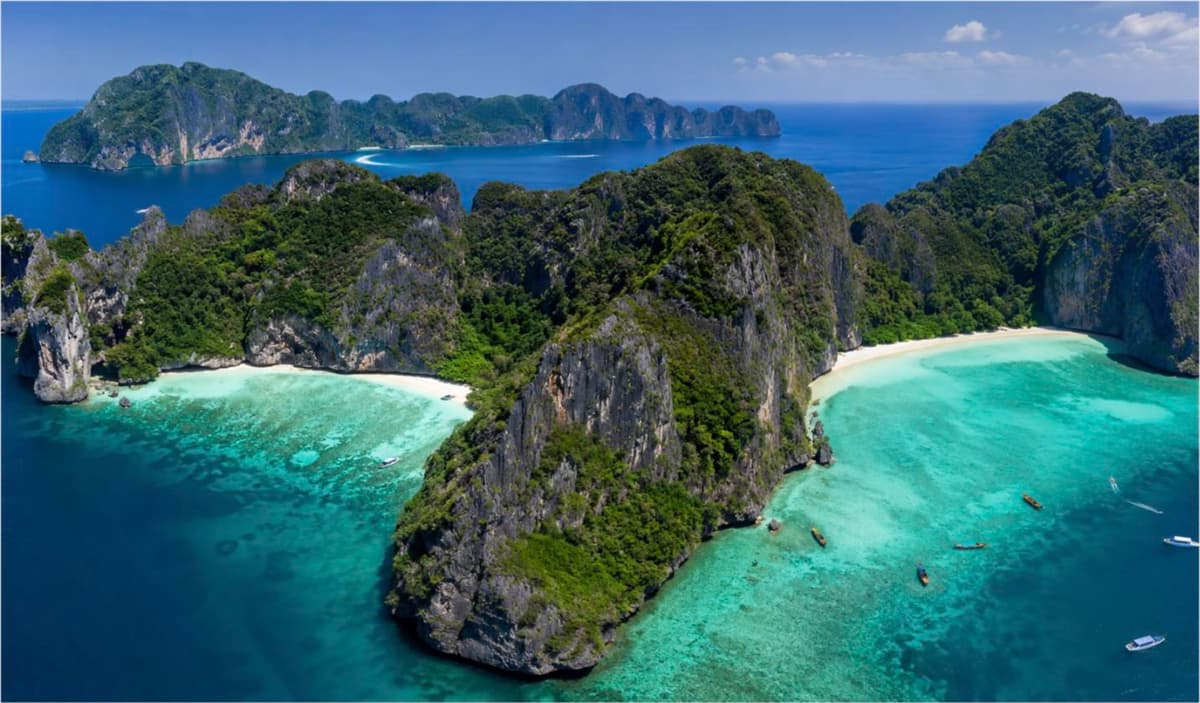

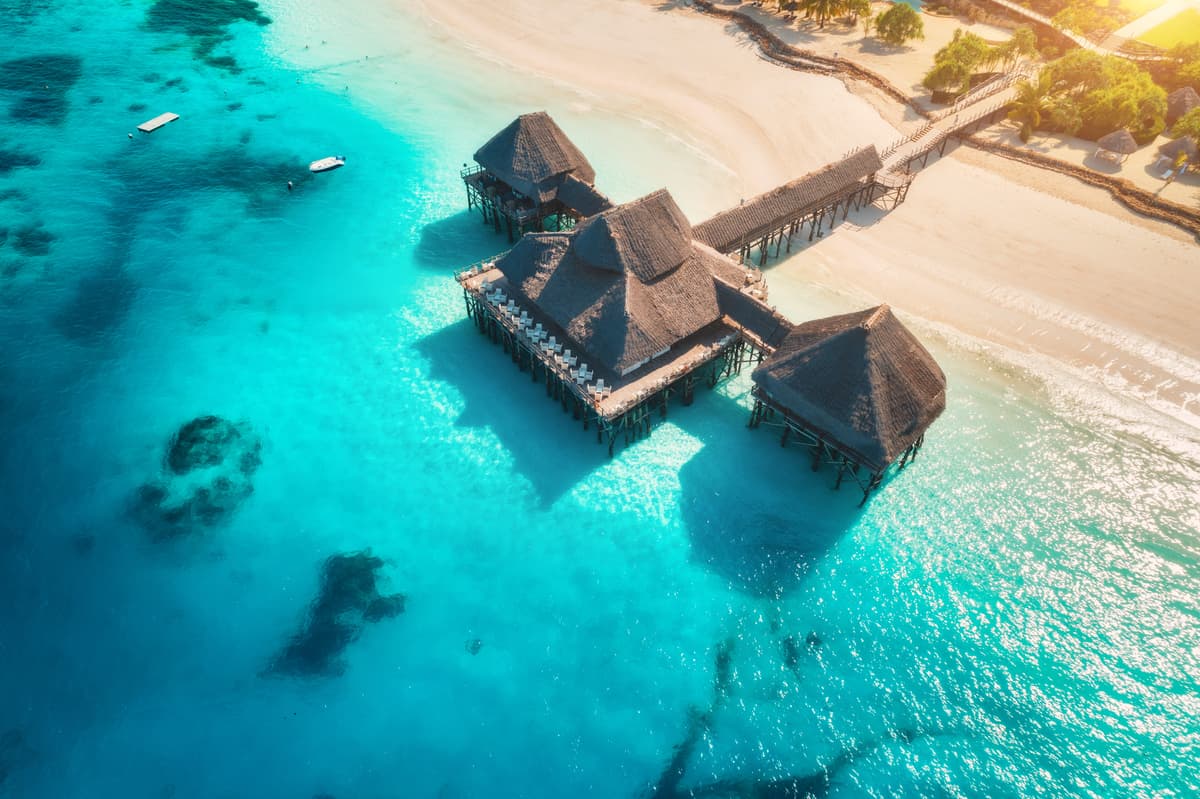



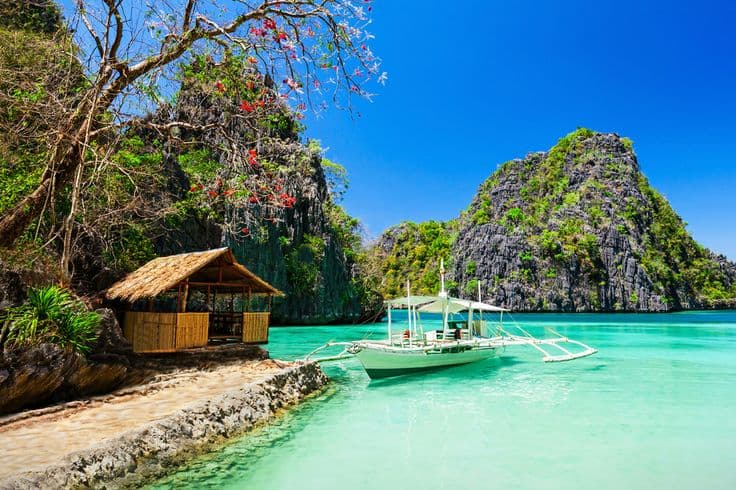






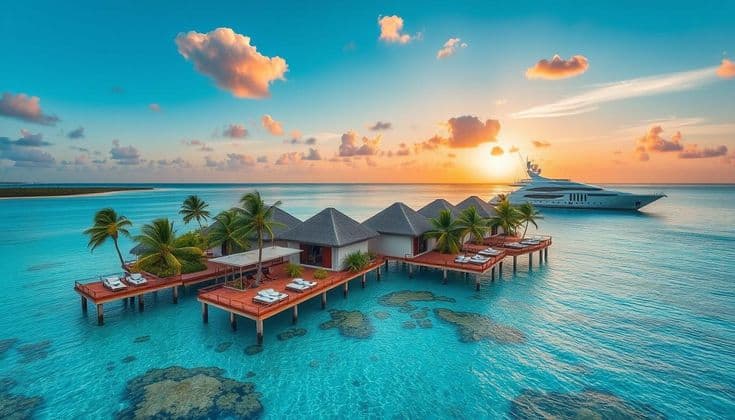
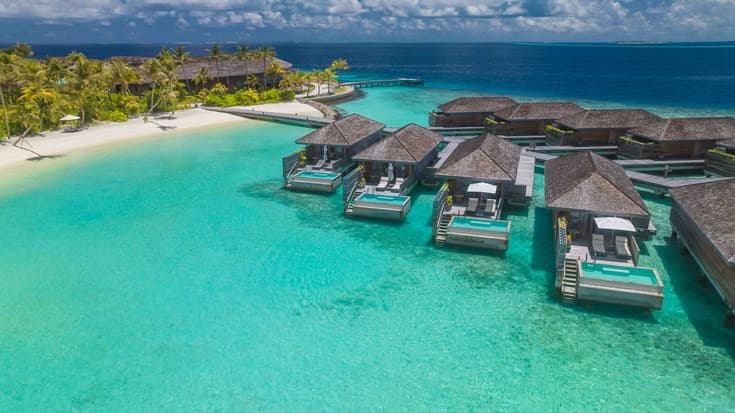









Water sports in Maldives means far more than a jet ski lap around the lagoon. The country is roughly 1,190 islands across 26 natural atolls, almost all of them sitting on a reef, so the water is the destination rather than a side activity.
Snorkelling and scuba diving are the two things most people come for. Around them sit manta and whale shark trips, reef breaks with their own surf season, kitesurfing lagoons, paddleboarding, night fishing and sandbank picnics.
What catches people out is geography and timing. The Maldives is not a single place, and the two monsoons move the plankton, the swell and the visibility from one side of the atolls to the other.
What water sports in Maldives can you actually do?
Here is the quick version, with the season and skill level each activity really needs. Availability varies island to island, so check before you commit to a resort.
| Activity | Best months | Where it works | Skill needed |
|---|---|---|---|
| Snorkelling | Year round | Any island with a healthy house reef | Basic swimming, buoyancy vest available |
| Scuba diving | Year round, best visibility December to April | Channels and thilas across all atolls | Try dive or full certification |
| Manta rays | Varies by atoll and monsoon | Baa, Ari, Male, Laamu, Addu | Confident snorkeller or diver |
| Whale sharks | Year round in South Ari | South Ari Atoll marine protected area | Confident snorkeller |
| Surfing | March to October | Male atolls, Central atolls, Southern atolls | Intermediate and up, reef breaks |
| Kitesurfing and windsurfing | Roughly May to October for wind | Shallow lagoon islands | Beginner lessons widely offered |
| Paddleboarding and kayaking | Year round | Sheltered lagoons | None, life jacket provided |
| Night fishing and sandbanks | Year round | Most resorts and guesthouses | None |
Snorkelling: what makes a house reef worth choosing
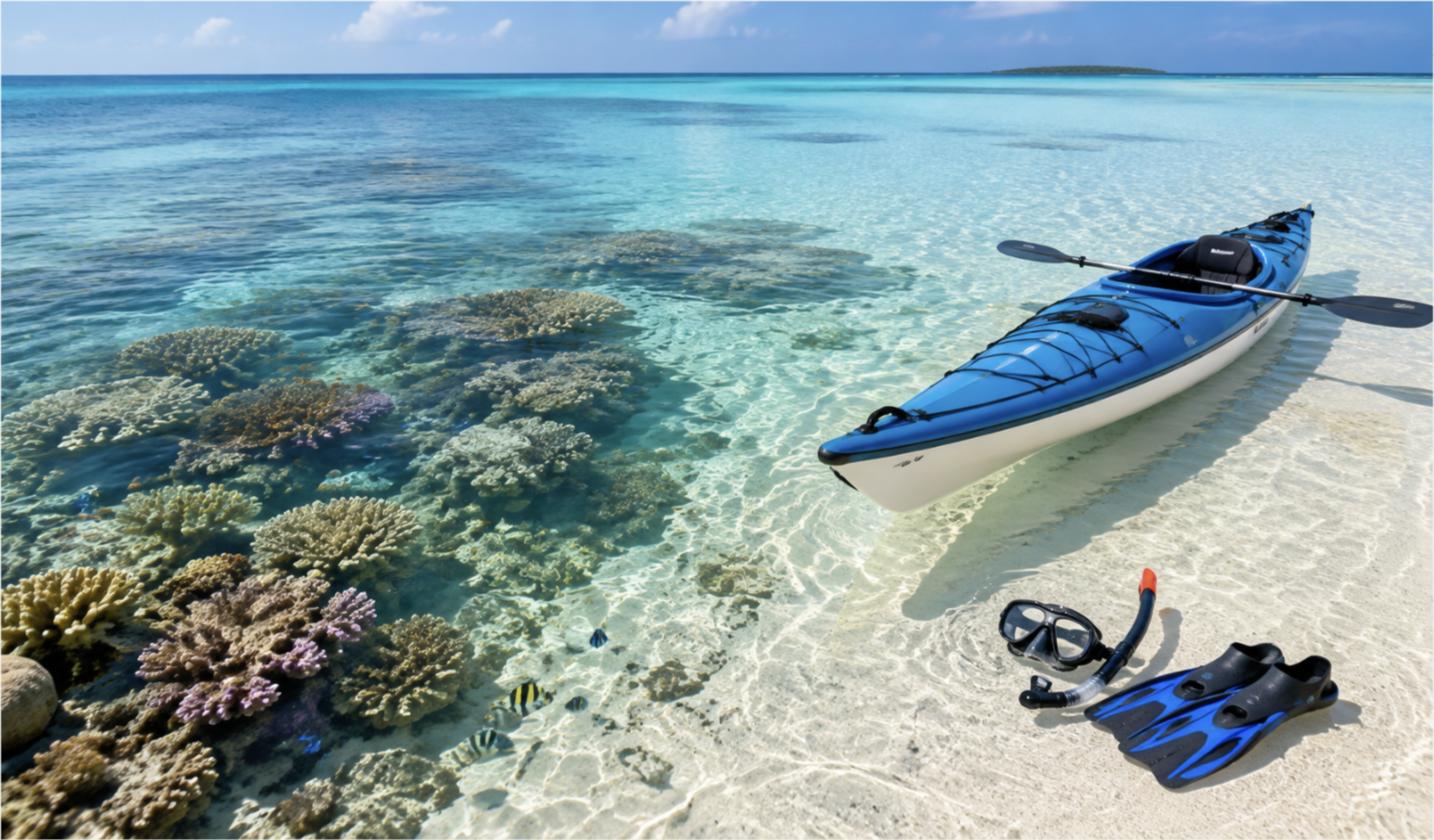
Snorkelling is the main event, and the biggest variable is the house reef, the reef attached to your island that you can swim to without a boat. A good one starts close to shore, has a defined drop off, and can be entered safely from the beach or a jetty ladder.
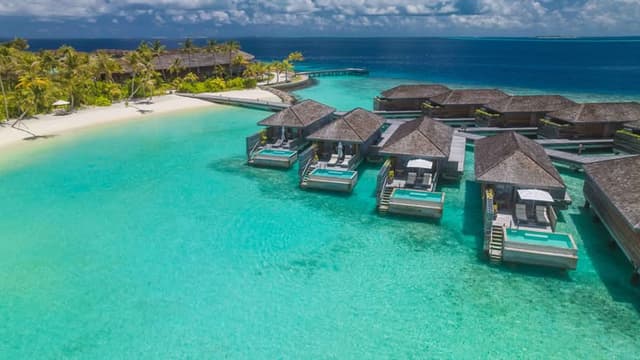
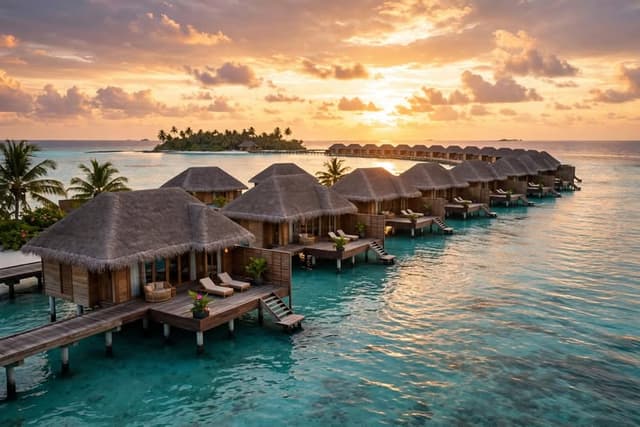
Look for a reef edge within easy swimming distance, a marked entry channel, and no long crossing over dead rubble to reach it. Islands with a wide shallow lagoon look striking from the air but often mean a boat ride to anything interesting, which is worth checking against our rundown of the top resorts in the Maldives.
On a decent reef you will see parrotfish, moray eels, blacktip reef sharks in the shallows, green and hawksbill turtles, and octopus if you look slowly. Early morning gives the clearest water.
Scuba diving in the Maldives: do you need to be certified?
Not to try it. Almost every dive centre runs a supervised introductory dive for uncertified guests, usually in a pool or sheltered lagoon first and then on a reef with an instructor beside you. That gets you underwater on the same day.
To dive the sites the Maldives is known for, you do need certification and often logged experience. The two signature site types are kandus and thilas. A kandu is a channel through the atoll rim where tidal water funnels in and out, dragging plankton and pulling in grey reef sharks, eagle rays and mantas. A thila is a submerged pinnacle topping out around ten to fifteen metres, covered in soft coral and circled by schooling fish.
Both are current dives, and channels are normally drift dives where you hold position on the upcurrent side and watch the traffic pass. Operators commonly want an Advanced certification and a reef hook for stronger channels, and many ask for a check dive first.
Where and when can you see manta rays and whale sharks?
Whale sharks are the more predictable of the two. The southern end of South Ari Atoll holds a resident aggregation of juvenile whale sharks present year round, which makes it the one place where sightings are close to routine rather than lucky. Encounters around Dhigurah in eastern South Ari are reported as more frequent during the southwest monsoon.
Manta rays move with the monsoon: west in the dry season, east in the wet season. From December to April they gather on the western sides of atolls, at sites such as Rangali Madivaru in South Ari and Embudhoo Express in South Male. From May to November they shift east, to Hanifaru Bay and Dharavandhoo Corner in Baa, Lankan Manta Point in North Male, Fesdhoo Lagoon in North Ari, and Fushi Kandu in Laamu. Addu Atoll in the far south holds mantas year round.
Both encounters are regulated. In October 2024 the Maldives brought in a national whale shark regulation, an amendment to the Protected Species Regulation, enforced by the Environmental Protection Agency. It sets a minimum of three metres from the body and four metres from the tail, caps vessels in the contact zone, holds boats to a low speed limit near the animal, and prohibits touching, holding on, feeding, flash photography, selfie sticks and bright lights.
For mantas, operators follow the Manta Trust code: enter the water well away from the animal, approach from the side leaving its path clear, keep at least three metres back, never touch it, do not chase it, and at a cleaning station stay on the perimeter. Touching removes the mucus layer that protects the animal from infection.
What are the rules at Hanifaru Bay?
Hanifaru Bay in Baa Atoll is the most famous manta site in the country and the most tightly controlled. Baa Atoll is a UNESCO Biosphere Reserve, and Hanifaru sits inside it as a marine protected area with rules enforced by rangers on the water, not merely suggested.
- Snorkelling only. Scuba diving is not permitted inside the bay. Freediving down onto the animals is not allowed either.
- A permit is required. Visitors need a token, arranged through a resort, liveaboard or the visitor centre on Dharavandhoo.
- Time is limited. A token allows a set window of in water time, commonly 45 minutes, then your group leaves and the next one enters.
- Numbers are capped. A maximum of around 45 visitors are allowed in the bay at once, across a limited number of vessels, excluding ranger boats.
- Guides must be licensed. Each guide holds a Hanifaru Bay guide licence and leads a limited group, generally up to ten snorkellers.
- Season matters. Feeding aggregations occur roughly May to December, peaking from late July to early October, and cluster around the full and new moon when tidal currents concentrate plankton.
Because of the moon dependency, nobody can promise a Hanifaru event on a fixed date. If it is the reason for your trip, allow several days and go with an operator that watches the tides.
When is surf season in the Maldives?
Surf season runs roughly March to October, driven by south and southwest swell from the southern Indian Ocean. June and August produce the biggest swell, while September and October give consistent waves with more variable wind. Outside that window the swell drops away.
There are three surf zones. The Male atolls hold the original and busiest breaks, including Cokes and Chickens near Thulusdhoo and Jailbreaks. The central atolls around Laamu and Thaa are far quieter, with Yin Yang and Tsunamis. The southern atolls are the least developed. Every break is a reef break over live coral, so booties and honest self assessment matter more than usual.
Kitesurfing, paddleboarding and other water sports in Maldives lagoons
The shallow, flat lagoons are close to ideal for learning wind sports. Kitesurfing and windsurfing centres cluster on islands with wide protected lagoons, and reliable wind broadly tracks the southwest monsoon, May to October.
- Stand up paddleboarding and kayaking work all year in a sheltered lagoon and need no experience. Go early, before the afternoon wind picks up.
- Jet ski and parasailing are restricted at many islands, and some resorts do not offer motorised sports at all, citing noise, guest privacy and disturbance to turtles and shallow reef life. Confirm before booking rather than assuming.
- Night fishing is a standard evening trip using a handline over the reef edge at dusk, and most kitchens will cook what you catch.
- Sandbank trips drop you on a bare strip of sand with an umbrella and a cool box, which is why they appear on almost every Maldives honeymoon itinerary.
- Submarine and semi submarine trips suit anyone who will not put their face in the water. A semi submarine has a viewing hull below the waterline, and a true submarine dive operates out of Male.
- Freediving courses run at a growing number of islands. Take a proper course rather than teaching yourself, and never breath hold dive alone.
Iruvai and hulhangu: how the two monsoons change your plans
The Maldives has two named monsoons. Iruvai, the northeast monsoon, runs roughly December to April: drier, calmer, lighter winds, best all round visibility. Hulhangu, the southwest monsoon, runs roughly May to November: more rain, wind and swell, and greener, plankton rich water.
The practical consequence is which side of an atoll works. In iruvai, visibility is generally best on the eastern side of each atoll while mantas feed to the west. In hulhangu it inverts. Plankton drives the feeding and plankton is also what cuts visibility, so the clearest water and the biggest animals are rarely in the same spot on the same day.
If your priority is photography and clean blue water, aim for iruvai. If it is Hanifaru mantas and surf, aim for hulhangu and accept greener water. Either way, book well ahead for the December to April window and sort the paperwork early, which is what our pre-trip checklist covers.
Coral bleaching, reef-safe sunscreen and the rules of the reef
Be realistic about coral. The fourth global bleaching event ran from early 2023 to mid 2025 and affected an estimated 84 percent of the world's reef area, and the Maldives was hit. Survey work published since found that a year after the 2024 bleaching, central atolls including Ari and North and South Male averaged around 27 percent coral mortality on lagoon reefs and 41 percent on ocean reefs, with hard coral cover roughly halving at surveyed sites. Southern Huvadhoo Atoll showed no detectable mortality, which is why southern reefs are studied as possible refuges.
None of that makes snorkelling not worth doing. Fish life is still abundant, turtles and rays are not directly affected by bleaching, and plenty of reefs are recovering. It does mean expecting grey and broken coral alongside the healthy, and it means the small things you do matter.
- Do not touch or stand on coral. One footstep kills years of growth. If you need to rest, swim back to the boat or the sand.
- Use mineral sunscreen. Non nano zinc oxide or titanium dioxide, not oxybenzone or octinoxate. Several island destinations have legislated against the chemical filters, and many Maldivian resorts ask for reef safe products directly.
- Wear a rash guard. It cuts sunscreen use to almost nothing and stops the back of your legs burning while you float face down for an hour.
- Respect currents. Channel and reef edge currents run hard. Never swim outside the marked house reef area alone, use the buddy system, and exit at the marked point rather than fighting the flow.
Resort island or local island, and who can get in the water
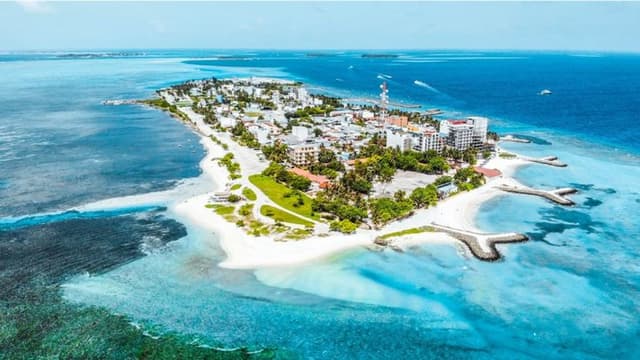
Island type decides what is on offer. A private resort island usually has its own dive centre, water sports centre and house reef, so you can do everything without leaving. A local island, where Maldivians live, gives you guesthouses, independent dive shops and boat trips to the same reefs, but choice depends on which operators are based there. Local islands follow Maldivian custom on public beaches, with swimwear kept to a designated bikini beach, and alcohol is not sold.
Non swimmers and children are better served than most expect. Buoyancy vests and snorkel floats are standard, lagoons are shallow, and glass bottom boats and semi submarines need no swimming at all. Scuba has age minimums, generally from ten years for a junior certification. If someone is nervous in water, say so at the dive centre on day one, not at the boat. A tide and weather app is worth downloading, and a few options are in our guide to the best travel apps. For the wider picture, start with our Maldives travel guide.
Short on planning time? Compare Maldives tour packages to see typical routes and durations at a glance.
Frequently asked questions
What is the best month for water sports in the Maldives?
There is no single best month. December to April gives the calmest seas and the clearest visibility for snorkelling and diving. May to November brings the surf season, peak manta aggregations at Hanifaru Bay, and greener but plankton rich water. Pick the season that matches the activity you care about most.
Do you need to know how to swim for water sports in the Maldives?
Not for all of them. Kayaking, paddleboarding with a life jacket, sandbank trips, night fishing, glass bottom boats and semi submarine tours all work for non swimmers. Snorkelling is possible with a buoyancy vest and a guide, and most resorts will provide one. Scuba diving requires basic water confidence.
Can you dive at Hanifaru Bay?
No. Scuba diving is prohibited inside Hanifaru Bay. It is a snorkelling only marine protected area within the Baa Atoll UNESCO Biosphere Reserve, entry requires a permit token, in water time is capped at around 45 minutes per group, and visitor numbers and boats in the bay at any one time are limited by rangers.
Where are whale sharks most reliable in the Maldives?
The southern part of South Ari Atoll, where a resident population of juvenile whale sharks is present year round inside a marine protected area. Since October 2024 a national regulation governs encounters, requiring a minimum of three metres from the body and four metres from the tail, with no touching, feeding or flash photography.
Is coral bleaching a reason not to go?
No, but go with accurate expectations. The Maldives was affected by the global bleaching event that ran to mid 2025, and central atolls lost significant hard coral cover. Fish, turtles and rays remain abundant, southern atolls fared far better, and many reefs are recovering. You will see both healthy and damaged coral.
Do resorts allow jet skis and parasailing?
Some do, many restrict them, and a few ban motorised water sports entirely for noise, privacy and reef protection reasons. Availability is decided island by island rather than nationally, so if motorised sports matter to you, confirm directly with the property before booking rather than assuming they are standard.
What sunscreen should you take to the Maldives?
A mineral sunscreen based on non nano zinc oxide or titanium dioxide, rather than one containing oxybenzone or octinoxate. Many Maldivian resorts request reef safe products, and a long sleeved rash guard plus a hat reduces how much sunscreen you need in the first place.
'/%3E%3C/svg%3E)