





+977-9709047652
Explore by Country
See all 22 Thailand packages
Most popular pick
See all 22 Thailand packages
See all 11 Vietnam packages
Most popular pick
See all 11 Vietnam packages
See all 10 Indonesia (Bali) packages
Most popular pick
See all 10 Indonesia (Bali) packages
See all 4 Maldives packages
Most popular pick
See all 4 Maldives packages
See all 10 China packages
Most popular pick
See all 10 China packages
See all 2 Sri Lanka packages
Most popular pick
See all 2 Sri Lanka packages
See all 9 Malaysia packages
Most popular pick
See all 9 Malaysia packages
See all 8 Singapore packages
Most popular pick
See all 8 Singapore packages
See all 2 Kenya packages
Most popular pick
See all 2 Kenya packages
See all 4 India packages
Most popular pick
See all 4 India packages
See all 3 Dubai packages
Most popular pick
See all 3 Dubai packages
See all 6 Philippines packages
Most popular pick
See all 6 Philippines packages
Search Tours or Places
Blog / Maldives

Maldives Travel Guide: Everything You Need to Know Before You Go

16 min read 07 Aug 2026 · Updated 21 Aug 2026
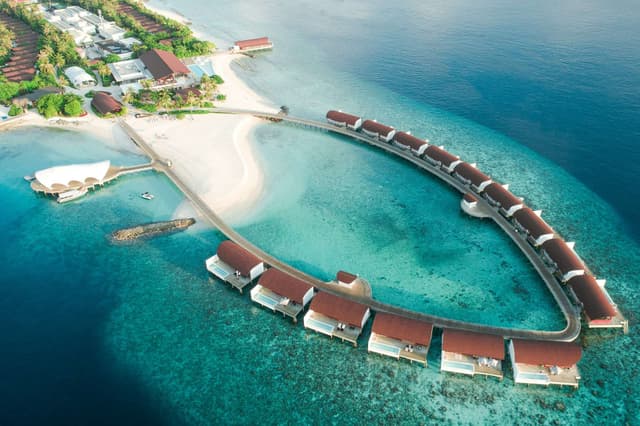
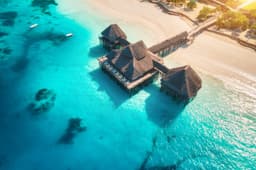
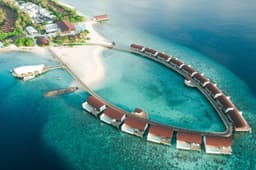
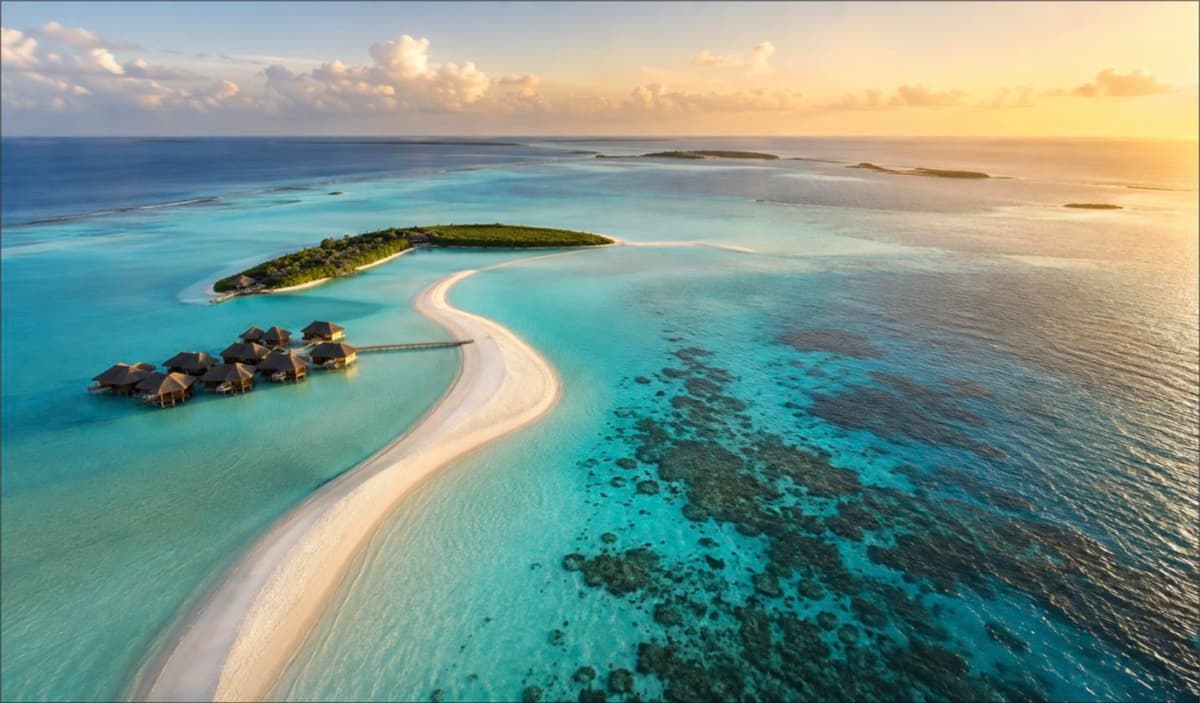
Aerial view of a Maldives atoll at golden hour with turquoise lagoons, a curving white sandbank and overwater villas

The Maldives is a nation of coral islands scattered across the Indian Ocean, famous for glass-clear lagoons, powder white beaches and some of the richest marine life on the planet. This guide pulls together everything a first time visitor needs to understand before booking: how the country is laid out, when to go, how to get around between islands, where to stay, what to do, and the practical rules on visas, culture and safety. Think of it as the map you read before the map you travel with.

Where Are the Maldives and How the Country Is Structured

The Maldives sits southwest of Sri Lanka and India, straddling the equator in the Indian Ocean. It is the lowest lying country on Earth, with an average ground level of only about 1.5 metres above sea level. The whole nation stretches across roughly 90,000 square kilometres of ocean, yet the total dry land adds up to less than 300 square kilometres. In other words, it is mostly sea with tiny fragments of land threaded through it.

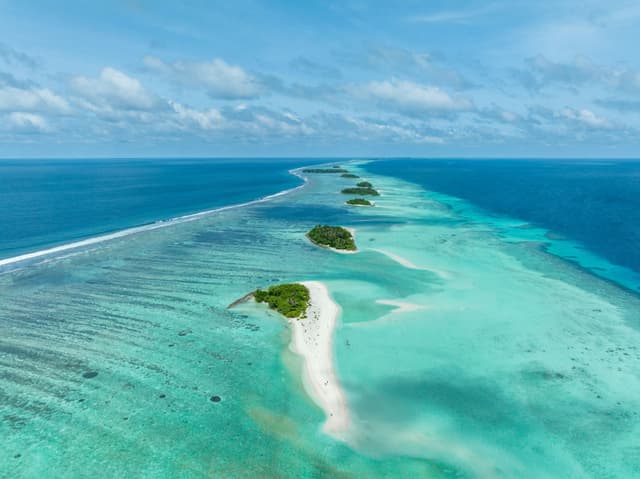
According to Visit Maldives, the country is made up of around 1,190 coral islands grouped into 26 natural atolls. An atoll is a ring shaped coral reef enclosing a shallow lagoon, and the English word "atoll" actually comes from the Dhivehi word "atholhu". For administration the government organises these natural atolls into a smaller number of administrative divisions, but for travellers the natural atoll picture is the useful one.

Only about 200 of the islands are inhabited by local communities, and roughly another 150 or so are developed as private resort islands. That split matters more than almost anything else in trip planning, because it shapes where you can stay, what you can do and even what you can wear. The capital, Male, is one of the most densely populated cities in the world and sits on its own small island beside the main international airport.

The single most useful mental model for the Maldives: one island, one purpose. A resort island is a resort. A local island is a town. Male is the capital. You travel between them by boat or plane, not by road.

When to Go: A Quick Overview

The Maldives is a year round destination with warm water and air temperatures between roughly 25 and 31 degrees Celsius in every month. The year divides into two monsoon seasons: a dry northeast monsoon locally called "iruvai", running roughly from November to April, and a wetter southwest monsoon called "hulhangu", running roughly from May to October. The dry season brings the clearest skies, calmest seas and the highest visitor numbers, while the wet season is greener, quieter and often cheaper, with short heavy showers rather than all day rain.

Because timing changes so much about a trip, from underwater visibility to manta ray sightings to how busy the resorts feel, it deserves its own deep dive. For a full month by month breakdown of temperature, rainfall, sea conditions and the best windows for diving and marine encounters, read our companion guide on the best time to visit the Maldives.
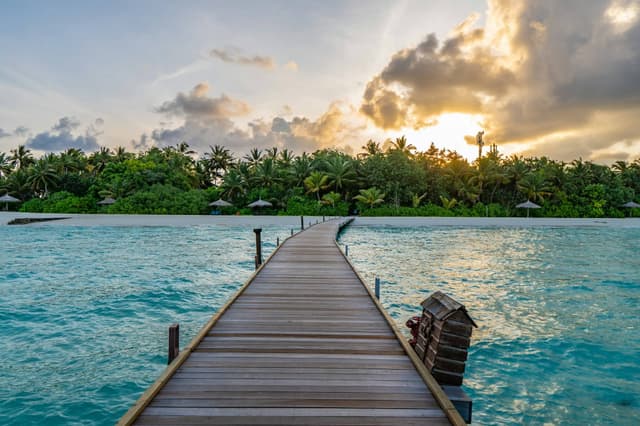
Explore Maldives tour packages
View all →

How to Get There

Almost every international visitor arrives at Velana International Airport (airport code MLE), which sits on Hulhule Island right next to Male. It is the main gateway and handles direct and connecting flights from major hubs across the Middle East, South Asia, Southeast Asia and Europe. A handful of regional airports, including Gan in the south and Maafaru in the north, receive some international and charter flights, but MLE is where the vast majority of journeys begin.

Common connection points include Dubai, Abu Dhabi, Doha, Colombo, Bangkok, Singapore, Kuala Lumpur, Istanbul and several Indian cities. From these hubs the final leg to Male typically takes between one and five hours depending on origin. Once you land, your onward journey does not involve a taxi or a hire car. It involves a boat or a small plane, and that transfer is arranged by the island you are staying on.

Getting Around Between Islands

There is no bridge network linking the atolls, so island hopping is done over water and by air. Understanding the four main transfer types helps you match a location to your budget and your tolerance for travel time.

Transfer typeBest forTypical rangeGood to know
SpeedboatResorts and islands relatively near MaleRoughly up to 1.5 hoursRuns day and night, all weather, most flexible timing
SeaplaneRemote resorts across many atollsRoughly 20 to 60 minutes flyingDaylight only, spectacular aerial views, luggage limits apply
Domestic flightFar northern and southern atollsRoughly 25 to 90 minutesOften followed by a short speedboat to the final island
Public ferryBudget travel between local islandsVaries widely, can be hoursCheapest option, limited schedules, no Friday service on many routes

Seaplanes are one of the signature experiences of a Maldives trip. They are operated by Trans Maldivian Airways and Manta Air, they take off and land on the water, and because they fly only in daylight your arrival island may hold you at a lounge until a scheduled departure slot. If your flight into Male lands in the evening and your resort is a seaplane away, you may overnight near the airport and fly out the next morning. Speedboats, by contrast, run around the clock, which is why nearer resorts can offer late night arrivals.

For independent and budget travellers, the government run public ferry network links many inhabited islands for a very low fare. It is slow and infrequent, schedules thin out around Fridays and public holidays, and it is not designed for tight connections, but it is the authentic, wallet friendly way to move between local communities.

Where to Stay: Three Very Different Experiences

Accommodation in the Maldives is not one thing. The type of island you choose defines your entire holiday far more than the star rating. There are three broad models.

Resort Islands

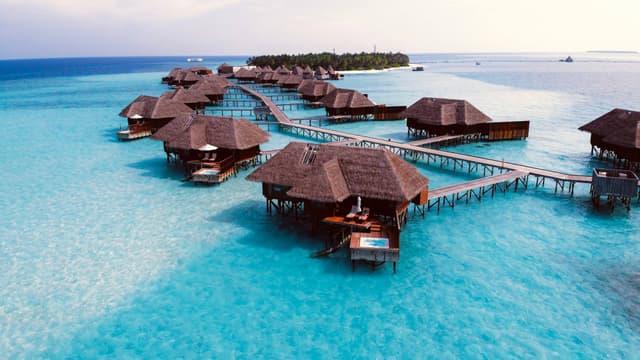
A resort island is a private island occupied by a single hotel. You have the beach, the reef, the restaurants and often an overwater villa to yourself and fellow guests. Alcohol is served, dress is relaxed, and everything from spa treatments to dive trips is on site. This is the classic honeymoon and luxury image of the Maldives, and it is deliberately self contained. If your priority is seclusion, privacy and switching off, this is the model to understand first. Our roundup of the top resorts in the Maldives walks through the range of styles available.

Local Islands (Guesthouse Tourism)

Since 2009 the Maldives has allowed guesthouses on inhabited local islands, opening up a far more affordable and cultural way to visit. On a local island you stay in a small guesthouse within a working Maldivian town, eat at local cafes, and join shared excursions to sandbanks and reefs. Because these are Muslim communities, local rules apply: modest dress in public, no alcohol on the island, and swimwear limited to designated "bikini beaches" set aside for tourists. Popular guesthouse islands include Maafushi, Dhigurah, Ukulhas, Thoddoo and Fulidhoo.

Liveaboards

A liveaboard is a boat that becomes your floating hotel for several nights, moving between dive and surf sites that day trippers cannot easily reach. This model suits keen divers and surfers who want to maximise time in the water and chase the best conditions across multiple atolls. You trade a fixed island base for mobility and access to remote channels, wrecks and reefs.

Stay typeAtmosphereAlcoholBest suited to
Resort islandPrivate, polished, secludedYes, served on the islandHoneymooners, couples, families wanting comfort
Local islandAuthentic, cultural, socialNo, dry local communitiesBudget travellers, culture seekers, solo travellers
LiveaboardMobile, adventurous, water focusedSometimes, boat dependentDivers, surfers, marine enthusiasts

Couples weighing up the romance of an overwater villa against a longer, quieter escape will find more detail in our guide to planning a honeymoon in the Maldives.

Things to Do

The Maldives is fundamentally an ocean destination, and most of its best experiences happen in, on or under the water.

  • Snorkeling. Many islands have a "house reef" you can reach straight from the beach, teeming with reef fish, coral and turtles. It is the single most accessible highlight for non divers.
  • Scuba diving. The Maldives is a world class diving destination, with channels, pinnacles and reefs that draw sharks, rays and huge schools of fish. Certified divers and total beginners taking a discovery dive are both well catered for.
  • Manta rays and whale sharks. Certain atolls host reliable populations of reef manta rays and whale sharks. Baa Atoll's Hanifaru Bay, a UNESCO Biosphere Reserve, is famous for seasonal manta aggregations.
  • Sandbank trips. Excursions to bare sandbanks, tiny crescents of sand in the middle of the ocean, are a classic day out for photos, picnics and swimming.
  • Water sports. Jet skiing, parasailing, kayaking, paddleboarding and catamaran sailing are widely available. See our full breakdown of water sports in the Maldives for what to expect.
  • Surfing. The Maldives has a genuine surf scene, with breaks concentrated in the central atolls and the south, best during the southwest monsoon swell.
  • Bioluminescence. On some nights and beaches, plankton light up the shoreline with a glowing blue shimmer often called the "sea of stars".

Beyond the water, expect spa treatments, sunset dolphin cruises, and on local islands, cultural walks, fishing trips with residents and home cooked Maldivian meals.

Maldivian Food

Maldivian cuisine leans heavily on three staples: fish, coconut and starches like rice and flatbread. Tuna, especially skipjack, is the backbone of the diet, whether smoked, dried or freshly grilled. The food is fragrant and often spiced with chilli, curry leaves and lime.

  • Mas huni. Shredded smoked tuna mixed with grated coconut, onion and chilli, traditionally eaten for breakfast with roshi flatbread.
  • Garudhiya. A clear, fragrant fish broth served with rice, lime and chilli, considered a national comfort dish.
  • Hedhikaa. A family of short eats and snacks, including battered fish rolls and savoury pastries, enjoyed with sweet tea.
  • Fihunu mas. Barbecued reef fish rubbed with chilli paste.

Resort islands serve international buffets and fine dining alongside local dishes, so fussy eaters and adventurous ones are both covered. On local islands, small cafes called "hotaa" are the place to try everyday Maldivian cooking at very modest prices.

Budget Expectations

The Maldives has a reputation as an expensive destination, and at the luxury end that is entirely fair. But the guesthouse revolution means the country now spans a genuine range, from backpacker friendly to ultra premium. Rather than quoting figures that date quickly, it helps to understand what drives cost.

  • Island type. Local island guesthouses are dramatically cheaper than private resorts, often by a wide margin, because you share facilities and skip the exclusivity premium.
  • Transfer. A short speedboat is cheaper than a seaplane, which is cheaper again than a domestic flight plus boat. Remote resorts cost more to reach.
  • Season. The dry, peak season commands higher rates than the quieter wet season, especially over the December to January holidays.
  • Board basis. Because you are captive on an island, meal plans matter. All inclusive can be better value than paying for every meal and drink separately.
  • Taxes. Tourism is subject to a Goods and Services Tax and a per night Green Tax, and resorts often add a service charge, so the headline rate is not the final figure.

The local currency is the Maldivian Rufiyaa (MVR), managed in a band against the US dollar at roughly 15.4 rufiyaa per dollar. In practice, resorts, guesthouses and tourist services quote and accept US dollars, and major cards are widely used, so most visitors barely handle local cash.

Visa Basics

Entry to the Maldives is refreshingly simple. According to Maldives Immigration, a free tourist visa is granted on arrival to visitors of every nationality, valid for up to 30 days. There is no need to arrange it in advance for a standard holiday. To be admitted you generally need to show the following.

  • A passport valid for the duration of your stay.
  • A confirmed onward or return ticket.
  • Proof of a booking, such as a resort or guesthouse reservation.
  • Sufficient funds to cover your stay.
  • A completed online arrival declaration (the Traveller Declaration), submitted within the window before departure through the official IMUGA portal.

Rules can change, so always confirm the current requirements on the official Maldives Immigration website at immigration.gov.mv before you travel. Extensions beyond 30 days are possible but must be applied for locally.

Culture and Etiquette

The Maldives is an Islamic country, and Islam is the state religion. On resort islands the atmosphere is deliberately international and relaxed, but the moment you step onto an inhabited local island or into Male, local customs apply and are worth respecting.

  • Dress modestly on local islands. Cover shoulders and knees in public areas. Bikinis and swimwear are only appropriate on designated tourist beaches.
  • Alcohol is restricted. It is legally available only on resort islands and some licensed liveaboards, and it is prohibited on inhabited local islands. Do not bring alcohol in your luggage, as it is confiscated at the airport and held until departure.
  • Friday is the holy day. Expect quieter towns, reduced ferry services and a midday prayer pause on local islands.
  • Public displays of affection should be kept discreet on local islands and in the capital.
  • Ramadan. During the holy month, eating and drinking in public during daylight is avoided on local islands out of respect. Resorts continue to serve normally.

The official language is Dhivehi, which uses the Thaana script, but English is very widely spoken in the tourism industry and by younger Maldivians, so communication is rarely a problem.

Health and Safety

The Maldives is generally a safe destination with low levels of crime, and the main risks are related to the sun, the sea and the remoteness of many islands rather than to personal security.

  • Sun protection. The equatorial sun is intense. Use reef safe sunscreen where possible, wear a rash guard for long snorkel sessions, and hydrate.
  • Ocean awareness. Currents in channels can be strong. Snorkel and dive with guidance, respect flags and briefings, and never touch or stand on coral.
  • Marine life. Look but do not touch. Watch for stonefish and lionfish on reefs, and wear water shoes where advised.
  • Medical care. Male has hospitals, and larger resorts have clinics or doctors, but remote islands may be hours from advanced care. Comprehensive travel insurance that covers water sports and emergency evacuation is strongly recommended.
  • Mosquitoes. Dengue can occur, so pack repellent, particularly for local islands and the wetter months.

Tap water quality varies, so most visitors stick to filtered or bottled water, and many resorts now bottle their own to cut plastic waste.

Practical Tips Before You Go

  • Match the island to the traveller. Decide early between a resort, a local island or a liveaboard, because it shapes cost, dress code and daily rhythm more than any other choice.
  • Book seaplane resorts with buffer time. Seaplanes fly only in daylight, so an evening arrival into Male may mean transferring the next morning.
  • Pack light and soft. Seaplanes enforce luggage weight limits, and island life needs little more than swimwear, light clothing, sun protection and a modest cover up for local islands.
  • Bring an underwater camera or housing. The reef life is the memory you will most want to capture.
  • Carry a power adapter. The Maldives primarily uses the UK style Type G three pin plug at 230 volts.
  • Get connected. Local SIM cards and eSIMs from providers like Dhiraagu and Ooredoo give good coverage on inhabited islands, while resorts provide Wi Fi.
  • Respect the reef. Choose reef safe sunscreen, avoid single use plastics and never take coral or shells as souvenirs.

If planning all this yourself feels like a lot, a packaged Maldives tour package bundles hotels, transfers and day tours into one booking.

Frequently Asked Questions

How many islands and atolls does the Maldives have?

The Maldives has around 1,190 coral islands grouped into 26 natural atolls, spread across roughly 90,000 square kilometres of the Indian Ocean, according to Visit Maldives. Only about 200 islands host local communities, and around 150 are developed as private resorts.

Do I need a visa for the Maldives?

Most visitors do not need a visa in advance. Maldives Immigration grants a free 30 day tourist visa on arrival to all nationalities, provided you hold a valid passport, an onward ticket, a confirmed booking and sufficient funds, and you complete the online Traveller Declaration before departure. Always confirm current rules at immigration.gov.mv.

What is the difference between a resort island and a local island?

A resort island is a private island occupied by a single hotel, where alcohol is served and dress is relaxed. A local island is an inhabited Muslim town with guesthouses, where alcohol is banned, modest dress is expected in public, and swimwear is limited to designated tourist beaches. Local islands are far cheaper.

How do you travel between the islands?

There are no roads between atolls, so you move by water or air. Options are speedboats for nearer islands, seaplanes and domestic flights for remote resorts, and low cost public ferries for budget travel between local islands. Your resort or guesthouse arranges the transfer that matches its location.

Is the Maldives only for luxury travellers and honeymooners?

No. While luxury resorts built the reputation, guesthouse tourism on local islands since 2009 has opened the Maldives to budget travellers, solo visitors and families. You can experience the same reefs and sandbanks at a fraction of the cost by basing yourself on an inhabited island.

Can you drink alcohol in the Maldives?

Alcohol is available only on private resort islands and some licensed liveaboards. It is prohibited on inhabited local islands and in the capital, and you cannot bring it in your luggage, as it will be held by customs until you leave the country.

Is the Maldives safe to visit?

The Maldives is generally very safe with low crime. The main risks relate to the sun, strong ocean currents and the distance to advanced medical care on remote islands. Snorkel and dive within your limits, follow safety briefings and carry travel insurance that covers water sports and evacuation.

What currency is used and do I need cash?

The local currency is the Maldivian Rufiyaa, roughly 15.4 to the US dollar, but tourism runs almost entirely on US dollars and cards. Resorts and guesthouses quote in dollars and accept major cards, so most visitors carry little or no local cash.

More from Gomayu

Tags
Maldives
Share
G
Gomayu Team
Writer at Gomayu
Keep reading
Blog / Maldives
Maldives Travel Guide: Everything You Need to Know Before You Go
16 min read 07 Aug 2026 · Updated 21 Aug 2026
Aerial view of a Maldives atoll at golden hour with turquoise lagoons, a curving white sandbank and overwater villas

The Maldives is a nation of coral islands scattered across the Indian Ocean, famous for glass-clear lagoons, powder white beaches and some of the richest marine life on the planet. This guide pulls together everything a first time visitor needs to understand before booking: how the country is laid out, when to go, how to get around between islands, where to stay, what to do, and the practical rules on visas, culture and safety. Think of it as the map you read before the map you travel with.

Where Are the Maldives and How the Country Is Structured

The Maldives sits southwest of Sri Lanka and India, straddling the equator in the Indian Ocean. It is the lowest lying country on Earth, with an average ground level of only about 1.5 metres above sea level. The whole nation stretches across roughly 90,000 square kilometres of ocean, yet the total dry land adds up to less than 300 square kilometres. In other words, it is mostly sea with tiny fragments of land threaded through it.

According to Visit Maldives, the country is made up of around 1,190 coral islands grouped into 26 natural atolls. An atoll is a ring shaped coral reef enclosing a shallow lagoon, and the English word "atoll" actually comes from the Dhivehi word "atholhu". For administration the government organises these natural atolls into a smaller number of administrative divisions, but for travellers the natural atoll picture is the useful one.

Only about 200 of the islands are inhabited by local communities, and roughly another 150 or so are developed as private resort islands. That split matters more than almost anything else in trip planning, because it shapes where you can stay, what you can do and even what you can wear. The capital, Male, is one of the most densely populated cities in the world and sits on its own small island beside the main international airport.

The single most useful mental model for the Maldives: one island, one purpose. A resort island is a resort. A local island is a town. Male is the capital. You travel between them by boat or plane, not by road.

When to Go: A Quick Overview

The Maldives is a year round destination with warm water and air temperatures between roughly 25 and 31 degrees Celsius in every month. The year divides into two monsoon seasons: a dry northeast monsoon locally called "iruvai", running roughly from November to April, and a wetter southwest monsoon called "hulhangu", running roughly from May to October. The dry season brings the clearest skies, calmest seas and the highest visitor numbers, while the wet season is greener, quieter and often cheaper, with short heavy showers rather than all day rain.

Because timing changes so much about a trip, from underwater visibility to manta ray sightings to how busy the resorts feel, it deserves its own deep dive. For a full month by month breakdown of temperature, rainfall, sea conditions and the best windows for diving and marine encounters, read our companion guide on the best time to visit the Maldives.
Explore Maldives tour packages
View all →

How to Get There

Almost every international visitor arrives at Velana International Airport (airport code MLE), which sits on Hulhule Island right next to Male. It is the main gateway and handles direct and connecting flights from major hubs across the Middle East, South Asia, Southeast Asia and Europe. A handful of regional airports, including Gan in the south and Maafaru in the north, receive some international and charter flights, but MLE is where the vast majority of journeys begin.

Common connection points include Dubai, Abu Dhabi, Doha, Colombo, Bangkok, Singapore, Kuala Lumpur, Istanbul and several Indian cities. From these hubs the final leg to Male typically takes between one and five hours depending on origin. Once you land, your onward journey does not involve a taxi or a hire car. It involves a boat or a small plane, and that transfer is arranged by the island you are staying on.

Getting Around Between Islands

There is no bridge network linking the atolls, so island hopping is done over water and by air. Understanding the four main transfer types helps you match a location to your budget and your tolerance for travel time.

Transfer typeBest forTypical rangeGood to know
SpeedboatResorts and islands relatively near MaleRoughly up to 1.5 hoursRuns day and night, all weather, most flexible timing
SeaplaneRemote resorts across many atollsRoughly 20 to 60 minutes flyingDaylight only, spectacular aerial views, luggage limits apply
Domestic flightFar northern and southern atollsRoughly 25 to 90 minutesOften followed by a short speedboat to the final island
Public ferryBudget travel between local islandsVaries widely, can be hoursCheapest option, limited schedules, no Friday service on many routes

Seaplanes are one of the signature experiences of a Maldives trip. They are operated by Trans Maldivian Airways and Manta Air, they take off and land on the water, and because they fly only in daylight your arrival island may hold you at a lounge until a scheduled departure slot. If your flight into Male lands in the evening and your resort is a seaplane away, you may overnight near the airport and fly out the next morning. Speedboats, by contrast, run around the clock, which is why nearer resorts can offer late night arrivals.

For independent and budget travellers, the government run public ferry network links many inhabited islands for a very low fare. It is slow and infrequent, schedules thin out around Fridays and public holidays, and it is not designed for tight connections, but it is the authentic, wallet friendly way to move between local communities.

Where to Stay: Three Very Different Experiences

Accommodation in the Maldives is not one thing. The type of island you choose defines your entire holiday far more than the star rating. There are three broad models.

Resort Islands

A resort island is a private island occupied by a single hotel. You have the beach, the reef, the restaurants and often an overwater villa to yourself and fellow guests. Alcohol is served, dress is relaxed, and everything from spa treatments to dive trips is on site. This is the classic honeymoon and luxury image of the Maldives, and it is deliberately self contained. If your priority is seclusion, privacy and switching off, this is the model to understand first. Our roundup of the top resorts in the Maldives walks through the range of styles available.

Local Islands (Guesthouse Tourism)

Since 2009 the Maldives has allowed guesthouses on inhabited local islands, opening up a far more affordable and cultural way to visit. On a local island you stay in a small guesthouse within a working Maldivian town, eat at local cafes, and join shared excursions to sandbanks and reefs. Because these are Muslim communities, local rules apply: modest dress in public, no alcohol on the island, and swimwear limited to designated "bikini beaches" set aside for tourists. Popular guesthouse islands include Maafushi, Dhigurah, Ukulhas, Thoddoo and Fulidhoo.

Liveaboards

A liveaboard is a boat that becomes your floating hotel for several nights, moving between dive and surf sites that day trippers cannot easily reach. This model suits keen divers and surfers who want to maximise time in the water and chase the best conditions across multiple atolls. You trade a fixed island base for mobility and access to remote channels, wrecks and reefs.

Stay typeAtmosphereAlcoholBest suited to
Resort islandPrivate, polished, secludedYes, served on the islandHoneymooners, couples, families wanting comfort
Local islandAuthentic, cultural, socialNo, dry local communitiesBudget travellers, culture seekers, solo travellers
LiveaboardMobile, adventurous, water focusedSometimes, boat dependentDivers, surfers, marine enthusiasts

Couples weighing up the romance of an overwater villa against a longer, quieter escape will find more detail in our guide to planning a honeymoon in the Maldives.

Things to Do

The Maldives is fundamentally an ocean destination, and most of its best experiences happen in, on or under the water.

  • Snorkeling. Many islands have a "house reef" you can reach straight from the beach, teeming with reef fish, coral and turtles. It is the single most accessible highlight for non divers.
  • Scuba diving. The Maldives is a world class diving destination, with channels, pinnacles and reefs that draw sharks, rays and huge schools of fish. Certified divers and total beginners taking a discovery dive are both well catered for.
  • Manta rays and whale sharks. Certain atolls host reliable populations of reef manta rays and whale sharks. Baa Atoll's Hanifaru Bay, a UNESCO Biosphere Reserve, is famous for seasonal manta aggregations.
  • Sandbank trips. Excursions to bare sandbanks, tiny crescents of sand in the middle of the ocean, are a classic day out for photos, picnics and swimming.
  • Water sports. Jet skiing, parasailing, kayaking, paddleboarding and catamaran sailing are widely available. See our full breakdown of water sports in the Maldives for what to expect.
  • Surfing. The Maldives has a genuine surf scene, with breaks concentrated in the central atolls and the south, best during the southwest monsoon swell.
  • Bioluminescence. On some nights and beaches, plankton light up the shoreline with a glowing blue shimmer often called the "sea of stars".

Beyond the water, expect spa treatments, sunset dolphin cruises, and on local islands, cultural walks, fishing trips with residents and home cooked Maldivian meals.

Maldivian Food

Maldivian cuisine leans heavily on three staples: fish, coconut and starches like rice and flatbread. Tuna, especially skipjack, is the backbone of the diet, whether smoked, dried or freshly grilled. The food is fragrant and often spiced with chilli, curry leaves and lime.

  • Mas huni. Shredded smoked tuna mixed with grated coconut, onion and chilli, traditionally eaten for breakfast with roshi flatbread.
  • Garudhiya. A clear, fragrant fish broth served with rice, lime and chilli, considered a national comfort dish.
  • Hedhikaa. A family of short eats and snacks, including battered fish rolls and savoury pastries, enjoyed with sweet tea.
  • Fihunu mas. Barbecued reef fish rubbed with chilli paste.

Resort islands serve international buffets and fine dining alongside local dishes, so fussy eaters and adventurous ones are both covered. On local islands, small cafes called "hotaa" are the place to try everyday Maldivian cooking at very modest prices.

Budget Expectations

The Maldives has a reputation as an expensive destination, and at the luxury end that is entirely fair. But the guesthouse revolution means the country now spans a genuine range, from backpacker friendly to ultra premium. Rather than quoting figures that date quickly, it helps to understand what drives cost.

  • Island type. Local island guesthouses are dramatically cheaper than private resorts, often by a wide margin, because you share facilities and skip the exclusivity premium.
  • Transfer. A short speedboat is cheaper than a seaplane, which is cheaper again than a domestic flight plus boat. Remote resorts cost more to reach.
  • Season. The dry, peak season commands higher rates than the quieter wet season, especially over the December to January holidays.
  • Board basis. Because you are captive on an island, meal plans matter. All inclusive can be better value than paying for every meal and drink separately.
  • Taxes. Tourism is subject to a Goods and Services Tax and a per night Green Tax, and resorts often add a service charge, so the headline rate is not the final figure.

The local currency is the Maldivian Rufiyaa (MVR), managed in a band against the US dollar at roughly 15.4 rufiyaa per dollar. In practice, resorts, guesthouses and tourist services quote and accept US dollars, and major cards are widely used, so most visitors barely handle local cash.

Visa Basics

Entry to the Maldives is refreshingly simple. According to Maldives Immigration, a free tourist visa is granted on arrival to visitors of every nationality, valid for up to 30 days. There is no need to arrange it in advance for a standard holiday. To be admitted you generally need to show the following.

  • A passport valid for the duration of your stay.
  • A confirmed onward or return ticket.
  • Proof of a booking, such as a resort or guesthouse reservation.
  • Sufficient funds to cover your stay.
  • A completed online arrival declaration (the Traveller Declaration), submitted within the window before departure through the official IMUGA portal.

Rules can change, so always confirm the current requirements on the official Maldives Immigration website at immigration.gov.mv before you travel. Extensions beyond 30 days are possible but must be applied for locally.

Culture and Etiquette

The Maldives is an Islamic country, and Islam is the state religion. On resort islands the atmosphere is deliberately international and relaxed, but the moment you step onto an inhabited local island or into Male, local customs apply and are worth respecting.

  • Dress modestly on local islands. Cover shoulders and knees in public areas. Bikinis and swimwear are only appropriate on designated tourist beaches.
  • Alcohol is restricted. It is legally available only on resort islands and some licensed liveaboards, and it is prohibited on inhabited local islands. Do not bring alcohol in your luggage, as it is confiscated at the airport and held until departure.
  • Friday is the holy day. Expect quieter towns, reduced ferry services and a midday prayer pause on local islands.
  • Public displays of affection should be kept discreet on local islands and in the capital.
  • Ramadan. During the holy month, eating and drinking in public during daylight is avoided on local islands out of respect. Resorts continue to serve normally.

The official language is Dhivehi, which uses the Thaana script, but English is very widely spoken in the tourism industry and by younger Maldivians, so communication is rarely a problem.

Health and Safety

The Maldives is generally a safe destination with low levels of crime, and the main risks are related to the sun, the sea and the remoteness of many islands rather than to personal security.

  • Sun protection. The equatorial sun is intense. Use reef safe sunscreen where possible, wear a rash guard for long snorkel sessions, and hydrate.
  • Ocean awareness. Currents in channels can be strong. Snorkel and dive with guidance, respect flags and briefings, and never touch or stand on coral.
  • Marine life. Look but do not touch. Watch for stonefish and lionfish on reefs, and wear water shoes where advised.
  • Medical care. Male has hospitals, and larger resorts have clinics or doctors, but remote islands may be hours from advanced care. Comprehensive travel insurance that covers water sports and emergency evacuation is strongly recommended.
  • Mosquitoes. Dengue can occur, so pack repellent, particularly for local islands and the wetter months.

Tap water quality varies, so most visitors stick to filtered or bottled water, and many resorts now bottle their own to cut plastic waste.

Practical Tips Before You Go

  • Match the island to the traveller. Decide early between a resort, a local island or a liveaboard, because it shapes cost, dress code and daily rhythm more than any other choice.
  • Book seaplane resorts with buffer time. Seaplanes fly only in daylight, so an evening arrival into Male may mean transferring the next morning.
  • Pack light and soft. Seaplanes enforce luggage weight limits, and island life needs little more than swimwear, light clothing, sun protection and a modest cover up for local islands.
  • Bring an underwater camera or housing. The reef life is the memory you will most want to capture.
  • Carry a power adapter. The Maldives primarily uses the UK style Type G three pin plug at 230 volts.
  • Get connected. Local SIM cards and eSIMs from providers like Dhiraagu and Ooredoo give good coverage on inhabited islands, while resorts provide Wi Fi.
  • Respect the reef. Choose reef safe sunscreen, avoid single use plastics and never take coral or shells as souvenirs.

If planning all this yourself feels like a lot, a packaged Maldives tour package bundles hotels, transfers and day tours into one booking.

Frequently Asked Questions

How many islands and atolls does the Maldives have?

The Maldives has around 1,190 coral islands grouped into 26 natural atolls, spread across roughly 90,000 square kilometres of the Indian Ocean, according to Visit Maldives. Only about 200 islands host local communities, and around 150 are developed as private resorts.

Do I need a visa for the Maldives?

Most visitors do not need a visa in advance. Maldives Immigration grants a free 30 day tourist visa on arrival to all nationalities, provided you hold a valid passport, an onward ticket, a confirmed booking and sufficient funds, and you complete the online Traveller Declaration before departure. Always confirm current rules at immigration.gov.mv.

What is the difference between a resort island and a local island?

A resort island is a private island occupied by a single hotel, where alcohol is served and dress is relaxed. A local island is an inhabited Muslim town with guesthouses, where alcohol is banned, modest dress is expected in public, and swimwear is limited to designated tourist beaches. Local islands are far cheaper.

How do you travel between the islands?

There are no roads between atolls, so you move by water or air. Options are speedboats for nearer islands, seaplanes and domestic flights for remote resorts, and low cost public ferries for budget travel between local islands. Your resort or guesthouse arranges the transfer that matches its location.

Is the Maldives only for luxury travellers and honeymooners?

No. While luxury resorts built the reputation, guesthouse tourism on local islands since 2009 has opened the Maldives to budget travellers, solo visitors and families. You can experience the same reefs and sandbanks at a fraction of the cost by basing yourself on an inhabited island.

Can you drink alcohol in the Maldives?

Alcohol is available only on private resort islands and some licensed liveaboards. It is prohibited on inhabited local islands and in the capital, and you cannot bring it in your luggage, as it will be held by customs until you leave the country.

Is the Maldives safe to visit?

The Maldives is generally very safe with low crime. The main risks relate to the sun, strong ocean currents and the distance to advanced medical care on remote islands. Snorkel and dive within your limits, follow safety briefings and carry travel insurance that covers water sports and evacuation.

What currency is used and do I need cash?

The local currency is the Maldivian Rufiyaa, roughly 15.4 to the US dollar, but tourism runs almost entirely on US dollars and cards. Resorts and guesthouses quote in dollars and accept major cards, so most visitors carry little or no local cash.

More from Gomayu

Tags
Maldives
Share
G
Gomayu Team
Writer at Gomayu
Keep reading