




























+977-9709047652
Explore by Country
See all 22 Thailand packages
Most popular pick
See all 22 Thailand packages
See all 11 Vietnam packages
Most popular pick
See all 11 Vietnam packages
See all 10 Indonesia (Bali) packages
Most popular pick
See all 10 Indonesia (Bali) packages
See all 4 Maldives packages
Most popular pick
See all 4 Maldives packages
See all 10 China packages
Most popular pick
See all 10 China packages
See all 2 Sri Lanka packages
Most popular pick
See all 2 Sri Lanka packages
See all 9 Malaysia packages
Most popular pick
See all 9 Malaysia packages
See all 8 Singapore packages
Most popular pick
See all 8 Singapore packages
See all 2 Kenya packages
Most popular pick
See all 2 Kenya packages
See all 4 India packages
Most popular pick
See all 4 India packages
See all 3 Dubai packages
Most popular pick
See all 3 Dubai packages
See all 6 Philippines packages
Most popular pick
See all 6 Philippines packages
Search Tours or Places
Blog / Maldives

Best Time to Visit the Maldives: Month-by-Month Weather Guide

10 min read 07 Aug 2026 · Updated 21 Aug 2026
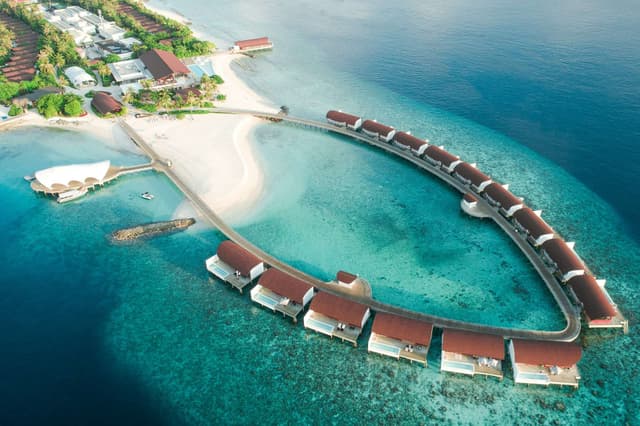
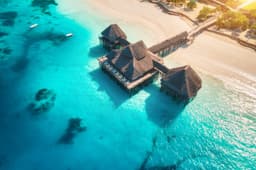
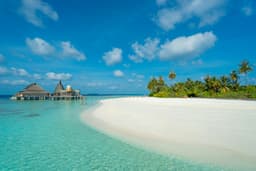
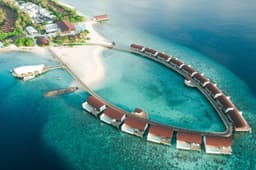
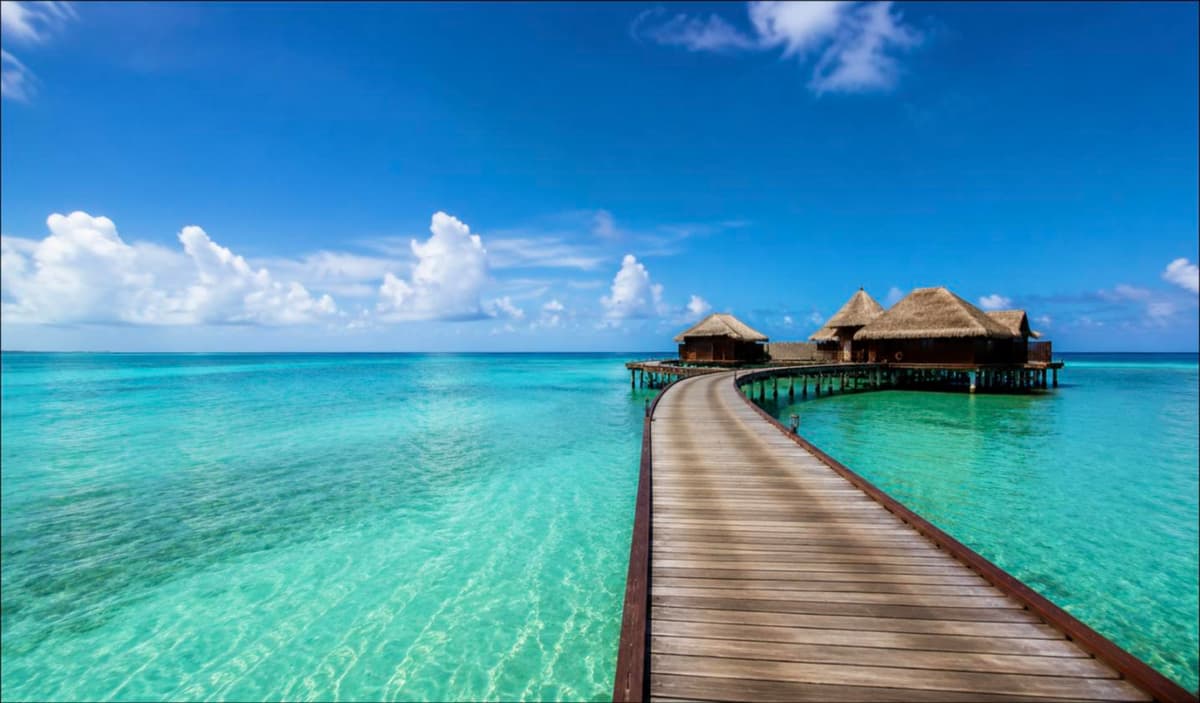
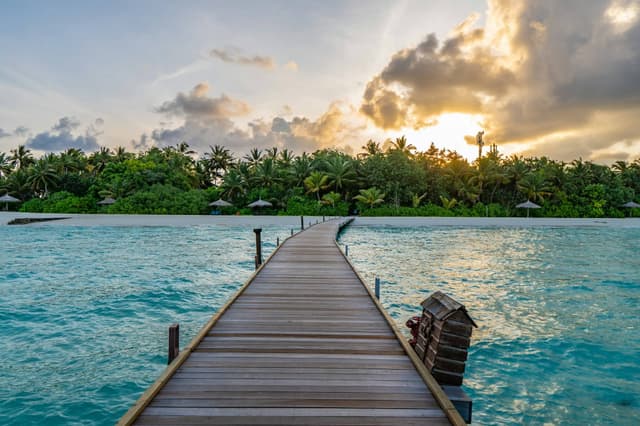
Wooden jetty leading to Maldives overwater villas over a calm turquoise lagoon under a clear blue sky

The Maldives is warm and inviting all year, but the experience shifts noticeably between its two seasons. Choose the dry months and you get postcard skies, glassy lagoons and superb visibility, along with higher prices and busier islands. Choose the wet months and you trade some sunshine for greener value, fewer crowds and, in the right atolls, the ocean's biggest animals gathering to feed. This month by month guide breaks down the weather, the sea and the wildlife so you can pick the window that fits your trip. For the full destination picture, start with our main Maldives travel guide.

The Two Seasons: Iruvai and Hulhangu

The Maldivian climate is tropical and governed by two monsoons. Temperatures barely move across the year, sitting between roughly 25 and 31 degrees Celsius, and the sea stays warm at around 27 to 30 degrees. What changes is wind, rain and how calm the water is.

The dry season, known locally as "iruvai" or the northeast monsoon, runs roughly from November to April. It brings lighter winds, less rain, lower humidity, calmer seas and the best underwater visibility. This is the peak tourist season and includes the busiest holiday weeks around Christmas, New Year and Easter.

The wet season, called "hulhangu" or the southwest monsoon, runs roughly from May to October. It is windier and more humid, with more frequent rain that typically arrives as short, heavy tropical downpours rather than days of grey drizzle. Seas can be choppier, but the islands are lush, the crowds thin out and value improves. Crucially for wildlife lovers, this season also drives the plankton blooms that attract manta rays and whale sharks.

FeatureDry season (Nov to Apr, iruvai)Wet season (May to Oct, hulhangu)
RainfallLower, mostly clear daysHigher, short heavy showers
HumidityMore comfortableHigher and stickier
Sea and visibilityCalm, excellent visibilityChoppier, more plankton
CrowdsPeak, especially Dec to JanQuieter, more relaxed
General costHighest of the yearLower, better value
Wildlife highlightGreat all round reef lifeManta and whale shark aggregations
A simple rule of thumb: travel in the dry season for guaranteed sunshine and calm water, and in the wet season for lower prices, empty beaches and the best chance of swimming alongside mantas.

Month-by-Month Weather Breakdown

The table below summarises typical conditions across the year. Treat it as a guide to patterns rather than a forecast, since the Maldives spreads over hundreds of kilometres and the far north and far south can differ from the central atolls around Male.

MonthTypical high (C)Rainfall levelSea conditionsVerdict
January30LowCalm, clearExcellent, peak season
February31LowestVery calm, excellent visibilityOne of the best months
March31LowCalm, clearExcellent, hot and dry
April31RisingWarm, mostly calmVery good, hottest month
May31IncreasingGetting choppierShoulder, wet season begins
June30HighWindier, plankton risingGreen, quiet, good value
July30HighChoppy at timesValue, surf and manta building
August30HighVariablePeak manta season
September30HighestVariableWettest, quietest, cheapest
October30High but easingSettlingShoulder, wildlife strong
November30EasingCalming downShoulder, dry season begins
December30LowCalm, clearExcellent, festive peak

January to April: The Dry Peak

These are the classic Maldives months. Skies are clear, humidity is comfortable, the sea is calm and underwater visibility is at its best, which makes it ideal for snorkeling, photography and lazy beach days. February and March are often singled out as the driest and most reliable. The trade off is that this window is the busiest and most expensive, particularly the Christmas and New Year fortnight, so booking well ahead pays off.

May to October: The Green Wet Season

The southwest monsoon brings more rain, more wind and higher humidity, but it rarely rains all day. Expect dramatic short downpours followed by sunshine. Islands look their greenest, resorts are quieter and prices soften noticeably. September tends to be the wettest and quietest month, which also makes it one of the best value. For divers and snorkelers chasing big marine life, this season is the main event.
Explore Maldives tour packages
View all →

Best Time for Diving and Snorkeling

Diving in the Maldives is rewarding all year, but conditions shift with the monsoon. The dry season, from December to April, generally delivers the calmest water and the clearest visibility, which is excellent for reef diving and for anyone new to the sport. Water temperatures hover around a bathwater warm 27 to 30 degrees Celsius throughout the year, so cold is never the issue.

During the wet season the extra plankton in the water can slightly reduce visibility, but that same plankton is exactly what draws filter feeding giants. There is a general pattern to where the life concentrates: with the northeast monsoon, currents push plankton to the western sides of atolls, and with the southwest monsoon it gathers on the eastern sides. Experienced dive guides plan sites around this rhythm to put you in the richest water.

Manta Ray and Whale Shark Season

The Maldives is one of the best places on Earth to see reef manta rays and whale sharks, and timing helps. The most celebrated event is the manta aggregation at Hanifaru Bay in Baa Atoll, a UNESCO Biosphere Reserve, where large numbers of mantas gather to feed on dense plankton. According to the Maldives Manta Ray Project, run by the Manta Trust, this feeding season runs roughly from May to November, with the biggest aggregations typically between August and November when the southwest monsoon and lunar tides align.

Whale sharks, the largest fish in the ocean, are seen year round in parts of the country, particularly around South Ari Atoll, which hosts a resident population. Because they can appear in any month there, whale shark encounters are less season dependent than mantas, though calm conditions make spotting them easier.

Marine highlightBest windowPrime location
Reef manta aggregationsRoughly May to November, peak Aug to NovHanifaru Bay, Baa Atoll
Whale sharksYear roundSouth Ari Atoll
Best visibility divingDecember to AprilCentral atolls
Surfing swellRoughly March to October, peak Jun to SepNorth and Central atolls, South

Best Time for Surfing

The Maldives has a genuine surf culture, and its breaks come alive when the southwest monsoon sends swell across the Indian Ocean. The surf season runs broadly from March to October, with the most consistent waves usually landing between June and September. Breaks are concentrated in the North and Central atolls, with additional, less crowded options in the far south. This overlaps neatly with the wet season, so surf trips often come with lower accommodation costs. For more on getting in the water, see our guide to water sports in the Maldives.

Peak, Shoulder and Low Season Crowds and Cost

Because the Maldives is a captive, book ahead destination, the calendar has a strong effect on how busy islands feel and what you pay. The broad pattern looks like this.

  • Peak season (December to March). The driest, calmest weather draws the most visitors, and the Christmas to New Year weeks are the busiest and priciest of all. Popular resorts and villas sell out months ahead, so early booking is essential.
  • Shoulder season (April, and October to November). These transition months blend decent weather with softer prices and lighter crowds. April is hot and largely dry, while October and November see the wet season easing and marine life still strong.
  • Low season (May to September). The core wet months are the quietest and best value, with the deepest rate reductions in the wettest weeks around June and September. You accept more rain in exchange for empty beaches, relaxed islands and manta season.

If your priority is guaranteed sun and calm seas, aim for the peak. If you want the best balance of weather and value, target the shoulder. If you want the lowest prices and the wildlife spectacle, embrace the low season and pack a light rain jacket.

Ramadan and Festivals

Ramadan, the Islamic holy month of fasting, is worth noting because its dates move earlier each year on the standard calendar. On private resort islands, daily life for guests continues as normal, with restaurants and bars operating as usual. On inhabited local islands, however, eating, drinking and smoking in public during daylight hours are avoided out of respect, some cafes keep shorter hours, and the pace of town life slows. If you are staying on a local island, checking the Ramadan dates for your travel year helps set expectations. The Eid celebrations that follow are festive and warm, and Maldivian national days bring local events, but for most resort guests the practical impact of the religious calendar is minimal.

So, When Should You Go?

There is no single best month, only the best month for your priorities. For the safest bet on sunshine, calm water and honeymoon perfect conditions, February and March are hard to beat, and our guide to a honeymoon in the Maldives leans on exactly this window. For value and to swim with mantas, look at the June to September stretch. For a middle path of good weather without peak prices, target April, October or November. Whatever you choose, the water will be warm and the reefs will be waiting.

Would rather someone else handled the bookings? A Maldives tour package covers hotels, transfers and tours in one plan.

Frequently Asked Questions

What is the overall best time to visit the Maldives?

The best time to visit the Maldives for reliable sunshine, calm seas and clear water is the dry season from November to April, with February and March often considered ideal. This is also the peak and most expensive period, so booking well in advance is recommended.

What are the wet and dry seasons in the Maldives?

The Maldives has two monsoon seasons. The dry northeast monsoon, called iruvai, runs from about November to April with calm seas and clear skies. The wet southwest monsoon, called hulhangu, runs from about May to October with more wind, rain and humidity, plus better manta ray sightings.

Does it rain all day during the wet season?

No. Rain in the Maldivian wet season usually arrives as short, heavy tropical downpours followed by sunshine, rather than continuous all day grey. You can still enjoy plenty of beach and water time, and the islands are at their greenest, with far fewer crowds and lower prices.

When is manta ray and whale shark season in the Maldives?

Reef manta rays aggregate at Hanifaru Bay in Baa Atoll roughly from May to November, peaking between August and November, according to the Manta Trust. Whale sharks are seen year round in South Ari Atoll, so encounters with them are less dependent on the season than manta sightings.

What is the cheapest time to visit the Maldives?

The cheapest time to visit the Maldives is the low wet season from May to September, with the deepest savings usually in June and September. You accept more rain and choppier seas in return for quieter islands, softer prices and prime manta ray season in the right atolls.

What is the water temperature in the Maldives?

The sea in the Maldives stays warm all year, at roughly 27 to 30 degrees Celsius, so wetsuits are optional for most snorkelers and divers. Air temperatures are similarly steady, ranging from about 25 to 31 degrees Celsius across every month of the year.

When is the best time for surfing in the Maldives?

The Maldives surf season runs from about March to October, with the most consistent swell between June and September during the southwest monsoon. The main breaks are in the North and Central atolls, with quieter waves in the south, and this period overlaps with lower accommodation costs.

Should I avoid the Maldives during Ramadan?

You do not need to avoid the Maldives during Ramadan if you stay on a resort island, where services run normally. On inhabited local islands, eating and drinking in public during daylight is avoided and the pace slows, so check the Ramadan dates for your travel year if a local island stay is planned.

More from Gomayu

Tags
Maldives
Share
G
Gomayu Team
Writer at Gomayu
Keep reading
Blog / Maldives
Best Time to Visit the Maldives: Month-by-Month Weather Guide
10 min read 07 Aug 2026 · Updated 21 Aug 2026
Wooden jetty leading to Maldives overwater villas over a calm turquoise lagoon under a clear blue sky

The Maldives is warm and inviting all year, but the experience shifts noticeably between its two seasons. Choose the dry months and you get postcard skies, glassy lagoons and superb visibility, along with higher prices and busier islands. Choose the wet months and you trade some sunshine for greener value, fewer crowds and, in the right atolls, the ocean's biggest animals gathering to feed. This month by month guide breaks down the weather, the sea and the wildlife so you can pick the window that fits your trip. For the full destination picture, start with our main Maldives travel guide.

The Two Seasons: Iruvai and Hulhangu

The Maldivian climate is tropical and governed by two monsoons. Temperatures barely move across the year, sitting between roughly 25 and 31 degrees Celsius, and the sea stays warm at around 27 to 30 degrees. What changes is wind, rain and how calm the water is.

The dry season, known locally as "iruvai" or the northeast monsoon, runs roughly from November to April. It brings lighter winds, less rain, lower humidity, calmer seas and the best underwater visibility. This is the peak tourist season and includes the busiest holiday weeks around Christmas, New Year and Easter.

The wet season, called "hulhangu" or the southwest monsoon, runs roughly from May to October. It is windier and more humid, with more frequent rain that typically arrives as short, heavy tropical downpours rather than days of grey drizzle. Seas can be choppier, but the islands are lush, the crowds thin out and value improves. Crucially for wildlife lovers, this season also drives the plankton blooms that attract manta rays and whale sharks.

FeatureDry season (Nov to Apr, iruvai)Wet season (May to Oct, hulhangu)
RainfallLower, mostly clear daysHigher, short heavy showers
HumidityMore comfortableHigher and stickier
Sea and visibilityCalm, excellent visibilityChoppier, more plankton
CrowdsPeak, especially Dec to JanQuieter, more relaxed
General costHighest of the yearLower, better value
Wildlife highlightGreat all round reef lifeManta and whale shark aggregations
A simple rule of thumb: travel in the dry season for guaranteed sunshine and calm water, and in the wet season for lower prices, empty beaches and the best chance of swimming alongside mantas.

Month-by-Month Weather Breakdown

The table below summarises typical conditions across the year. Treat it as a guide to patterns rather than a forecast, since the Maldives spreads over hundreds of kilometres and the far north and far south can differ from the central atolls around Male.

MonthTypical high (C)Rainfall levelSea conditionsVerdict
January30LowCalm, clearExcellent, peak season
February31LowestVery calm, excellent visibilityOne of the best months
March31LowCalm, clearExcellent, hot and dry
April31RisingWarm, mostly calmVery good, hottest month
May31IncreasingGetting choppierShoulder, wet season begins
June30HighWindier, plankton risingGreen, quiet, good value
July30HighChoppy at timesValue, surf and manta building
August30HighVariablePeak manta season
September30HighestVariableWettest, quietest, cheapest
October30High but easingSettlingShoulder, wildlife strong
November30EasingCalming downShoulder, dry season begins
December30LowCalm, clearExcellent, festive peak

January to April: The Dry Peak

These are the classic Maldives months. Skies are clear, humidity is comfortable, the sea is calm and underwater visibility is at its best, which makes it ideal for snorkeling, photography and lazy beach days. February and March are often singled out as the driest and most reliable. The trade off is that this window is the busiest and most expensive, particularly the Christmas and New Year fortnight, so booking well ahead pays off.

May to October: The Green Wet Season

The southwest monsoon brings more rain, more wind and higher humidity, but it rarely rains all day. Expect dramatic short downpours followed by sunshine. Islands look their greenest, resorts are quieter and prices soften noticeably. September tends to be the wettest and quietest month, which also makes it one of the best value. For divers and snorkelers chasing big marine life, this season is the main event.
Explore Maldives tour packages
View all →

Best Time for Diving and Snorkeling

Diving in the Maldives is rewarding all year, but conditions shift with the monsoon. The dry season, from December to April, generally delivers the calmest water and the clearest visibility, which is excellent for reef diving and for anyone new to the sport. Water temperatures hover around a bathwater warm 27 to 30 degrees Celsius throughout the year, so cold is never the issue.

During the wet season the extra plankton in the water can slightly reduce visibility, but that same plankton is exactly what draws filter feeding giants. There is a general pattern to where the life concentrates: with the northeast monsoon, currents push plankton to the western sides of atolls, and with the southwest monsoon it gathers on the eastern sides. Experienced dive guides plan sites around this rhythm to put you in the richest water.

Manta Ray and Whale Shark Season

The Maldives is one of the best places on Earth to see reef manta rays and whale sharks, and timing helps. The most celebrated event is the manta aggregation at Hanifaru Bay in Baa Atoll, a UNESCO Biosphere Reserve, where large numbers of mantas gather to feed on dense plankton. According to the Maldives Manta Ray Project, run by the Manta Trust, this feeding season runs roughly from May to November, with the biggest aggregations typically between August and November when the southwest monsoon and lunar tides align.

Whale sharks, the largest fish in the ocean, are seen year round in parts of the country, particularly around South Ari Atoll, which hosts a resident population. Because they can appear in any month there, whale shark encounters are less season dependent than mantas, though calm conditions make spotting them easier.

Marine highlightBest windowPrime location
Reef manta aggregationsRoughly May to November, peak Aug to NovHanifaru Bay, Baa Atoll
Whale sharksYear roundSouth Ari Atoll
Best visibility divingDecember to AprilCentral atolls
Surfing swellRoughly March to October, peak Jun to SepNorth and Central atolls, South

Best Time for Surfing

The Maldives has a genuine surf culture, and its breaks come alive when the southwest monsoon sends swell across the Indian Ocean. The surf season runs broadly from March to October, with the most consistent waves usually landing between June and September. Breaks are concentrated in the North and Central atolls, with additional, less crowded options in the far south. This overlaps neatly with the wet season, so surf trips often come with lower accommodation costs. For more on getting in the water, see our guide to water sports in the Maldives.

Peak, Shoulder and Low Season Crowds and Cost

Because the Maldives is a captive, book ahead destination, the calendar has a strong effect on how busy islands feel and what you pay. The broad pattern looks like this.

  • Peak season (December to March). The driest, calmest weather draws the most visitors, and the Christmas to New Year weeks are the busiest and priciest of all. Popular resorts and villas sell out months ahead, so early booking is essential.
  • Shoulder season (April, and October to November). These transition months blend decent weather with softer prices and lighter crowds. April is hot and largely dry, while October and November see the wet season easing and marine life still strong.
  • Low season (May to September). The core wet months are the quietest and best value, with the deepest rate reductions in the wettest weeks around June and September. You accept more rain in exchange for empty beaches, relaxed islands and manta season.

If your priority is guaranteed sun and calm seas, aim for the peak. If you want the best balance of weather and value, target the shoulder. If you want the lowest prices and the wildlife spectacle, embrace the low season and pack a light rain jacket.

Ramadan and Festivals

Ramadan, the Islamic holy month of fasting, is worth noting because its dates move earlier each year on the standard calendar. On private resort islands, daily life for guests continues as normal, with restaurants and bars operating as usual. On inhabited local islands, however, eating, drinking and smoking in public during daylight hours are avoided out of respect, some cafes keep shorter hours, and the pace of town life slows. If you are staying on a local island, checking the Ramadan dates for your travel year helps set expectations. The Eid celebrations that follow are festive and warm, and Maldivian national days bring local events, but for most resort guests the practical impact of the religious calendar is minimal.

So, When Should You Go?

There is no single best month, only the best month for your priorities. For the safest bet on sunshine, calm water and honeymoon perfect conditions, February and March are hard to beat, and our guide to a honeymoon in the Maldives leans on exactly this window. For value and to swim with mantas, look at the June to September stretch. For a middle path of good weather without peak prices, target April, October or November. Whatever you choose, the water will be warm and the reefs will be waiting.

Would rather someone else handled the bookings? A Maldives tour package covers hotels, transfers and tours in one plan.

Frequently Asked Questions

What is the overall best time to visit the Maldives?

The best time to visit the Maldives for reliable sunshine, calm seas and clear water is the dry season from November to April, with February and March often considered ideal. This is also the peak and most expensive period, so booking well in advance is recommended.

What are the wet and dry seasons in the Maldives?

The Maldives has two monsoon seasons. The dry northeast monsoon, called iruvai, runs from about November to April with calm seas and clear skies. The wet southwest monsoon, called hulhangu, runs from about May to October with more wind, rain and humidity, plus better manta ray sightings.

Does it rain all day during the wet season?

No. Rain in the Maldivian wet season usually arrives as short, heavy tropical downpours followed by sunshine, rather than continuous all day grey. You can still enjoy plenty of beach and water time, and the islands are at their greenest, with far fewer crowds and lower prices.

When is manta ray and whale shark season in the Maldives?

Reef manta rays aggregate at Hanifaru Bay in Baa Atoll roughly from May to November, peaking between August and November, according to the Manta Trust. Whale sharks are seen year round in South Ari Atoll, so encounters with them are less dependent on the season than manta sightings.

What is the cheapest time to visit the Maldives?

The cheapest time to visit the Maldives is the low wet season from May to September, with the deepest savings usually in June and September. You accept more rain and choppier seas in return for quieter islands, softer prices and prime manta ray season in the right atolls.

What is the water temperature in the Maldives?

The sea in the Maldives stays warm all year, at roughly 27 to 30 degrees Celsius, so wetsuits are optional for most snorkelers and divers. Air temperatures are similarly steady, ranging from about 25 to 31 degrees Celsius across every month of the year.

When is the best time for surfing in the Maldives?

The Maldives surf season runs from about March to October, with the most consistent swell between June and September during the southwest monsoon. The main breaks are in the North and Central atolls, with quieter waves in the south, and this period overlaps with lower accommodation costs.

Should I avoid the Maldives during Ramadan?

You do not need to avoid the Maldives during Ramadan if you stay on a resort island, where services run normally. On inhabited local islands, eating and drinking in public during daylight is avoided and the pace slows, so check the Ramadan dates for your travel year if a local island stay is planned.

More from Gomayu

Tags
Maldives
Share
G
Gomayu Team
Writer at Gomayu
Keep reading