

























































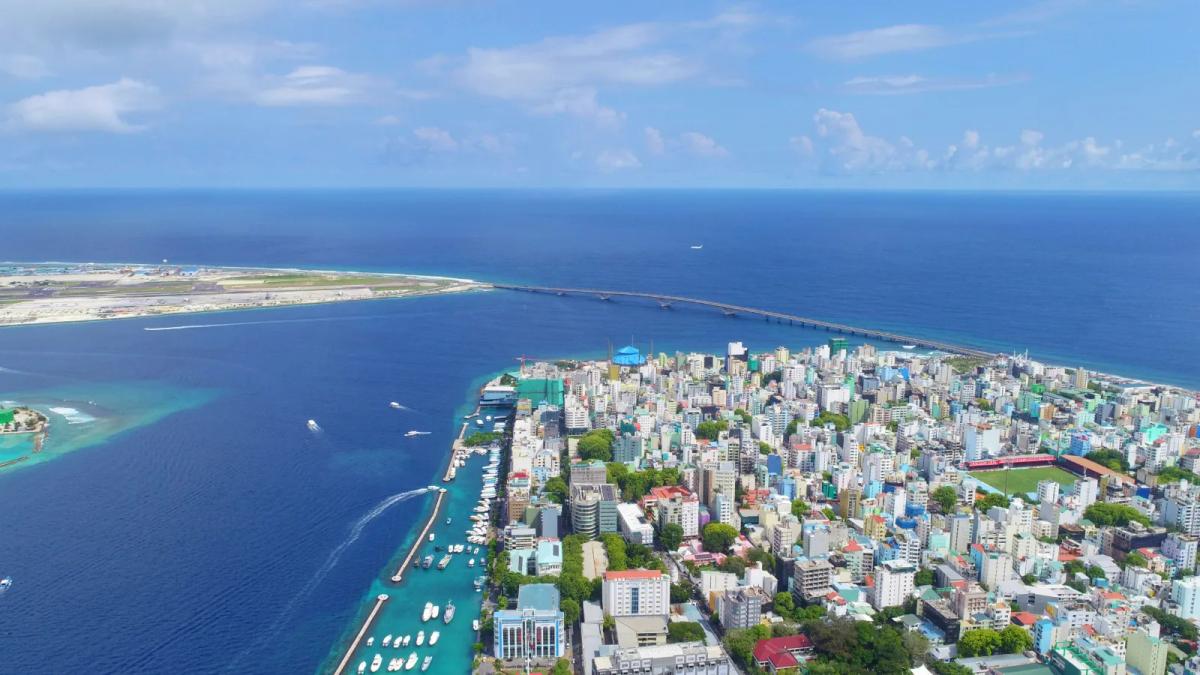
Short answer: Malé, Maldives is the small, crowded capital island that almost every visitor passes on the way to a resort or local island. It sits next to Hulhulé, the airport island, and is linked to it by the 2.1 kilometre Sinamalé Bridge. Three to four hours is enough to walk past the Old Friday Mosque, the gold-domed Islamic Centre, the fish market and Sultan Park. Dress modestly, plan around prayer times and Fridays, and remember that alcohol is not available in the city.
Malé (often written Male without the accent) is not a beach resort and does not try to be one. It is a working city of scooters, apartment blocks, government offices, harbours and cafes, packed onto an island of about 2 square kilometres. For many travellers it is just a view from the speedboat. For others it is a useful half day: a chance to see how Maldivians actually live, eat a plate of short eats in a local cafe, and understand the country before disappearing into a villa. This guide explains what Malé is, how it connects to Velana International Airport and the newer island of Hulhumalé, what to see in a few hours, how to dress and behave, and where it makes sense to sleep.
If you are still choosing islands, flights and seasons, start with our complete Maldives travel guide and come back here for the capital. Facts that change, such as museum hours, bus timings and rules, carry a "Checked" note with the date and the source we used.
What is Malé, Maldives like?
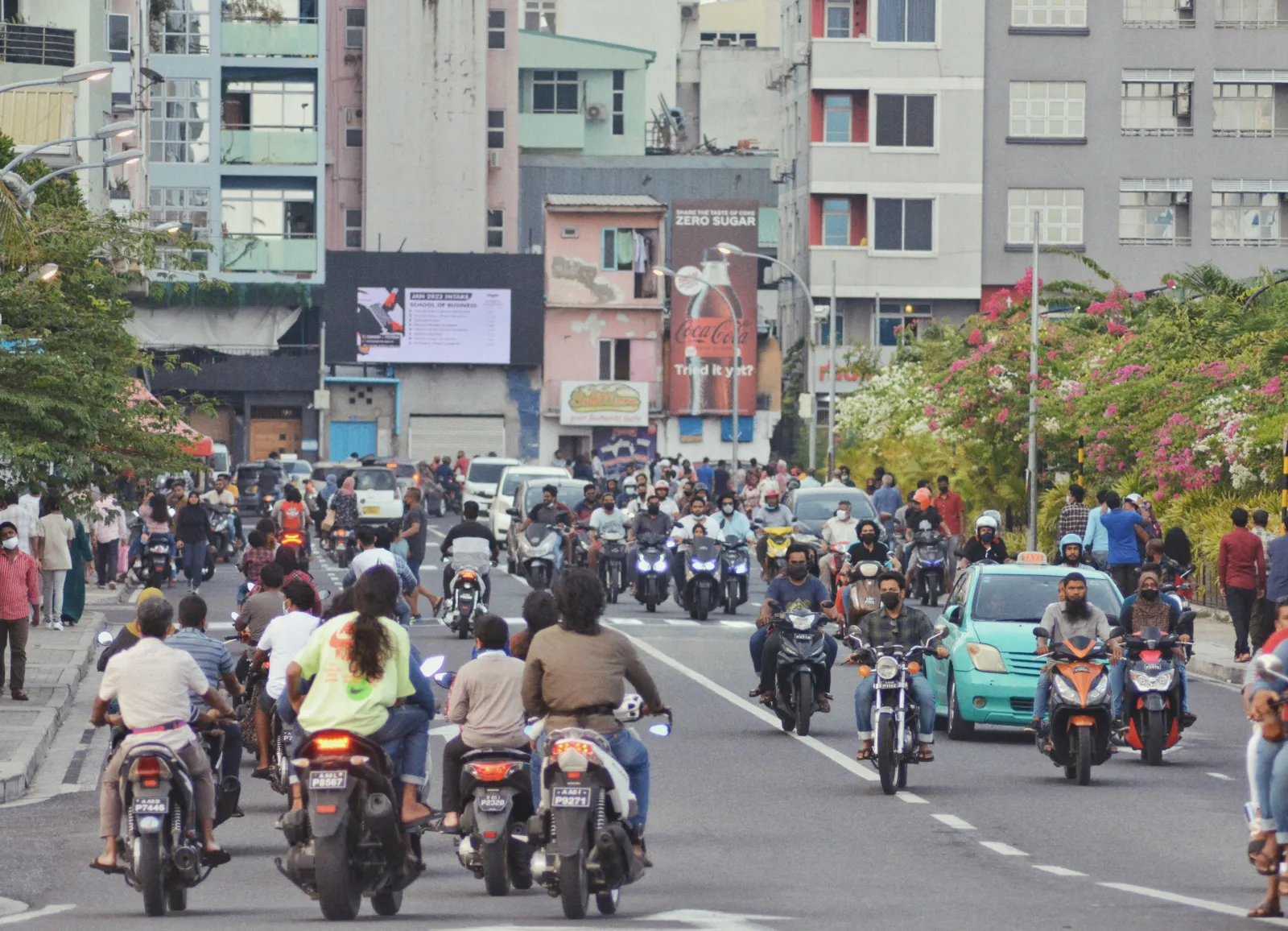
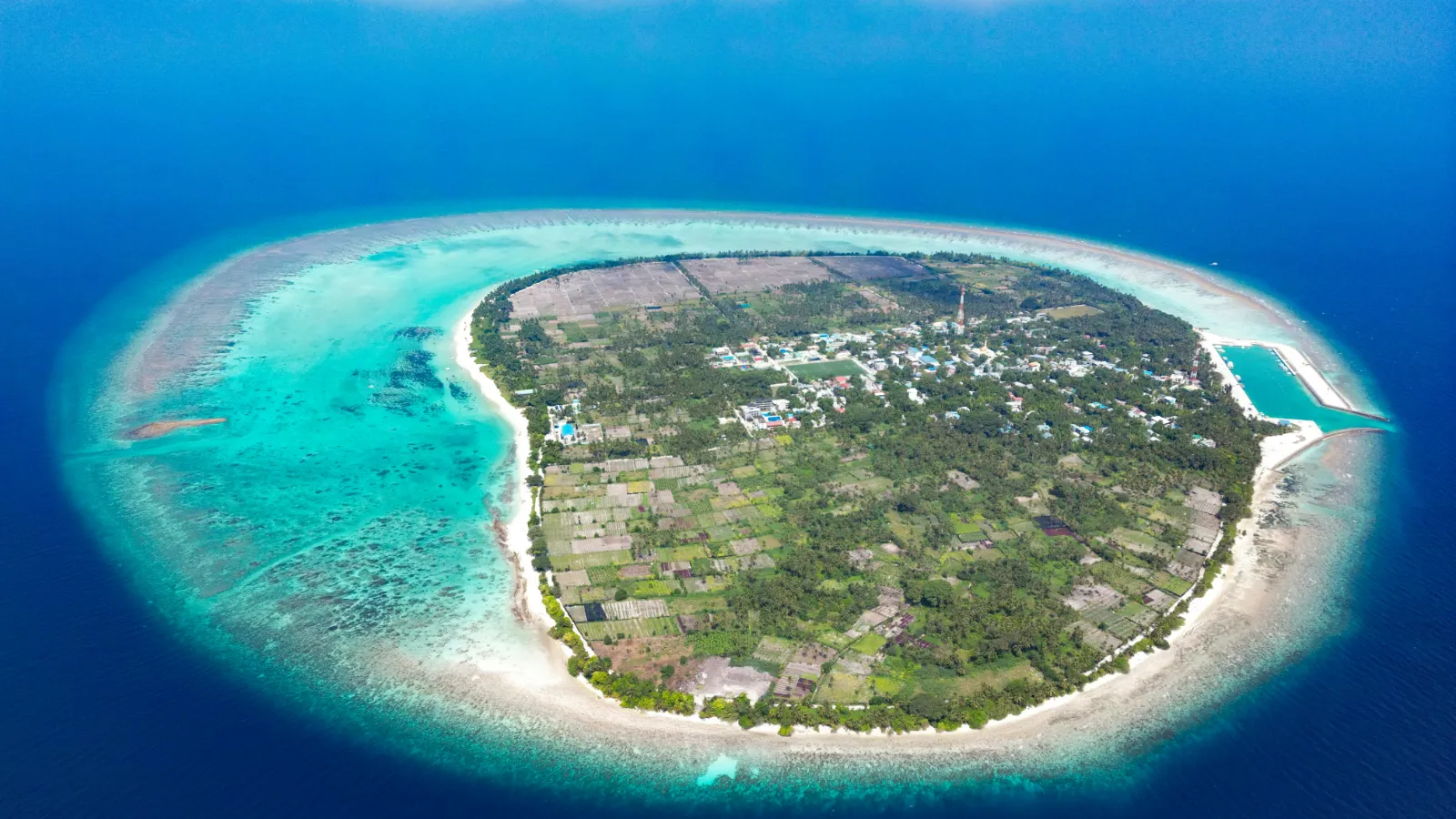
Malé is one of the most densely built capitals in the world: around 137,000 people live on the main island alone, according to the 2022 census, which works out at well over 60,000 people per square kilometre. It feels like a compact Asian city rather than a postcard island, with narrow streets, constant scooter traffic and very little open space. Yet it is also easy to explore on foot, because you can cross the whole island in about half an hour.
The wider Malé City area is larger than the island itself. It includes Hulhumalé, a reclaimed island next to the airport, and Villimalé, a small island just west of Malé that was once a resort and before that a prison. In the 2022 census Malé City had 211,908 residents, which is roughly 40 percent of everyone counted in the Maldives. Government ministries, the main hospital, the President's Office, the central bank and most large businesses are here, so for Maldivians the capital is where work, school and paperwork happen.
For a traveller, the useful mental picture is this: the Maldives has about 1,190 coral islands spread over 26 natural atolls, and Malé is the hub where boats, buses, seaplanes and domestic flights meet. Our explainer on where the Maldives are and how the atolls are laid out shows where Malé sits on the map.
| Malé at a glance | Detail |
|---|---|
| Status | Capital of the Republic of Maldives, in Kaafu Atoll (North Malé Atoll) |
| Main island area | About 1.95 square kilometres |
| Population, Malé island | 137,238 (2022 census) |
| Population, Hulhumalé | 65,714 (2022 census, Phase 1 and Phase 2 together) |
| Population, Villimalé | 6,755 (2022 census) |
| Districts on the main island | Henveiru, Galolhu, Machchangolhi and Maafannu |
| Airport | Velana International Airport (MLE) on Hulhulé island, next door |
| Language | Dhivehi; English is widely used in shops, hotels and transport |
| Religion | Islam is the state religion |
| Currency | Maldivian rufiyaa (MVR); US dollars accepted at many tourist businesses |
| Weekend | Friday and Saturday for government offices; Friday is the main day of rest |
Checked: 8 Nov 2026, census figures via City Population (from the Maldives Bureau of Statistics 2022 census) and the Wikipedia entry for Malé. The density figure is our own calculation from the census count and the island area.
How do Malé, Hulhulé and Hulhumalé fit together?
Think of three islands in a row. Malé is the old capital. Hulhulé, to its east, is almost entirely airport: runway, terminals, the seaplane base and a few airport facilities. Hulhumalé, north of Hulhulé, is a planned city built on reclaimed land, joined to the airport island by a causeway. Reclamation started on 16 October 1997, the first residents moved in during 2004, and a second phase added 244 hectares from 2015.
Until 2018 the only way between Malé and the airport was by boat. The Sinamalé Bridge, opened in 2018 and built by China Harbour Engineering Company, changed that. It is 2.1 kilometres long, of which about 1.39 kilometres crosses open water, and it carries cars, motorbikes and pedestrians on separate lanes. Today you can drive from a Malé street to the departures hall or to a Hulhumalé hotel without getting on a boat.
| Island | What it is | Why a visitor goes there |
|---|---|---|
| Malé | Historic capital, dense city | Mosques, markets, museum, cafes, ferries to local islands |
| Hulhulé | Airport island | Flights, seaplane transfers, resort speedboat jetties |
| Hulhumalé | Reclaimed new town next to the airport | Transit hotels, a long public beach, newer cafes and wider streets |
| Villimalé | Small residential island west of Malé | Quiet walk and a break from traffic, reached by a short ferry |
Checked: 8 Nov 2026, Sinamalé Bridge and Hulhumalé entries on Wikipedia.
A short history that explains the city
Before Islam, the Maldives was a Buddhist kingdom. Maldivian tradition dates the conversion to 1153, credited to the scholar Abu al-Barakat, whose tomb, the Medhu Ziyaaraiy, stands in central Malé. For the next eight centuries sultans ruled from Malé, and the palace grounds became today's Sultan Park. The country was a British protectorate until independence in 1965 and became a republic in 1968. For Nepali readers, the Buddhist chapter is a surprising link: most physical traces of it were lost, and many pre-Islamic pieces held at the National Museum were destroyed in an attack on the museum in February 2012.
What survives in Malé is mostly from the Islamic era: the coral stone Old Friday Mosque of 1658, carved tombstones, the early twentieth century Muliaage palace, and modern landmarks such as the Islamic Centre of 1984. That mix of old coral buildings and concrete towers is the city's character.
What is the weather like in Malé?
Malé is hot and humid all year, with daytime highs of about 30 to 32°C and nights that rarely drop below 25°C. The real difference between seasons is rain and wind, not temperature. The drier northeast monsoon (locally Iruvai) runs roughly December to April, and the wetter southwest monsoon (Hulhangu) roughly May to November.
| Measure (Velana airport station, 1991 to 2020 normals) | Value |
|---|---|
| Mean daily maximum | About 30.4°C (December) to 31.9°C (April) |
| Mean daily minimum | About 25.5°C (November) to 27.1°C (April) |
| Annual rainfall | About 1,983 mm |
| Driest month | February, about 38 mm |
| Wettest month | October, about 245 mm |
Checked: 8 Nov 2026, Velana station 1991 to 2020 climate normals as summarised on the Wikipedia Malé page.
A Nepal-specific point: Dashain and Tihar usually fall in October or November, which are among the wettest months of the year in Malé. That does not mean constant rain, since showers often come in short bursts, but it is worth carrying a small umbrella for a city walk and keeping a flexible plan for boat transfers. Our month by month guide to the best time to visit the Maldives goes deeper on seas, visibility and crowds.
What can you see in Malé in a few hours?
In three to four hours you can see the main sights of Malé on foot: the Old Friday Mosque and its cemetery, the Medhu Ziyaaraiy shrine, the outside of the Muliaage palace, the Islamic Centre and Republic Square, the fish and local markets on the northern waterfront, and Sultan Park with the National Museum. Almost everything worth seeing sits within a few hundred metres of the northern harbour, so you do not need a taxi once you arrive.
| Sight | What it is | Time to allow | Access notes |
|---|---|---|---|
| Old Friday Mosque (Hukuru Miskiy) | Coral stone mosque completed in 1658 under Sultan Ibrahim Iskandar I, with a cemetery of carved tombstones and a round minaret from the 1670s | 20 to 30 minutes | Active mosque. Non-Muslims need permission from a Ministry of Islamic Affairs official to go inside; the cemetery can usually be walked if you are respectably dressed |
| Medhu Ziyaaraiy | Tomb of Abu al-Barakat, credited with bringing Islam to the Maldives in 1153 | 5 to 10 minutes | Opposite the Old Friday Mosque; view respectfully from outside |
| Muliaage | Palace built 1914 to 1919 for the Sultan's heir, now the President's official residence | 5 minutes | Seen from the street only; do not photograph security staff |
| Islamic Centre and Grand Friday Mosque | Gold-domed mosque and Islamic centre opened in 1984, with space for about 5,000 worshippers | 15 to 30 minutes | Closed to visitors at prayer times; ask at the entrance before entering |
| Republic Square (Jumhooree Maidhaan) | Open square on the waterfront with a large national flag | 10 minutes | Public space; occasional official events and gatherings |
| Fish Market | Working market where boats unload tuna and reef fish | 15 to 20 minutes | Wet floors and busy traffic outside; watch where you step |
| Local Market | Produce and snack market: coconuts, chillies, betel, smoked fish, sweets | 15 to 20 minutes | Good for photos of produce; ask before photographing people |
| Sultan Park | Garden on the old royal palace grounds | 15 minutes | Shady place to rest; the National Museum is inside |
| National Museum | Royal regalia, thrones and early telecommunications and computing equipment, in a building gifted by China in 2010 | 45 to 60 minutes | Open on official working days; Saturday opening 10am to 4pm was announced from 18 May 2026; Fridays are not among the listed opening days |
| Artificial Beach and Raalhugandu | Small swimming beach and the surf break at the island's eastern tip | 20 minutes | Local beach: swim in modest clothing, not a bikini |
| Rasfannu | Recreational beach area on the west side of Malé | 20 to 30 minutes | Reopened in June 2026 after renovation; the works included new toilets, drinking water fountains and lockers |
Checked: 8 Nov 2026, UNESCO Tentative List entry for the Coral Stone Mosques of Maldives, Lonely Planet's Old Friday Mosque entry, The Edition on National Museum Saturday opening (3 May 2026) and PlusMV on the Rasfannu reopening (13 June 2026). Opening hours in Malé change often; confirm locally on the day.
A simple walking route for a layover
This loop keeps walking short and puts the indoor museum in the middle of the day, when the heat is strongest. It assumes you arrive by bus or taxi over the bridge or by ferry at the northern waterfront.
- Northern waterfront: start at the Fish Market and the Local Market next to it. How busy it is depends on when the boats come in with the catch.
- Republic Square: walk east along the waterfront to the square, the flag and the harbour view.
- Islamic Centre: just behind the square. Check the next prayer time first, then look at the gold dome and, if allowed, the main hall.
- Old Friday Mosque, Medhu Ziyaaraiy and Muliaage: a few minutes' walk south. These three sit close together.
- Sultan Park and the National Museum: a short walk away. Spend the hottest hour indoors.
- Coffee or short eats: finish at a cafe on or near Majeedhee Magu, the main shopping street, before heading back to the airport or your hotel.
Add the Artificial Beach on the eastern side if you have another hour, or take the short ferry to Villimalé if you want a quieter, greener walk.
Why the Old Friday Mosque matters
Hukuru Miskiy is the most important heritage building in the country. It was completed in 1658 on the site of an older mosque, built from interlocking blocks of porites coral, with cut coral columns holding up the roof. The mosque is known for its fine coral stone carving and its interior lacquer work and woodcarving. UNESCO included the Malé Friday Mosque and its complex in its Tentative List in 2008, and in 2013 the Maldives submitted a combined Tentative List entry for six coral stone mosques that includes it; as of our check it was still on the Tentative List, not the full World Heritage List.
The mosque is in daily use. Go outside prayer times, dress conservatively, and if you would like to see the interior, ask a ministry official. Permission may be given on the spot, but it is not guaranteed, so treat entry as a bonus rather than the plan.
The Islamic Centre and Grand Friday Mosque
The Islamic Centre, with its large golden dome, was opened on 11 November 1984 and is one of Malé's most recognisable landmarks. Its official name is Masjid as-Sultan Muhammad Thakurufaanu al-Auzam, after the sixteenth century national hero who drove out Portuguese rule. It also houses the Ministry of Islamic Affairs. It was the largest mosque in the country until the King Salman Mosque opened in Malé in 2022. Visitors are generally asked to stay out at prayer times and to dress modestly; women may be asked to cover their hair.
National Museum and Sultan Park
Malé's National Museum first opened in 1952 and moved into its present building, designed and paid for by China, on Independence Day, 26 July 2010. It sits inside Sultan Park, on the grounds of the old royal palace. The collection covers the sultanate era, with royal regalia and thrones, as well as early telecommunications and computing equipment; improvements to the displays were completed in 2024 with UNESCO support. The heritage ministry announced Saturday opening from 18 May 2026, from 10am to 4pm, in addition to official working days, so Fridays are not among the listed opening days. Ticketing and weekday hours can change, so check the museum's current notice before you go.
Fish market and local market
The Fish Market is the most "real" sight in Malé. Tuna arrives whole and is cut on tiled floors, while buyers from homes, hotels and restaurants haggle beside the boats. It is not polished for tourists, which is the point. Next door, the Local Market sells coconuts, bananas, breadfruit, chilli, dried and smoked tuna (valhomas), betel leaves and homemade sweets. Visitors from Nepal will find the produce section familiar in spirit to a sabji mandi, if very different in what is on sale.
Beaches and the waterfront
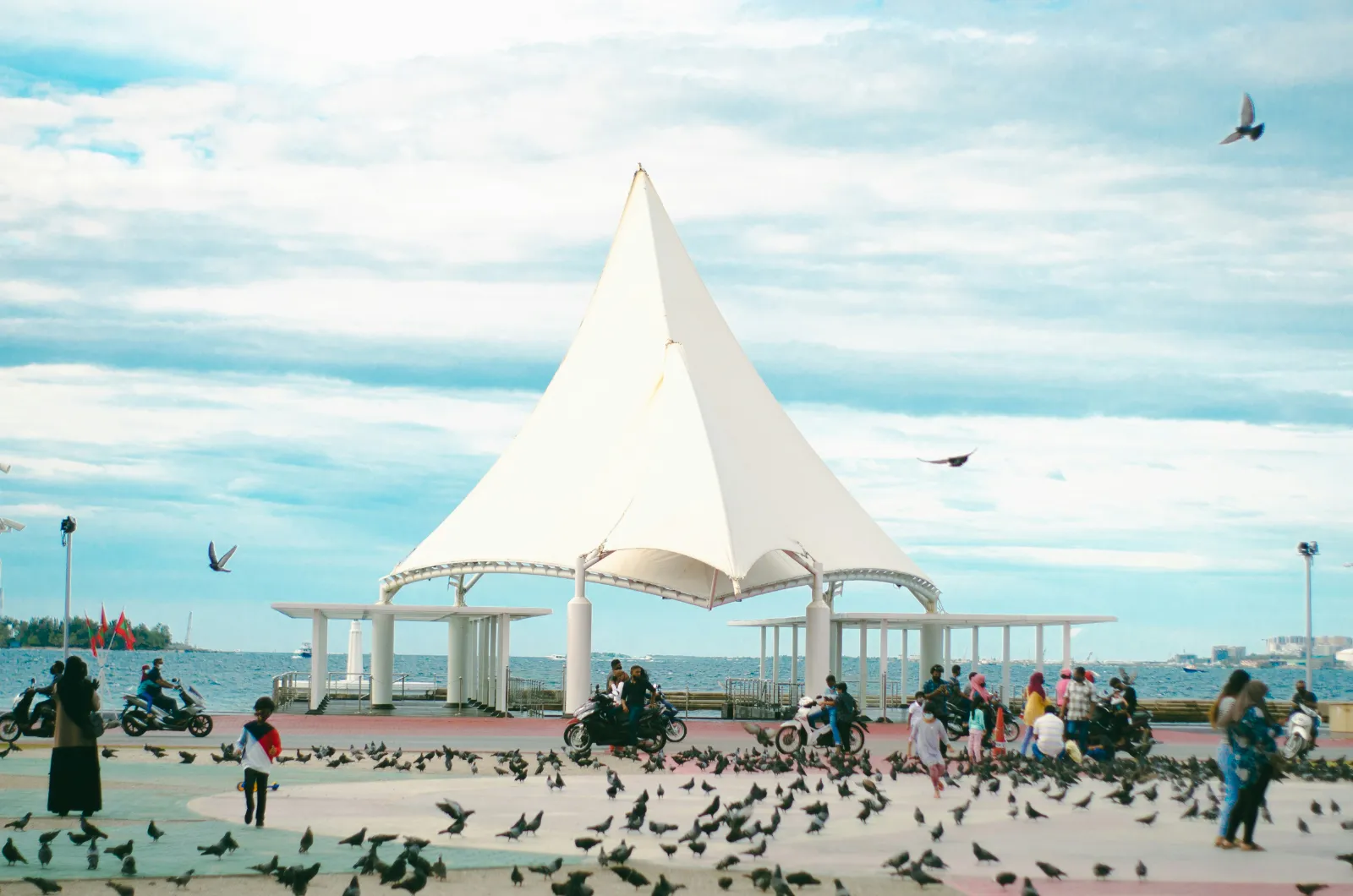
Malé has small public beaches, but they are local spaces. The Artificial Beach on the eastern side and Rasfannu on the west are where families sit in the evening, children swim and young people meet. The surf break at Raalhugandu, on the island's eastern tip, draws local surfers in season. Swimming is fine in modest clothing, but these are not places for swimwear that would be normal at a resort. If you want a bikini beach day, that belongs on a resort island or a designated bikini beach on a local island, not in the capital.
How long do you need in Malé?
| Time you have | What fits | Best for |
|---|---|---|
| 2 to 3 hours | Fish and local markets, Republic Square, Islamic Centre from outside, one cafe | Waiting for a seaplane slot or a late flight |
| Half day (4 to 5 hours) | Full walking route above, including the National Museum and Old Friday Mosque | First-time visitors who want context before the resort |
| Full day | Walking route plus Villimalé by ferry, a long lunch and sunset on the waterfront | Travellers staying a night in Malé or Hulhumalé |
| Overnight | Evening cafes and the waterfront, then an early transfer | Late arrivals heading to seaplane resorts |
How do you get from the airport to Malé or Hulhumalé?
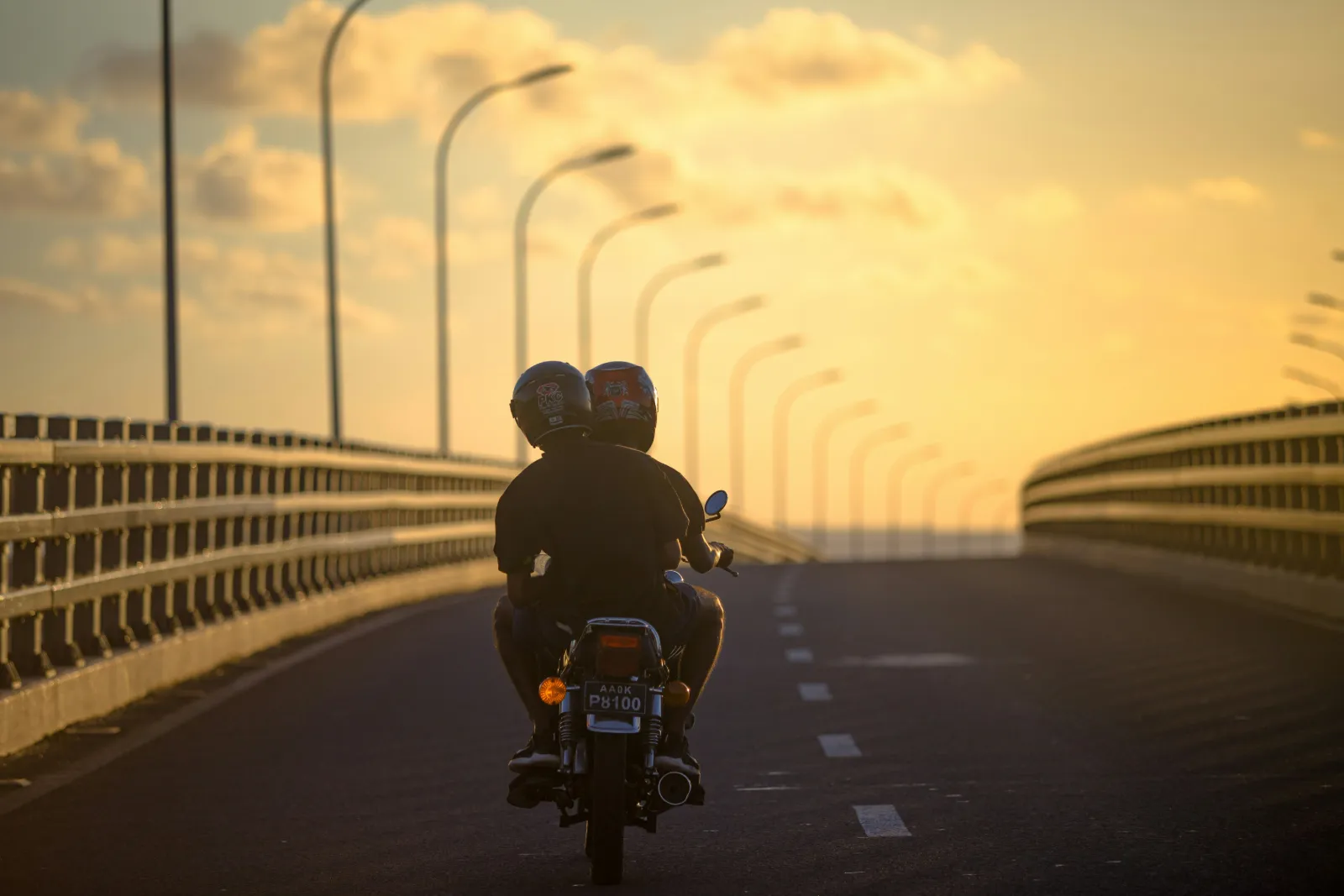
From Velana International Airport you reach Malé in roughly 10 to 20 minutes by public bus or taxi over the Sinamalé Bridge, or by the short airport ferry across the channel. Hulhumalé is closer still, a short ride by bus or taxi along the causeway. You do not need to book any of these in advance; the bus stop, taxi stand and ferry counter are all a short walk from arrivals.
| Option | Route | Approximate time | Good to know |
|---|---|---|---|
| Public bus (RTL, run by MTCC) | Airport to Malé over the Sinamalé Bridge | About 15 to 25 minutes depending on traffic | Cheapest road option; services pause or change at sunset during Ramadan |
| Public bus (RTL) | Airport to Hulhumalé, and Malé to Hulhumalé | About 10 to 20 minutes from the airport | Good for transit hotels in Hulhumalé |
| Taxi | Airport to Malé, Hulhumalé or Hulhulé | About 10 to 20 minutes | Fares are government regulated; extra charges can apply for large vehicles and extra bags; carry some cash |
| Airport ferry | Airport ferry counter (near Terminal 2) to Malé | A short crossing, reported at about 10 minutes | The airport operator lists it from 5.30am to midnight, about every 15 minutes; confirm at the counter on the day |
| Walk across the bridge | Malé to Hulhulé | About 25 to 30 minutes for the bridge alone | Separate pedestrian lanes exist, but it is hot and exposed; not practical with luggage |
| Resort speedboat or seaplane | Airport straight to your resort | From about 15 minutes (speedboat) to an hour or more (seaplane) | Arranged by your resort; skips Malé entirely |
Checked: 8 Nov 2026, The Standard on MTCC and RTL Ramadan timings (17 Feb 2026), which lists the Malé to Airport, Hulhumalé to Airport and Malé to Hulhumalé bus routes and the Hulhumalé to Malé ferry. Airport ferry hours: checked 8 Nov 2026 on the Velana airport transport guide (Maldives Airports Company); the crossing time is from a third-party airport information page, so treat it as approximate. We have not printed fares, because they change; our guide to getting around the Maldives covers transfer costs in detail.
Which terminal will you use?
Velana International Airport is on Hulhulé island. It was renamed from Ibrahim Nasir International Airport on 1 January 2017. A new international passenger terminal, designed for about 7.5 million passengers a year, began a phased opening in July 2025, and airlines have moved across in stages. Your ticket or airline app will tell you which terminal you use. Resort desks, the ferry jetty, the bus stop and the taxi stand are all a short walk from arrivals, but allow a few extra minutes while signs and layouts settle.
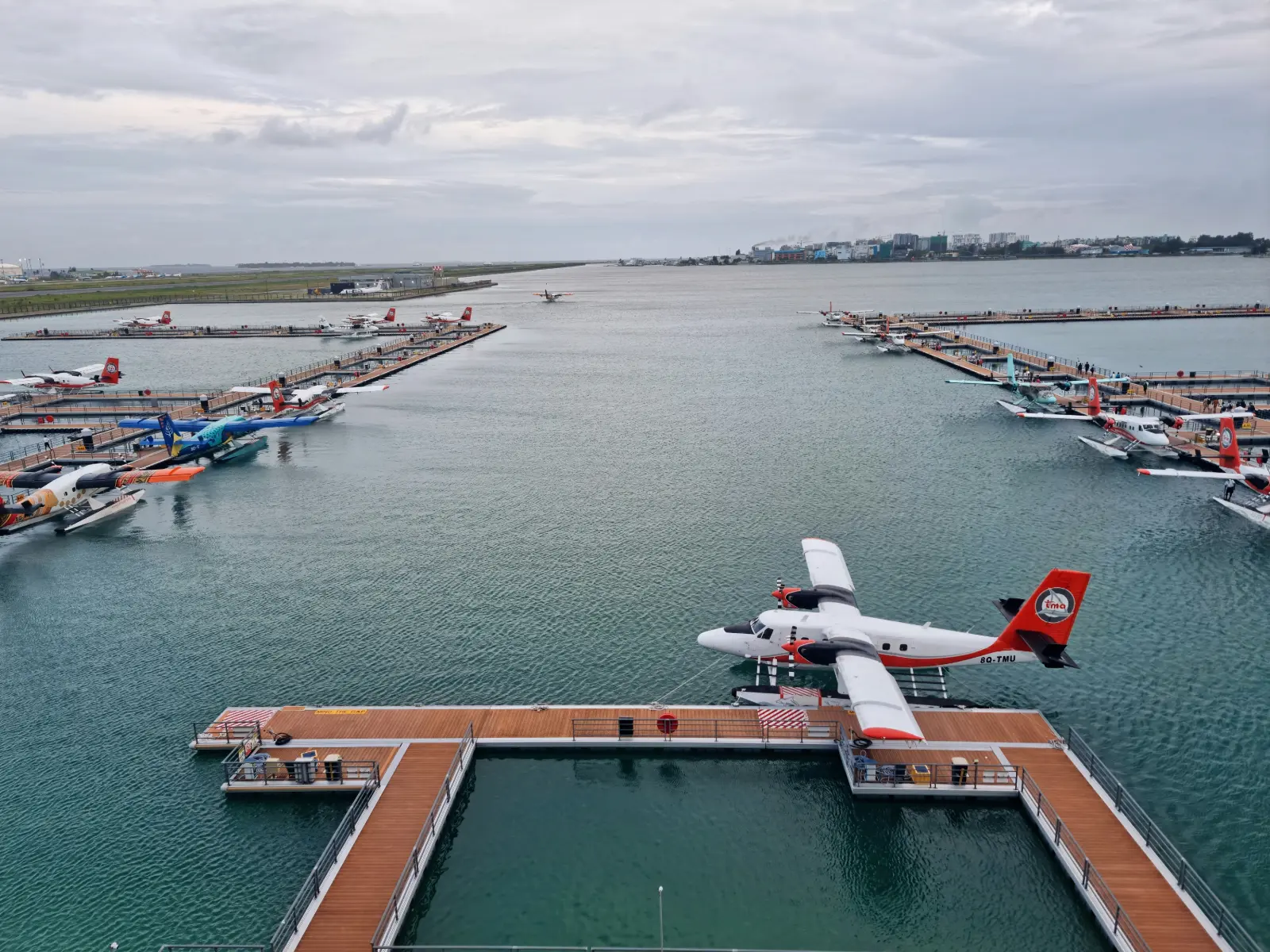
Seaplane transfers leave from a separate seaplane terminal on the airport island, opened in October 2022. Resort staff usually meet you in arrivals and take you there by shuttle.
Flying in from Kathmandu
There is no non-stop flight from Kathmandu to Malé, so every trip from Nepal involves one connection. The shortest usual routing is via Colombo, with roughly 3 hours 35 minutes from Kathmandu to Colombo and about 1 hour 30 minutes on to Malé. Other common hubs are Delhi, Dubai, Sharjah and Doha.
| Hub | Why travellers from Nepal use it | Thing to watch |
|---|---|---|
| Colombo | Shortest total flying time; several daily Colombo to Malé flights | Check whether your ticket is through-checked to Malé |
| Delhi | Short first leg (about 1 hour 50 minutes) and many onward options | Separate tickets can mean collecting bags and re-checking |
| Dubai or Sharjah | Frequent Gulf carrier connections, useful for diaspora travellers combining trips | Longer total journey; check transit rules for your passport |
| Doha | One-ticket connections with protected transfers | Longer total journey than via Colombo |
Route details as summarised in our route map of direct flights from Kathmandu (published 8 Oct 2026); schedules change, so check airline websites before booking. Check your landing time before choosing a seaplane resort (see below). Entry rules depend on your passport; see our Maldives visa page.
Late arrivals and seaplane resorts
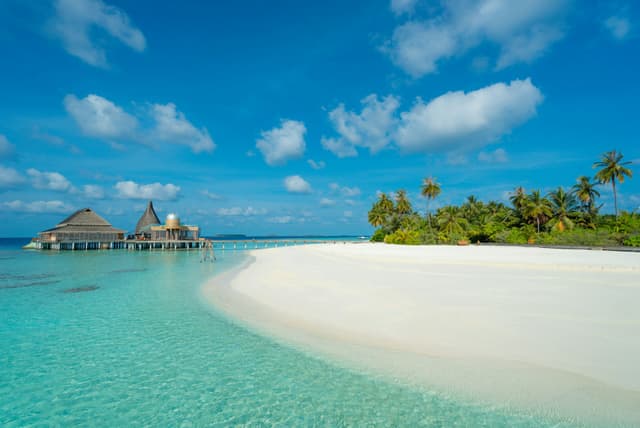
Seaplanes take off and land on water, so they only fly in daylight. If your international flight lands late in the afternoon or at night and your resort is a seaplane away, you will normally spend the night near the airport and fly out the next morning. That is where Hulhumalé and, to a lesser extent, Malé come in. Speedboat resorts close to Malé can usually collect you at any hour.
Fridays, Ramadan and public transport
Friday is the weekly day of rest. Most public ferries to local islands do not run on Fridays, and city buses are reported to pause around the midday Friday prayer. During Ramadan in 2026, MTCC published reduced timings: Malé to Airport and Hulhumalé to Airport buses stopped between about 5pm and 7pm so staff could break the fast, and the Hulhumalé to Malé ferry finished in the afternoon. Expect MTCC to publish similar special timings for Ramadan 2027. Taxis remain the most reliable way to reach the airport at awkward times.
What are the dress and conduct rules in Malé?
Malé is a conservative Muslim city, and visitors are expected to dress modestly: cover your shoulders, avoid short or tight shorts and skirts, and cover arms and upper legs when you swim. Alcohol is not sold, public observance of religions other than Islam is not allowed, and during Ramadan you should not eat, drink or smoke in public during daylight. These rules are not just etiquette; some are enforced by law.
Dress code checklist for a Malé visit
- Shoulders covered: T-shirts and short-sleeved shirts are fine; avoid vests, strappy tops and crop tops.
- Knees covered or close to it: long shorts, trousers, long skirts or a light kurta with leggings work well in the heat.
- Nothing see-through or very tight: loose cotton and linen are both more respectful and cooler.
- Mosque visits: long sleeves and long trousers or skirts; women should carry a scarf to cover their hair; remove shoes before entering.
- Swimming on Malé's beaches: cover arms and upper legs, for example with a rash guard and swim leggings or a T-shirt and long shorts.
- No swimwear in the streets: change at the beach, not on the way there.
- Men too: going shirtless in the city is frowned on, even in the heat; keep a T-shirt on.
- Nudity and topless sunbathing: banned everywhere in the Maldives, including resorts.
Checked: 8 Nov 2026, UK Foreign Office travel advice for the Maldives, safety and security section (last updated 12 Aug 2026).
Conduct: what to do and what to avoid
| Do | Avoid |
|---|---|
| Ask before photographing people, especially women and children | Photographing people at prayer, or security staff at government buildings |
| Keep affection low-key: holding hands is usually fine for couples | Kissing or close physical displays in public |
| Step aside quietly when the call to prayer sounds and shops close | Knocking on closed shop doors or pressing staff to serve during prayer |
| Use your right hand to give and receive things, as you would in much of South Asia | Loud arguments or swearing in public |
| Look twice before crossing: scooters come from every direction | Walking in the road on narrow streets with no pavement |
| Carry a scarf and light long sleeves in your daypack | Taking coral, shells from protected areas or tortoiseshell items |
Our full list of Maldives dos and don'ts covers resorts and local islands as well as the capital.
Can you drink alcohol in Malé?
No. Alcohol is not sold in Malé, Hulhumalé or any other inhabited local island, and the UK Foreign Office states that alcohol is only available on resort islands. You can be arrested and deported for possessing or drinking alcohol, or for being drunk, outside resorts and on inhabited islands, and visitors are told not to take alcohol out of their resort. Do not bring duty-free alcohol into the country either: the Maldives High Commission in London lists alcoholic beverages among prohibited imports, and the airport operator warns that alcohol bought on the flight or in duty-free shops will be confiscated on arrival. The US State Department also tells travellers in transit to keep alcohol out of their luggage.
In practice, Malé's social life runs on coffee, fresh juice, mocktails and late-night short eats. If a drink with dinner matters to you, plan to spend the night at a resort rather than in the city.
Ramadan in Malé
Ramadan is the month of daytime fasting, and it moves about 11 days earlier each year. In 2026 it ran from 17 February to 19 March; Ramadan 2027 is expected to begin around 7 or 8 February 2027 (the UK Foreign Office gives 7 February), with the exact date set by the moon sighting. During Ramadan in Malé:
- Many cafes and restaurants close during the day and open around sunset (iftar), then stay busy late into the night.
- Office and shop hours are shorter, and public transport changes around sunset.
- Visitors should not eat, drink or smoke in public during daylight; do it privately in your hotel.
- The evenings are a good time to see the city at its most social, with families out after iftar.
Smoking and vaping rules
Since 1 November 2025, anyone born on or after 1 January 2007 may not buy or use tobacco in the Maldives, and this applies to tourists too. The import, sale, possession and use of e-cigarettes and vapes is banned for people of all ages. If you vape, leave the device at home; do not try to bring it through Velana airport. Checked: 8 Nov 2026, Free Malaysia Today report of 1 Nov 2025 citing the Maldives health ministry.
Religious items and Hindu or Buddhist travellers
Islam is the state religion and public worship of any other faith is prohibited. According to the US State Department, travellers may generally bring items and texts for personal religious use, but importing idols for religious worship is prohibited. For Hindu and Buddhist travellers from Nepal, the sensible approach is to keep any small personal item, such as a mala, a prayer book or a tiny figure, private and minimal, and never to perform puja or display religious objects in public. If you are unsure about a particular item, leave it at home. Checked: 8 Nov 2026, US State Department Maldives country information page.
Drugs deserve a separate warning: the Maldives has zero tolerance, and even small amounts can mean long prison terms. Carry a doctor's prescription for any medicine containing controlled substances.
Where can you eat and shop in Malé?
Malé is the best place in the Maldives to eat everyday Maldivian food at local prices, in small cafes and teashops rather than resort restaurants. Shopping is more practical than glamorous: the main street, Majeedhee Magu, sells clothes, phones and household goods, and Chaandhanee Magu has most of the souvenir shops.
What to eat in the capital
- Hedhikaa (short eats): trays of small fried and baked snacks, many filled with spiced tuna, served with sweet tea. Cafes put them out in the afternoon and evening.
- Mas huni: shredded tuna mixed with grated coconut, onion and chilli, eaten with roshi flatbread, usually at breakfast.
- Garudhiya: a clear tuna broth eaten with rice, lime, chilli and onion, the classic home meal.
- Curries: tuna and reef fish curries, often milder than Nepali or Indian curries but rich with coconut.
- Fresh juices and coconuts: easy to find and useful in the heat.
Vegetarian travellers from Nepal should know that tuna appears in many dishes, including snacks that look vegetarian. Ask "fish not?" clearly, or choose Indian and Sri Lankan style restaurants, which are common in Malé and usually offer dal, vegetable curries and rice. Halal food is the norm, and pork is not part of local cuisine. Our guide on what to eat in the Maldives lists more dishes and how to order them.
What to buy and where
| Item | Where in Malé | Note |
|---|---|---|
| Lacquer boxes and bowls | Souvenir shops on Chaandhanee Magu | Traditional craft, most associated with Thulhaadhoo island in Baa Atoll |
| Woven reed mats (thundu kunaa) | Souvenir shops | Known from Gadhdhoo in Gaafu Dhaalu Atoll; light to pack if rolled |
| Smoked or dried tuna, sweets, chips | Local Market | Check what you can carry home; Nepal customs rules on food apply on return |
| Everyday clothes, modest swimwear | Majeedhee Magu | Handy if you packed for a resort and need cover-ups |
| Coral, shells, tortoiseshell | Do not buy | Taking coral or tortoiseshell items out of the Maldives is illegal |
Checked: 8 Nov 2026, World Travel Guide Maldives shopping page and UK Foreign Office advice on souvenirs.
Money and cards in Malé
The local currency is the Maldivian rufiyaa (MVR). In Malé, ferries, buses, taxis, the markets and small cafes work in rufiyaa, and change is usually given in rufiyaa even if you pay in dollars. US dollars are widely accepted in tourist businesses, and larger shops, hotels and chain cafes take cards. A practical approach:
- Carry a small amount of rufiyaa or low-value US dollar notes for buses, ferries, taxis and market snacks.
- Use a card for hotels and bigger purchases, and tell your bank you are travelling.
- Travellers from Nepal should arrange US dollars and confirm international use of their card with their Nepali bank before leaving, because rules on foreign currency for travel are set at home.
- Resorts usually bill in US dollars, so you may not need much rufiyaa at all if you only pass through Malé.
We do not quote exchange rates here, since they change; check your bank's rate on the day. For a sense of overall budgets, see our honest look at whether the Maldives is expensive.
How do prayer times affect opening hours in Malé?
Shops, cafes and many offices in Malé close for a short break at each of the five daily prayers, which travel guides put at roughly 15 to 30 minutes, and Friday, the day of the main midday congregational prayer, is the quietest day of the week. Mosques themselves are closed to visitors at prayer times. If you plan your walk around the next prayer, you will barely notice the breaks.
| Prayer | Roughly when in Malé | Gap between call and prayer (set by the Islamic Ministry) | What it means for you |
|---|---|---|---|
| Fajr | Before dawn | 15 minutes | Little effect unless you are out very early |
| Dhuhr | Shortly after midday | 12 minutes | Lunch spots and shops pause briefly; on Friday this is the main congregational prayer |
| Asr | Mid afternoon | 12 minutes | Short closure in the middle of afternoon sightseeing |
| Maghrib | Around sunset, roughly 6pm all year | 8 minutes | Cafes pause just as the evening crowd starts |
| Isha | About an hour and a half after sunset | 10 minutes | Brief pause before the busy late evening |
Checked: 8 Nov 2026, The Edition on the Islamic Ministry's standard adhan to iqamah intervals (25 June 2025); the 15 to 30 minute shop closures are as described by World Travel Guide, which notes the rule is applied less strictly away from the capital. Malé lies about 4 degrees north of the equator, so prayer times shift only a little through the year. For exact daily times, use the ministry's published timetable or a local prayer-time app, and ask your hotel.
Planning tips around prayer breaks
- When you hear the call to prayer, assume the cafe or shop you are heading to will close for a short while, often 15 to 30 minutes; use the time to walk to your next stop.
- Do not plan to enter the Old Friday Mosque or Islamic Centre within half an hour of a prayer.
- On Fridays, expect a quiet city around the midday prayer, a closed museum and few public ferries; the afternoon and evening are livelier.
- Pay at the counter a few minutes before the call if you are finishing a meal, so you are not stuck waiting.
- Saturday is a weekend day for government offices, but shops and cafes are generally open and the museum now opens on Saturdays.
Is Malé safe for visitors?
Malé is generally safe for visitors who use ordinary city sense, and most trips pass without trouble. Petty theft happens, so do not leave bags unattended. The UK Foreign Office notes gang-related violence, including knife crime, mainly in Malé and Hulhumalé, and advises avoiding empty roads on foot, especially after dark. Political protests occur occasionally in Malé and are best avoided.
| Risk | What official advice says | Practical step |
|---|---|---|
| Petty theft | Can happen anywhere, including resorts | Keep passport and phone on you; use hotel safes |
| Street crime | Gang-related knife crime mainly in Malé and Hulhumalé | Stick to busy, lit streets at night; take a taxi late |
| Protests | Occasional political protests in Malé | Walk away from crowds and follow local news |
| Terrorism | US advice: exercise increased caution; UK: attacks cannot be ruled out | Stay alert in crowded public places |
| Traffic | Dense scooter traffic on narrow streets | Cross carefully and keep children close |
| Heat | Humid heat above 30°C most days | Walk early or late, carry water, use shade |
Checked: 8 Nov 2026, UK Foreign Office safety and security page (updated 12 Aug 2026) and US State Department country information for the Maldives.
Should you stay in Malé, Hulhumalé or go straight to a resort?
For most holidaymakers, the best choice is to go straight to a resort or local island and see Malé, if at all, on a short visit. Stay in Hulhumalé when you land too late for a seaplane or leave very early, because it is close to the airport and has a beach. Stay in Malé itself only if you want the city, need to be near government offices, or are taking an early public ferry from the Malé terminals.
| Base | Pros | Cons | Best for |
|---|---|---|---|
| Malé | Walk to all sights, markets and cafes; ferries to local islands leave from here | Noisy, crowded, few rooms with views; no alcohol; local beaches only | City lovers, business trips, ferry connections |
| Hulhumalé | Close to the airport, long public beach, wider streets, many transit hotels | Less history; still a local area with dress rules and no alcohol | Late arrivals, early departures, families wanting a calm overnight |
| Airport island (Hulhulé) | Closest possible to check-in | Very limited choice; nothing to see | Very short layovers |
| Resort island | The classic Maldives stay: beach, reef, villa, bars and restaurants | Transfers arranged and paid through the resort; little local life | Honeymooners, couples, premium trips |
| Local island guesthouse | Closer to everyday Maldivian life; lower costs | Local rules apply, including no alcohol and modest dress | Budget travellers, divers, repeat visitors |
Local islands deserve their own comparison, which is why we cover them only briefly here; our guide to the best islands in the Maldives by atoll and budget shows how resort and guesthouse islands differ by region.
Which choice suits which traveller from Nepal?
- Honeymooners and couples: go straight to the resort. If your flight via Colombo or Delhi lands after the last seaplane, one night in Hulhumalé is better than a rushed evening in Malé.
- Families with children or elders: a night in Hulhumalé breaks a long one-stop journey from Kathmandu, and the beach gives children a place to run while you wait for the transfer.
- Budget and solo travellers: Malé suits you if you want early public ferries to local islands, cheap cafe meals and a walk around the city.
- Diaspora visitors on a stopover: if you are combining the Maldives with a Gulf or South Asia trip, a half day in Malé gives you the capital without using a full holiday day.
- Premium travellers: arrange a resort transfer from arrivals and, if you want to see the city, book a short guided walk on your departure day.
Whichever base you choose, the transfer plan should come first, then the room. If you would rather have the resort, island, transfer and flight connection planned as one trip, see our Maldives holiday packages.
Frequently asked questions
What is there to do in Malé?
Malé's main sights are the 1658 Old Friday Mosque (Hukuru Miskiy) and its carved tombstones, the gold-domed Islamic Centre, Republic Square, the Fish Market and Local Market, Sultan Park and the National Museum. You can also swim modestly at the Artificial Beach or Rasfannu, take the short ferry to Villimalé, and eat short eats in local cafes.
How do I get from Malé airport to the city?
From Velana International Airport, take an RTL public bus or a regulated taxi over the Sinamalé Bridge, or the short airport ferry across the channel. Each takes roughly 10 to 25 minutes to reach Malé. Buses and taxis also run to Hulhumalé. The airport ferry is listed from 5.30am to midnight, and services change during Ramadan and on Fridays, so taxis are the most reliable option at odd hours.
Is Malé worth visiting?
Malé is worth a half day if you are curious about everyday Maldivian life, history and food, and it is the only place to see the coral stone Old Friday Mosque and the National Museum. It is not worth a long stay for beach lovers, because Malé has no resort-style beaches and no alcohol. Most visitors see it on a layover.
What should tourists wear in Malé?
Tourists in Malé should cover their shoulders and avoid short or tight shorts and skirts. Loose cotton trousers, long shorts, long skirts and T-shirts work well. For mosque visits wear long sleeves and long legs, and women should cover their hair. When swimming on Malé's local beaches, cover arms and upper legs; bikinis are for resorts.
Can I drink alcohol in Malé?
No. Alcohol is not sold in Malé, Hulhumalé or any inhabited local island in the Maldives, and the UK Foreign Office says it is only available on resort islands. Drinking or carrying alcohol outside resorts can lead to arrest and deportation, and duty-free alcohol is taken at Velana airport customs. Plan any drinks for your resort stay.
Is Hulhumalé better than Malé to stay?
Hulhumalé is usually better than Malé for an overnight stop, because it is next to Velana airport, has a long public beach, wider streets and many transit hotels. Malé is better if you want to walk to the mosques, markets and museum, eat in local cafes or catch an early public ferry to a local island.
Do shops close for prayer in Malé?
Yes. Shops, cafes and many offices in Malé close for a short break at each of the five daily prayers, usually somewhere between 15 and 30 minutes, and the city is at its quietest around the midday Friday prayer. Mosques do not admit visitors at prayer times. Plan sights and meals around the next prayer.
Is Malé safe?
Malé is generally safe for visitors who take normal city precautions. Petty theft happens, and the UK Foreign Office reports gang-related knife crime mainly in Malé and Hulhumalé, so avoid empty streets on foot after dark and take a taxi late at night. Keep away from political protests, cross busy scooter traffic carefully and respect local laws.
How long do I need in Malé?
Three to four hours is enough to see Malé's main sights on foot: the markets, Republic Square, the Islamic Centre, the Old Friday Mosque and Sultan Park. Allow a half day if you want the National Museum and a relaxed lunch, and a full day if you add a ferry trip to Villimalé and sunset on the waterfront.
Is there a direct flight from Kathmandu to Malé?
No. There is no non-stop flight from Kathmandu to Malé, so travellers from Nepal connect once, most often in Colombo, which gives the shortest total flying time. Delhi, Dubai, Sharjah and Doha are other common hubs. Check your landing time against seaplane hours before booking a far resort.
Male ma k herne?
Malé ma herne mukhya thau haru: Old Friday Mosque (Hukuru Miskiy), sunaulo gumbaj bhayeko Islamic Centre, Republic Square, Fish Market, Local Market, Sultan Park ra National Museum. In English: the main sights are the 1658 Old Friday Mosque, the gold-domed Islamic Centre, Republic Square, the fish and local markets, and Sultan Park with the National Museum. All of them are close to the northern waterfront, so three to four hours on foot is enough. Dress modestly and plan around prayer times and Fridays.