
























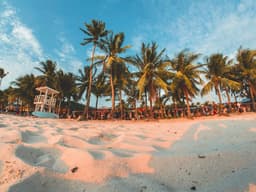
The most important rule in the Maldives is to know the difference between private resort islands and inhabited local islands. Resorts are relaxed, self contained bubbles where swimwear and alcohol are fine, while local islands are Muslim communities where modest dress and no public alcohol apply. Respect that distinction, protect the fragile coral reefs and stay sun safe, and the rest is common courtesy.
This guide sets out the key dos and donts across dress, alcohol, local customs, the reef, photography, health, safety and money, so you travel smoothly and respectfully whichever kind of island you choose. None of it is complicated, and locals are warm and forgiving of honest mistakes.
What are the main dos and donts?
Here is the quick reference. Each point is explained in more detail in the sections below.
| Do | Dont |
|---|---|
| Dress modestly on local islands | Wear bikinis outside marked bikini beaches |
| Drink alcohol only at resorts | Bring alcohol through customs |
| Use reef safe sunscreen | Touch or stand on coral |
| Ask before photographing locals | Take coral, shells or sand home |
| Respect prayer times and Ramadan | Show public affection on local islands |
| Carry some US dollars and cards | Assume every island has an ATM |
Get these right and you will fit in easily. The single biggest thing to remember is that behaviour that is fine at a resort may not be appropriate in a village.
Why does the resort versus local island difference matter so much?
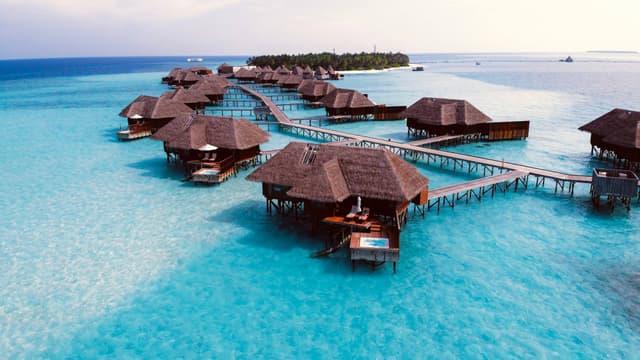
The Maldives runs on a two tier tourism model that shapes almost every rule. Private resorts occupy their own islands and operate as international leisure zones, so swimwear, bars and relaxed dress are all normal. Inhabited local islands, by contrast, are home to Maldivian families living under the country's Islamic customs and laws.
This is why the same action can be perfectly fine in one place and inappropriate a short boat ride away. Once you internalise which type of island you are on, the dos and donts become obvious. Local island tourism through guesthouses is affordable and rewarding, but it comes with the responsibility to respect the community you are visiting.
How should you dress in the Maldives?
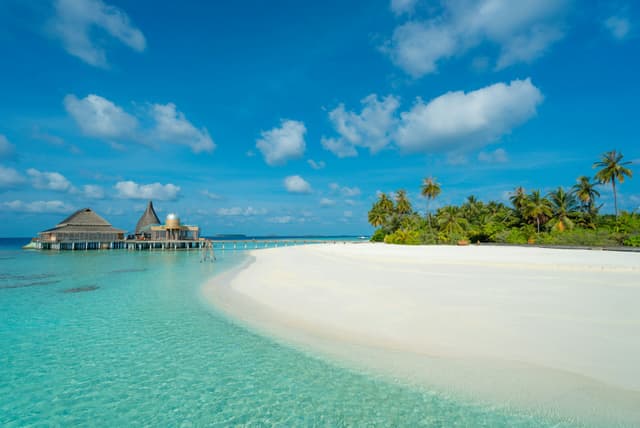
On resort islands you can wear swimwear freely around the beaches and pools. On inhabited local islands, which are conservative Muslim communities, cover your shoulders and knees away from the water, and swim in swimwear only at the designated bikini beaches that many tourist local islands now provide.
- Do: pack light, loose clothing that covers shoulders and knees for time in the village.
- Do: use the marked bikini beach for sunbathing and swimming in swimwear.
- Dont: walk through a local village in a bikini or go shirtless.
- Dont: assume resort norms apply the moment you step onto a local island.
This simple courtesy is appreciated everywhere and takes nothing away from your trip. When in doubt, dress a little more modestly than you think is needed.
What are the rules on alcohol?
Alcohol is served only within resorts and on some liveaboard boats, never on inhabited local islands, and it cannot be brought into the country. Duty free on arrival does not sell alcohol to tourists, and any brought in your luggage will be held by customs and returned on departure.
If enjoying a drink is important to your holiday, plan to stay at a resort or spend part of your trip on a liveaboard. On a local island, embrace the alcohol free culture of sweet tea, fresh coconut and juices instead. Trying to source alcohol on a local island is both impossible and disrespectful, so simply plan around it.
What local island etiquette should you respect?
The Maldives is an Islamic country, so a little cultural awareness goes a long way on inhabited islands. Dress and behave modestly, keep public displays of affection to a minimum, and be mindful around the five daily prayer times, when some shops briefly close.
During Ramadan, avoid eating, drinking or smoking in public during daylight on local islands, as this is the fasting month. Greet people warmly, accept tea if offered, and ask before entering mosques or religious spaces. Resorts are unaffected by these customs, so guests there can carry on as normal, but a respectful attitude in the villages will always be met with genuine hospitality.
How can you protect the reef and environment?
The Maldives depends on its coral reefs for both tourism and natural protection, and they are under pressure from warming seas. As a visitor you can make a real difference by treading lightly in and around the water.
- Do: wear reef safe, mineral based sunscreen to avoid harming coral.
- Do: keep a safe distance from marine life and let it move freely.
- Dont: touch, stand on or break coral, even accidentally with fins.
- Dont: feed fish or chase turtles, rays and sharks.
- Dont: collect coral, shells or sand, which is prohibited to take out of the country.
Snorkel and dive with care, follow your guide's briefing, and use the marked snorkelling areas. Protecting the reef keeps the very thing you came to see healthy for the future.
What are the dos and donts of photography?
The Maldives is stunning, but a few photography courtesies matter, especially on local islands. Always ask before photographing local people, and be particularly considerate with women and children. Avoid taking photos inside mosques or during prayers without permission.
On resorts, be mindful of other guests' privacy around pools and beaches. Drones are restricted in many areas and banned at some resorts and near airports, so check the rules before flying one. A friendly request before taking someone's picture is almost always welcomed and often leads to a warmer interaction.
What health and safety dos and donts apply?
The Maldives is generally very safe, but the tropical marine environment calls for sensible precautions. The sun is strong, the sea has currents, and medical facilities on remote islands are basic.
- Do: reapply sunscreen, wear a rash guard and hydrate, as sunburn is the most common problem.
- Do: check currents and swim within marked areas, especially at drop offs.
- Do: carry any personal medication, as island pharmacies are limited.
- Dont: touch unfamiliar marine life, as some fish and cones can sting or bite.
- Dont: rely on finding a doctor quickly on a remote island, so take travel insurance that covers evacuation.
With basic care the risks are low, and resorts and guesthouses can arrange transfers to a hospital if needed.
What money and tipping dos and donts should you know?
The Maldives runs largely on US dollars alongside the local rufiyaa, and resorts add everything to a room bill settled by card at the end. On local islands, cash is more useful and card acceptance is patchy.
- Do: carry some US dollars in small notes for local islands and tips.
- Do: tip modestly for good service, a few dollars for guides, boat crew and housekeeping.
- Dont: assume every local island has a working ATM, so withdraw or exchange in Male first.
- Dont: forget that resorts add a service charge and taxes, so check whether tipping is expected on top.
For a fuller look at costs, see our guide on whether the Maldives is expensive.
What common mistakes do tourists make?
Most problems in the Maldives come from a handful of avoidable slips rather than serious offences. Being aware of them keeps your trip smooth.
- Wearing swimwear through a local village instead of covering up.
- Trying to bring alcohol through customs, which is confiscated.
- Touching or standing on coral while snorkelling.
- Booking a local island expecting resort style nightlife.
- Underestimating the sun and ending the first day badly burnt.
- Arriving on a local island during Ramadan without knowing the daytime customs.
None of these are hard to avoid once you know about them, and doing so marks you as a considerate guest.
What should you pack to respect the rules?
Packing with the local customs and reef in mind makes it easy to do the right thing.
- Light, modest clothing that covers shoulders and knees for local islands.
- Reef safe, mineral sunscreen and a rash guard for sun and coral protection.
- A cover up or sarong to slip on when leaving the beach.
- Reusable water bottle to cut plastic waste.
- Any personal medicines, since island pharmacies are limited.
What are the entry and documentation dos and donts?
Getting the paperwork right avoids stress on arrival. Most nationalities receive a free 30 day visa on arrival, provided you have a passport valid for your stay, a confirmed onward or return ticket, and a booking or sufficient funds.
- Do: complete the online traveller declaration that the Maldives requires within the window before arrival and departure, and check the current rule before you fly, as these systems change.
- Do: keep your hotel or guesthouse confirmation handy for immigration.
- Dont: pack prohibited items such as alcohol, pork products, or materials offensive to Islam, which customs will seize.
- Dont: bring illegal drugs under any circumstances, as penalties are severe.
Rules and online systems are updated from time to time, so always confirm the latest entry requirements with an official source before travel rather than relying on older advice.
What are the dos and donts of transfers and getting around?
Reaching your island is part of the adventure, and a little planning keeps it smooth. Resorts arrange transfers by speedboat, domestic flight or seaplane depending on distance, while local islands are reached by public ferry, shared speedboat or private transfer.
- Do: book resort transfers in advance, as seaplanes operate only in daylight and are scheduled around your flights.
- Do: allow a comfortable buffer between international and onward transfers.
- Dont: assume you can reach a remote island late at night, since seaplanes do not fly after dark.
- Dont: overpack heavy luggage, as small aircraft and boats have weight limits.
Public ferries are the cheapest way to reach local islands but run on limited schedules and not on Fridays in some areas, so check timings when planning an independent trip.
What practical and connectivity dos and donts should you know?
A few everyday practicalities make island life easier. The Maldives uses 230 volt power with British style three pin sockets in many places, and mobile data is widely available through local SIMs and eSIMs.
- Do: buy a tourist SIM or eSIM at the airport for reliable data on local islands.
- Do: bring a universal adapter, as socket types can vary.
- Do: carry a little cash in dollars and rufiyaa for small local purchases.
- Dont: expect fast wifi on every remote island, though most guesthouses and resorts provide it.
Resorts are self contained with everything on site, while on local islands a small shop and a couple of cafes cover most needs, so stock up on any essentials in Male if you are heading somewhere remote.
What are the sustainability dos and donts?
As a low lying nation built around fragile reefs, the Maldives is especially sensitive to environmental pressure, and responsible choices matter more here than in many destinations.
- Do: refuse single use plastics and carry a refillable water bottle.
- Do: choose operators who follow responsible marine wildlife guidelines.
- Do: respect marine protected areas and no fishing zones.
- Dont: buy souvenirs made from turtle shell, coral or shark products.
- Dont: anchor on or drag equipment across reefs.
Small habits add up across the thousands of visitors the islands host, and travelling gently helps keep the reefs and beaches as beautiful as they appear in the photos.
What are the dos and donts for couples and families?
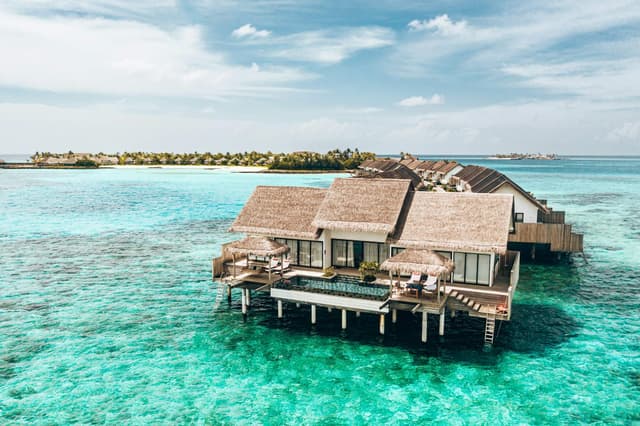
The Maldives is a favourite for both honeymooners and families, and each has a few specific considerations. Couples enjoying the resorts can be as relaxed as they like, but should keep public affection modest if they visit a local island. Private overwater villas and sandbank dinners are the classic romantic experiences and are entirely within resort norms.
Families should check whether a resort is child friendly, as some are adults only, and should watch children closely around water and jetties. On local islands, dress children modestly in the village as you would yourself. With a little planning, the islands work beautifully for romance and for family holidays alike.
How do the rules differ between resort and local islands?
Because so much depends on which type of island you are on, this side by side comparison makes the etiquette easy to remember at a glance.
| Situation | Resort island | Local island |
|---|---|---|
| Swimwear | Fine anywhere on the beach and pool | Only at the marked bikini beach |
| Everyday dress | Relaxed, casual resort wear | Cover shoulders and knees in the village |
| Alcohol | Served at bars and restaurants | Not available, and cannot be brought |
| Public affection | Generally fine | Keep it minimal and discreet |
| Ramadan | Normal service for guests | No eating or drinking in public by day |
| Payment | Card on a room bill | Cash preferred, cards patchy |
Keep this distinction in mind and almost every question about what is or is not appropriate answers itself.
What are the dos and donts of diving and snorkelling?
The Maldives is one of the world's great underwater destinations, and good practice keeps both you and the reef safe. Currents can be strong at the channels where the biggest marine life gathers, so briefings matter.
- Do: dive and snorkel with a reputable, licensed operator and listen to the guide's briefing.
- Do: maintain good buoyancy and keep fins clear of the coral.
- Do: keep a respectful distance from manta rays, turtles and reef sharks, which are harmless if left alone.
- Dont: touch, chase or try to ride any marine animal.
- Dont: snorkel alone at drop offs or channels without knowing the current.
Many house reefs can be reached straight from the beach, but always check where it is safe to enter and exit the water first.
What social dos and donts help you connect with locals?
Maldivians are warm and hospitable, and a few small gestures go a long way on local islands. A friendly greeting, patience around prayer times and a willingness to try local food all signal respect.
Dress modestly, remove your shoes when entering homes or certain shops if asked, and use your right hand for eating and passing items in the traditional way. Avoid loud or intoxicated behaviour in villages, and be discreet with valuables and displays of wealth. These simple courtesies turn a visit into a genuine cultural exchange rather than just a beach stop, and they are almost always repaid with kindness and help.
What should first time visitors keep in mind?
If you take away just a few things, let it be these. First, always know whether you are on a resort or a local island, because that determines almost every rule. Second, protect the reef and yourself from the sun, the two most common ways trips go wrong. Third, plan alcohol and money around the fact that local islands are dry and largely cash based.
Everything else is ordinary courtesy that applies anywhere: ask before taking photos, dress and behave modestly among communities, and travel lightly on a fragile environment. Do that, and the Maldives rewards you with some of the friendliest hosts and most beautiful surroundings anywhere in the world.
What are the dos and donts around religion?
Islam is the state religion of the Maldives and shapes daily life on inhabited islands, so a respectful attitude to religious practice is expected. You do not need to know a lot, just to be considerate.
- Do: dress modestly near mosques and be quiet during prayer times.
- Do: ask before entering a mosque, and remove shoes and cover up if you do.
- Dont: bring or display religious items or symbols of other faiths in public on local islands.
- Dont: take photos inside mosques or of people praying without clear permission.
The public practice of religions other than Islam is restricted on local islands, though your personal beliefs are entirely your own and quiet private observance is not an issue. Resorts are international spaces where these considerations do not apply in the same way.
What weather and seasonal dos and donts should shape your trip?
The Maldives has two broad seasons driven by the monsoons, and timing your trip well avoids disappointment. The dry northeast monsoon from roughly November to April brings sunshine and calm seas, while the wet southwest monsoon from May to October brings more rain, wind and better prices.
- Do: aim for the dry season if you want the calmest seas and clearest skies for diving.
- Do: consider the shoulder and wet months for lower rates and fewer crowds, as rain often comes in short bursts.
- Dont: assume the wet season is a washout, since sunny spells are common and marine life such as whale sharks and mantas can be excellent.
- Dont: underestimate the year round sun, which is strong even on cloudy days.
Whenever you go, pack sun protection and a light layer for breezy boat rides. For a full month by month breakdown, see the best time to visit the Maldives.
How do you choose between a resort and a local island stay?
One of the biggest planning decisions shapes the whole feel of your trip, and the etiquette that comes with it. A resort stay is a private, all inclusive experience where the rules are relaxed and everything is arranged for you, from transfers to dining and activities. A local island stay is cheaper, more social and more authentic, but it asks you to live by the community's customs.
- Do choose a resort if you want total privacy, a house reef, bars and a switch off honeymoon or family break with no rules to track.
- Do choose a local island if you want to meet Maldivians, eat local food cheaply and travel on a smaller budget.
- Do consider combining both, a few nights on a local island and a few at a resort, for the best of each.
- Dont pick a local island expecting resort style luxury, alcohol or beachfront swimwear away from the bikini beach.
Many travellers now split their trip, which spreads the cost and gives a fuller picture of the country. Whichever you choose, matching your expectations to the island type is the surest way to a smooth and respectful stay. To have the right mix of islands, transfers and excursions arranged so the etiquette is handled for you, curated packages can take the guesswork out of planning.
What is the quick dos and donts checklist?
Use this short recap as a final reminder before and during your trip. It captures the essentials in one place.
- Do cover shoulders and knees on local islands and swim in swimwear only at bikini beaches.
- Do use reef safe sunscreen and keep well clear of coral and marine life.
- Do carry some cash, respect prayer times and ask before taking photos of people.
- Do complete any required entry declaration and confirm the latest rules before flying.
- Dont bring alcohol, pork or restricted items through customs.
- Dont take coral, shells or sand, or show public affection in villages.
- Dont expect resort norms, nightlife or ATMs on every local island.
Keep these in mind and you will travel as a considerate, well prepared guest, free to focus on the extraordinary beaches, reefs and hospitality the Maldives is famous for.
For more ideas on planning, see our Maldives travel guide, our list of things to do in the Maldives, and the best time to visit the Maldives.
To have resorts, transfers and excursions arranged for you so the etiquette is handled smoothly, explore our curated Maldives holiday packages.
Frequently asked questions
Can you wear a bikini in the Maldives?
Yes, freely on resort islands. On inhabited local islands you should cover up in public and swim in swimwear only on the marked bikini beaches.
Is alcohol available in the Maldives?
Alcohol is served at resorts and on liveaboards but not on local islands, and it cannot be imported. If drinking is important to you, base yourself at a resort.
Do you need to cover up during Ramadan?
On local islands, avoid eating, drinking or smoking in public during daylight and dress modestly. Resorts operate normally, so the impact on resort guests is minimal.
Is it safe to snorkel around the reefs?
Yes, but protect yourself and the reef. Wear reef shoes, never touch coral, watch for currents, and follow your guide or resort's marked snorkelling areas.
Can you visit a local island as a tourist?
Yes. Local island tourism through guesthouses is well established and affordable, as long as you respect the modest dress and alcohol free customs of the community.
Is it rude to take photos of local people?
It can be if you do not ask. Always request permission before photographing local people, especially women and children, and avoid photographing inside mosques.
What happens if you bring alcohol into the Maldives?
It is confiscated at customs on arrival and usually returned to you when you leave the country. You cannot carry it to a local island or resort yourself.
Do you tip in the Maldives?
Tipping is appreciated though not mandatory. A few US dollars for guides, boat crew and housekeeping is normal, on top of any service charge resorts already add.
Do you need a visa for the Maldives?
Most nationalities receive a free 30 day visa on arrival with a valid passport, an onward ticket and a booking or funds. Confirm the latest rules and any online declaration before you travel.
Can unmarried couples stay together in the Maldives?
Yes. At resorts and tourist guesthouses this is not a problem. Simply keep public displays of affection modest when visiting inhabited local islands.
'/%3E%3C/svg%3E)