



















+977-9709047652
Explore by Country
See all 22 Thailand packages
Most popular pick
See all 22 Thailand packages →
See all 11 Vietnam packages
Most popular pick
See all 11 Vietnam packages →
See all 10 Indonesia (Bali) packages
Most popular pick
See all 10 Indonesia (Bali) packages →
See all 7 Maldives packages
Most popular pick
See all 7 Maldives packages →
See all 10 China packages
Most popular pick
See all 10 China packages →
See all 13 Sri Lanka packages
Most popular pick
See all 13 Sri Lanka packages →
See all 9 Malaysia packages
Most popular pick
See all 9 Malaysia packages →
See all 8 Singapore packages
Most popular pick
See all 8 Singapore packages →
See all 2 Kenya packages
Most popular pick
See all 2 Kenya packages →
See all 16 India packages
Most popular pick
See all 16 India packages →
See all 3 Dubai packages
Most popular pick
See all 3 Dubai packages →
See all 7 Nepal packages
Most popular pick
See all 7 Nepal packages →
See all 6 Philippines packages
Most popular pick
See all 6 Philippines packages →
Search Tours or Places
Blog / Maldives

Maldives Itinerary: How to Plan 4 to 7 Days

24 min read 20 Aug 2026 · Updated 04 Oct 2026
Maldives Itinerary: How to Plan 4 to 7 Days

Short answer: A good Maldives itinerary runs 5 to 7 nights: 3 to 4 nights suits a single resort, 5 nights is the sweet spot for a first trip, and 7 to 10 nights lets you combine a local island guesthouse with a resort or a second atoll. Every trip starts at Velana International Airport (MLE) near Malé, and your transfer (speedboat, daylight-only seaplane or domestic flight) shapes the first and last day. As of 2026, budget for a Green Tax of USD 12 per person per night at resorts (USD 6 at small guesthouses on inhabited islands) and 17% tourism GST on top of room rates.

Trip lengthBest forSuggested split
3 to 4 nightsShort beach break, stopover add-on1 resort within speedboat range of Malé
5 nightsFirst visit, honeymoon1 resort plus 1 excursion day, or 2 nights local island and 3 nights resort
7 nightsFull experience2 to 3 nights local island and 4 nights resort, or 2 resorts in different atolls
10 nightsDivers, slow travellers, budget island hoppers2 to 3 islands or atolls, or a liveaboard plus a resort

How many days do you need in the Maldives?

Most travellers need 5 to 7 nights. Five nights gives you arrival, three full days on the water and an unhurried departure; seven nights leaves room for a second island without losing a whole day to transfers.

The Maldives is not a sightseeing destination in the usual sense. There are no long drives between attractions: you choose an island, and the reef, the beach and the boat trips come to you. That means the right number of days depends on three things:

  • How far you are flying. After a long-haul flight, the first day often disappears to jet lag and the seaplane or speedboat. On a 3 night stay, that can be a third of your trip.
  • How many islands you want. Every island change costs roughly half a day once you include check-out, waiting for a boat or plane and check-in.
  • Whether you dive. Divers should avoid flying for at least 18 to 24 hours after their last dive (standard dive agency guidance), so plan a non-diving final day, which usually adds a night.

Five nights is the sweet spot for a first trip. Three nights only works if you pick a resort a short speedboat ride from the airport and arrive in the morning, which makes it a good add-on to a trip elsewhere in Asia or the Gulf.

What does a 3 to 4 night resort-only Maldives itinerary look like?

A short Maldives itinerary should stay at one resort close to Malé, most likely in North or South Malé Atoll, so the transfer is a speedboat you can take at any hour. Here is a realistic 4 night plan.

  1. Day 1: Land at Velana (MLE), meet your resort representative in the arrivals hall, speedboat to the island, lunch, afternoon swim and sunset from the beach.
  2. Day 2: House reef snorkel in the morning when the water is calmest, spa or pool in the heat of the afternoon, sunset dolphin cruise.
  3. Day 3: Half-day sandbank picnic or snorkel trip to a nearby reef, then a discover scuba session or kayak around the island.
  4. Day 4: Free day: paddleboard, second house reef snorkel, dinner on the beach.
  5. Day 5: Late breakfast, last swim, speedboat back to the airport with about three hours to spare before your flight.

For 3 nights, drop Day 4. If your resort uses seaplanes, check that your flight lands early enough for a daylight transfer.
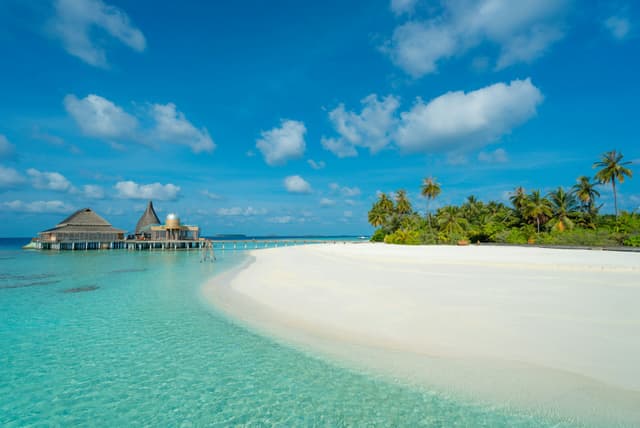
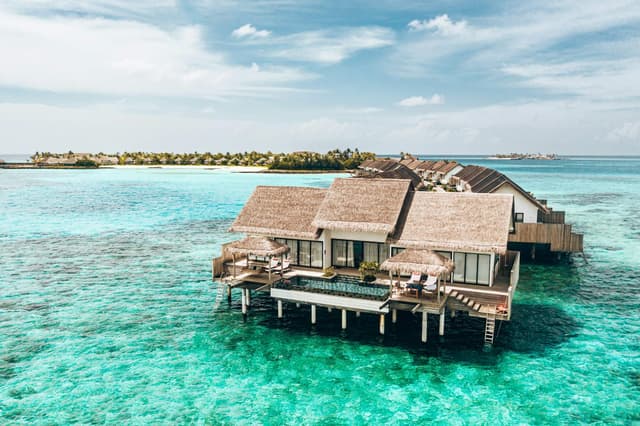
Explore Maldives tour packages
View all →

What does a 5 night Maldives itinerary look like?

Five nights allows one resort with a proper excursion day, or a short local island stay before moving to a resort. Both versions are below.

Version A: one resort, five nights

  • Day 1: Arrive at Malé (MLE), transfer to your resort by speedboat or seaplane, sunset dinner on the beach.
  • Day 2: Snorkel the house reef in the morning, spa or pool in the afternoon.
  • Day 3: Full day excursion, a dolphin cruise or a sandbank picnic, then a guided night snorkel if the resort offers one.
  • Day 4: Try a discover scuba dive or a jet ski tour, then a candlelit dinner.
  • Day 5: Manta or turtle snorkel trip with the dive centre, or a lazy day in the villa.
  • Day 6: Slow breakfast, last swim, transfer back to Malé for your flight.

Version B: 2 nights local island, 3 nights resort

  • Day 1: Arrive, shared speedboat to Maafushi or Thulusdhoo (roughly 30 to 60 minutes), check into a guesthouse, sunset on the bikini beach.
  • Day 2: Guesthouse excursion: sandbank, snorkelling with turtles, and a stop at a nearby reef. Evening walk through the village.
  • Day 3: Morning speedboat to your resort (many South Malé resorts are a short hop away, but confirm your resort will collect you from a local island, not only from the airport).
  • Day 4: House reef, spa, and sunset drinks, since resorts are where alcohol is served.
  • Day 5: Resort excursion or free day.
  • Day 6: Transfer to the airport.

Do the local island first: ending at a resort means a smoother airport transfer and a more relaxed last night.

What does a 7 night Maldives itinerary look like?

Seven nights is enough for two very different stays. The most popular pattern is 3 nights on a local island in Ari Atoll for whale sharks, then 4 nights at a resort; the alternative is two resorts in different atolls.

Version A: local island plus resort (Ari Atoll whale sharks)

  1. Day 1: Arrive at MLE. Take a shared speedboat to Dhigurah in South Ari Atoll (about 1.5 to 2 hours), or overnight in Hulhumalé if you land late.
  2. Day 2: Whale shark search along the South Ari Marine Protected Area on the atoll's outer reef, then an afternoon on Dhigurah's long sandbank tip.
  3. Day 3: Manta or reef snorkel trip, or a day of diving with a local dive shop.
  4. Day 4: Transfer to your resort, either a South Ari resort by speedboat or back via Malé to a resort in another atoll.
  5. Day 5: House reef and resort life.
  6. Day 6: Sandbank picnic, sunset cruise or spa.
  7. Day 7: Free day.
  8. Day 8: Transfer to MLE and fly home.

Version B: two-atoll resort combination

  1. Day 1: Arrive and speedboat to a North Malé Atoll resort.
  2. Days 2 to 3: Surf breaks or reef snorkelling close to Malé, a sunset cruise, and spa time.
  3. Day 4: Speedboat back to the airport, then a seaplane or domestic flight to a Baa or Raa Atoll resort (in Hanifaru season, pick Baa).
  4. Days 5 to 7: Manta trips, a picnic on an uninhabited sandbank and a night of stargazing away from Malé's lights.
  5. Day 8: Seaplane or flight back to MLE in time for your international departure.

On Days 4 and 8, check the seaplane schedule against your connection; a morning international departure often means a night near the airport.

What does a 10 night Maldives itinerary look like?

Ten nights suits divers and budget island hoppers. The two plans below show how to use the extra time well rather than just adding beach days.

Diver-focused 10 nights

  • Days 1 to 2: Arrive and settle at a North or South Malé Atoll resort or guesthouse; check-out dives on channel sites close to Malé.
  • Days 3 to 5: Move to Rasdhoo or a North Ari resort for early morning hammerhead dives off Rasdhoo Atoll's outer wall (sightings are never guaranteed) and manta cleaning stations.
  • Days 6 to 8: South Ari Atoll for whale sharks and big-fish channels.
  • Day 9: Vaavu Atoll or back towards Malé, finishing your last dive at least 18 to 24 hours before flying.
  • Day 10: No-dive day: sandbank, snorkel, packing gear to dry.
  • Day 11: Fly home.

A liveaboard is the other option: most run 7 nights from Malé through Ari and Vaavu, and you can add 2 to 3 resort nights at the end as your no-fly buffer. See our guide to diving in the Maldives for dive sites and certification levels.

Budget local islands 10 nights

  • Days 1 to 3: Maafushi or Guraidhoo in South Malé Atoll, the easiest guesthouse hub from the airport.
  • Days 4 to 5: Fulidhoo in Vaavu Atoll, a quiet village island with nurse sharks and stingrays at the jetty.
  • Days 6 to 8: Dhigurah or Ukulhas in Ari Atoll for whale sharks, mantas and wide beaches.
  • Days 9 to 10: Thoddoo for farms and a long bikini beach, or a resort day pass to get an overwater taste without the overnight rate.
  • Day 11: Back to Malé by speedboat for your flight.

Public ferries make this very cheap but slow and infrequent, so most travellers mix ferries with shared speedboats. For how the ferry, speedboat and flight network fits together, read our guide on how to get around the Maldives.

Should you split your Maldives itinerary between resorts and local islands?

Yes, if budget matters or you want to see everyday Maldivian life. Local islands such as Maafushi, Dhigurah and Thulusdhoo offer guesthouses, public beaches and good-value dive trips, while resorts deliver privacy, overwater villas and alcohol.

The key difference is the rules. A resort is its own island, operated for tourists, where bikinis and alcohol are normal. A local island is a Maldivian community where Islamic laws and customs apply. In practice that means:

  • No alcohol is sold on local islands. Some guesthouses arrange trips to a nearby "safari" boat or resort bar, but you cannot bring alcohol into the country: customs will take it at the airport.
  • Swimwear only on designated bikini beaches. Elsewhere, including the village streets and public beach, cover shoulders and knees.
  • Friday is the main prayer day. Some shops and cafés close around midday prayers, and many public ferry routes do not run on Fridays.
Local islandAtollKnown forGood for
MaafushiSouth Malé (Kaafu)Largest guesthouse scene, many excursion operatorsFirst-timers on a budget, short stays
ThulusdhooNorth Malé (Kaafu)Surf break (Cokes), relaxed village feelSurfers, 2 to 3 night add-ons
DhigurahSouth Ari (Alif Dhaal)Long sandbank tip, whale shark tripsWhale sharks, snorkellers
FulidhooVaavuTiny, quiet, nurse sharks at the harbourSlow travel, Vaavu diving
UkulhasNorth Ari (Alif Alif)Tidy village, long bikini beach, manta tripsCouples, snorkelling
RasdhooRasdhoo Atoll (Alif Alif)Dawn hammerhead dives, eagle raysDivers
ThoddooAlif AlifFarms (papaya, watermelon), wide beachesLonger, quieter stays

If you are torn between room types at the resort half of your trip, our comparison of overwater vs beach villas covers snorkel access, privacy and price differences.

Which atoll should you base your Maldives itinerary on?

Choose the atoll by what you want to see: Ari for whale sharks, Baa for mantas at Hanifaru Bay, Malé atolls for short transfers, and Addu or other far atolls for quieter, domestic-flight trips.

AtollTypical transfer from MLEHighlightsBest for
North Malé (Kaafu)Speedboat, about 15 to 60 minutesSurf breaks, channel dives, many resorts close to the airportShort trips, late arrivals
South Malé (Kaafu)Speedboat, about 30 to 75 minutesMaafushi and Guraidhoo guesthouses, channel dives, dolphinsBudget stays, resort and local island combinations
Ari (Alif Alif and Alif Dhaal)Seaplane about 25 to 35 minutes, or speedboat 1.5 to 2 hours, or flight to MaamigiliSouth Ari Marine Protected Area whale sharks, mantas, Rasdhoo hammerheadsSnorkellers and divers
BaaSeaplane about 35 to 45 minutes, or flight to Dharavandhoo about 30 minutesUNESCO Biosphere Reserve since 2011; Hanifaru Bay manta feeding, roughly May to DecemberManta encounters, nature-focused resorts
VaavuSpeedboat about 1.5 hoursFulidhoo, Fotteyo and Alimatha dives with nurse sharks and grey reef sharksDivers, quiet local island stays
LhaviyaniSeaplane about 40 to 45 minutesShipyard wreck dive, turtles, large family-friendly resortsFamilies, wreck snorkelling
RaaSeaplane about 45 minutes, or flight to Ifuru about 40 minutesVaadhoo bioluminescence (not guaranteed), newer resortsCouples, second-atoll stays
Addu (Seenu)Domestic flight to Gan, roughly 1 to 1.5 hoursSouthernmost atoll, Addu Nature Park wetlands, former RAF base history, British Loyalty wreckRepeat visitors, longer trips

Baa Atoll and Hanifaru Bay

Hanifaru Bay in Baa Atoll became a Marine Protected Area in 2009, and Baa was declared a UNESCO Biosphere Reserve in 2011. Manta rays and occasionally whale sharks gather to feed on plankton from roughly May to December, with the most reliable period often cited as late July to early October, especially around full and new moons. It is snorkel only (scuba diving is banned), visits are ranger-managed with limited visitor numbers and a set time in the water, and you need a licensed guide. On a poor plankton day there may be no mantas, so allow two or three days in Baa if this is the highlight of your trip.

Ari Atoll and whale sharks

The South Ari Atoll Marine Protected Area runs about 42 km along the atoll's southern outer reef between Rangali and Dhigurah, and is one of the few places in the world where whale sharks, mostly juveniles, can be seen year-round. Sightings are frequent but not guaranteed. Responsible operators keep a distance of several metres, never touch the animals, and limit the number of swimmers per shark.

How do you get around on a Maldives itinerary?

Speedboats cover the Malé atolls at any hour, seaplanes reach mid-distance resorts in daylight only, domestic flights serve far atolls, and public ferries are the cheapest but slowest option. Your resort usually arranges transfers, and they can be a large share of the total cost.

TransferOperatorsTypical time from MLEKey limits
Resort speedboatArranged by your resort15 to 90 minutesRuns day and night; rough in strong monsoon winds
Shared speedboatPrivate operators and guesthouses30 minutes (Maafushi) to about 2 hours (Dhigurah)Fixed departure times; seats can sell out
SeaplaneTrans Maldivian Airways, Manta Air, Maldivian20 to 60 minutesDaylight only, usually last departures in the late afternoon; soft bags and weight limits, often around 20 kg checked
Domestic flightMaldivian, Manta Air, Villa Air25 minutes (Maamigili) to about 1.5 hours (Gan)Often paired with a speedboat on arrival; around 20 kg checked bags on most carriers
Public ferryMTCC and regional ferry operatorsAbout 1.5 to 2 hours (Maafushi) to about 5 hours (Thoddoo)Cheapest by far; limited schedules, often no Friday service; tickets bought at the terminal

Seaplane timing: the detail that breaks itineraries

Seaplanes cannot land on water in the dark, so the last flights typically leave between about 4pm and 6pm depending on the season and the resort's distance. If your international flight lands after mid-afternoon, you will either take a speedboat (if the resort is close enough), overnight in Hulhumalé or Malé, or connect by domestic flight plus speedboat. The same applies in reverse: a 10am international departure from a seaplane resort may mean leaving the resort very early or spending your last night near the airport. Check this before choosing a resort.

What happens when you arrive at Velana International Airport?

You arrive at Velana International Airport (MLE) on Hulhulé Island next to Malé. As of 2026, international flights use the new passenger terminal, which opened in phases from 26 July 2025, and the older building now handles domestic flights.

The new terminal handles up to 7.5 million passengers a year and brings jet bridges, e-gates and seaplane check-in counters. Resort representatives usually wait in arrivals to walk you to your speedboat jetty or seaplane lounge.

Before you fly: the IMUGA traveller declaration

  • Every traveller, including children and infants, must complete the free traveller declaration on the official Maldives Immigration IMUGA portal within 96 hours before arrival.
  • Only the arrival declaration is currently required; there is no separate departure form.
  • Ignore websites that charge a fee to "process" it; the government portal is free.
  • Keep your accommodation confirmation, return or onward ticket and proof of funds handy. Entry conditions vary, so check the current rule for your passport with Maldives Immigration before you travel.

Smoking and vaping rules

Since late 2025, anyone born on or after 1 January 2007 is banned from buying, possessing or using tobacco in the Maldives, and this applies to tourists too. Vape imports were banned earlier, so leave e-cigarettes at home.

What taxes and fees should you budget for in 2026?

As of September 2026, three government charges affect every Maldives itinerary: Green Tax per night, 17% Tourism GST on accommodation and most tourist services, and airport departure charges that are normally built into your air ticket. Resorts also add a service charge, usually 10%.

ChargeAmount (as of 2026)Who pays and when
Green Tax: resorts, hotels, tourist vessels and larger guesthousesUSD 12 per person per dayCharged by your accommodation; children under 2 exempt
Green Tax: hotels and guesthouses on inhabited islands with 50 or fewer roomsUSD 6 per person per dayCharged by your guesthouse
Tourism GST (T-GST)17%Added to room rates and most resort food, drink and activities since 1 July 2025
Departure Tax (economy / business / first)USD 50 / 120 / 240Usually included in your international ticket
Airport Development Fee (economy / business / first)USD 50 / 120 / 240Usually included in your international ticket
Resort service chargeTypically 10%Set by the property, not a government tax

The Green Tax rates doubled from 1 January 2025, according to the Maldives Inland Revenue Authority (MIRA) circular, and the departure charges rose from 1 December 2024. On a 7 night resort stay for two adults, Green Tax alone adds USD 168, so always compare prices "inclusive of taxes and fees".

What is the weather like for a Maldives itinerary month by month?

The Maldives is warm all year, with daytime highs of about 30 to 32°C. The drier northeast monsoon runs roughly December to April; the wetter southwest monsoon runs roughly May to November, bringing more showers, wind and swell but lower prices.

MonthAvg high / low (°C)Avg rainfall (mm)Rainy daysWhat to expect
January30.6 / 26.0875.5Dry, calm, peak season prices
February31.0 / 26.3383.2Driest month, excellent visibility
March31.6 / 26.8494.5Sunniest month, flat seas
April31.9 / 27.11278.5Hottest, transition begins
May31.5 / 26.623815.0Southwest monsoon arrives, good deals
June31.1 / 26.414612.9Windier, surf season, Hanifaru starts
July30.8 / 25.919813.7Showers between sunny spells; mantas in Baa
August30.7 / 25.919313.0Peak Hanifaru period; family holiday demand
September30.5 / 25.721415.3Quietest and often cheapest month
October30.5 / 25.724515.2Wettest month on average; bioluminescence season
November30.4 / 25.523614.2Transition back to dry; prices rising
December30.4 / 25.621212.0Dry season starts; Christmas and New Year peak

Figures are long-term averages for Malé; rain usually falls as short, heavy showers. For a deeper look at seasons, crowds and prices, read our guide to the best time to visit the Maldives.

How much does a Maldives itinerary cost per day?

A Maldives trip can cost anything from under USD 150 a day on a local island to well over USD 1,500 a day at a luxury resort. The biggest variables are accommodation, meal plan and transfers, not activities.

As indicative ranges, local island guesthouses run about USD 60 to 120 per night, mid-range resorts about USD 300 to 600, and premium overwater villas often exceed USD 900. Add USD 100 to 200 a day for diving, dolphin cruises and sandbank trips. Rates swing sharply by season.

StyleAccommodation per nightFoodTransfersExtras to plan for
Budget local islandAbout USD 60 to 120, often with breakfast or mealsLocal cafés are inexpensivePublic ferry a few dollars; shared speedboat roughly USD 25 to 60 per person each wayExcursions, USD 6 Green Tax per night
Mid-range resortAbout USD 300 to 600Meal plans add substantially; resort prices plus 10% service and 17% T-GSTSpeedboat or seaplane, often charged per personUSD 12 Green Tax per night, drinks
Luxury overwaterOften USD 900 and upUsually half board or all-inclusiveSeaplane or domestic flight, often several hundred dollars per person returnPrivate excursions, spa

Private speedboat charters typically start around USD 150 to 300 one way. For a full breakdown of where money goes and how to save, see is the Maldives expensive.

Which activities should you slot into your Maldives itinerary?

Plan one or two anchor experiences, such as whale sharks, mantas or a sandbank picnic, and leave the rest of the time free. Wildlife trips depend on weather, tides and luck, so schedule them early in your stay to allow a second try.

ActivityWhereTime neededHonest expectations
House reef snorkelResorts and some local islands1 to 2 hours, repeatableQuality varies hugely by resort; ask for reef photos and drop-off distance before booking
Sandbank picnicAlmost every atollHalf daySandbanks shift with tides and seasons; bring shade and reef-safe sunscreen
Manta snorkel or diveBaa (Hanifaru), Ari, Lhaviyani, Malé atollsHalf daySeasonal and plankton-dependent; Hanifaru is snorkel only
Whale shark tripSouth Ari Marine Protected AreaHalf to full dayYear-round, frequent but not guaranteed; follow distance rules
Dolphin cruiseMost resorts and guesthouse islands1.5 to 2 hours at sunsetSpinner dolphins are commonly seen; swimming with them is not the point of the trip
BioluminescenceVaadhoo (Raa) and many other islandsAn eveningUnpredictable; best odds on dark, moonless nights, often in the wetter months
Discover scuba or fun divesResort and guesthouse dive centresHalf dayNo certification needed for a supervised first dive

A word on the "sea of stars"

The glowing shoreline made famous by photos of Vaadhoo in Raa Atoll comes from bioluminescent plankton and tiny crustaceans called ostracods. It appears most often on dark, moonless nights, typically in the wetter months, and on many other islands too. Many photos you see online are long exposures, so the glow is fainter to the naked eye. Treat it as a lucky bonus rather than an itinerary anchor. Our things to do in the Maldives guide covers more activities, from surfing to cultural visits in Malé.

What should you pack and how should you behave on a Maldives itinerary?

Pack light, in soft bags if you are taking a seaplane, and bring modest clothing for local islands and Malé. Respecting local customs and reef etiquette matters as much as swimwear and sunscreen.

Packing list

  • A soft duffel or bag that fits seaplane weight limits (often around 20 kg checked, plus a small cabin bag).
  • Reef-safe mineral sunscreen, a rash vest and a hat; the equatorial sun is strong year-round.
  • Your own mask and snorkel if you snorkel daily, and reef shoes for rocky entries.
  • Light long trousers or a sarong and a T-shirt that covers shoulders for local islands, mosques and Malé.
  • A dry bag for boat trips.
  • Any prescription medicines in original packaging. Pork products, alcohol and religious materials for proselytising are not permitted imports.
  • Some US dollars in small notes for tips and local island purchases; resorts accept cards.

Etiquette

  • Do not touch or stand on coral, and never chase or touch turtles, mantas or whale sharks.
  • Do not take shells, coral or sand home; exporting coral and turtle products is prohibited.
  • Ask before photographing local people, especially women and children.
  • During Ramadan, avoid eating or drinking in public on local islands during daylight hours.

For a fuller list, see our guide to the dos and don'ts in the Maldives.

How far ahead should you plan your Maldives itinerary?

Plan two to three months ahead for the December to April peak and school holidays, and four to six months ahead for Christmas and New Year. Off season, flexible travellers can often book closer to their dates.

  • Fix your flights first, then choose a resort whose transfer fits your arrival and departure times.
  • Confirm what is included: transfers, meal plan, Green Tax, T-GST and service charge.
  • Book wildlife trips early in the stay so you can repeat them if conditions are poor.
  • Complete IMUGA within 96 hours before your flight.
  • Keep one buffer day in multi-island itineraries in case weather delays a boat or seaplane.

Once your dates and island mix are settled, you can compare how Maldives holiday packages bundle transfers, resort nights and excursions against booking each piece yourself.

Frequently asked questions

Is 4 nights enough for the Maldives?

Four nights works well for a short beach break at a single resort, ideally one reached by speedboat from Velana airport so you avoid seaplane timing issues. You get about three full days for snorkelling, a sandbank trip and relaxing. For a honeymoon, diving or a mix of local island and resort, five to seven nights is more comfortable.

What is the best month for a Maldives itinerary?

The dry northeast monsoon from roughly December to April brings the calmest seas, most sunshine and best visibility, with February and March the driest months. May to November is wetter and windier but quieter and cheaper, with showers usually short. It is also the best period for manta aggregations at Hanifaru Bay in Baa Atoll.

Can you visit more than one island in the Maldives?

Yes. Many travellers combine a local island guesthouse with a resort, or stay at two resorts in different atolls. Each island change takes roughly half a day, and transfers often route back through Malé. Seaplanes fly only in daylight, so leave buffer time around international flights and keep one spare day in longer multi-island trips.

How much is the Maldives Green Tax in 2026?

As of 2026, the Green Tax is USD 12 per person per day at resorts, hotels, tourist vessels and larger guesthouses. Hotels and guesthouses on inhabited islands with 50 or fewer rooms charge USD 6 per person per day. Children under two are exempt. Your accommodation collects it, usually at checkout or in the booking total.

Do seaplanes fly at night in the Maldives?

No. Seaplanes operate only in daylight, with the last departures typically between about 4pm and 6pm depending on the season. If your international flight lands late, you may need a speedboat to a nearby resort, a domestic flight plus speedboat, or a night in Hulhumalé or Malé before continuing the next morning.

Is it cheaper to stay on a local island?

Usually, yes. Guesthouses on islands such as Maafushi, Thulusdhoo or Dhigurah often cost a fraction of resort rates, carry a lower Green Tax where they qualify, and can be reached by public ferry or shared speedboat. The trade-offs are no alcohol, swimwear limited to designated bikini beaches, and simpler rooms.

Where can you see whale sharks in the Maldives?

The South Ari Atoll Marine Protected Area, between Rangali and Dhigurah, is the main whale shark area and one of few places where mostly juvenile whale sharks are seen year-round. Trips run from Dhigurah, nearby local islands and South Ari resorts. Sightings are frequent but not guaranteed, so plan more than one attempt if it matters to you.

What is the IMUGA traveller declaration?

IMUGA is the Maldives Immigration online portal where every arriving traveller, including children, completes a free traveller declaration within 96 hours before arrival. Only the arrival declaration is currently required. Use the official government site rather than paid third-party services, and check entry conditions for your own passport before you travel.

Can you drink alcohol on a Maldives itinerary?

Alcohol is served at resorts, on licensed liveaboards and at some airport-area hotels, but not on local inhabited islands. You cannot bring alcohol into the Maldives, and customs will confiscate it on arrival. If you stay on a local island, some guesthouses arrange trips to a nearby licensed boat or resort bar.

How long does the transfer from Malé airport take?

It depends on the atoll. Speedboats reach North and South Malé Atoll resorts in about 15 to 90 minutes, seaplanes reach Ari, Baa, Raa and Lhaviyani in about 20 to 60 minutes, and domestic flights reach far atolls such as Addu in roughly 1 to 1.5 hours. Public ferries are much slower, from about 1.5 hours to several hours.

Is the Maldives worth visiting in the rainy season?

Often, yes. From May to November, prices are usually lower, resorts are quieter, surf is at its best and Baa Atoll's manta season peaks. The downside is more wind, choppier boat rides and some cloudy days, though showers tend to be short. Flexible plans and a resort with a good house reef help.

Tags
Maldives
Share
G
Gomayu Team
Writer at Gomayu
Keep reading
Blog / Maldives
Maldives Itinerary: How to Plan 4 to 7 Days
24 min read 20 Aug 2026 · Updated 04 Oct 2026
Maldives Itinerary: How to Plan 4 to 7 Days

Short answer: A good Maldives itinerary runs 5 to 7 nights: 3 to 4 nights suits a single resort, 5 nights is the sweet spot for a first trip, and 7 to 10 nights lets you combine a local island guesthouse with a resort or a second atoll. Every trip starts at Velana International Airport (MLE) near Malé, and your transfer (speedboat, daylight-only seaplane or domestic flight) shapes the first and last day. As of 2026, budget for a Green Tax of USD 12 per person per night at resorts (USD 6 at small guesthouses on inhabited islands) and 17% tourism GST on top of room rates.

Trip lengthBest forSuggested split
3 to 4 nightsShort beach break, stopover add-on1 resort within speedboat range of Malé
5 nightsFirst visit, honeymoon1 resort plus 1 excursion day, or 2 nights local island and 3 nights resort
7 nightsFull experience2 to 3 nights local island and 4 nights resort, or 2 resorts in different atolls
10 nightsDivers, slow travellers, budget island hoppers2 to 3 islands or atolls, or a liveaboard plus a resort

How many days do you need in the Maldives?

Most travellers need 5 to 7 nights. Five nights gives you arrival, three full days on the water and an unhurried departure; seven nights leaves room for a second island without losing a whole day to transfers.

The Maldives is not a sightseeing destination in the usual sense. There are no long drives between attractions: you choose an island, and the reef, the beach and the boat trips come to you. That means the right number of days depends on three things:

  • How far you are flying. After a long-haul flight, the first day often disappears to jet lag and the seaplane or speedboat. On a 3 night stay, that can be a third of your trip.
  • How many islands you want. Every island change costs roughly half a day once you include check-out, waiting for a boat or plane and check-in.
  • Whether you dive. Divers should avoid flying for at least 18 to 24 hours after their last dive (standard dive agency guidance), so plan a non-diving final day, which usually adds a night.

Five nights is the sweet spot for a first trip. Three nights only works if you pick a resort a short speedboat ride from the airport and arrive in the morning, which makes it a good add-on to a trip elsewhere in Asia or the Gulf.

What does a 3 to 4 night resort-only Maldives itinerary look like?

A short Maldives itinerary should stay at one resort close to Malé, most likely in North or South Malé Atoll, so the transfer is a speedboat you can take at any hour. Here is a realistic 4 night plan.

  1. Day 1: Land at Velana (MLE), meet your resort representative in the arrivals hall, speedboat to the island, lunch, afternoon swim and sunset from the beach.
  2. Day 2: House reef snorkel in the morning when the water is calmest, spa or pool in the heat of the afternoon, sunset dolphin cruise.
  3. Day 3: Half-day sandbank picnic or snorkel trip to a nearby reef, then a discover scuba session or kayak around the island.
  4. Day 4: Free day: paddleboard, second house reef snorkel, dinner on the beach.
  5. Day 5: Late breakfast, last swim, speedboat back to the airport with about three hours to spare before your flight.

For 3 nights, drop Day 4. If your resort uses seaplanes, check that your flight lands early enough for a daylight transfer.
Explore Maldives tour packages
View all →

What does a 5 night Maldives itinerary look like?

Five nights allows one resort with a proper excursion day, or a short local island stay before moving to a resort. Both versions are below.

Version A: one resort, five nights

  • Day 1: Arrive at Malé (MLE), transfer to your resort by speedboat or seaplane, sunset dinner on the beach.
  • Day 2: Snorkel the house reef in the morning, spa or pool in the afternoon.
  • Day 3: Full day excursion, a dolphin cruise or a sandbank picnic, then a guided night snorkel if the resort offers one.
  • Day 4: Try a discover scuba dive or a jet ski tour, then a candlelit dinner.
  • Day 5: Manta or turtle snorkel trip with the dive centre, or a lazy day in the villa.
  • Day 6: Slow breakfast, last swim, transfer back to Malé for your flight.

Version B: 2 nights local island, 3 nights resort

  • Day 1: Arrive, shared speedboat to Maafushi or Thulusdhoo (roughly 30 to 60 minutes), check into a guesthouse, sunset on the bikini beach.
  • Day 2: Guesthouse excursion: sandbank, snorkelling with turtles, and a stop at a nearby reef. Evening walk through the village.
  • Day 3: Morning speedboat to your resort (many South Malé resorts are a short hop away, but confirm your resort will collect you from a local island, not only from the airport).
  • Day 4: House reef, spa, and sunset drinks, since resorts are where alcohol is served.
  • Day 5: Resort excursion or free day.
  • Day 6: Transfer to the airport.

Do the local island first: ending at a resort means a smoother airport transfer and a more relaxed last night.

What does a 7 night Maldives itinerary look like?

Seven nights is enough for two very different stays. The most popular pattern is 3 nights on a local island in Ari Atoll for whale sharks, then 4 nights at a resort; the alternative is two resorts in different atolls.

Version A: local island plus resort (Ari Atoll whale sharks)

  1. Day 1: Arrive at MLE. Take a shared speedboat to Dhigurah in South Ari Atoll (about 1.5 to 2 hours), or overnight in Hulhumalé if you land late.
  2. Day 2: Whale shark search along the South Ari Marine Protected Area on the atoll's outer reef, then an afternoon on Dhigurah's long sandbank tip.
  3. Day 3: Manta or reef snorkel trip, or a day of diving with a local dive shop.
  4. Day 4: Transfer to your resort, either a South Ari resort by speedboat or back via Malé to a resort in another atoll.
  5. Day 5: House reef and resort life.
  6. Day 6: Sandbank picnic, sunset cruise or spa.
  7. Day 7: Free day.
  8. Day 8: Transfer to MLE and fly home.

Version B: two-atoll resort combination

  1. Day 1: Arrive and speedboat to a North Malé Atoll resort.
  2. Days 2 to 3: Surf breaks or reef snorkelling close to Malé, a sunset cruise, and spa time.
  3. Day 4: Speedboat back to the airport, then a seaplane or domestic flight to a Baa or Raa Atoll resort (in Hanifaru season, pick Baa).
  4. Days 5 to 7: Manta trips, a picnic on an uninhabited sandbank and a night of stargazing away from Malé's lights.
  5. Day 8: Seaplane or flight back to MLE in time for your international departure.

On Days 4 and 8, check the seaplane schedule against your connection; a morning international departure often means a night near the airport.

What does a 10 night Maldives itinerary look like?

Ten nights suits divers and budget island hoppers. The two plans below show how to use the extra time well rather than just adding beach days.

Diver-focused 10 nights

  • Days 1 to 2: Arrive and settle at a North or South Malé Atoll resort or guesthouse; check-out dives on channel sites close to Malé.
  • Days 3 to 5: Move to Rasdhoo or a North Ari resort for early morning hammerhead dives off Rasdhoo Atoll's outer wall (sightings are never guaranteed) and manta cleaning stations.
  • Days 6 to 8: South Ari Atoll for whale sharks and big-fish channels.
  • Day 9: Vaavu Atoll or back towards Malé, finishing your last dive at least 18 to 24 hours before flying.
  • Day 10: No-dive day: sandbank, snorkel, packing gear to dry.
  • Day 11: Fly home.

A liveaboard is the other option: most run 7 nights from Malé through Ari and Vaavu, and you can add 2 to 3 resort nights at the end as your no-fly buffer. See our guide to diving in the Maldives for dive sites and certification levels.

Budget local islands 10 nights

  • Days 1 to 3: Maafushi or Guraidhoo in South Malé Atoll, the easiest guesthouse hub from the airport.
  • Days 4 to 5: Fulidhoo in Vaavu Atoll, a quiet village island with nurse sharks and stingrays at the jetty.
  • Days 6 to 8: Dhigurah or Ukulhas in Ari Atoll for whale sharks, mantas and wide beaches.
  • Days 9 to 10: Thoddoo for farms and a long bikini beach, or a resort day pass to get an overwater taste without the overnight rate.
  • Day 11: Back to Malé by speedboat for your flight.

Public ferries make this very cheap but slow and infrequent, so most travellers mix ferries with shared speedboats. For how the ferry, speedboat and flight network fits together, read our guide on how to get around the Maldives.

Should you split your Maldives itinerary between resorts and local islands?

Yes, if budget matters or you want to see everyday Maldivian life. Local islands such as Maafushi, Dhigurah and Thulusdhoo offer guesthouses, public beaches and good-value dive trips, while resorts deliver privacy, overwater villas and alcohol.

The key difference is the rules. A resort is its own island, operated for tourists, where bikinis and alcohol are normal. A local island is a Maldivian community where Islamic laws and customs apply. In practice that means:

  • No alcohol is sold on local islands. Some guesthouses arrange trips to a nearby "safari" boat or resort bar, but you cannot bring alcohol into the country: customs will take it at the airport.
  • Swimwear only on designated bikini beaches. Elsewhere, including the village streets and public beach, cover shoulders and knees.
  • Friday is the main prayer day. Some shops and cafés close around midday prayers, and many public ferry routes do not run on Fridays.
Local islandAtollKnown forGood for
MaafushiSouth Malé (Kaafu)Largest guesthouse scene, many excursion operatorsFirst-timers on a budget, short stays
ThulusdhooNorth Malé (Kaafu)Surf break (Cokes), relaxed village feelSurfers, 2 to 3 night add-ons
DhigurahSouth Ari (Alif Dhaal)Long sandbank tip, whale shark tripsWhale sharks, snorkellers
FulidhooVaavuTiny, quiet, nurse sharks at the harbourSlow travel, Vaavu diving
UkulhasNorth Ari (Alif Alif)Tidy village, long bikini beach, manta tripsCouples, snorkelling
RasdhooRasdhoo Atoll (Alif Alif)Dawn hammerhead dives, eagle raysDivers
ThoddooAlif AlifFarms (papaya, watermelon), wide beachesLonger, quieter stays

If you are torn between room types at the resort half of your trip, our comparison of overwater vs beach villas covers snorkel access, privacy and price differences.

Which atoll should you base your Maldives itinerary on?

Choose the atoll by what you want to see: Ari for whale sharks, Baa for mantas at Hanifaru Bay, Malé atolls for short transfers, and Addu or other far atolls for quieter, domestic-flight trips.

AtollTypical transfer from MLEHighlightsBest for
North Malé (Kaafu)Speedboat, about 15 to 60 minutesSurf breaks, channel dives, many resorts close to the airportShort trips, late arrivals
South Malé (Kaafu)Speedboat, about 30 to 75 minutesMaafushi and Guraidhoo guesthouses, channel dives, dolphinsBudget stays, resort and local island combinations
Ari (Alif Alif and Alif Dhaal)Seaplane about 25 to 35 minutes, or speedboat 1.5 to 2 hours, or flight to MaamigiliSouth Ari Marine Protected Area whale sharks, mantas, Rasdhoo hammerheadsSnorkellers and divers
BaaSeaplane about 35 to 45 minutes, or flight to Dharavandhoo about 30 minutesUNESCO Biosphere Reserve since 2011; Hanifaru Bay manta feeding, roughly May to DecemberManta encounters, nature-focused resorts
VaavuSpeedboat about 1.5 hoursFulidhoo, Fotteyo and Alimatha dives with nurse sharks and grey reef sharksDivers, quiet local island stays
LhaviyaniSeaplane about 40 to 45 minutesShipyard wreck dive, turtles, large family-friendly resortsFamilies, wreck snorkelling
RaaSeaplane about 45 minutes, or flight to Ifuru about 40 minutesVaadhoo bioluminescence (not guaranteed), newer resortsCouples, second-atoll stays
Addu (Seenu)Domestic flight to Gan, roughly 1 to 1.5 hoursSouthernmost atoll, Addu Nature Park wetlands, former RAF base history, British Loyalty wreckRepeat visitors, longer trips

Baa Atoll and Hanifaru Bay

Hanifaru Bay in Baa Atoll became a Marine Protected Area in 2009, and Baa was declared a UNESCO Biosphere Reserve in 2011. Manta rays and occasionally whale sharks gather to feed on plankton from roughly May to December, with the most reliable period often cited as late July to early October, especially around full and new moons. It is snorkel only (scuba diving is banned), visits are ranger-managed with limited visitor numbers and a set time in the water, and you need a licensed guide. On a poor plankton day there may be no mantas, so allow two or three days in Baa if this is the highlight of your trip.

Ari Atoll and whale sharks

The South Ari Atoll Marine Protected Area runs about 42 km along the atoll's southern outer reef between Rangali and Dhigurah, and is one of the few places in the world where whale sharks, mostly juveniles, can be seen year-round. Sightings are frequent but not guaranteed. Responsible operators keep a distance of several metres, never touch the animals, and limit the number of swimmers per shark.

How do you get around on a Maldives itinerary?

Speedboats cover the Malé atolls at any hour, seaplanes reach mid-distance resorts in daylight only, domestic flights serve far atolls, and public ferries are the cheapest but slowest option. Your resort usually arranges transfers, and they can be a large share of the total cost.

TransferOperatorsTypical time from MLEKey limits
Resort speedboatArranged by your resort15 to 90 minutesRuns day and night; rough in strong monsoon winds
Shared speedboatPrivate operators and guesthouses30 minutes (Maafushi) to about 2 hours (Dhigurah)Fixed departure times; seats can sell out
SeaplaneTrans Maldivian Airways, Manta Air, Maldivian20 to 60 minutesDaylight only, usually last departures in the late afternoon; soft bags and weight limits, often around 20 kg checked
Domestic flightMaldivian, Manta Air, Villa Air25 minutes (Maamigili) to about 1.5 hours (Gan)Often paired with a speedboat on arrival; around 20 kg checked bags on most carriers
Public ferryMTCC and regional ferry operatorsAbout 1.5 to 2 hours (Maafushi) to about 5 hours (Thoddoo)Cheapest by far; limited schedules, often no Friday service; tickets bought at the terminal

Seaplane timing: the detail that breaks itineraries

Seaplanes cannot land on water in the dark, so the last flights typically leave between about 4pm and 6pm depending on the season and the resort's distance. If your international flight lands after mid-afternoon, you will either take a speedboat (if the resort is close enough), overnight in Hulhumalé or Malé, or connect by domestic flight plus speedboat. The same applies in reverse: a 10am international departure from a seaplane resort may mean leaving the resort very early or spending your last night near the airport. Check this before choosing a resort.

What happens when you arrive at Velana International Airport?

You arrive at Velana International Airport (MLE) on Hulhulé Island next to Malé. As of 2026, international flights use the new passenger terminal, which opened in phases from 26 July 2025, and the older building now handles domestic flights.

The new terminal handles up to 7.5 million passengers a year and brings jet bridges, e-gates and seaplane check-in counters. Resort representatives usually wait in arrivals to walk you to your speedboat jetty or seaplane lounge.

Before you fly: the IMUGA traveller declaration

  • Every traveller, including children and infants, must complete the free traveller declaration on the official Maldives Immigration IMUGA portal within 96 hours before arrival.
  • Only the arrival declaration is currently required; there is no separate departure form.
  • Ignore websites that charge a fee to "process" it; the government portal is free.
  • Keep your accommodation confirmation, return or onward ticket and proof of funds handy. Entry conditions vary, so check the current rule for your passport with Maldives Immigration before you travel.

Smoking and vaping rules

Since late 2025, anyone born on or after 1 January 2007 is banned from buying, possessing or using tobacco in the Maldives, and this applies to tourists too. Vape imports were banned earlier, so leave e-cigarettes at home.

What taxes and fees should you budget for in 2026?

As of September 2026, three government charges affect every Maldives itinerary: Green Tax per night, 17% Tourism GST on accommodation and most tourist services, and airport departure charges that are normally built into your air ticket. Resorts also add a service charge, usually 10%.

ChargeAmount (as of 2026)Who pays and when
Green Tax: resorts, hotels, tourist vessels and larger guesthousesUSD 12 per person per dayCharged by your accommodation; children under 2 exempt
Green Tax: hotels and guesthouses on inhabited islands with 50 or fewer roomsUSD 6 per person per dayCharged by your guesthouse
Tourism GST (T-GST)17%Added to room rates and most resort food, drink and activities since 1 July 2025
Departure Tax (economy / business / first)USD 50 / 120 / 240Usually included in your international ticket
Airport Development Fee (economy / business / first)USD 50 / 120 / 240Usually included in your international ticket
Resort service chargeTypically 10%Set by the property, not a government tax

The Green Tax rates doubled from 1 January 2025, according to the Maldives Inland Revenue Authority (MIRA) circular, and the departure charges rose from 1 December 2024. On a 7 night resort stay for two adults, Green Tax alone adds USD 168, so always compare prices "inclusive of taxes and fees".

What is the weather like for a Maldives itinerary month by month?

The Maldives is warm all year, with daytime highs of about 30 to 32°C. The drier northeast monsoon runs roughly December to April; the wetter southwest monsoon runs roughly May to November, bringing more showers, wind and swell but lower prices.

MonthAvg high / low (°C)Avg rainfall (mm)Rainy daysWhat to expect
January30.6 / 26.0875.5Dry, calm, peak season prices
February31.0 / 26.3383.2Driest month, excellent visibility
March31.6 / 26.8494.5Sunniest month, flat seas
April31.9 / 27.11278.5Hottest, transition begins
May31.5 / 26.623815.0Southwest monsoon arrives, good deals
June31.1 / 26.414612.9Windier, surf season, Hanifaru starts
July30.8 / 25.919813.7Showers between sunny spells; mantas in Baa
August30.7 / 25.919313.0Peak Hanifaru period; family holiday demand
September30.5 / 25.721415.3Quietest and often cheapest month
October30.5 / 25.724515.2Wettest month on average; bioluminescence season
November30.4 / 25.523614.2Transition back to dry; prices rising
December30.4 / 25.621212.0Dry season starts; Christmas and New Year peak

Figures are long-term averages for Malé; rain usually falls as short, heavy showers. For a deeper look at seasons, crowds and prices, read our guide to the best time to visit the Maldives.

How much does a Maldives itinerary cost per day?

A Maldives trip can cost anything from under USD 150 a day on a local island to well over USD 1,500 a day at a luxury resort. The biggest variables are accommodation, meal plan and transfers, not activities.

As indicative ranges, local island guesthouses run about USD 60 to 120 per night, mid-range resorts about USD 300 to 600, and premium overwater villas often exceed USD 900. Add USD 100 to 200 a day for diving, dolphin cruises and sandbank trips. Rates swing sharply by season.

StyleAccommodation per nightFoodTransfersExtras to plan for
Budget local islandAbout USD 60 to 120, often with breakfast or mealsLocal cafés are inexpensivePublic ferry a few dollars; shared speedboat roughly USD 25 to 60 per person each wayExcursions, USD 6 Green Tax per night
Mid-range resortAbout USD 300 to 600Meal plans add substantially; resort prices plus 10% service and 17% T-GSTSpeedboat or seaplane, often charged per personUSD 12 Green Tax per night, drinks
Luxury overwaterOften USD 900 and upUsually half board or all-inclusiveSeaplane or domestic flight, often several hundred dollars per person returnPrivate excursions, spa

Private speedboat charters typically start around USD 150 to 300 one way. For a full breakdown of where money goes and how to save, see is the Maldives expensive.

Which activities should you slot into your Maldives itinerary?

Plan one or two anchor experiences, such as whale sharks, mantas or a sandbank picnic, and leave the rest of the time free. Wildlife trips depend on weather, tides and luck, so schedule them early in your stay to allow a second try.

ActivityWhereTime neededHonest expectations
House reef snorkelResorts and some local islands1 to 2 hours, repeatableQuality varies hugely by resort; ask for reef photos and drop-off distance before booking
Sandbank picnicAlmost every atollHalf daySandbanks shift with tides and seasons; bring shade and reef-safe sunscreen
Manta snorkel or diveBaa (Hanifaru), Ari, Lhaviyani, Malé atollsHalf daySeasonal and plankton-dependent; Hanifaru is snorkel only
Whale shark tripSouth Ari Marine Protected AreaHalf to full dayYear-round, frequent but not guaranteed; follow distance rules
Dolphin cruiseMost resorts and guesthouse islands1.5 to 2 hours at sunsetSpinner dolphins are commonly seen; swimming with them is not the point of the trip
BioluminescenceVaadhoo (Raa) and many other islandsAn eveningUnpredictable; best odds on dark, moonless nights, often in the wetter months
Discover scuba or fun divesResort and guesthouse dive centresHalf dayNo certification needed for a supervised first dive

A word on the "sea of stars"

The glowing shoreline made famous by photos of Vaadhoo in Raa Atoll comes from bioluminescent plankton and tiny crustaceans called ostracods. It appears most often on dark, moonless nights, typically in the wetter months, and on many other islands too. Many photos you see online are long exposures, so the glow is fainter to the naked eye. Treat it as a lucky bonus rather than an itinerary anchor. Our things to do in the Maldives guide covers more activities, from surfing to cultural visits in Malé.

What should you pack and how should you behave on a Maldives itinerary?

Pack light, in soft bags if you are taking a seaplane, and bring modest clothing for local islands and Malé. Respecting local customs and reef etiquette matters as much as swimwear and sunscreen.

Packing list

  • A soft duffel or bag that fits seaplane weight limits (often around 20 kg checked, plus a small cabin bag).
  • Reef-safe mineral sunscreen, a rash vest and a hat; the equatorial sun is strong year-round.
  • Your own mask and snorkel if you snorkel daily, and reef shoes for rocky entries.
  • Light long trousers or a sarong and a T-shirt that covers shoulders for local islands, mosques and Malé.
  • A dry bag for boat trips.
  • Any prescription medicines in original packaging. Pork products, alcohol and religious materials for proselytising are not permitted imports.
  • Some US dollars in small notes for tips and local island purchases; resorts accept cards.

Etiquette

  • Do not touch or stand on coral, and never chase or touch turtles, mantas or whale sharks.
  • Do not take shells, coral or sand home; exporting coral and turtle products is prohibited.
  • Ask before photographing local people, especially women and children.
  • During Ramadan, avoid eating or drinking in public on local islands during daylight hours.

For a fuller list, see our guide to the dos and don'ts in the Maldives.

How far ahead should you plan your Maldives itinerary?

Plan two to three months ahead for the December to April peak and school holidays, and four to six months ahead for Christmas and New Year. Off season, flexible travellers can often book closer to their dates.

  • Fix your flights first, then choose a resort whose transfer fits your arrival and departure times.
  • Confirm what is included: transfers, meal plan, Green Tax, T-GST and service charge.
  • Book wildlife trips early in the stay so you can repeat them if conditions are poor.
  • Complete IMUGA within 96 hours before your flight.
  • Keep one buffer day in multi-island itineraries in case weather delays a boat or seaplane.

Once your dates and island mix are settled, you can compare how Maldives holiday packages bundle transfers, resort nights and excursions against booking each piece yourself.

Frequently asked questions

Is 4 nights enough for the Maldives?

Four nights works well for a short beach break at a single resort, ideally one reached by speedboat from Velana airport so you avoid seaplane timing issues. You get about three full days for snorkelling, a sandbank trip and relaxing. For a honeymoon, diving or a mix of local island and resort, five to seven nights is more comfortable.

What is the best month for a Maldives itinerary?

The dry northeast monsoon from roughly December to April brings the calmest seas, most sunshine and best visibility, with February and March the driest months. May to November is wetter and windier but quieter and cheaper, with showers usually short. It is also the best period for manta aggregations at Hanifaru Bay in Baa Atoll.

Can you visit more than one island in the Maldives?

Yes. Many travellers combine a local island guesthouse with a resort, or stay at two resorts in different atolls. Each island change takes roughly half a day, and transfers often route back through Malé. Seaplanes fly only in daylight, so leave buffer time around international flights and keep one spare day in longer multi-island trips.

How much is the Maldives Green Tax in 2026?

As of 2026, the Green Tax is USD 12 per person per day at resorts, hotels, tourist vessels and larger guesthouses. Hotels and guesthouses on inhabited islands with 50 or fewer rooms charge USD 6 per person per day. Children under two are exempt. Your accommodation collects it, usually at checkout or in the booking total.

Do seaplanes fly at night in the Maldives?

No. Seaplanes operate only in daylight, with the last departures typically between about 4pm and 6pm depending on the season. If your international flight lands late, you may need a speedboat to a nearby resort, a domestic flight plus speedboat, or a night in Hulhumalé or Malé before continuing the next morning.

Is it cheaper to stay on a local island?

Usually, yes. Guesthouses on islands such as Maafushi, Thulusdhoo or Dhigurah often cost a fraction of resort rates, carry a lower Green Tax where they qualify, and can be reached by public ferry or shared speedboat. The trade-offs are no alcohol, swimwear limited to designated bikini beaches, and simpler rooms.

Where can you see whale sharks in the Maldives?

The South Ari Atoll Marine Protected Area, between Rangali and Dhigurah, is the main whale shark area and one of few places where mostly juvenile whale sharks are seen year-round. Trips run from Dhigurah, nearby local islands and South Ari resorts. Sightings are frequent but not guaranteed, so plan more than one attempt if it matters to you.

What is the IMUGA traveller declaration?

IMUGA is the Maldives Immigration online portal where every arriving traveller, including children, completes a free traveller declaration within 96 hours before arrival. Only the arrival declaration is currently required. Use the official government site rather than paid third-party services, and check entry conditions for your own passport before you travel.

Can you drink alcohol on a Maldives itinerary?

Alcohol is served at resorts, on licensed liveaboards and at some airport-area hotels, but not on local inhabited islands. You cannot bring alcohol into the Maldives, and customs will confiscate it on arrival. If you stay on a local island, some guesthouses arrange trips to a nearby licensed boat or resort bar.

How long does the transfer from Malé airport take?

It depends on the atoll. Speedboats reach North and South Malé Atoll resorts in about 15 to 90 minutes, seaplanes reach Ari, Baa, Raa and Lhaviyani in about 20 to 60 minutes, and domestic flights reach far atolls such as Addu in roughly 1 to 1.5 hours. Public ferries are much slower, from about 1.5 hours to several hours.

Is the Maldives worth visiting in the rainy season?

Often, yes. From May to November, prices are usually lower, resorts are quieter, surf is at its best and Baa Atoll's manta season peaks. The downside is more wind, choppier boat rides and some cloudy days, though showers tend to be short. Flexible plans and a resort with a good house reef help.
Tags
Maldives
Share
G
Gomayu Team
Writer at Gomayu
Keep reading