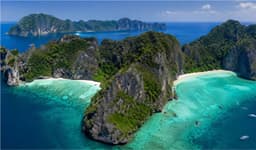

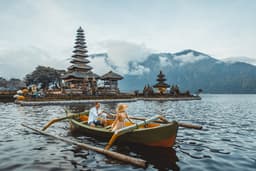
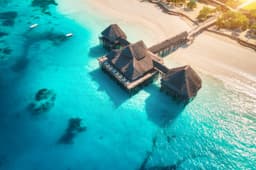
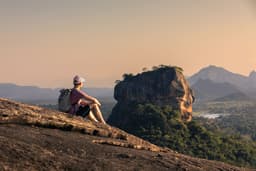

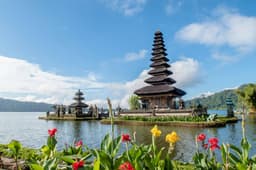
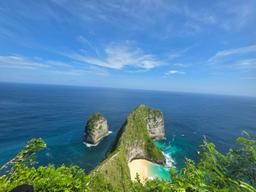

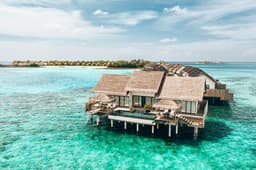
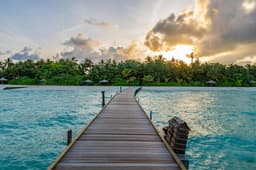
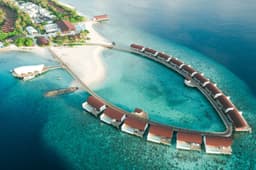
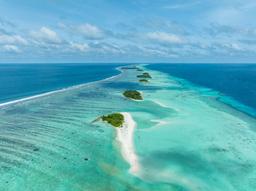

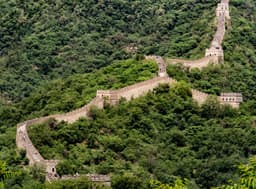




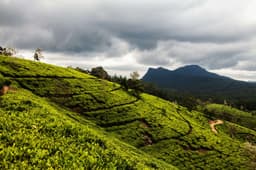
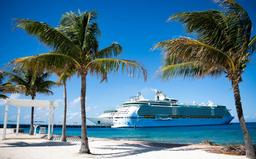

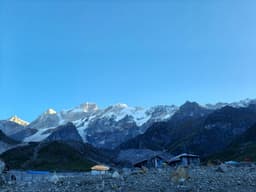
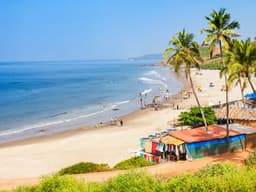

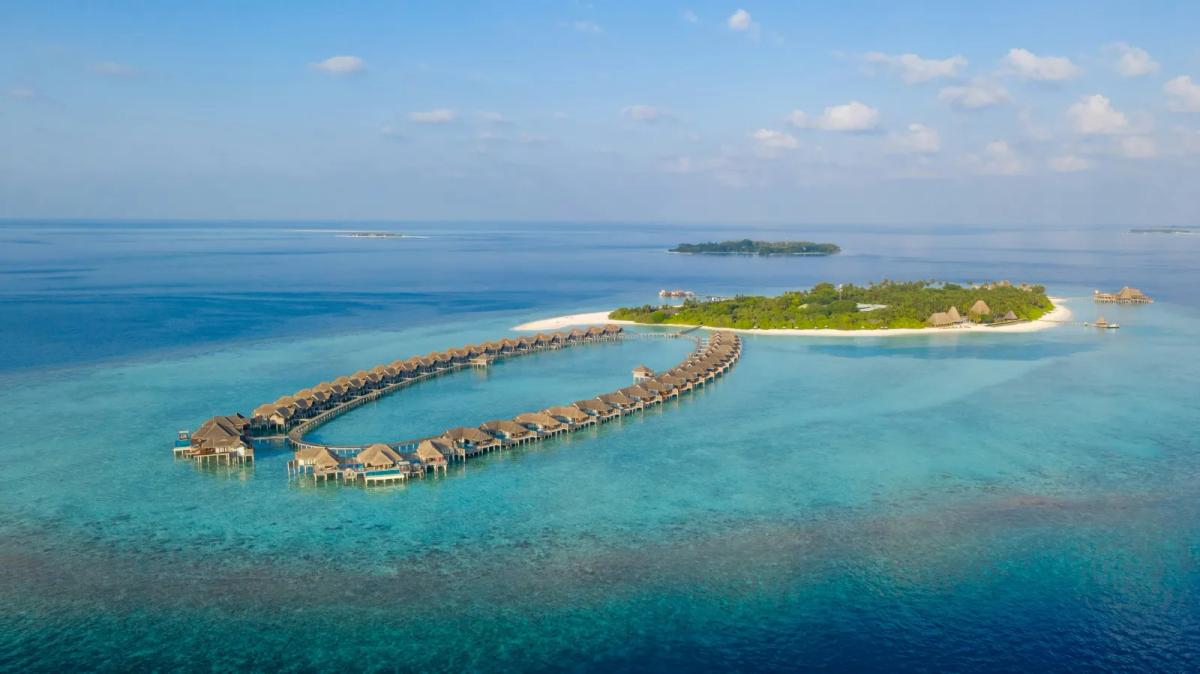
Short answer: in the Maldives vs Sri Lanka choice, pick the Maldives if you want a pure beach and sea holiday where the island itself is the destination, with reefs, lagoons and very little travel once you arrive. Pick Sri Lanka if you want a varied island tour with beaches plus ancient cities, wildlife safaris, tea country and temples, and you are happy to spend part of each day on the road. The Maldives is usually the pricier and simpler trip; Sri Lanka is usually the cheaper and busier one. Their best weather windows overlap from about January to March, and they split apart in the middle of the year.
This guide compares the two side by side for couples, families, people travelling with elderly parents, and travellers flying from Kathmandu or from wherever the Nepali diaspora lives today. It covers the kind of trip each country gives you, beaches and stay types, things to do, honeymoon and family picks, weather month by month from the two national weather services, flight routing from Kathmandu, and the religious and dress rules worth knowing before you land. There are no prices here: rates change too often to print, so cost comparisons use plain relative words such as cheaper or pricier. Every volatile fact below carries the date we checked it, which for this edition is 18 November 2026.
If you already know you are leaning one way, the two country guides go deeper: start with our Maldives travel guide for atolls, transfers and island types, or the Sri Lanka travel guide for regions, food and getting around.
Is the Maldives or Sri Lanka better for your holiday?
Neither country is better in general. Sri Lanka vs Maldives is really a choice between two different kinds of holiday. The Maldives is a sea and island country where most visitors stay on one island, swim, snorkel and rest. Sri Lanka is a large, mountainous island where most visitors move every two or three nights between coast, hills, ruins and national parks. The right answer depends on whether you want stillness or variety.
The most useful way to choose is to picture an ordinary day. In the Maldives, a typical day might be breakfast by the lagoon, a snorkel on the house reef, a boat trip to a sandbank, and sunset from the jetty. In Sri Lanka, a typical day might be an early climb at Sigiriya, a drive to Kandy, a temple visit and dinner in a hill town. Both are lovely, but they ask very different things of your energy, your budget and your patience with transfers.
The table below sums up the trip style each country gives you. It is a summary of patterns, not a rule: a slow beach week in Sri Lanka is perfectly possible, and so is an active diving trip in the Maldives.
| Question | Maldives | Sri Lanka |
|---|---|---|
| Trip style | Pure resort or island stay, mostly in one place | Varied island tour, moving between regions |
| What you mostly do | Swim, snorkel, dive, boat trips, spa, rest | Sightseeing, temples, safaris, tea country, beaches |
| Daily travel once there | Very little after the first transfer | Often several hours by road between regions |
| Landscape | Flat coral islands, lagoons and reefs | Beaches, rainforest, mountains, plains and lakes |
| Culture on the trip | Limited on resort islands, real on local islands and in Malé | Everywhere: Buddhist, Hindu, Muslim and Christian heritage |
| Relative cost | Usually pricier, especially on resort islands | Usually cheaper for the same number of nights |
| Best for | Honeymoons, short breaks, divers, people who want to switch off | Curious travellers, families with older children, wildlife and culture lovers |
| Less suited to | People who get bored without sightseeing | People who dislike long drives or early starts |
A quick facts table helps too, because practical differences shape the trip as much as scenery does.
| Fact | Maldives | Sri Lanka |
|---|---|---|
| Main airport | Velana International Airport (MLE), next to Malé | Bandaranaike International Airport (CMB), Katunayake, north of Colombo |
| Non-stop flight from Kathmandu | No | Yes, SriLankan Airlines (about 4 a week as of November 2026) |
| Time compared with Nepal | 45 minutes behind | 15 minutes behind |
| Currency | Maldivian rufiyaa (MVR); US dollars widely used in tourism | Sri Lankan rupee (LKR) |
| Languages | Dhivehi; English common in tourism | Sinhala and Tamil; English widely understood |
| Religion | Islam is the state religion | Mainly Buddhist, with Hindu, Muslim and Christian communities |
| Alcohol | Only on resort islands | Widely available, less so on religious holidays |
| Entry | Tourist visa on arrival for all nationalities, plus an online traveller declaration | Electronic Travel Authorisation (ETA) needed before arrival |
On cost, the honest summary is this: for the same number of nights, a Maldives resort island is usually the pricier trip, because accommodation, meals, transfers and activities are all supplied by one island with no outside competition. A Maldives local island guesthouse narrows the gap a lot. Sri Lanka spreads spending across hotels, a driver or trains, entrance tickets and safaris, and is usually the cheaper of the two at a similar comfort level. Our budget guides explain what drives the cost in each: how expensive the Maldives really is and what a Sri Lanka trip costs.
Choose the Maldives if:
- You want the beach and the sea to be the whole point of the trip.
- You have five or six nights or fewer and do not want to spend them in a car.
- You snorkel or dive, or want to learn.
- You are on a honeymoon or anniversary and want privacy and calm.
- You are travelling between January and March, the driest stretch of the northeast monsoon.
Choose Sri Lanka if:
- You want variety: beaches, history, hills, wildlife and food in one trip.
- You enjoy temples, ruins and local life, and do not mind early starts.
- You want a non-stop flight from Kathmandu.
- You are watching the budget but still want comfortable hotels.
- You are travelling between May and September and want the east coast, which is in its dry season then.
How do beaches and resorts compare?
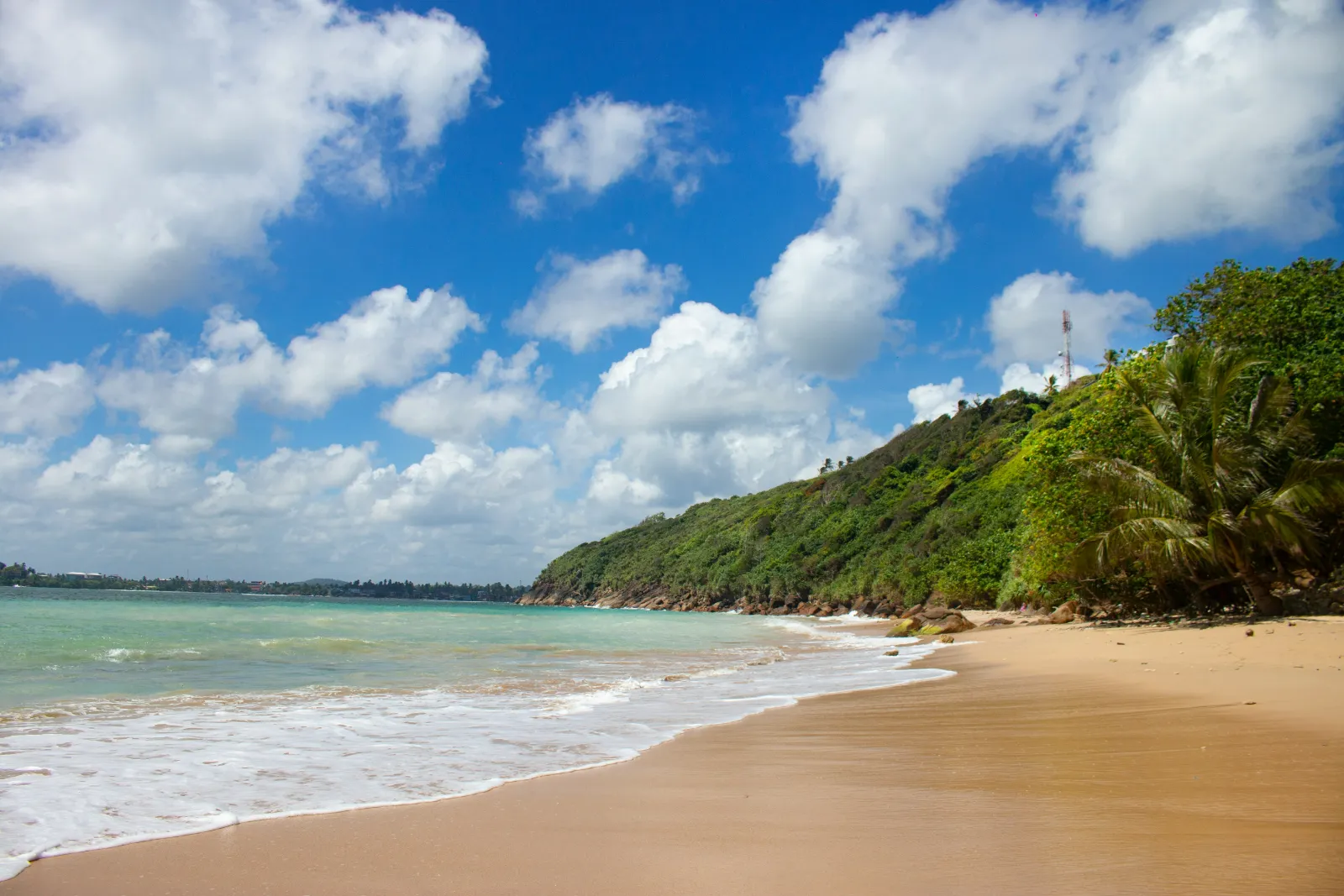
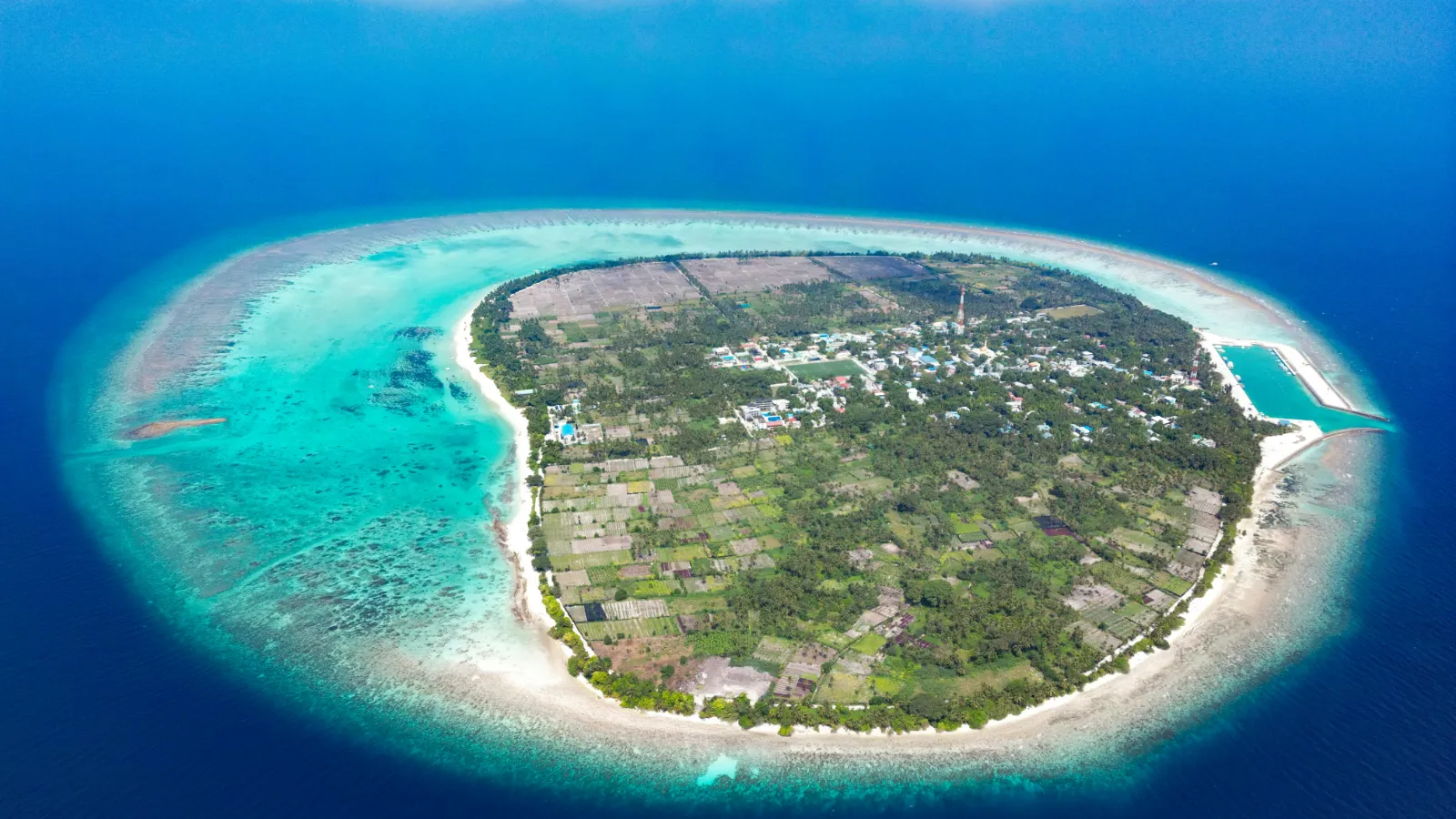
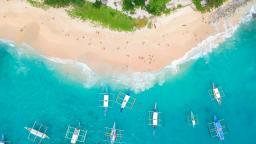
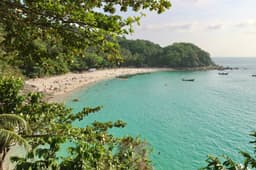
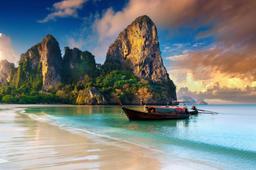
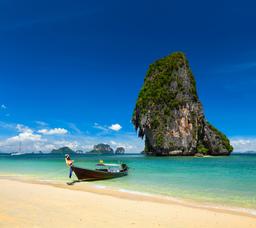
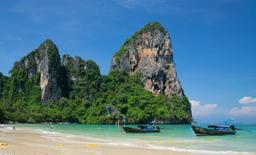
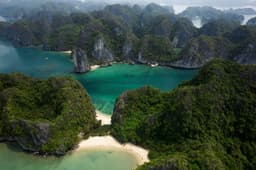
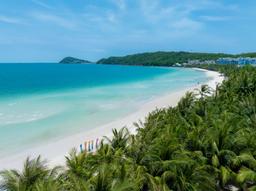
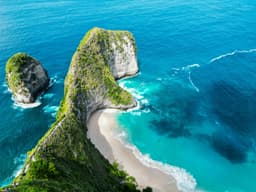
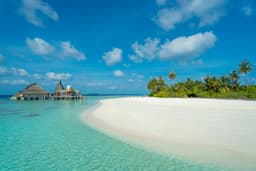
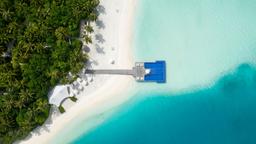
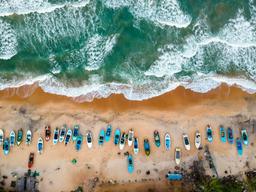
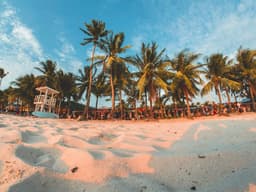
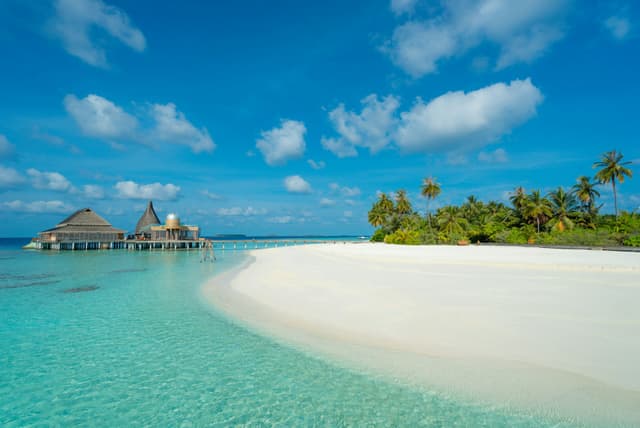
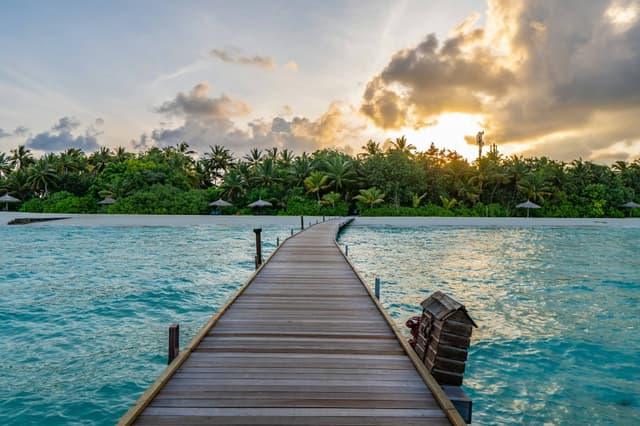
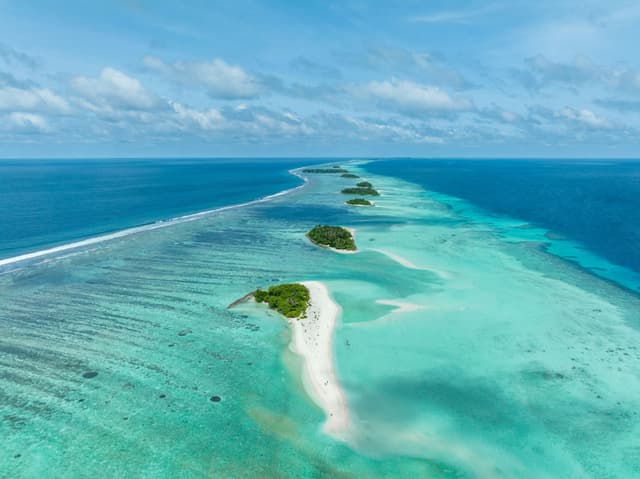
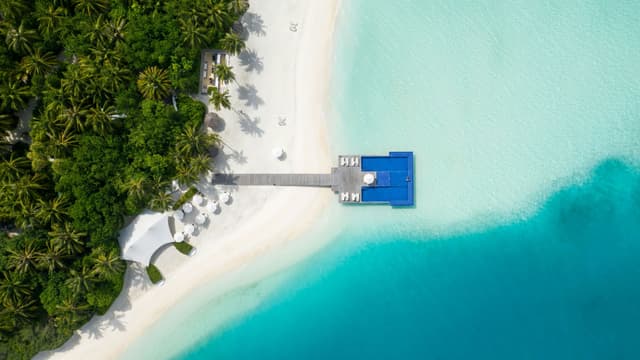
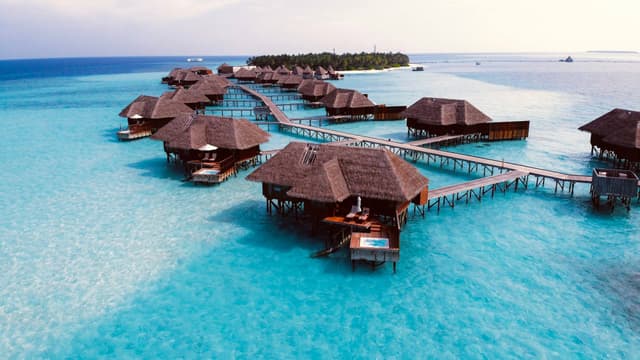
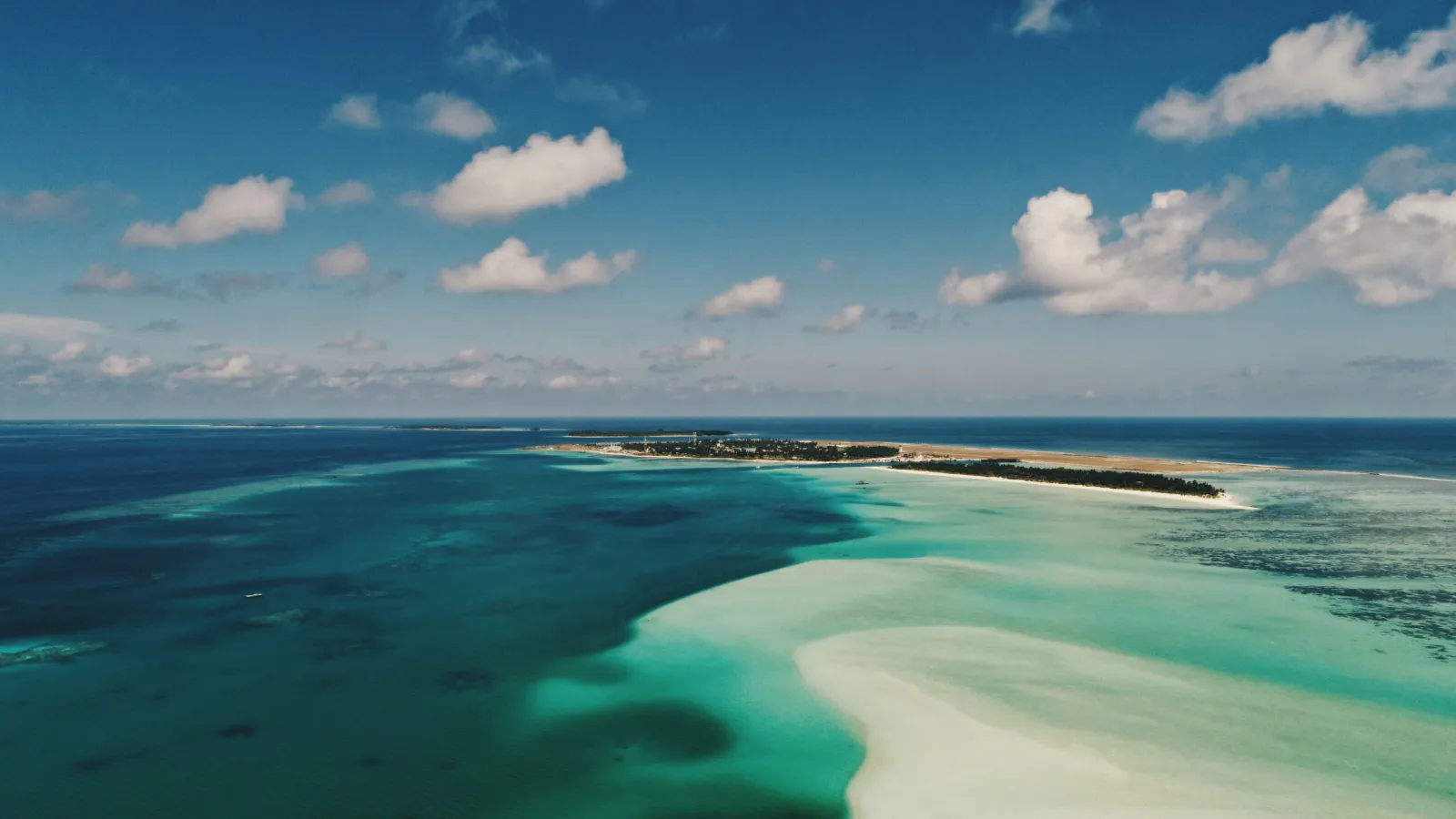
The Maldives has the more striking beaches and water: white coral sand, shallow lagoons and reefs a few steps from your room. Sri Lanka's beaches are longer, more golden and more lively, with towns, cafes and fishing boats behind them, and with surf and stronger currents in places. If your idea of a beach is clear, calm, turquoise water, the Maldives usually wins. If you want a beach that is part of a wider trip, Sri Lanka works well.
The bigger difference is not the sand but the type of place you stay. In the Maldives, you choose between two very different island types. In Sri Lanka, you choose between coasts, and the right coast depends on the month.
Maldives resort islands
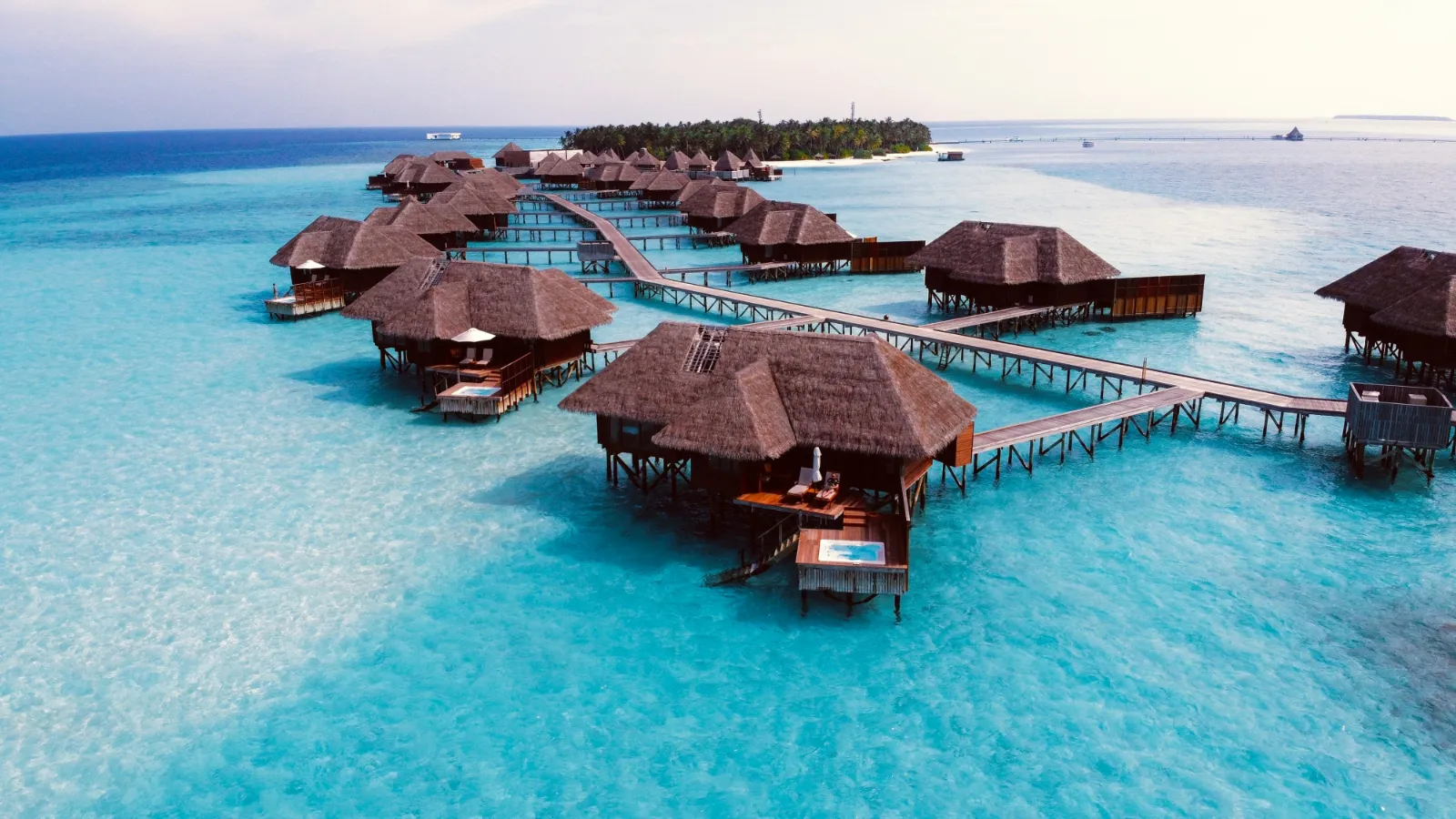
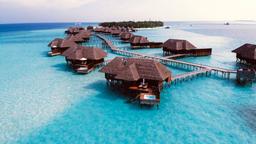
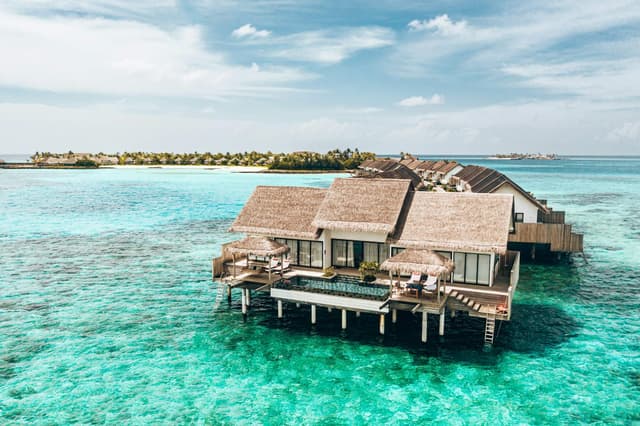
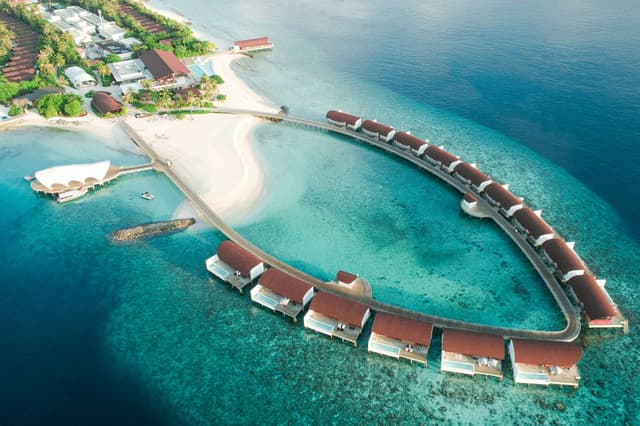
A resort island is a private island with a single hotel on it. Your beach, reef, restaurants, spa and dive centre all belong to the same property. Alcohol is served, dress is relaxed, and overwater villas are common. This is the classic picture of the Maldives and it is deliberately self contained. A report in PlusMV in November 2025, citing the Maldives tourism ministry, counted 176 resorts in operation. Choosing between overwater and beach rooms is its own decision; our guide to overwater vs beach villas sets out the trade offs.
Maldives local islands
A local island is an inhabited Maldivian island with guesthouses and small hotels among homes, mosques, schools and cafes. The same report counted 935 guesthouses. Local islands are usually much cheaper, and they give you a real look at Maldivian life, but local rules apply: no alcohol, modest dress in public, and swimwear only on beaches set aside for visitors, often called bikini beaches. Day trips to sandbanks, reefs and sometimes resort islands are easy to arrange. The detailed comparison sits in our post on local island vs resort stays in the Maldives.
Sri Lanka's south, west and east coasts
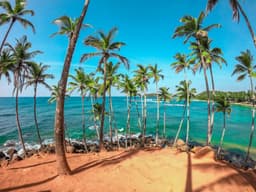
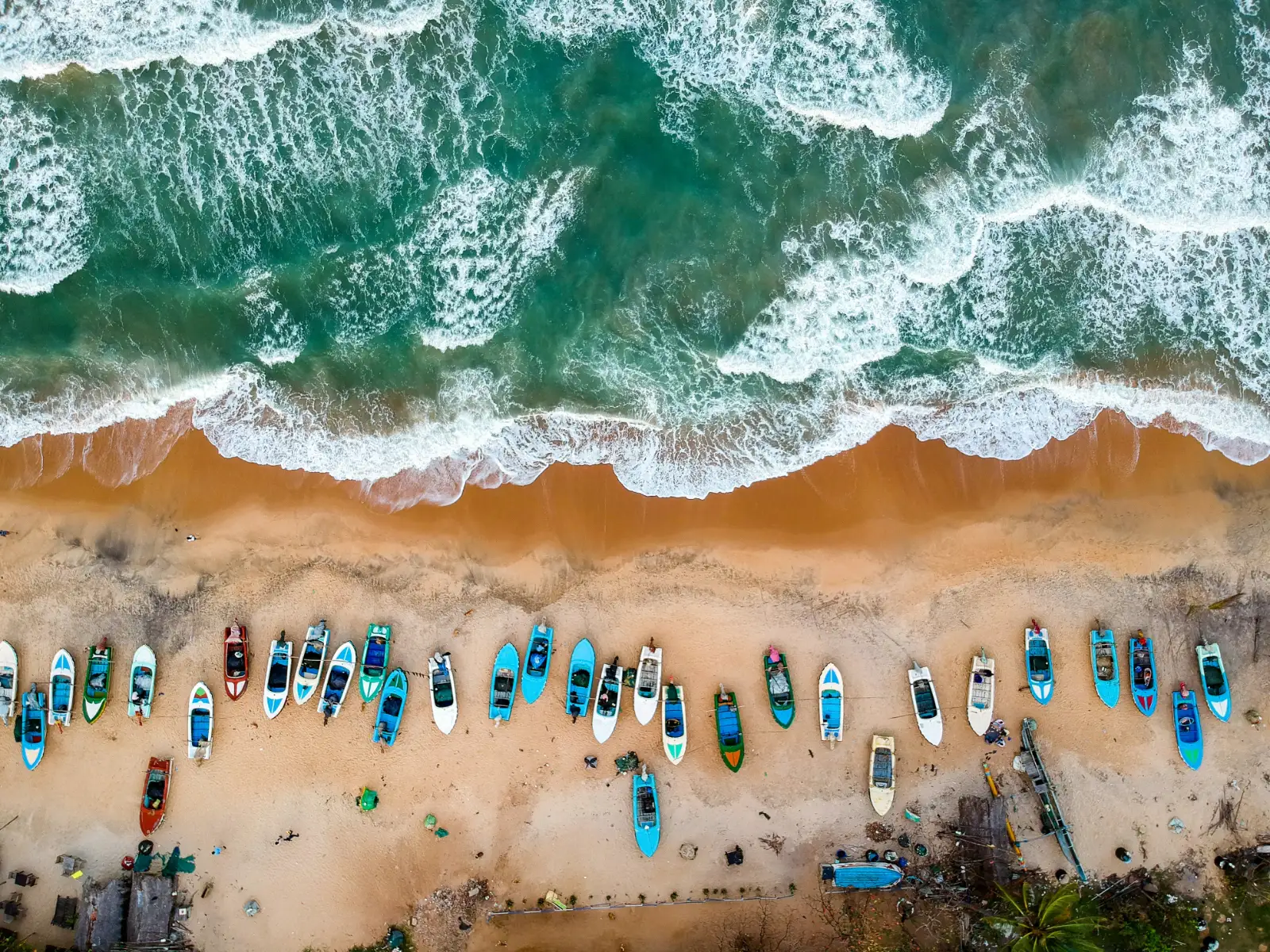
Sri Lanka's beaches fall into two seasonal groups. The south and west coasts (Negombo, Bentota, Hikkaduwa, Unawatuna, Mirissa and Tangalle among them) are at their best in the northeast monsoon months, roughly December to March, when rain falls mainly on the other side of the island. The east coast (Trincomalee, Pasikudah and Arugam Bay) is at its best from about May to September, while the southwest monsoon soaks the west. Stays range from guesthouses and boutique villas to large beach hotels, and you are rarely far from a town. For a beach by beach rundown, see the best beaches in Sri Lanka.
The table below compares the three main beach options. It is about the type of experience, not about which is "better".
| Feature | Maldives resort island | Maldives local island | Sri Lanka south, west or east coast |
|---|---|---|---|
| Water | Calm lagoon, house reef often close | Calm lagoon; reefs usually by boat | Open ocean; some sheltered bays, some surf |
| Sand | White coral sand | White coral sand | Golden sand, often long beaches |
| Swimwear | Normal resort wear | Bikini beaches only; cover up elsewhere | Normal beachwear on tourist beaches; cover up in towns |
| Alcohol | Yes | No | Yes, in most hotels and bars |
| Things nearby | Only what the resort offers | Village life, cafes, excursions | Towns, forts, temples, markets, whale watching |
| Relative cost | Pricier | Much cheaper than resorts | Usually cheapest of the three |
| Best months | January to March driest; good most of the year | Same as resorts | South and west: December to March. East: May to September |
One safety point applies to both. The UK Foreign, Commonwealth and Development Office (FCDO) warns that the sea around the Maldives can have strong tidal currents, and that many Sri Lankan beaches have dangerous surf or rip tides at certain times of the year (checked 18 November 2026, FCDO Maldives and FCDO Sri Lanka). In practice, Maldivian lagoons inside the reef are usually calm, but channels and reef edges are not. On Sri Lanka's open coasts, ask your hotel each day where it is safe to swim, especially outside the dry season for that coast. This matters if anyone in your group is a weak swimmer, which is common among first time beach travellers from Nepal.
Which has more to see and do?
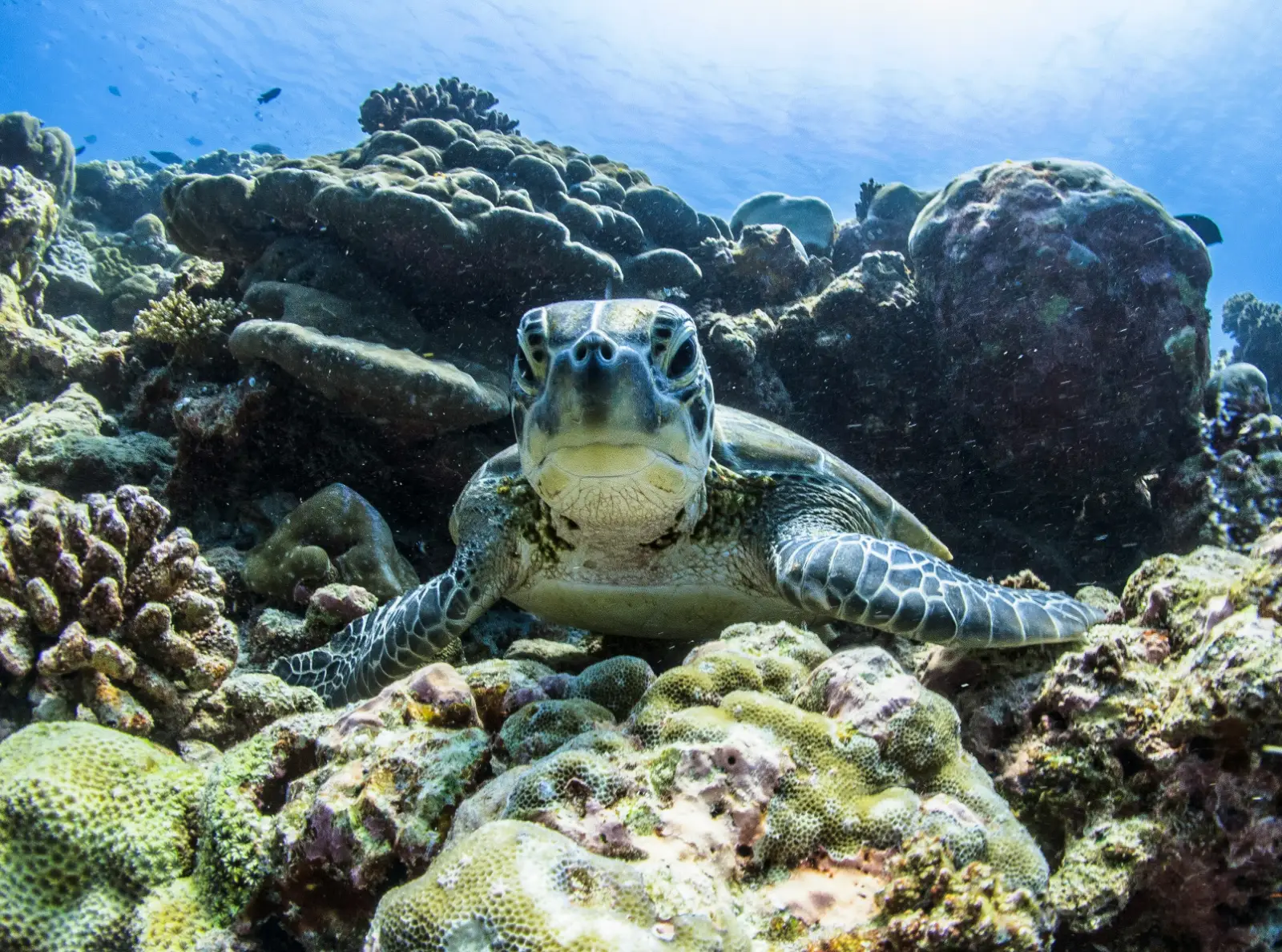
Sri Lanka has far more to see and do on land; the Maldives has more to do underwater. If you count sights, Sri Lanka wins easily: it has eight UNESCO World Heritage properties, hill country, safari parks and a long food culture. If you count reef, marine life and time in the water, the Maldives is one of the best places in Asia for it.
Underwater and on the water in the Maldives
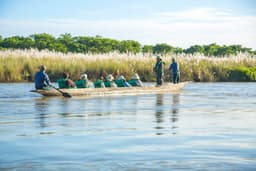
Most of the Maldives' best experiences happen in or on the sea. Snorkelling can start from the beach on islands with a good house reef. Boat trips go to sandbanks, reef walls and channels where turtles, reef sharks and rays are common. South Ari Atoll, around Dhigurah, is known for whale shark encounters, and Baa Atoll, a UNESCO Biosphere Reserve, is famous for manta rays gathering in the plankton season. Diving suits beginners on calm lagoon sites and experienced divers on channel dives with current. Above the water there are sunset cruises, dolphin trips, kayaking, paddleboarding and fishing.
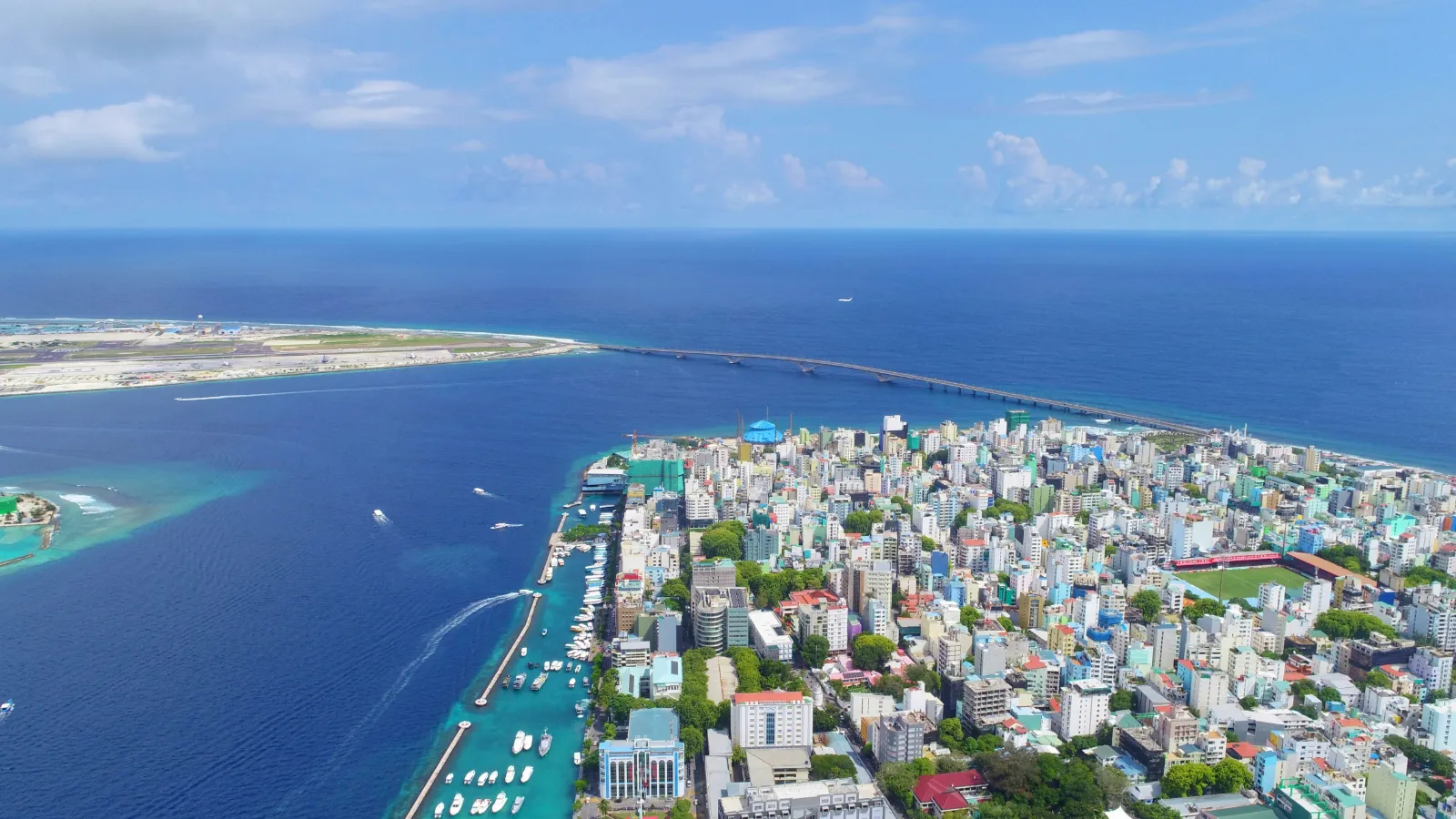
On land, the choice is smaller. Malé has a fish market, mosques and busy streets worth a few hours, and local islands offer village walks and Maldivian food. For the full list, including diving and day trips, see our guide to things to do in the Maldives.
Culture, wildlife and tea country in Sri Lanka
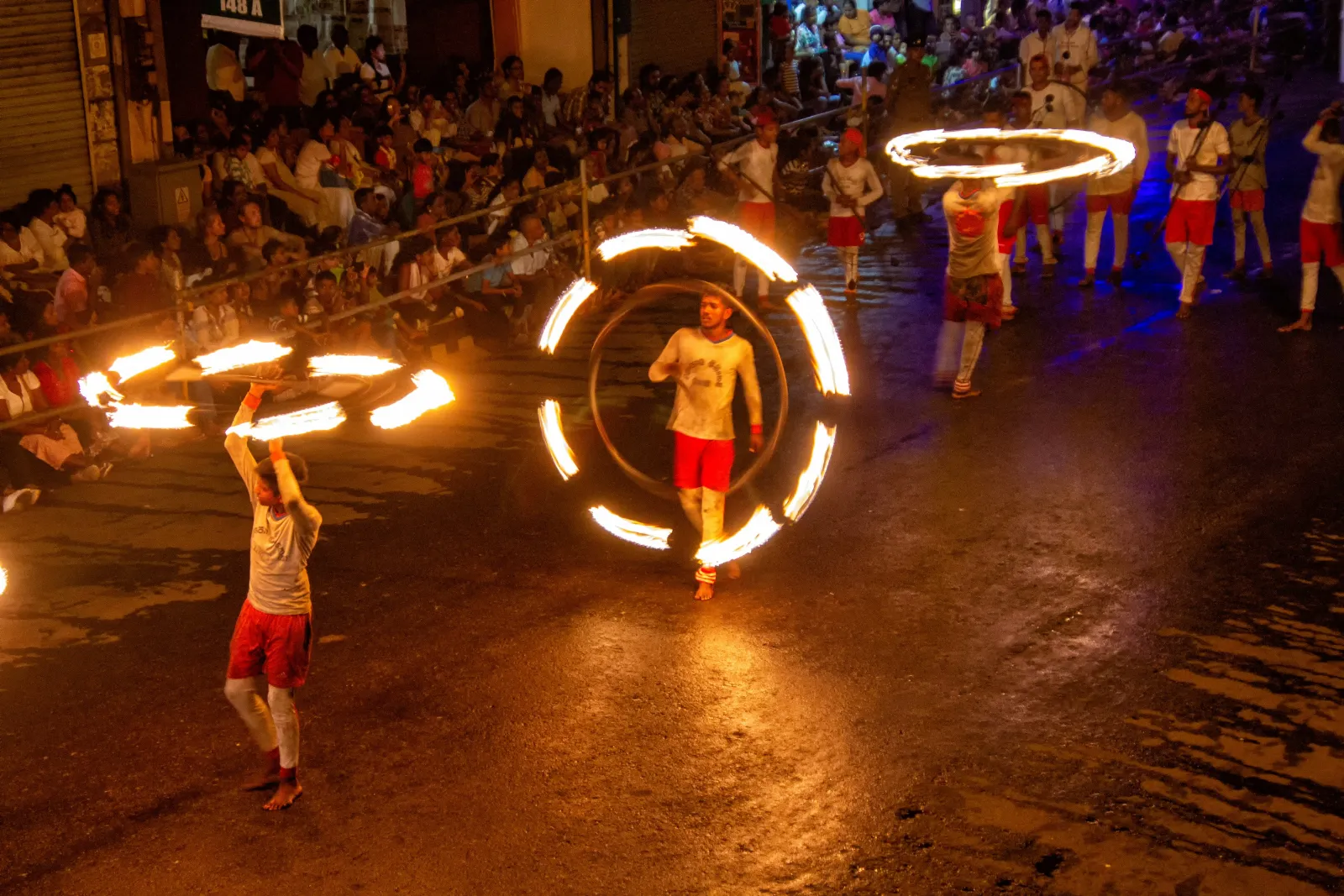
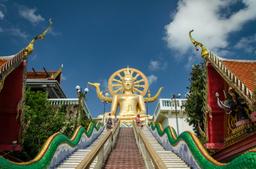
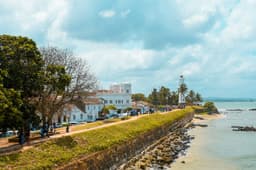
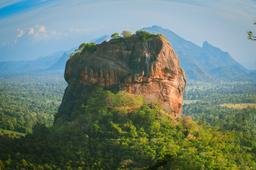
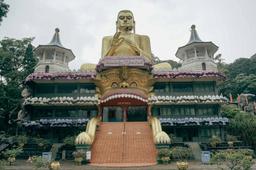
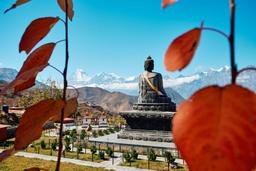
Sri Lanka packs a lot into a compact island. UNESCO lists eight World Heritage properties: the Sacred City of Anuradhapura, the Ancient City of Polonnaruwa, the Ancient City of Sigiriya, the Sacred City of Kandy, the Old Town of Galle and its Fortifications, the Rangiri Dambulla Cave Temple, the Sinharaja Forest Reserve and the Central Highlands of Sri Lanka (checked 18 November 2026, UNESCO World Heritage Centre). Many Nepali travellers find the Buddhist sites especially meaningful, since the Temple of the Sacred Tooth Relic in Kandy and the stupas of Anuradhapura are living places of worship, not museums.
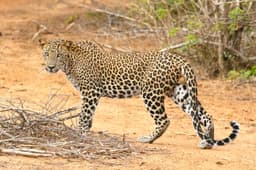
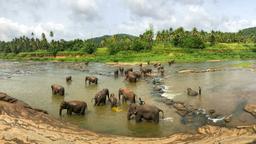
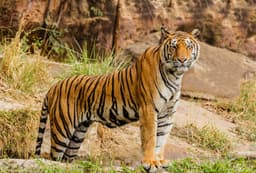
Wildlife is the second big draw. Yala and Wilpattu are known for leopards, while Minneriya and Udawalawe are known for wild elephants, and many travellers combine a safari with the south coast. Our Sri Lanka safari guide compares the parks. The hill country around Kandy, Nuwara Eliya, Haputale and Ella adds tea estates, waterfalls, cool evenings and walks such as Little Adam's Peak and Horton Plains. Festivals add colour too: the Esala Perahera in Kandy is held in the Esala month, usually July or August.
The table below gives a rough sense of how each country scores on common holiday activities, based on what each place is best known for.
| Activity | Maldives | Sri Lanka |
|---|---|---|
| Snorkelling from the beach | Excellent on islands with a house reef | Possible in a few sheltered bays |
| Scuba diving | Excellent, from beginner to advanced | Good in season on some coasts |
| Surfing | Good on certain atolls, often by boat | Good, especially Arugam Bay and the south coast in season |
| Wildlife safari on land | None | Excellent: leopards, elephants, birds |
| Ancient cities and temples | Very limited | Excellent: eight UNESCO properties |
| Hill country and tea estates | None (the islands are flat) | Excellent |
| Scenic train rides | None | Normally a highlight; partly disrupted in late 2026 |
| Food variety | Resort buffets; fish and coconut dishes locally | Rice and curry, hoppers, kottu, seafood, many vegetarian dishes |
| Shopping | Limited, mostly in Malé | Tea, spices, gems, handicrafts, Colombo malls |
| Doing nothing at all | Excellent | Possible on the coast, but the island keeps tempting you out |
For food, vegetarians from Nepal usually find Sri Lanka easier, because rice and curry comes with several vegetable curries and dhal. In the Maldives, resort restaurants can usually prepare vegetarian food if you ask in advance, while local island cafes lean heavily on tuna and fish. Our food guides cover both: what to eat in Sri Lanka and what to eat in the Maldives.
Which is better for a honeymoon?
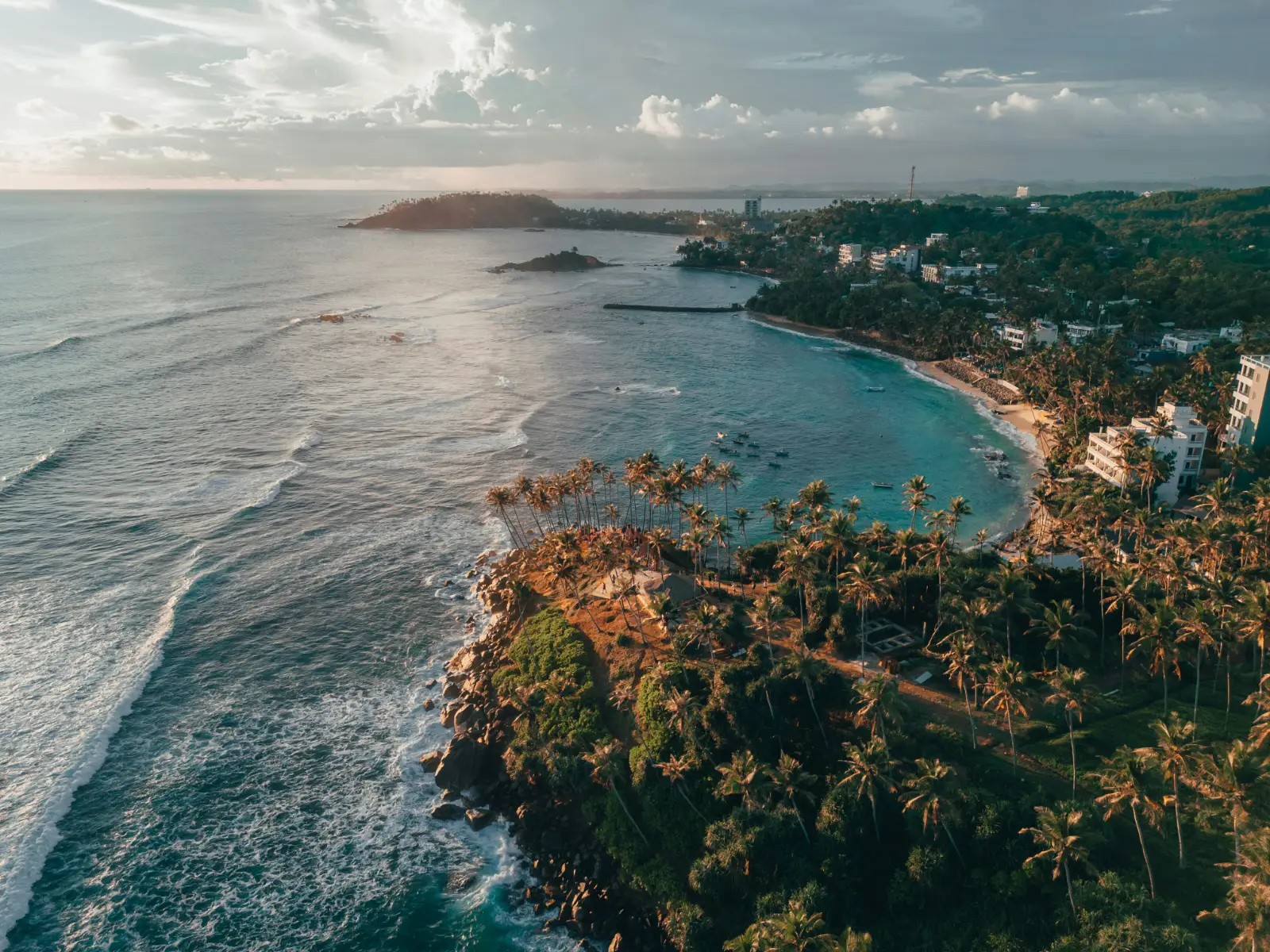
If you are weighing the Maldives or Sri Lanka for honeymoon travel, start with the kind of trip you want. For a classic honeymoon of privacy, calm water and very little travel, the Maldives is usually the stronger choice. For a honeymoon that feels like an adventure, with hill country, safaris and beach time in one trip, Sri Lanka is often better and usually cheaper. Many couples also decide by length: under a week favours the Maldives, while ten days or more makes Sri Lanka's variety easier to enjoy without rushing.
The Maldives is designed around couples. On a resort island, you can step from your room into the lagoon, eat dinner on the sand and go days without seeing a road. The downside is that some couples feel restless after four or five nights with nothing to explore. Splitting the stay between two resorts, or between a local island and a resort, solves that for many. Our full guide to a honeymoon in the Maldives covers island choice and timing in more detail.
Sri Lanka gives couples a story to tell. A typical honeymoon route might mix a beach on the south coast, a tea estate bungalow in the hills and a sunrise at Sigiriya or a safari. It has beautiful boutique hotels, many in restored colonial buildings, and costs are usually lower. The trade off is time on the road and less privacy on public beaches. Our Sri Lanka honeymoon guide shows how couples split their nights.
The table below matches common couple types to the destination that usually suits them better.
| Couple type | Usually better pick | Why |
|---|---|---|
| Short honeymoon, 4 to 6 nights | Maldives | One transfer, then rest; no long drives eating into a short trip |
| Longer honeymoon, 9 nights or more | Sri Lanka, or the Maldives split across two islands | Enough time for Sri Lanka's regions without rushing |
| Couples who love snorkelling or diving | Maldives | Reefs close to the room and calm lagoons |
| Couples who love culture, history or wildlife | Sri Lanka | Temples, ancient cities, safaris and tea country |
| Couples watching the budget | Sri Lanka, or a Maldives local island | Lower accommodation and meal costs |
| Couples who want alcohol with dinner every night | Maldives resort island or Sri Lanka | Maldives local islands are alcohol free |
| Honeymoon in June to August | Sri Lanka's east coast, or the Maldives with flexible plans | Southwest monsoon wets Sri Lanka's west coast and the Maldives |
| Honeymoon in January to March | Either; this is the shared best window | Maldives dry season and Sri Lanka's south and west coast season |
One practical tip for couples from Nepal: wedding season in Nepal often runs through the winter months, and many couples travel soon after. That lines up well with both countries' peak weather from January to March, but it is also when rooms fill fastest, so plan early.
Which is better for families and elderly parents?
For families with young children, and for elderly parents who tire easily, the Maldives is usually the easier trip because there is only one transfer and very little daily travel after that. For families with older children who enjoy animals, history and new food, Sri Lanka usually gives more to remember and costs less. The deciding factor is often how well everyone in the group copes with long road journeys and heat.
Families with children
Maldives lagoons are often shallow and calm inside the reef, which is lovely for children who are learning to swim, and many resorts run kids' clubs and family villas. The limits are that there is not much to do beyond the water, and resort meals and activities add up. Local islands are cheaper but quieter, with fewer facilities for children. Our guide to the Maldives with family lists what to look for in a resort.
Sri Lanka suits curious children aged about seven and up: elephants on safari, turtles on the south coast, trains, tea factories and forts. Younger children can find the long drives tiring, and the heat in the dry zone around Sigiriya and Anuradhapura is real. Splitting the trip into two or three bases, rather than moving every night, makes a big difference. See Sri Lanka with family for routes that work with children.
Travelling with elderly parents
Many Nepali families plan these trips with parents in their sixties or seventies, and the practical details matter more than the brochure photos. The table below compares the journey itself.
| Factor | Maldives | Sri Lanka |
|---|---|---|
| Flights from Kathmandu | At least one connection, usually via Colombo or an Indian city | Non-stop on about four days a week; otherwise one stop |
| Transfer after landing | Speedboat, seaplane or domestic flight, arranged by your island | Road to Colombo, Negombo or onward; long drives to the hills or south |
| Steps and boarding | Boarding boats and seaplanes from jetties and floating platforms | Temple steps; steep climbs at Sigiriya and on hill walks |
| Daily travel | Very little once on the island | Often several hours by road between regions |
| Heat | Hot but sea breezes; shade on the island | Hot in the lowlands; cooler in the hill country |
| Medical access | Remote resorts can be far from Malé's hospitals | Main hospitals in Colombo and larger cities; less in rural areas |
| Food | Buffets with mild options at resorts | Spicy by default; mild food available on request |
A few transfer details are worth knowing for the Maldives. Seaplanes fly in daylight only, so a late arrival into Malé can mean a night near the airport before you reach a seaplane resort. Seaplane baggage allowances are usually tighter than on international flights, so ask your resort for its current limit before you pack. Speedboat resorts near Malé avoid both issues and can be the kinder choice for elderly travellers. Getting on and off small boats needs steady footing, and crews are used to helping. Our guide on getting around the Maldives explains each transfer type.
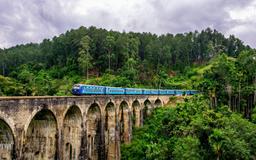
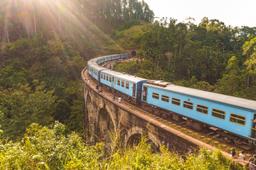
In Sri Lanka, the main challenge is road time. A private car and driver is the most comfortable way for older travellers to cover several regions, with stops when needed. Rail is normally a highlight, but in late 2026 it is disrupted. Sri Lanka Railways suspended all trains between Rambukkana and Peradeniya or Gampola from midnight on 25 October 2026 because of an active landslide near Kadigamuwa, until further notice (checked 18 November 2026, Newswire report of the Railway Department notice). That means no train from Colombo reaches the hill country. As of mid November 2026 we found no confirmed reopening date, and status reports indicated that the only hill country section running was Nanu Oya to Ella and Badulla. Check the current status before you plan any train day, and see our Kandy to Ella train guide for the background. Whatever the rail status, the FCDO advises staying inside the carriage while the train is moving.
For a full checklist on travelling abroad with older family members, from airport assistance to travel insurance, see our guide to travelling abroad with elderly parents from Nepal.
Maldives vs Sri Lanka weather: which is better in your travel month?
From January to March, both the Maldives and Sri Lanka's south and west coasts are in their best weather, so either works. From May to September, the southwest monsoon brings more rain to the Maldives and to Sri Lanka's west and south, while Sri Lanka's east coast is in its dry season. October and November are wet in both. December is a transition month in both countries, with conditions usually improving through the month.
The two countries sit close together in the Indian Ocean, so they share the same monsoon pattern, but geography changes how it plays out. The Maldives is low and flat, so the whole country feels each monsoon, with some differences between north and south. Sri Lanka has a mountain range in the middle, so when one side is wet the other side is often dry.
The Maldives Meteorological Service treats the northeast monsoon, locally called Iruvai, as the dry season, and the southwest monsoon, called Hulhangu, as the wet season. As reported from the service's statements, the northeast monsoon generally runs from January to March, the southwest monsoon usually runs from about mid May to November, and April and December are transition months. The Met Service declared the start of the 2025 to 2026 northeast monsoon on 17 December 2025, the earliest onset since 2020, and in May 2026 it announced the start of the southwest monsoon, which reached the southern atolls around 8 May 2026 (checked 18 November 2026, Edition.mv, Atoll Times and Maldives Independent). The same reporting notes that southern atolls get the most rain, while northern atolls have stronger winds.
Sri Lanka's official statistical abstract divides the year into four seasons: the southwest monsoon from May to September, with rain mostly over the southwest of the island and heavy rain in the hill country from June to August; an inter-monsoon period in October and November that is the rainiest time of the year for the island overall; the northeast monsoon from December to February, which brings rain mainly to the eastern half; and a second inter-monsoon in March and April, with lighter rain and afternoon or evening showers possible anywhere (checked 18 November 2026, Department of Census and Statistics, Statistical Abstract 2024, Chapter 1).
The month table below turns those official seasons into a simple travel view. "Good" means the season is usually in your favour, not that every day is dry: tropical showers happen in every month in both countries.
| Month | Maldives | Sri Lanka south and west coast | Sri Lanka east coast | Sri Lanka hill country |
|---|---|---|---|---|
| January | Good: dry northeast monsoon | Good | Wet: northeast monsoon | Mostly good; eastern hills wetter |
| February | Good: dry northeast monsoon | Good | Wet, easing | Mostly good |
| March | Good: dry, calm seas | Good; some afternoon showers | Improving | Good; some afternoon showers |
| April | Mixed: transition, hot | Mixed: inter-monsoon showers | Mixed | Mixed: inter-monsoon showers |
| May | Wetter: southwest monsoon begins | Wet: southwest monsoon begins | Good: dry season starts | Wetter on western slopes |
| June | Wetter, rougher seas | Wet | Good | Wet: heavy rain likely |
| July | Wetter, rougher seas | Wet | Good | Wet: heavy rain likely |
| August | Wetter, rougher seas | Wet | Good | Wet: heavy rain likely |
| September | Wetter | Wet, easing | Good | Wet, easing |
| October | Wet | Wet: rainiest season overall | Wet: rainiest season overall | Wet: rainiest season overall |
| November | Wet | Wet: rainiest season overall | Wet: rainiest season overall | Wet: rainiest season overall |
| December | Mixed: transition, drying as Iruvai starts | Improving: northeast monsoon begins | Wet: northeast monsoon | Mixed |
Three timing notes matter for travellers from Nepal:
- Dashain and Tihar. These festival holidays usually fall between late September and November, which is the wettest stretch in Sri Lanka and still the southwest monsoon in the Maldives. Neither country is at its best then. If those are your only dates, a Maldives resort island usually copes with rain better than a Sri Lanka touring trip, because you are not depending on clear days for drives, climbs and train views. Sunny spells are still common in both.
- December and January holidays. School and office breaks around the new year line up with improving weather on Sri Lanka's south and west coasts and the start of the Maldives dry season. This is peak demand in both, so book early.
- Ramadan in the Maldives. The fasting month moves about 11 days earlier each year and is expected to begin in early February 2027, subject to moon sighting. Resort islands carry on as normal; on local islands, cafes may close in the daytime, and the FCDO advises visitors not to eat, drink or smoke in public in the daytime outside resorts during Ramadan.
For month by month detail on each country, including sea conditions for diving and the best windows for wildlife, read the best time to visit the Maldives and the best time to visit Sri Lanka.
Which is easier to reach from Kathmandu?
Sri Lanka is easier to reach from Kathmandu, because it is the only one of the two with a non-stop flight. SriLankan Airlines flies non-stop between Kathmandu and Colombo, listed at about four flights a week in November 2026, with a scheduled time of about 3 hours 35 minutes. There is no non-stop flight from Kathmandu to Malé, so a Maldives trip always needs at least one connection.
The non-stop Colombo service is operated by SriLankan Airlines, Sri Lanka's national carrier. FlightConnections listed SriLankan as the only non-stop airline on the route, with about four weekly flights, as of November 2026 (checked 18 November 2026, FlightConnections). Days and times change each airline season, so confirm on the airline's own site for your dates. Our Kathmandu to Colombo flight guide has the full routing detail.
For the Maldives, FlightConnections listed no direct flights from Kathmandu to Malé and showed Colombo as the connection with the shortest total flying time, about 5 hours 5 minutes before any layover. Other common connections were Mumbai, Dhaka, Bengaluru and Delhi, with Bangkok, Gulf hubs and Kuala Lumpur as longer options (checked 18 November 2026, FlightConnections Kathmandu to Malé).
| Route from Kathmandu | Stops | Approximate flying time | Notes |
|---|---|---|---|
| To Colombo, non-stop | 0 | About 3 h 35 min | SriLankan Airlines, about 4 days a week |
| To Colombo via an Indian city | 1 | Longer; varies by city and airline | Useful on days without the non-stop |
| To Malé via Colombo | 1 | About 5 h 5 min before layover | Shortest total flying time listed |
| To Malé via Mumbai, Bengaluru or Delhi | 1 | About 5 h 35 min to 6 h before layover | Dhaka is listed at a similar flying time |
| To Malé via a Gulf hub | 1 | About 8 h 50 min to 9 h 15 min before layover | Longer, but often good connections |
Two practical points follow from this. First, on a short holiday the non-stop flight gives Sri Lanka a real time advantage: on the schedules listed in November 2026, you land in Colombo in the late afternoon of the day you leave Kathmandu. Second, if you are going to the Maldives and your connection lands in Malé late in the day, check whether your island can still be reached that evening; speedboat resorts and local islands near Malé usually can, seaplane resorts cannot.
For the Nepali diaspora flying from elsewhere, the picture changes. Travellers based in Gulf hubs often have non-stop options to both Colombo and Malé, which makes the Maldives just as easy to reach as Sri Lanka. NRNs travelling on non-Nepali passports should check entry rules for their own passport, which may differ from the rules for Nepali passport holders.
What should you know about religion, dress and entry rules?
The Maldives is an Islamic country with strict rules outside resort islands: modest dress, no alcohol and no public practice of other religions. Sri Lanka is mainly Buddhist, and the key rules are about respect at temples and for Buddha images. Both are welcoming to visitors who follow a few simple customs.
Maldives
According to the FCDO, it is illegal to publicly observe a religion other than Islam in the Maldives. Outside resort islands, including on beaches used by locals, visitors should cover shoulders and avoid short or tight shorts, and should cover arms and upper legs when bathing. Alcoholic drinks are only available on resort islands, and you should not take any out of your resort. Nudism and topless sunbathing are not allowed anywhere, including on resorts. It is also illegal to take coral or tortoiseshell items out of the country (checked 18 November 2026, FCDO Maldives travel advice). The Maldives also restricts imports such as alcohol, pork and idols of worship, which matters for travellers who carry small religious items: keep personal prayer items discreet and check the current customs rules before you pack. Our Maldives dos and don'ts covers everyday etiquette.
Sri Lanka
Buddhism is the faith of most Sri Lankans: the 2024 census final report counted 69.8 percent Buddhist, 12.6 percent Hindu, 10.7 percent Muslim and about 6.9 percent Christian. The FCDO warns that disrespecting Buddhist images and artefacts is a serious offence that can lead to arrest, that visitors with visible Buddha tattoos can be refused entry or deported, and that you should not pose for photos standing in front of a Buddha statue. When entering a Buddhist temple, cover legs and shoulders and remove shoes and hats. Alcohol is not usually available on religious holidays (checked 18 November 2026, FCDO Sri Lanka travel advice). These rules will feel familiar to most travellers from Nepal; the photo rule is the one people most often break by accident. More tips are in our Sri Lanka dos and don'ts.
Entry, in one line each
Entry is simpler for the Maldives on paper: it issues tourist visas on arrival to all nationalities, subject to meeting entry requirements, and asks every visitor to complete an online traveller declaration before arrival. Sri Lanka asks all foreign nationals to obtain an Electronic Travel Authorisation (ETA) before arriving (both checked 18 November 2026 on the official Maldives mission and Sri Lanka ETA sites). Rules change often, so read our current pages on the Maldives visa for Nepali travellers and the Sri Lanka visa and ETA before you book flights.
Should you combine them instead?
You can combine the two, and many travellers do, because Colombo and Malé are short flights apart. A combined trip makes most sense if you have ten nights or more, want both sightseeing and pure beach time, and are travelling in the shared good weather window of January to March. With a week or less, choosing one usually gives a better holiday than splitting it.
Flights between the two capitals are frequent. FlightConnections listed seven airlines on the Colombo to Malé route, including SriLankan Airlines, with about 55 flights a week and a scheduled time of about 1 hour 35 minutes (checked 18 November 2026, FlightConnections Colombo to Malé). Because Sri Lanka has the non-stop link from Kathmandu, the natural order for travellers from Nepal is usually Kathmandu to Colombo, then Colombo to Malé, ending the trip with rest on an island.
A few points to weigh before combining:
- Season. January to March suits both. In June to August, pair Sri Lanka's east coast with a flexible Maldives stay, and accept that the Maldives will be wetter.
- Entry. You will need to meet the entry rules of both countries, so check both visa pages before booking.
- Pace. End with the Maldives rather than starting with it; arriving tired from Sri Lanka's roads and then resting works better than the reverse.
- Budget. The Maldives part usually costs more per night, so a few nights there and more in Sri Lanka keeps the total in check.
If you decide on the Maldives alone, it helps to compare resort and local island styles side by side; the Maldives holiday packages page shows the range of island types and trip lengths that travellers commonly compare. Whichever country you pick, check the weather season for your exact month, confirm the flight days, and read the entry rules for your passport before you commit.
Frequently asked questions
Is Sri Lanka better than the Maldives?
Sri Lanka is better if you want variety: beaches, ancient cities, temples, safaris and tea country in one trip, usually at a lower cost. The Maldives is better if you want a pure beach and sea holiday with clear lagoons, reefs and very little travel. Neither is better for everyone; it depends on whether you want rest or exploration.
Which is cheaper, the Maldives or Sri Lanka?
Sri Lanka is usually cheaper than the Maldives for the same number of nights and a similar comfort level. Maldives resort islands are generally the pricier option because one island supplies rooms, meals and transfers. A Maldives local island guesthouse narrows the gap a lot, though activities and boat trips still add up.
Which is better for a honeymoon, the Maldives or Sri Lanka?
The Maldives is usually better for a short, private, relaxing honeymoon with calm water and little travel. Sri Lanka is often better for a longer honeymoon that mixes beaches, hill country and wildlife, and it usually costs less. January to March is a good honeymoon window for both the Maldives and Sri Lanka's south and west coasts.
Which is better for families, Sri Lanka or the Maldives?
The Maldives is usually easier for families with young children or elderly parents, because there is one transfer and calm, shallow lagoons. Sri Lanka suits families with children aged about seven and up who enjoy elephants, forts, trains and new food, but it involves long road journeys. Splitting a Sri Lanka trip into two or three bases helps.
When is the best time to visit the Maldives and Sri Lanka?
The Maldives is driest from about January to March, during the northeast monsoon, with December and April as transition months. Sri Lanka's south and west coasts are best from about December to March, and its east coast from about May to September. October and November are the wettest months for Sri Lanka overall and are also rainy in the Maldives.
Can I visit Sri Lanka and the Maldives together?
Yes. Colombo and Malé are about 1 hour 35 minutes apart by scheduled flight, with several airlines on the route. Combining Sri Lanka and the Maldives works best with ten nights or more, in the January to March window, and ending in the Maldives. With a week or less, choosing one usually makes for a better trip.
Which is easier to reach from Nepal, the Maldives or Sri Lanka?
Sri Lanka is easier to reach from Nepal. SriLankan Airlines flies non-stop between Kathmandu and Colombo about four times a week, taking about 3 hours 35 minutes. There is no non-stop flight from Kathmandu to the Maldives, so you connect, most quickly via Colombo or through an Indian city such as Mumbai, Bengaluru or Delhi.
Are Sri Lanka's beaches as good as the Maldives?
Sri Lanka's beaches are beautiful but different from the Maldives. The Maldives has white coral sand, calm shallow lagoons and reefs close to shore. Sri Lanka has longer golden beaches on open ocean, with towns, cafes and surf, and some beaches have strong currents in certain months. For clear, calm, turquoise water, the Maldives usually wins.
Which has more activities, the Maldives or Sri Lanka?
Sri Lanka has more activities on land: eight UNESCO World Heritage properties, leopard and elephant safaris, tea country walks, temples and festivals. The Maldives has more activities in the water: snorkelling, diving, manta and whale shark trips, sandbank picnics and sunset cruises. If you want to stay busy every day, Sri Lanka gives more choice.
Maldives ki Sri Lanka kun ramro?
It depends on the trip you want. Choose the Maldives for a short, relaxing beach holiday or honeymoon with clear water and little travel. Choose Sri Lanka for a varied trip with temples, wildlife, hill country and beaches, a non-stop flight from Kathmandu and usually lower costs. January to March suits both countries.