









































Maldivian food is built on three staples: tuna, coconut and a starch such as rice or the roshi flatbread. The signature dishes to seek out are garudhiya, a clear tuna broth that many call the national dish, mas huni for breakfast, and moreish fried snacks known as hedhikaa or short eats. Resorts serve polished international buffets, but the real flavours of the islands live in the guesthouses and tea shops of the inhabited local islands.
This guide walks through the dishes to try, the drinks and desserts to look for, where to find authentic local food, how resort dining differs, and what vegetarians and travellers with allergies should know. Flavours lean on chilli, lime, curry leaf, onion and smoked tuna, with clear influences from India, Sri Lanka and the Arab trading world.
What are the must try Maldivian dishes?
If you only have a few meals on a local island, these are the dishes that define Maldivian cooking. Each is cheap, filling and widely available.
| Dish | What it is | When to eat |
|---|---|---|
| Mas huni | Shredded smoked tuna with coconut, onion and chilli | Breakfast with roshi |
| Garudhiya | Clear tuna broth with rice, lime and chilli | Lunch or dinner |
| Hedhikaa (short eats) | Fried snacks like bajiya and gulha | Tea time |
| Fihunu mas | Grilled fish rubbed with chilli paste | Dinner |
| Rihaakuru | Thick brown fish paste used as a condiment | With rice and roshi |
| Saagu bondibai | Sago and coconut milk pudding | Dessert |
Between them these dishes show off the whole Maldivian pantry, from smoked and grilled tuna to coconut, chilli and lime. Most cost only a dollar or two on a local island.
What is Maldivian cuisine based on?
With islands scattered across the Indian Ocean, seafood naturally dominates, and skipjack tuna is the national favourite, eaten fresh, dried or smoked. Coconut appears in almost everything, from curries and sambols to sweets, while rice and the soft roshi flatbread provide the carbohydrate. Because the Maldives is a Muslim country, the food is halal, with no pork and no alcohol on inhabited islands.
The result is a cuisine that is simple but deeply flavoured. Smoked tuna, called valho mas, adds a savoury depth to many dishes, while chilli, lime, curry leaf and onion bring brightness and heat. Centuries of trade have layered in Indian and Sri Lankan spices and Arab influences, giving Maldivian food a character all its own.


What should you try for breakfast?
Start the day like a local with mas huni, a mix of finely shredded smoked tuna, grated coconut, onion, lime and chilli, scooped up with warm roshi. It is simple, protein rich and found on almost every local island guesthouse table. Sweet milky tea, called sai, is the usual accompaniment.
Some guesthouses also serve mashuni with a fried egg, or a plate of short eats for a heartier start. If you are staying at a resort, you will usually find mas huni tucked among the international breakfast options, a nice way to taste the local staple in comfort.
What are hedhikaa or short eats?
Hedhikaa, known in English as short eats, are the heart of Maldivian tea culture. These small fried snacks are laid out on trays in tea shops and eaten through the day with cups of sweet tea. They are cheap, moreish and the best way to graze your way through local flavours.
- Bajiya: pastry triangles filled with tuna, coconut and onion.
- Gulha: small dough balls stuffed with smoked tuna and spices.
- Masroshi: flatbread stuffed with a spiced tuna and coconut mix.
- Kulhi boakibaa: a savoury fish cake made with rice and spices.
- Theluli mas: crisp fried spiced fish, a popular tray favourite.
Order a mixed plate at a local tea shop, called a hotaa, and you can sample half a dozen for the price of a coffee back home.
What is the national dish of the Maldives?
Garudhiya is widely regarded as the national dish. It is a clear, aromatic tuna broth simmered with a little salt and sometimes curry leaf, served alongside rice, lime, chilli and slices of onion. Diners squeeze in lime and mix in the accompaniments to taste, then eat it with the fingers of the right hand in the traditional way.
Simple as it sounds, a good garudhiya is comforting and full of clean tuna flavour. It is often paired with rihaakuru, a thick fish paste, and steamed breadfruit or taro when in season, making a complete and satisfying everyday meal.
What seafood dishes should you try?
Given the setting, seafood is the star of almost every menu, and tuna appears in the widest variety of forms.
- Fihunu mas: whole fish or steaks rubbed with a chilli and spice paste, then grilled over coals.
- Mas riha: a coconut based tuna curry, rich and gently spiced.
- Valho mas: smoked tuna, used both as an ingredient and eaten in strips.
- Reef fish and lobster: commonly grilled at resorts and beachside barbecues.
Freshly landed tuna is often on the table within hours of the catch, so the quality is excellent. If you enjoy grilled fish, a beach barbecue on a local island or resort is a highlight worth planning around.
What condiments and flavours define Maldivian food?
A few key condiments and aromatics give Maldivian cooking its distinctive taste. Understanding them helps you order and eat like a local.
- Rihaakuru: a thick, dark fish paste reduced from tuna stock, spread on rice and roshi as an umami rich condiment.
- Chilli and lime: added generously to broths and salads for heat and acidity.
- Curry leaf and pandan: aromatic leaves that perfume curries and rice.
- Grated coconut and coconut milk: the base of sambols, curries and sweets.
These flavours repeat across breakfast, lunch and dinner, tying the cuisine together around smoked tuna, coconut and chilli.
What desserts and sweets are worth trying?
Maldivian sweets lean heavily on coconut, sago and palm sugar, and they make a lovely end to a local meal.
- Saagu bondibai: a warm sago pearl pudding in sweet coconut milk.
- Bondi: chewy white coconut sticks flavoured with rosewater.
- Foni boakibaa: a sweet baked cake of rice, coconut and syrup.
- Kobifah: soft coconut and jaggery treats found at celebrations.
Resorts often reinterpret these in refined desserts, while on local islands they are homemade and sold cheaply at tea shops. Either way they are worth saving room for.
What should you drink in the Maldives?
Because alcohol is not served on inhabited islands, the local drink culture centres on tea, fresh coconut and palm toddy. Alcohol is available only within resorts and on some liveaboards.
- Sai: sweet, milky black tea, the everyday drink of the islands.
- Raa: a mildly sweet palm toddy tapped from coconut trees, drunk fresh.
- Kurumba: fresh young coconut water, sipped straight from the shell.
- Fruit juices: mango, watermelon and passion fruit are common and refreshing.
If drinking is important to your trip, plan to base yourself at a resort. On local islands, embrace the tea shops and fresh coconut instead. For more on the rules, see our guide to the dos and donts in the Maldives.
Where can you eat authentic local food?
Resorts focus on international buffets and fine dining, so for authentic Maldivian meals head to the guesthouses and cafes, known as hotaa, on inhabited local islands such as Maafushi, Dhigurah, Thulusdhoo and Fulidhoo. Tea shops there serve trays of hedhikaa short eats and full plates of garudhiya and rice at very low prices.
Staying at a local island guesthouse is the single best way to eat like a Maldivian, since hosts often serve home cooked breakfasts and can point you to the best hotaa in the village. This local island experience has grown quickly and is now an affordable alternative to a resort only trip. For ideas beyond the plate, see our list of things to do in the Maldives.
How is resort dining different?
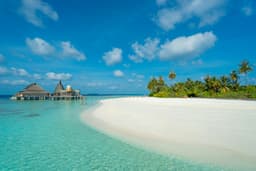
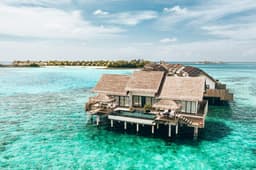
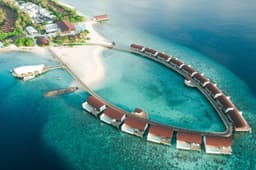
Resort dining is a world away from a village tea shop. Most resorts run lavish international buffets and a choice of speciality restaurants covering Italian, Japanese, Indian and Middle Eastern cuisines, often on all inclusive or half board plans. Overwater and beachside fine dining, private sandbank dinners and wine pairings are common at the higher end.
The trade off is that authentic Maldivian dishes can be limited to a small local corner of the buffet. Many resorts now offer a Maldivian night or a cooking class to bridge the gap, which is a good way to taste garudhiya and mas huni without leaving the island. If you can, combine a resort stay with a day trip or a night on a local island for the full picture.
Is Maldivian food spicy, and what about dietary needs?
Maldivian food can be spicy, since chilli features in many dishes, but the heat is adjustable and resort kitchens happily tone it down. Local island cafes may serve spicier versions closer to how families eat at home.
Vegetarians will find that seafood dominates, but resorts offer extensive vegetarian menus, and local dishes built on vegetables, lentils, breadfruit and coconut are available. Vegans should ask about fish paste and dried fish, which are used widely as seasoning even in vegetable dishes. Travellers with allergies should mention fish and coconut clearly, as both are present in most local cooking.
What food etiquette should you know?
Dining customs on local islands reflect the country's Muslim culture, and a little awareness goes a long way. Locals traditionally eat with the right hand, meals are halal with no pork, and alcohol is absent on inhabited islands.
During Ramadan, eating, drinking or smoking in public during daylight is discouraged on local islands, though resorts operate normally for guests. Accepting tea when offered, and trying the short eats your host recommends, is a warm and appreciated gesture. These customs do not apply within resorts, which cater to international guests around the clock.
How much does food cost in the Maldives?
Food costs vary enormously between local islands and resorts. On a local island, a plate of short eats or a garudhiya meal costs only a dollar or two, and a guesthouse breakfast is often included in the room. At resorts, dining is priced for a luxury market, and a half board or all inclusive plan usually makes the most sense.
| Setting | Typical meal cost | Notes |
|---|---|---|
| Local tea shop | 1 to 4 USD | Short eats and tea, very cheap |
| Guesthouse meal | 5 to 15 USD | Home style Maldivian or simple international |
| Resort restaurant | 40 USD and up | Buffets and fine dining, often on a meal plan |
Travellers watching their budget should favour local island guesthouses and tea shops, while resort guests usually pre book a meal plan to keep costs predictable. For the bigger picture on prices, read our guide on whether the Maldives is expensive.
What does a day of eating in the Maldives look like?
On a local island, a typical food day might run like this. It is cheap, tasty and a lovely way to experience island life.
- Breakfast: mas huni with warm roshi and sweet tea at your guesthouse.
- Mid morning: a tray of short eats and another cup of tea at the village hotaa.
- Lunch: garudhiya with rice, lime, chilli and rihaakuru.
- Afternoon: a fresh coconut on the beach.
- Dinner: grilled reef fish or a coconut tuna curry, finished with saagu bondibai.
Swap in a resort buffet and a sandbank barbecue and you have the two sides of Maldivian eating in a single, memorable trip. For trip planning, see our Maldives travel guide and the best time to visit the Maldives.
Why is tuna so central to Maldivian food?
Tuna is the backbone of Maldivian cuisine, and understanding it explains most of the menu. Skipjack tuna, caught by the traditional pole and line method that the Maldives is known for, has fed the islands for centuries and remains the country's main export. Because fresh fish could not always be stored in a tropical climate before refrigeration, islanders developed ways to preserve it, and those techniques still shape the food today.
Fresh tuna is grilled, curried and simmered into broth, while smoked and dried tuna, known as valho mas or Maldive fish, is shredded into salads and used as a savoury seasoning. Boiled down further, tuna stock becomes rihaakuru, the intense fish paste eaten as a condiment. From breakfast mas huni to a dinner of garudhiya, tuna in one form or another is rarely off the table.
How has trade shaped Maldivian cuisine?
Sitting on ancient sea routes across the Indian Ocean, the Maldives absorbed flavours from every direction. Indian and Sri Lankan traders brought chilli, curry leaf, spices and the habit of coconut based curries, which is why a Maldivian mas riha feels familiar to anyone who knows South Asian cooking. Arab merchants added influences seen in sweets and the use of rosewater.
The short eats themselves echo the samosas and cutlets of the wider region, adapted around tuna and coconut. This blend of local ingredients and imported techniques is what makes Maldivian food both recognisable and unique, a small cuisine with an outsized sense of place.
What fruits and produce grow in the Maldives?
Land is scarce across the atolls, so fresh produce is limited and much is imported, but a few local fruits and starches feature in the cuisine.
- Coconut: the most important crop, used in savoury and sweet dishes alike.
- Breadfruit: sliced and fried into crisps or boiled as a starchy side.
- Screwpine and pandan: used for flavour and in sweets.
- Bananas, papaya and mango: common tropical fruits eaten fresh or juiced.
- Taro and sweet potato: traditional starches served with fish broth.
Because so much is shipped in, resorts and even local shops carry international produce, but the traditional dishes still rely on coconut, breadfruit and the day's catch.
What festival and celebration foods are there?
Special occasions bring out richer cooking and homemade sweets. During Eid and family celebrations, tables fill with platters of short eats, coconut sweets such as bondi and foni boakibaa, and generous servings of rice and fish curry. Weddings and community feasts often feature large shared dishes and trays of hedhikaa passed around with endless cups of tea.
Ramadan is a special time for food, when the daytime fast is broken each evening with dates, short eats and hearty dishes. Many resorts and guesthouses host iftar spreads during the holy month, offering visitors a warm and social way to taste a wide range of Maldivian cooking in one sitting.
Can you take a cooking class or food tour?
Yes, and it is one of the best ways to understand the cuisine. Many resorts run Maldivian cooking classes where you learn to make mas huni, roshi and a simple fish curry, while local island guesthouses on places like Maafushi sometimes arrange home cooking sessions with a host family. Some tours combine a village walk with tastings of short eats at a local tea shop.
These experiences are affordable and hands on, and they give context to the flavours you meet on your plate. If you enjoy food led travel, building a class or a tea shop crawl into your itinerary turns eating into one of the trip's highlights rather than an afterthought.
What tips help you eat well as a traveller?
- Spend at least one night on a local island to taste home style cooking and tea shop short eats.
- Ask your guesthouse host what is fresh that day, as the best fish depends on the catch.
- Try garudhiya with all the accompaniments, mixing in lime, chilli and rihaakuru to taste.
- Mention allergies clearly, since fish and coconut are in most local dishes.
- Carry small cash for tea shops, which are cheap but rarely take cards.
- Respect local customs around Ramadan and dining with the right hand.
Follow these and you will eat far better, and far more cheaply, than a resort only visitor who never leaves the buffet.
Which local islands are best for food lovers?
If eating your way through the Maldives is a priority, some inhabited islands are easier and more rewarding than others. These local islands have a good spread of guesthouses, cafes and tea shops, and are simple to reach on public or shared speedboats.
| Island | Why food lovers like it |
|---|---|
| Maafushi | The most developed local island, with many guesthouses, cafes and tea shops serving both local and international food. |
| Dhigurah | Relaxed and scenic, with home style Maldivian breakfasts and fresh grilled fish. |
| Thulusdhoo | Known for its surf and its local bakery culture, with plenty of short eats. |
| Fulidhoo | A tiny, traditional island where meals feel truly home cooked. |
Basing yourself on one of these for a night or two, alongside a resort stay, gives you the fullest taste of Maldivian cooking. Guesthouse hosts are usually happy to serve local dishes if you ask in advance.
What can you eat in Male, the capital?
Male, the compact and busy capital, is a great place to eat like a local. The city is packed with tea shops and cafes serving trays of hedhikaa from morning to night, and prices are low compared with the resorts. A stroll through the local market reveals piles of tuna, coconuts, breadfruit and imported produce that show what the cuisine is built on.
The fish market near the waterfront is especially worth a look, where the day's tuna is landed, cleaned and sold. Nearby cafes turn that same fish into fresh garudhiya and grilled steaks. If you have a few hours between transfers, a tea shop breakfast and a walk through the markets is a delicious and authentic introduction to Maldivian food.
How does Maldivian food compare with Sri Lankan and Indian food?
Travellers who know South Asian cuisine will notice clear family resemblances, along with distinct Maldivian twists. Like Sri Lankan food, Maldivian cooking uses coconut, chilli, curry leaf and rice heavily, and dishes such as mas riha sit close to a Sri Lankan fish curry. The short eats also mirror the fried snacks found across the region.
What sets the Maldives apart is the sheer dominance of tuna, the use of smoked Maldive fish and rihaakuru for depth, and the absence of pork and, on local islands, alcohol. The flavours are generally a little simpler and more fish forward than the layered spice blends of mainland India. Think of Maldivian food as an island cousin of Sri Lankan cuisine, shaped by the ocean and centuries of trade.
What edible souvenirs can you take home?
Maldivian flavours travel well, and a few edible souvenirs let you keep a taste of the islands after your trip. Local shops in Male and on the bigger islands sell packaged versions of the staples at fair prices.
- Dried Maldive fish: vacuum packed smoked tuna that keeps for months and seasons curries beautifully.
- Bottled rihaakuru: the intense fish paste, sealed for travel, to spread on rice at home.
- Coconut sweets: bondi sticks and packaged foni boakibaa for a sweet reminder.
- Local tea and spices: the blends used in island tea shops.
Check your home country's rules on importing fish products before you buy, as some items may be restricted. Packaged, clearly labelled goods from a proper shop are your safest option for bringing Maldivian flavours home.
To combine resort comfort with authentic local island food experiences, explore our curated Maldives holiday packages.
Frequently asked questions
What is the national dish of the Maldives?
Garudhiya, a clear tuna broth served with rice, lime, chilli and onion, is considered the national dish, while mas huni is the most famous breakfast.
Is Maldivian food spicy?
It can be. Chilli features in many dishes, but heat is adjustable, and resort kitchens happily tone it down. Local island cafes may serve spicier versions.
Is vegetarian food available in the Maldives?
Yes. While seafood dominates, resorts offer extensive vegetarian menus, and local dishes with vegetables, lentils and coconut can be found. Vegans should ask about fish paste, which is used widely.
Can you drink the tap water in the Maldives?
Most resorts provide filtered or desalinated drinking water. On local islands, stick to bottled or filtered water to be safe.
Is there alcohol in the Maldives?
Alcohol is served only at resorts and on some liveaboards, not on inhabited local islands, and it cannot be brought into the country.
What is the most famous Maldivian breakfast?
Mas huni, a mix of shredded smoked tuna, grated coconut, onion, lime and chilli eaten with warm roshi flatbread, is the classic Maldivian breakfast.
Where can you eat authentic Maldivian food?
Head to guesthouses and tea shops, called hotaa, on inhabited local islands such as Maafushi and Dhigurah, where garudhiya, mas huni and short eats are cheap and homemade.
What are short eats in the Maldives?
Short eats, or hedhikaa, are small fried snacks such as bajiya, gulha and masroshi, served on trays in tea shops and eaten through the day with sweet tea.
Is Maldivian food halal?
Yes. The Maldives is a Muslim country, so food is halal with no pork, and alcohol is not served on inhabited local islands.
What is Maldive fish?
Maldive fish is cured, smoked and dried tuna, hard and intensely savoury, shredded into salads like mas huni or used as a seasoning across Maldivian and Sri Lankan cooking.
Do you need to eat at resorts, or can you eat cheaply?
You can eat very cheaply on inhabited local islands, where tea shops and guesthouses serve short eats and fish curries for a dollar or two, a fraction of resort dining prices.
'/%3E%3C/svg%3E)