











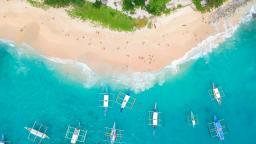




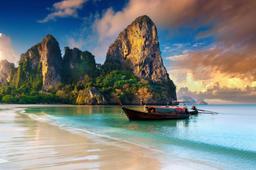
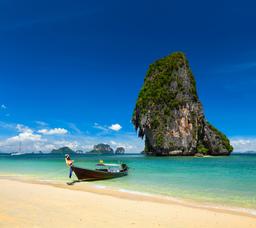
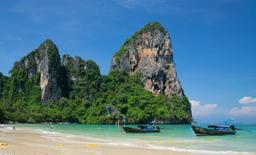




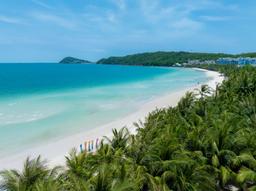










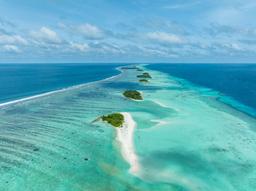
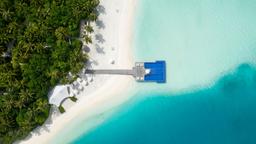
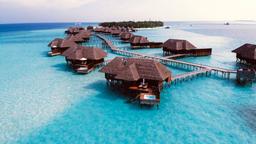
































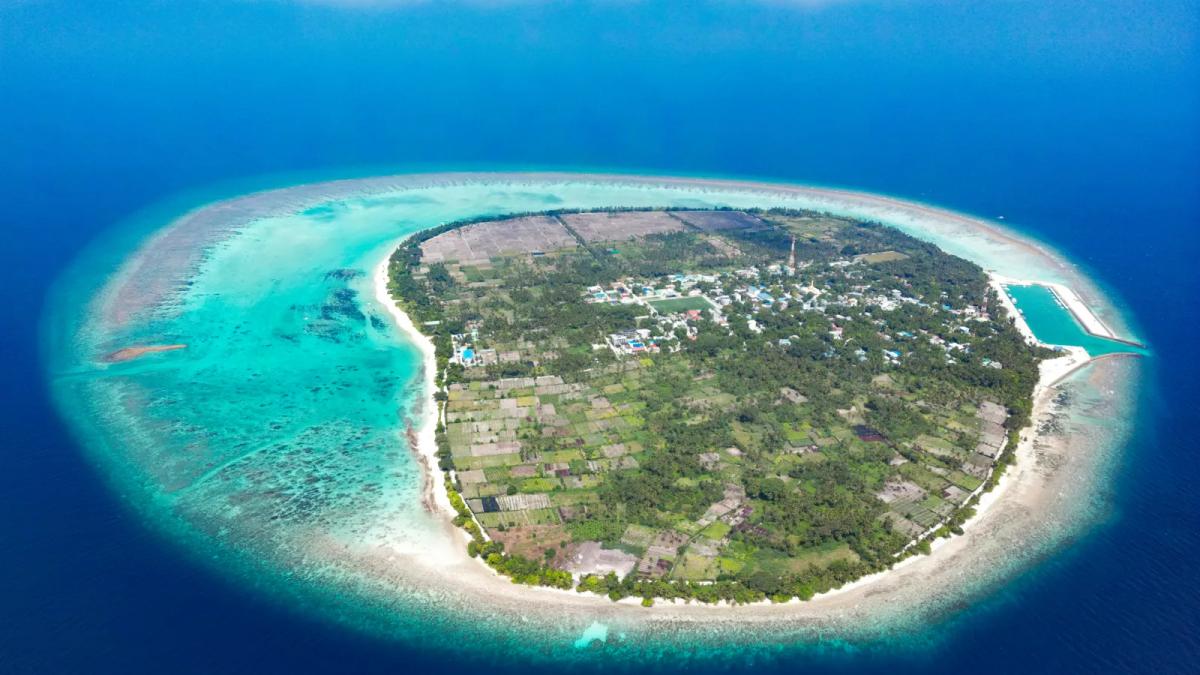
Short answer: choose a local island in the Maldives if you want village life, lower day to day costs, easy excursions and a quiet, sober evening; choose a resort island if you want privacy, alcohol, swimwear anywhere on the island, polished service and an overwater villa. A local island Maldives stay means a guesthouse on an inhabited island where Maldivian rules on alcohol and dress apply, while a resort is a whole island given to one hotel. Many travellers now split their trip and do both, which is often the smartest answer.
This guide compares the two side by side: the rules you actually have to follow on inhabited islands, how bikini beaches work, how transfers differ by public ferry, speedboat, seaplane and domestic flight, which travellers each option suits, how to combine both, and which local islands are popular and why. There are no prices here on purpose, because rates swing by season and change often; instead you will find the cost drivers and the relative levels, so you can judge any quote you receive. For the wider picture of the country, start with our complete Maldives travel guide.
Local island Maldives vs resort: what is the real difference?
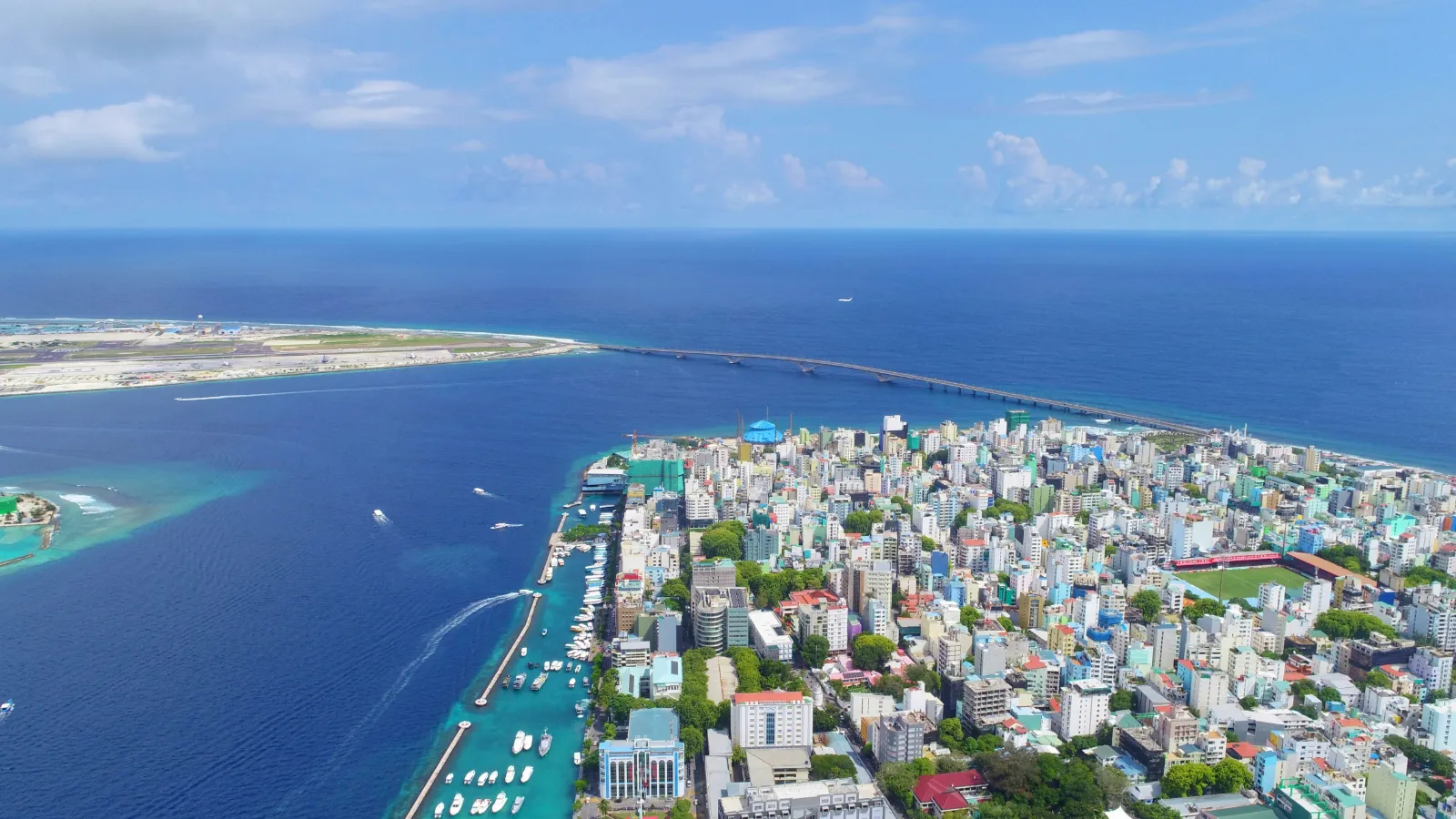
The real difference is who lives on the island. A resort island is usually an otherwise uninhabited island leased to a single hotel, so the whole island runs on resort rules. A local island is an ordinary Maldivian community with homes, a mosque, a school, shops and a harbour, where small guesthouses sit among the houses and national laws on alcohol, dress and public religious practice apply in full.
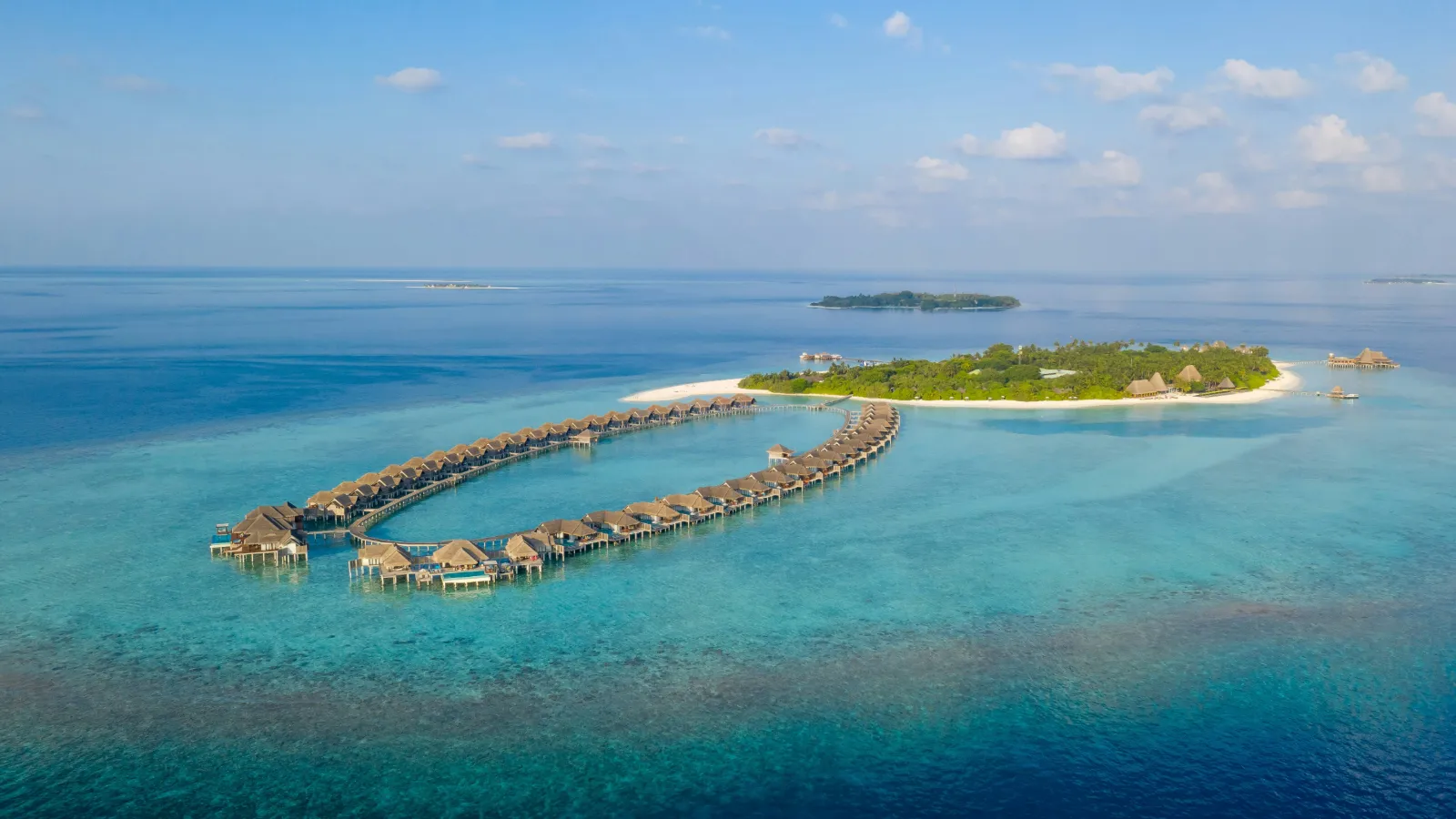
For decades, foreign tourists in the Maldives stayed almost only on resort islands, kept apart from local communities. That changed in 2009, when the newly elected government allowed hotels and guesthouses to operate on inhabited islands. Maafushi in Kaafu Atoll opened the first guesthouse for international tourists in 2010 with four rooms, according to the Maldives Financial Review. The sector grew fast. Ministry of Tourism and Environment figures reported in November 2025 counted 935 operational guesthouses with 16,068 beds, against 176 resorts with 44,247 beds. So guesthouses now outnumber resorts more than five to one as businesses, even though resorts still hold most of the beds.
What a local island stay looks like
You sleep in a guesthouse or small hotel, often with fewer than 20 rooms, run by a local family or company. Breakfast is usually included, and you eat other meals at the guesthouse or in small cafes. Your days revolve around boat trips: snorkelling on nearby reefs, sandbank picnics, dolphin cruises, dive trips, fishing and visits to resort islands. Evenings are calm, with tea, short eats and people watching on the harbour front. The official tourism board describes the appeal as chatting with locals, joining an evening game of football and relaxing over tea and hedhikaa snacks, in its piece on guest house culture in the Maldives.
What a resort island stay looks like
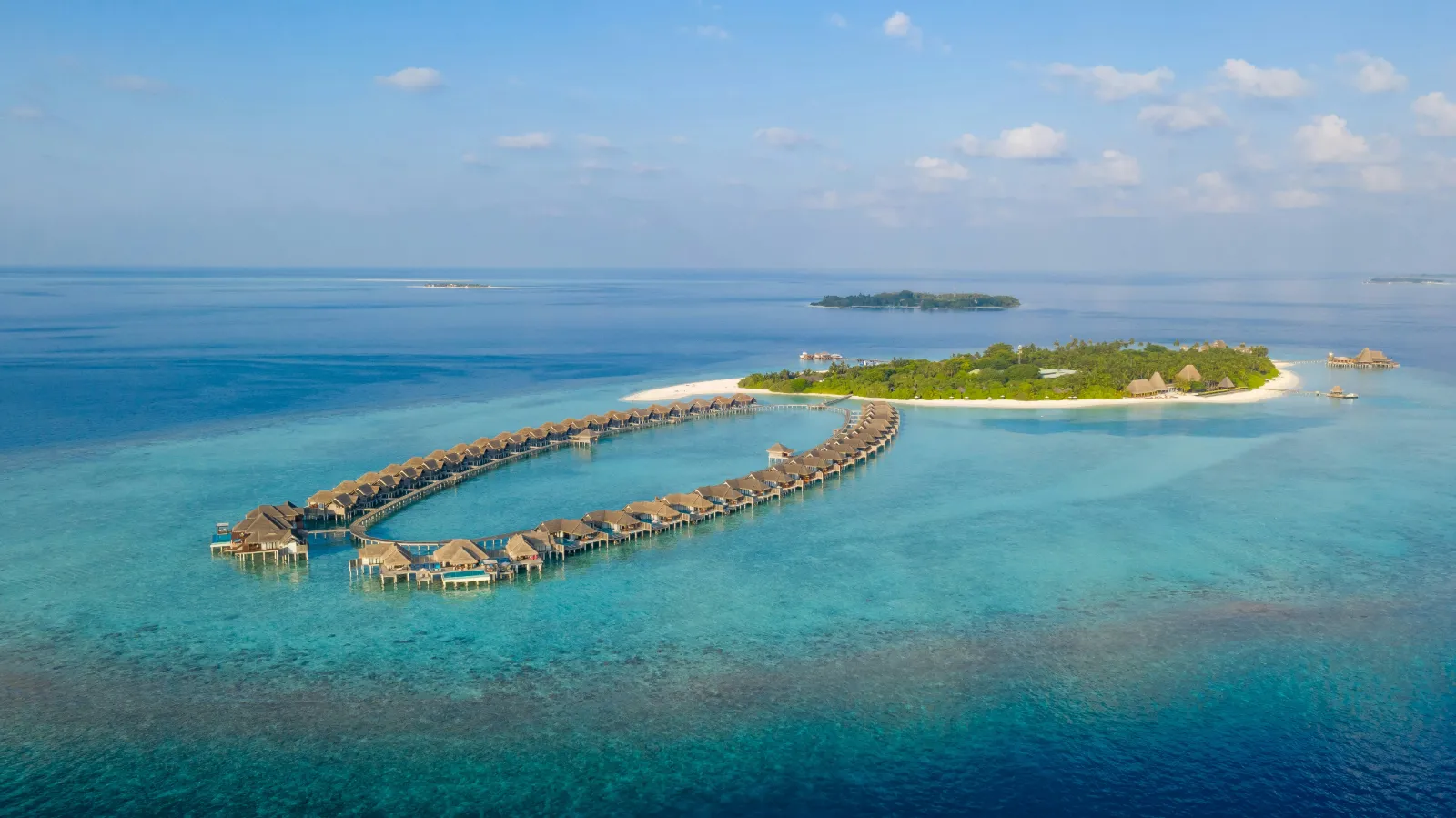
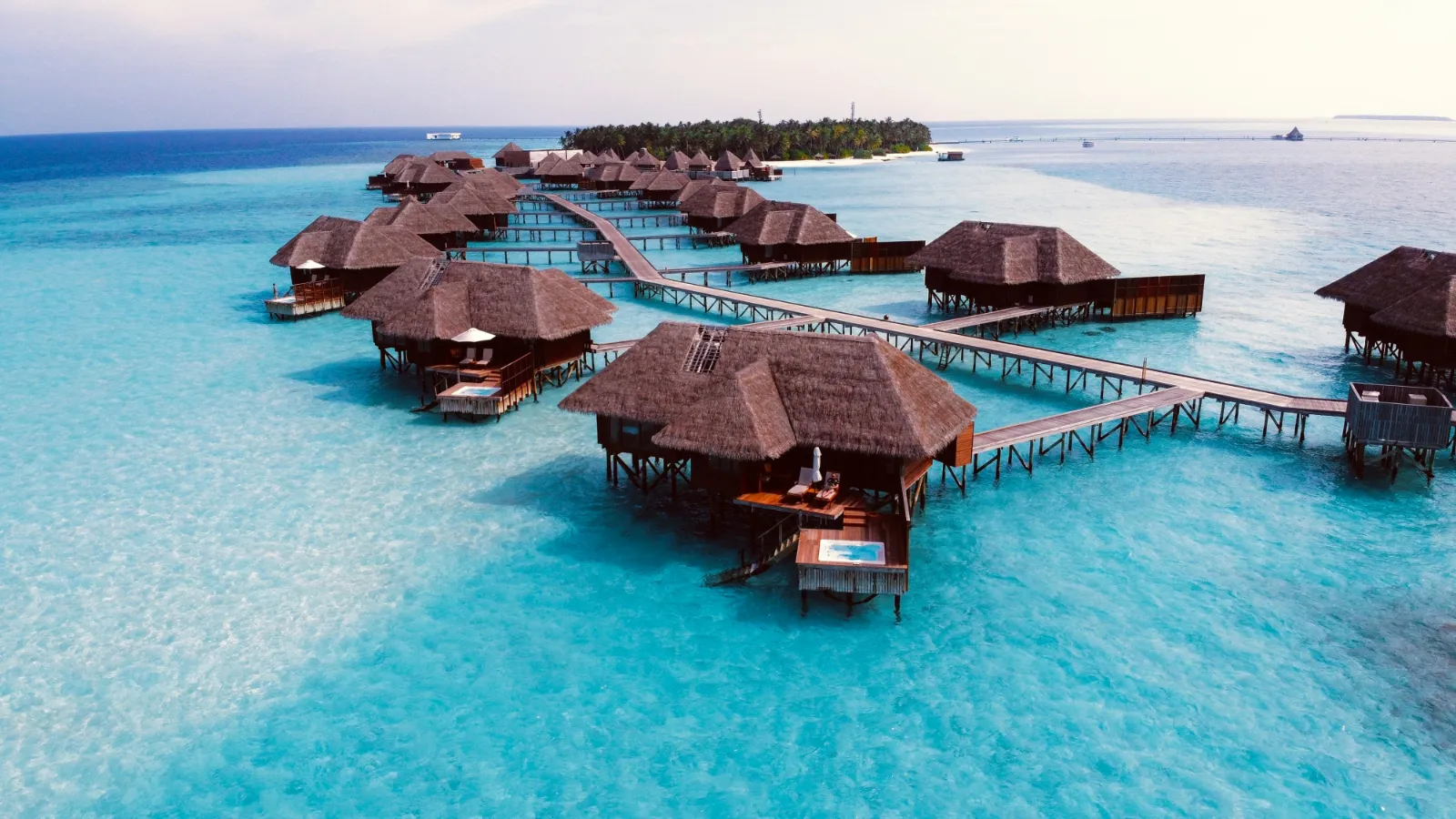
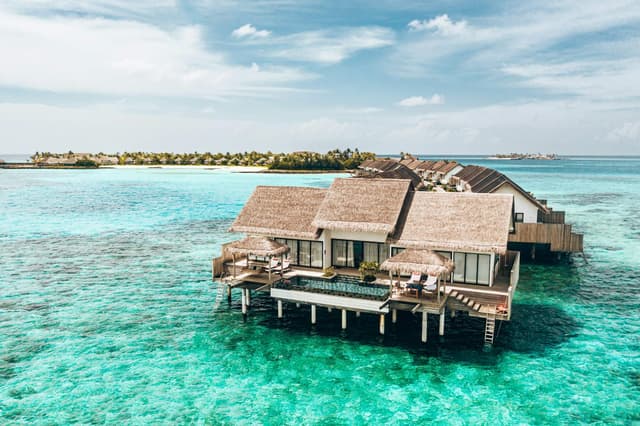
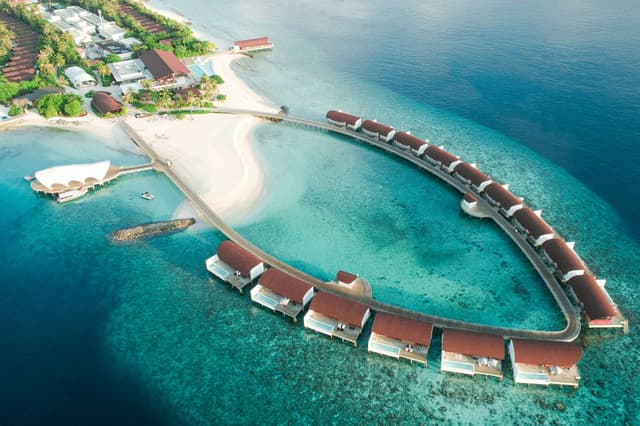
You arrive by speedboat, seaplane or domestic flight plus boat, and from then on everything is inside the resort: restaurants, bars, spa, dive centre, kids club and the house reef. Rooms range from garden or beach villas to the famous overwater villas on stilts above the lagoon. There are no local rules on swimwear inside the resort, alcohol is served, and staff handle every detail. If you are already sure a resort is right, our guide to choosing between an overwater and a beach villa helps with the next decision.
Side by side comparison
| Factor | Local island guesthouse | Resort island |
|---|---|---|
| Type of stay | Guesthouse or small hotel inside a Maldivian village | One hotel occupies the whole island |
| Alcohol | Not sold or allowed; possession outside resorts can lead to arrest | Served in bars and restaurants |
| Dress code | Modest in the village: cover shoulders, avoid short shorts | Relaxed; swimwear anywhere except restaurants with dress codes |
| Beach | Swimwear only on a designated bikini beach; public beach used by locals needs modest swimwear | Every beach on the island is yours to use in swimwear |
| Food | Guesthouse meals and small cafes, Maldivian and South Asian dishes, limited choice | Several restaurants, buffets, international menus, all inclusive plans |
| Transfers | Public ferry, shared speedboat, or domestic flight plus boat for far islands | Resort speedboat, seaplane or domestic flight plus boat, booked by the resort |
| Activities | Booked through guesthouse or local operators: snorkelling, sandbanks, dolphins, diving, fishing, resort day visits | House reef, water sports centre, dive centre, spa, excursions run by the resort |
| Privacy | Low to moderate; you share streets and beaches with residents | High, especially in overwater villas |
| Nightlife | Very quiet; cafes and the harbour front | Bars, live music at some resorts, dinners on the beach |
| Fridays and Ramadan | Noticeable: fewer ferries on Fridays, daytime eating in public restricted during Ramadan | Little visible change for guests |
| Relative cost level | Lower: smaller rooms, cheaper food, cheaper transfers | Higher to very high: villas, imported food, seaplanes, service |
Checked: 8 Nov 2026, UK FCDO travel advice for the Maldives (laws and cultural differences), Visit Maldives and Ministry figures as cited above.
What are the rules on local islands?
The core rules on inhabited islands are simple: no alcohol, modest clothing in the village, swimwear only on the designated bikini beach, no public practice of a religion other than Islam, and extra care during Ramadan and Friday prayers. These are not resort house rules but national laws and strong social norms, and the UK government's Maldives travel advice (page updated 12 August 2026) spells most of them out. Breaking them can bring a fine, and in the case of alcohol or drugs, arrest and deportation.
Local island rules checklist
- Alcohol: none on inhabited islands. Do not try to bring any in; it is a prohibited import at the airport too.
- Dress in the village: shoulders covered and no short or tight shorts, for both men and women. Women do not need to cover their hair.
- Swimming: bikinis and swim shorts only on the marked bikini beach or on boat trips and sandbanks; on beaches used by locals, cover arms and upper legs.
- Topless and nude sunbathing: not allowed anywhere in the country, including resorts.
- Religion: publicly observing a religion other than Islam is illegal; keep personal prayer private.
- Ramadan: do not eat, drink or smoke in public in daytime outside resorts.
- Prayer times: shops and some cafes close briefly at each of the five daily prayers.
- Friday: the main weekly day of prayer; expect a quieter island and fewer public ferries.
- Drugs: the authorities have a zero tolerance policy, and penalties include long prison sentences.
- Public affection: keep it low key in the village; holding hands is the safe limit.
- Photos: ask before photographing people, especially women and children, and do not photograph inside mosques.
Checked: 8 Nov 2026, UK FCDO Maldives travel advice; Maldives High Commission London customs information; Maldivian (national airline) shopping guide for prayer time closures. The last two items in the list are etiquette guidance rather than written law.
Can you drink alcohol on a local island?
No. Alcohol is not sold on inhabited islands and the FCDO warns that you can be arrested and deported for possessing or drinking alcohol, or being intoxicated, outside resorts. The same advice says alcoholic drinks are only available on resort islands, and it tells visitors not to take alcohol out of a resort. The Maldives High Commission in London lists alcoholic beverages among prohibited imports, so duty free bottles bought on the way will not be allowed through customs at Velana airport. Guesthouse guests who want a drink usually book a day visit to a nearby resort through their guesthouse. Near Maafushi, travel guides such as Wikivoyage also describe a bar boat moored offshore that guesthouses can arrange a short transfer to; drinks stay on the boat, and nothing alcoholic comes back onto the island.
What should you wear on a local island?
In the village, wear loose clothes that cover your shoulders and reach at least to the knee. Light cotton trousers, long skirts, kurta style tops and T shirts all work, and they also protect you from the strong sun. Men should avoid going shirtless on the street. When walking from your guesthouse to the bikini beach, cover up over your swimwear and only remove the cover once you are inside the marked area. Lonely Planet's Maldives advice notes that wearing a swimsuit outside designated bikini beaches is not allowed and can lead to a fine.
What changes on Fridays and at prayer times?
Friday is the Maldivian weekly day of congregational prayer, and the weekend runs Friday to Saturday. On local islands the midday Friday prayer is the busiest moment of the week at the mosque, and many shops and cafes close around it. Ferry guides updated in 2026 and Wikivoyage report that the classic public ferries from Malé to popular guesthouse islands such as Maafushi and Dhiffushi do not run on Fridays, while speedboats do, so plan arrivals and departures on other days if you rely on the public ferry. MTCC changes timetables from time to time, so confirm the current days with your guesthouse. On any day, shops close for a short time at each prayer; the national airline Maldivian notes that shops in Malé stay open late but close during prayer times, and the same rhythm applies on the islands.
What is a local island like during Ramadan?
During Ramadan, Muslims fast from dawn to sunset, and outside resorts visitors should not eat, drink or smoke in public during daytime. Guesthouses still serve guests breakfast and lunch, usually indoors, and some cafes stay closed until sunset, when the island comes alive for iftar and evening gatherings. The FCDO notes that Ramadan 2026 ran from 17 February to 19 March. For 2027, the FCDO says it may begin around 7 February, and the UAE's Astronomy Centre projects 8 February with Eid al Fitr around 9 or 10 March 2027, as reported by The National. Exact dates depend on the moon sighting. Public transport also shifts: in February 2026 the state transport company MTCC announced Ramadan timetables for ferries and buses around Malé with breaks near sunset, reported by The Maldives Standard.
| Situation | Local island | Resort island | Checked |
|---|---|---|---|
| Ordinary weekday | Normal guesthouse service, shops close briefly at prayers | Normal service | 8 Nov 2026, Maldivian |
| Friday | Quieter, midday prayer, many public ferry routes not running | Normal service; resort transfers still run | 8 Nov 2026, ferry guides 2026 |
| Ramadan | No public daytime eating, drinking or smoking; evenings livelier | Normal service for guests | 8 Nov 2026, UK FCDO |
| Eid holidays | Festive, some services closed, boats busy with local travel | Normal service | 8 Nov 2026, general guidance |
What can you not bring into the Maldives?
The Maldives High Commission in London lists firearms, alcoholic beverages, pork products, pornography and idols of worship as items tourists may not bring in. Alcohol and pork are available only on resort islands under special licence. This matters for anyone travelling with small religious statues or other items for worship: leave them at home, and keep any personal prayer private, as the FCDO notes that public observance of a religion other than Islam is illegal. Our Maldives dos and don'ts guide covers etiquette across the whole country, resorts included.
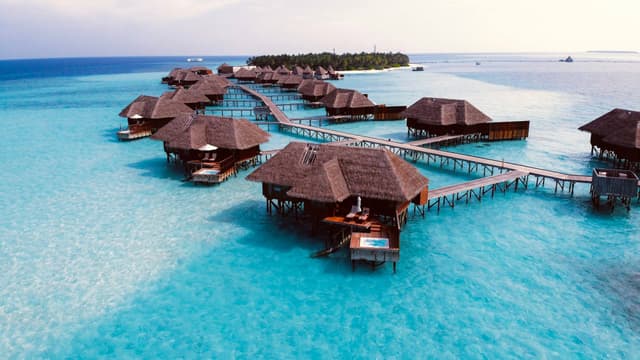
What is a bikini beach?
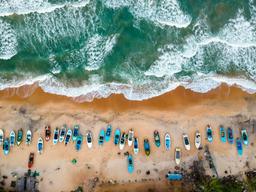
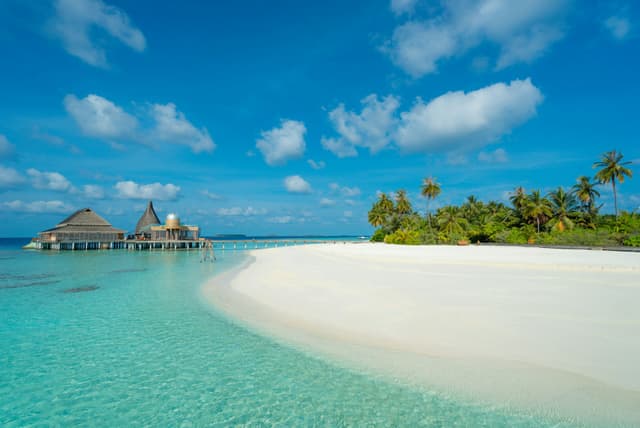
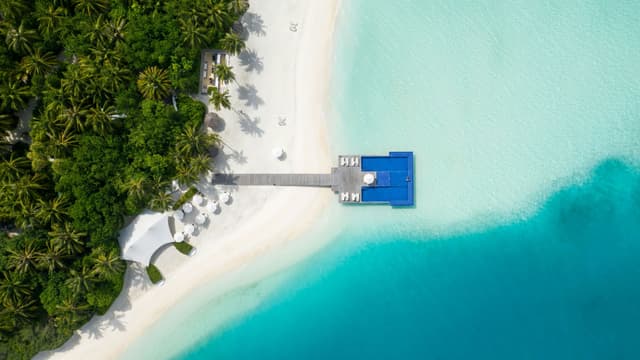
A bikini beach is a section of a local island's shoreline set aside for tourists, where bikinis, swim shorts and normal sunbathing are allowed. It is usually marked by signs and often partly screened by fencing or vegetation so that residents walking past do not see swimwear from the street. Outside that zone, the island's normal modest dress rules apply.
Most local islands that host tourists have at least one bikini beach, and on the popular islands they are close to the main guesthouse area. Their size and quality vary a lot: on some islands it is a broad stretch of soft white sand, on others a smaller patch near the harbour or a reclaimed area. Guesthouse photos sometimes show the best corner, so ask your guesthouse how far the bikini beach is from your room and what it looks like at high tide.
What is allowed on a bikini beach?
- Bikinis, one piece swimsuits and swim shorts.
- Sunbathing, swimming and snorkelling from the shore, where the guesthouse says it is safe.
- Beach chairs and umbrellas, often supplied by guesthouses or beach cafes.
What is still not allowed?
- Topless or nude sunbathing, which is banned everywhere in the country, including resorts.
- Alcohol, even if you think the beach is private.
- Walking back into the village in swimwear: cover up before leaving the zone.
There are two easy ways to get more swimwear time on a local island holiday. First, sandbank and snorkelling trips: once you are on a boat or a sandbank away from the village, swimwear is normal. Second, a resort day visit, where the whole island runs on resort rules. Water safety matters too: the FCDO advises swimming only in supervised or designated areas, because strong tidal currents have caused drownings. Ask your guesthouse where it is safe to snorkel from the beach before you go in.
How do transfers differ?
Transfers are where local islands and resorts differ most in practice. Local islands near Malé are reached by public ferry or shared speedboat, often booked by your guesthouse. Resorts arrange their own speedboat, seaplane or domestic flight plus boat, and meet you at Velana International Airport. Your choice of island decides how long the transfer takes, whether it runs on Fridays or after dark, and a large part of the total cost.
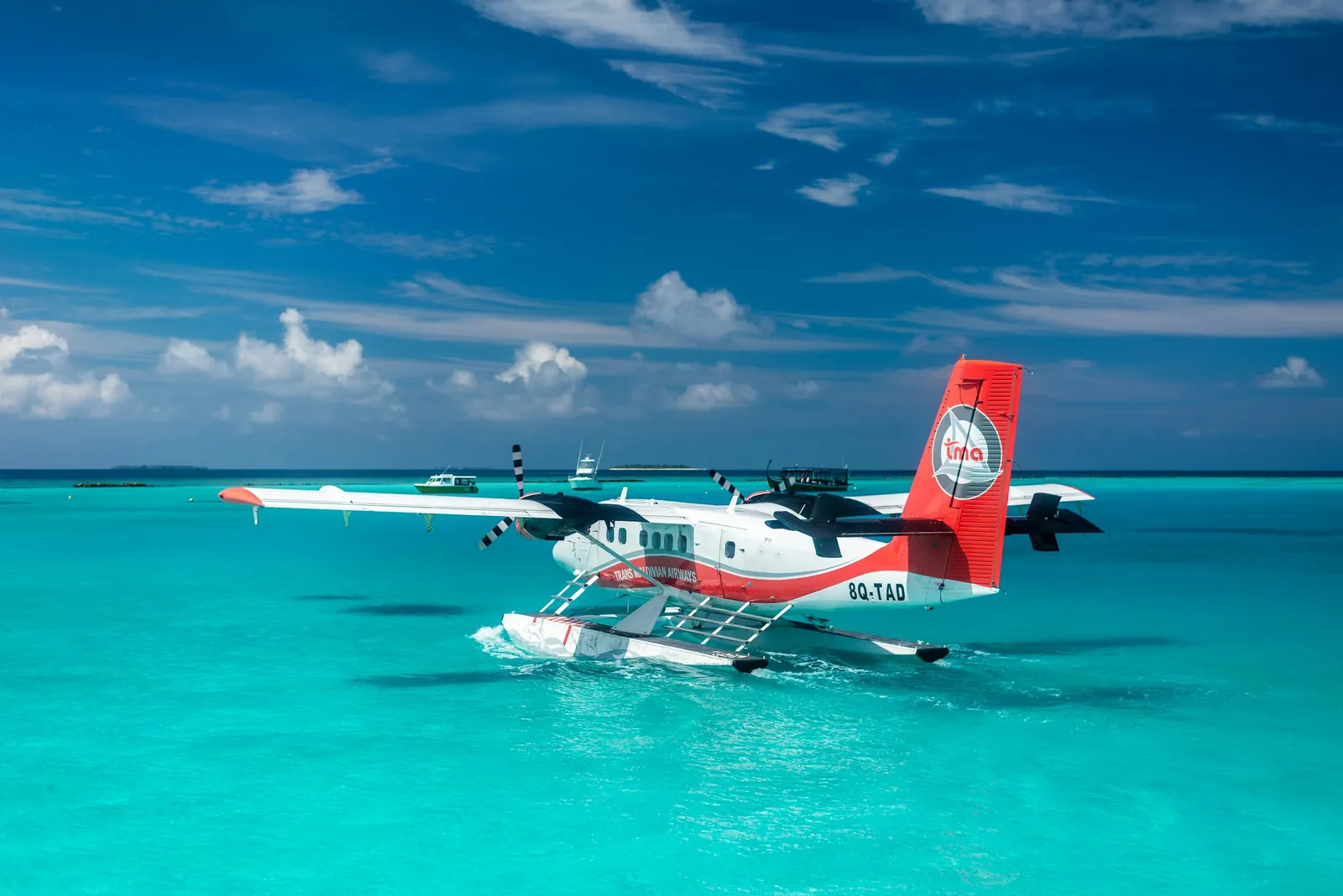
Transfer options compared
| Mode | Mainly used for | When it runs | Relative cost | Watch out for |
|---|---|---|---|---|
| MTCC public ferry | Local islands, mostly from Malé | Fixed timetable; many routes, including Maafushi, not on Fridays | Lowest | Slow, limited departures, may not suit your flight time |
| RTL fast ferry (MTCC) | Links between islands in a growing number of atolls | Fixed timetable | Low | Route coverage still expanding; check current routes |
| Shared speedboat | Popular local islands such as Maafushi, Thoddoo, Ukulhas, Dhigurah, Fulidhoo | Scheduled daily departures, including many Fridays | Moderate | Can be rough in bad weather; limited luggage space |
| Private speedboat | Resorts and guesthouses in North and South Malé atolls | On demand, day and often night | Moderate to high | Ask whether it is included in the room rate |
| Seaplane | Resorts in more distant atolls | Daylight hours only | Highest | Lower baggage allowance, late flight arrivals need an overnight stop |
| Domestic flight plus boat | Far atolls and islands with airports, such as Fuvahmulah, or islands near domestic airports | Scheduled flights | High | Connection times; baggage rules of the domestic airline |
Checked: 8 Nov 2026. Sources: Maldives Financial Review on the RTL launch in Raa Atoll (June 2025, RTL then covering 10 atolls); a resort's published seaplane conditions for daylight only flights and baggage limits; public ferry guides updated in 2026 and Wikivoyage for Friday service.
Public ferry and fast ferry
The state owned Maldives Transport and Contracting Company (MTCC) runs the public ferry network. Classic ferries are slow but very cheap and carry locals, cargo and visitors together; for Maafushi the trip from Malé takes longer than a speedboat and departures are limited. MTCC has also been rolling out the faster Raajje Transport Link (RTL) service: the Maldives Financial Review reported in June 2025 that RTL had reached its tenth atoll with Raa. Timetables change, especially around Ramadan and public holidays, so confirm with your guesthouse a few days before you travel rather than relying on an old screenshot.
Speedboats
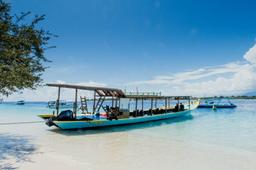
Shared speedboats are the workhorse of local island travel. Most popular guesthouse islands have daily scheduled boats from the airport or Malé, and guesthouses usually book seats for you to match your flight. Private speedboats cost more but leave when you land. Speedboats run in the dark on many routes, which makes them the safety net for travellers whose flights arrive late. Crossings can be choppy when the wind is up, so travellers prone to seasickness should take medicine before longer routes and sit towards the back.
Seaplanes
Seaplanes fly from the seaplane terminal beside Velana airport to resorts in more distant atolls, and they only operate in daylight. One resort's published conditions, for example, state that the last seaplane leaves at 16:00 and guests whose international flight lands after 15:30 stay overnight in Malé at their own expense; the same resort lists a baggage allowance of 20 kg plus 5 kg hand luggage. Every resort sets its own cut off and limits, so check yours. The flight itself is one of the great views of the trip, with reefs and atolls laid out below.
Domestic flights
Domestic airlines link Malé with regional airports across the atolls. Some resorts use a short domestic flight followed by a speedboat, and some local islands are easiest to reach this way. Fuvahmulah has its own domestic airport, and Dhigurah in South Ari can be reached by a domestic flight to Maamigili followed by a short boat ride, as well as by direct speedboat. Domestic flights are useful when seas are rough, since the boat leg is then very short.
Getting there from Kathmandu
There is no nonstop flight from Kathmandu to Malé at the time of writing, so travellers from Nepal connect through a hub such as Colombo, Delhi, Doha or Dubai; our route map of flights from Kathmandu shows the main one stop options, and current schedules are on airline websites (checked: 8 Nov 2026, route data). The connection matters more than it seems: if your flight lands in Malé in late afternoon or evening, a seaplane resort is ruled out for that night, and many local island ferries will have finished too. In that case, choose a resort or guesthouse reachable by speedboat, or plan one night near the airport. Our guide on getting around the Maldives by boat, seaplane and plane goes deeper into each option.
What drives transfer cost, without the numbers
- Distance from Malé: islands in North and South Malé atolls are cheapest to reach; far atolls need a seaplane or flight.
- Mode: public ferry is the cheapest, then shared speedboat, private speedboat, domestic flight plus boat, and seaplane at the top.
- Shared or private: sharing a boat with other guests cuts the cost a lot.
- Time of arrival: a night arrival can add a private boat or a hotel night.
- Inclusion: some resort rates include transfers and some do not; always ask.
Which suits families, couples, honeymooners, elderly or budget travellers?
Resorts suit honeymooners, couples who want privacy and a drink at sunset, families who want a kids club and everything on one island, and older travellers who want short walks and help with luggage. Local islands suit budget travellers, divers, solo travellers, curious families with school age children, and anyone who wants to see how Maldivians actually live. Many groups get the best of both by splitting the stay.
| Traveller | Local island fit | Resort fit | Best pick |
|---|---|---|---|
| Honeymooners | Romantic sunsets and sandbanks, but no privacy in the village and no alcohol | Built for couples: overwater villas, private dinners, spa | Resort, or local island first with resort nights at the end |
| Couples on a budget | Strong value, plenty of excursions | Short stay possible as a treat | Split stay |
| Families with toddlers | Can work on calm islands, but fewer facilities and sandy streets for prams | Kids clubs, beach villas, shallow lagoons, doctors on some resorts | Resort with beach villa |
| Families with older children | Excellent: snorkelling, dolphins, culture, local football | Water sports centres, kids clubs | Either; local island is a good learning trip |
| Older parents and grandparents | Flat, small and walkable, but basic medical facilities and boat transfers | Buggies, staff help, short walks, calmer seaplane or speedboat arrival | Resort or a well run guesthouse on an island close to Malé |
| Solo travellers | Easy to meet people on group excursions | Can feel isolating and costly for one | Local island |
| Divers and snorkellers | Great access to famous sites through local dive centres | House reefs and resort dive centres | Either; local islands near key sites give more dives for the money |
| Travellers who want alcohol | Only on resort day visits or, near Maafushi, an offshore bar boat | Bars and wine lists | Resort |
Families
Families with young children usually find a resort easier: a single safe island, a kids club, pools, beach villas with sand outside the door and a choice of food for fussy eaters. Families with children aged around eight and up often love local islands, because everyday life is visible: children playing on the harbour, fishing boats coming in, the evening football match. The trade off is fewer facilities and simpler food. For a detailed planner, see our guide to a Maldives holiday with children.
Honeymooners and couples
A resort is the classic honeymoon choice for good reasons: privacy, the overwater villa, private dinners on the sand, couples' spa treatments and a glass of wine at sunset. On a local island, couples should keep affection low key in the village and accept that there is no alcohol. Couples on a tighter budget often start with nights on a quiet local island and finish with a short resort stay, so the trip ends on the high note. Our Maldives honeymoon planning guide covers resort choice, timing and the extras worth asking for.
Older travellers and parents
Many travellers bring parents or grandparents, and this is where honest planning matters. Local islands are flat and small, which is good, but streets are often sand, there are boats to board from harbours and jetties, and medical facilities on small islands are basic, with the main hospitals in the Malé area. Resorts offer buggies, staff to help with luggage and stairs, and less walking overall. For older travellers, an island close to Malé with a short speedboat transfer, whether resort or guesthouse, usually works better than a long seaplane plus boat journey. Check that your travel insurance covers medical evacuation.
Budget logic without the prices
The Maldives can be one of the most expensive beach holidays in the world, or a moderate one, and the difference comes almost entirely from where you sleep and how you transfer. These are the cost drivers, from biggest to smallest:
| Cost driver | Local island | Resort |
|---|---|---|
| Room | Lower | High to very high; overwater villas at the top |
| Transfers | Low (ferry) to moderate (speedboat) | Moderate (speedboat) to highest (seaplane) |
| Food and drink | Low; simple cafes and guesthouse meals | High; meal plans or all inclusive often make sense |
| Excursions | Moderate; shared boats keep it down | Higher per person for the same trip |
| Green tax | Lower rate at guesthouses of 50 rooms or fewer on inhabited islands | Higher rate, double the small guesthouse rate |
| Season | Peak months raise rates less sharply | Peak and festive weeks raise rates sharply |
The green tax structure above follows the revision that took effect on 1 January 2025, under which resorts and larger guesthouses pay one rate and guesthouses with 50 or fewer rooms on inhabited islands pay half of it, as reported by PlusMV from the tax authority's announcement. Taxes change, so treat this as a structure, not a fixed figure. For actual budget ranges, see our guide on how expensive the Maldives really is.
Can you combine a local island and a resort in one trip?
Yes, and for many travellers it is the best plan. A split stay gives you most nights on a local island for value, culture and excursions, plus a short resort stay for privacy, alcohol, swimwear freedom and an overwater villa. It costs far less than a full week at a resort while still delivering the experience people picture when they think of the Maldives.
Split stay tips
- Order: most couples put the resort at the end, so the trip finishes on its most relaxing note. Families sometimes start at the resort to recover from the journey.
- Same atoll: choose a resort and a local island in the same atoll, or both near Malé, so the change of island is a short speedboat ride rather than a return to the airport.
- Avoid Friday moves: if you rely on the public ferry, do not plan your island change on a Friday.
- Daylight: if the resort uses seaplanes, check that your arrival or island change fits the daylight window.
- Luggage: pack light; boats and seaplanes have tighter space and weight limits than airlines.
- Two dress codes: pack clothes for the village and for the resort; you will use both.
Resort day visits from a local island
If a full resort stay is not in the plan, many guesthouses on the main local islands arrange day visits to nearby resorts. A day pass typically includes the boat, use of the beach and pool, and a meal, and some include drinks. Availability depends on the resort and the season, and some resorts do not accept day guests at all, so ask your guesthouse what is available on the dates you will be there.
How to judge the split
| Priority | Suggested balance |
|---|---|
| Budget first | All nights on a local island, plus one resort day visit |
| Value with a treat | Most nights on a local island, a short resort stay at the end |
| Honeymoon with some culture | A short local island stay, most nights at a resort |
| Diving holiday | Local island near the dive sites, optional resort nights to relax |
| Family with small children | Resort, with a half day trip to a local island to see village life |
Which local islands are popular?
The most popular local islands for visitors are Maafushi for convenience and choice, Thoddoo for farms and quiet beaches, Ukulhas for a clean, calm island with good snorkelling, Dhigurah for whale sharks, Fulidhoo for a tiny, traditional village, and Fuvahmulah for tiger shark diving. Each has a different personality, and the right one depends on how much you value convenience, quiet or marine life. For the full range of islands and atolls, see our guide to the best islands in the Maldives.
| Island | Atoll | Distance from Malé | Known for | Best for | Usual access |
|---|---|---|---|---|---|
| Maafushi | Kaafu (South Malé) | About 26 km | Most guesthouses of any local island, busy excursion scene | First timers, budget, groups | Speedboat or public ferry |
| Thoddoo | Alif Alif (North Ari) | About 68 km | Farming, watermelons and papaya, Buddhist ruins | Couples, quiet beach time | Speedboat |
| Ukulhas | Alif Alif (North Ari) | About 72 km | Pioneering waste management, small and tidy | Snorkellers, slower pace | Speedboat |
| Dhigurah | Alif Dhaal (South Ari) | About 97 km | Whale sharks in the South Ari marine protected area, long beach | Snorkellers, divers, nature lovers | Speedboat, or domestic flight plus boat |
| Fulidhoo | Vaavu | About 56 km | Tiny traditional village, nurse shark dive sites nearby | Divers, culture, quiet | Speedboat or public ferry |
| Fuvahmulah | Gnaviyani | Far south | Only one island atoll, freshwater lakes, tiger sharks | Experienced divers, adventurous travellers | Domestic flight |
Checked: 8 Nov 2026. Distances and census figures from Wikipedia island articles (2022 census); Fuvahmulah facts from Visit Maldives atoll pages.
Maafushi
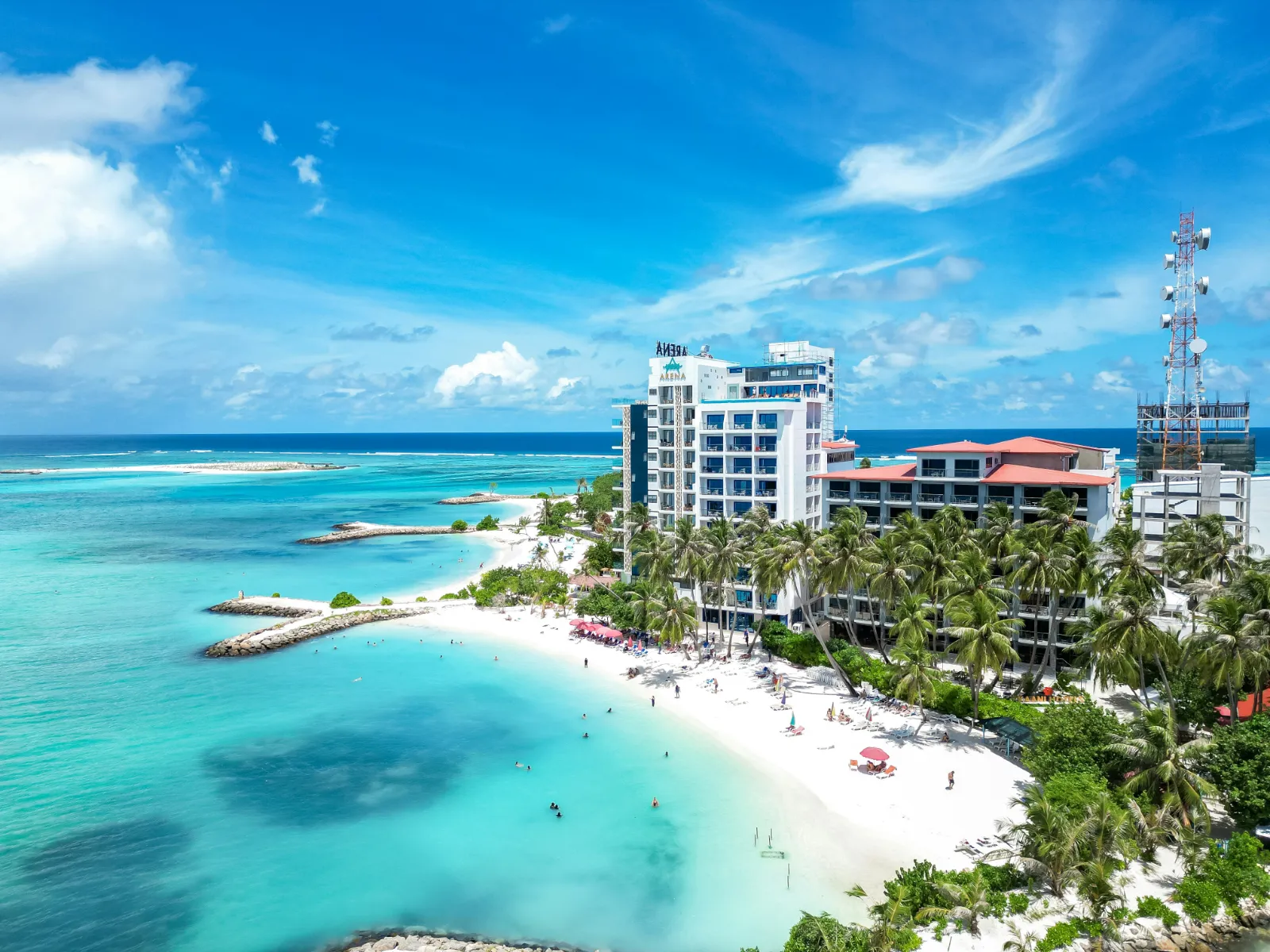
Maafushi is the easiest first local island: it is about 26 km south of Malé in South Malé Atoll, it opened the country's first guesthouse for international tourists in 2010, and its Wikipedia entry describes it as the inhabited island with the most guesthouses and guest beds in the country. The 2022 census counted 4,471 people living there, of whom 1,276 were foreigners. That scale brings choice: dozens of guesthouses and small hotels, many cafes, a large bikini beach, dive centres and a long menu of excursions including sandbanks, snorkelling, dolphin trips and resort day visits.
The trade off is that Maafushi feels busy and built up compared with quieter islands, with multi storey hotels along parts of the beach. It suits first timers, groups of friends and travellers who want lots of activities within easy reach of the airport. Getting there is simple: shared and private speedboats from the airport, or the slower public ferry from Malé on its timetable days.
Thoddoo
Thoddoo is a farming island in Alif Alif Atoll, about 68 km from Malé. Wikipedia describes it as the largest producer of watermelon in the Maldives, with papaya and betel leaf among its other crops, and about a third of the island is farmland. Tourism began there in 2015, and the 2022 census counted 1,924 residents. The island also has Buddhist ruins from the period before the Maldives converted to Islam, a detail that interests many visitors from Buddhist and Hindu backgrounds. Expect wide beaches, fresh fruit, a relaxed pace and fewer crowds than Maafushi, reached by a longer speedboat ride.
Ukulhas
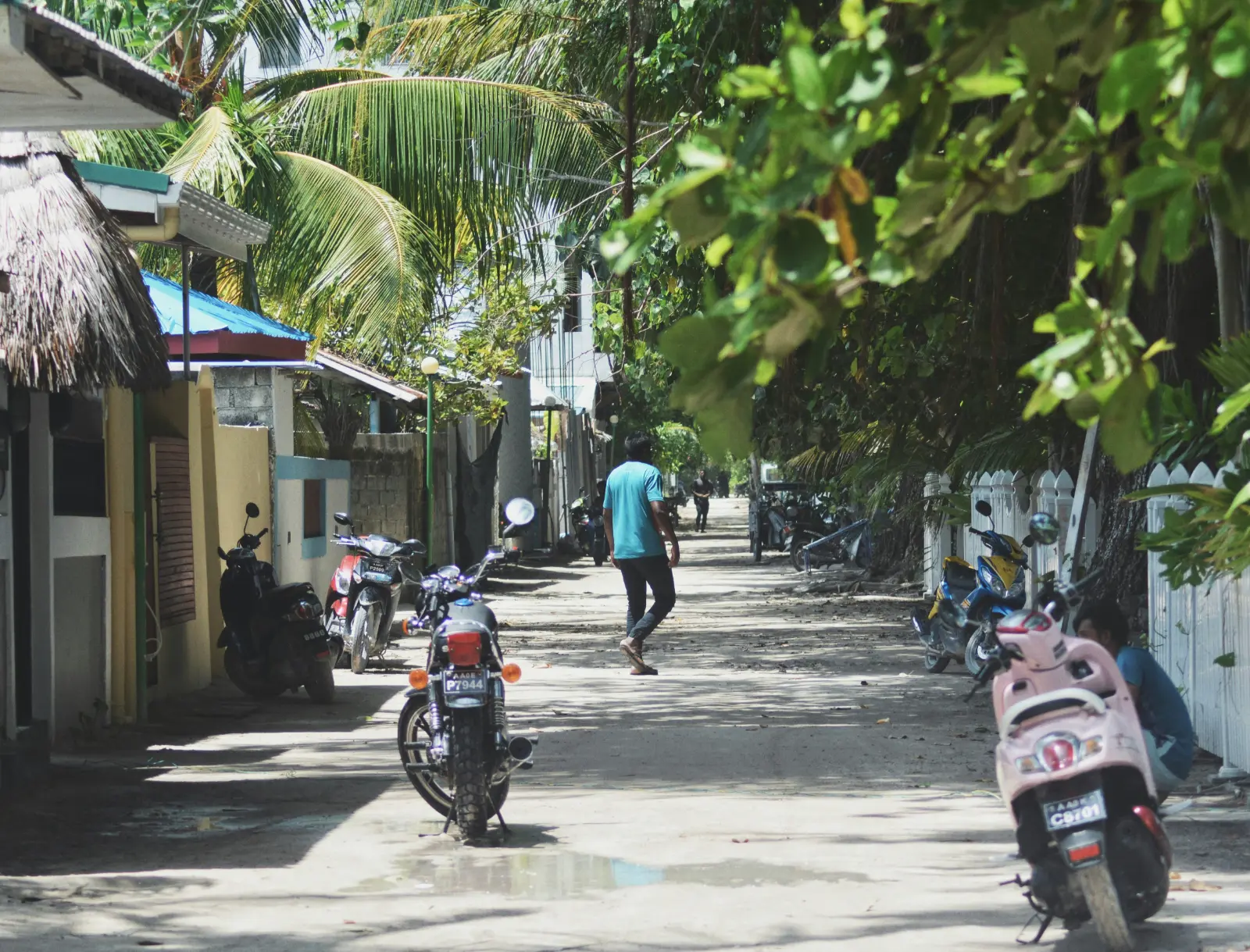
Ukulhas is a small oval island in Alif Alif Atoll, around 1 km long and about 72 km from Malé, known across the country for its waste management. Wikipedia notes it was the first island in the Maldives with systematic waste management, won a Green Leaf Award in 2014, and formally started tourism on 15 November 2012. With 1,284 residents in the 2022 census, it feels tidy and calm, with a long beach and good snorkelling. It suits couples and snorkellers who want something quieter than Maafushi but still well set up for visitors, and it is within reach of North Ari dive sites.
Dhigurah
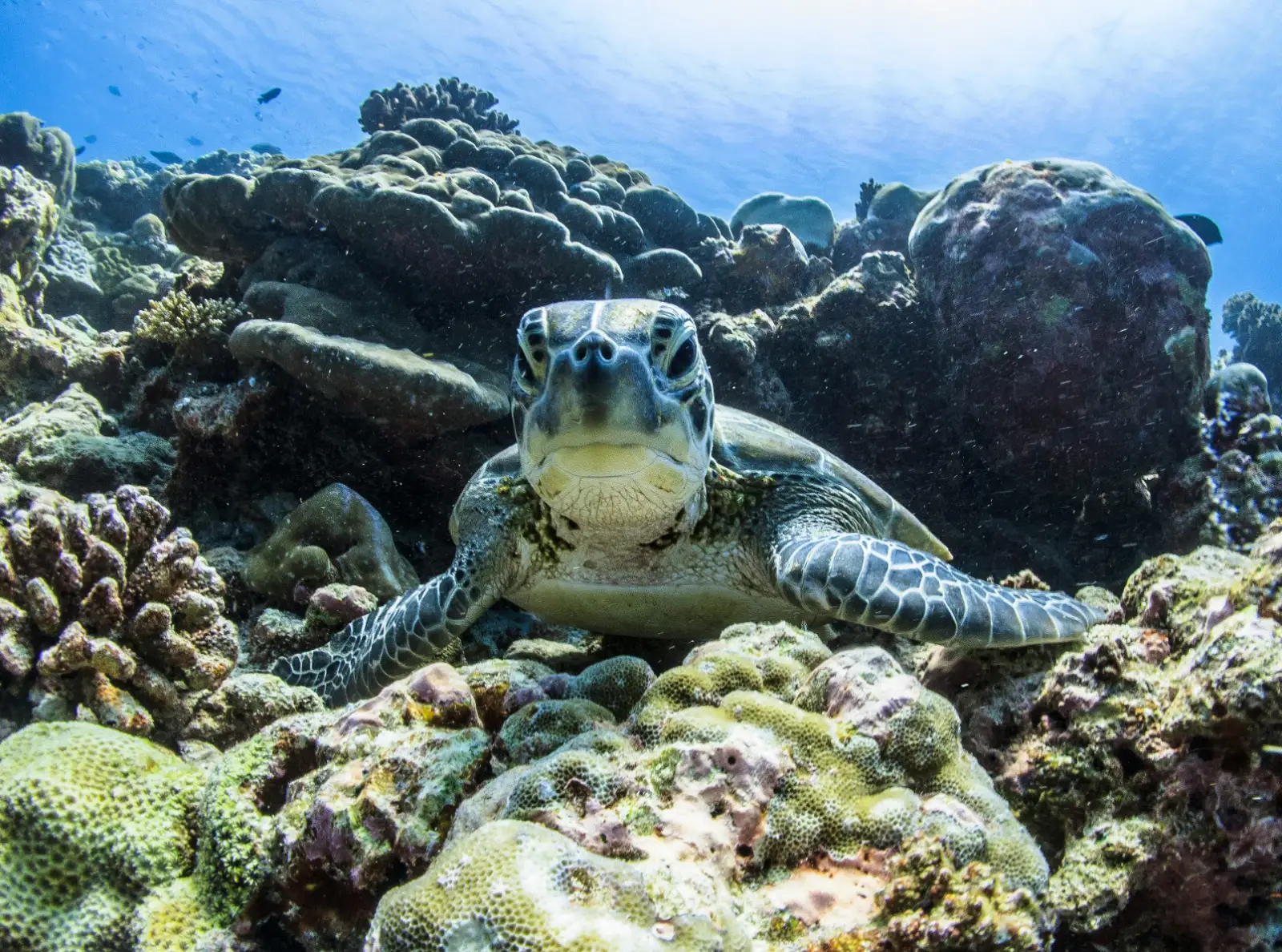
Dhigurah is an island in Alif Dhaal (South Ari) Atoll, about 97 km southwest of Malé, with 761 residents in the 2022 census. Its fame comes from the sea: it sits at the edge of the South Ari Atoll Marine Protected Area, first declared in 2009 and described as a globally significant aggregation area for whale sharks on its Wikipedia page. Whale shark snorkelling trips are the highlight, and the island also has a long sandy stretch at its southern tip. One safety note from the FCDO: there have been fatal accidents involving boat propellers in this protected area, and propeller guard rules are not yet fully enforced, so choose operators that follow the code of conduct and listen to the briefing. Reach Dhigurah by speedboat, or by a domestic flight to Maamigili and a short boat ride.
Fulidhoo
Fulidhoo is one of the smallest guesthouse islands, the northernmost inhabited island of Vaavu Atoll, about 56 km south of Malé, with a land area of about 11 hectares and 400 residents in the 2022 census, per Wikipedia. It is known for traditional Maldivian music and dance such as Langiri and Thaara, and its lagoon forms a natural harbour. Vaavu is a well known diving atoll, and nearby sites such as Alimatha are famous for nurse sharks and stingrays. Fulidhoo suits divers and travellers who want a genuinely small village with very little traffic.
Fuvahmulah
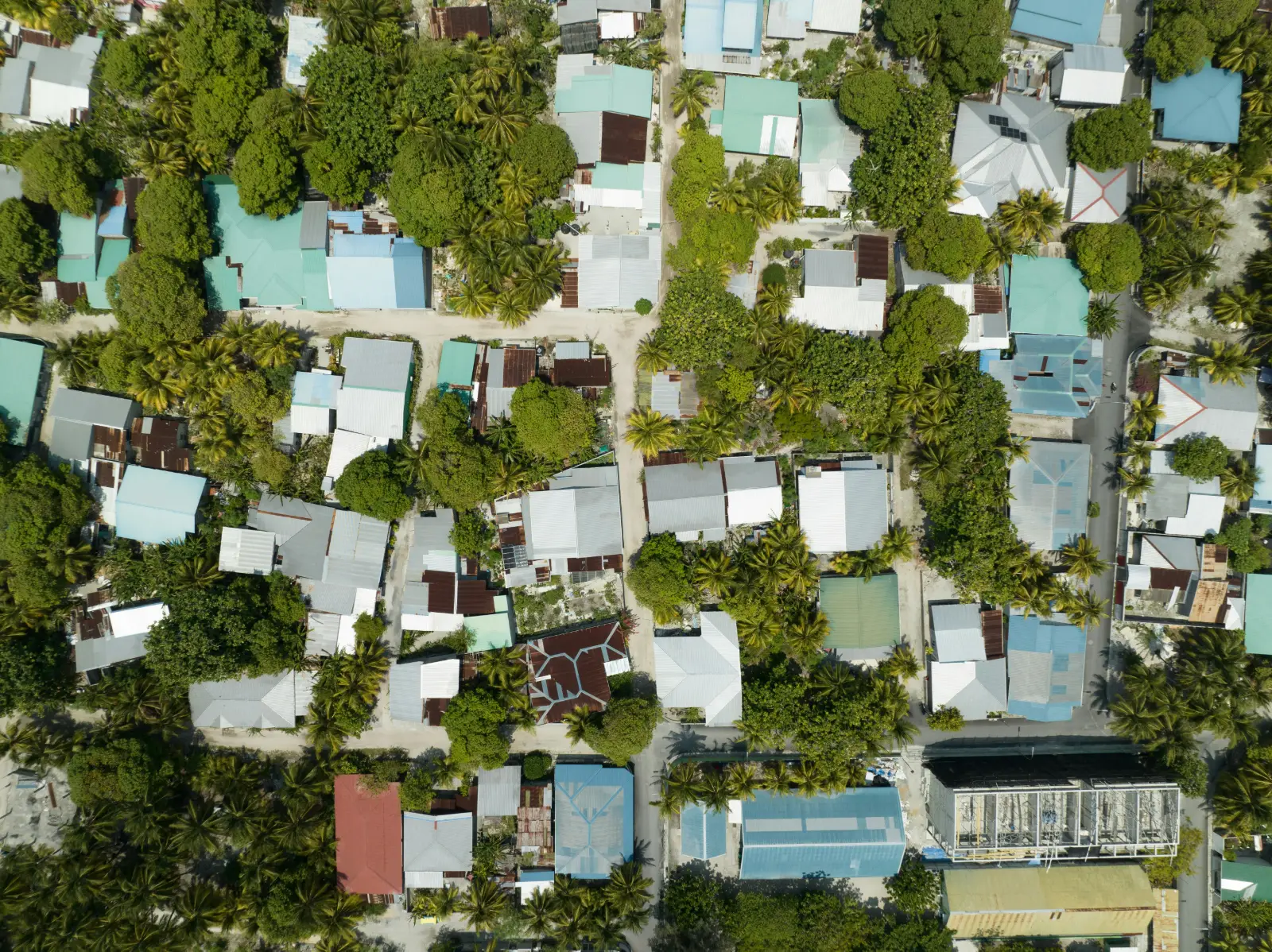
Fuvahmulah is unlike any other island in the country. The official Visit Maldives atoll guide calls it the only one island atoll in the Maldives, notes two freshwater lakes (Bandara Kilhi and Dhadimagi Kilhi), and describes shark encounters on dives, from tiger sharks to threshers. Thoondu beach at the northern end has sand made of small shiny pebbles. It is a large, populated island, described by Visit Maldives as the third largest in the country, with its own domestic airport, so you fly rather than take a boat. Fuvahmulah suits experienced divers and adventurous travellers more than first time beach holidaymakers, because open ocean diving there is demanding and the island is a sizeable community rather than a postcard sandbank.
Excursions you can book from local islands
| Excursion | Where it is strongest | Good for |
|---|---|---|
| Sandbank picnic | Most guesthouse islands | Swimwear time, photos, couples |
| Snorkelling trips | All popular islands | Everyone who can swim |
| Whale shark snorkelling | Dhigurah and other South Ari islands | Nature lovers, families with confident swimmers |
| Nurse shark and stingray dives | Fulidhoo and Vaavu | Divers |
| Tiger shark dives | Fuvahmulah | Experienced divers |
| Dolphin cruise | Most islands, usually at sunset | Families, older travellers |
| Local fishing trip | Most islands | Families, groups |
| Resort day visit | Islands near resorts, especially around Maafushi | Couples, anyone wanting a drink or a pool |
How should Nepali travellers choose between a local island and a resort?
For travellers from Nepal, the decision usually comes down to three things: who is travelling (honeymoon couple, family with parents, friends' group), how the flight connection lands in Malé, and food. Honeymooners and families with grandparents generally do better at a resort or on an island close to the airport, while friends' groups, divers and budget travellers get more from a local island or a split stay.
- Flight timing: with no nonstop flight from Kathmandu, your connection decides your first night. A late arrival rules out seaplane resorts that day.
- Festival season: Dashain and Tihar holidays usually fall in October and November, which is the transition towards the Maldives' drier northeast monsoon months; peak demand for resorts runs through the December to April high season, so book early for school holidays.
- Food: Maldivian food is built on fish, coconut and rice, with roshi flatbread and curries. Vegetarians should tell their guesthouse in advance; a resort with several restaurants offers more choice.
- Religious items: idols of worship are a prohibited import, and public practice of other religions is illegal; keep puja items at home and prayers private.
- Money: the local currency is the rufiyaa (MVR), and US dollars are widely used for tourist services; carry some cash for small cafes and shops on local islands.
- Entry: entry rules depend on your passport; see our Maldives visa page.
If you would like a resort, a local island or a mix of both arranged with transfers that fit your flight, you can compare Maldives holiday packages that combine stays, transfers and meal plans.
Frequently asked questions
What is a local island in the Maldives?
A local island in the Maldives is an inhabited island where Maldivians live, with homes, a mosque, shops and a harbour. Since a 2009 policy change, guesthouses and small hotels can operate there, so visitors stay among the community. National laws on alcohol and dress apply, unlike on private resort islands.
Can you drink alcohol on local islands?
No. Alcohol is not sold on Maldives local islands, and UK government advice warns that possessing or drinking alcohol outside resorts can lead to arrest and deportation. Alcohol is also a prohibited import at the airport. Guesthouse guests who want a drink usually book a day visit to a nearby resort.
Can you wear a bikini on local islands?
Only on the designated bikini beach, on boat trips and on sandbanks. In the village of a Maldives local island, cover your shoulders and avoid short shorts, and cover up when walking to and from the beach. Topless and nude sunbathing are banned everywhere in the country, including resorts.
Is Maafushi a good local island?
Maafushi is a good first local island in the Maldives if you want convenience and choice. It is about 26 km from Malé, has the most guesthouses of any inhabited island, a large bikini beach and many excursions. It can feel busy and built up, so travellers wanting quiet often prefer Thoddoo, Ukulhas or Fulidhoo.
Is a resort better for a honeymoon?
For most couples, yes. A Maldives resort offers privacy, overwater villas, private dinners and alcohol, none of which a local island village can match. Couples on a tighter budget often spend a few nights on a quiet local island first and finish with a short resort stay, which keeps the romance at a lower total cost.
Are local islands safe?
Maldives local islands are generally calm, small communities, and the UK government's crime warning focuses mainly on Malé and Hulhumalé. The practical risks on islands are strong currents, sun and boat safety, so swim only where advised, wear life jackets on small boats and follow the laws on alcohol, drugs and dress.
How do I get to Maafushi?
Most visitors reach Maafushi by shared or private speedboat from Velana International Airport, usually booked by their guesthouse. The cheaper MTCC public ferry from Malé is slower and runs on a fixed timetable, and the public ferry to Maafushi does not run on Fridays, so check current times with your guesthouse before you fly.
Can I visit a resort from a local island?
Yes, many guesthouses on popular Maldives local islands arrange resort day visits that include the boat, use of the beach and pool, a meal and sometimes drinks. Availability depends on the resort and season, and some resorts do not accept day guests, so ask your guesthouse what is possible on your dates.
Are local islands good for families?
Maldives local islands can be very good for families with school age children, who enjoy snorkelling, dolphin trips and seeing village life. Families with toddlers usually find resorts easier, thanks to kids clubs, pools, beach villas and wider food choice. Medical facilities on small islands are basic, so check travel insurance.
What happens on local islands on Fridays and during Ramadan?
Friday is the main prayer day in the Maldives, so local islands are quieter at midday and many public ferry routes do not run. During Ramadan, visitors should not eat, drink or smoke in public in daytime outside resorts. Ramadan 2027 is expected to begin around 7 to 8 February, subject to moon sighting.
Local island ki resort?
It depends on your trip. Choose a Maldives resort for a honeymoon, travel with elderly parents or small children, or if you want alcohol and privacy. Choose a local island for a budget trip, diving, a friends' group or culture. If you cannot decide, split the stay: local island first, resort at the end.