












































No, Sri Lanka is not expensive. It is one of the best value destinations in Asia, where budget travellers can enjoy a full day on about 25 to 40 US dollars, mid range travellers on 50 to 90 dollars, and comfort travellers on 150 dollars or more with private drivers and boutique hotels. Food, local transport and guesthouses are very cheap, while the bigger costs are famous safaris, private car hire and a handful of iconic entry tickets. This guide breaks down what a Sri Lanka trip really costs in 2026, with clear tables and honest planning ranges. For the wider picture, start with our Sri Lanka travel guide.
How much does a trip to Sri Lanka cost per day?
The short answer is that your daily spend depends far more on how you sleep and move than on how you eat. Street and local food is cheap for everyone, so the difference between a backpacker and a comfort traveller comes down to hotels, private transport and paid safaris. The table below gives realistic per person daily ranges for 2026, excluding international flights and your visa.
| Travel style | Where you stay and how you move | Daily budget per person (USD) |
|---|---|---|
| Backpacker | Guesthouses and hostels, local food, trains and buses | 25 to 40 |
| Mid range | Three star hotels, mix of local and restaurant meals, some private transfers and a safari | 50 to 90 |
| Comfort | Boutique hotels and villas, private driver, guided days | 150 to 400 and up |
As a rough benchmark, a couple travelling comfortably for 10 to 14 days, staying in good guesthouses and small hotels and seeing all the main sights, can do the whole trip for around 1,000 US dollars per person plus flights. Two people sharing rooms, tuk tuks and a driver always spend less each than a solo traveller.
What is cheap and what is not in Sri Lanka?
Knowing where your money stretches and where it does not is the fastest way to plan a budget.
- Very cheap: rice and curry, short eats, tea and coffee, local buses, second and third class trains, SIM data, and simple guesthouses.
- Mid range: tuk tuk rides through apps, private drivers for a day, boutique hotels, and beach town seafood.
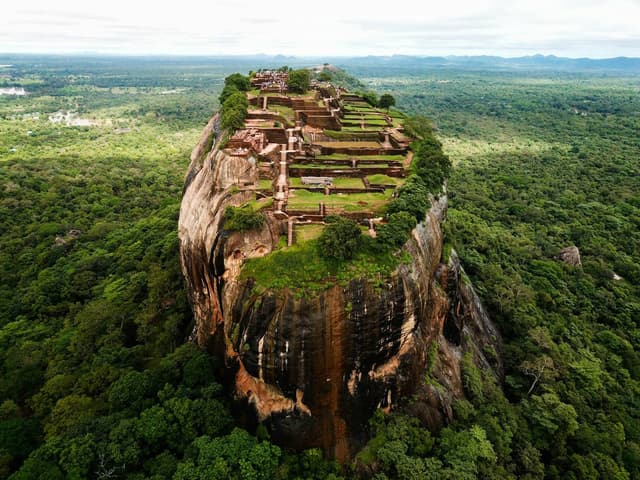
- Pricier: Yala and Udawalawe safaris, whale watching, some heritage tickets like Sigiriya, luxury villas, and imported alcohol.
The single biggest saving lever is transport. Choose trains and shared tuk tuks over daily private cars and your budget drops sharply, while comfort and time are the trade off.
How much does food cost in Sri Lanka?
Food is where Sri Lanka feels almost free by Western standards. A filling rice and curry from a local shop costs little more than a bottle of water back home, and even a sit down meal in a tourist restaurant is modest. The table shows typical prices in 2026.
| Item | Typical price (USD) |
|---|---|
| Rice and curry at a local eatery | 1.50 to 3 |
| Kottu roti | 2 to 4 |
| Plate of hoppers or string hoppers | 1 to 3 |
| Main dish at a tourist restaurant | 5 to 10 |
| Fresh seafood dinner in a beach town | 8 to 15 |
| Cup of Ceylon tea | 0.30 to 1 |
| Large Lion Lager beer | 2 to 3.50 |
| Bottle of water (1 litre) | 0.25 to 0.60 |
Two people can eat very well on 10 to 20 dollars a day if they favour local kitchens and buffets. Alcohol is the outlier because taxes are high, so beer and spirits cost more than the food beside them. For a full food tour of the island, see what to eat in Sri Lanka.
What do transport costs look like?
Getting around is cheap if you use public transport and only a little more if you hire a driver. Sri Lanka is small, so distances are short, but winding roads make journeys slower than the map suggests.
| Transport | Typical cost (USD) | Notes |
|---|---|---|
| Short tuk tuk ride in town | 1 to 3 | Use the PickMe app to get a fair metered price |
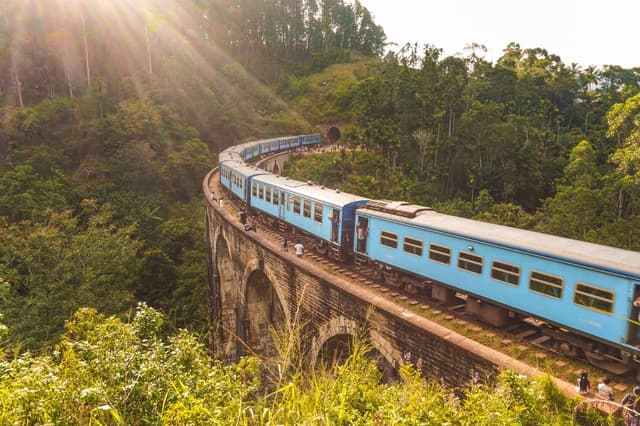
| Kandy to Ella train, reserved second class | 2 to 6 | One of the world's most scenic rail journeys |
| Third class train ticket | 0.50 to 2 | Cheapest way to travel, often standing room |
| Intercity bus between towns | 1 to 4 | Frequent, crowded and very cheap |
| Private driver with car per day | 40 to 70 | Usually includes fuel, the most comfortable option |
| Airport transfer to Colombo | 15 to 30 | Cheaper by prebooked car than airport taxis |
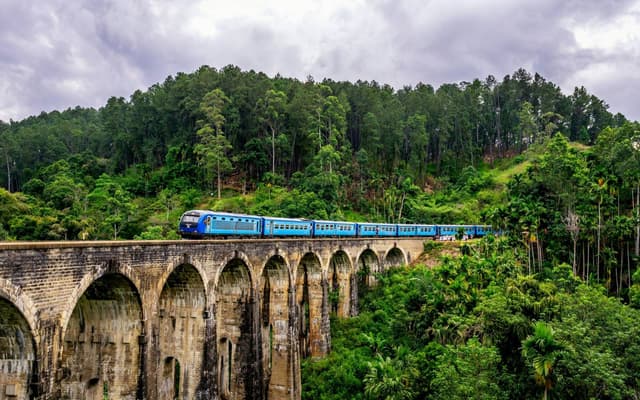
The famous hill country train from Kandy through Nanu Oya to Ella is a highlight in its own right and costs only a few dollars, so it is both the cheapest and the most memorable way to cross the tea country. For a full breakdown of options, read how to get around Sri Lanka.
How much is accommodation in Sri Lanka?
Accommodation spans a wide range, and this is where most of the difference between budgets appears. Family run guesthouses are the sweet spot, offering clean rooms, home cooked breakfasts and local knowledge for very little.
| Accommodation | Price per night (USD) |
|---|---|
| Hostel dorm bed | 6 to 15 |
| Guesthouse double room | 15 to 35 |
| Three star hotel | 35 to 70 |
| Boutique hotel or small resort | 70 to 150 |
| Luxury villa or five star resort | 150 to 500 and up |
Booking guesthouses a day or two ahead usually beats walk in rates, and staying a few nights in one place often unlocks a discount. Beachfront rooms in Mirissa, Unawatuna and the south cost more in the December to March high season.
What do attractions and entrance fees cost?
A few marquee sites carry real ticket prices, and they are worth budgeting for separately because they add up quickly on a culture heavy trip. The table lists the headline foreign visitor prices for 2026.
| Attraction | Foreign visitor price (USD) |
|---|---|
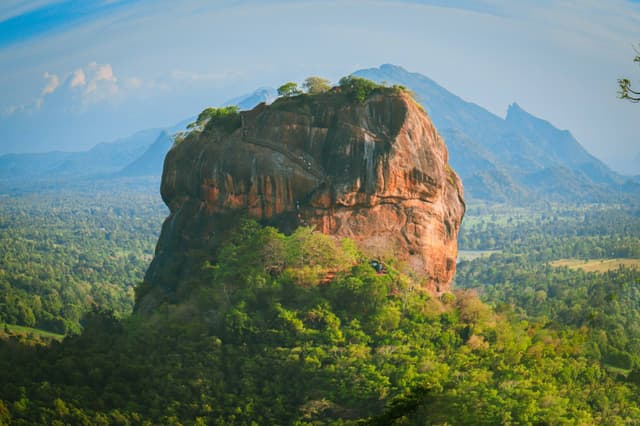
| Sigiriya Lion Rock | About 30 |
| Pidurangala Rock (nearby budget alternative) | About 3 |
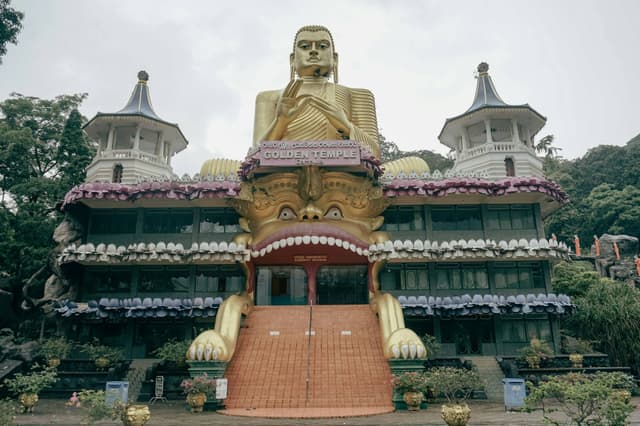
| Dambulla Cave Temple | About 5 |
| Temple of the Sacred Tooth Relic, Kandy | About 7 |
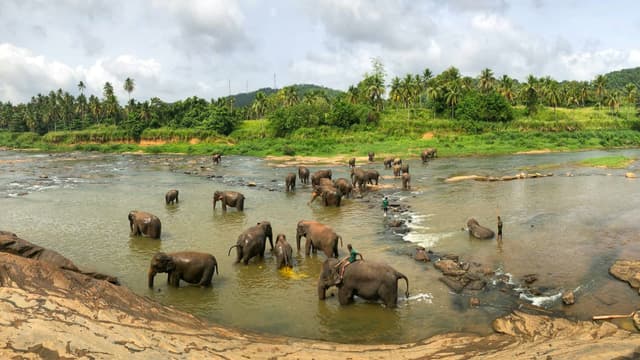
| Yala or Udawalawe safari, shared jeep | 60 to 80 (about 35 to 45 if well shared) |
| Mirissa whale watching boat | 30 to 60 |
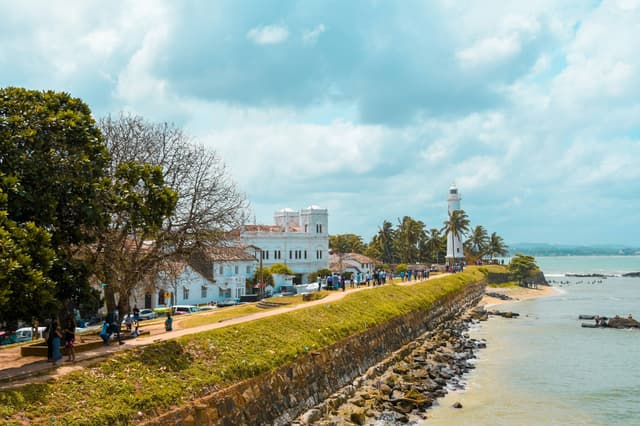
| Galle Fort ramparts | Free to walk |
Travellers from SAARC countries, which include India, Nepal, Pakistan, Bangladesh, Bhutan, the Maldives and Afghanistan, often pay around half the standard foreign price at many state run sites. Carry your passport as proof to claim the discount.
Safaris are the biggest single day cost for most visitors, so sharing a jeep with other travellers is the easiest way to bring the price down without missing the experience. If wildlife is your priority, our Sri Lanka safari guide explains which parks give the best value.
Sample budgets for a 7 to 10 day trip
Numbers are easier to picture as a whole trip. The tables below show rough per person totals for a 9 day trip, excluding international flights and visa, based on the ranges above.
Backpacker, about 9 days
| Category | Estimated total (USD) |
|---|---|
| Guesthouses and hostels | 120 to 200 |
| Food and drink | 90 to 150 |
| Trains, buses and tuk tuks | 40 to 80 |
| One safari and key tickets | 70 to 120 |
| Approximate total | 320 to 550 |
Mid range, about 9 days
| Category | Estimated total (USD) |
|---|---|
| Three star hotels and boutique stays | 350 to 600 |
| Food and drink | 150 to 250 |
| Shared driver and some trains | 200 to 350 |
| Safaris and tickets | 120 to 200 |
| Approximate total | 820 to 1,400 |
These are planning ranges rather than quotes, and prices move with the season and the exchange rate. Travelling as a pair or small group lowers the per person figure because rooms and vehicles are shared.
When is Sri Lanka cheapest to visit?
Prices track the weather. The south and west coasts and the hill country are busiest and priciest from December to March, while the east coast peaks from May to September. The gaps between these seasons, roughly April and October to November, bring lower room rates and thinner crowds, with a higher chance of rain. Travelling in the shoulder months is the simplest way to cut accommodation costs. For timing details, see the best time to visit Sri Lanka.
How to travel Sri Lanka on a budget
- Eat where locals eat. Rice and curry shops and short eats counters are cheaper and often tastier than tourist restaurants.
- Use trains and buses for long hops. The scenic hill country train is both the cheapest and the most beautiful way to travel.
- Book tuk tuks through the PickMe app so the price is metered rather than negotiated.
- Share safaris and long drives with other travellers to split the jeep and driver cost.
- Carry your passport to claim SAARC ticket discounts where they apply.
- Travel in the shoulder months for lower room rates and quieter sites.
- Withdraw Sri Lankan rupees from ATMs as you go and keep cash for small shops, tuk tuks and rural guesthouses.
Is Sri Lanka more expensive than its neighbours?
Compared with the rest of the region, Sri Lanka sits firmly in the value bracket. It is broadly similar to India, cheaper than Thailand once safaris are set aside, and dramatically cheaper than the Maldives, Singapore or Dubai. The table gives a simple relative sense for a mid range traveller.
| Destination | Relative daily cost for mid range travel |
|---|---|
| Sri Lanka | Low, excellent value |
| India | Low, similar to Sri Lanka |
| Thailand | Low to moderate |
| Maldives | High to very high |
| Singapore | High |
If you would rather have the hotels, transport and guided days arranged into one price, a well planned Sri Lanka tour package takes the logistics off your plate while keeping the trip good value. Many travellers pair the budget freedom of trains and guesthouses with one or two organised days for the safaris and long drives.
How much does it cost to get to Sri Lanka and enter?
Your two fixed costs before the trip begins are the flight and the entry permit. Bandaranaike International Airport near Colombo is the main gateway, with direct and one stop routes from across South Asia, the Gulf and Southeast Asia. Fares swing with the season, so booking a few weeks ahead and travelling in the shoulder months usually gives the best price. Most visitors also need an Electronic Travel Authorisation, or ETA, which you should apply for on the official Sri Lankan immigration portal. The fee changes from time to time, so check the current amount on the government site rather than trusting third party pages, and avoid the many lookalike sites that add a markup.
Once you land, a prebooked airport transfer to Colombo or Negombo is cheaper and calmer than negotiating at the rank, and it sets a fair tone for the rest of the trip. Many travellers spend their first night in Negombo, a short hop from the airport, before heading inland.
What does it cost to travel around each region?
Costs shift a little by region because demand and the type of accommodation vary. The Cultural Triangle is heavy on paid tickets, the hill country is cheap to move around by train, and the south coast beaches carry the highest room rates in high season. This table gives a sense of where money goes in each area.
| Region | What drives the cost | Budget note |
|---|---|---|
| Colombo | City hotels, malls, restaurants and ride apps | Rooms cost more than rural areas, food stays cheap |
| Cultural Triangle (Sigiriya, Dambulla, Kandy) | Heritage tickets and site entry | Budget extra for tickets, Pidurangala saves on Sigiriya |
| Hill Country (Kandy, Ella, Nuwara Eliya) | Scenic trains, tea estate visits | Trains are the cheapest and best way to travel here |
| South Coast (Mirissa, Unawatuna, Galle) | Beach hotels, whale watching, seafood | Highest room rates December to March |
| East Coast (Arugam Bay, Trincomalee) | Surf stays, quieter beaches | Best value and best weather May to September |
Because the island is compact, you rarely spend a fortune on long transfers. A classic loop from Colombo through the Cultural Triangle, into the hills and down to the south coast keeps distances short and lets you mix cheap trains with a shared driver for the awkward hops. For route ideas, see our Sri Lanka itinerary.
Money, ATMs, tipping and hidden costs
The currency is the Sri Lankan rupee, and cash is king outside the cities. ATMs are widespread in towns, so withdraw as you go and keep a mix of small and large notes. Cards work in hotels, supermarkets and smarter restaurants, but tuk tuks, local eateries and rural guesthouses expect cash.
- Tipping. Not compulsory, but appreciated. Rounding up for tuk tuk drivers, leaving a little for guesthouse staff and tipping a good driver at the end of a trip are all normal and cheap.
- Tuk tuk overcharging. The most common overspend. Use the PickMe app so the price is metered, or agree the fare before you get in.
- Gem and spice tours. Politely decline unsolicited detours to gem shops or spice gardens, where commissions inflate prices.
- Closed temple stories. If a stranger says a site is closed and offers an alternative, check for yourself. It is usually a steer toward a shop.
- Dual pricing. Foreign visitor tickets are higher than local prices at state sites. This is official and expected, and SAARC travellers can often claim a reduced rate with a passport.
None of these are large sums, but they add up over a trip, and avoiding them keeps your real daily spend close to the ranges in this guide.
A worked example: what one day really costs
Averages are easier to trust when you see a real day. Here is a typical mid range day for one traveller based in Ella, in the hill country, using the prices above.
| During the day | Cost (USD) |
|---|---|
| Guesthouse room with breakfast (per person sharing) | 15 to 25 |
| Reserved train seat from Kandy to Ella | 3 to 6 |
| Tuk tuk rides around town | 3 to 6 |
| Rice and curry lunch | 2 to 4 |
| Nine Arches Bridge and Little Adams Peak walk | Free |
| Seafood or curry dinner with a drink | 6 to 12 |
| Approximate day total | 29 to 53 |
That is a comfortable, well fed day with a scenic train ride and two of Ella's best walks, all for the price of a single restaurant meal in many Western cities. Swap the guesthouse for a boutique hotel and add a driver, and the same day moves into the comfort bracket.
Is Sri Lanka good value for families and longer stays?
Yes, on both counts. Families benefit because children often pay reduced entry at many sites, guesthouses provide family rooms cheaply, and food is easy on every budget. A private driver, while a bigger line item, is often worth it for families because it removes the stress of buses and lets you carry luggage and car seats.
Long stay travellers do even better. Monthly guesthouse and apartment rates in beach towns and the hills fall well below the nightly price, cooking some meals is simple with local markets, and a local SIM keeps data costs tiny. Digital nomads and slow travellers regularly report some of the lowest monthly living costs in Asia. If you are travelling with children, our guide to Sri Lanka with family covers what to expect.
What can you do for free or almost free in Sri Lanka?
A surprising share of the best experiences cost nothing, which is a big reason the island feels such good value. Loading your days with these keeps the daily average low even when you splurge on a safari.
- Walk the Galle Fort ramparts at sunset, one of the country's finest strolls, for free.
- Hike Little Adams Peak and see Nine Arches Bridge near Ella without a ticket.
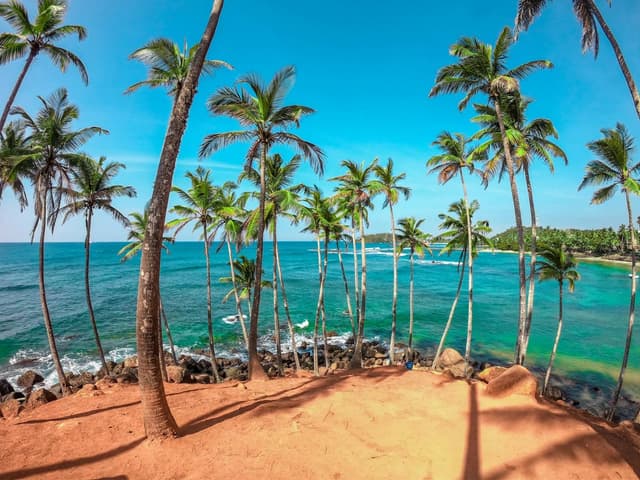
- Relax on the south and east coast beaches, from Mirissa to Arugam Bay, which are free to enjoy.
- Wander tea estates and markets in the hill country and soak up Colombo's Pettah bazaar.
- Watch the stilt fishermen and the sunset along the southern coast road.
- Visit many temples and shrines where entry is free or a small donation.
Pair a few free days with one paid highlight, such as a safari or Sigiriya, and your week stays firmly in the value bracket while still feeling full.
How does the exchange rate affect your budget?
Sri Lanka went through a sharp economic crisis in 2022, and prices and the rupee moved a lot in the years that followed. Since then the currency has settled and tourism has rebounded strongly, so day to day travel is once again reliable value. Because the rupee can still move, this guide quotes costs in US dollars, which stay steadier for planning. When you arrive, check the live rate, withdraw rupees from ATMs rather than changing large amounts of cash at the airport, and treat the dollar figures here as planning ranges that flex a little with the market.
How to build your own Sri Lanka budget in five steps
- Pick your style. Decide whether you are travelling backpacker, mid range or comfort, since that sets your nightly room and transport cost more than anything else.
- Count the nights. Multiply your nightly accommodation range by the number of nights for the biggest single line in the budget.
- Add daily food and local transport. Allow 10 to 20 dollars a day for food and a few dollars for tuk tuks and trains per person.
- List the paid highlights. Add safaris, Sigiriya, whale watching and any long private drives as one off costs rather than daily ones.
- Add a buffer and the fixed costs. Include your flight, the ETA and a ten to fifteen percent cushion for tips, souvenirs and the odd splurge.
Run those five steps and you will have a realistic total that matches the sample budgets above, with the flexibility to trade a boutique night for two guesthouse nights whenever you like.
Backpacker versus comfort: what does the extra money buy?
It helps to see exactly what you gain as the budget rises, because in Sri Lanka the jump from cheap to comfortable is smaller than in most countries. The table shows what changes at each level for the same route.
| What you get | Backpacker | Comfort |
|---|---|---|
| Where you sleep | Hostels and simple guesthouses | Boutique hotels and small resorts |
| How you move | Trains, buses and shared tuk tuks | Private driver with car for the whole trip |
| Safaris and tours | Shared jeeps and group boats | Private jeeps and guides |
| Meals | Local kitchens and buffets | Hotel dining and beachfront seafood |
| Pace | Slower, more flexible, more local contact | Faster, smoother, more privacy |
The honest takeaway is that even the comfort tier in Sri Lanka costs a fraction of what the same trip would in Europe, the Maldives or Singapore. Most travellers land somewhere in the middle, mixing cheap trains and guesthouses with a private driver for the tricky days and one or two special stays. That blend gives you the freedom of budget travel and the ease of a planned trip without pushing the daily average high.
Frequently asked questions
Is Sri Lanka cheaper than Thailand?
For most everyday costs, yes. Food, local transport and guesthouses in Sri Lanka are a touch cheaper than in Thailand, though both are strong value. Thailand can work out cheaper for flights and nightlife, while Sri Lanka wins on rice and curry, trains and heritage sites. The overall gap is small.
How much money do I need per day in Sri Lanka?
Backpackers eating local food and using trains spend about 25 to 40 US dollars a day. Mid range travellers with hotels, some private transfers and a safari spend around 50 to 90 dollars. Comfort travel with a private driver and boutique hotels runs from 150 dollars upward.
What is the most expensive part of a Sri Lanka trip?
Usually the safaris and any private car hire, followed by boutique hotels and a few heritage tickets like Sigiriya. Everyday food, buses and trains are extremely cheap by comparison, so most of your budget goes on where you sleep and how you move.
How much does a safari in Sri Lanka cost?
A shared jeep safari in Yala or Udawalawe typically costs 60 to 80 US dollars per person including park fees, and can drop to about 35 to 45 dollars each if the jeep is well shared. It is the single biggest day cost for most visitors, so sharing the vehicle is the easiest saving.
Should I carry cash or use cards in Sri Lanka?
Carry cash for day to day spending, since tuk tuks, local eateries, markets and small guesthouses are cash only. Cards work in hotels, malls and nicer restaurants in cities. Withdraw Sri Lankan rupees from ATMs as you travel and keep smaller notes for tips and short rides.
Do Sri Lanka attractions offer discounts for South Asian travellers?
Yes. Travellers from SAARC countries, which include India, Nepal, Pakistan, Bangladesh, Bhutan, the Maldives and Afghanistan, often pay around half the standard foreign price at many state run sites. Bring your passport as proof to claim the reduced rate.
Can you travel Sri Lanka on 50 US dollars a day?
Yes, comfortably. Fifty dollars a day covers a good guesthouse, three local meals, trains and tuk tuks, and entry to most sites, with room to share the odd safari. Solo travellers doing daily private cars and boutique hotels will spend more, while couples sharing rooms and rides can dip below fifty each.
Is Sri Lanka expensive for solo travellers?
Solo travel costs a little more per person because you cannot split rooms, jeeps and drivers. Even so, dorms, trains and shared safaris keep it affordable, and joining group day tours for wildlife spreads the biggest costs. Solo backpackers still travel well on 30 to 45 US dollars a day.
More Sri Lanka travel guides
- Sri Lanka Travel Guide: Visa, Money, Transport and Tips
- Best Time to Visit Sri Lanka: Season by Season
- Sri Lanka Itinerary: How Many Days and Sample Routes
- How to Get Around Sri Lanka: Trains, Buses and Drivers