




Short answer: yes, Sri Lanka is safe for most travellers in 2026, and violent crime against visitors is rare. The real risks are more ordinary but still worth planning for: a record dengue outbreak this year, dangerous roads, petty theft and scams around tourist hubs, strong seasonal surf, and knock-on effects from the 2026 Middle East energy shock, which brought back weekly fuel rationing for local vehicles in March 2026.
Sri Lanka welcomed a record 2.36 million international visitors in 2025, and the large majority of trips pass without any serious incident. Western governments rate the island as a place to travel with extra care rather than a place to avoid: the United States keeps it at Level 2 ("Exercise increased caution"), while Canada and Australia advise a "high degree of caution". This guide explains what those warnings actually mean on the ground, region by region and risk by risk, with the figures you need to make your own call. Everything here was checked against official advisories and local reporting in late September 2026. Conditions change quickly, so recheck the volatile items (fuel, dengue, rail lines, weather) just before you fly.
What are the key safety facts for Sri Lanka in 2026?
| Fact | Current position (September 2026) |
|---|---|
| US State Department level | Level 2, Exercise increased caution (issued 14 October 2025) |
| Canada and Australia | Exercise a high degree of caution |
| New Zealand | Exercise increased caution (updated 3 July 2026, citing dengue and supply disruption) |
| Tourist arrivals 2025 | About 2.36 million, a record (up 15.1% on 2024) |
| Dengue cases in 2026 | More than 100,000 by 27 September, with 77 deaths reported |
| Road deaths in 2025 | 2,710 people killed in 2,562 fatal crashes (Sri Lanka Police) |
| Fuel | Weekly QR code quota for vehicles since March 2026; dedicated supply arranged for tourism transport |
| Police emergency | 119 (118 also works) |
| Free ambulance (Suwa Seriya) | 1990 |
| Tourism hotline | 1912 (24 hours) |
| Currency | Sri Lankan rupee (LKR); about LKR 330 to 1 US dollar on 30 September 2026 |
Is Sri Lanka safe to visit right now?
For a typical beach, culture and wildlife trip, yes. The country is politically calmer than it has been for years. President Anura Kumara Dissanayake won the September 2024 election and his National People's Power alliance took a large majority in parliament two months later, so the mass street protests of 2022 (the "Aragalaya") are now history rather than a live concern. Demonstrations still happen, mostly in Colombo, and governments advise walking away from any crowd that forms.
What has changed in 2026 is the economic backdrop. The conflict in the Middle East pushed up oil prices and disrupted flights through Gulf hubs, which roughly one third of Sri Lanka's international visitors use to get there. The government reintroduced a weekly fuel quota for vehicles, managed through a national QR code system, in mid March 2026. Tourism authorities said at the time that dedicated fuel arrangements had been made for tour operators and hotels, and visitors travelling with a licensed driver or tour company have generally not been affected. Independent travellers renting scooters or tuk-tuks should ask the rental company how they will handle refuelling before signing anything.
Tourist arrivals fell year on year in March (down 19.8%) and April (down 22.3%) as flights were disrupted, then stabilised over the summer. The Sri Lanka Tourism Development Authority trimmed its 2026 forecast to between 2.38 and 2.6 million arrivals, down from an original target of 3 million.
What is happening in Sri Lanka in 2026 that travellers should know about?
| Issue | What happened | What it means for you |
|---|---|---|
| Dengue outbreak | More than 100,000 cases by late September 2026, peaking in July at around 30,000 cases in one month; WHO says it is on track to be the largest since the 2017 record epidemic | Use repellent day and night, choose rooms with screens or air conditioning, and see a doctor quickly for any fever |
| Fuel quota | Weekly QR code fuel allocation for vehicles reintroduced in March 2026 | Hired cars and tour transport have priority arrangements; self drive renters may face queues |
| Cyclone Ditwah recovery | Made landfall on 28 November 2025; more than 600 people were reported dead, with the hill country districts hit hardest by landslides | Most roads are open, but some rail sections and minor hill roads are still being repaired |
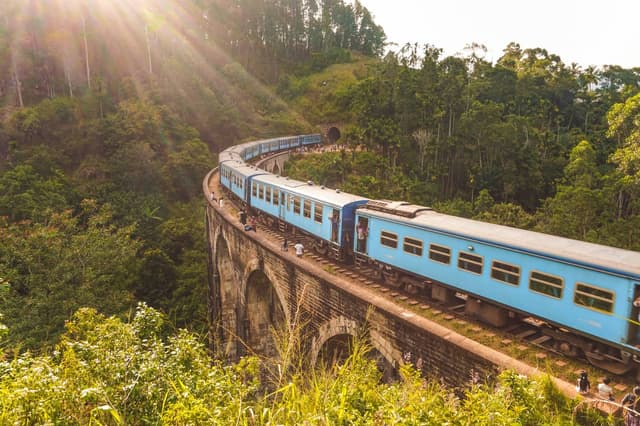
| Upcountry railway | Services on parts of the Kandy to Badulla line, including the scenic Nanu Oya to Ella stretch, resumed in mid 2026; local reports in September said the Colombo to Kandy section was still under repair, with reopening expected around October | Check the Sri Lanka Railways site before planning a train journey; road transfers are the fallback |
| Flight disruption | Airspace closures in the Middle East affected routings via Gulf hubs earlier in 2026 | Consider routes via India, Singapore, Kuala Lumpur or Bangkok, and buy insurance that covers disruption |
What do government travel advisories say about Sri Lanka?
Advisories are written cautiously on purpose, so it helps to read them side by side. None of the major governments currently tells its citizens to avoid Sri Lanka, and none marks the main tourist circuit (Colombo, the Cultural Triangle, the hill country and the south and east coasts) as a no go area. The warnings focus on terrorism that cannot be ruled out, demonstrations, crime, roads and health.
| Government | Overall level | Main reasons given |
|---|---|---|
| United States | Level 2 of 4, Exercise increased caution | Civil unrest, terrorism, landmines in the north and east |
| United Kingdom (FCDO) | No level system; standard advice, page updated 21 September 2026 | Terrorism cannot be ruled out, bag snatching, card fraud, drink spiking, harassment of women, road safety, rip currents |
| Canada | Exercise a high degree of caution | Demonstrations, terrorism threat, crime |
| Australia (Smartraveller) | Exercise a high degree of caution | Demonstrations, terrorism, cyclone damage, landmines, limited medical care outside cities |
| New Zealand (SafeTravel) | Exercise increased caution | Record dengue, fuel and medicine supply disruption, power outages |
You can read the full texts on the UK Foreign Office Sri Lanka page and the US State Department advisory. Level 2 in the US system is also applied to many popular European destinations, so it is not a signal to cancel.
Is terrorism a risk in Sri Lanka?
The risk is low but not zero. The Easter Sunday bombings of 21 April 2019 killed more than 250 people at churches and luxury hotels in Colombo, Negombo and Batticaloa, and every Western advisory still mentions them. There has been no attack on that scale since. Security remains visible at hotels, churches and the airport, with bag checks and occasional road checkpoints. Governments advise extra alertness at religious festivals, large gatherings and places popular with foreigners, and that is the right level of concern for a visitor.
How dangerous is crime in Sri Lanka for tourists?
Crime against tourists in Sri Lanka is mostly opportunistic. The US advisory describes most crimes against its citizens as "petty and opportunistic, like pickpocketing, hotel room thefts, and fraud". The UK notes bag snatching by thieves on motorbikes, bank card fraud, and occasional drink spiking in bars. Violent crime involving foreigners does occur, as Canada points out, but it is uncommon, and much of it involves late night disputes, alcohol or isolated places.
| Concern | Risk level | Where it happens most | Simple precaution |
|---|---|---|---|
| Violent crime | Low | Isolated beaches and lanes after dark | Stay in lit, busy areas at night; take a tuk-tuk home |
| Bag snatching | Moderate | Colombo, Galle Road, beach towns | Carry bags on the side away from traffic |
| Pickpocketing | Moderate | Buses, trains, Pettah market, festivals | Front pocket or zipped bag; split cash |
| Card fraud and skimming | Moderate | Standalone ATMs, small shops | Use ATMs inside banks or hotels; check statements |
| Drink spiking | Low to moderate | Beach bars in the south and west | Watch your drink; do not accept drinks from strangers |
| Hotel room theft | Low to moderate | Budget guesthouses | Use the safe; lock windows and balcony doors |
What scams should you watch for in Sri Lanka?
Scams are the problem most visitors actually meet. They are rarely dangerous, just costly and annoying. Most follow a small set of patterns:
| Scam | How it works | How to avoid it |
|---|---|---|
| Tuk-tuk overcharging | Driver quotes a tourist price or "forgets" to start the meter | Use a metered tuk-tuk or book through PickMe or Uber, which both operate in Sri Lanka |
| "The temple is closed today" | A friendly stranger says your sight is shut and offers a tour elsewhere, usually ending at a shop | Walk to the entrance and check for yourself |
| Gem investment | You are told gems can be resold abroad for a big profit | Never buy stones as an investment; buy only jewellery you like, from certified dealers, with a receipt |
| Spice garden and "turtle hatchery" detours | Driver stops at places that pay commission; prices are inflated | Agree the stops in advance and say no politely but firmly |
| Fake guides at sites | Unlicensed "guides" attach themselves and demand a fee afterwards | Agree a price first or hire guides from the official ticket office |
| Currency tricks | Change is short or given in old notes; unofficial money changers offer "better" rates | Count change carefully; use banks or licensed exchange counters |
Most of these rely on politeness. A clear "no, thank you" and walking on is usually enough, and Sri Lankans are generally too courteous to push hard once refused.
Is Sri Lanka safe for solo female travellers?
Many women travel Sri Lanka solo and have a good trip, but most will experience some unwanted attention. The UK and Canadian advisories both warn that women are often targets of harassment, especially in crowded places such as buses, trains, markets, bus stations and busy tourist sites. It usually takes the form of staring, comments or groping in crushes, rather than direct threats. Serious assaults against foreign women are rare but have been reported, including after drinks were spiked.
How can women reduce the risk?
- Dress for the setting: swimwear is fine on resort beaches, but cover shoulders and knees in towns, on public transport and at all temples. It noticeably reduces attention.
- Choose transport carefully: private drivers and app-booked rides are the lowest risk. On trains, reserved first or second class seats are calmer than packed third class carriages.
- Sit near other women or families on buses, and move if someone presses against you. Speaking up loudly usually brings help from other passengers.
- Avoid empty beaches and dark lanes at night, as Australia specifically advises, and arrange late transfers in advance.
- Be careful with alcohol in party areas such as Unawatuna, Mirissa, Hikkaduwa and Arugam Bay during the surf season.
- Stay somewhere with good reviews from women, and consider female-run guesthouses, which are increasingly common in the south and hill country.
Local etiquette also matters. Our guide to dos and don'ts in Sri Lanka covers dress, temple behaviour and everyday customs in more detail.
Is Sri Lanka safe for LGBTQ+ travellers?
Same-sex sexual activity remains illegal under Sri Lanka's Penal Code, although the UK Foreign Office notes there have been no known prosecutions of visitors. Attitudes are conservative outside a small scene in Colombo. Same-sex couples generally travel without problems if they avoid public displays of affection, and most hotels will not question a shared room.
How safe are Sri Lanka's roads and transport?
Roads are the biggest statistical danger to visitors. Sri Lanka Police recorded 2,710 road deaths in 2025, up from 2024, in a country of around 22 million people. Private buses race each other for passengers, overtaking on blind bends is common, and pedestrians, dogs, cattle and occasionally elephants share the road. Every Western advisory flags road safety, and the US and Canada go as far as calling public bus travel unsafe.
| Transport | Safety rating | Main risks | Best practice |
|---|---|---|---|
| Private car with driver | Good | Fatigue on long days, night driving | Use licensed operators; keep drives under about 6 hours a day; avoid driving after dark |
| Trains | Good | Crowding, theft, falls from open doors | Do not hang out of doorways for photos; keep bags close |
| Intercity air-conditioned buses | Fair | Speeding on expressways | Sit away from the front; wear a seatbelt if fitted |
| Local private buses | Poor | Reckless driving, overcrowding, groping | Use for short hops only; avoid at night |
| Tuk-tuks | Fair | No seatbelts, overcharging | Use metered or app-booked tuk-tuks |
| Self drive scooter | Poor for beginners | Traffic, dogs, potholes, licence and insurance issues | Only if experienced; wear a helmet and carry a valid permit |
Hiring a car and driver is the most common choice for first-time visitors, both for safety and because it removes most scam opportunities. Our guide on how to get around Sri Lanka by train, bus and car compares routes, journey times and booking tips.
Can tourists drive in Sri Lanka?
You can, but most people should not. Foreign licences must be endorsed locally (usually arranged at the Department of Motor Traffic or through the rental company, sometimes on arrival at the airport), and driving is on the left. The main dangers are bus overtaking and animals, not the navigation. If you do drive, avoid night journeys, when crashes are more frequent and unlit tuk-tuks, bicycles and pedestrians are hard to see. Check that your travel insurance covers you as a driver in Sri Lanka.
Are Sri Lankan trains safe?
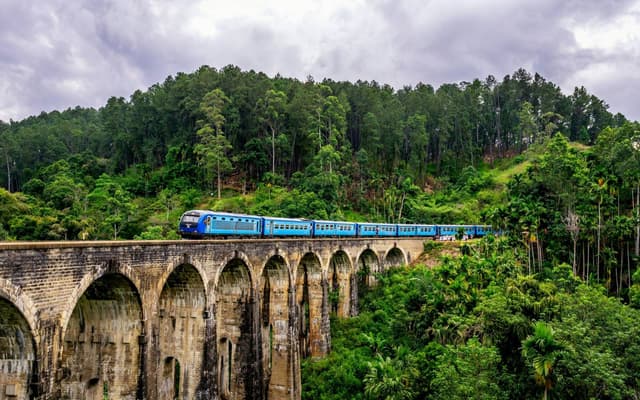
Trains are slow but generally safe, and the famous hill country journeys are a highlight of many trips. The main danger is self-inflicted: tourists leaning or hanging out of open doors for photos have been seriously injured or killed in falls and by trackside obstacles. Hold on and stay inside the carriage. Keep an eye on bags in crowded third class, and book reserved seats where possible. Because Cyclone Ditwah damaged the upcountry line in late 2025, check which sections are open on the Sri Lanka Railways website before you plan around a particular train.
What are the health risks in Sri Lanka?
Health is the other big planning item in 2026. Sri Lanka's public health system is well regarded for the region, and Colombo has good private hospitals, but care outside the cities is limited, and Australia's advisory describes facilities even in Colombo as below Australian standards. Serious cases may need evacuation to another country, so insurance with medical evacuation cover is essential.
| Health risk | Level in 2026 | Prevention |
|---|---|---|
| Dengue | High; record outbreak, all 25 districts affected, highest in Colombo and Gampaha | Repellent with DEET or picaridin, long sleeves at dawn and dusk, screened or air-conditioned rooms |
| Chikungunya | Present; spread by the same mosquitoes | Same as dengue |
| Malaria | Very low; WHO certified Sri Lanka malaria free in 2016 | No tablets normally needed, but mosquito precautions still apply |
| Rabies | Present in dogs, cats, monkeys and bats | Do not touch animals; seek treatment the same day after any bite or scratch |
| Traveller's diarrhoea | Moderate | Bottled or filtered water; freshly cooked hot food |
| Hepatitis A and typhoid | Moderate, higher in rural areas | Vaccination is commonly recommended; check with a travel clinic |
| Heat and sun | High year round | Carry water, start sightseeing early, use high factor sunscreen |
How serious is the 2026 dengue outbreak?
It is serious enough to shape how you pack, but not a reason on its own to cancel. By 27 September 2026 more than 100,000 cases and 77 deaths had been reported, with Gampaha and Colombo districts accounting for roughly 40% of cases. In August the World Health Organization in Sri Lanka said the outbreak was on track to be the largest since the 2017 epidemic. Monthly case numbers have fallen since the July peak, but they tend to rise again with the rains, including the October and November inter-monsoon period.
The dengue mosquito bites mainly during the day, so repellent matters at breakfast and on temple visits, not only at night. Symptoms usually start 4 to 10 days after a bite: high fever, severe headache, pain behind the eyes, joint and muscle aches, and sometimes a rash. Avoid ibuprofen and aspirin if you suspect dengue (paracetamol is the usual advice) and see a doctor promptly, because blood tests help catch the rare severe form early. A small number of countries now offer dengue vaccines, but they are generally recommended only for people who have had dengue before, so ask a travel health clinic before you go.
Is the tap water safe to drink?
Not for most visitors. Drink sealed bottled water or filtered water from your hotel, and consider a refillable filter bottle to cut plastic waste. Ice in established restaurants and hotels is usually made from treated water. Food safety is generally good where turnover is high: rice and curry from a busy lunch spot is often safer than a buffet that has sat out for hours.
Do you need vaccinations for Sri Lanka?
No vaccinations are required for most travellers. A yellow fever certificate is only needed if you arrive from, or have recently transited through, a country with a risk of yellow fever transmission. Travel clinics commonly suggest being up to date with routine jabs and considering hepatitis A and typhoid, with rabies, hepatitis B and Japanese encephalitis for longer or rural trips. Get advice six to eight weeks before departure.
Is it safe to swim at Sri Lanka's beaches?
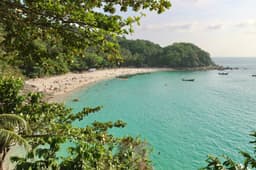
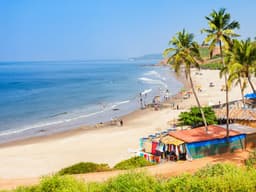
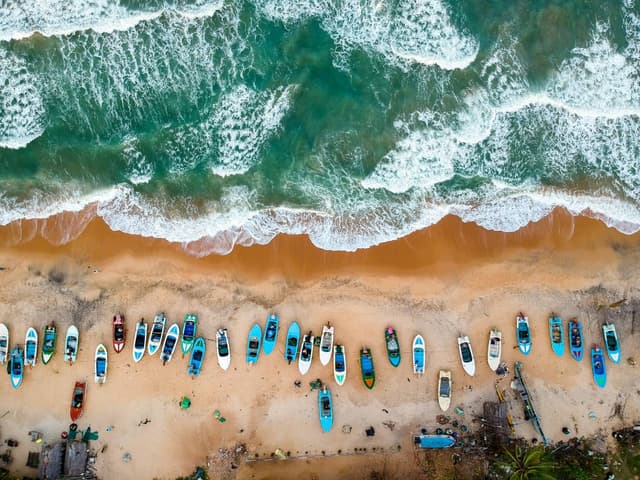
Swimming is safe on the right beach in the right season, and dangerous otherwise. Sri Lanka has two monsoons that affect opposite coasts, so the sea can be flat on one side of the island and rough on the other. Rip currents cause drownings every year, and most of those who drown are strong swimmers who underestimated the sea.
| Coast | Calmer sea (usual) | Rough sea (usual) | Examples |
|---|---|---|---|
| West coast | December to March | May to September (southwest monsoon) | Negombo, Bentota, Hikkaduwa |
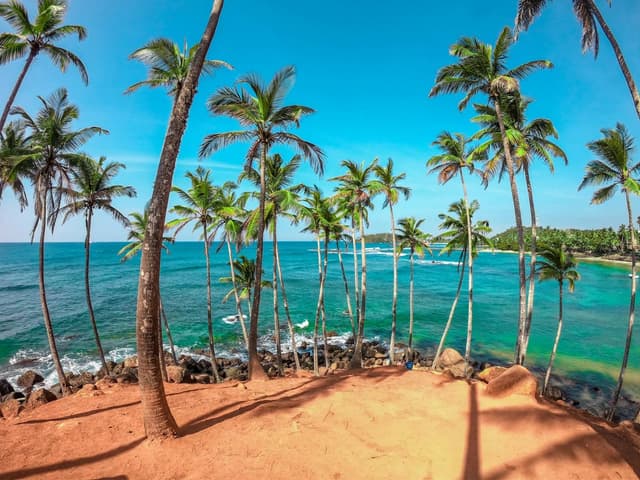
| South coast | December to April | May to September | Unawatuna, Mirissa, Tangalle |
| East coast | May to September | November to February (northeast monsoon) | Pasikudah, Nilaveli, Arugam Bay |
| North | April to September | October to January | Jaffna peninsula, Casuarina Beach |
October and November bring inter-monsoon thunderstorms across much of the island, and heavy rain can trigger floods and landslides in the hill districts. Our month by month guide to the best time to visit Sri Lanka explains which regions are best in each season.
Beach safety checklist
- Swim where locals swim and ask your hotel about currents that day.
- Look for red flags or warning signs, and remember that many beaches have no lifeguards.
- Protected bays such as Unawatuna, Jungle Beach, Hiriketiya and Pasikudah are usually gentler in season, but still check conditions.
- If caught in a rip, do not fight it: swim parallel to the shore until you are free, then come back in.
- Never swim after drinking, and avoid swimming alone at dawn or dusk.
- Choose surf schools and snorkel or whale-watching boats that provide life jackets.
Is Sri Lanka at risk of tsunamis or cyclones?
The 2004 Indian Ocean tsunami killed more than 30,000 people in Sri Lanka, and although big tsunamis are rare, the island remains exposed. Australia's advisory notes that evacuation signage is limited and that many warning towers are not working, so note the higher ground near your beach hotel and move inland immediately after any strong earthquake or official warning. Cyclones are less frequent than in the Bay of Bengal further north, but Cyclone Ditwah in November 2025 showed how much damage they can do through flooding and landslides. If you travel between October and January, follow the Department of Meteorology forecasts and your hotel's advice.
Are wildlife and landmines a danger in Sri Lanka?
Elephants, crocodiles and snakes
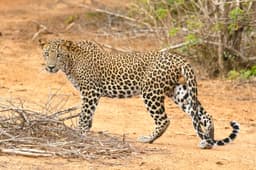
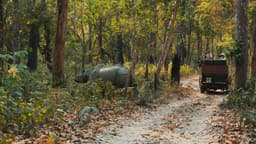
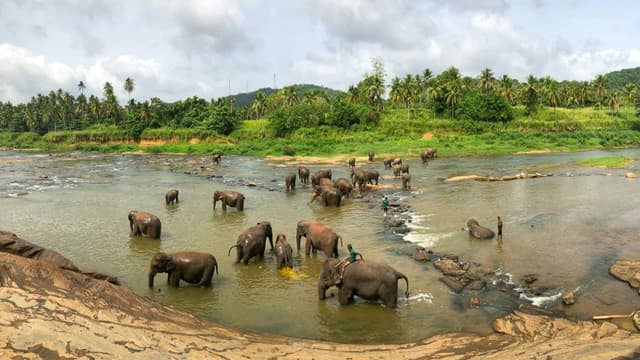
Wild elephants are one of Sri Lanka's great sights, and a genuine hazard. Official figures cited by the environment ministry show 1,195 people were killed in human-elephant conflict between 2015 and 2024, overwhelmingly villagers living near forests rather than tourists. The risks for visitors are on roads through elephant areas at night (such as around Habarana, Minneriya, Udawalawe and the road to Yala) and on foot near forest edges.
- Never get out of a vehicle near elephants, and never feed them. Roadside elephants that have learned to expect food can become aggressive.
- Choose safari jeep drivers who keep a respectful distance and do not chase animals.
- Crocodiles live in many rivers, lagoons and reservoirs (tanks). Do not swim in fresh water unless locals confirm it is safe.
- Venomous snakes are present, mainly in rural areas. Wear closed shoes on night walks and use a torch.
- Monkeys at temples snatch food and bags. Keep food out of sight and do not tease them.
Are there still landmines in Sri Lanka?
Yes, but only in limited areas of the Northern and Eastern Provinces, well away from the main tourist circuit. Since the civil war ended in 2009, about 231 square kilometres have been cleared and more than 2.8 million explosive items removed. Around 20.5 square kilometres were still contaminated as of September 2026, most of it in Mullaitivu district, and the current target to finish clearance is 2032. Stay on roads and well-used paths in the north and east, respect red warning signs, and never pick up metal objects.
What laws and customs could get tourists into trouble?
Most trouble for visitors comes from not knowing the rules around religion and drugs. Sri Lanka is majority Buddhist, and disrespecting Buddhist images is treated seriously.
| Rule | What to know | Possible consequence |
|---|---|---|
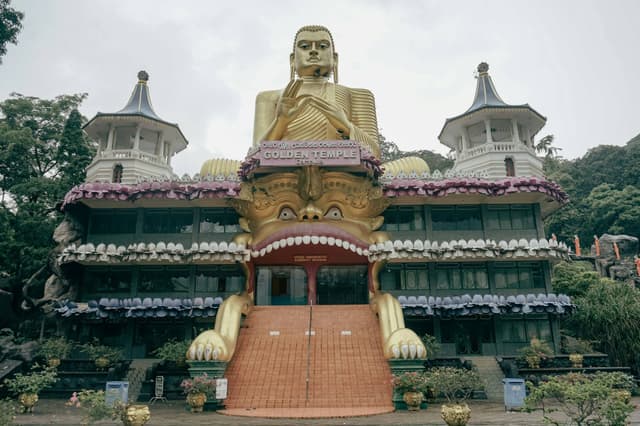
| Buddha images | Do not pose with your back to a Buddha statue, touch statues or climb on them; visible Buddha tattoos have led to visitors being refused entry or deported | Arrest, fines or deportation |
| Temple dress | Cover shoulders and knees; remove shoes and hats | Refused entry |
| Drugs | Penalties for possession and trafficking are severe, including long prison terms | Prison sentences |
| Photography | Photographing military sites, checkpoints and some government buildings is banned; drones need permission | Detention, confiscation of equipment |
| Carry ID | The UK advises carrying your passport at all times, or at least a copy | Delays at checkpoints |
| Poya days | Alcohol sales are banned on full moon (Poya) days | Bars closed, no alcohol served in most places |
Which parts of Sri Lanka need the most caution?
Sri Lanka has no regions that Western governments tell tourists to avoid entirely. The level of care you need varies by place and type of risk rather than by a simple safe or unsafe line.
| Region | Overall | Main things to watch |
|---|---|---|
| Colombo | Generally safe | Traffic, pickpockets in Pettah, bag snatching, dengue (Western Province has the most cases) |
| Negombo | Generally safe | Tuk-tuk overcharging, rough sea in the southwest monsoon |
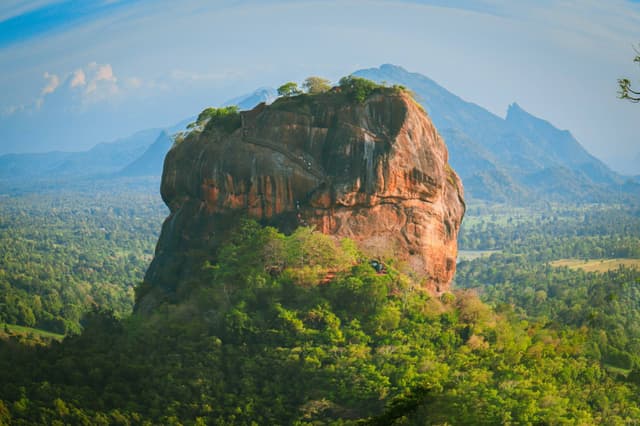
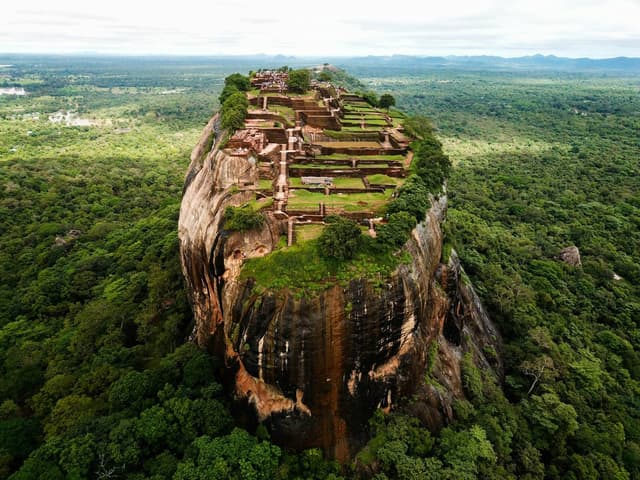
| Cultural Triangle (Sigiriya, Dambulla, Polonnaruwa, Anuradhapura) | Very safe | Heat, elephants on roads at dusk, temple dress rules |
| Kandy and hill country (Nuwara Eliya, Ella) | Very safe | Landslides in heavy rain, road bends, open train doors |
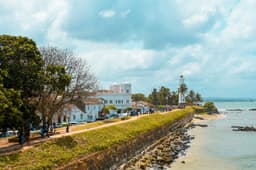
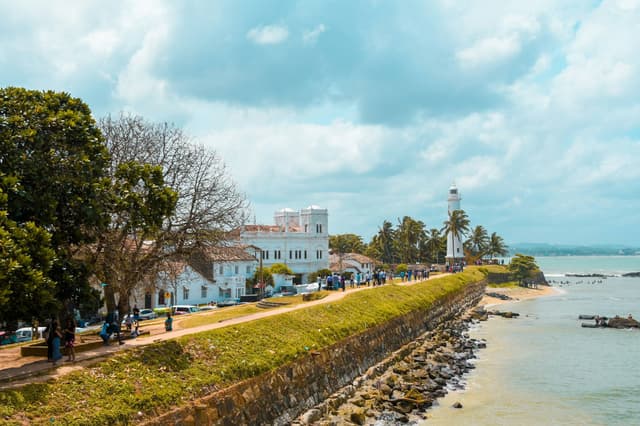
| South coast (Galle, Unawatuna, Mirissa) | Safe with care | Rip currents, drink spiking in bars, scooter crashes |
| East coast (Trincomalee, Pasikudah, Arugam Bay) | Safe with care | Northeast monsoon season, surf conditions, conservative dress norms |
| North (Jaffna, Mannar, Mullaitivu) | Safe on main routes | Military zones, landmine warning signs off the road |
For an overview of how these regions fit together, see our Sri Lanka travel guide.
What should you know about money and entry for a safe trip?
Do you need a visa or ETA for Sri Lanka?
Most visitors need an Electronic Travel Authorisation (ETA) before they fly, applied for through the official eta.gov.lk portal. Since 25 May 2026 the tourist ETA is free for nationals of 40 countries, including the UK, US, Canada, Australia, New Zealand, India, China, Japan, Germany and France, but you still have to apply and be approved. Always use the government site: many lookalike agency websites charge large service fees.
| Category | Fee (USD) | Approx. in LKR (at 330 per USD) |
|---|---|---|
| Nationals of the 40 fee-waiver countries | Free | 0 |
| Other SAARC nationals (Maldives nationals are free under a bilateral deal) | 20 | 6,600 |
| All other nationals | 50 | 16,500 |
| Children under 12 (any nationality) | Free | 0 |
The standard tourist ETA allows a stay of 30 days with double entry. The fees above apply when you apply online in advance; a visa issued on arrival costs more (25 US dollars for SAARC nationals, 60 for others). Fees and eligible countries change, so check the official site before applying. Exchange rates were taken from market data on 30 September 2026 and are for guidance only.
How can you keep your money safe?
- Use ATMs inside bank branches, malls or hotels, and cover the keypad.
- Carry a mix of cash and at least two cards kept in different places. Canada notes that card fraud is common and cash is often safer for small purchases.
- Exchange money at banks or licensed counters. The airport counters in the arrivals hall give reasonable rates.
- Photograph your passport and ETA approval and store copies online.
Who should you call in an emergency in Sri Lanka?
| Service | Number | Notes |
|---|---|---|
| Police emergency | 119 | 118 is also listed by several governments |
| Ambulance (Suwa Seriya) | 1990 | Free national ambulance service |
| Fire and rescue | 110 | Also used for medical emergencies in some areas |
| Tourist Police, Colombo | +94 11 242 1052 | English speaking; also ask your hotel for the local tourist police post |
| Tourism emergency hotline | 1912 | Run by the tourism authorities, 24 hours |
Numbers can change, so save them in your phone and confirm with your accommodation on arrival. Register with your embassy if it offers a travel registration service.
How can you stay safe in Sri Lanka? A practical checklist
- Buy proper insurance with medical evacuation, trip disruption and cover for any activities you plan (surfing, diving, scooters).
- Pack strong repellent and use it all day during the dengue outbreak.
- Apply for your ETA only on eta.gov.lk and keep the approval on your phone.
- Use a licensed driver or app-booked transport rather than local buses for long journeys.
- Avoid road travel after dark, especially through elephant country.
- Check the sea every day and match your beach base to the monsoon.
- Dress modestly away from resort beaches and always at temples.
- Keep valuables out of sight and bags away from the road side.
- Recheck volatile information (fuel, rail, weather, advisories) in the week before you travel.
- Save the emergency numbers 119, 1990 and 1912.
Overall, Sri Lanka rewards travellers who prepare: the island is welcoming, the main risks are well understood, and most can be managed with sensible habits. Some visitors prefer to travel independently with a hired driver, while others like having transfers, hotels and guides arranged in advance; if you are weighing up the second option, you can compare Sri Lanka tour packages alongside planning the trip yourself.
Frequently asked questions
Is Sri Lanka safe to visit in 2026?
Yes, for most travellers. The US rates Sri Lanka at Level 2 (Exercise increased caution), and Canada and Australia advise a high degree of caution. The main 2026 issues are a record dengue outbreak, fuel rationing for local vehicles and some rail repairs after Cyclone Ditwah, rather than crime or unrest.
Is Sri Lanka safe for solo female travellers?
Generally yes, and many women travel alone there. Expect some staring and occasional harassment on crowded buses, trains and in markets. Dress modestly away from beaches, use private drivers or app-booked rides at night, and avoid isolated beaches after dark.
What is the biggest danger for tourists in Sri Lanka?
Road accidents. Sri Lanka Police recorded 2,710 road deaths in 2025. Using a licensed driver, avoiding night journeys and not riding scooters without experience removes most of the risk. In 2026 dengue is the other major concern.
Should I worry about dengue in Sri Lanka?
Take it seriously. More than 100,000 cases were reported in 2026 by late September, most in Colombo and Gampaha. Use repellent during the day as well as at night, sleep in screened or air-conditioned rooms and see a doctor for any high fever.
Deaths are rare, at well under 0.1% of reported cases, but early medical care matters.
Can you drink tap water in Sri Lanka?
It is best not to. Drink sealed bottled or filtered water. Ice in established restaurants and hotels is usually fine, and freshly cooked hot food from busy places is generally safe.
Is there fuel rationing in Sri Lanka, and does it affect tourists?
A weekly QR code fuel quota for vehicles was reintroduced in March 2026 after the Middle East energy shock. The authorities arranged dedicated supply for hotels and tour operators, so travellers using hired cars and tour transport have mostly not been affected. Self drive renters should ask how refuelling will work.
Is it safe to swim in the sea in Sri Lanka?
Yes, in the right season and place. The west and south coasts are usually calm from December to March or April, and the east coast from May to September. Rip currents are common, so swim near other people, heed flags and ask locally.
Are there areas of Sri Lanka tourists should avoid?
No region is off limits under major Western advisories. Take extra care in the north and east, where landmine clearance continues in limited areas, mainly Mullaitivu district. Stay on roads and paths and obey warning signs.
Is terrorism a risk in Sri Lanka?
The risk is considered low but cannot be ruled out. The 2019 Easter Sunday attacks killed more than 250 people, and there has been nothing on that scale since. Security checks at hotels and churches are routine, and it is sensible to stay alert at large gatherings.
Do I need an ETA to enter Sri Lanka?
Most visitors do. Since 25 May 2026 the tourist ETA is free for nationals of 40 countries, but you still need to apply online and be approved. Others pay 20 US dollars (SAARC nationals) or 50 US dollars. Use only the official eta.gov.lk site.
What emergency numbers should I save for Sri Lanka?
Save 119 for police, 1990 for the free Suwa Seriya ambulance, 110 for fire and rescue, and 1912 for the tourism hotline. The Tourist Police in Colombo can be reached on +94 11 242 1052.
Is Sri Lanka safe for families with children?
Yes. The biggest considerations for families are road travel, sea conditions, heat, mosquito protection and keeping children away from stray dogs and monkeys. Choose beaches with calm, sheltered water in season and plan shorter driving days.
'/%3E%3C/svg%3E)