












































+977-9709047652
Explore by Country
See all 22 Thailand packages
Most popular pick
See all 22 Thailand packages →
See all 11 Vietnam packages
Most popular pick
See all 11 Vietnam packages →
See all 10 Indonesia (Bali) packages
Most popular pick
See all 10 Indonesia (Bali) packages →
See all 7 Maldives packages
Most popular pick
See all 7 Maldives packages →
See all 10 China packages
Most popular pick
See all 10 China packages →
See all 13 Sri Lanka packages
Most popular pick
See all 13 Sri Lanka packages →
See all 9 Malaysia packages
Most popular pick
See all 9 Malaysia packages →
See all 8 Singapore packages
Most popular pick
See all 8 Singapore packages →
See all 2 Kenya packages
Most popular pick
See all 2 Kenya packages →
See all 16 India packages
Most popular pick
See all 16 India packages →
See all 3 Dubai packages
Most popular pick
See all 3 Dubai packages →
See all 7 Nepal packages
Most popular pick
See all 7 Nepal packages →
See all 6 Philippines packages
Most popular pick
See all 6 Philippines packages →
Search Tours or Places
Blog / Sri Lanka

Dos and Don'ts in Sri Lanka: Etiquette & Travel Tips

25 min read 24 Aug 2026 · Updated 04 Oct 2026
Dos and Don'ts in Sri Lanka: Etiquette & Travel Tips

Short answer: the most important dos and don'ts in Sri Lanka are about respect for religion and modesty. Cover your shoulders and knees at temples, take off your shoes and hat before entering a shrine, never pose with your back to a Buddha statue, and use your right hand for giving, receiving and eating. Beyond etiquette, a handful of rules are actual laws that visitors get caught out by: no alcohol sales on Poya (full moon) days, no topless or nude bathing, no bringing in e-cigarettes, and no flying a drone without permission.

Sri Lanka is a relaxed, friendly country and most mistakes are forgiven with a smile. The ones that are not forgiven almost always involve Buddhist imagery, dress at sacred sites or drugs. This guide covers the customs that matter, the laws with real penalties, and the practical habits (money, transport, health, wildlife) that make a trip smoother. Figures were checked against official sources in late September 2026; fees, rail services and exchange rates change, so confirm anything critical before you travel.

What are the key facts to know before you go?

These are the basics that shape almost every other do and don't in this guide.

ItemWhat to know (September 2026)
Main religionsBuddhist 69.8%, Hindu 12.6%, Muslim 10.7%, Christian 7.6% (2024 census)
LanguagesSinhala and Tamil (official), English widely used in tourism
Greeting"Ayubowan" in Sinhala, "Vanakkam" in Tamil, both with palms pressed together
CurrencySri Lankan rupee (LKR), roughly LKR 330 to 1 US dollar at the end of September 2026
EntryOnline ETA required before arrival; free for 40 nationalities since 25 May 2026
Driving sideLeft
Police emergency119 (tourist police 1912 via the SLTDA hotline)
Legal drinking age21
Poya daysEvery full moon is a public holiday; alcohol and fresh meat sales are banned
Power230 volts, mostly Type D and Type G sockets

What are the most important dos in Sri Lanka?

A few simple habits earn you goodwill everywhere, from Colombo offices to village temples in the Cultural Triangle.

  • Do dress modestly at religious sites. Shoulders and knees covered for everyone, at Buddhist, Hindu, Muslim and Christian sites alike.
  • Do remove shoes and hats before entering any temple compound, shrine room or someone's home. Look for a pile of footwear at the entrance as your cue.
  • Do use your right hand to pass money, food and gifts. Offering with both hands, or with the right hand while touching your right forearm with your left, is extra polite.
  • Do ask before photographing people, especially monks, women, children and anyone at prayer.
  • Do carry small notes. LKR 100, 500 and 1,000 notes make tuk-tuk fares, temple donations and tips far easier.
  • Do greet people. A smile and "Ayubowan" (may you live long) goes a long way; a handshake is normal between men in business settings.
  • Do check the Poya calendar so you are not surprised by closed bars and liquor shops.
  • Do apply for your ETA online before you fly, even if your nationality is on the free list.
  • Do drink bottled, filtered or boiled water and use repellent against dengue mosquitoes during the day.
Explore Sri Lanka tour packages
View all →

What should you never do in Sri Lanka?

Some actions cause genuine offence, and a few can lead to arrest. Treat this list as firm rules rather than suggestions.

  • Don't turn your back to a Buddha statue for a photo. The US State Department describes posing with your back to a Buddha statue as a serious offence.
  • Don't display Buddha tattoos or clothing with Buddha images. Visitors have been detained and deported over tattoos; cover them with sleeves or a bandage.
  • Don't touch or climb on statues, stupas or temple walls, including sitting on ancient ruins at Anuradhapura or Polonnaruwa.
  • Don't point your feet at a person, monk or religious image, and don't sit with your soles facing a shrine.
  • Don't touch anyone's head, including children's; it is regarded as the most sacred part of the body.
  • Don't go topless or nude on beaches. It is illegal for women to go topless and nudity is an offence under public decency laws.
  • Don't bring e-cigarettes or vapes. They are prohibited imports.
  • Don't carry or use drugs of any kind. Penalties are severe and can include the death penalty for trafficking.
  • Don't photograph military sites, checkpoints or High Security Zones, and don't fly a drone without permits.
  • Don't feed wild elephants or monkeys, whether at a roadside, a national park or a temple.

How should you dress at temples and religious sites?

Dress codes at Sri Lankan temples are enforced, not just suggested. Guards at major sites turn away visitors in shorts, short skirts or sleeveless tops, and at the Temple of the Sacred Tooth Relic in Kandy the rules explicitly exclude shorts, sleeveless clothing and revealing outfits. Covering up is the same for men and women.

What counts as appropriate temple clothing?

  • Loose trousers or a long skirt or sarong that covers the knees.
  • A T-shirt or shirt with sleeves that covers the shoulders. A scarf over a vest top is usually accepted at smaller temples but not always at major ones.
  • White or light colours are traditional and appreciated, especially on Poya days, though not required.
  • Remove hats, and take off sunglasses inside shrine rooms.
  • Socks are allowed at most sites and help on hot stone; the ground at open-air sites such as Anuradhapura's stupas can burn bare feet by midday.

What do major sites charge and require?

Foreign visitors pay separate (higher) fees at most heritage sites. These are the published or widely reported adult foreigner fees at the time of writing; SAARC nationals often pay less.

SiteForeign adult fee (approx.)Approx. USD (at LKR 330)Dress and conduct notes
Temple of the Sacred Tooth Relic, KandyLKR 3,000 (LKR 2,500 for SAARC, Thai and Myanmar nationals)9No shorts or sleeveless tops; hand in shoes at booths; open 5.30am to 8pm
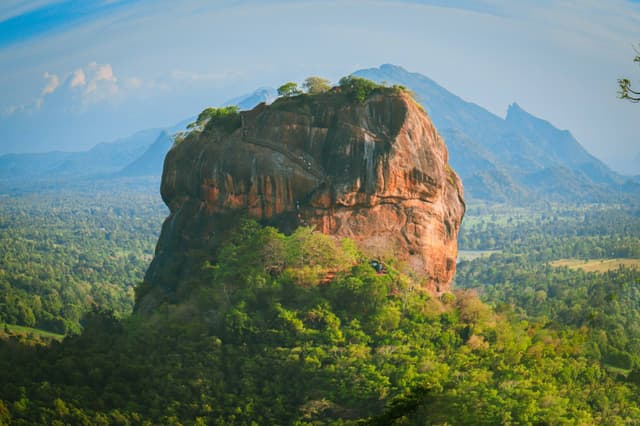
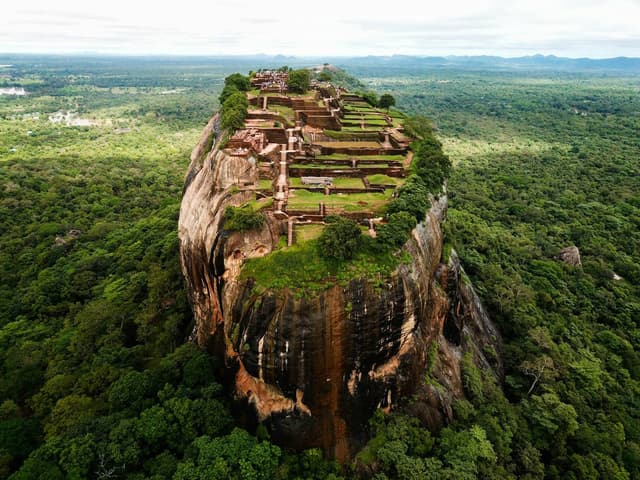
Sigiriya Rock FortressUSD 35 (children 6 to 12: USD 20)35Not an active temple, but the frescoes may not be photographed with flash
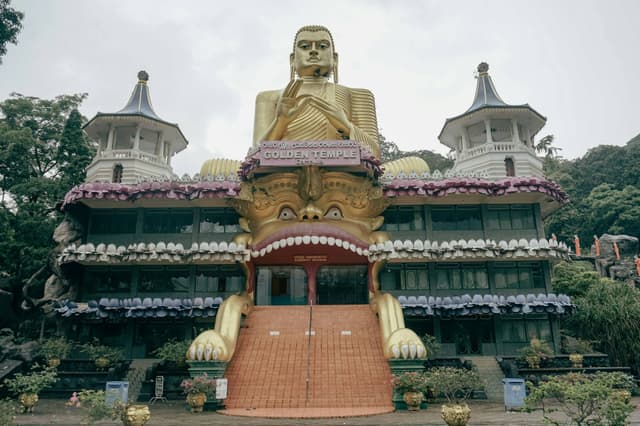
Dambulla Cave Templearound USD 1010Active temple: shoes off, shoulders and knees covered
Polonnaruwa Ancient Cityaround USD 3030Shoes and hats off at image houses such as Gal Vihara
Anuradhapura Sacred Cityaround USD 3030Sri Maha Bodhi and the great stupas are active pilgrimage sites

Fees are set by the Central Cultural Fund and temple authorities and can change without much notice. The Tooth Relic figure comes from the temple's own Sri Dalada Maligawa visitor FAQ.

What about Hindu kovils, mosques and churches?

Hindu kovils, common in Jaffna, Trincomalee and the tea country, follow similar rules: shoes off, modest dress, and in some kovils men are asked to remove shirts before entering the inner sanctum. Leather items may be unwelcome. At mosques, women should cover their hair and visitors should avoid prayer times, particularly Friday midday. Churches expect covered shoulders and quiet behaviour during mass. When in doubt, watch what local visitors do and follow them.

What are the rules around Buddha images and photography?

Respect for the Buddha's image is where most serious trouble for visitors begins. Sri Lanka's Penal Code contains offences for deliberately wounding religious feelings (sections 291A and 291B), and the police have used them against tourists.

Why are Buddha tattoos a problem?

In April 2014 a British tourist, Naomi Coleman, was detained for several days and deported because of a Buddha tattoo on her arm. In 2017 Sri Lanka's Supreme Court ruled the arrest unlawful and awarded her compensation of LKR 800,000, but the case shows how seriously the issue is taken on the ground. The US State Department still warns that some foreign visitors have been arrested or denied entry over religious tattoos. The practical rule: cover any Buddha tattoo with clothing or a plaster for the entire trip, not only at temples.

How should you take photos at temples?

  • Never pose with your back to a Buddha statue, even in a playful selfie. Face the statue or stand to the side.
  • Don't pose in front of a statue with raised arms, peace signs or other gestures that mimic or trivialise it.
  • Photography is banned in some shrine rooms and allowed in others. Obey signs and staff, and never use flash on murals.
  • Ask monks before photographing them, and do not photograph people while they are praying or making offerings.
  • Don't buy Buddha heads or statues as décor souvenirs. Exporting antiquities needs permission, and a Buddha head used as decoration is considered disrespectful.

Where can't you take photos at all?

Military bases, checkpoints, some government buildings and designated High Security Zones are off limits for photography, video and drones. Australia's Smartraveller advice warns specifically that you must not photograph, film or fly a drone in these zones. Signs are not always in English, so if you see soldiers or barriers, keep your camera down.

How should you behave around monks?

Buddhist monks (bhikkhus) are highly respected, and a few conventions govern how lay people interact with them.

  • Women should not touch a monk or hand anything directly to him. Place the item on a table or cloth for him to pick up, or ask a man to pass it.
  • On buses and trains, the front seats are often reserved for clergy. If a monk boards and there is no free seat, offer yours.
  • Don't sit higher than a monk; if he sits on the floor, you sit on the floor.
  • Speak quietly and avoid pointing at monks.
  • Don't offer a handshake unless the monk offers first. A slight bow with palms together is the safe greeting.

What are the Poya day rules?

Every full moon in Sri Lanka is a Poya day, a public holiday devoted to Buddhist observance. Many Sri Lankans dress in white, visit temples and observe additional precepts. For visitors the practical effect is simple: authorities ban the sale of alcohol and fresh meat, liquor shops and many bars close, and some hotels will not serve alcohol in public areas. Offices, banks and many shops close too.

DateHolidayWhat it means for visitors
25 October 2026Vap Full Moon Poya DayNo alcohol or fresh meat sales; temples busy
8 November 2026DeepavaliHindu festival of lights; kovils busy in Jaffna, the east and the hill country
24 November 2026Il Full Moon Poya DayNo alcohol or fresh meat sales
23 December 2026Unduvap Full Moon Poya DayNo alcohol sales; falls just before the Christmas rush
25 December 2026Christmas DayPublic holiday; beach resorts in the south and west are at peak season

Source: the government's 2026 holiday calendar as published in Sri Lankan media. The largest Poya of the year is Vesak (in May), when towns are hung with lanterns and free food stalls called dansal line the roads. Sinhala and Tamil New Year in mid April is the other big family holiday, when transport is packed and many businesses shut for several days.

What is expected at meals and in people's homes?

Sri Lankans are generous hosts, and being invited home for rice and curry is common. A few customs make the visit smoother.

  • Eat with your right hand if you eat by hand, mixing rice and curry with your fingertips. Cutlery is fine and always available on request.
  • Keep your left hand off shared dishes. Use the serving spoon with your right hand.
  • Accept at least a little of what is offered. Refusing tea or food outright can seem cold; take a small amount.
  • Remove shoes at the door unless your host insists otherwise.
  • Bring a small gift such as sweets, fruit or something from your home country. Gifts are often not opened in front of the giver.
  • Dress modestly when visiting homes, even at the beach towns.

Food itself is a highlight. Rice and curry at lunchtime, hoppers in the evening and kottu roti from street stalls are staples; our guide to what to eat in Sri Lanka covers dishes and spice levels. Many Hindus avoid beef and many Muslims avoid pork, so don't assume every restaurant serves both.

What body language and social customs should you know?

What does the Sri Lankan head wobble mean?

The side-to-side head movement usually means yes, agreement or "I understand", not no. It can also signal "maybe" or "okay, go on". If a yes or no matters (a fare, a price, a direction), ask again with words.

How openly can couples show affection?

Holding hands is generally fine in cities and tourist areas. Kissing and cuddling in public draw stares and are inappropriate at temples, in villages and on public transport. Couples who stay modest in public rarely have issues checking into hotels together.

What is the situation for LGBTQ+ travellers?

Same-sex sexual activity remains criminalised under the Penal Code, with the US State Department noting possible penalties of up to 10 years' imprisonment. Prosecutions are rare and attitudes in Colombo are more relaxed than in rural areas, but public displays of affection are best avoided. Many hotels are welcoming in practice.

Other everyday courtesies

  • Use both hands or the right hand to pass business cards and money.
  • Don't point with one finger; gesture with the whole hand.
  • Don't lose your temper. Raising your voice makes people lose face and rarely gets results.
  • Ask permission before entering a paddy field or a private tea estate path.
  • Smoking is banned in enclosed public places, and smoking near temples is disrespectful.

Which Sri Lankan laws most often catch visitors out?

Most visitors never have contact with the police. Those who do usually fall foul of one of the rules below. Penalties shown are indicative; outcomes depend on the magistrate.

RuleWhat the law or official advice saysReal consequence
Disrespecting Buddhist imagesPenal Code sections 291A and 291B cover wounding religious feelings (up to 1 or 2 years' imprisonment)Detention and deportation of tourists over tattoos and photos have been reported
Topless or nude bathingIndecent exposure is an offence; women may not go toplessA tourist was arrested at Arugam Bay in July 2025 and given a suspended six week sentence
DrugsPossession, use and trafficking are serious offencesLong jail terms, heavy fines; trafficking can carry the death penalty
E-cigarettes and vapesListed as prohibited importsConfiscation at customs and possible penalties
DronesFlights need approval from the Civil Aviation Authority and other agencies; banned near the Temple of the Tooth and military sitesDrone seized and possible arrest
Photography of military sitesProhibited in High Security Zones and near military or certain government buildingsImages deleted, questioning, possible detention
CurrencyDeclare foreign currency above USD 15,000 on arrival; exit limits applyConfiscation of undeclared cash
AlcoholLegal drinking age is 21; no sales on Poya daysRefusal of service; fines for vendors

Can you fly a drone in Sri Lanka?

Yes, but not casually. Drones must be registered and approved through the Civil Aviation Authority of Sri Lanka, with security clearance from the Ministry of Defence, and the police in the area of operation must be informed for any camera drone. Some models need type approval before import. Operators who have done it recommend starting the process about four weeks before arrival. Do not fly at all near the Temple of the Tooth, airports, military bases or over crowds, and assume that heritage sites such as Sigiriya require separate permission.

How do you handle money, bargaining and tipping?

Sri Lanka's economy has stabilised since the 2022 crisis, and card payments are now common in hotels and larger restaurants, but cash remains king for tuk-tuks, markets and small eateries. ATMs are widespread in towns; tell your bank you are travelling and watch for card skimming.

How much should you tip?

Many hotel and restaurant bills include a 10 percent service charge, so extra tipping is optional there. Elsewhere, small tips are appreciated and form a real part of many workers' income. The figures below are typical, not rules. USD conversions use roughly LKR 330 per US dollar (late September 2026).

WhoTypical tip (LKR)Approx. USDNotes
Restaurant (no service charge)around 10% of the billvariesRound up at cafés and street stalls
Restaurant (service charge added)0 to 2000 to 0.60Optional extra for good service
Hotel porter100 to 200 per bag0.30 to 0.60Hand over directly
Housekeeping200 to 500 per day0.60 to 1.50Leave with a note or at checkout
Tuk-tuk (short ride)round up 50 to 1000.15 to 0.30Not expected on negotiated fares
Site guide (1 to 2 hours)500 to 1,0001.50 to 3Agree the guide fee first, tip on top
Private driver or driver guide1,500 to 3,000 per day4.50 to 9Usually given at the end of the trip
Safari jeep driver and tracker500 to 1,500 per jeep1.50 to 4.50Split between driver and tracker if both present
Temple donation box100 to 5000.30 to 1.50Appropriate at free temples and for shoe minders

Should you bargain?

Bargaining is normal at markets, souvenir stalls and for tuk-tuks without meters. It is not done in supermarkets, fixed price shops, pharmacies or restaurants. Keep it good humoured; a friendly counter offer at around half to two thirds of the first price for souvenirs is a reasonable starting point. Our guide to how expensive Sri Lanka is breaks down daily budgets in more detail.

What are the dos and don'ts of getting around?

Transport is where visitors most often feel ripped off or unsafe, and a little preparation helps.

Tuk-tuks and ride-hailing apps

  • Use the PickMe or Uber apps where available (Colombo, Kandy, Galle and other larger towns) to see the fare upfront.
  • Where there is no app, agree the fare before getting in, or insist on the meter in Colombo.
  • Check the distance on a map before negotiating; guides from 2026 put fair negotiated tourist rates at roughly LKR 80 to 100 per kilometre.
  • Don't accept "free" detours to gem shops, spice gardens or "special festivals"; drivers earn commission.

Trains and buses

  • Don't hang out of train doors for photos. It is popular on social media, but people have been injured and killed doing it.
  • Leave front bus seats for monks, pregnant women and people with disabilities.
  • Carry small change for bus conductors, and keep bags on your lap on crowded services.
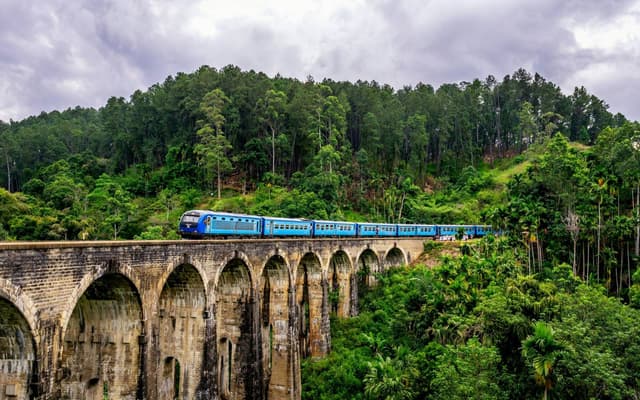
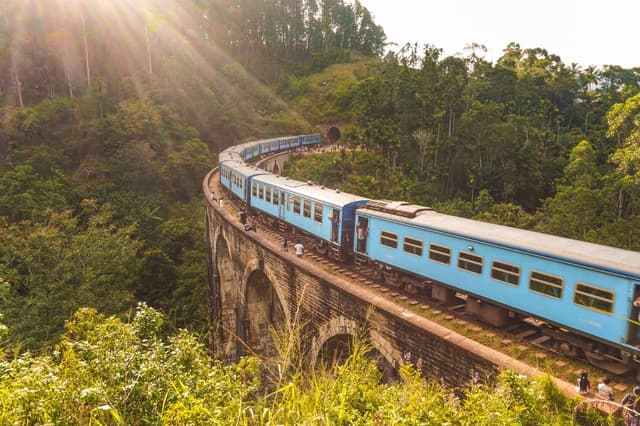
  • Check rail status before planning around a scenic ride. Cyclone Ditwah damaged dozens of sites on the upcountry line in late 2025. By September 2026 the Nanu Oya to Badulla (Ella) section had reopened and Sri Lanka's transport ministry said Colombo Fort to Peradeniya services should restart in October 2026, but that timetable could still slip.

Driving and road safety

  • Traffic drives on the left. An International Driving Permit plus local endorsement is needed to drive legally.
  • Most visitors hire a car with a driver, which is widely available and often cheaper than expected.
  • Don't assume vehicles will stop at pedestrian crossings, especially buses.
  • Avoid driving at night outside towns: dogs, cattle, unlit vehicles and wild elephants on rural roads are real hazards.

For a full comparison of trains, buses, drivers and domestic options, read our guide on how to get around Sri Lanka.

ModeDoDon't
Tuk-tukUse an app or agree the price first; carry small notesAccept shopping detours or pay before arriving
TrainBook reserved seats early on popular routes; check line statusHang out of doors or sit on the steps
Public busGive up front seats to monks; hold on tightExpect air conditioning or luggage space on local buses
Private driverAgree the daily rate, inclusions and overnight costs in writingFeel obliged to stop at shops the driver suggests
Self driveCarry an IDP and local permit; drive defensivelyDrive at night on rural roads

What are the rules at national parks and around wildlife?

Sri Lanka's parks are among the best in Asia for leopards and elephants, and good behaviour protects both animals and visitors.

  • Don't feed elephants. Roadside feeding along the Udawalawe and Tissamaharama roads has taught elephants to approach vehicles, which leads to conflict and injury.
  • Don't pressure your jeep driver to chase animals, leave the track or crowd a leopard sighting. Staying on marked tracks is a park rule.
  • Stay inside the vehicle except at designated stops.
  • Keep quiet and avoid bright clothing on safari.
  • Don't ride elephants or visit venues that use chained elephants for tourist entertainment.
  • Check seasonal closures. Yala's most visited Blocks 1 and 2 close for several weeks each year during the dry season; in 2026 the closure started on 14 September, so confirm reopening dates with the Department of Wildlife Conservation before booking a safari there.

At temples, monkeys (toque macaques) will snatch food and bags. Don't carry food openly at Dambulla, Polonnaruwa or Sigiriya, and never feed them.

What should you wear at the beach and in towns?

Swimwear is fine on the beach and by the pool, but not elsewhere. Walking into a shop, café or tuk-tuk in a bikini or bare chested is seen as disrespectful, even in surf towns like Arugam Bay, Weligama and Hiriketiya. Cover up with shorts and a T-shirt or a sarong as soon as you leave the sand.

SettingAcceptableBest avoided
Beach and poolSwimwear, board shortsTopless (women) or nude bathing: illegal
Beach town streets and cafésShorts, T-shirts, sundressesSwimwear only, going shirtless
Colombo and KandyCasual clothes; knee length shorts are fine for menVery short shorts or low cut tops
Temples and kovilsSleeves, trousers or long skirts, light coloursShorts, sleeveless tops, hats
Villages and the north and eastLoose clothing covering shoulders and kneesRevealing clothing of any kind

Ocean safety matters too. The south and west coasts are rough during the southwest monsoon (roughly May to September) and the east coast is rough during the northeast monsoon (roughly November to March). Swim only where locals swim, obey red flags, and ask about rip currents.

How safe is Sri Lanka, and what precautions help?

Sri Lanka is generally safe for visitors. The US State Department rates it Level 2 ("exercise increased caution", as of its October 2025 advisory), citing civil unrest, terrorism and landmines in the former conflict areas, and Australia's Smartraveller advises a high degree of caution due to demonstrations and security risks. Day to day, the more common problems are scams, road accidents, dengue and harassment of women travellers. Our full guide on whether Sri Lanka is safe covers these in depth.

Emergency numbers to save

ServiceNumberNotes
Police emergency119Nationwide
Tourism hotline and tourist police1912Run by the Sri Lanka Tourism Development Authority; links to the Tourist Police Division
Suwa Seriya ambulance1990Free national ambulance service
Fire and rescue110Also used for accident rescue
Emergency services (alternative)118Listed by embassies as an alternative police and emergency line

Practical safety dos and don'ts

  • Do use repellent day and night; dengue outbreaks occur in all regions, especially after rains.
  • Do keep valuables out of sight on crowded buses and in Colombo's Pettah market.
  • Don't engage with touts offering "cheap gems", "tea factory tours" or "elephant festivals" that happen to be on today.
  • Don't walk alone on isolated beaches after dark.
  • Do carry a photocopy or phone photo of your passport and ETA approval.
  • Do get travel insurance that covers medical evacuation; private hospitals in Colombo are good but expensive.

What should women travellers know?

Many women travel solo in Sri Lanka without problems, but unwanted attention, staring and occasional groping on crowded buses and trains are commonly reported. A few habits reduce hassle.

  • Dress conservatively away from the beach; loose clothing covering shoulders and knees draws far less attention.
  • On buses, sit next to a woman or a family when you can.
  • Use app-based tuk-tuks at night so the trip is tracked.
  • A firm, loud "no" in public usually works; bystanders tend to step in.
  • Don't feel obliged to answer personal questions about marital status; a vague "my husband is meeting me" is a common and useful deflection.
  • Remember that women should not touch monks or hand them items directly.

What do you need to know about entry and visas?

Every visitor needs an Electronic Travel Authorisation (ETA) or visa. Apply on the official Sri Lanka ETA portal and avoid lookalike sites that add large service fees.

CategoryTourist ETA fee (30 days)Notes
40 fee-waived countries (including Australia, Canada, China, France, Germany, India, Japan, UK, USA)FreeSince 25 May 2026; ETA still required, double entry within 30 days
Singapore and SeychellesFree30 days
MaldivesFree90 days
SAARC countries not on the free listUSD 20Business ETA USD 30
All other countriesUSD 50Business ETA USD 55
Visa on arrival (tourist)USD 25 (SAARC) or USD 60 (other countries)Applying online beforehand is quicker and more reliable
Children under 12, any nationalityFree30 days

Your passport should have at least six months' validity and a blank page, and you may be asked for a return ticket and accommodation details. Fees and the free list are set by the Department of Immigration and Emigration and can change; check the ETA site the week you apply.

What is the full list of dos and don'ts at a glance?

DoDon't
Cover shoulders and knees at all religious sitesWear shorts or sleeveless tops into temples
Remove shoes and hats before shrines and homesTurn your back to a Buddha statue for a photo
Use your right hand to give, receive and eatShow Buddha tattoos or wear Buddha image clothing
Ask before photographing people and monksPoint your feet at people or religious images
Check Poya days and stock up in advanceExpect alcohol sales on a full moon day
Apply for the ETA online before you flyPack e-cigarettes or vapes
Use PickMe or Uber, or agree tuk-tuk fares firstAccept detours to gem shops and spice gardens
Wear swimwear only on the beachGo topless or nude anywhere
Keep calm and polite in disputesRaise your voice or touch anyone's head
Give up bus seats to monksFeed elephants or monkeys

Most of these come down to the same principle: Sri Lanka is deeply religious and quietly conservative, but very welcoming to guests who show they have made an effort. If you would like help putting your trip together with drivers and guides who can explain these customs as you go, you can compare Sri Lanka holiday packages alongside planning an independent route.

Frequently asked questions

What is the biggest cultural mistake to avoid in Sri Lanka?

Disrespecting Buddha images. Never pose with your back to a Buddha statue, don't touch or climb statues, and cover any Buddha tattoo for your whole stay. Tourists have been detained and deported over this, and the US State Department describes back-to-Buddha photos as a serious offence.

Can I wear shorts in Sri Lanka?

Yes, in beach towns, hotels and casual city settings. You cannot wear shorts into temples, kovils or other religious sites, where knees and shoulders must be covered. Carry a sarong or light trousers in your day bag so you can change quickly.

Can I drink alcohol on Poya days?

Alcohol sales are banned on Poya (full moon) days, so liquor shops and most bars close. Some hotels serve guests discreetly in rooms, but many do not serve alcohol at all that day. The remaining Poya days in 2026 are 25 October, 24 November and 23 December.

Is it rude to eat with your left hand in Sri Lanka?

Yes, if you eat by hand. The right hand is used for eating, and for giving and receiving money and gifts. Using a spoon and fork is completely acceptable, and cutlery is always available.

Do I need to tip in Sri Lanka?

Tipping is appreciated rather than required. Many hotel and restaurant bills already include a 10 percent service charge. Beyond that, typical tips are LKR 100 to 200 for porters, LKR 500 to 1,000 for a site guide, and around LKR 1,500 to 3,000 per day for a private driver.

Can I bring my vape or e-cigarette to Sri Lanka?

No. E-cigarettes and vaping devices are listed as prohibited items and can be confiscated at customs. Leave them at home.

Can I fly a drone in Sri Lanka?

Only with prior approval. Drones need registration and authorisation from the Civil Aviation Authority of Sri Lanka, security clearance, and notification to local police. Flying near the Temple of the Tooth, airports and military sites is prohibited. Allow several weeks for approval.

How should women behave around Buddhist monks?

Women should not touch monks or hand anything directly to them. Place the item down for the monk to pick up. Everyone should greet monks with palms together, avoid sitting higher than them, and offer them seats on public transport.

Is topless sunbathing allowed in Sri Lanka?

No. Women going topless and nude bathing are illegal under public decency laws. A foreign tourist was arrested at Arugam Bay in July 2025 for walking topless on the beach and received a suspended sentence.

Do I need a visa or ETA to visit Sri Lanka?

Yes, every visitor needs an ETA or visa. Since 25 May 2026, tourist ETAs are free for nationals of 40 countries, but you must still apply online. Other nationalities pay USD 20 (SAARC countries not on the free list) or USD 50 for a 30 day tourist ETA.

Is it safe to drink tap water in Sri Lanka?

It is best not to. Drink bottled, filtered or boiled water, and use sealed bottles for brushing teeth if you have a sensitive stomach. Many hotels provide filtered water refill stations, which helps reduce plastic waste.

Tags
Sri Lanka
Share
G
Gomayu Team
Writer at Gomayu
Keep reading
Blog / Sri Lanka
Dos and Don'ts in Sri Lanka: Etiquette & Travel Tips
25 min read 24 Aug 2026 · Updated 04 Oct 2026
Dos and Don'ts in Sri Lanka: Etiquette & Travel Tips

Short answer: the most important dos and don'ts in Sri Lanka are about respect for religion and modesty. Cover your shoulders and knees at temples, take off your shoes and hat before entering a shrine, never pose with your back to a Buddha statue, and use your right hand for giving, receiving and eating. Beyond etiquette, a handful of rules are actual laws that visitors get caught out by: no alcohol sales on Poya (full moon) days, no topless or nude bathing, no bringing in e-cigarettes, and no flying a drone without permission.

Sri Lanka is a relaxed, friendly country and most mistakes are forgiven with a smile. The ones that are not forgiven almost always involve Buddhist imagery, dress at sacred sites or drugs. This guide covers the customs that matter, the laws with real penalties, and the practical habits (money, transport, health, wildlife) that make a trip smoother. Figures were checked against official sources in late September 2026; fees, rail services and exchange rates change, so confirm anything critical before you travel.

What are the key facts to know before you go?

These are the basics that shape almost every other do and don't in this guide.

ItemWhat to know (September 2026)
Main religionsBuddhist 69.8%, Hindu 12.6%, Muslim 10.7%, Christian 7.6% (2024 census)
LanguagesSinhala and Tamil (official), English widely used in tourism
Greeting"Ayubowan" in Sinhala, "Vanakkam" in Tamil, both with palms pressed together
CurrencySri Lankan rupee (LKR), roughly LKR 330 to 1 US dollar at the end of September 2026
EntryOnline ETA required before arrival; free for 40 nationalities since 25 May 2026
Driving sideLeft
Police emergency119 (tourist police 1912 via the SLTDA hotline)
Legal drinking age21
Poya daysEvery full moon is a public holiday; alcohol and fresh meat sales are banned
Power230 volts, mostly Type D and Type G sockets

What are the most important dos in Sri Lanka?

A few simple habits earn you goodwill everywhere, from Colombo offices to village temples in the Cultural Triangle.

  • Do dress modestly at religious sites. Shoulders and knees covered for everyone, at Buddhist, Hindu, Muslim and Christian sites alike.
  • Do remove shoes and hats before entering any temple compound, shrine room or someone's home. Look for a pile of footwear at the entrance as your cue.
  • Do use your right hand to pass money, food and gifts. Offering with both hands, or with the right hand while touching your right forearm with your left, is extra polite.
  • Do ask before photographing people, especially monks, women, children and anyone at prayer.
  • Do carry small notes. LKR 100, 500 and 1,000 notes make tuk-tuk fares, temple donations and tips far easier.
  • Do greet people. A smile and "Ayubowan" (may you live long) goes a long way; a handshake is normal between men in business settings.
  • Do check the Poya calendar so you are not surprised by closed bars and liquor shops.
  • Do apply for your ETA online before you fly, even if your nationality is on the free list.
  • Do drink bottled, filtered or boiled water and use repellent against dengue mosquitoes during the day.
Explore Sri Lanka tour packages
View all →

What should you never do in Sri Lanka?

Some actions cause genuine offence, and a few can lead to arrest. Treat this list as firm rules rather than suggestions.

  • Don't turn your back to a Buddha statue for a photo. The US State Department describes posing with your back to a Buddha statue as a serious offence.
  • Don't display Buddha tattoos or clothing with Buddha images. Visitors have been detained and deported over tattoos; cover them with sleeves or a bandage.
  • Don't touch or climb on statues, stupas or temple walls, including sitting on ancient ruins at Anuradhapura or Polonnaruwa.
  • Don't point your feet at a person, monk or religious image, and don't sit with your soles facing a shrine.
  • Don't touch anyone's head, including children's; it is regarded as the most sacred part of the body.
  • Don't go topless or nude on beaches. It is illegal for women to go topless and nudity is an offence under public decency laws.
  • Don't bring e-cigarettes or vapes. They are prohibited imports.
  • Don't carry or use drugs of any kind. Penalties are severe and can include the death penalty for trafficking.
  • Don't photograph military sites, checkpoints or High Security Zones, and don't fly a drone without permits.
  • Don't feed wild elephants or monkeys, whether at a roadside, a national park or a temple.

How should you dress at temples and religious sites?

Dress codes at Sri Lankan temples are enforced, not just suggested. Guards at major sites turn away visitors in shorts, short skirts or sleeveless tops, and at the Temple of the Sacred Tooth Relic in Kandy the rules explicitly exclude shorts, sleeveless clothing and revealing outfits. Covering up is the same for men and women.

What counts as appropriate temple clothing?

  • Loose trousers or a long skirt or sarong that covers the knees.
  • A T-shirt or shirt with sleeves that covers the shoulders. A scarf over a vest top is usually accepted at smaller temples but not always at major ones.
  • White or light colours are traditional and appreciated, especially on Poya days, though not required.
  • Remove hats, and take off sunglasses inside shrine rooms.
  • Socks are allowed at most sites and help on hot stone; the ground at open-air sites such as Anuradhapura's stupas can burn bare feet by midday.

What do major sites charge and require?

Foreign visitors pay separate (higher) fees at most heritage sites. These are the published or widely reported adult foreigner fees at the time of writing; SAARC nationals often pay less.

SiteForeign adult fee (approx.)Approx. USD (at LKR 330)Dress and conduct notes
Temple of the Sacred Tooth Relic, KandyLKR 3,000 (LKR 2,500 for SAARC, Thai and Myanmar nationals)9No shorts or sleeveless tops; hand in shoes at booths; open 5.30am to 8pm
Sigiriya Rock FortressUSD 35 (children 6 to 12: USD 20)35Not an active temple, but the frescoes may not be photographed with flash
Dambulla Cave Templearound USD 1010Active temple: shoes off, shoulders and knees covered
Polonnaruwa Ancient Cityaround USD 3030Shoes and hats off at image houses such as Gal Vihara
Anuradhapura Sacred Cityaround USD 3030Sri Maha Bodhi and the great stupas are active pilgrimage sites

Fees are set by the Central Cultural Fund and temple authorities and can change without much notice. The Tooth Relic figure comes from the temple's own Sri Dalada Maligawa visitor FAQ.

What about Hindu kovils, mosques and churches?

Hindu kovils, common in Jaffna, Trincomalee and the tea country, follow similar rules: shoes off, modest dress, and in some kovils men are asked to remove shirts before entering the inner sanctum. Leather items may be unwelcome. At mosques, women should cover their hair and visitors should avoid prayer times, particularly Friday midday. Churches expect covered shoulders and quiet behaviour during mass. When in doubt, watch what local visitors do and follow them.

What are the rules around Buddha images and photography?

Respect for the Buddha's image is where most serious trouble for visitors begins. Sri Lanka's Penal Code contains offences for deliberately wounding religious feelings (sections 291A and 291B), and the police have used them against tourists.

Why are Buddha tattoos a problem?

In April 2014 a British tourist, Naomi Coleman, was detained for several days and deported because of a Buddha tattoo on her arm. In 2017 Sri Lanka's Supreme Court ruled the arrest unlawful and awarded her compensation of LKR 800,000, but the case shows how seriously the issue is taken on the ground. The US State Department still warns that some foreign visitors have been arrested or denied entry over religious tattoos. The practical rule: cover any Buddha tattoo with clothing or a plaster for the entire trip, not only at temples.

How should you take photos at temples?

  • Never pose with your back to a Buddha statue, even in a playful selfie. Face the statue or stand to the side.
  • Don't pose in front of a statue with raised arms, peace signs or other gestures that mimic or trivialise it.
  • Photography is banned in some shrine rooms and allowed in others. Obey signs and staff, and never use flash on murals.
  • Ask monks before photographing them, and do not photograph people while they are praying or making offerings.
  • Don't buy Buddha heads or statues as décor souvenirs. Exporting antiquities needs permission, and a Buddha head used as decoration is considered disrespectful.

Where can't you take photos at all?

Military bases, checkpoints, some government buildings and designated High Security Zones are off limits for photography, video and drones. Australia's Smartraveller advice warns specifically that you must not photograph, film or fly a drone in these zones. Signs are not always in English, so if you see soldiers or barriers, keep your camera down.

How should you behave around monks?

Buddhist monks (bhikkhus) are highly respected, and a few conventions govern how lay people interact with them.

  • Women should not touch a monk or hand anything directly to him. Place the item on a table or cloth for him to pick up, or ask a man to pass it.
  • On buses and trains, the front seats are often reserved for clergy. If a monk boards and there is no free seat, offer yours.
  • Don't sit higher than a monk; if he sits on the floor, you sit on the floor.
  • Speak quietly and avoid pointing at monks.
  • Don't offer a handshake unless the monk offers first. A slight bow with palms together is the safe greeting.

What are the Poya day rules?

Every full moon in Sri Lanka is a Poya day, a public holiday devoted to Buddhist observance. Many Sri Lankans dress in white, visit temples and observe additional precepts. For visitors the practical effect is simple: authorities ban the sale of alcohol and fresh meat, liquor shops and many bars close, and some hotels will not serve alcohol in public areas. Offices, banks and many shops close too.

DateHolidayWhat it means for visitors
25 October 2026Vap Full Moon Poya DayNo alcohol or fresh meat sales; temples busy
8 November 2026DeepavaliHindu festival of lights; kovils busy in Jaffna, the east and the hill country
24 November 2026Il Full Moon Poya DayNo alcohol or fresh meat sales
23 December 2026Unduvap Full Moon Poya DayNo alcohol sales; falls just before the Christmas rush
25 December 2026Christmas DayPublic holiday; beach resorts in the south and west are at peak season

Source: the government's 2026 holiday calendar as published in Sri Lankan media. The largest Poya of the year is Vesak (in May), when towns are hung with lanterns and free food stalls called dansal line the roads. Sinhala and Tamil New Year in mid April is the other big family holiday, when transport is packed and many businesses shut for several days.

What is expected at meals and in people's homes?

Sri Lankans are generous hosts, and being invited home for rice and curry is common. A few customs make the visit smoother.

  • Eat with your right hand if you eat by hand, mixing rice and curry with your fingertips. Cutlery is fine and always available on request.
  • Keep your left hand off shared dishes. Use the serving spoon with your right hand.
  • Accept at least a little of what is offered. Refusing tea or food outright can seem cold; take a small amount.
  • Remove shoes at the door unless your host insists otherwise.
  • Bring a small gift such as sweets, fruit or something from your home country. Gifts are often not opened in front of the giver.
  • Dress modestly when visiting homes, even at the beach towns.

Food itself is a highlight. Rice and curry at lunchtime, hoppers in the evening and kottu roti from street stalls are staples; our guide to what to eat in Sri Lanka covers dishes and spice levels. Many Hindus avoid beef and many Muslims avoid pork, so don't assume every restaurant serves both.

What body language and social customs should you know?

What does the Sri Lankan head wobble mean?

The side-to-side head movement usually means yes, agreement or "I understand", not no. It can also signal "maybe" or "okay, go on". If a yes or no matters (a fare, a price, a direction), ask again with words.

How openly can couples show affection?

Holding hands is generally fine in cities and tourist areas. Kissing and cuddling in public draw stares and are inappropriate at temples, in villages and on public transport. Couples who stay modest in public rarely have issues checking into hotels together.

What is the situation for LGBTQ+ travellers?

Same-sex sexual activity remains criminalised under the Penal Code, with the US State Department noting possible penalties of up to 10 years' imprisonment. Prosecutions are rare and attitudes in Colombo are more relaxed than in rural areas, but public displays of affection are best avoided. Many hotels are welcoming in practice.

Other everyday courtesies

  • Use both hands or the right hand to pass business cards and money.
  • Don't point with one finger; gesture with the whole hand.
  • Don't lose your temper. Raising your voice makes people lose face and rarely gets results.
  • Ask permission before entering a paddy field or a private tea estate path.
  • Smoking is banned in enclosed public places, and smoking near temples is disrespectful.

Which Sri Lankan laws most often catch visitors out?

Most visitors never have contact with the police. Those who do usually fall foul of one of the rules below. Penalties shown are indicative; outcomes depend on the magistrate.

RuleWhat the law or official advice saysReal consequence
Disrespecting Buddhist imagesPenal Code sections 291A and 291B cover wounding religious feelings (up to 1 or 2 years' imprisonment)Detention and deportation of tourists over tattoos and photos have been reported
Topless or nude bathingIndecent exposure is an offence; women may not go toplessA tourist was arrested at Arugam Bay in July 2025 and given a suspended six week sentence
DrugsPossession, use and trafficking are serious offencesLong jail terms, heavy fines; trafficking can carry the death penalty
E-cigarettes and vapesListed as prohibited importsConfiscation at customs and possible penalties
DronesFlights need approval from the Civil Aviation Authority and other agencies; banned near the Temple of the Tooth and military sitesDrone seized and possible arrest
Photography of military sitesProhibited in High Security Zones and near military or certain government buildingsImages deleted, questioning, possible detention
CurrencyDeclare foreign currency above USD 15,000 on arrival; exit limits applyConfiscation of undeclared cash
AlcoholLegal drinking age is 21; no sales on Poya daysRefusal of service; fines for vendors

Can you fly a drone in Sri Lanka?

Yes, but not casually. Drones must be registered and approved through the Civil Aviation Authority of Sri Lanka, with security clearance from the Ministry of Defence, and the police in the area of operation must be informed for any camera drone. Some models need type approval before import. Operators who have done it recommend starting the process about four weeks before arrival. Do not fly at all near the Temple of the Tooth, airports, military bases or over crowds, and assume that heritage sites such as Sigiriya require separate permission.

How do you handle money, bargaining and tipping?

Sri Lanka's economy has stabilised since the 2022 crisis, and card payments are now common in hotels and larger restaurants, but cash remains king for tuk-tuks, markets and small eateries. ATMs are widespread in towns; tell your bank you are travelling and watch for card skimming.

How much should you tip?

Many hotel and restaurant bills include a 10 percent service charge, so extra tipping is optional there. Elsewhere, small tips are appreciated and form a real part of many workers' income. The figures below are typical, not rules. USD conversions use roughly LKR 330 per US dollar (late September 2026).

WhoTypical tip (LKR)Approx. USDNotes
Restaurant (no service charge)around 10% of the billvariesRound up at cafés and street stalls
Restaurant (service charge added)0 to 2000 to 0.60Optional extra for good service
Hotel porter100 to 200 per bag0.30 to 0.60Hand over directly
Housekeeping200 to 500 per day0.60 to 1.50Leave with a note or at checkout
Tuk-tuk (short ride)round up 50 to 1000.15 to 0.30Not expected on negotiated fares
Site guide (1 to 2 hours)500 to 1,0001.50 to 3Agree the guide fee first, tip on top
Private driver or driver guide1,500 to 3,000 per day4.50 to 9Usually given at the end of the trip
Safari jeep driver and tracker500 to 1,500 per jeep1.50 to 4.50Split between driver and tracker if both present
Temple donation box100 to 5000.30 to 1.50Appropriate at free temples and for shoe minders

Should you bargain?

Bargaining is normal at markets, souvenir stalls and for tuk-tuks without meters. It is not done in supermarkets, fixed price shops, pharmacies or restaurants. Keep it good humoured; a friendly counter offer at around half to two thirds of the first price for souvenirs is a reasonable starting point. Our guide to how expensive Sri Lanka is breaks down daily budgets in more detail.

What are the dos and don'ts of getting around?

Transport is where visitors most often feel ripped off or unsafe, and a little preparation helps.

Tuk-tuks and ride-hailing apps

  • Use the PickMe or Uber apps where available (Colombo, Kandy, Galle and other larger towns) to see the fare upfront.
  • Where there is no app, agree the fare before getting in, or insist on the meter in Colombo.
  • Check the distance on a map before negotiating; guides from 2026 put fair negotiated tourist rates at roughly LKR 80 to 100 per kilometre.
  • Don't accept "free" detours to gem shops, spice gardens or "special festivals"; drivers earn commission.

Trains and buses

  • Don't hang out of train doors for photos. It is popular on social media, but people have been injured and killed doing it.
  • Leave front bus seats for monks, pregnant women and people with disabilities.
  • Carry small change for bus conductors, and keep bags on your lap on crowded services.
  • Check rail status before planning around a scenic ride. Cyclone Ditwah damaged dozens of sites on the upcountry line in late 2025. By September 2026 the Nanu Oya to Badulla (Ella) section had reopened and Sri Lanka's transport ministry said Colombo Fort to Peradeniya services should restart in October 2026, but that timetable could still slip.

Driving and road safety

  • Traffic drives on the left. An International Driving Permit plus local endorsement is needed to drive legally.
  • Most visitors hire a car with a driver, which is widely available and often cheaper than expected.
  • Don't assume vehicles will stop at pedestrian crossings, especially buses.
  • Avoid driving at night outside towns: dogs, cattle, unlit vehicles and wild elephants on rural roads are real hazards.

For a full comparison of trains, buses, drivers and domestic options, read our guide on how to get around Sri Lanka.

ModeDoDon't
Tuk-tukUse an app or agree the price first; carry small notesAccept shopping detours or pay before arriving
TrainBook reserved seats early on popular routes; check line statusHang out of doors or sit on the steps
Public busGive up front seats to monks; hold on tightExpect air conditioning or luggage space on local buses
Private driverAgree the daily rate, inclusions and overnight costs in writingFeel obliged to stop at shops the driver suggests
Self driveCarry an IDP and local permit; drive defensivelyDrive at night on rural roads

What are the rules at national parks and around wildlife?

Sri Lanka's parks are among the best in Asia for leopards and elephants, and good behaviour protects both animals and visitors.

  • Don't feed elephants. Roadside feeding along the Udawalawe and Tissamaharama roads has taught elephants to approach vehicles, which leads to conflict and injury.
  • Don't pressure your jeep driver to chase animals, leave the track or crowd a leopard sighting. Staying on marked tracks is a park rule.
  • Stay inside the vehicle except at designated stops.
  • Keep quiet and avoid bright clothing on safari.
  • Don't ride elephants or visit venues that use chained elephants for tourist entertainment.
  • Check seasonal closures. Yala's most visited Blocks 1 and 2 close for several weeks each year during the dry season; in 2026 the closure started on 14 September, so confirm reopening dates with the Department of Wildlife Conservation before booking a safari there.

At temples, monkeys (toque macaques) will snatch food and bags. Don't carry food openly at Dambulla, Polonnaruwa or Sigiriya, and never feed them.

What should you wear at the beach and in towns?

Swimwear is fine on the beach and by the pool, but not elsewhere. Walking into a shop, café or tuk-tuk in a bikini or bare chested is seen as disrespectful, even in surf towns like Arugam Bay, Weligama and Hiriketiya. Cover up with shorts and a T-shirt or a sarong as soon as you leave the sand.

SettingAcceptableBest avoided
Beach and poolSwimwear, board shortsTopless (women) or nude bathing: illegal
Beach town streets and cafésShorts, T-shirts, sundressesSwimwear only, going shirtless
Colombo and KandyCasual clothes; knee length shorts are fine for menVery short shorts or low cut tops
Temples and kovilsSleeves, trousers or long skirts, light coloursShorts, sleeveless tops, hats
Villages and the north and eastLoose clothing covering shoulders and kneesRevealing clothing of any kind

Ocean safety matters too. The south and west coasts are rough during the southwest monsoon (roughly May to September) and the east coast is rough during the northeast monsoon (roughly November to March). Swim only where locals swim, obey red flags, and ask about rip currents.

How safe is Sri Lanka, and what precautions help?

Sri Lanka is generally safe for visitors. The US State Department rates it Level 2 ("exercise increased caution", as of its October 2025 advisory), citing civil unrest, terrorism and landmines in the former conflict areas, and Australia's Smartraveller advises a high degree of caution due to demonstrations and security risks. Day to day, the more common problems are scams, road accidents, dengue and harassment of women travellers. Our full guide on whether Sri Lanka is safe covers these in depth.

Emergency numbers to save

ServiceNumberNotes
Police emergency119Nationwide
Tourism hotline and tourist police1912Run by the Sri Lanka Tourism Development Authority; links to the Tourist Police Division
Suwa Seriya ambulance1990Free national ambulance service
Fire and rescue110Also used for accident rescue
Emergency services (alternative)118Listed by embassies as an alternative police and emergency line

Practical safety dos and don'ts

  • Do use repellent day and night; dengue outbreaks occur in all regions, especially after rains.
  • Do keep valuables out of sight on crowded buses and in Colombo's Pettah market.
  • Don't engage with touts offering "cheap gems", "tea factory tours" or "elephant festivals" that happen to be on today.
  • Don't walk alone on isolated beaches after dark.
  • Do carry a photocopy or phone photo of your passport and ETA approval.
  • Do get travel insurance that covers medical evacuation; private hospitals in Colombo are good but expensive.

What should women travellers know?

Many women travel solo in Sri Lanka without problems, but unwanted attention, staring and occasional groping on crowded buses and trains are commonly reported. A few habits reduce hassle.

  • Dress conservatively away from the beach; loose clothing covering shoulders and knees draws far less attention.
  • On buses, sit next to a woman or a family when you can.
  • Use app-based tuk-tuks at night so the trip is tracked.
  • A firm, loud "no" in public usually works; bystanders tend to step in.
  • Don't feel obliged to answer personal questions about marital status; a vague "my husband is meeting me" is a common and useful deflection.
  • Remember that women should not touch monks or hand them items directly.

What do you need to know about entry and visas?

Every visitor needs an Electronic Travel Authorisation (ETA) or visa. Apply on the official Sri Lanka ETA portal and avoid lookalike sites that add large service fees.

CategoryTourist ETA fee (30 days)Notes
40 fee-waived countries (including Australia, Canada, China, France, Germany, India, Japan, UK, USA)FreeSince 25 May 2026; ETA still required, double entry within 30 days
Singapore and SeychellesFree30 days
MaldivesFree90 days
SAARC countries not on the free listUSD 20Business ETA USD 30
All other countriesUSD 50Business ETA USD 55
Visa on arrival (tourist)USD 25 (SAARC) or USD 60 (other countries)Applying online beforehand is quicker and more reliable
Children under 12, any nationalityFree30 days

Your passport should have at least six months' validity and a blank page, and you may be asked for a return ticket and accommodation details. Fees and the free list are set by the Department of Immigration and Emigration and can change; check the ETA site the week you apply.

What is the full list of dos and don'ts at a glance?

DoDon't
Cover shoulders and knees at all religious sitesWear shorts or sleeveless tops into temples
Remove shoes and hats before shrines and homesTurn your back to a Buddha statue for a photo
Use your right hand to give, receive and eatShow Buddha tattoos or wear Buddha image clothing
Ask before photographing people and monksPoint your feet at people or religious images
Check Poya days and stock up in advanceExpect alcohol sales on a full moon day
Apply for the ETA online before you flyPack e-cigarettes or vapes
Use PickMe or Uber, or agree tuk-tuk fares firstAccept detours to gem shops and spice gardens
Wear swimwear only on the beachGo topless or nude anywhere
Keep calm and polite in disputesRaise your voice or touch anyone's head
Give up bus seats to monksFeed elephants or monkeys

Most of these come down to the same principle: Sri Lanka is deeply religious and quietly conservative, but very welcoming to guests who show they have made an effort. If you would like help putting your trip together with drivers and guides who can explain these customs as you go, you can compare Sri Lanka holiday packages alongside planning an independent route.

Frequently asked questions

What is the biggest cultural mistake to avoid in Sri Lanka?

Disrespecting Buddha images. Never pose with your back to a Buddha statue, don't touch or climb statues, and cover any Buddha tattoo for your whole stay. Tourists have been detained and deported over this, and the US State Department describes back-to-Buddha photos as a serious offence.

Can I wear shorts in Sri Lanka?

Yes, in beach towns, hotels and casual city settings. You cannot wear shorts into temples, kovils or other religious sites, where knees and shoulders must be covered. Carry a sarong or light trousers in your day bag so you can change quickly.

Can I drink alcohol on Poya days?

Alcohol sales are banned on Poya (full moon) days, so liquor shops and most bars close. Some hotels serve guests discreetly in rooms, but many do not serve alcohol at all that day. The remaining Poya days in 2026 are 25 October, 24 November and 23 December.

Is it rude to eat with your left hand in Sri Lanka?

Yes, if you eat by hand. The right hand is used for eating, and for giving and receiving money and gifts. Using a spoon and fork is completely acceptable, and cutlery is always available.

Do I need to tip in Sri Lanka?

Tipping is appreciated rather than required. Many hotel and restaurant bills already include a 10 percent service charge. Beyond that, typical tips are LKR 100 to 200 for porters, LKR 500 to 1,000 for a site guide, and around LKR 1,500 to 3,000 per day for a private driver.

Can I bring my vape or e-cigarette to Sri Lanka?

No. E-cigarettes and vaping devices are listed as prohibited items and can be confiscated at customs. Leave them at home.

Can I fly a drone in Sri Lanka?

Only with prior approval. Drones need registration and authorisation from the Civil Aviation Authority of Sri Lanka, security clearance, and notification to local police. Flying near the Temple of the Tooth, airports and military sites is prohibited. Allow several weeks for approval.

How should women behave around Buddhist monks?

Women should not touch monks or hand anything directly to them. Place the item down for the monk to pick up. Everyone should greet monks with palms together, avoid sitting higher than them, and offer them seats on public transport.

Is topless sunbathing allowed in Sri Lanka?

No. Women going topless and nude bathing are illegal under public decency laws. A foreign tourist was arrested at Arugam Bay in July 2025 for walking topless on the beach and received a suspended sentence.

Do I need a visa or ETA to visit Sri Lanka?

Yes, every visitor needs an ETA or visa. Since 25 May 2026, tourist ETAs are free for nationals of 40 countries, but you must still apply online. Other nationalities pay USD 20 (SAARC countries not on the free list) or USD 50 for a 30 day tourist ETA.

Is it safe to drink tap water in Sri Lanka?

It is best not to. Drink bottled, filtered or boiled water, and use sealed bottles for brushing teeth if you have a sensitive stomach. Many hotels provide filtered water refill stations, which helps reduce plastic waste.
Tags
Sri Lanka
Share
G
Gomayu Team
Writer at Gomayu
Keep reading