Short answer: Sri Lanka is one of the easiest family holidays in Asia, because beaches, elephant safaris, tea country and ancient sites sit within a few hours' drive of each other. The best family plan in 2026 is a private driver, a dry-season coast (December to April for the south and west, May to September for the east), one gentle safari at Udawalawe, and strict mosquito protection, since the WHO said in August 2026 that Sri Lanka was on track for its largest dengue outbreak since 2017.
This guide is written for parents planning Sri Lanka with family: toddlers, school-age children, teenagers and multi-generation groups with grandparents. It covers where to go, when, what each region suits, realistic drive times, entry fees for the big family sights, ethical wildlife choices, beach safety, health and the current state of the hill country railway after Cyclone Ditwah. Everything time-sensitive is dated, because several things changed in 2025 and 2026.
Is Sri Lanka a good destination for a family holiday?
Yes. Sri Lanka works well for families because of variety in a small space. The island is roughly 430 km north to south, so you can swim in the morning and watch wild elephants the same afternoon. Children are welcomed warmly almost everywhere, hotels are used to families, and English is widely spoken in tourist areas, hotels and by drivers and guides.
The honest trade-offs are heat and humidity, slow roads (short distances take longer than maps suggest), monsoon timing that changes which coast is swimmable, and mosquito-borne disease. None of these is a reason to skip the island, but each one shapes a sensible family route.
| Factor | Why it helps families | What to watch |
|---|---|---|
| Compact size | Beach, safari, tea country and culture within 2 to 4 hour drives | Roads are slow; do not stack long drives back to back |
| Wildlife | Wild elephants, leopards, whales, turtles, monkeys, birds | Choose ethical encounters; no riding, bathing or feeding shows |
| Food | Rice, fresh fruit, roti, hoppers and mild dishes on request | Many curries are hot; ask for "no chilli" or "less spicy" |
| Language | English widely used in tourism | Less English in rural shops and buses |
| Climate | Warm sea all year somewhere on the island | Two monsoons; heat; strong sun even when cloudy |
| Health | Good private hospitals in Colombo and Kandy; certified malaria-free by the WHO in 2016 | Dengue outbreak in 2026; rabies risk from dogs and monkeys |
What do families need to know before booking in 2026?
Five things changed or matter more than usual this year. Check each one again shortly before you travel.
- Visa and ETA: most visitors need an Electronic Travel Authorisation (ETA) before arrival, applied for at the official site eta.gov.lk. With effect from 25 May 2026, the Department of Immigration and Emigration introduced separate 30-day tourist ETA terms for 40 listed nationalities (including Australia, the UK, the USA, India, China, Nepal and much of Europe). What applies depends on your passport, so read the official ETA fees page for your nationality before you apply.
- Children still need their own ETA: every traveller, including babies, needs an individual ETA linked to their own passport. The official fees page has a separate rule for children under 12, but each child's application must still be made and approved before you fly.
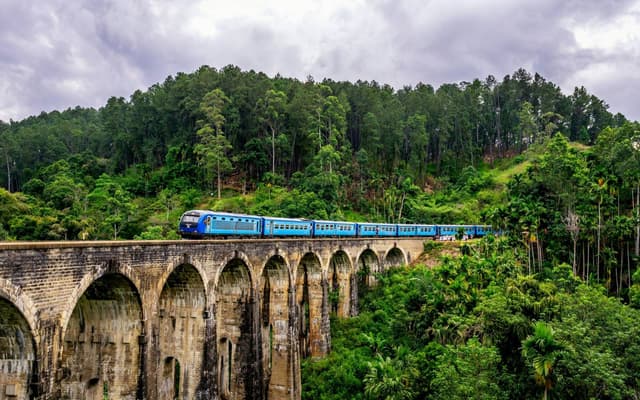
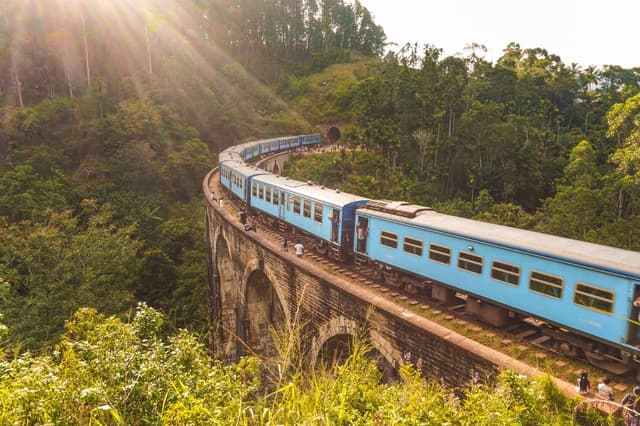
- Hill country trains: Cyclone Ditwah (landfall 28 November 2025) badly damaged the Main Line. As of early October 2026, Sri Lanka Railways was resuming trains from Colombo Fort to Peradeniya and Gampola (from 2 and 3 October), with full service into Kandy station planned for January 2027. There was still no through train between Gampola and Nanu Oya, while the Nanu Oya to Ella and Badulla section reopened on 20 June 2026. Check before you travel; see the rail section below.
- Dengue: the WHO reported more than 90,000 cases and over 65 deaths in Sri Lanka by early August 2026, on track to be the largest outbreak since 2017. Mosquito protection is not optional for children this year.
- Yala closure: Yala Blocks 1 and 2 are closed from 14 September to 15 October 2026 because of drought. Udawalawe is the better family safari in that window anyway.
For a broader overview of regions, transport and practicalities, start with the complete Sri Lanka travel guide, then come back here for the family detail.
When is the best time to visit Sri Lanka with kids?
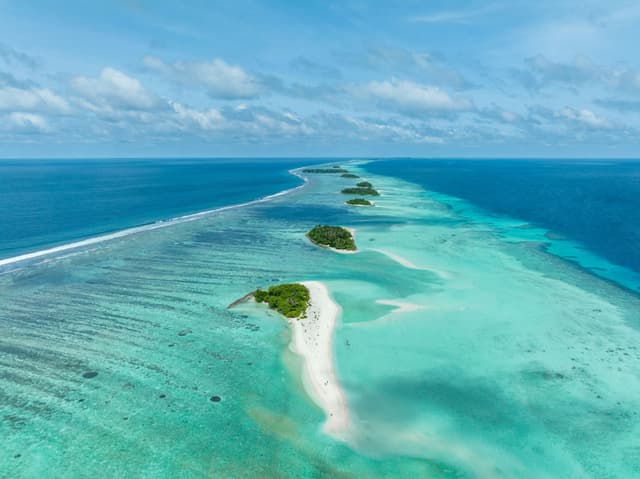
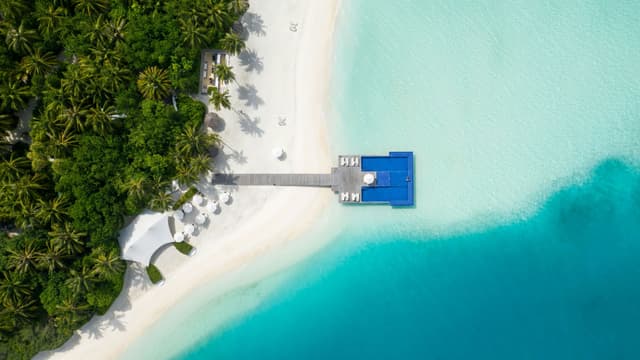
The best time for most families is December to April, when the south and west coasts, Colombo, Galle and the hill country are at their driest. If your holidays fall in June, July or August, switch to the east coast (Trincomalee, Nilaveli, Pasikudah, Arugam Bay), which is dry while the southwest is in monsoon.
Sri Lanka has two main monsoons. The southwest monsoon (roughly May to September) brings rain and rough seas to the west and south coasts and the hill country. The northeast monsoon (roughly November to February) brings rain to the north and east. October and early November are an inter-monsoon period when showers can hit almost anywhere, usually as afternoon downpours rather than all-day rain.
| Months | Best family region | Sea conditions | Notes for parents |
|---|---|---|---|
| December to March | South and west coast, hill country, Cultural Triangle | Calm on south and west coasts in most bays | Peak season; book hotels and drivers early, especially over Christmas and New Year |
| April | South and west coast, Cultural Triangle | Mostly calm, getting hotter | Sinhala and Tamil New Year in mid-April brings local holiday crowds and some closures for a few days |
| May to September | East coast (Trincomalee, Pasikudah, Arugam Bay), Cultural Triangle | South and west coasts rough; east coast calm | Minneriya and Kaudulla elephant gatherings peak around August and September |
| October to November | South coast and Cultural Triangle, with flexibility | Changeable; check daily flags | Inter-monsoon showers; good value; Yala may be closed into mid-October in drought years |
Festival and school-holiday tip: many South Asian families, including those from Nepal and India, travel during the Dashain, Tihar, Diwali and Durga Puja breaks in October and November. That is the inter-monsoon window, so build in a spare day, choose the south coast or Cultural Triangle, and keep beach days flexible. Families travelling at Christmas or in the February half-term will find the most reliable weather on the south and west coasts. The detailed month-by-month picture is in our guide on the best time to visit Sri Lanka.
Where should you go in Sri Lanka with children?
The classic family loop combines the Cultural Triangle (Sigiriya, Dambulla, Minneriya), Kandy, the tea country (Nuwara Eliya, Ella), a safari (Udawalawe or Yala) and the south coast (Galle, Unawatuna, Mirissa, Tangalle). Short trips should pick two or three of these, not all of them.
| Place | What children enjoy | Best ages | Effort level |
|---|---|---|---|
| Udawalawe National Park | Herds of wild elephants in open grassland, plus the Elephant Transit Home feeding | All ages; ideal first safari | Low: 3 to 4 hour morning or afternoon jeep drive |
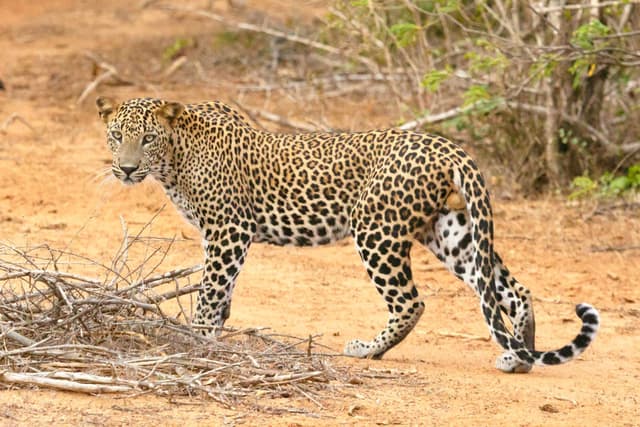
| Yala National Park | Leopards, elephants, crocodiles, sloth bears (rare) | Around 6 and up | Medium: bumpy, dusty, busy in peak months |
| Minneriya or Kaudulla | Large elephant gatherings by the reservoirs | All ages | Low: afternoon jeep drive |
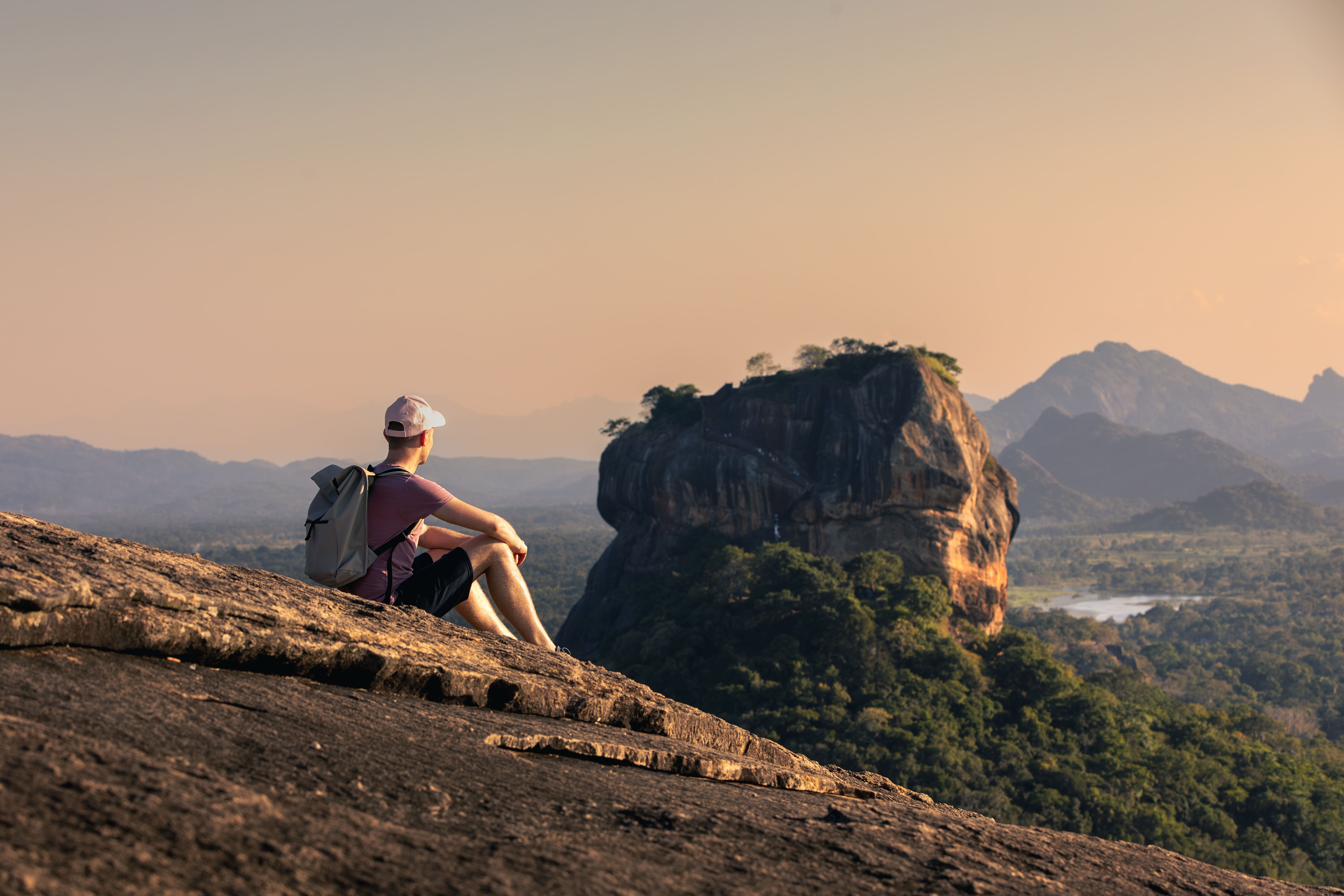
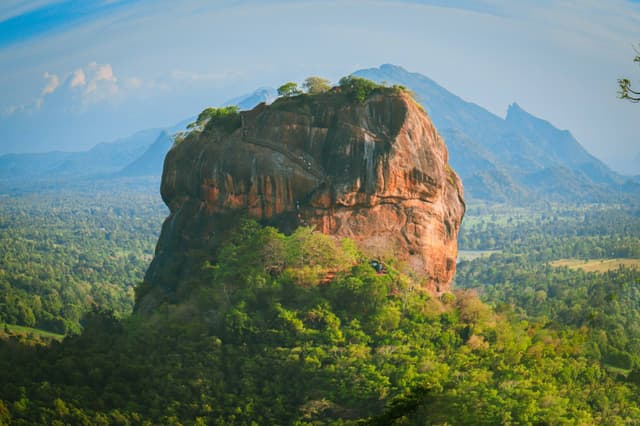
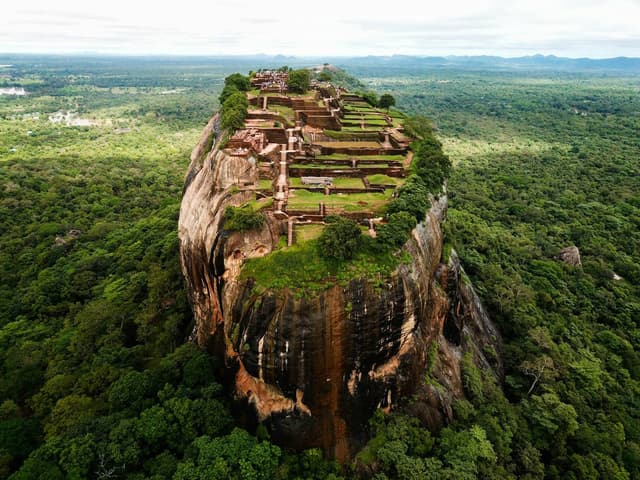
| Sigiriya Rock Fortress | Lion's paw gateway, frescoes, the summit view | Around 7 and up, or teens | High: about 1,200 steps, exposed stairways, heat |
| Pidurangala Rock | Sunrise view of Sigiriya, a scramble at the top | Confident older children and teens | High: steep, rocky final section |
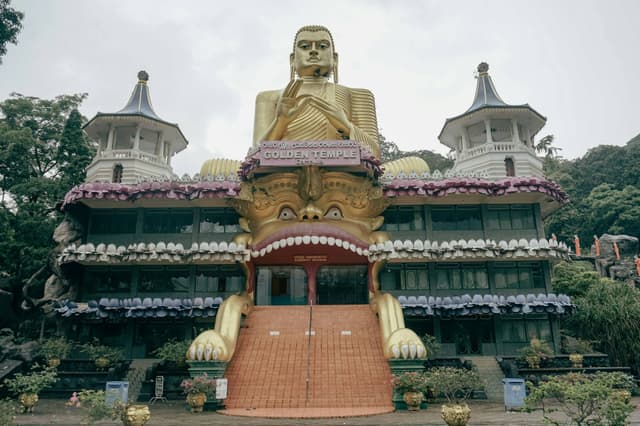
| Dambulla Cave Temple | Painted caves full of Buddha statues, monkeys outside | All ages | Medium: a steady climb up the hill |
| Kandy | Temple of the Tooth, lake walk, cultural dance show | All ages | Low |
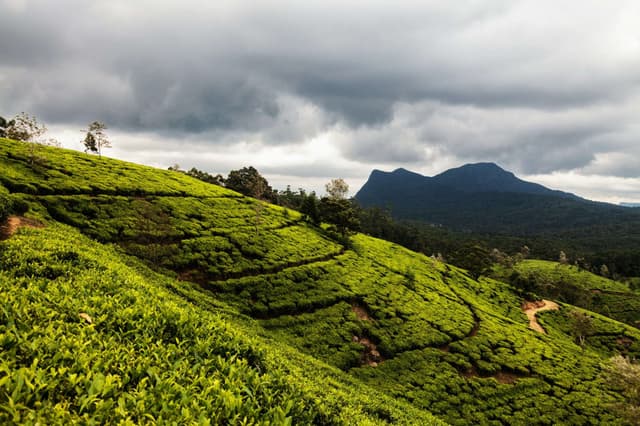
| Nuwara Eliya and tea estates | Tea factory tours, cool weather, Gregory Lake boats | All ages | Low |
| Ella | Nine Arches Bridge, Little Adam's Peak, the hill train | Around 5 and up for the walks | Medium: short hikes |
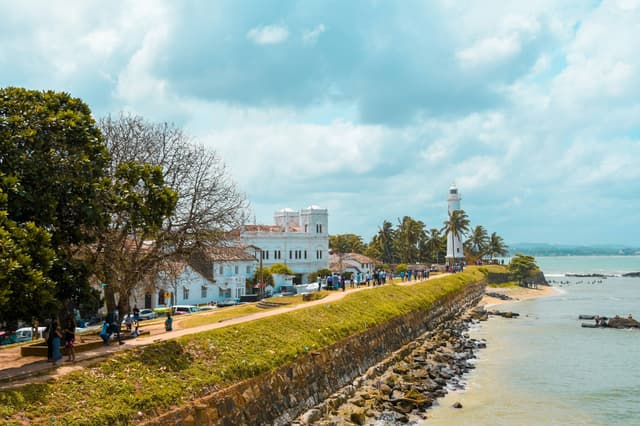
| Galle Fort | Ramparts at sunset, lighthouse, ice cream, cricket on the green | All ages | Low; pushchair-friendly in parts |
| Unawatuna and Jungle Beach | Sheltered swimming, snorkelling at calm times | All ages with supervision | Low |
| Mirissa | Whale and dolphin trips (roughly November to April) | Around 8 and up for the boat | Medium to high: long boat trip, seasickness common |
| Pasikudah (east coast) | Long, shallow bay that stays waist-deep a long way out at calm times | Toddlers and young children | Low; best May to September |
Which Sri Lanka beaches are safest for children?
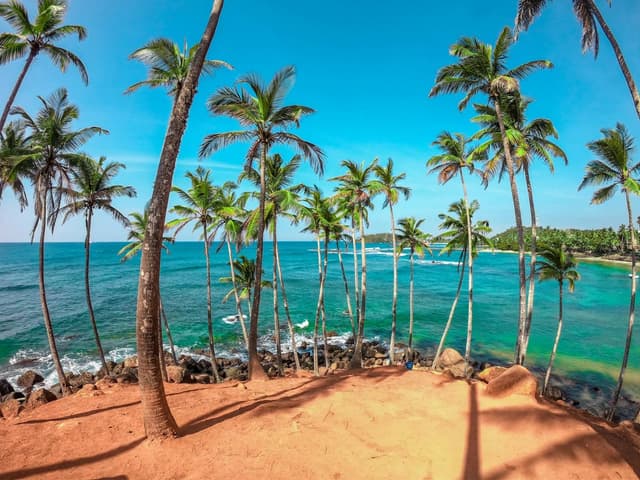
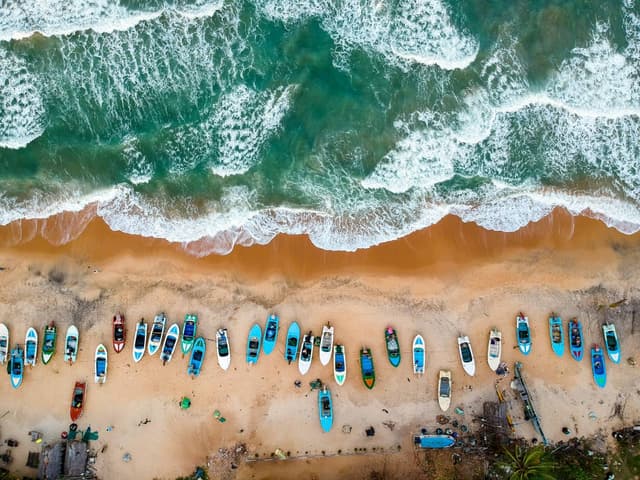
The safest family beaches are sheltered bays in the right season: Unawatuna, Jungle Beach and parts of Mirissa and Weligama on the south coast from December to April, and Pasikudah and Nilaveli on the east coast from May to September. Open, steep beaches such as much of Tangalle and parts of Bentota and Hikkaduwa can have powerful shore breaks and rip currents, even when the sun is out.
The UK Foreign Office warns that many Sri Lankan beaches have dangerous surf or rip tides at certain times of year, and few beaches have lifeguards. Treat these rules as non-negotiable with children:
- Swim only where locals and your hotel say it is safe that day; conditions change daily.
- Red flag means no swimming. No flag does not mean safe.
- Look for rips: darker, calmer-looking channels between breaking waves, or foam and debris moving out to sea.
- Teach children to float and raise an arm if pulled out, and to swim parallel to the shore to escape a rip.
- Use the hotel pool on rough days. Many family hotels on the south coast have shallow children's pools.
- Wear reef shoes on rocky and coral bays; sea urchins are common around reefs.
| Beach | Coast and season | Family verdict |
|---|---|---|
| Unawatuna | South, December to April | Good: sheltered bay, cafes, easy from Galle |
| Jungle Beach | South, December to April | Good for calm swims and snorkelling; short walk down |
| Mirissa | South, December to April | Mixed: busy, some sections calm, others with strong waves |
| Weligama | South, December to April | Good for beginner surf lessons for older children; watch for currents |
| Hiriketiya | South, December to April | Small horseshoe bay; surf-focused but often gentle on the inside |
| Tangalle | South, December to April | Beautiful but often a strong shore break; better for pools than sea |
| Bentota | West, December to April | Resort area with a calm river and lagoon for boat rides; sea can be rough |
| Pasikudah | East, May to September | Very good for small children at calm times: long, shallow bay |
| Nilaveli and Uppuveli | East, May to September | Good: calm water; Pigeon Island snorkelling for confident swimmers |
| Arugam Bay | East, May to September | Surf town; better for teens than toddlers |
More detail on each coast, including quieter options, is in our guide to the best beaches in Sri Lanka.
Which safari is best for families in Sri Lanka?
Udawalawe is the best first safari for families. The park is open grassland around a large reservoir, elephant herds are seen on most drives, and the jeeps stay on relatively easy tracks. Yala has the famous leopards but is bumpier, busier and less predictable, so it suits children who can sit happily in a jeep for three or more hours.
| Park | Highlights | Best months | Family notes |
|---|---|---|---|
| Udawalawe | Elephants in large numbers, water buffalo, birds, crocodiles | Year-round | Easiest safari for young children; combine with the Elephant Transit Home |
| Yala (Blocks 1 and 2) | Leopards, elephants, sloth bears, coastal scenery | Roughly February to July | Often closed for part of September and October in dry years (closed 14 September to 15 October 2026); crowded jeeps at sightings |
| Minneriya and Kaudulla | Elephant gatherings that can number in the hundreds | Peak around July to September | Easy from Sigiriya; drivers choose the park where the elephants are that day |
| Wilpattu | Leopards, sloth bears, natural lakes, fewer jeeps | Roughly February to October | Large park with long drives; better for older children and teens |
| Bundala | Wetland birds, flamingos in season, crocodiles | Roughly September to March | Quieter alternative near Yala; good for young birdwatchers |
Tips for safaris with kids: book an early morning or late afternoon drive to avoid the midday heat; bring snacks, water, hats and a light scarf for dust; give younger children their own cheap binoculars; and ask the driver to keep a respectful distance from elephants and not to crowd leopard sightings. Our Sri Lanka safari guide compares the parks in more depth.
Is Pinnawala ethical, and where should children see elephants instead?
Families who want to see baby elephants should choose the Elephant Transit Home at Udawalawe rather than the Pinnawala Elephant Orphanage. The Transit Home, run by the Department of Wildlife Conservation since 1995, raises orphaned calves with minimal human contact and releases them into the wild, mostly into Udawalawe National Park. Visitors watch feedings from a viewing platform; there is no touching, riding or bathing with the elephants.
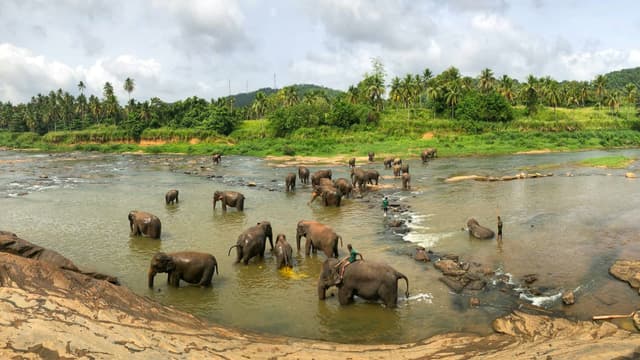
Pinnawala, founded in 1975, is popular and close to the Colombo to Kandy road, but it keeps elephants in captivity long term, its welfare standards have been questioned (including in a 2010 Born Free Foundation report), and elephants there do not return to the wild. Many responsible travel organisations advise against it. Avoid any attraction that offers elephant rides, bathing with elephants, painting or "shows".
| Option | What you see | Welfare view |
|---|---|---|
| Wild elephants in Udawalawe, Minneriya, Kaudulla | Free-roaming herds in their habitat | Best choice |
| Elephant Transit Home, Udawalawe | Orphaned calves at feeding time (reported times 9 am, 12 pm, 3 pm and 6 pm) | Good: rehabilitation and release, no contact |
| Pinnawala Elephant Orphanage | Large captive herd, river bathing | Questioned by welfare groups; permanent captivity |
| Elephant rides, bathing or shows | Direct contact with working elephants | Avoid |
The same logic applies to turtles. Some roadside "hatcheries" on the southwest coast keep hatchlings in tanks for days so visitors can hold them, which can weaken them before release. Better options are night-time nesting watches run with conservation rules, such as the community turtle watch at Rekawa near Tangalle, where guides control torches and keep groups back. Explain the "look, don't touch" rule to children before you go, and skip any place that hands children a hatchling to hold.
Where should families stay in Sri Lanka?
Families do best with three or four bases rather than a new hotel every night. Choose hotels with a pool, family rooms or connecting rooms, and on-site food, so you are not driving out for every meal with tired children.
| Area | Why stay | Good for |
|---|---|---|
| Negombo | Short drive from Bandaranaike International Airport; easy first or last night | Arrivals after long flights |
| Sigiriya, Habarana or Dambulla | Base for Sigiriya, Dambulla and Minneriya or Kaudulla; many resorts with big pools and gardens | Two to three nights of culture and elephants |
| Kandy (lake area or hills above) | Temple of the Tooth, cultural show, botanical gardens | One to two nights |
| Nuwara Eliya or tea estate bungalows | Cool air, tea factories, strawberry farms | One night; pack warm layers |
| Ella | Short hikes, cafes, hill train views | One to two nights with active children |
| Udawalawe or Tissamaharama | Close to park gates for early safaris | One night |
| Galle, Unawatuna, Ahangama or Mirissa | Beach villas, family resorts, Galle Fort day trips | Four to seven nights to slow down |
| Bentota or Kalutara | Large beach resorts, some with kids' clubs, within easy reach of the airport | Beach-only holidays with young children |
| Trincomalee, Nilaveli or Pasikudah | Calm east coast seas in the summer months | June to August family trips |
Villa rentals with a cook are popular on the south coast for multi-generation groups and diaspora families travelling together; they give space, a private pool and home-style meals at a pace that suits grandparents and toddlers alike.
How do you get around Sri Lanka with children?
A private car or van with a driver is the most practical choice for most families. Drivers handle the roads, wait while you visit sights, help with luggage and often double as informal guides. Families of five or more should ask for a van rather than a car.
Car seats: child car seats are rarely provided as standard, and many vehicles have limited rear seat belts. If your child needs one, bring your own lightweight seat (many airlines carry them in addition to the baggage allowance; check with your airline) and ask the transport company in writing to confirm working rear seat belts.
Tuk-tuks are fun for short hops in towns but have no seat belts; keep them for slow, local trips. Public buses are cheap but crowded and driven fast, and are not recommended with small children. Domestic flights and seaplanes exist but are limited and weather-dependent.
| Route (by road) | Approximate driving time |
|---|---|
| Colombo airport to Sigiriya | 4 to 4.5 hours |
| Colombo airport to Galle (via the Southern Expressway) | 2 to 2.5 hours |
| Colombo to Kandy | 3 to 4 hours |
| Sigiriya to Kandy | 2.5 to 3 hours |
| Kandy to Nuwara Eliya | 2.5 to 3 hours |
| Nuwara Eliya to Ella | 2 to 2.5 hours |
| Ella to Udawalawe | 2.5 to 3 hours |
| Ella to Tissamaharama (Yala) | 2 to 2.5 hours |
| Udawalawe to Mirissa or Tangalle | 2 to 2.5 hours |
| Galle to Colombo airport | 2 to 2.5 hours |
Times are typical for a private vehicle in normal traffic and can be longer after heavy rain, during landslide repairs or on holiday weekends. With young children, plan breaks every 90 minutes to two hours. More options, including rail and expressways, are in our guide on how to get around Sri Lanka.
Is the Kandy to Ella train running in 2026?
Partly. Cyclone Ditwah in late 2025 damaged more than 200 locations on the Colombo to Badulla Main Line. As of early October 2026, the picture was: Sri Lanka Railways announced that regular trains from Colombo Fort to Peradeniya and Gampola would resume from 2 and 3 October 2026, and said on 1 October that full service into Kandy station is planned for January 2027. There was still no through passenger train between Gampola and Nanu Oya. The upper tea-country section from Nanu Oya to Ella and Badulla reopened on 20 June 2026. Reopening dates have slipped several times since the cyclone, so treat any date as a target and check before you travel.
| Section | Status (as of early October 2026) | Family alternative |
|---|---|---|
| Colombo to Kandy | Trains resuming to Peradeniya and Gampola from 2 to 3 October 2026; full service into Kandy station planned for January 2027 | Drive Colombo to Kandy (about 3 to 4 hours), or take the train to Peradeniya and a short tuk-tuk ride into Kandy |
| Kandy to Nanu Oya | No through passenger train between Gampola and Nanu Oya; no confirmed reopening date | Drive to Nuwara Eliya and join the train at Nanu Oya |
| Nanu Oya to Ella and Badulla | Reopened on 20 June 2026 | The most scenic stretch for children is here |
| Colombo to Galle and Matara (coast line) | Running | Fun short ride for kids, but crowded at rush hour |
For children, the Nanu Oya to Ella stretch (roughly three hours) is the best part anyway: tea estates, tunnels and waterfalls without a full-day ride. Reserved seats sell out quickly in peak season. Check the latest position on the official Sri Lanka Railways site and with your driver or hotel the week you travel, and keep a road transfer as a back-up.
How much are entry fees for the main family sights?
Foreign visitors pay much higher entry fees than residents, and children aged 6 to 12 usually pay around half the adult rate. Children under 6 generally enter national parks and the main cultural sites free of charge. Fees are set by the Department of Wildlife Conservation (national parks) and the Central Cultural Fund (heritage sites) and change often, so treat this table as a guide.
| Site | Foreign adult (approx., 2026) | Child 6 to 12 (approx., 2026) | What is extra |
|---|---|---|---|
| Yala National Park | About USD 40 to 45 per person, including service charge and VAT | About USD 20 to 23 | Jeep hire (shared by up to about 6 people) and a per-vehicle charge |
| Udawalawe National Park | About USD 40 to 45 per person, including service charge and tax | About USD 18 to 22 | Jeep hire |
| Elephant Transit Home, Udawalawe | A few US dollars | Reduced rate | None |
| Sigiriya Rock Fortress | About USD 35 | About USD 20 (under 6 free) | Paid in rupees at the gate at the daily rate |
| Dambulla Cave Temple | About USD 10 | Reduced or free for young children | Shoulders and knees covered; shoes off |
| Polonnaruwa ancient city | About USD 30 | About half | Bicycle or tuk-tuk to get around the site |
Park totals vary because the government fee, service charge, VAT and vehicle charge are added separately, and travellers report slightly different totals for the same park. Confirm current rates on the Department of Wildlife Conservation website or at the ticket office. Carry Sri Lankan rupees (LKR) in cash, because card acceptance at gates can be patchy.
What are good sample routes for a family trip to Sri Lanka?
The sample routes below show realistic pacing for families, with nights per base rather than a packed daily schedule. Adjust for your children's ages, the season and the rail situation.
7 nights: beaches and one safari (younger children)
| Base | Nights | Main family activity |
|---|---|---|
| Negombo or Bentota | 1 | Recover from the flight; pool time |
| Udawalawe | 1 | Afternoon jeep safari and Elephant Transit Home feeding |
| Unawatuna, Ahangama or Mirissa | 5 | Calm-bay swimming, Galle Fort, optional turtle watch |
10 nights: the classic family loop
| Base | Nights | Main family activity |
|---|---|---|
| Sigiriya or Habarana | 3 | Sigiriya or Pidurangala (older children), Dambulla, Minneriya or Kaudulla elephants |
| Kandy | 1 | Temple of the Tooth, lake walk, cultural show |
| Nuwara Eliya or Ella | 2 | Tea factory, Nanu Oya to Ella train if running, Nine Arches Bridge |
| Udawalawe | 1 | Safari and Elephant Transit Home |
| South coast | 3 | Beach, Galle Fort, rest before the flight |
14 nights: slower pace with more beach
| Base | Nights | Main family activity |
|---|---|---|
| Negombo | 1 | Arrival rest |
| Sigiriya or Habarana | 3 | Cultural Triangle sights and an elephant gathering safari |
| Kandy | 2 | City sights and a gentle day out at the Peradeniya botanical gardens (check they are fully open, as they were flood-damaged in late 2025) |
| Tea country (Nuwara Eliya or a tea estate) | 1 | Tea factory, cool weather |
| Ella | 2 | Little Adam's Peak, Ravana Falls, short train ride |
| Udawalawe or Tissamaharama | 1 | Safari (Udawalawe year-round; Yala when open) |
| South coast | 4 | Beach days, whale watching for older children in season, Galle Fort |
In June to August, swap the south coast for Trincomalee, Nilaveli or Pasikudah, which pairs naturally with the Cultural Triangle.
What health precautions should families take in Sri Lanka?
The biggest health risks for children in Sri Lanka are mosquito bites (dengue), heat and sun, stomach upsets, and animal bites. See a travel clinic six to eight weeks before departure to check routine and travel vaccinations for each child.
| Risk | 2026 situation | What families should do |
|---|---|---|
| Dengue | Major outbreak: over 90,000 cases by early August 2026 (WHO); day-biting Aedes mosquitoes, present in towns and cities | Repellent suitable for each child's age, long light clothing, especially early morning and late afternoon; air-conditioned or screened rooms; nets for cots |
| Fever | Any fever can be dengue | Seek medical care promptly; avoid ibuprofen and aspirin until dengue is ruled out (paracetamol is generally advised) |
| Heat and sun | Hot and humid all year at low altitude | Hats, rash vests for swimming, high-factor sunscreen, shade breaks, plenty of fluids |
| Stomach upsets | Common for visitors | Bottled or filtered water, freshly cooked food, oral rehydration salts in your bag |
| Rabies | Present in dogs, cats and monkeys | Teach children not to touch animals; wash any bite or scratch thoroughly with soap and water and get medical advice the same day |
| Malaria | Sri Lanka was certified malaria-free by the WHO in 2016 | Antimalarials not usually needed; still prevent bites because of dengue |
| Leeches | Common on rainforest and wet hill walks | Long socks or leech socks on jungle trails |
Good private hospitals are found in Colombo, Kandy and Galle; facilities in rural areas are basic. Buy travel insurance that covers every family member, including medical evacuation, and carry any regular medicines in their original packaging. Pharmacies in larger towns stock nappies, formula and common children's medicines, but brands may differ from home, so bring enough of anything your child depends on.
Is Sri Lanka safe for families right now?
Sri Lanka is generally safe for family travel, and violent crime against tourists is uncommon. The everyday risks are road accidents, rough seas, heat, wildlife and weather. The UK Foreign Office travel advice (last updated 21 September 2026) highlights erratic driving and frequent road accidents, especially at night, dangerous surf at some beaches, and monsoon flooding and landslides.
- Avoid travelling by road at night with children.
- Respect wild elephants on roads around Udawalawe, Habarana and Yala; never get out of the car near them.
- Keep food out of sight around monkeys at temples and Sigiriya.
- Watch weather warnings in the monsoon months; landslides can close hill roads after heavy rain.
- Agree tuk-tuk fares before setting off, or use a ride-hailing app in Colombo.
Our dedicated guide on whether Sri Lanka is safe covers scams, solo and women travellers and regional advice in more detail.
What will children eat in Sri Lanka?
Children usually eat well in Sri Lanka once parents know what to order. Rice, roti, eggs, fresh fruit and fried noodles are easy everywhere, and most tourist restaurants and hotels serve pasta, pizza and sandwiches too. The key phrase is "no chilli" or "less spicy", as many curries are fiery by default.
| Dish | What it is | Kid appeal |
|---|---|---|
| Egg hopper | Bowl-shaped rice-flour pancake with an egg cooked in the middle | High; usually a breakfast or evening favourite |
| String hoppers | Steamed nests of rice noodles | High with dhal or coconut sambol on the side |
| Kottu roti | Chopped roti stir-fried with vegetables, egg or chicken | High if made mild |
| Dhal curry (parippu) | Mild lentil curry | High; often the gentlest curry on the table |
| Rice and curry | Rice with several small curries | Mixed; ask which dishes are mild |
| Fresh fruit | Mango, pineapple, papaya, rambutan, bananas | High; buy whole fruit and peel it |
| King coconut | Orange coconut, drunk from the shell | High; refreshing in the heat |
| Watalappan | Spiced coconut and jaggery custard | High as a treat |
Vegetarian families find Sri Lanka easy, because dhal, vegetable curries and egg dishes are everywhere. Families who prefer Indian or Nepali-style food will find South Indian restaurants in Colombo, Kandy and larger towns. For a fuller food list, see what to eat in Sri Lanka.
How should you plan Sri Lanka for different ages?
| Age group | What works | What to skip or adapt |
|---|---|---|
| Babies and toddlers (under 3) | Two or three bases, shallow pools, Udawalawe, Galle Fort, Pasikudah in summer | Sigiriya climb (baby carrier only, for fit parents), long safaris, long train rides; bring a carrier rather than a pushchair for most sights |
| Young children (3 to 7) | Udawalawe and the Elephant Transit Home, beach days, tea factories, a short train ride, Kandy lake | Back-to-back long drives; Yala in peak crowds; full-day hikes |
| Older children (8 to 12) | Sigiriya climb, Yala safari, Ella hikes, whale watching in season, snorkelling at calm bays | Overloaded temple days; mix one cultural site with one active stop each day |
| Teenagers | Pidurangala sunrise, surf lessons at Weligama or Arugam Bay, Ella hikes, white-water rafting at Kitulgala (age limits apply) | Too much car time; give them some choice of activities |
| Grandparents and multi-generation groups | Villas, tea estates, Galle Fort, gentle safaris, Kandy | Sigiriya's upper stairs for anyone with heart, knee or vertigo issues; the water gardens below are a good alternative |
What should families pack and bring for Sri Lanka?
- Passports valid for at least six months, plus an ETA approval for every family member, printed and on your phone.
- Children's mosquito repellent, long lightweight trousers and long-sleeved tops.
- High-factor sunscreen, hats, sunglasses, rash vests and reef shoes.
- Modest clothing for temples: shoulders and knees covered for everyone, including children; shoes and hats come off inside.
- A light fleece or jumper for Nuwara Eliya and Horton Plains, where nights are cool.
- A light rain jacket in any season.
- Oral rehydration salts, children's paracetamol, a thermometer, plasters and any prescription medicines.
- A portable car seat or booster if your child needs one.
- A soft baby carrier for toddlers; pavements and temple steps make pushchairs hard work.
- Plug adapters: Sri Lanka uses 230V, and type D and type G sockets are common.
Respect local customs with children too: do not pose with your back to a Buddha statue, do not touch monks, and keep voices low inside temples.
How do you get to Sri Lanka, and what about money?
Almost all international flights arrive at Bandaranaike International Airport (CMB) at Katunayake, about 35 km north of Colombo and close to Negombo. Direct flights connect Colombo with the Gulf, India, Southeast Asia and some European cities. From Kathmandu, SriLankan Airlines operates nonstop flights to Colombo (about 3.5 hours, around four times a week on 2026 schedules), and one-stop connections run via Indian and Gulf hubs. Schedules change by season, so check with the airline.
The currency is the Sri Lankan rupee (LKR). Cards are accepted in most hotels and larger restaurants, but cash is needed for park gates, temples, tuk-tuks, small cafes and tips. ATMs are common in towns. Visa rules, entry requirements and fees all depend on your passport, so always confirm on official government sites rather than third-party visa agencies, which may charge extra for the same ETA.
What are the most common mistakes families make in Sri Lanka?
- Trying to see everything: a 10-night trip with seven hotel changes leaves children exhausted. Three or four bases is plenty.
- Ignoring the monsoon map: booking the southwest coast in July or the east coast in December often means rough seas and no swimming.
- Booking the wrong elephant experience: choose wild herds and the Elephant Transit Home, not rides or bathing.
- Underestimating the Sigiriya climb: go at opening time, carry water, and be honest about younger children and grandparents.
- Relying on the hill train: in 2026, always have a road back-up.
- Skipping mosquito protection: dengue is serious this year; protect children all day, not just in the evening.
- Forgetting each child's ETA: every family member needs their own approval before flying.
For examples of how safaris, drivers, family rooms and beach stays can be combined at a child-friendly pace, see these Sri Lanka family holiday packages, and check any rail leg against the latest status above.
Frequently asked questions
Is Sri Lanka good for a family holiday with young children?
Yes. Sri Lanka suits young children because beaches, elephant safaris and tea country are close together, hotels welcome families, and English is common in tourist areas. Keep to two or three bases, choose sheltered beaches in the right season, start with Udawalawe for safari, and protect children carefully against mosquitoes because of the 2026 dengue outbreak.
What is the best month to visit Sri Lanka with family?
For the south and west coasts, Galle and the hill country, December to April is best, with February and March often the most settled. For June to August school holidays, choose the east coast around Trincomalee and Pasikudah. October and November are inter-monsoon months in Sri Lanka, with changeable weather but good value.
Do children need an ETA to visit Sri Lanka?
Yes. Every traveller to Sri Lanka, including babies, needs their own ETA linked to their own passport, applied for before arrival on the official eta.gov.lk website. The official fee table treats children under 12 differently from adults, but the application is still required. Rules depend on nationality, so check the official site before booking flights.
Which is better for kids, Udawalawe or Yala?
Udawalawe is better for most families in Sri Lanka. Elephants are seen on most drives, the tracks are easier and jeeps are less crowded. Yala offers the chance of leopards but is bumpier and busier, suiting children around six and older. Yala Blocks 1 and 2 also close for part of September and October in dry years.
Is the Kandy to Ella train running in 2026?
Partly. As of early October 2026, the Nanu Oya to Ella and Badulla section of Sri Lanka's hill country line has been running since 20 June 2026, trains from Colombo are resuming to Peradeniya and Gampola, and full service into Kandy is planned for January 2027. There is no through train between Gampola and Nanu Oya, so drive that stretch. Check Sri Lanka Railways before you travel and keep a road transfer as a back-up.
Is Pinnawala Elephant Orphanage suitable for children?
Many families now skip Pinnawala in Sri Lanka because elephants are kept in long-term captivity and welfare groups have raised concerns. A better choice is the Elephant Transit Home at Udawalawe, where orphaned calves are raised with minimal contact and released into the wild, followed by a safari to see wild herds.
Are Sri Lanka's beaches safe for kids to swim?
Some are, in the right season. Sheltered bays such as Unawatuna and Jungle Beach on the south coast from December to April, and Pasikudah and Nilaveli on the east coast from May to September, are the safest choices. Many Sri Lankan beaches have rip currents and few lifeguards, so always obey red flags and local advice.
How many days do you need in Sri Lanka with family?
Ten to fourteen nights is ideal for a Sri Lanka family trip covering the Cultural Triangle, Kandy, tea country, a safari and the beach at a relaxed pace. With seven nights, focus on one safari and the south coast. Keep to three or four hotel bases at most so children are not spending every day in the car.
Is dengue a risk for children in Sri Lanka?
Yes, especially in 2026, when Sri Lanka recorded more than 90,000 dengue cases by early August according to the WHO. Dengue mosquitoes bite during the day, including in towns. Use age-appropriate repellent, long light clothing and screened or air-conditioned rooms, and see a doctor promptly for any fever.
Can you get child car seats in Sri Lanka?
Child car seats are rarely provided in Sri Lanka unless requested well in advance, and many vehicles have limited rear seat belts. Families with small children should bring their own lightweight car seat or booster and ask the transport provider in writing to confirm working seat belts. Avoid road travel at night.
Is Sigiriya too hard for children to climb?
Sigiriya involves about 1,200 steps, including exposed metal stairways near the top, so it suits fit children around seven and older, and teenagers. Go at opening time to avoid the heat and crowds, carry water, and hold small hands on the stairways. Younger children and less mobile grandparents can enjoy the water gardens below.
What should families wear when visiting temples in Sri Lanka?
Everyone, including children, should cover shoulders and knees when visiting temples in Sri Lanka. Shoes and hats come off before entering, so bring socks for hot stone floors. Do not pose for photos with your back to a Buddha statue, and keep children from climbing on statues or touching monks.