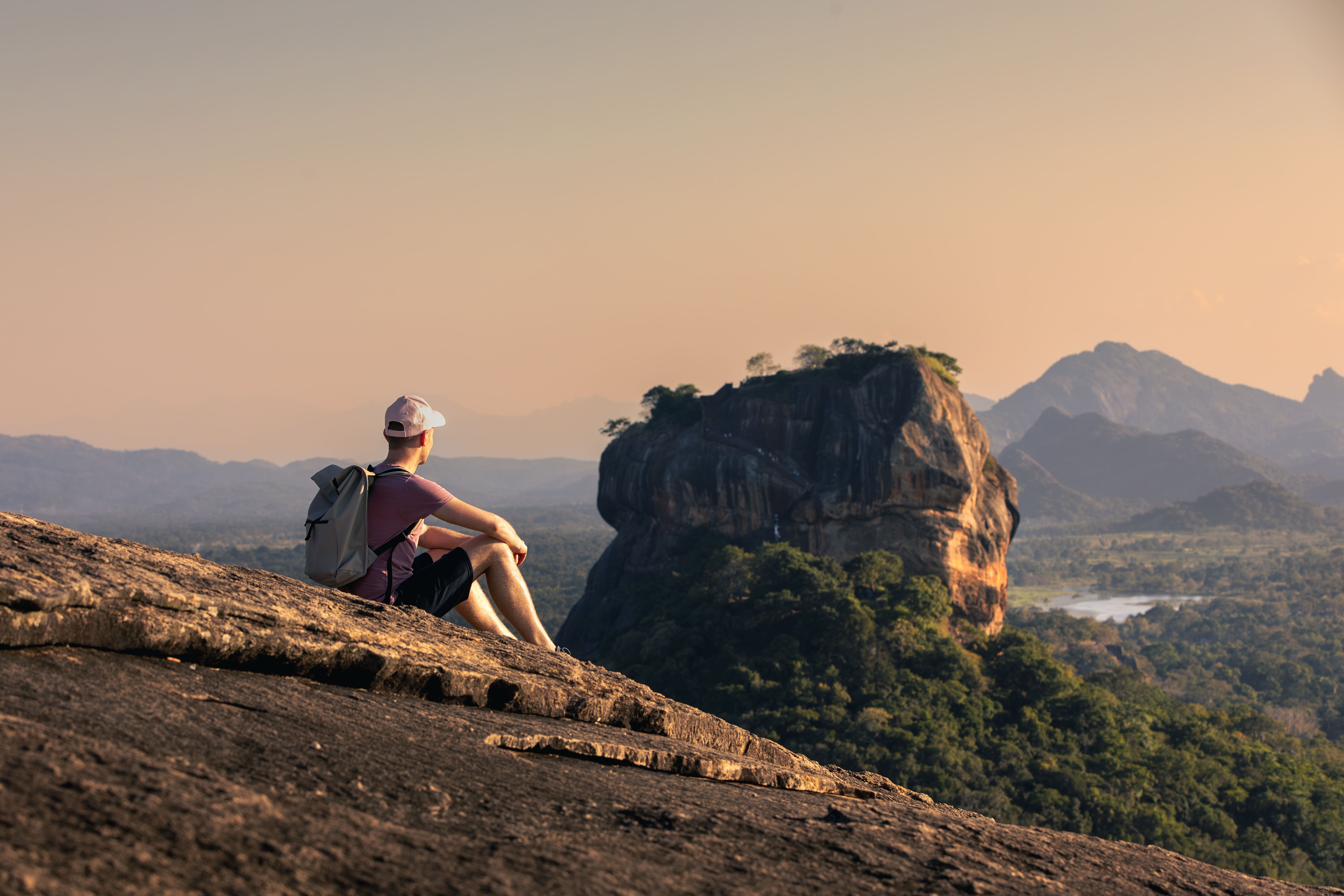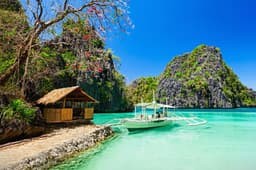













































Sri Lanka is one of the best places on earth to go on safari, and it packs an astonishing amount of wildlife into a small island. It holds the highest density of leopards anywhere, gathers hundreds of wild elephants in one place each year, and lets you go looking for blue whales offshore in the same trip. For most travellers the shortlist comes down to a handful of parks: Yala and Wilpattu for leopards, Udawalawe and Minneriya for elephants.
This guide covers the best national parks, which animals you can realistically expect to see, when to go, how much it costs, how a game drive works, and how to be a responsible visitor. Whether you have one safari day or want to string several parks together, Sri Lanka delivers wildlife encounters that rival far larger and more famous destinations.
What are the best safari parks in Sri Lanka?
Each park has its own character and star species, so the right choice depends on what you most want to see and where else you are travelling on the island. Here is a quick comparison of the main options.
| Park | Best for | Region |
|---|---|---|
| Yala | Leopards, variety | Southeast |
| Wilpattu | Leopards, fewer crowds | Northwest |
| Udawalawe | Elephants, reliable sightings | South |
| Minneriya and Kaudulla | The elephant Gathering | Central, Cultural Triangle |
| Bundala | Birds, flamingos | South |
| Wilpattu and Kumana | Quiet, birdlife | North and east |
Where can you see leopards in Sri Lanka?
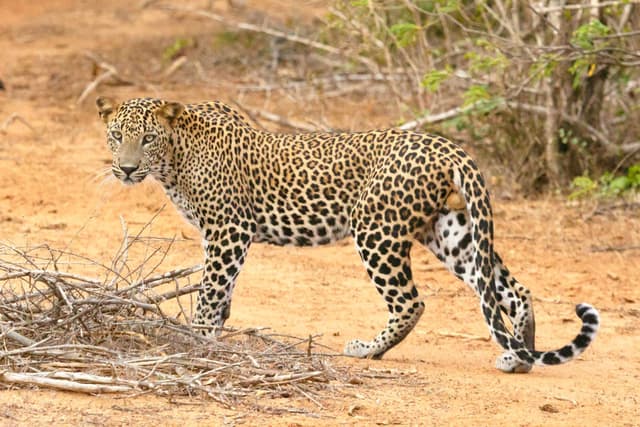
The Sri Lankan leopard is the island's apex predator and its most sought-after sighting. Because there are no tigers or lions to compete with, leopards here sit at the top of the food chain and are often seen out in the open during the day, which is unusual. The two best parks for them are Yala and Wilpattu.
Yala, in the southeast, is famous for having one of the highest leopard densities in the world, and Block 1 in particular offers strong chances of a sighting, though it can get busy. Wilpattu, in the northwest, is the island's largest park and a quieter, wilder alternative, where leopards are seen around its natural lakes, called villus. Sightings are never guaranteed with any wild animal, but patient visitors to these two parks have excellent odds.

Where can you see elephants?
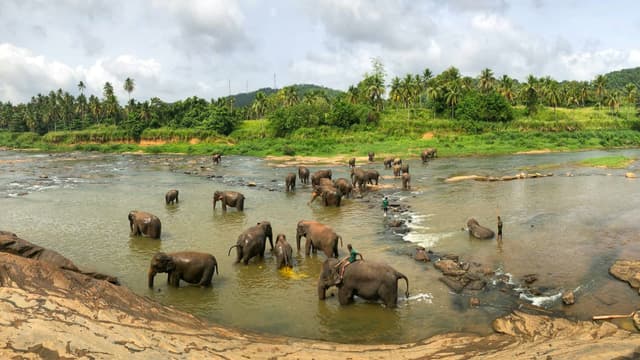
Wild Asian elephants are the other great draw, and Sri Lanka is one of the most reliable places anywhere to see them. Udawalawe, in the south, is the standout for year-round elephant watching, with herds of females and calves feeding in the open grassland almost every day, making a sighting close to certain.
For sheer spectacle, nothing matches The Gathering at Minneriya and nearby Kaudulla in the dry season, when hundreds of elephants congregate around the shrinking reservoir. It is considered one of the greatest wildlife events in Asia. Elephants also roam Yala and Wilpattu, so almost any safari gives you a good chance of seeing them.
What is Yala National Park like?
Yala is Sri Lanka's most visited and most famous park, covering a mix of scrub jungle, grassland, lagoons and a wild stretch of coast. Beyond its celebrated leopards, it is home to elephants, sloth bears, crocodiles, spotted deer, wild buffalo, peacocks and a rich variety of birds, making it the most varied park for a first safari.
The trade-off for all that wildlife is popularity, and the main Block 1 can see a rush of jeeps around a leopard sighting in peak season. Going early, choosing a good driver and tracker, and considering the quieter blocks all help. Yala closes for part of the dry season each year, usually around September, to let the habitat recover, so check dates when planning.
What is Wilpattu National Park like?
Wilpattu, in the northwest, is the largest national park in Sri Lanka and one of its most atmospheric. Its name means the land of lakes, a reference to the dozens of natural sand-rimmed water bodies, or villus, scattered through the forest. These attract leopards, elephants, sloth bears, deer and crocodiles, and the dense woodland gives the park a wilder, more secretive feel than open Yala.
Because it sees far fewer visitors, Wilpattu offers a more peaceful safari, with sightings you often have to yourself. Leopard encounters can take more patience here than in Yala, but the reward is a genuine sense of wilderness. It pairs well with a trip to the northern or cultural regions of the island.
What is Udawalawe National Park like?
If your priority is elephants, Udawalawe is the park to choose. Centred on a large reservoir and dominated by open grassland, it supports several hundred elephants that are visible in the open almost every day, so it offers perhaps the most reliable elephant viewing in Asia. You will often see whole family groups, including tiny calves, feeding close to the track.
Udawalawe is also excellent for birds of prey, water buffalo, crocodiles and deer, and it is home to the Elephant Transit Home nearby, where orphaned calves are rehabilitated and released back to the wild. Its open landscape makes for easy viewing and superb photography, and sightings come without the crowds of Yala.
What is the elephant Gathering at Minneriya?
Each year, as the dry season advances across the north-central plains, the waters of the ancient Minneriya reservoir recede to reveal fresh grass, and elephants arrive from across the region to feed and socialise. This is The Gathering, when as many as two or three hundred elephants can be seen in one place, the largest known concentration of wild Asian elephants in the world.
The event usually peaks between roughly June and September, and depending on water levels the elephants may shift between Minneriya and the neighbouring Kaudulla park. Because it sits within the Cultural Triangle near Sigiriya and Dambulla, it is easy to combine a Gathering safari with the island's great historical sites.
Which lesser-known parks are worth visiting?
Beyond the headline parks, Sri Lanka has quieter reserves that reward travellers who want to go deeper.
- Bundala: a coastal wetland near Yala, superb for migratory birds and flamingos.
- Kumana: the east-coast neighbour of Yala, a birdwatcher's paradise with far fewer jeeps.
- Wasgamuwa: a remote central park with large elephant herds and little tourism.
- Gal Oya: the only park where you can safari by boat and watch elephants swim between islands.
- Sinharaja: a UNESCO rainforest for endemic birds, amphibians and biodiversity rather than big game.
These parks suit repeat visitors, keen birders and anyone who values solitude over a guaranteed leopard. Gal Oya in particular offers a completely different, water-based safari experience.
What animals can you expect to see on safari?
Sri Lanka's wildlife is remarkably rich for such a small island, with many species found nowhere else. On a typical safari you have a realistic chance of seeing a good range of the following.
| Animal | Where it is common | Chance of seeing |
|---|---|---|
| Sri Lankan leopard | Yala, Wilpattu | Good with patience |
| Asian elephant | Udawalawe, Minneriya | Very high |
| Sloth bear | Yala, Wilpattu (best in season) | Uncommon, a real prize |
| Crocodiles and buffalo | All parks with water | High |
| Peacocks and birdlife | Everywhere | Very high |
Offshore, Sri Lanka is also one of the world's best places to see blue whales and sperm whales, on boat trips from Mirissa in the south or Trincomalee in the east, which many travellers add to a safari itinerary.
When is the best time for a Sri Lanka safari?
Timing matters because each region has its own dry season, when animals gather around water and viewing is best. The good news is that some park is in prime season almost year round.
| Park | Best months | Notes |
|---|---|---|
| Yala | February to July | Closes around September for a month |
| Wilpattu | February to October | Driest and best in this window |
| Udawalawe | Year round | Elephants reliable in every season |
| Minneriya Gathering | June to September | Peak dry-season spectacle |
Early morning and late afternoon game drives are best in every park, as animals are most active in the cooler hours and the light is beautiful for photography.
How much does a Sri Lanka safari cost?
Safari costs come in two parts: the park entrance fee, paid per person, and the jeep with driver, usually shared. Foreign visitor entrance fees rose in 2026 and vary by park; travellers from SAARC countries, which include Nepal, generally pay a lower rate than other foreign visitors, so it is worth asking about the SAARC ticket.
| Park | Foreign adult entry (approx) | Notes |
|---|---|---|
| Yala | Around USD 40 to 45 | Plus taxes and jeep hire |
| Udawalawe | Around USD 42 | Reliable elephant viewing |
| Wilpattu | Around USD 25 non-SAARC, USD 20 SAARC | Lower SAARC rate available |
On top of the entrance fee, a half-day jeep for the group typically adds a further amount that is shared between passengers, so costs per person fall in a larger group. Prices change with government updates, so confirm the current rate when you book.
How does a safari game drive work?
Safaris run as game drives in an open 4x4 jeep, either a morning drive starting before dawn or an afternoon drive ending at dusk, each lasting around three to four hours. A full-day option is possible in the bigger parks. Your driver doubles as a spotter, and in many cases a separate park tracker joins the jeep, using radio tips and years of experience to find the animals.
You stay in the vehicle at all times except at designated rest points, and the driver positions the jeep for viewing and photography. A good driver and tracker make an enormous difference to what you see, so it is worth choosing a reputable operator rather than the cheapest option at the gate. Bring water, sun protection and a camera with a decent zoom.
How can you be a responsible safari visitor?
Sri Lanka's parks face real pressure from their own popularity, and travellers can help by choosing wildlife over the perfect photo. Ask your driver not to speed, crowd animals or block their path, especially at a leopard sighting where too many jeeps can cause stress. Keep noise down, never feed or litter, and support operators who follow the park rules.
Avoid attractions that exploit captive elephants for rides or shows; wild viewing at Udawalawe or the ethical Elephant Transit Home is a far better way to spend time with these animals. Small choices like these keep the parks healthy for the wildlife and for future visitors, and they make for a more rewarding day out too. When you are ready to plan the wider trip, our Sri Lanka tour packages can pair safari days with beaches, tea country and the cultural sites.
How can you combine a safari with the rest of Sri Lanka?
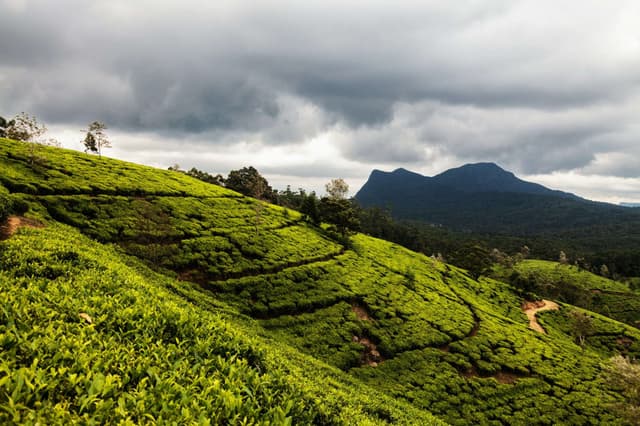
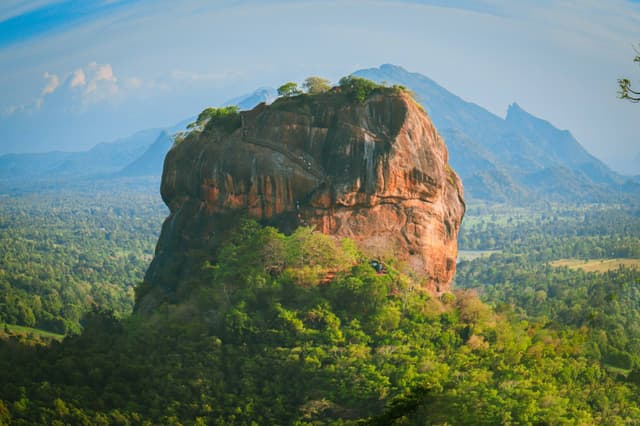
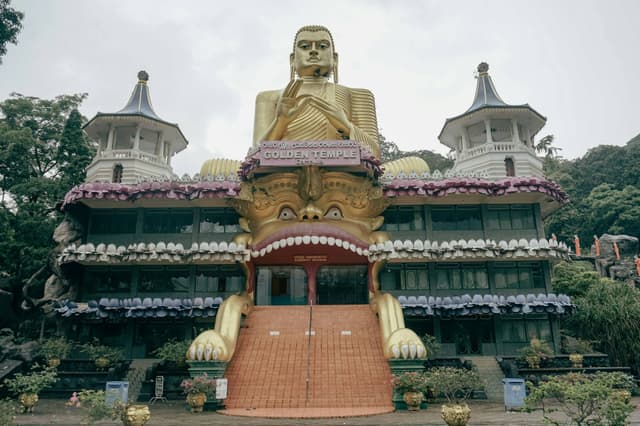
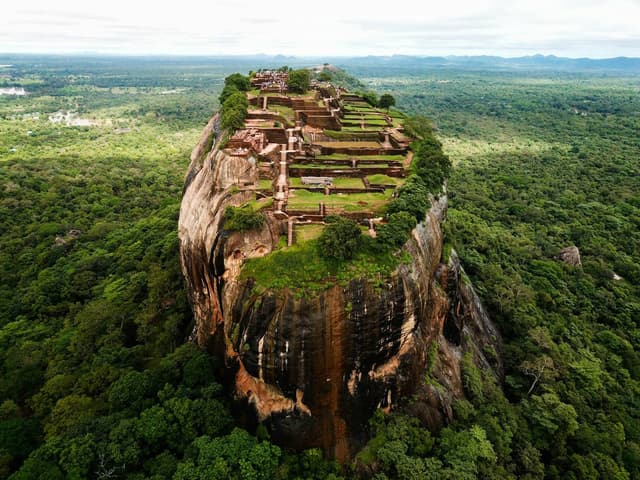
One of the joys of Sri Lanka is how easily a safari slots into a wider trip on such a compact island. The southern parks of Yala, Udawalawe and Bundala sit close to the beaches of the south coast and the whale-watching hub of Mirissa, so wildlife and coastline pair naturally. Minneriya and Kaudulla lie in the Cultural Triangle, within easy reach of the rock fortress of Sigiriya, the cave temples of Dambulla and the ancient cities of Anuradhapura and Polonnaruwa.
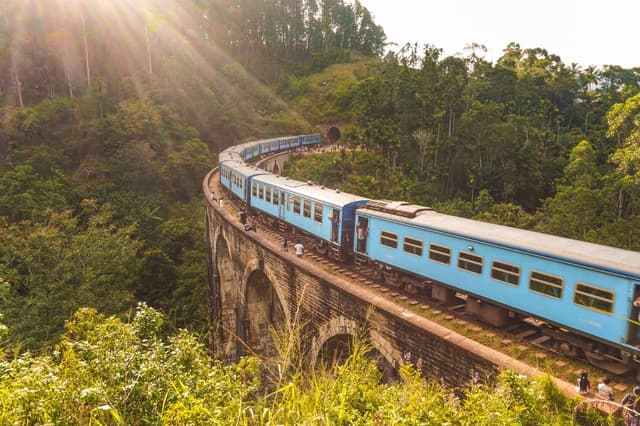
A classic two-week route might start in the Cultural Triangle with a Gathering safari, climb into the tea country and hill town of Ella, drop down to Yala or Udawalawe for a leopard and elephant safari, and finish on the southern beaches. Wilpattu, in the northwest, links well with a journey north toward Anuradhapura and Jaffna. The short distances mean you can experience wildlife, history, hills and coast all in one trip.
Where should you stay for safaris?
Where you base yourself depends on the park. For Yala and Bundala, the town of Tissamaharama is the usual hub, with everything from budget guesthouses to safari lodges nearby. Udawalawe has a growing cluster of eco-lodges and family-run stays close to the park gate. For the Minneriya and Kaudulla Gathering, the town of Habarana in the Cultural Triangle is central and convenient, and Wilpattu is served by lodges and camps on its fringes.
Accommodation ranges widely, from simple rooms to luxury tented camps that put you close to the wildlife and offer early access to the gates. Staying near the park entrance is a real advantage, since it lets you reach the best morning light without a long pre-dawn drive. Booking ahead is wise in the peak dry season, when the best places fill quickly.
What birds can you see in Sri Lanka's parks?
Sri Lanka is a superb birding destination, with more than thirty species found nowhere else on earth. Even non-birders quickly notice the colour and variety, from painted storks and pelicans wading in the lagoons to bee-eaters, kingfishers and the ever-present peacocks displaying in the scrub. Bundala and Kumana are the standout wetland reserves, drawing thousands of migratory birds including flamingos between the northern winter months.
Raptors are common in the open parks, with eagles and hawks hunting over Udawalawe's grassland, while the Sinharaja rainforest is the place to seek the island's rare endemic forest species. Bringing a pair of binoculars and a bird guide adds a whole extra layer to any safari, and the birdlife means there is always something to watch even when the big cats and elephants are hiding.
Is a Sri Lanka safari good for families and first-timers?
Yes, a Sri Lanka safari is one of the most family-friendly wildlife experiences in Asia. The game drives are short, usually three to four hours, so young children rarely get bored, and the near-certain elephant sightings at Udawalawe are a thrill for all ages. The island is compact and easy to travel, English is widely spoken, and the parks are well organised for visitors.
For first-time safari-goers, Sri Lanka is an excellent introduction: the wildlife is genuinely wild but the logistics are simple, and you do not need weeks or a big budget to see a great deal. Choosing a reputable operator, going early in the day and keeping expectations realistic, since sightings are never guaranteed, all help make a first safari a success.
What should you pack for a Sri Lanka safari?
You do not need specialist gear, but a few things make a game drive far more comfortable. Wear neutral, muted colours that blend into the surroundings, and bring layers, since early mornings can be cool before the day heats up. The open jeeps kick up dust, so a hat, sunglasses and a light scarf are useful.
- Sunscreen, a refillable water bottle and insect repellent.
- A camera with a zoom lens, or binoculars, for distant animals.
- A light rain jacket in the wetter months.
- Any personal medication, since parks are remote from shops.
- Cash for park fees, tips and the jeep, as card facilities are limited at the gates.
What makes the Sri Lankan leopard special?
The Sri Lankan leopard is a distinct subspecies found only on the island, and it is larger than many of its mainland cousins. The reason is simple ecology: with no tigers, lions or other large predators to compete with, the leopard here is the undisputed top of the food chain. That dominance changes its behaviour. Rather than being shy and mostly nocturnal, Sri Lankan leopards are frequently active and visible in daylight, draping themselves over rocks and branches or padding openly along the tracks.
This is why Yala and Wilpattu offer some of the best daytime leopard viewing in the world. The subspecies is classified as vulnerable, with a wild population in the low thousands, which makes every sighting both a privilege and a reminder of why responsible, low-impact safaris matter so much.
How does a Sri Lanka safari compare to an African one?
Travellers who have been on an African safari often ask how Sri Lanka measures up, and the honest answer is that it is different rather than lesser. You will not see the vast open plains and huge migrating herds of East Africa, and there are no lions, rhinos or giraffes. What Sri Lanka offers instead is remarkable density in a small, green, accessible package: the world's best daytime leopard viewing, near-guaranteed wild elephants, and the chance to add blue whales offshore.
The parks are closer together, the trips are shorter and cheaper, and you can combine wildlife with ancient cities, tea hills and beaches in a single compact itinerary. For a first safari, or as a wildlife-rich add-on to a broader trip, Sri Lanka is hard to beat, and many visitors find its intimacy and variety every bit as memorable as a bigger, pricier African journey.
How many days do you need for safaris in Sri Lanka?
A single park can be enjoyed on a day trip, with one morning or afternoon game drive, but wildlife rewards patience, so two drives at the same park noticeably improve your chances, especially for leopards. A good rule of thumb is to allow at least a full day, and ideally an overnight, for each park you want to visit.
To combine the two great experiences, leopards and the elephant Gathering, plan for around three to four safari days across two or three parks, woven into a longer island itinerary. Trying to rush several parks into consecutive single drives leaves too much to chance; a slower pace with repeat drives gives both better sightings and a more relaxed trip.
What common mistakes should you avoid on safari?
A few simple errors can take the shine off a safari, and all are easy to sidestep. The most common is choosing the cheapest jeep at the gate without checking the driver's reputation, since a skilled driver and tracker make a huge difference to what you see. Another is expecting guaranteed sightings; wildlife is wild, and even the best parks have quiet days.
- Booking only a single short drive and blaming the park for a quiet day.
- Visiting Yala in the busiest midday hours rather than at dawn.
- Wearing bright colours or making noise that unsettles animals.
- Pressuring a driver to speed or crowd a leopard for a photo.
- Forgetting cash for park fees and tips at remote gates.
Go early, choose a good operator, keep your expectations realistic and put the animals first, and a Sri Lanka safari rarely disappoints.
Can you see sloth bears in Sri Lanka?
The sloth bear is one of Sri Lanka's most exciting and elusive animals, and spotting one is a genuine highlight for keen wildlife watchers. Shaggy, black and surprisingly fast, sloth bears feed on termites, insects and fruit, and they are most often seen in Yala and Wilpattu. The best chance to see them comes in the season when the palu trees fruit, usually around June and July, when bears emerge to gorge on the ripe berries and can occasionally be watched feeding in the open.
Sightings are never common, which is exactly what makes them special. Even seasoned drivers treat a sloth bear encounter as a red-letter day, so if you are lucky enough to see one, take your time and enjoy it. Their unpredictability is part of the thrill of a Sri Lankan safari, where you never quite know what the next bend in the track will reveal.
How do you get to the safari parks?
Sri Lanka's compact size makes the parks reasonably easy to reach, usually by road. The southern parks of Yala, Udawalawe and Bundala are a few hours by car from the south-coast beaches and around five to six hours from Colombo. Minneriya and Kaudulla sit in the Cultural Triangle, roughly four to five hours from Colombo and close to Sigiriya and Dambulla. Wilpattu, in the northwest, is around three to four hours from Colombo or an easy add-on to a trip toward Anuradhapura.
Most travellers get around with a private car and driver, which is affordable and flexible and takes the strain out of navigating rural roads. Trains and buses connect the main towns, after which a local tuk-tuk or transfer covers the final stretch to the park gate. Because game drives start very early, staying the night before near the entrance is well worth it.
Why is Sri Lanka called one of Asia's best safari destinations?
Sri Lanka earns its reputation through a rare combination of density, variety and accessibility. Few places let you see the world's best daytime leopards, hundreds of wild elephants and blue whales offshore within a single week, and fewer still let you do it while also exploring ancient rock fortresses, misty tea plantations and palm-fringed beaches. The parks are close together, the safaris are short and affordable, and the wildlife is genuinely wild rather than managed for show.
Add the island's warm hospitality, easy travel and year-round options across different regions, and it becomes clear why so many wildlife lovers rank Sri Lanka alongside far larger and more famous safari countries. It is proof that a small island, well protected and well loved, can offer some of the most rewarding wildlife watching anywhere on the continent.
Frequently asked questions about Sri Lanka safaris
Which is the best national park in Sri Lanka for a safari?
It depends on what you want to see. Yala is the most famous and varied, with the best chance of leopards. Udawalawe is the most reliable for elephants. Wilpattu offers leopards with fewer crowds, and Minneriya hosts the spectacular elephant Gathering in the dry season. Many travellers combine two parks.
Where is the best place to see leopards in Sri Lanka?
Yala National Park has one of the highest leopard densities in the world and offers the strongest chance of a sighting, though it can be busy. Wilpattu is a quieter alternative where leopards are seen around its natural lakes. Sightings are never guaranteed, but both parks give patient visitors excellent odds.
When is the best time for a safari in Sri Lanka?
Each park has its own dry season. Yala is best from February to July, Wilpattu from February to October, and the Minneriya elephant Gathering peaks from June to September. Udawalawe is good for elephants all year. Early morning and late afternoon drives offer the best viewing in every park.
How much does a Sri Lanka safari cost?
Costs come in two parts: a per-person park entrance fee, which for foreign visitors is roughly USD 25 to 45 depending on the park, plus a shared jeep with driver. Travellers from SAARC countries, including Nepal, often pay a lower entrance rate. Fees change with government updates, so confirm when booking.
Are you likely to see elephants in Sri Lanka?
Yes. Sri Lanka is one of the most reliable places in Asia to see wild elephants. Udawalawe offers near-certain sightings year round, and the Minneriya Gathering brings hundreds together in the dry season. Elephants also roam Yala and Wilpattu, so almost any safari gives a good chance.
How long does a safari game drive last?
A typical morning or afternoon game drive lasts around three to four hours in an open jeep, timed for the cooler hours when animals are most active. Full-day drives are possible in the larger parks. Choosing a good driver and tracker makes a big difference to what you see.
Can you combine a safari with whale watching in Sri Lanka?
Yes, and many travellers do. Sri Lanka is one of the world's best places to see blue and sperm whales, on boat trips from Mirissa in the south, near Yala and Udawalawe, or from Trincomalee in the east. It pairs naturally with a southern safari itinerary.