











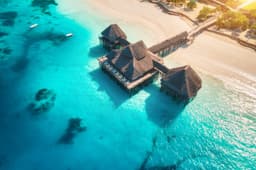





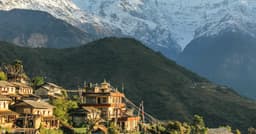
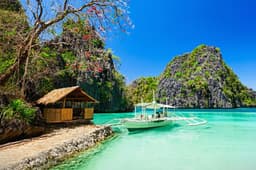
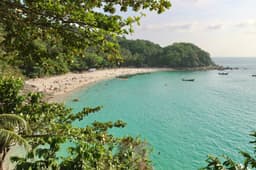
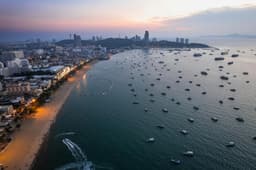

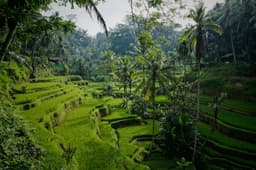
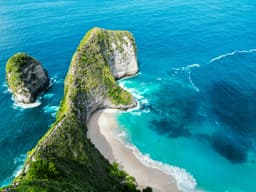
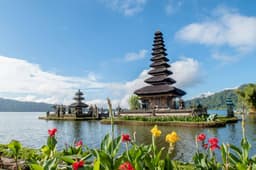







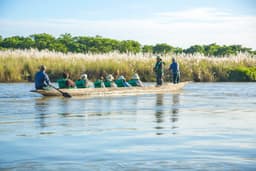
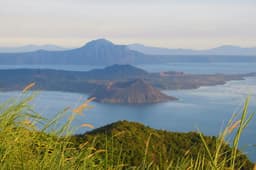
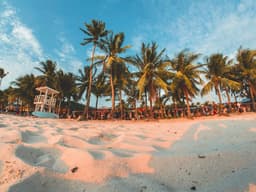
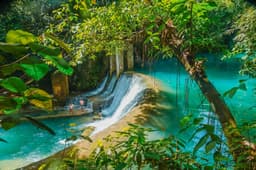

A classic Sri Lanka itinerary loops from the Cultural Triangle down through the hill country and finishes on the south coast. Seven days covers the highlights at a steady pace, while ten days adds slower mornings, an extra safari, or the beaches of the south and east. Two weeks lets you add the ancient cities, more wildlife and plenty of beach time without rushing. The compact size of the island means you can pack a lot in, but the winding roads mean you should never underestimate travel times.
Below are ready to follow routes for 7, 10 and 14 days, with realistic drive times, seasonal advice, wildlife and food notes, and practical tips on transport, costs and getting around. Sri Lanka rewards a relaxed pace, so build in buffer time and enjoy the tea country and coast rather than racing between sights.
What are the best Sri Lanka itineraries by length?
The right route depends on your days and whether you want culture, wildlife, hills or beaches. The table below is the quick answer, and each route is detailed further down.
| Days | Route | Best for |
|---|---|---|
| 7 days | Sigiriya, Kandy, Ella, Yala, south coast | First visit, the classic highlights |
| 10 days | Adds Anuradhapura, Nuwara Eliya and extra beach time | Slower pace, more wildlife |
| 14 days | Adds the east coast or more ancient cities and beaches | A full, unhurried loop |
Most first time visitors follow a clockwise loop from Colombo up to the Cultural Triangle, down through the hills, and finishing on the south coast before returning to the airport near Colombo.
What is a good 7 day Sri Lanka itinerary?
Seven days covers the island's greatest hits at a comfortable pace, from ancient rock fortresses to tea country and a first safari with beach time to finish.
- Day 1: Arrive in Colombo or Negombo, rest and adjust after your flight.
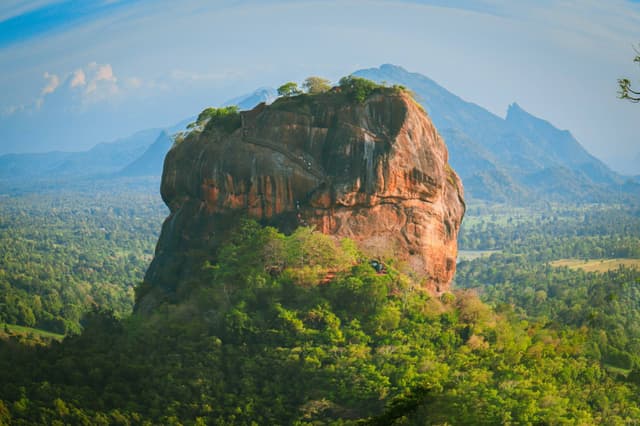
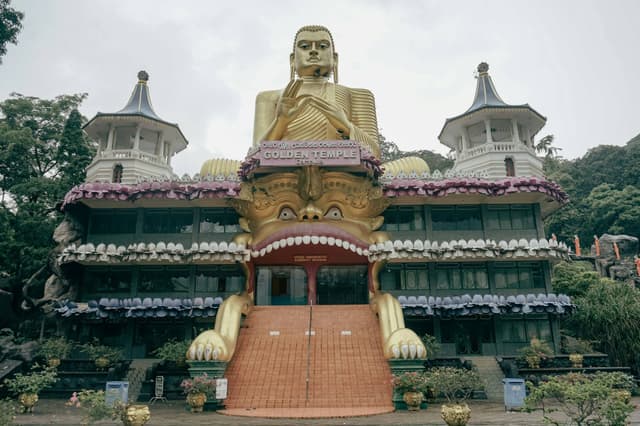
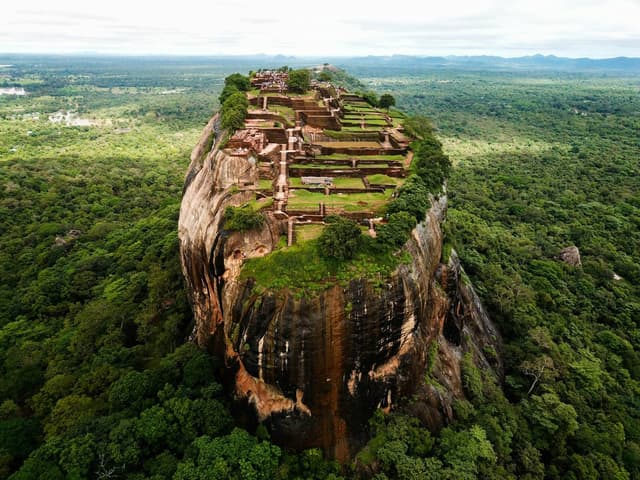
- Day 2: Drive to Sigiriya, climb the Lion Rock fortress at dawn or late afternoon, and visit the Dambulla cave temples.
- Day 3: Transfer to Kandy, see the Temple of the Sacred Tooth Relic and enjoy a lakeside evening.
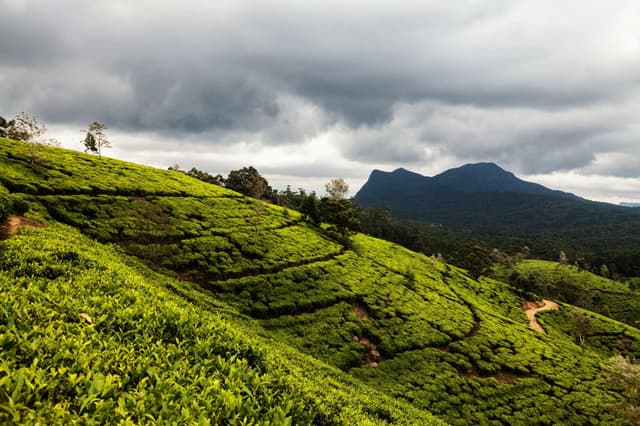
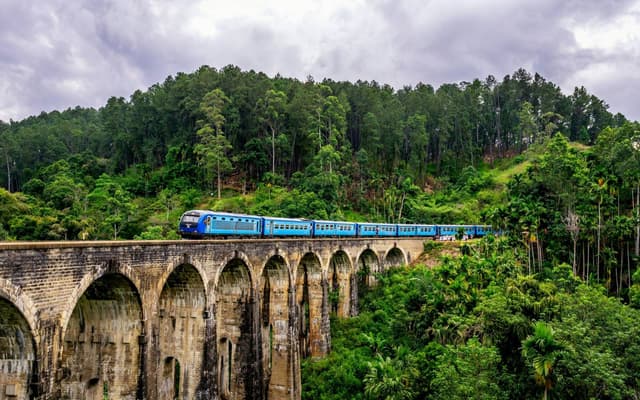
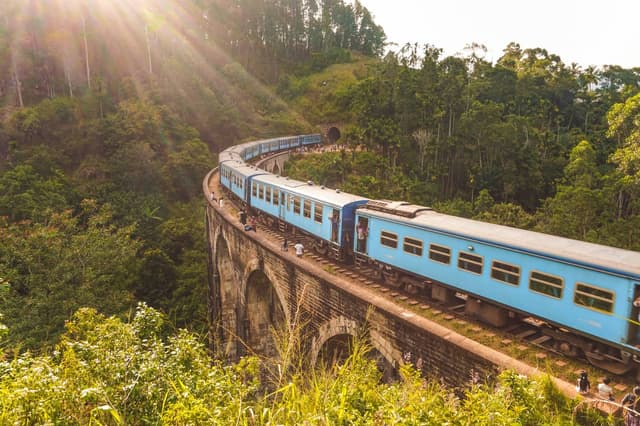
- Day 4: Take the scenic train from Kandy to Ella through the tea hills, one of the world's most beautiful rail journeys.
- Day 5: Explore Ella, hike Little Adams Peak and walk to the Nine Arch Bridge, then transfer south.
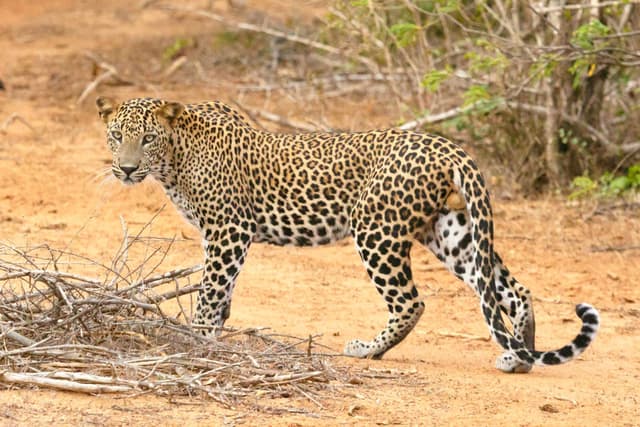
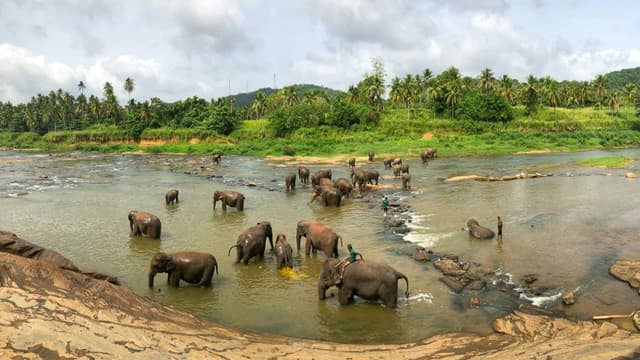
- Day 6: Morning safari at Yala or Udawalawe for leopards and elephants, then relax on the beach.
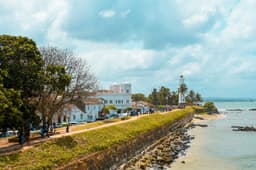
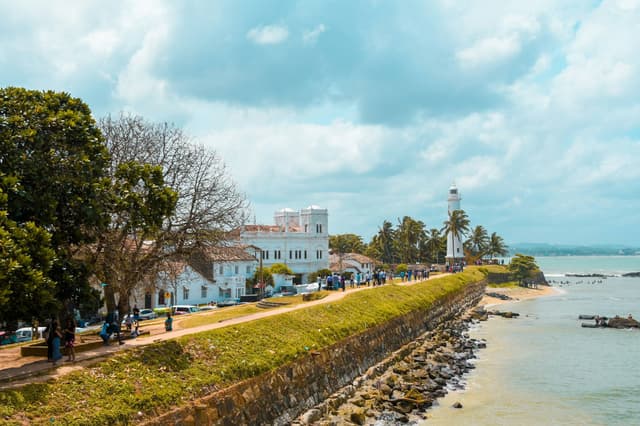
- Day 7: Visit Galle Fort and Unawatuna beach, then return to Colombo for your departure.
This route balances culture, hills, wildlife and coast, and it is the template most first time visitors follow.

How do you extend it to 10 days?
Ten days lets you slow the pace and add depth to the same loop. The best additions are an extra ancient city, a night in the cool highlands, and more time on the beach.
- Add a night in Anuradhapura or Polonnaruwa for the ancient stupas and ruins of Sri Lanka's early kingdoms.
- Add a second night in the cool hills at Nuwara Eliya, with its colonial charm and tea estates.
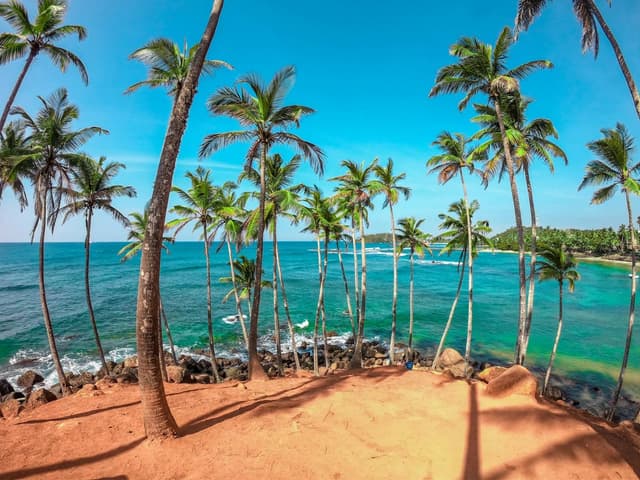
- Add one or two extra beach days at Mirissa or Weligama for whale watching and surfing.
This spreads out the driving, gives more downtime, and turns a busy highlights trip into a relaxed and varied holiday. For where to base yourself, see our guide to the best cities in Sri Lanka.
How do you spend 14 days in Sri Lanka?
Two weeks is enough to complete the classic loop and add the parts most people miss. With the extra days you can explore the east coast, add more wildlife, or simply slow everything down.
- Days 1 to 3: Cultural Triangle, Sigiriya, Dambulla and Polonnaruwa or Anuradhapura.
- Days 4 to 5: Kandy and a day in the surrounding hills and spice gardens.
- Days 6 to 8: Hill country, the tea train to Ella, Nuwara Eliya and Horton Plains.
- Days 9 to 10: A safari at Yala or Udawalawe and the transfer south.
- Days 11 to 14: South coast beaches from Mirissa to Galle, or the east coast at Arugam Bay in season.
Two weeks turns a fast highlights trip into a rounded exploration of the island, with time for the beaches and hills to work their magic.
How long are the drives between stops?
Sri Lanka looks small on a map, but the roads are winding and slow, so always plan for longer than the distance suggests. A private driver is by far the most flexible way to cover this route, and shared trains cover some legs beautifully.
| Leg | Approx time | Notes |
|---|---|---|
| Colombo to Sigiriya | About 4 hours | Via the highway then country roads |
| Sigiriya to Kandy | About 3 hours | Stop at Dambulla or a spice garden |
| Kandy to Ella (train) | 6 to 7 hours | Scenic, book reserved seats early |
| Ella to the south coast | 4 to 5 hours | Winding descent from the hills |
| South coast to Colombo | 2 to 3 hours | Fast on the coastal expressway |
Because roads are slow, avoid packing too many long transfers into one day. The Kandy to Ella train is a highlight in itself, so plan to ride it rather than drive that leg.
When is the best time to follow this route?
Sri Lanka has two monsoons that affect different coasts, so the best time depends on where you are heading. For the classic west, south and Cultural Triangle loop, the dry season runs from December to March.
| Region | Best months | Notes |
|---|---|---|
| West and south coast, Cultural Triangle | December to March | Dry, sunny, ideal for the classic loop |
| East coast and Arugam Bay | May to September | Best surf and beach weather |
| Hill country | Year round | Cool and often misty in the evenings |
December to March is the sweet spot for a first trip on the standard route. If you want the east coast, travel in the middle of the year instead. For a deeper breakdown, browse our list of things to do in Sri Lanka.
Should you hire a driver or use public transport?
Both work, and many travellers combine them. A private car and driver is popular, affordable by international standards, and removes the stress of the winding roads while letting you stop at viewpoints and tea estates. Trains and buses are cheap, characterful and a great way to travel like a local, and the Kandy to Ella train is unmissable.
A common approach is to hire a driver for the Cultural Triangle and hill transfers, but take the famous train through the tea country and use tuk tuks for short local hops. Whatever you choose, book train seats in the reserved class well in advance, as they sell out quickly in high season.
What wildlife and safaris can you add?
Sri Lanka is one of the best places in Asia for a safari, and a morning game drive slots neatly into the route as you move from the hills to the coast.
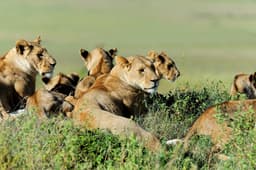
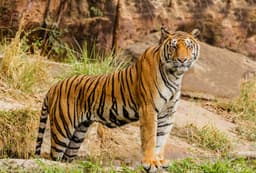
- Yala National Park: famous for one of the highest leopard densities in the world, plus elephants and crocodiles.
- Udawalawe: excellent for elephants and easier to combine with the south coast.
- Wilpattu: the largest park, quieter and good for leopards and sloth bears.
- Mirissa: seasonal blue whale and dolphin watching by boat.
Choose an early morning drive for the best sightings and cooler conditions. For more detail, see our dedicated Sri Lanka safari guide.
What are the highlights of the hill country?
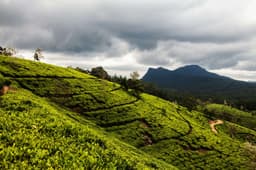
The central highlands are the scenic heart of any Sri Lanka itinerary, a cool green world of tea plantations, waterfalls and colonial towns. The train ride from Kandy to Ella threads through it all and is reason enough to visit.
In Ella, hike Little Adams Peak for easy views and walk out to the photogenic Nine Arch Bridge. Nuwara Eliya, nicknamed Little England, offers tea factory tours, a cool climate and misty mornings, while Horton Plains rewards early risers with the sheer drop of World's End. Add a tea estate visit to understand the crop that shapes the region, and allow time to simply enjoy the views from a hillside cafe.
What should you know about the beaches?
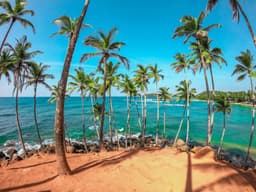
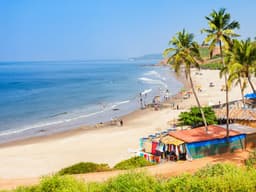
The coast is the relaxing finale of the classic route, and the south has something for everyone. Which beach suits you depends on whether you want surf, calm swimming, whales or nightlife.
- Unawatuna: a sheltered, easy going bay good for swimming and families.
- Mirissa: a lively crescent beach and the base for whale watching.
- Weligama: gentle waves ideal for learning to surf.
- Hikkaduwa: reefs, turtles and a busier beach scene.
- Arugam Bay: the east coast surf hub, best from May to September.
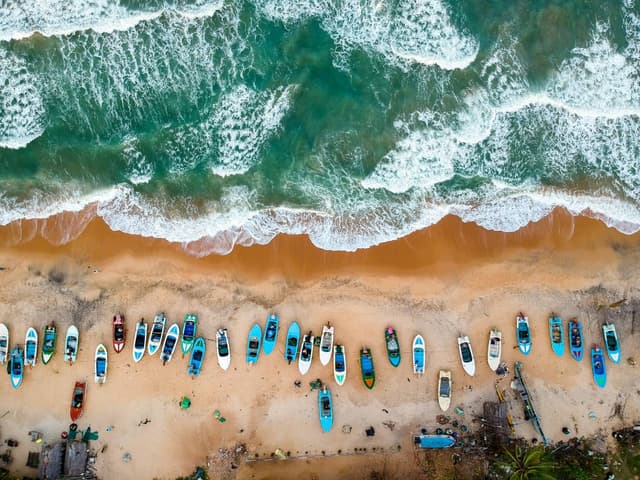
Finish with a stroll around the ramparts of Galle Fort, a beautifully preserved colonial town that makes a memorable last stop before the airport.
What food should you try along the way?
Sri Lankan food is a highlight in its own right, bold, spicy and built around rice and curry. Eating well is easy and cheap, from roadside spots to guesthouse kitchens.
- Rice and curry: a spread of vegetable, lentil and fish or meat curries with rice.
- Hoppers: bowl shaped pancakes, often with an egg cooked into the centre.
- Kottu roti: chopped flatbread stir fried with vegetables, egg and spices.
- String hoppers: steamed rice noodle nests eaten with curry.
- Ceylon tea: the island's world famous brew, best enjoyed in the hills.
For a fuller list, read our guide on what to eat in Sri Lanka.
How much does a Sri Lanka trip cost?
Sri Lanka is affordable for most travellers, with cheap food and transport and a wide range of accommodation. Your main costs are your driver or transport, guesthouses or hotels, and park fees for safaris. The ranges below are rough per person daily estimates in US dollars, excluding international flights.
| Style | Daily budget per person | What it looks like |
|---|---|---|
| Budget | 30 to 50 USD | Guesthouses, trains and buses, local food |
| Mid range | 70 to 120 USD | Nice hotels, a private driver, safaris |
| Comfort | 200 USD and up | Boutique stays, private tours, fine dining |
Sharing a driver and rooms with a partner brings the mid range cost down sharply. For a closer look, read whether Sri Lanka is expensive.
Do you need a visa for Sri Lanka?
Most visitors need an Electronic Travel Authorization, usually applied for online before arrival, which grants a short tourist stay that can often be extended. Requirements and the online system change from time to time, so confirm the current rule, fees and passport validity conditions with an official source before you travel. Keep a copy of your approval and onward ticket for immigration.
What are practical tips for a smooth Sri Lanka itinerary?
- Travel the loop in one direction, usually clockwise, to avoid backtracking.
- Book reserved train seats for the Kandy to Ella leg well in advance.
- Start safaris and Sigiriya climbs early to beat heat and crowds.
- Carry cash for rural areas, park fees and small guesthouses.
- Dress modestly at temples and remove shoes and hats before entering.
- Keep a buffer day for the winding roads and occasional delays.
A closer look at the Cultural Triangle
The Cultural Triangle, the region between Anuradhapura, Polonnaruwa and Kandy, holds Sri Lanka's greatest historical treasures and usually opens the classic itinerary. Its centrepiece is Sigiriya, the fifth century rock fortress that rises two hundred metres from the plain, crowned by the ruins of a royal palace and reached past ancient frescoes and a mirror wall. Climbing it at dawn beats both the heat and the crowds.
Nearby, the Dambulla cave temples shelter hundreds of Buddha statues and painted ceilings, while Polonnaruwa and Anuradhapura preserve the sprawling ruins and giant stupas of Sri Lanka's early kingdoms. Renting a bicycle to explore Polonnaruwa is a pleasant way to cover the site. Two or three days in the triangle set the historical scene before you climb into the hills.
What temple and cultural etiquette should you know?
Sri Lanka is a deeply Buddhist country with significant Hindu, Muslim and Christian communities, and temples are living places of worship rather than just sights. A little respect goes a long way and is always appreciated.
- Do: cover shoulders and knees, and remove shoes and hats before entering temples.
- Do: ask before photographing people and monks, and lower your voice inside shrines.
- Dont: pose for photos with your back to a Buddha statue, which is considered disrespectful.
- Dont: point your feet at people or images of the Buddha when sitting.
Carrying a light scarf or sarong makes it easy to cover up at short notice, and slip on sandals are handy for the frequent shoe removals at temples.
Is Sri Lanka good for families and honeymoons?
Sri Lanka suits both beautifully. Families enjoy the mix of gentle beaches, elephant safaris, train rides and short, engaging sightseeing that keeps children interested, while the compact distances mean drives are manageable if you plan sensibly. Choosing calmer beaches such as Unawatuna and building in downtime works best with younger travellers.
Honeymooners are drawn to the romance of the tea country, boutique hill retreats, private beach stays on the south coast, and the sense of variety packed into one trip. A common honeymoon pattern is a few cultural and hill days followed by a relaxing beach finish. For ideas, see our Sri Lanka honeymoon guide.
What are common mistakes to avoid?
- Underestimating drive times. Roads are winding and slow, so plan fewer, shorter transfers each day.
- Not booking train seats early. Reserved seats on the Kandy to Ella train sell out well ahead in high season.
- Ignoring the two monsoons. The east and the west and south are best at opposite times of year, so match your route to the season.
- Trying to see everything. Cramming the whole island into a week means constant travel, so focus on the classic loop first.
- Skipping temple etiquette. Dressing modestly and removing shoes avoids causing offence at sacred sites.
Avoid these and the itinerary flows smoothly, leaving you time to enjoy the tea estates, wildlife and beaches at a relaxed pace.
What should you pack for Sri Lanka?
- Light, breathable clothing plus a layer for the cool hill country evenings.
- A scarf or sarong for covering up at temples.
- Reef safe sunscreen, a hat and insect repellent.
- Comfortable shoes for climbing Sigiriya and hill walks.
- A rain layer, especially in shoulder season or the hills.
- Any personal medication and a basic first aid kit.
Pack light, as laundry is cheap and widely available, and you will be moving between several stops on this route.
What worthwhile detours can you add?
If your dates allow, a few detours reward the extra travel time and take you beyond the classic loop. Slot them in where they fit your route and season.
- Adams Peak (Sri Pada): a sacred night climb to catch sunrise from the summit, best from December to May during the pilgrimage season.
- Horton Plains and Worlds End: an early morning hike to a dramatic cliff edge and Bakers Falls, near Nuwara Eliya.
- Sinharaja Rainforest: a UNESCO listed reserve rich in endemic birds and wildlife for nature lovers.
- Udawalawe Elephant Transit Home: a chance to see orphaned elephants being rehabilitated, an ethical alternative to riding.
- Jaffna and the north: a very different, less visited region with its own Tamil culture, food and history.
Add one or two of these to a ten or fourteen day trip rather than trying to fit them into a packed week. Each adds a distinct flavour that most first time visitors miss.
How does the Kandy to Ella train work?
The train through the hill country is often called one of the most beautiful rail journeys in the world, and riding it is a highlight of the itinerary rather than just a transfer. The full route runs from Kandy through Nanu Oya, the stop for Nuwara Eliya, and on to Ella, winding past tea plantations, waterfalls and misty valleys.
The scenic core of the journey is the stretch between Nanu Oya and Ella, so if you are short on time you can ride just that section. Reserved first and second class seats offer a guaranteed place and the best windows, and they sell out well in advance, so book as early as you can. Unreserved third class is cheap, lively and famous for its open doorways, but you may have to stand. Sit on the right hand side heading towards Ella for the finest views, and keep your camera ready for the Nine Arch Bridge.
Which route suits repeat visitors?
Travellers returning to Sri Lanka often skip the busiest highlights and dig deeper into one or two regions. A second trip might focus on the wild south and Sinharaja rainforest, the untouched east coast beaches and Trincomalee, or the northern cultural heartland around Jaffna. Slow travel, staying several nights in fewer places, reveals a different and quieter side of the island.
Because you already know the classic loop, a repeat itinerary can be built around a single theme such as wildlife, surfing or food, with more time for each stop. This is where a flexible private driver or a mix of trains and local buses really pays off, letting you follow your interests rather than a fixed checklist.
How do you handle money, tuk tuks and connectivity?
A few practical habits make daily travel in Sri Lanka smooth and cheap. The currency is the Sri Lankan rupee, and while cards work in cities and hotels, cash is essential in rural areas, at park gates and small guesthouses.
- Cash: withdraw rupees at ATMs in larger towns and keep small notes for tuk tuks and tips.
- Tuk tuks: the quickest way around towns. Use a metered app where available or agree the fare before you set off.
- SIM cards: a cheap local SIM or eSIM bought on arrival gives reliable data across most of the island.
- Tipping: a modest tip for drivers, guides and hotel staff is customary and appreciated.
Keep some cash in reserve for park fees and rural stretches where card machines are scarce, and download offline maps for areas with weaker signal. With data on your phone and a little cash in hand, navigating the island between the bigger stops is easy and inexpensive, leaving you free to focus on the scenery and the wildlife.
Why does this route work so well?
The classic Sri Lanka loop endures because it packs remarkable variety into a small, easy to navigate island. In a single week you move from ancient rock fortresses and sacred temples to cool tea covered hills, then a wildlife safari, and finally warm southern beaches. Few destinations offer such contrast in so little travelling, and the compact distances mean you spend your time experiencing places rather than enduring long flights between them.
Just as importantly, the route flows logically in one direction, so you rarely double back, and each region hands off naturally to the next. Add friendly people, delicious and affordable food, and a train ride that ranks among the world's finest, and it is easy to see why this itinerary has become the template for a first trip. Follow it at a relaxed pace, leave room for a detour or two, and Sri Lanka delivers one of the most rewarding short trips in Asia.
For more planning, see our Sri Lanka travel guide and our honest look at whether Sri Lanka is safe.
To lock in the train seats, safari slots and beach hotels along this route, curated Sri Lanka tour packages can bundle the driver, tickets and stays end to end.
Frequently asked questions
Is 7 days enough for Sri Lanka?
Yes, seven days covers the core loop of ancient cities, tea country and one safari plus beach time. Ten days simply adds a gentler pace and more wildlife.
Should you hire a driver in Sri Lanka?
For this multi stop route a private driver is popular and affordable. It removes the stress of winding roads and lets you stop at viewpoints and tea estates.
Which direction should you travel the loop?
Most travellers go clockwise from Colombo up to the Cultural Triangle, down through the hills, and finish on the south coast before returning to the airport.
Can you combine safari and beaches easily?
Yes. Yala and Udawalawe sit close to the south coast, so you can do a morning safari and be on the beach by afternoon.
Is the Kandy to Ella train worth it?
Absolutely. It is one of the most scenic rail journeys in the world, winding through tea plantations and hills. Book a reserved seat in advance for the best experience.
What is the best month to visit Sri Lanka?
For the classic west, south and Cultural Triangle route, December to March is ideal. For the east coast and Arugam Bay, travel between May and September.
How many days do you need in Sri Lanka?
Seven days covers the highlights, ten days adds a relaxed pace and more wildlife, and fourteen days lets you add the east coast or extra ancient cities and beaches.
Is Sri Lanka good for a first time trip to Asia?
Yes. It is compact, friendly and varied, with culture, wildlife, hills and beaches close together, and English is widely understood, which makes travel straightforward.
Do you need a visa for Sri Lanka?
Most visitors need an Electronic Travel Authorization applied for online before arrival. Confirm the current rules, fees and passport validity requirements with an official source before you travel.
Is Sri Lanka expensive to travel?
No, it is affordable for most travellers. Food and transport are cheap, and a private driver shared between two is reasonable, with safaris and nicer hotels the main extra costs.

'/%3E%3C/svg%3E)