

















































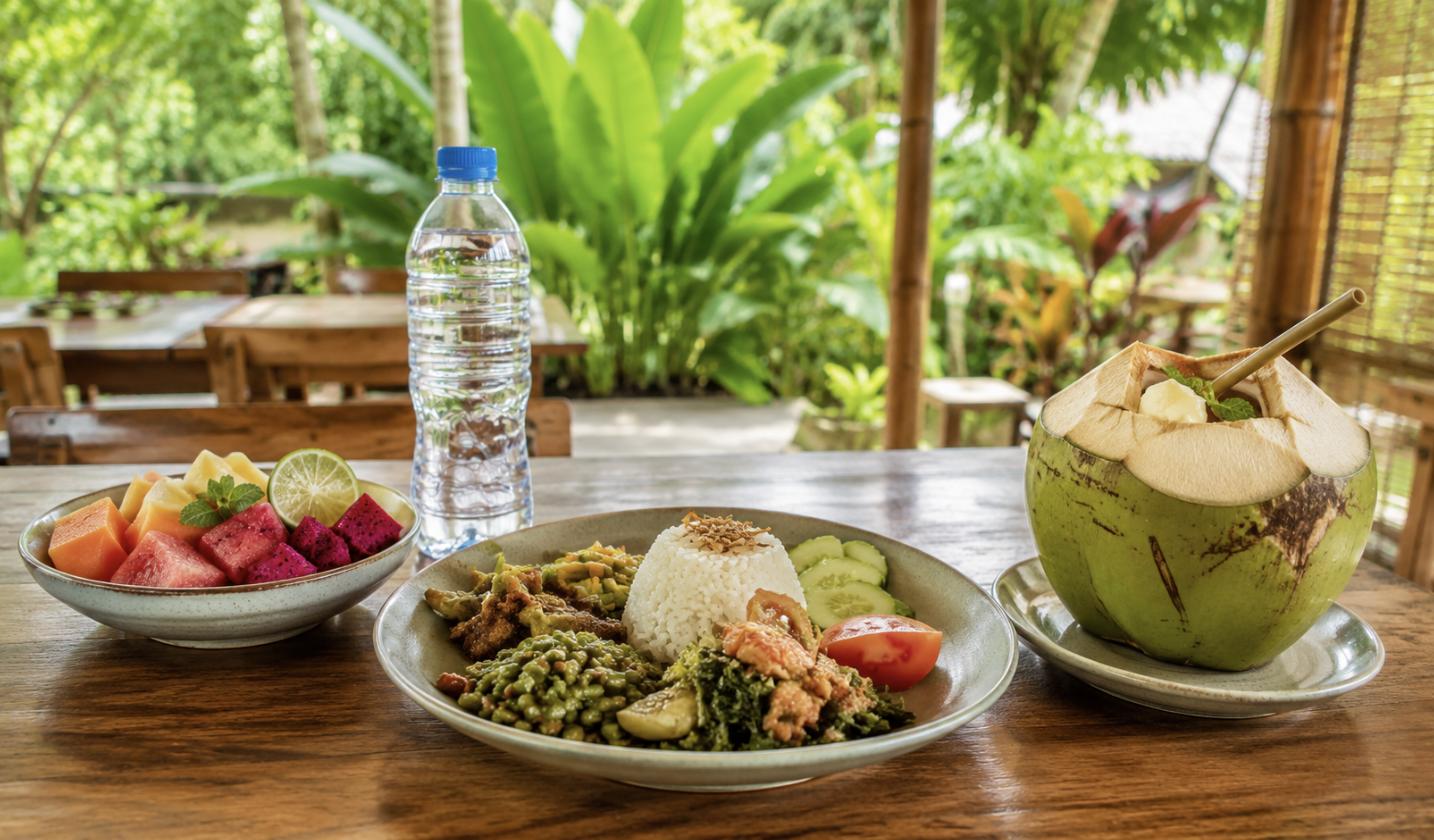
Almost every traveler heading to Indonesia has heard the warning, usually from someone who spent two days of their holiday within sprinting distance of a bathroom. Bali belly is the nickname for the stomach upset that hits some visitors after a few days on the island. The good news is that it is well understood, usually mild, and mostly avoidable with a handful of small habits. This guide covers what actually causes it, how to lower your odds, and what to do if it still finds you.
What Bali belly actually is
Bali belly is simply the local name for travelers' diarrhea. It is not a mystery island illness and it has nothing to do with the climate or with "your body adjusting." It is an infection you pick up by swallowing something contaminated, almost always food or water.
According to the US Centers for Disease Control and Prevention, bacteria cause somewhere between 75 and 90 percent of travelers' diarrhea cases, with strains of E. coli, Campylobacter, Shigella and Salmonella topping the list. Viruses and parasites make up the rest. The route in is nearly always the same: unsafe water, food that sat too long at the wrong temperature, or hands that were not washed somewhere between the kitchen and your plate.
How long does Bali belly last?
Most people are back to normal quickly. The CDC notes that untreated bacterial travelers' diarrhea usually runs 3 to 7 days, while viral cases often clear in 2 to 3 days. Many travelers get a milder version that fades within 24 to 48 hours.
Typical Bali belly symptoms are loose or watery stools, stomach cramps, nausea, bloating and sometimes a low fever or general tiredness. It is unpleasant, but for a healthy adult it is usually self limiting. The real risk is not the infection itself. It is dehydration, which is why rehydration matters more than anything else you do.









Is it safe to drink the water in Bali?
Treat the tap water as not safe to drink. Stick to bottled water from a sealed container, or water you have boiled or properly filtered. Refill stations are common across the island and are a solid choice if you travel with a filter bottle.
Ice deserves its own mention because it catches people out. Ice made from untreated water carries the same bugs as the water it came from, and alcohol in your drink will not kill them. In practice, most cafes and bars in tourist areas use commercially produced ice, which is made from treated water and is generally fine. If you are somewhere very rural or the drink arrives with cloudy, irregular chunks of ice, skip it.
What to eat and what to skip
The rule that has served travelers well for decades still holds: eat it cooked, eat it hot, or peel it yourself. Food that comes to you steaming has had the bugs cooked out of it. Food that has been sitting warm on a buffet for an hour has had the opposite done to it.
Be more careful with raw salads and pre cut fruit rinsed in tap water, raw or lightly cooked seafood, unpasteurized dairy, fresh juices topped up with tap water, and anything that has been sitting at room temperature. Whole fruit you peel yourself, hot rice and noodle dishes, freshly grilled satay, hot brewed local coffee, and packaged snacks are all low risk.
Warungs are not the enemy
Skipping local food to eat only at expensive restaurants is bad advice and bad travel. Plenty of people get sick in fancy places and stay perfectly well eating at family run warungs. What matters is not the price of the plate, it is how the food was handled.
Look for busy places, because high turnover means the food has not been sitting around. Watch whether the cook handles money and food with the same hands. Choose dishes made to order over trays under a lamp. If you want ideas on where to base yourself while you eat your way around the island, our guide to the best places to visit in Bali is a good starting point.
The habits that lower your odds
Bali food safety comes down to a few repeatable choices. This table covers the ones that matter most.
| Risk | Why it happens | What to do instead |
|---|---|---|
| Tap water | Not treated to drinking standard | Sealed bottled water, boiled water, or a proper filter bottle |
| Questionable ice | Made from untreated water; alcohol does not kill bacteria | Commercially made ice in established venues, or drinks without ice |
| Buffet and warmed food | Sitting at the temperature bacteria like best | Dishes cooked to order and served hot |
| Raw salad and pre cut fruit | Often rinsed in tap water | Cooked vegetables and whole fruit you peel yourself |
| Unwashed hands | Bugs travel from surfaces to mouth | Soap and water before every meal; sanitizer with at least 60 percent alcohol as backup |
On that last point, hand washing does more work than people expect. The CDC's food and water precautions for travelers recommend soap and water before eating and after using the bathroom, with an alcohol based sanitizer of 60 percent or higher when a sink is not available. Sanitizer is a backup, not a replacement.
Brushing your teeth, showering and swimming
Use bottled water to brush your teeth if you want to be careful. Showering is fine; just keep your mouth closed and do not gulp shower water. Swimming pools with proper chlorine levels are fine too.
One rule works in the other direction: if you already have diarrhea, stay out of shared pools until you have been clear for a while. That is basic courtesy to everyone else in the water.
What to pack
Keep it simple. Oral rehydration salts are the single most useful thing in your bag, and they weigh nothing. Add hand sanitizer, a few sachets of your usual electrolyte drink, and a small supply of any medicine you already take.
You can also carry an over the counter anti motility medicine for emergencies, such as a long bus ride or a flight. Ask a pharmacist or your doctor before you travel about what is suitable for you, and follow the label. The standard caution is that anti motility medicines are not advised if there is blood in the stool or a high fever, because those point to an infection that needs proper assessment.
How to treat Bali belly if you get it
Rehydration comes first, second and third. Sip fluids steadily rather than drinking a lot at once. Oral rehydration salts mixed with safe water are better than plain water because they replace the salts you are losing, and better than very sweet drinks, which can make things worse.
Rest, keep food light and bland while your appetite returns, and go easy on alcohol and rich meals for a day or two. Most travelers find things settle without any medication at all.
When to stop self treating and see a doctor
Get medical help rather than waiting it out if you notice blood in the stool, a high fever, severe stomach pain, signs of dehydration such as very little urine, dizziness or confusion, or symptoms that are getting worse or lasting beyond a few days.
Seek advice early rather than late for young children, older travelers, pregnant travelers, and anyone with a chronic health condition or a weakened immune system. Bali has clinics used to treating exactly this, and hotels can point you to the nearest one.
Getting back to normal
Once symptoms ease, ease back in too. Plain rice, bananas, toast, soup and plenty of fluids for a day, then your normal diet as your appetite returns. Keep drinking more water than usual, especially in the heat.
None of this is a reason to travel nervously. Most visitors never get sick, and most who do are fine in a couple of days.
If you would rather have the logistics handled for you, compare a Bali tour package to see what a bundled trip covers.
Frequently asked questions about Bali belly
How do I avoid Bali belly completely?
You cannot guarantee it, but you can cut your risk a lot. Drink only sealed or treated water, eat food that is cooked and served hot, peel your own fruit, be careful with buffets and raw salads, and wash your hands properly before every meal.
How long does Bali belly last?
Bacterial travelers' diarrhea usually lasts 3 to 7 days without treatment, and viral cases often clear in 2 to 3 days. Many travelers recover within 24 to 48 hours. If symptoms drag on past a few days, see a doctor.
What are the main Bali belly symptoms?
Loose or watery stools, stomach cramps, nausea, bloating, and sometimes a mild fever or tiredness. Blood in the stool, a high fever or severe pain are not typical mild symptoms and mean you should get medical attention.
Can I eat street food and warung food in Bali?
Yes. Street food is not the problem; handling is. Choose busy stalls with high turnover, dishes cooked fresh in front of you, and food served hot. Avoid anything that has been sitting out warm for a long time.
Is the ice in Bali safe?
In most cafes, bars and restaurants in tourist areas the ice is commercially made from treated water and is fine. Be cautious in very rural spots or anywhere the ice looks like irregular home frozen chunks, and remember alcohol does not make unsafe ice safe.
Should I take medicine for Bali belly?
Rehydration matters most, and oral rehydration salts are the priority. Over the counter anti motility medicines can help in specific situations, but ask a pharmacist or doctor first. They are not advised if you have blood in your stool or a high fever.
Planning the rest of your trip? Our Bali Travel Guide covers visas, money, getting around and when to go.
'/%3E%3C/svg%3E)