



























+977-9709047652
Explore by Country
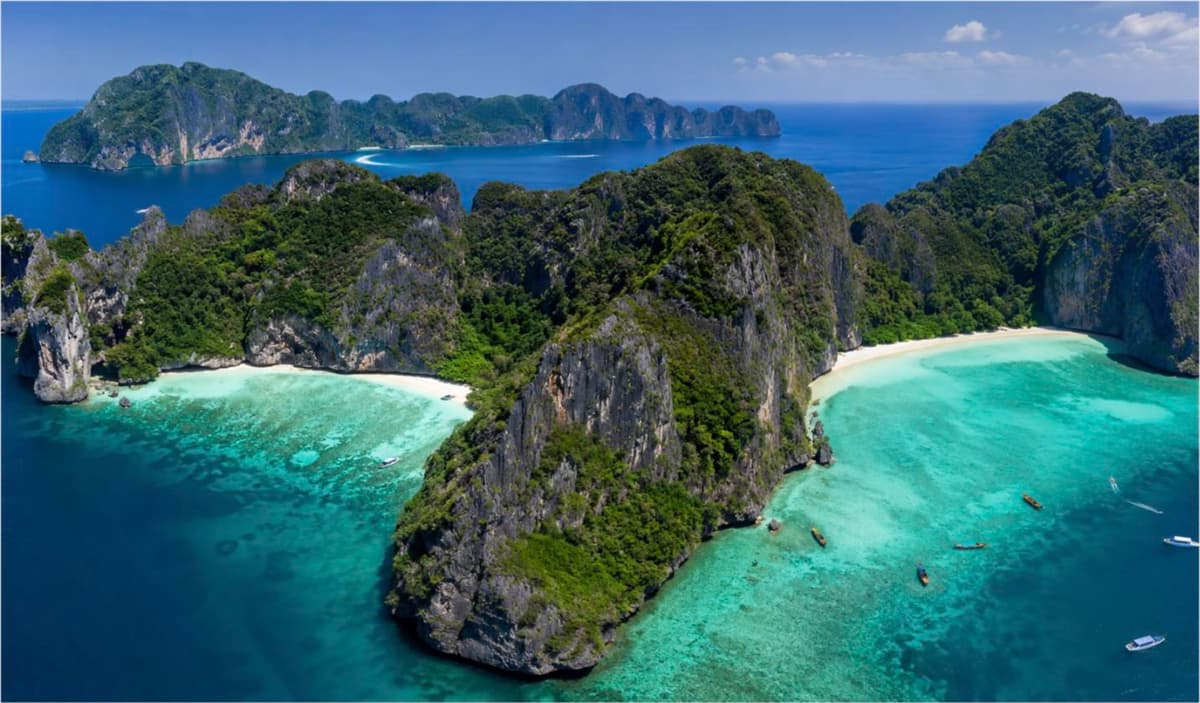
See all 12 Thailand packages
Most popular pick
See all 12 Thailand packages
See all 8 Vietnam packages
Most popular pick
See all 8 Vietnam packages
See all 4 Indonesia (Bali) packages
Most popular pick
See all 4 Indonesia (Bali) packages
See all 3 Maldives packages
Most popular pick
See all 3 Maldives packages
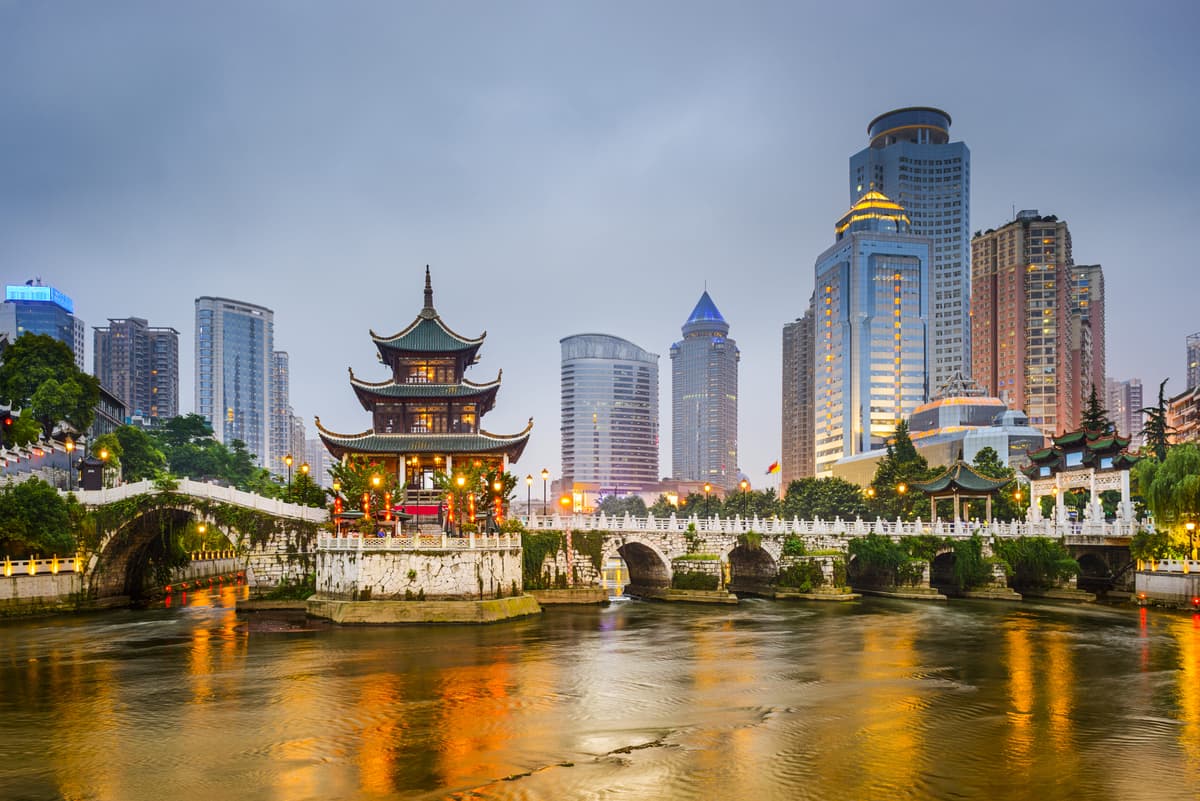
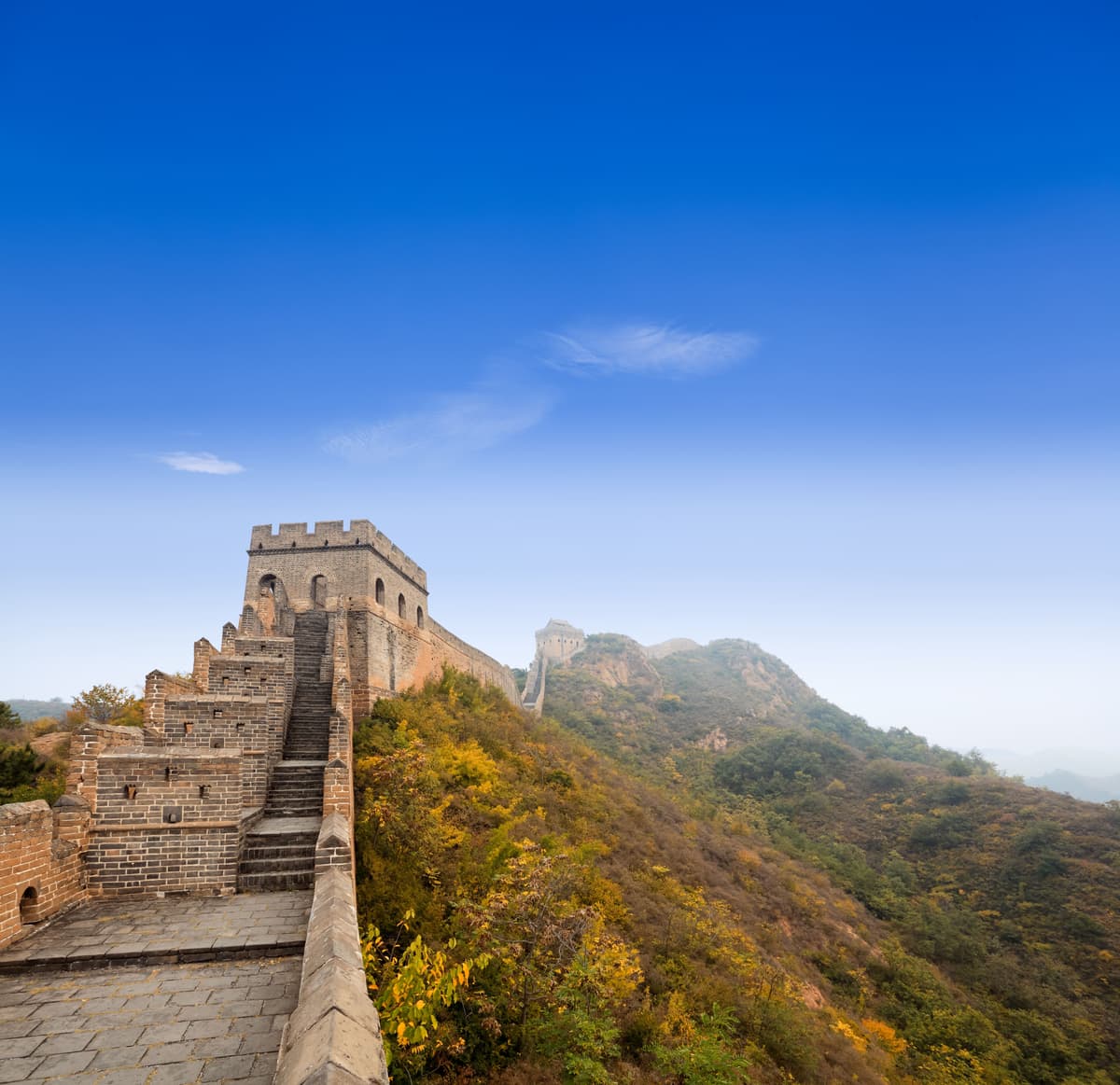
See all 3 China packages
Most popular pick
See all 3 China packages
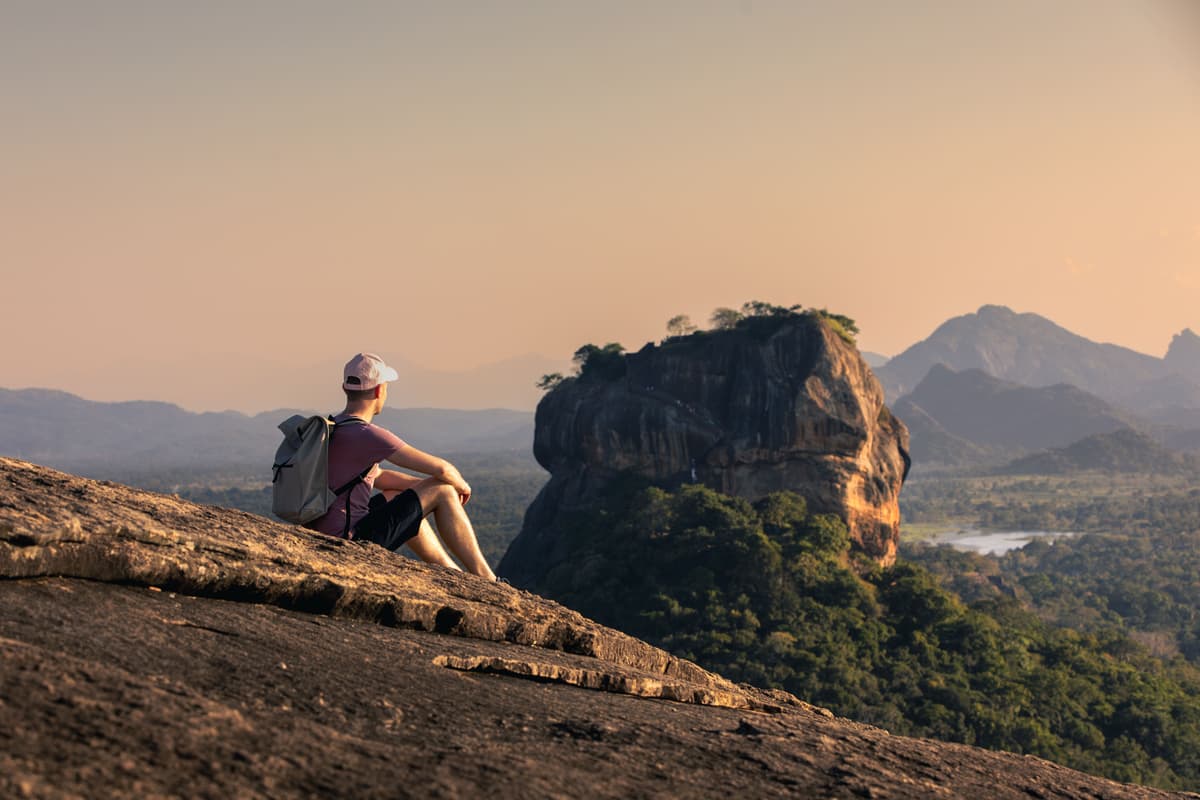
See all 2 Sri Lanka packages
Most popular pick
See all 2 Sri Lanka packages
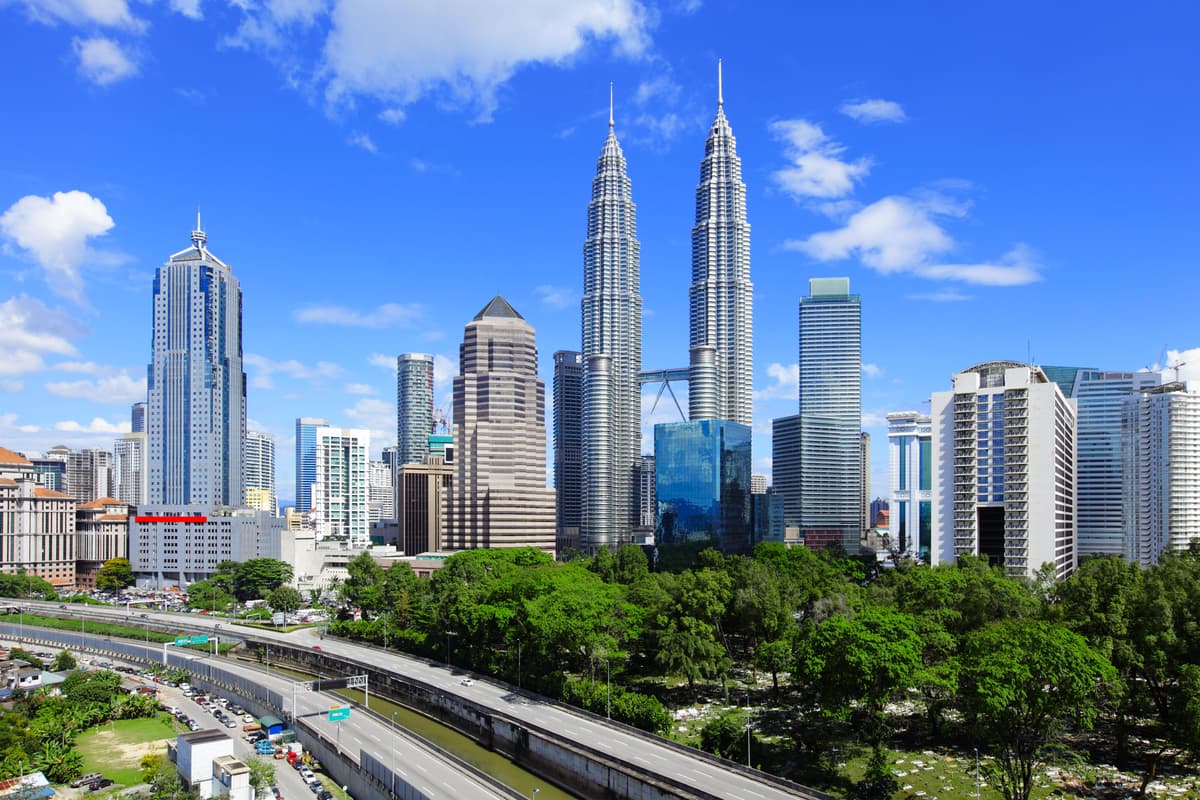
See all 3 Malaysia packages
Most popular pick
See all 3 Malaysia packages
See all 2 Singapore packages
Most popular pick
See all 2 Singapore packages
See all 2 Kenya packages
Most popular pick
See all 2 Kenya packages
See all 4 India packages
Most popular pick
See all 4 India packages
Search Tours or Places
Blog / Indonesia

Luwak Coffee in Bali: What It Is, How It Tastes, and the Civet Problem

10 min read 27 Jul 2026

Luwak coffee Bali is the island's most talked about souvenir and its most uncomfortable one. It is coffee made from beans that have passed through the gut of an Asian palm civet, a small nocturnal mammal Indonesians call the luwak, and almost every coffee plantation on the Ubud tour circuit will offer you a cup of it.

The drink itself is real, and the traditional version of it, beans picked up from the forest floor after wild civets have eaten and passed the ripe cherries, is a genuine piece of Indonesian coffee history. The version most tourists are served is not that. It comes from wild-caught civets kept in cages and fed coffee cherries at roadside attractions.

What is luwak coffee in Bali, and why is it made this way?

Luwak coffee, or kopi luwak, is coffee brewed from beans recovered from civet droppings. The Asian palm civet eats ripe coffee cherries for the sweet pulp and passes the hard beans largely intact. Those beans are collected, washed, dried, hulled and roasted like any other coffee.

The practice goes back to plantation-era Java and Sumatra, when local workers barred from taking the harvest gathered beans from civet scat instead. It was a workaround, not a delicacy. The luxury framing came later, from marketing.

The animal is worth knowing about. The Asian palm civet is nocturnal, listed as Least Concern by the IUCN, and in the wild it is an omnivore that eats a wide range of fruit and small prey, dispersing seeds as it goes. Nothing about its natural life resembles a wire cage and a bowl of coffee cherries.

What does luwak coffee taste like?

Expect a smooth, low-acid, earthy cup rather than a bright or complex one. Food scientist Massimo Marcone, who published the first detailed analysis in 2004, proposed that digestive enzymes penetrate the bean and break down some of its proteins, which changes how the coffee develops during roasting. He described the result as earthy, musty, syrupy and smooth, with chocolate undertones.

A 2022 study in Frontiers in Sustainable Food Systems found a kopi luwak sample lower in caffeine and chlorogenic acids than comparable arabica, which fits the mellow, less bitter profile people report, though the authors were clear it was a small case study.

Specialty coffee people are largely unimpressed. The consensus among roasters and tasters is that the process strips out the acids and aromatics that make good coffee interesting, so what you gain in smoothness you lose in character. Tony Wild, the coffee trader credited with bringing kopi luwak to Western markets in the early 1990s, has spent years publicly campaigning against what the trade became.

The animal welfare problem nobody mentions on the tour

This is the part that matters. In 2016, researchers Carder, Proctor, Schmidt-Burbach and D'Cruze published a study in the journal Animal Welfare assessing 48 wild-caught common palm civets held at 16 tourist-facing coffee plantations in Bali. They scored eight husbandry factors: mobility, hygiene, cage surfaces, shelter, noise, food, water and social interaction. The conclusion was that conditions were inadequate across the sample and that caged commercial production has a negative welfare impact on the animals.

The specifics reported around that work include cages far too small for an animal that ranges widely at night, wire mesh floors, enclosures fouled with waste and rotting cherries, no dark shelter for a nocturnal species kept in daylight, a restricted coffee-cherry diet, and no access to clean water. Lead researcher Neil D'Cruze described the wire flooring as "a constant, intense source of pain and discomfort".

PETA Asia has run its own undercover investigations at Bali kopi luwak operations and documented the same pattern: barren, faeces-caked cages, untreated open wounds, civets pacing and self-injuring, and at least one blind animal still in production. The organisation renewed its warning to Bali visitors in 2024.

Two things are worth being precise about. First, this is a problem with caged production specifically. Genuinely wild-collected kopi luwak does not create these welfare issues. Second, the animals are usually taken from the wild rather than bred, so the trade pulls civets out of forest populations to stock cages behind cafes.

Can you trust a "wild" or "cage-free" label?

Mostly, no. There is no reliable certification that separates wild-collected kopi luwak from caged-civet coffee once the beans are washed and roasted. A BBC investigation in September 2013 traced coffee sold in Europe as wild-sourced back to caged civets in Indonesia, and PETA's investigators were told by producers that captive coffee is routinely labelled as wild.

The big sustainability certifiers have stayed out of it. Rainforest Alliance and UTZ have declined to certify kopi luwak because the supply chain cannot be traced credibly. Rainforest Alliance's Alex Morgan advised consumers to avoid it, saying any given cup is more likely than not to come from caged production.

After the 2013 reporting, Selfridges pulled civet coffee entirely and Harrods committed to cage-free sourcing only. That was over a decade ago, and the roadside trade in Bali has not shrunk.

How to tell a caged operation from a genuine one

You can usually read a plantation in about two minutes, before you sit down. Use this.

What you seeWhat it means
Civets in cages anywhere on site, even large or "natural-looking" onesCaged production. Walk on. This is the single clearest signal.
A civet brought out for photos or handlingA captive animal being used as an attraction. Same answer.
Bowls of coffee cherries as the animal's visible dietForce-fed monodiet, not natural foraging.
Staff who cannot say where the droppings are collectedNo traceability. Treat "wild" claims as marketing.
No civets on site at all, and no luwak coffee pushed at youAn ordinary coffee farm and tasting room. This is what you want.
Heavy signage calling it the world's most expensive coffeeA gift-shop operation built around one upsell.

The simplest rule: if there is a civet on the premises, the coffee is not wild-collected. A genuinely wild operation has nothing to show you except forest, farmers and beans.

Is a Bali coffee plantation visit still worth doing?

Yes, if you pick the right kind. The standard Ubud plantation stop includes a walk through the garden, a look at hand-roasting over a wood fire, and a tasting flight of a dozen or more small cups: black arabica and robusta, plus infusions like ginger, lemongrass, mangosteen peel, coconut and vanilla. That part is genuinely enjoyable, and the luwak cup is always a separate paid extra, so declining it costs you nothing.

Say clearly at the entrance that you do not want the luwak tasting and you would rather not visit any caged animals. Plenty of farms in the Ubud and Kintamani area now run purely as coffee and tea tastings. If you are planning your route around the island's interior, this pairs naturally with the rest of the places worth visiting in Bali, most of which sit within an hour of Ubud.

The Bali coffee actually worth drinking

Bali grows good coffee on its own terms and you do not need a civet involved. Kintamani arabica, from the volcanic highlands in the north-east, became Indonesia's first product to receive geographical indication protection when its certificate was issued in December 2008.

  • Kintamani arabica: grown between roughly 900 and 1,500 metres, most of it between 1,100 and 1,400. Medium to high acidity, a lemony or tangerine note, medium body, not heavily bitter.
  • Why it tastes citrusy: the coffee is grown under shade trees that are mainly citrus, banana and legumes, part of the traditional subak abian farmer-group system that also bans chemical-heavy practice on many plots.
  • Bali robusta: mostly from the wetter Pupuan area in the west. Heavier, chocolatey, and what most warungs pour as kopi Bali.
  • Kopi tubruk: the local unfiltered brew, grounds and hot water in a glass, left to settle. Cheap, strong, and the honest baseline for Indonesian coffee.
  • Ubud and Canggu roasteries: a serious third-wave scene has grown up here, and single-origin Kintamani on a decent brew bar will tell you more about Bali coffee than any plantation gift shop.

Practical tips before you go

  • Check the itinerary wording. Many day tours list a "coffee plantation" stop that is in fact a luwak attraction. Ask the operator directly whether civets are kept on site.
  • Decline politely and firmly. Guides work on commission at these stops. A clear no at the start avoids an awkward conversation later.
  • Go in the morning. Kintamani is clearer before midday, and the interior roads get slow in the afternoon.
  • Buy beans, not sachets. Whole-bean Kintamani arabica with a roast date on the bag travels better than the flavoured instant packs sold at tourist stops.
  • Mind your stomach. A dozen cups of strong coffee before a day of winding roads is a rough idea, and the same care applies to food, as covered in our guide on avoiding Bali belly.
  • Report what you see. Reviews on the major platforms are how these operations get filtered out. Describe the cages plainly.

If you want the coffee highlands built into a wider trip, our Indonesia holiday packages cover Ubud, Kintamani and the coast, and we can keep caged-animal stops off the itinerary entirely.

Frequently asked questions

Is luwak coffee in Bali cruel?

In most tourist operations, yes. A 2016 study in the journal Animal Welfare assessed 48 wild-caught civets at 16 Bali plantations and found inadequate housing conditions with a negative welfare impact. Wild-collected kopi luwak does not carry that problem, but it is rare and hard to verify.

Is any kopi luwak in Bali genuinely wild-collected?

Some is, but you cannot confirm it from the counter. There is no certification that distinguishes wild from caged kopi luwak, and Rainforest Alliance and UTZ both decline to certify it on traceability grounds. If a venue keeps civets on site, its coffee is not wild-collected.

What does luwak coffee taste like compared to normal coffee?

Smoother, earthier and less bitter, with lower acidity. Research suggests digestion breaks down some bean proteins and reduces caffeine and chlorogenic acid levels. Most specialty coffee tasters consider it flatter and less interesting than a well-roasted single-origin arabica.

Can I visit a Bali coffee plantation without supporting caged civets?

Yes. Ask the operator in advance whether civets are kept on site and choose a farm that runs tastings only. You will still get the garden walk, the roasting demonstration and the full tasting flight of arabica, robusta and herbal infusions.

Why is luwak coffee so expensive?

Scarcity and story, mainly. Yields are tiny compared with conventional coffee and the novelty has been marketed hard since the 1990s. Coffee professionals, including the trader who first introduced it to Western buyers, argue the premium reflects the story rather than the quality in the cup.

What coffee should I buy in Bali instead?

Kintamani arabica, which holds Indonesia's first geographical indication, granted in December 2008. It is grown at altitude under citrus and banana shade, giving medium to high acidity with a lemony note. Bali robusta from the Pupuan area is the heavier, chocolatey alternative.

Are civets endangered because of kopi luwak?

The Asian palm civet is listed as Least Concern by the IUCN, so the species is not endangered. The welfare concern is individual animals: they are typically taken from the wild rather than bred, then caged, which is a cruelty issue rather than an extinction one.

Tags
BaliIndonesialuwak coffeekopi luwakBali coffeeresponsible travelUbudKintamani
Share
G
Gomayu Team
Writer at Gomayu
Keep reading
Blog / Indonesia

Luwak Coffee in Bali: What It Is, How It Tastes, and the Civet Problem

10 min read 27 Jul 2026

Luwak coffee Bali is the island's most talked about souvenir and its most uncomfortable one. It is coffee made from beans that have passed through the gut of an Asian palm civet, a small nocturnal mammal Indonesians call the luwak, and almost every coffee plantation on the Ubud tour circuit will offer you a cup of it.

The drink itself is real, and the traditional version of it, beans picked up from the forest floor after wild civets have eaten and passed the ripe cherries, is a genuine piece of Indonesian coffee history. The version most tourists are served is not that. It comes from wild-caught civets kept in cages and fed coffee cherries at roadside attractions.

What is luwak coffee in Bali, and why is it made this way?

Luwak coffee, or kopi luwak, is coffee brewed from beans recovered from civet droppings. The Asian palm civet eats ripe coffee cherries for the sweet pulp and passes the hard beans largely intact. Those beans are collected, washed, dried, hulled and roasted like any other coffee.

The practice goes back to plantation-era Java and Sumatra, when local workers barred from taking the harvest gathered beans from civet scat instead. It was a workaround, not a delicacy. The luxury framing came later, from marketing.

The animal is worth knowing about. The Asian palm civet is nocturnal, listed as Least Concern by the IUCN, and in the wild it is an omnivore that eats a wide range of fruit and small prey, dispersing seeds as it goes. Nothing about its natural life resembles a wire cage and a bowl of coffee cherries.

What does luwak coffee taste like?

Expect a smooth, low-acid, earthy cup rather than a bright or complex one. Food scientist Massimo Marcone, who published the first detailed analysis in 2004, proposed that digestive enzymes penetrate the bean and break down some of its proteins, which changes how the coffee develops during roasting. He described the result as earthy, musty, syrupy and smooth, with chocolate undertones.

A 2022 study in Frontiers in Sustainable Food Systems found a kopi luwak sample lower in caffeine and chlorogenic acids than comparable arabica, which fits the mellow, less bitter profile people report, though the authors were clear it was a small case study.

Specialty coffee people are largely unimpressed. The consensus among roasters and tasters is that the process strips out the acids and aromatics that make good coffee interesting, so what you gain in smoothness you lose in character. Tony Wild, the coffee trader credited with bringing kopi luwak to Western markets in the early 1990s, has spent years publicly campaigning against what the trade became.

The animal welfare problem nobody mentions on the tour

This is the part that matters. In 2016, researchers Carder, Proctor, Schmidt-Burbach and D'Cruze published a study in the journal Animal Welfare assessing 48 wild-caught common palm civets held at 16 tourist-facing coffee plantations in Bali. They scored eight husbandry factors: mobility, hygiene, cage surfaces, shelter, noise, food, water and social interaction. The conclusion was that conditions were inadequate across the sample and that caged commercial production has a negative welfare impact on the animals.

The specifics reported around that work include cages far too small for an animal that ranges widely at night, wire mesh floors, enclosures fouled with waste and rotting cherries, no dark shelter for a nocturnal species kept in daylight, a restricted coffee-cherry diet, and no access to clean water. Lead researcher Neil D'Cruze described the wire flooring as "a constant, intense source of pain and discomfort".

PETA Asia has run its own undercover investigations at Bali kopi luwak operations and documented the same pattern: barren, faeces-caked cages, untreated open wounds, civets pacing and self-injuring, and at least one blind animal still in production. The organisation renewed its warning to Bali visitors in 2024.

Two things are worth being precise about. First, this is a problem with caged production specifically. Genuinely wild-collected kopi luwak does not create these welfare issues. Second, the animals are usually taken from the wild rather than bred, so the trade pulls civets out of forest populations to stock cages behind cafes.

Can you trust a "wild" or "cage-free" label?

Mostly, no. There is no reliable certification that separates wild-collected kopi luwak from caged-civet coffee once the beans are washed and roasted. A BBC investigation in September 2013 traced coffee sold in Europe as wild-sourced back to caged civets in Indonesia, and PETA's investigators were told by producers that captive coffee is routinely labelled as wild.

The big sustainability certifiers have stayed out of it. Rainforest Alliance and UTZ have declined to certify kopi luwak because the supply chain cannot be traced credibly. Rainforest Alliance's Alex Morgan advised consumers to avoid it, saying any given cup is more likely than not to come from caged production.

After the 2013 reporting, Selfridges pulled civet coffee entirely and Harrods committed to cage-free sourcing only. That was over a decade ago, and the roadside trade in Bali has not shrunk.

How to tell a caged operation from a genuine one

You can usually read a plantation in about two minutes, before you sit down. Use this.

What you seeWhat it means
Civets in cages anywhere on site, even large or "natural-looking" onesCaged production. Walk on. This is the single clearest signal.
A civet brought out for photos or handlingA captive animal being used as an attraction. Same answer.
Bowls of coffee cherries as the animal's visible dietForce-fed monodiet, not natural foraging.
Staff who cannot say where the droppings are collectedNo traceability. Treat "wild" claims as marketing.
No civets on site at all, and no luwak coffee pushed at youAn ordinary coffee farm and tasting room. This is what you want.
Heavy signage calling it the world's most expensive coffeeA gift-shop operation built around one upsell.

The simplest rule: if there is a civet on the premises, the coffee is not wild-collected. A genuinely wild operation has nothing to show you except forest, farmers and beans.

Is a Bali coffee plantation visit still worth doing?

Yes, if you pick the right kind. The standard Ubud plantation stop includes a walk through the garden, a look at hand-roasting over a wood fire, and a tasting flight of a dozen or more small cups: black arabica and robusta, plus infusions like ginger, lemongrass, mangosteen peel, coconut and vanilla. That part is genuinely enjoyable, and the luwak cup is always a separate paid extra, so declining it costs you nothing.

Say clearly at the entrance that you do not want the luwak tasting and you would rather not visit any caged animals. Plenty of farms in the Ubud and Kintamani area now run purely as coffee and tea tastings. If you are planning your route around the island's interior, this pairs naturally with the rest of the places worth visiting in Bali, most of which sit within an hour of Ubud.

The Bali coffee actually worth drinking

Bali grows good coffee on its own terms and you do not need a civet involved. Kintamani arabica, from the volcanic highlands in the north-east, became Indonesia's first product to receive geographical indication protection when its certificate was issued in December 2008.

  • Kintamani arabica: grown between roughly 900 and 1,500 metres, most of it between 1,100 and 1,400. Medium to high acidity, a lemony or tangerine note, medium body, not heavily bitter.
  • Why it tastes citrusy: the coffee is grown under shade trees that are mainly citrus, banana and legumes, part of the traditional subak abian farmer-group system that also bans chemical-heavy practice on many plots.
  • Bali robusta: mostly from the wetter Pupuan area in the west. Heavier, chocolatey, and what most warungs pour as kopi Bali.
  • Kopi tubruk: the local unfiltered brew, grounds and hot water in a glass, left to settle. Cheap, strong, and the honest baseline for Indonesian coffee.
  • Ubud and Canggu roasteries: a serious third-wave scene has grown up here, and single-origin Kintamani on a decent brew bar will tell you more about Bali coffee than any plantation gift shop.

Practical tips before you go

  • Check the itinerary wording. Many day tours list a "coffee plantation" stop that is in fact a luwak attraction. Ask the operator directly whether civets are kept on site.
  • Decline politely and firmly. Guides work on commission at these stops. A clear no at the start avoids an awkward conversation later.
  • Go in the morning. Kintamani is clearer before midday, and the interior roads get slow in the afternoon.
  • Buy beans, not sachets. Whole-bean Kintamani arabica with a roast date on the bag travels better than the flavoured instant packs sold at tourist stops.
  • Mind your stomach. A dozen cups of strong coffee before a day of winding roads is a rough idea, and the same care applies to food, as covered in our guide on avoiding Bali belly.
  • Report what you see. Reviews on the major platforms are how these operations get filtered out. Describe the cages plainly.

If you want the coffee highlands built into a wider trip, our Indonesia holiday packages cover Ubud, Kintamani and the coast, and we can keep caged-animal stops off the itinerary entirely.

Frequently asked questions

Is luwak coffee in Bali cruel?

In most tourist operations, yes. A 2016 study in the journal Animal Welfare assessed 48 wild-caught civets at 16 Bali plantations and found inadequate housing conditions with a negative welfare impact. Wild-collected kopi luwak does not carry that problem, but it is rare and hard to verify.

Is any kopi luwak in Bali genuinely wild-collected?

Some is, but you cannot confirm it from the counter. There is no certification that distinguishes wild from caged kopi luwak, and Rainforest Alliance and UTZ both decline to certify it on traceability grounds. If a venue keeps civets on site, its coffee is not wild-collected.

What does luwak coffee taste like compared to normal coffee?

Smoother, earthier and less bitter, with lower acidity. Research suggests digestion breaks down some bean proteins and reduces caffeine and chlorogenic acid levels. Most specialty coffee tasters consider it flatter and less interesting than a well-roasted single-origin arabica.

Can I visit a Bali coffee plantation without supporting caged civets?

Yes. Ask the operator in advance whether civets are kept on site and choose a farm that runs tastings only. You will still get the garden walk, the roasting demonstration and the full tasting flight of arabica, robusta and herbal infusions.

Why is luwak coffee so expensive?

Scarcity and story, mainly. Yields are tiny compared with conventional coffee and the novelty has been marketed hard since the 1990s. Coffee professionals, including the trader who first introduced it to Western buyers, argue the premium reflects the story rather than the quality in the cup.

What coffee should I buy in Bali instead?

Kintamani arabica, which holds Indonesia's first geographical indication, granted in December 2008. It is grown at altitude under citrus and banana shade, giving medium to high acidity with a lemony note. Bali robusta from the Pupuan area is the heavier, chocolatey alternative.

Are civets endangered because of kopi luwak?

The Asian palm civet is listed as Least Concern by the IUCN, so the species is not endangered. The welfare concern is individual animals: they are typically taken from the wild rather than bred, then caged, which is a cruelty issue rather than an extinction one.

Tags
BaliIndonesialuwak coffeekopi luwakBali coffeeresponsible travelUbudKintamani
Share
G
Gomayu Team
Writer at Gomayu
Keep reading