
















Most people looking for the best places to visit in Bali start by listing sights. That is the wrong order. Bali is small, roughly the size of a mid sized county, but the roads are narrow and the traffic is heavy, so a trip that looks easy on a map turns into three hours in a car each way. The single decision that makes or breaks a Bali trip is where you sleep. Get that right and everything else falls into place.
This Bali travel guide is organized by area rather than by attraction, so you can read it the way you would actually plan: pick one or two bases, then fill in the days around them.
How to choose your base, and the traffic reality
Bali has no highway network across the tourist south. A short distance on the map can take far longer than you expect, especially between roughly 8am and 10am and again from 4pm to 7pm. Ubud to Uluwatu is a genuine half day of driving each way in bad conditions.
So the rule is simple. Split your stay. Two or three nights inland, two or three nights on the coast, and if you want an island day trip, base yourself near the harbor the night before. Trying to see all of the places to visit in Bali from one hotel is how people end up spending a holiday in a car.
A rough split that works for most people:
- Culture, rice fields, waterfalls and yoga: Ubud and the central highlands.
- Beach clubs, surf and cafes: Canggu, Seminyak or the Bukit peninsula.
- Calm water, families and early nights: Sanur or Nusa Dua.
- Diving, quiet villages and real scenery: Amed, Sidemen or Munduk.
Ubud, the cultural center of the island
Ubud is inland, green and cooler than the coast, and it is where Balinese art, dance and temple life are most visible to visitors. The town itself has grown a lot and the main road gets clogged, so stay slightly out, toward Penestanan, Sayan or the Tegallalang side, and walk in.
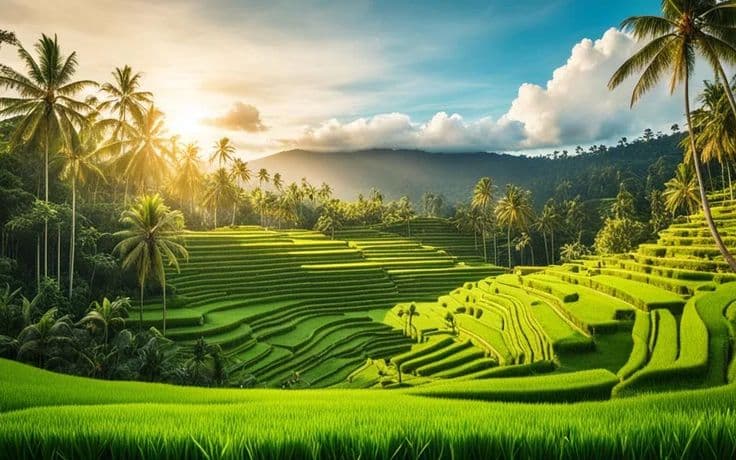
The Campuhan Ridge Walk is best at sunrise. The Tegallalang rice terraces are genuinely pretty but very busy by mid morning, and the swings and photo platforms are commercial operations, so go early or head further north to Jatiluwih, which is quieter and much larger. Goa Gajah, Tirta Empul and the Ubud Palace dance performances are all worth an evening.



Canggu and Seminyak, the beach and cafe strip
Canggu is where the surf schools, the coworking cafes and the younger crowd are. The beaches are dark volcanic sand, the water is fine for surfing and mediocre for swimming, and the sunsets over Echo Beach and Batu Bolong are the daily event. Traffic here is genuinely difficult, so pick a villa within walking distance of the strip you like.
Seminyak is the older, slightly more polished version of the same idea, with better restaurants, spas and shopping, and easier access to the airport. Couples who want good food and a short transfer usually prefer Seminyak. Kuta and Legian sit just south of it and are cheaper and much louder.
Uluwatu and the Bukit peninsula
The Bukit is the limestone headland at the southern tip of the island, and it has the most dramatic coastline in Bali. Bingin, Padang Padang, Balangan, Nyang Nyang and Melasti are clifftop beaches reached by steps, and the water here is clear in a way the west coast beaches are not.
Uluwatu Temple sits on a cliff around seventy meters above the sea and holds a Kecak fire dance at sunset. The monkeys there are known for taking sunglasses and phones, so keep them packed away. This is a sacred site, so a sarong and sash are required and are handed out at the entrance.
Sanur and Nusa Dua, the calm side
Sanur faces east, so it gets sunrise rather than sunset, and it sits behind a reef that keeps the water flat. That makes it the easiest base in Bali for families with small children and for anyone who wants a beachfront path they can cycle. It is also the main departure point for fast boats to the Nusa islands and Lombok.
Nusa Dua is a planned resort enclave with gated hotels, clean white sand and calm water. It is quiet and comfortable and it does not feel much like the rest of Bali, which is either the point or the problem depending on what you want. Many first trips pair one of these calmer bases with a livelier one.
Nusa Penida and Nusa Lembongan
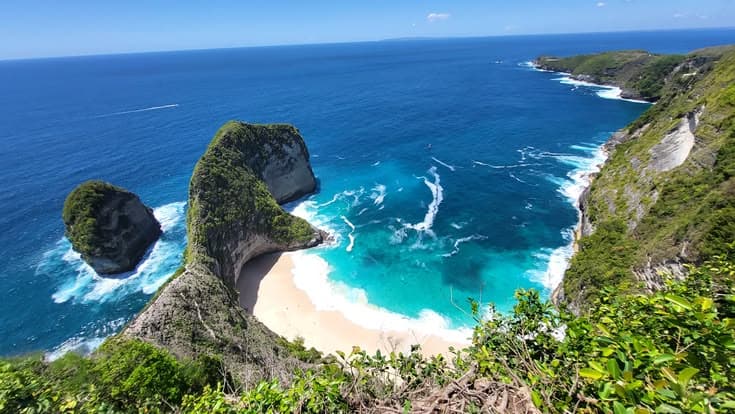
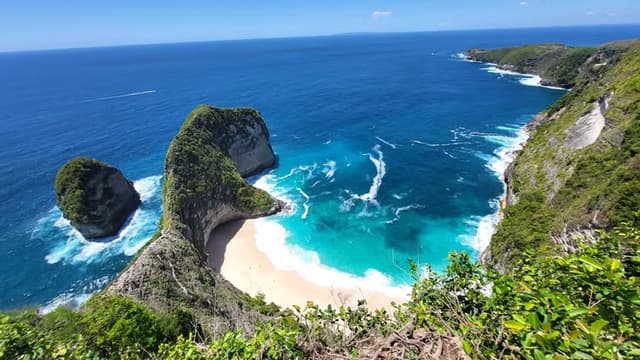
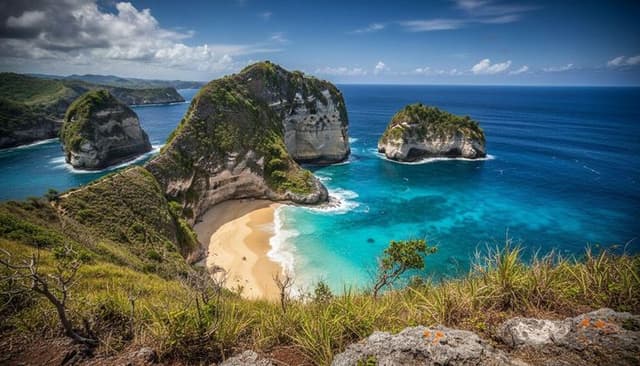
Nusa Penida is the big, rugged island southeast of Bali, about forty minutes by fast boat from Sanur. Kelingking Beach is the famous one, the cliff shaped like a dinosaur head. The viewpoint is easy to reach. The descent to the sand is not. The path has been rebuilt with proper steps and is safer than it used to be, but it is still steep, hot and roughly twenty minutes down and closer to thirty back up. Swimming at the bottom is not safe and is officially discouraged because of the currents.
Diamond Beach, Angel's Billabong and Broken Beach are on the east and west ends, and the roads between them are rough. Do not try to see the whole island in one day. The crossing itself can be choppy, particularly in the wet season, so take the morning boat if you get seasick.
Nusa Lembongan is the smaller, gentler neighbor. Mangroves, a yellow bridge across to Ceningan, decent snorkeling and no real traffic. If Penida sounds like too much work, Lembongan is the answer.
A note on the Gili Islands
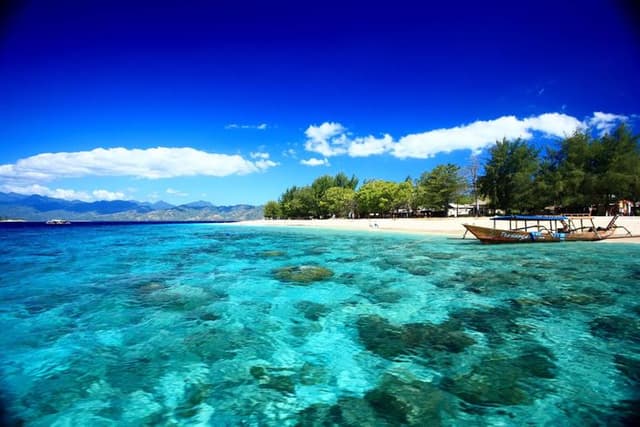
The Gili Islands, Trawangan, Meno and Air, come up in almost every Bali itinerary, but they are not in Bali. They belong to Lombok in West Nusa Tenggara, a separate province, and you reach them by fast boat from Padang Bai or Sanur in a couple of hours depending on conditions. They are worth adding if you have the days, especially Gili Air for a quiet stay and Gili Meno for snorkeling with turtles. Just budget the travel time honestly and treat it as a separate leg, not a day trip.
Amed and Tulamben for diving and snorkeling
The northeast coast is where the water is clearest. Tulamben has the USAT Liberty, a wrecked American cargo ship lying in shallow water a short swim from the shore, which makes it one of the most accessible wreck dives anywhere. Snorkelers can see a good part of it without tanks.
Amed, just south, is a string of quiet fishing villages with black sand bays, traditional jukung outriggers on the beach and a view of Mount Agung behind you. There is almost no nightlife here and that is the appeal.
Sidemen, Munduk and the northern lakes
Sidemen is the Ubud that people imagine before they arrive: a river valley of working rice terraces below Mount Agung, with a handful of small guesthouses and very little traffic. Two nights here resets a trip.
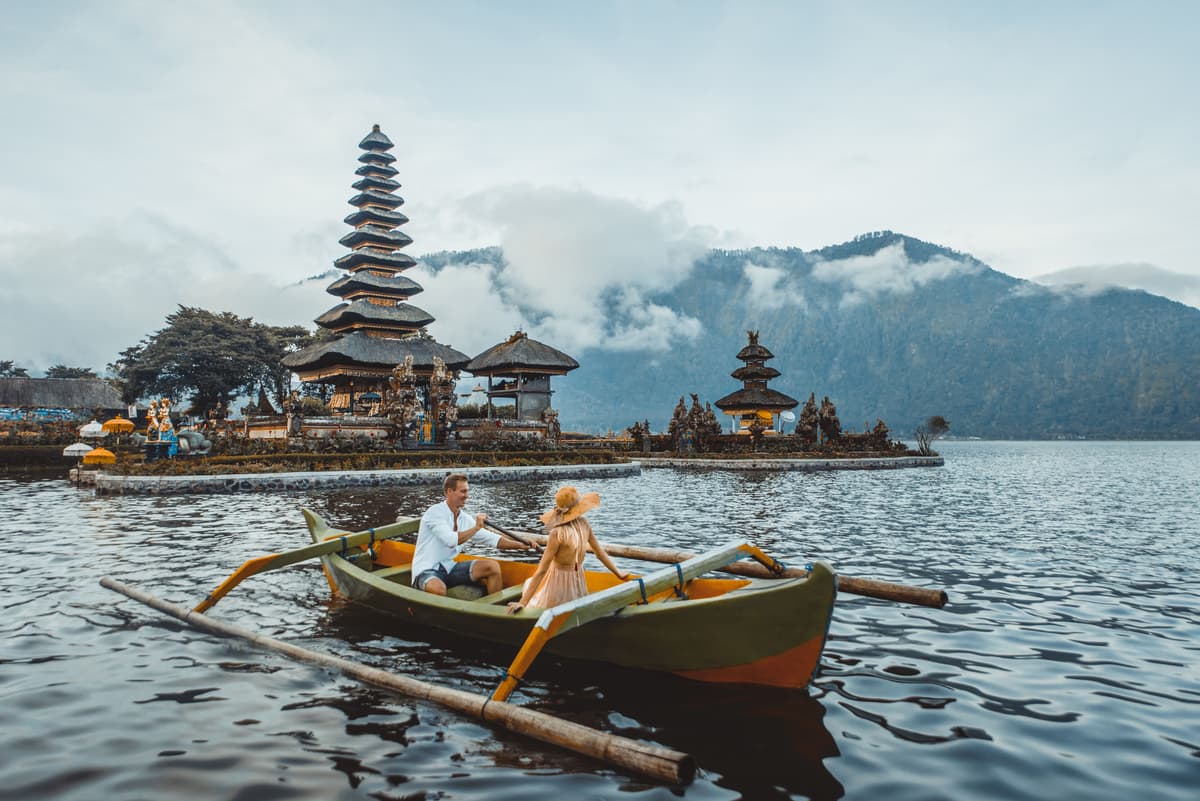
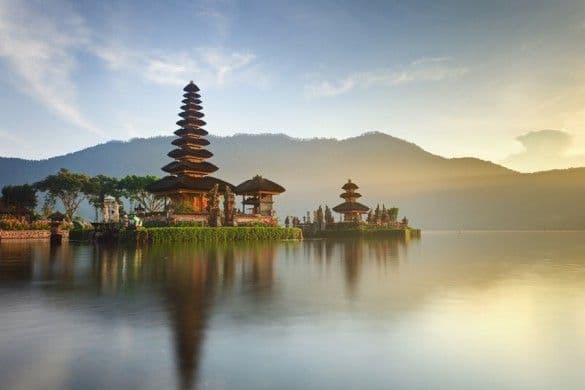
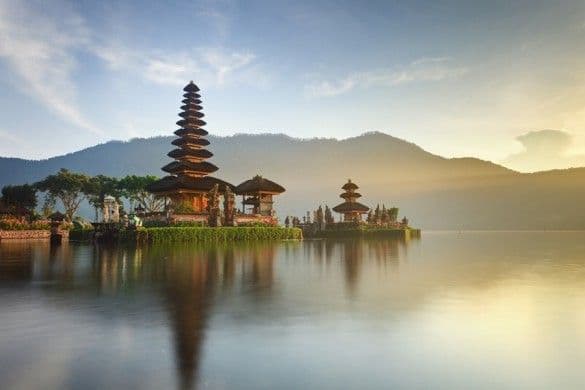
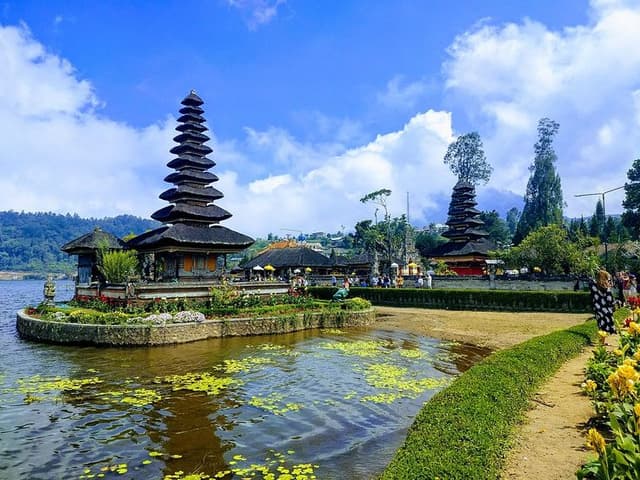
Munduk sits high in the north among clove and coffee plantations, with waterfalls, cool evenings and mist. Nearby are the crater lakes Beratan, Buyan and Tamblingan. Ulun Danu Beratan, the temple that appears to float on the lake, is the picture everyone knows, and it is best early before the tour buses arrive.
Mount Batur and the sunrise trek
Mount Batur is an active volcano in the northeast and the standard sunrise hike is one of the most popular things to do in Bali. Pickups are around 2am from Ubud and midnight from the south coast, the climb takes about two hours and you reach the rim in time for sunrise over Lake Batur and Mount Abang.
Access to the mountain is controlled by the local guide association, so in practice you hike with a licensed local guide rather than alone. Take a layer, because it is genuinely cold at the top before sunrise, and proper shoes, because the upper section is loose volcanic scree.
The temples worth your time
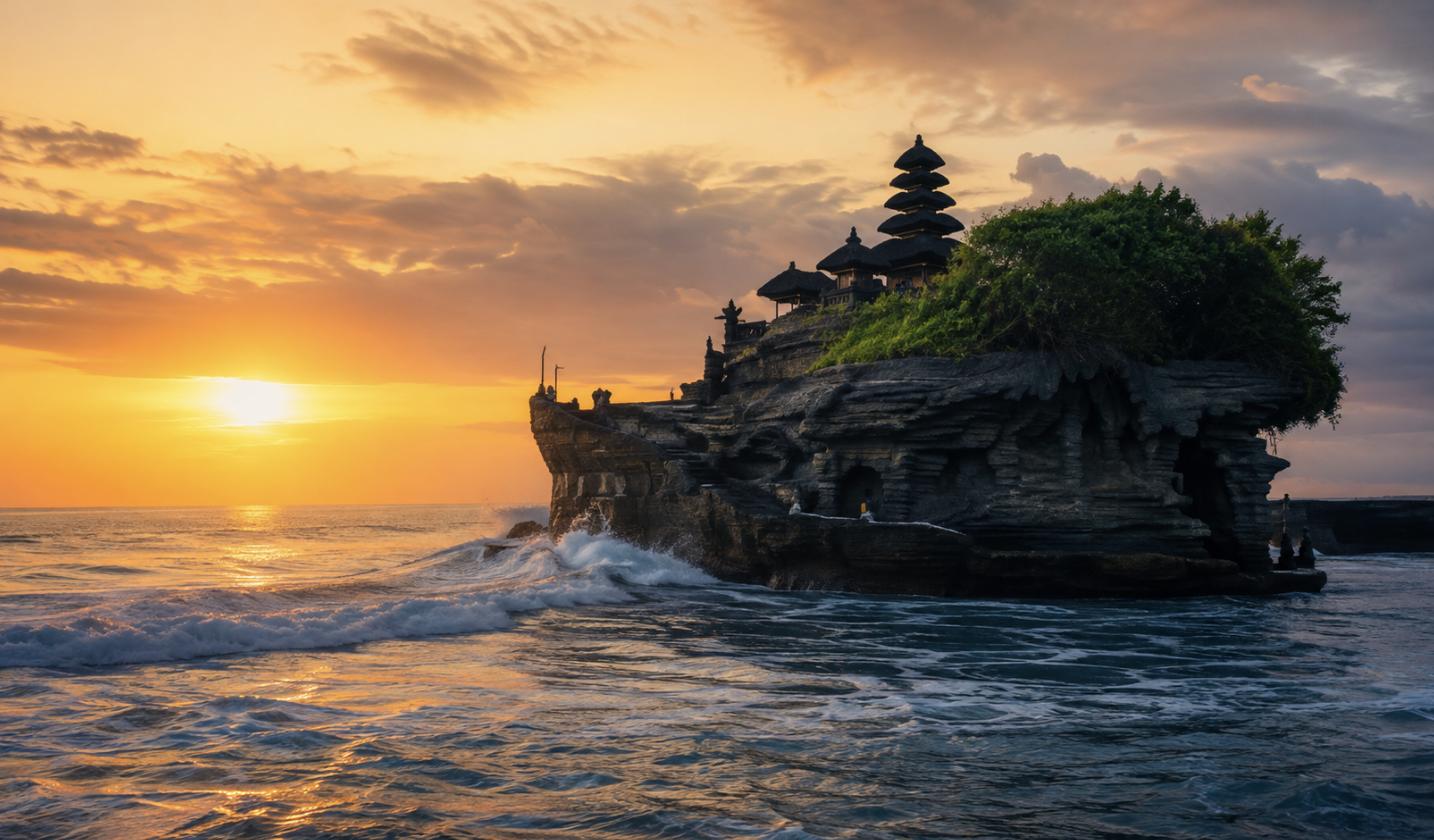
Tanah Lot sits on a rock offshore in the west and is a sunset spot rather than a place you can enter, since the temple itself is reserved for worshippers. Uluwatu is the cliff temple with the Kecak dance. Besakih, on the slopes of Mount Agung, is the largest and most important temple complex in Bali, and it now has a large visitor area below with a walk or shuttle up to the complex. A sarong and sash are required, and while local guides offer their services at the entrance, hiring one is a courtesy rather than a rule.
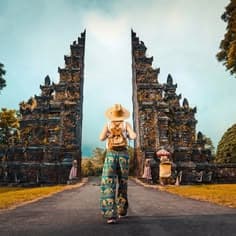
Pura Lempuyang in the east is known online as the Gates of Heaven. It is worth saying plainly: the mirrored reflection in those photos is not a lake. A staff member holds a small mirror under the phone lens to create it. The gate and the view of Mount Agung through it are still lovely, but the queue for that one photo can be long, so arrive early and treat the temple as more than a photo stop. Please dress respectfully and stay out of areas reserved for worshippers at all of these sites.
Where to stay in Bali at a glance
| Area | Part of Bali | Best for | Watch out for |
|---|---|---|---|
| Ubud | Central inland | Culture, rice fields, spas, waterfalls | Heavy town traffic, no beach |
| Canggu | Southwest coast | Surfing, cafes, long stays | Congested lanes, dark sand, rough swimming |
| Seminyak | Southwest coast | Dining, shopping, couples | Busy and built up, strong shore break |
| Uluwatu and the Bukit | Far south | Cliff beaches, surf, clifftop hotels | Steep steps to beaches, far from everything |
| Sanur | Southeast coast | Families, calm water, island boats | Quiet nightlife, low tide exposes reef |
| Nusa Dua | Southeast peninsula | Resorts, safe swimming, comfort | Feels separate from local Bali |
| Nusa Penida | Offshore island | Cliffs, snorkeling, big scenery | Rough roads, long days, choppy crossings |
| Nusa Lembongan | Offshore island | Easy island time, snorkeling | Limited dining, small beaches |
| Amed and Tulamben | Northeast coast | Diving, wreck snorkeling, quiet | Long transfer, very little nightlife |
| Sidemen | East inland | Rice valleys, slow days, views | Few restaurants, need a driver |
| Munduk and the lakes | North highlands | Waterfalls, cool air, plantations | Rain and mist, winding roads |
How to plan your Bali trip
Start with season. The dry season runs roughly April to October and is the best time to visit Bali for beaches, diving and hiking, with July and August the busiest. The wet season runs about November to March, with short heavy afternoon downpours rather than all day rain, greener landscapes and fewer people.
Then check the calendar for Nyepi, the Balinese day of silence, which falls in March on a date set by the Saka calendar and changes each year. For twenty four hours the whole island stops. No flights in or out, since the airport closes completely, no vehicles on the roads, lights kept low and mobile data usually switched off. Hotels stay open and look after guests, but you cannot leave the property. The Ogoh Ogoh parades the night before are one of the best things you can see in Bali, so some travelers plan around it deliberately.
On paperwork, many nationalities can enter on a visa on arrival or its electronic version, valid for thirty days and extendable once for a further thirty. Check whether your passport is on the eligible list and apply through Indonesia's official immigration e-visa portal rather than any agent site. A passport with at least six months validity and an onward ticket are standard requirements.
There is also a levy on international visitors to Bali, paid once per visit. It is paid electronically through the provincial government's official Love Bali portal before you arrive or at the airport, and you receive a QR voucher by email that you may be asked to show.
For structuring the days themselves, a first trip of about a week works well as three or four nights inland and three or four on the coast, with one island day. Couples often prefer the Ubud plus Uluwatu combination, an inland base plus a clifftop beach base, while a shorter trip can keep things to one inland and one beach base. For a broader mix of sightseeing and beach time, spreading nights across the main areas avoids the constant repacking.
If planning all this yourself feels like a lot, a packaged Bali tour package bundles hotels, transfers and day tours into one booking.
Frequently asked questions about visiting Bali
What are the best places to visit in Bali for a first trip?
For a first trip, combine Ubud for culture and rice terraces, one southern beach base such as Seminyak or Uluwatu, and one island day to Nusa Penida or Lembongan. Add Sidemen or Amed if you have more than a week.
How many days do you need in Bali?
Seven to ten days is comfortable. That allows two bases, a day trip to the Nusa islands and time for temples and waterfalls without long daily drives. Under five days, stay in one region and skip the island crossing.
Is Nusa Penida worth visiting?
Yes, for the coastline, but treat it as a full day or an overnight stay rather than a rushed loop. Roads are rough and sights are far apart. Kelingking's viewpoint is easy, the climb to the sand is steep and swimming there is unsafe.
What should I wear when visiting Balinese temples?
Cover your shoulders and knees, and wear a sarong and sash, which most temples provide at the entrance. Follow signs about restricted courtyards, keep quiet during ceremonies, do not climb on shrines and ask before photographing worshippers.
When is the best time to visit Bali?
The dry season, roughly April to October, is best for beaches, hiking and diving, with the biggest crowds in July and August. The wet season, November to March, brings short afternoon storms, greener scenery and quieter sites.
Are the Gili Islands part of Bali?
No. The Gili Islands belong to Lombok in West Nusa Tenggara province, reached by fast boat from Bali in around two hours depending on sea conditions. Plan them as a separate leg of your itinerary, not a day trip.
New to the island? Start with our Bali Travel Guide for visas, money, getting around and when to go.
'/%3E%3C/svg%3E)