









+977-9709047652
Explore by Country
See all 12 Thailand packages
Most popular pick
See all 12 Thailand packages
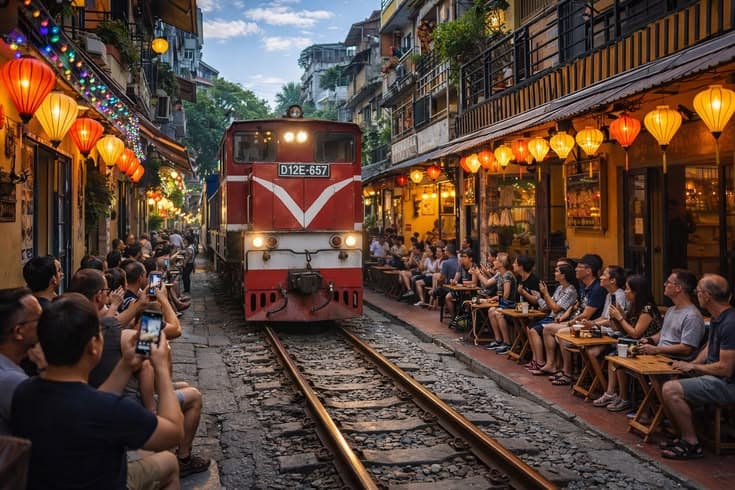
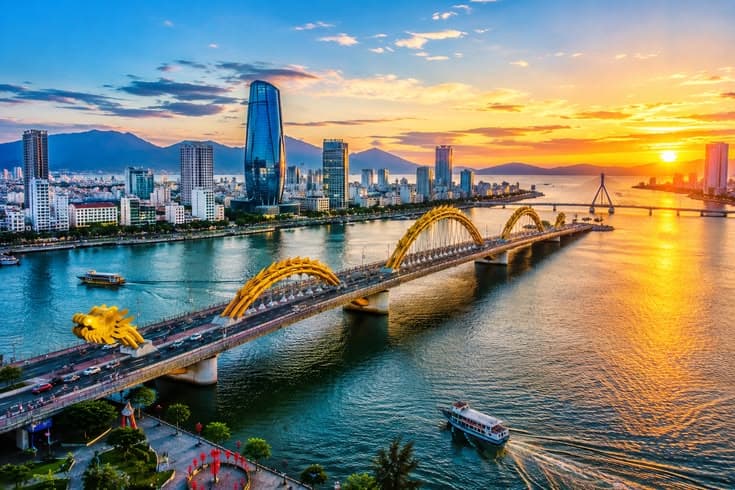
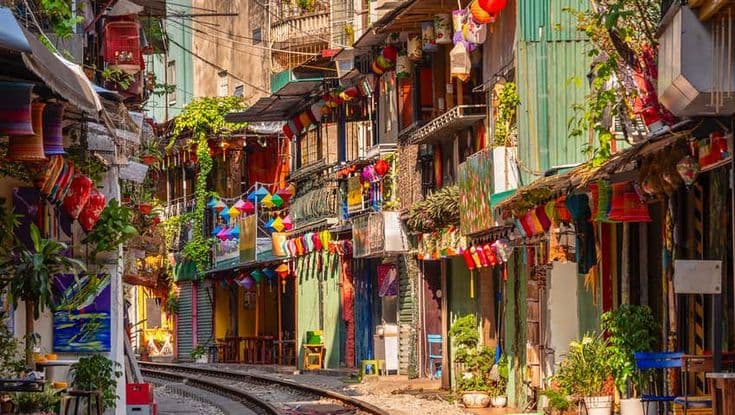
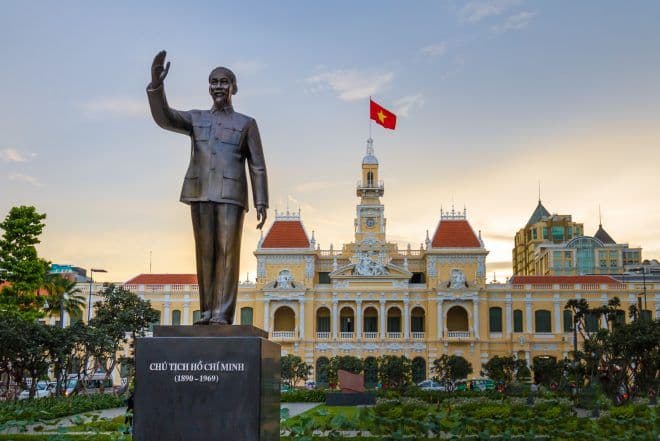
See all 8 Vietnam packages
Most popular pick
See all 8 Vietnam packages
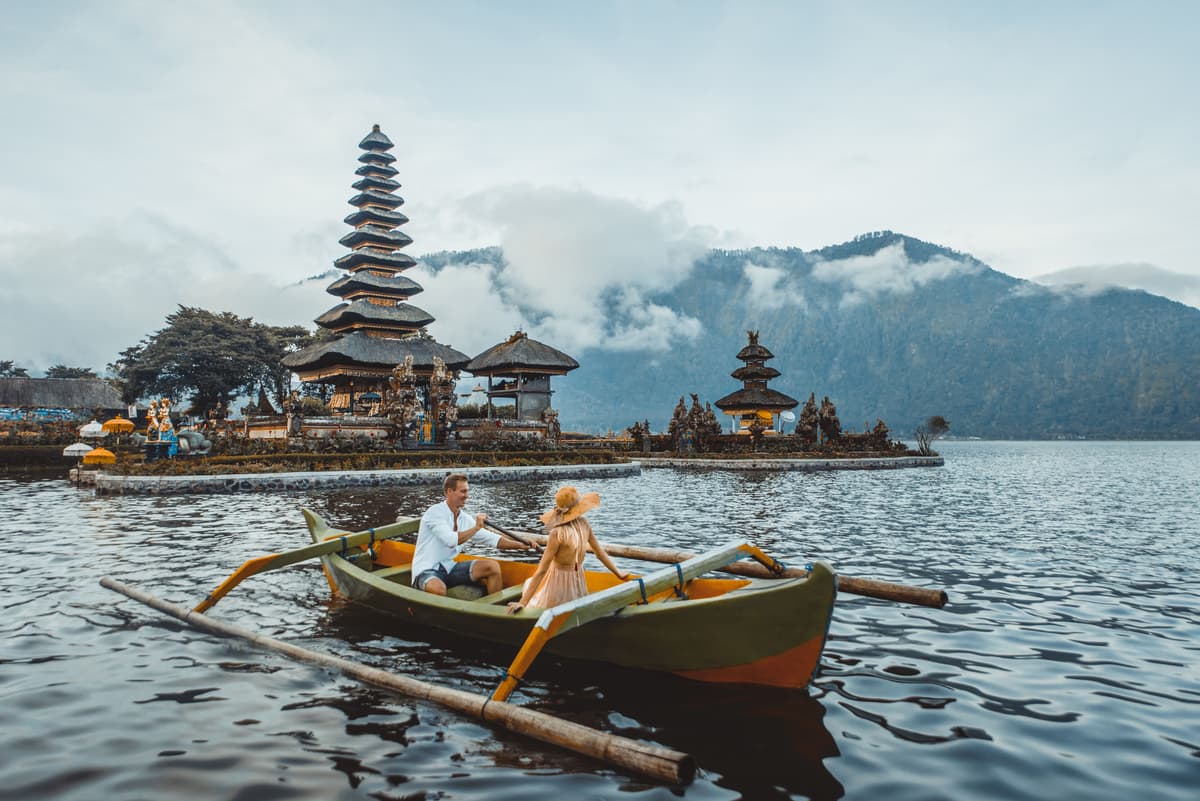
See all 4 Indonesia (Bali) packages
Most popular pick
See all 4 Indonesia (Bali) packages
See all 3 Maldives packages
Most popular pick
See all 3 Maldives packages
See all 3 China packages
Most popular pick
See all 3 China packages
See all 2 Sri Lanka packages
Most popular pick
See all 2 Sri Lanka packages
See all 3 Malaysia packages
Most popular pick
See all 3 Malaysia packages
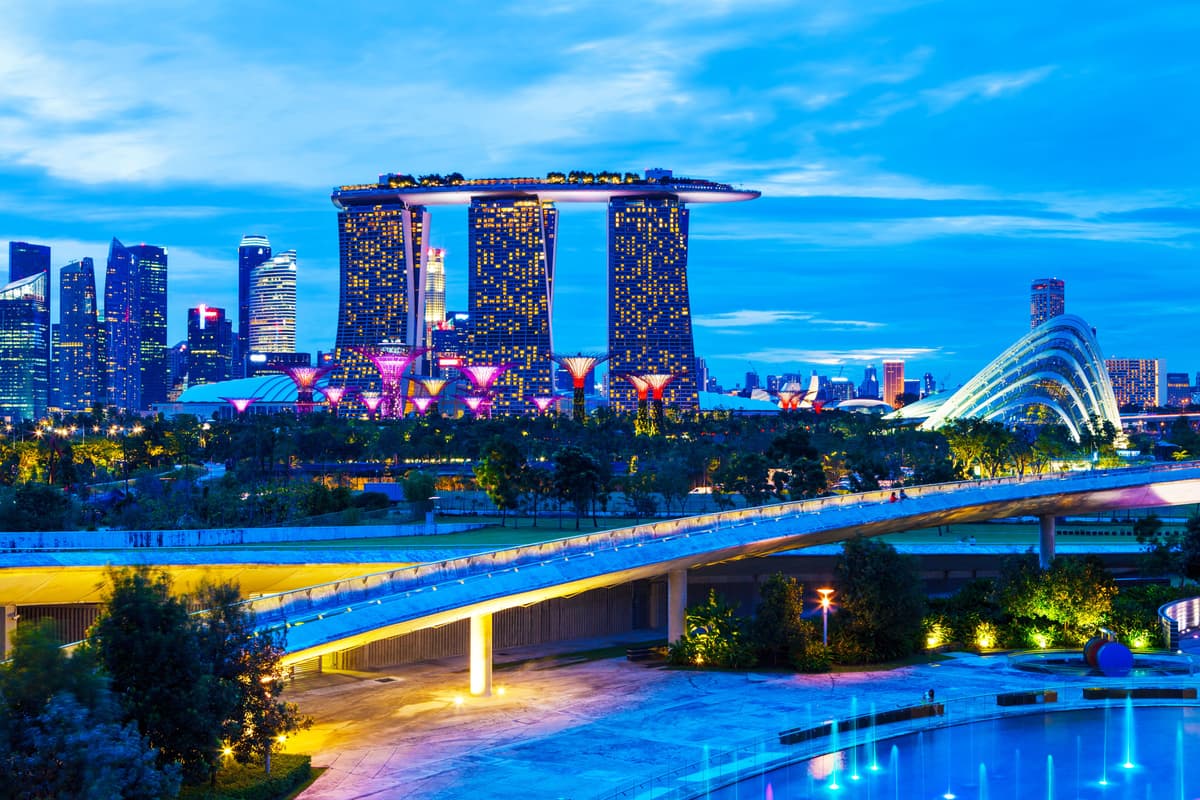
See all 2 Singapore packages
Most popular pick
See all 2 Singapore packages
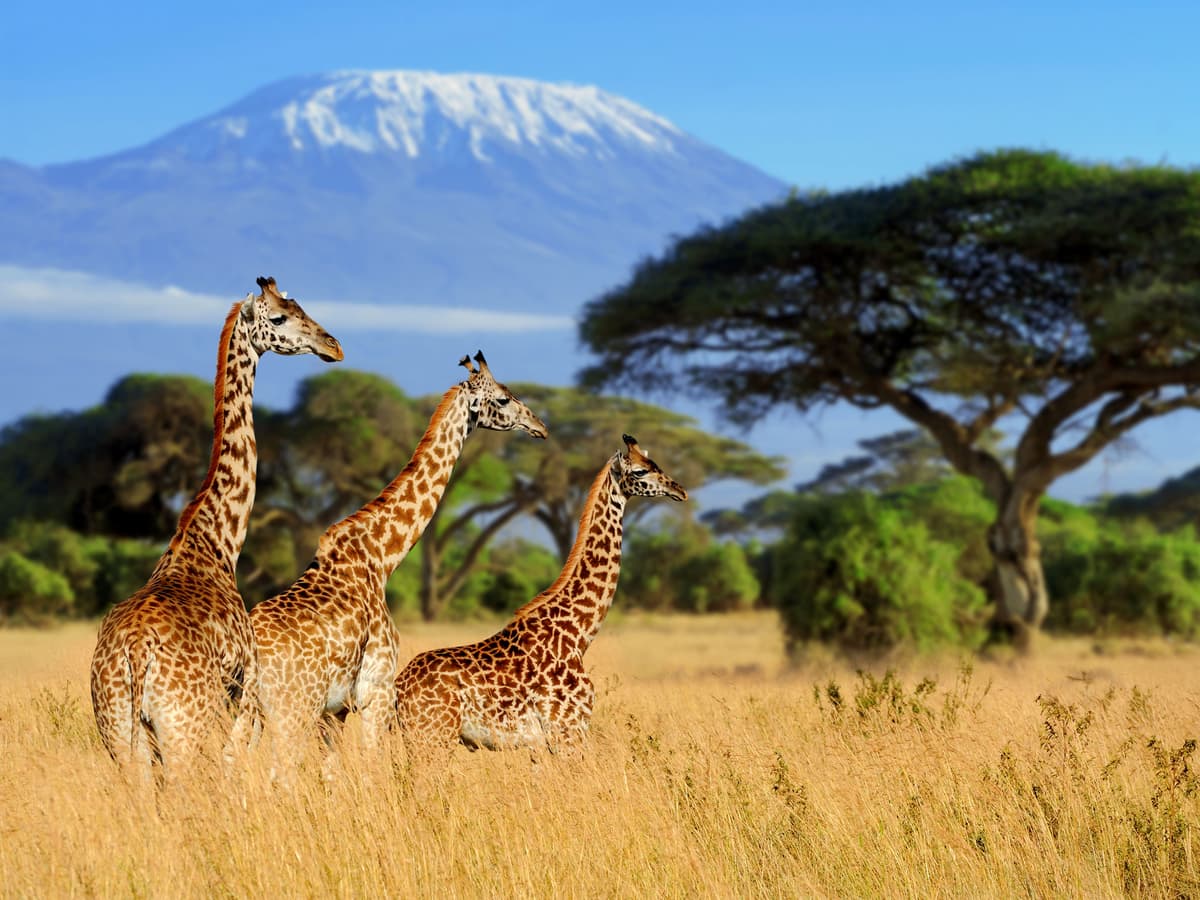
See all 2 Kenya packages
Most popular pick
See all 2 Kenya packages
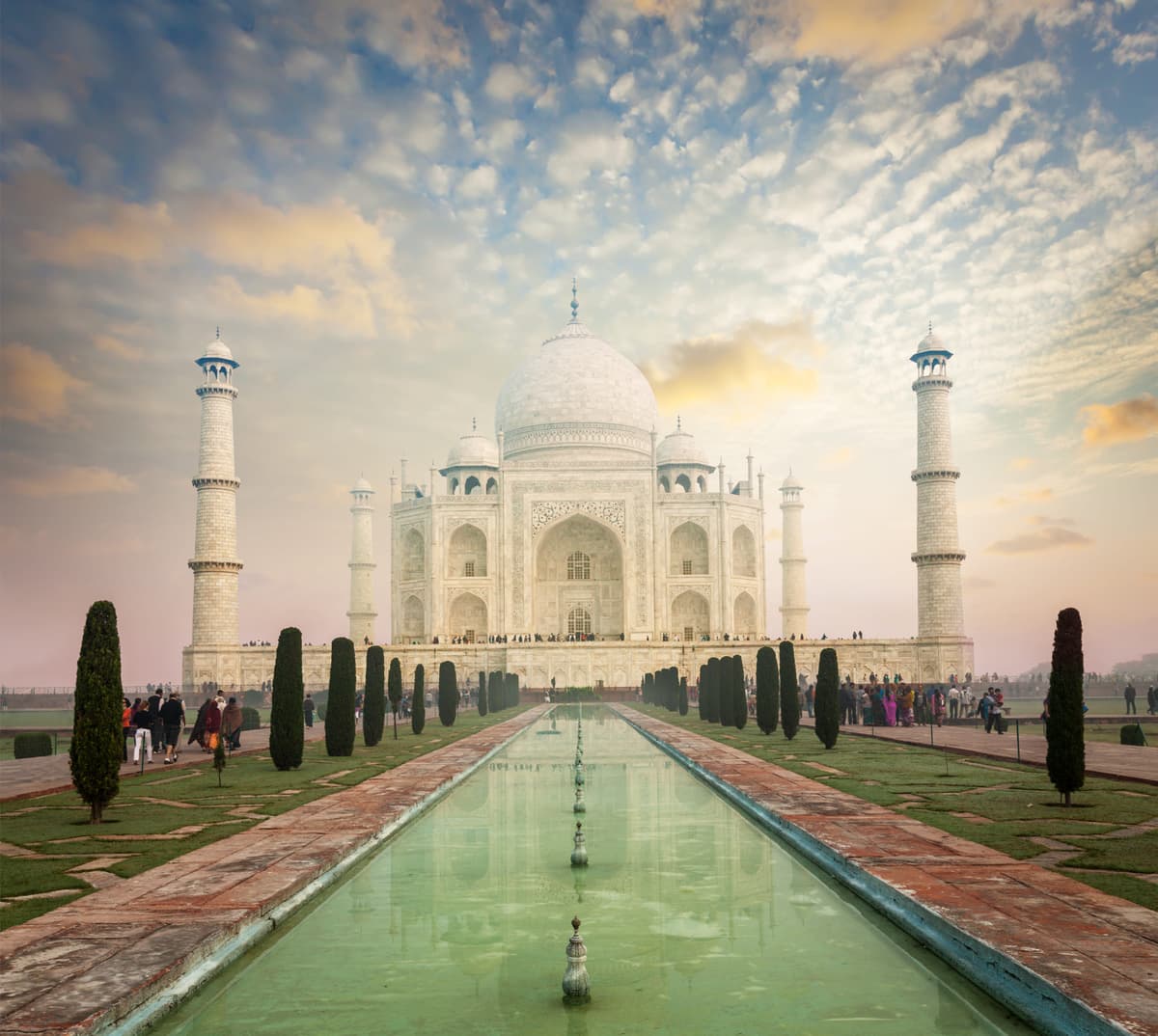
See all 4 India packages
Most popular pick
See all 4 India packages
Search Tours or Places
Blog / Indonesia

Bali Hinduism: A Traveller's Guide to Agama Hindu Dharma

11 min read 27 Jul 2026

Bali Hinduism is officially called Agama Hindu Dharma, and while it shares its scriptures, its gods and its core vocabulary with Hinduism in India, it is not a copy of it. It grew on an island that already had its own ancestor cults and spirit beliefs, absorbed Buddhist and Javanese court elements, and then had to define itself formally to fit modern Indonesian law.

The result is a religion organised around place and community rather than personal salvation. Around 86 per cent of Bali's population identified as Hindu in Indonesia's 2020 census, and the practice is visible from the moment you land: palm-leaf offerings on shop steps, split gates on side streets, bamboo poles arching over the road at festival time.

How is Bali Hinduism different from Hinduism in India?

Bali Hinduism is a distinct tradition within the Hindu family, recognised by the Indonesian state as Agama Hindu Dharma. That recognition was not automatic. Indonesia's founding ideology, Pancasila, requires belief in one supreme God, and in the early 1950s the Ministry of Religion did not accept Balinese practice as a religion at all, which left Balinese communities exposed to conversion pressure.

Balinese leaders responded by petitioning the state in 1958, framing their tradition in explicitly monotheistic terms. Recognition followed, and the umbrella body Parisada Hindu Dharma was formed shortly afterwards. That episode shaped how Bali Hinduism describes itself today, in language more systematic and more monotheistic than what you would have heard a century ago.

So when people say Bali Hinduism is Hinduism "mixed with" something else, that is only half right. The older village religion of ancestors and spirits is not a layer added on top. It is the substrate, and Hindu and Buddhist concepts settled into it over roughly a thousand years, mostly through Javanese courts.

Who is Sang Hyang Widhi Wasa, and where does the trimurti fit?

Sang Hyang Widhi Wasa is the single supreme divinity in Bali Hinduism. Brahma, Vishnu and Shiva, the trimurti, are understood as manifestations of that one principle rather than as three separate gods, and the same logic extends to village deities, mountain deities and deified ancestors.

Here scholars genuinely disagree. The name Sang Hyang Widhi Wasa was little used in Bali before the twentieth century. Historians of Balinese religion, Michel Picard among them, trace its spread to reform-minded Balinese intellectuals in the 1920s and to the pressure for a monotheistic self-description in the 1950s. Others, including Balinese theologians, argue the underlying idea of an unmanifest absolute is much older and was simply given a name.

The older iconography is not disputed. Acintya, "the inconceivable", belongs to the padmasana, the tall lotus throne in the holiest corner of a temple courtyard, whose seat is left empty because the supreme is held to be beyond form.
What is Tri Hita Karana?

Tri Hita Karana, "the three causes of well-being", is the idea most Balinese reach for if you ask them to explain their religion in one line. A good life depends on three balanced relationships: parahyangan, with the divine; pawongan, with other people; and palemahan, with the land.

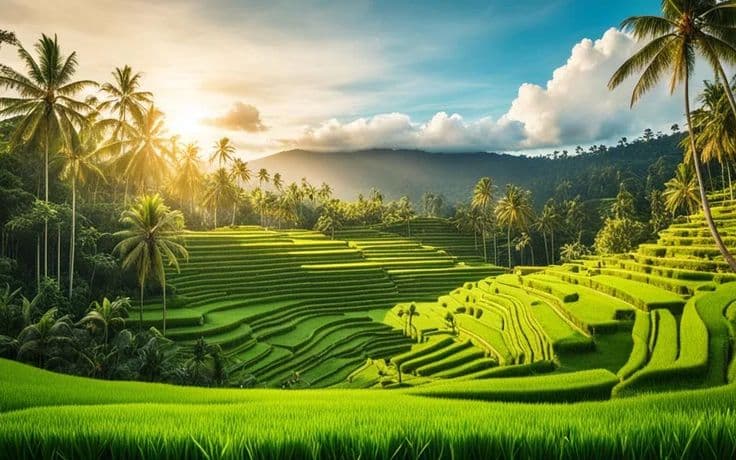
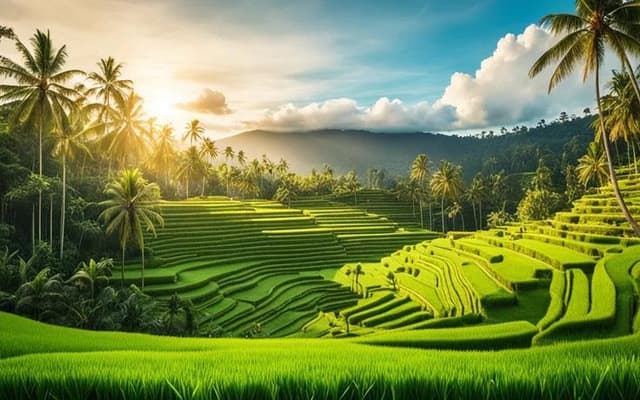
It is not an abstraction. It explains why every family compound has its own shrine, why village decisions are made collectively in the banjar, and why rice irrigation is run by subak associations that are religious and agricultural at once. The subak landscape is on the UNESCO World Heritage list specifically as an expression of Tri Hita Karana, worth remembering on the way to the rice terraces and temples most visitors come for.

Why are there small offerings everywhere?

The palm-leaf trays of flowers on pavements, doorsteps, dashboards and beach walls are canang sari, placed daily by the women of the household, often more than once a day. A tray holds flowers, a betel preparation called porosan, and usually a stick of incense, with the different coloured flowers set toward different directions and aspects of the divine.

The offering is the act, not the object. The essence is considered given as the incense burns, which is why nobody clears the trays away and why you see them flattened by scooters an hour later. They are still not rubbish.

  • Do not step on them. Walk around. This is the most common visitor mistake in Bali.
  • Do not step over a fresh one with the incense still lit. Go around the other side.
  • Do not move one for a photograph. They are placed where they are for a reason.
  • Do not take the flowers or coins. Coins on an offering are part of it.
  • If you flatten one by accident, nothing dramatic happens. Just be more careful.

How is a Balinese temple organised?

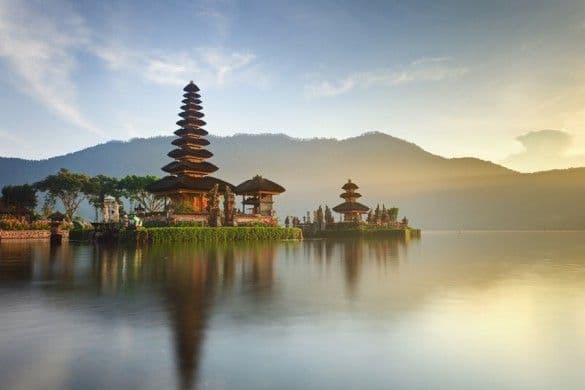
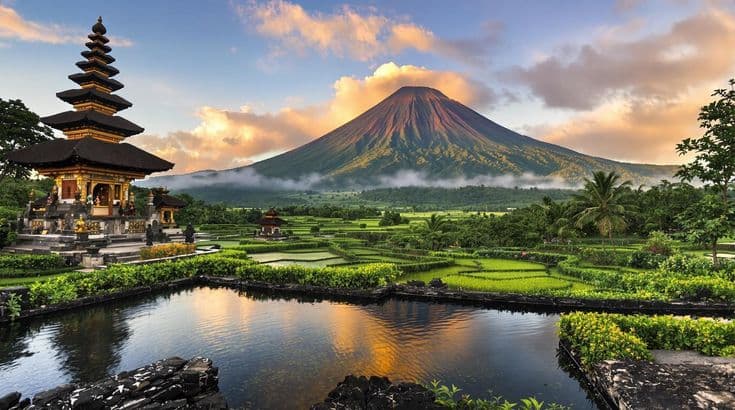
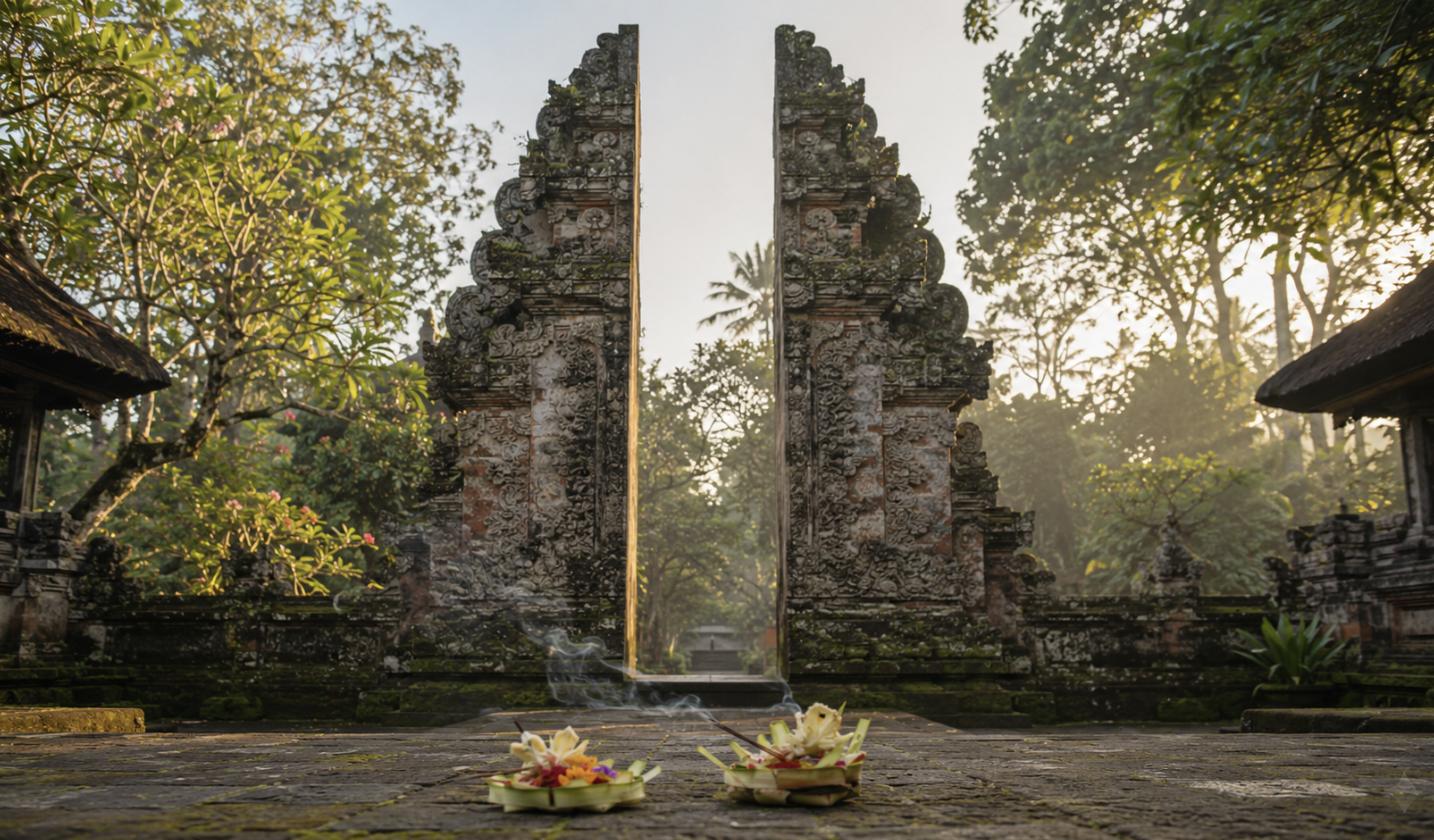
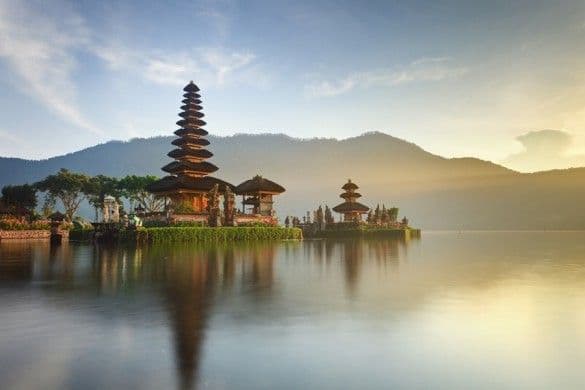
A pura is not a building you go inside. It is a walled compound of three courtyards, running from least to most sacred along the axis between the mountains and the sea. The outer courtyard, nista mandala, is open space for preparation and performance. The middle one, madya mandala, holds pavilions for gamelan and gathering. The inner one, utama mandala, holds the shrines, the padmasana and the tiered meru towers. The split gate at the entrance is a candi bentar; the roofed tower gate further in is a kori agung, marking the inner boundary.

Almost every traditional village maintains three temples, the kahyangan tiga: pura puseh, the temple of origins, linked with Vishnu; pura desa or bale agung, the village temple, linked with Brahma; and pura dalem, the temple of the dead near the cemetery, linked with Shiva and Durga. Every family compound also has a house temple, a sanggah or, in higher-status families, a merajan, for its own ancestors. Beyond that are the sad kahyangan, six great sanctuaries said to anchor the island, though which six make the list varies by tradition and region.

Why do Balinese festival dates move every year?

Bali runs two ritual calendars at once, which is why no Balinese festival lands on a fixed Gregorian date. The pawukon calendar is a 210-day cycle of thirty weeks, with several shorter week-cycles running simultaneously. The saka calendar is lunisolar and sets Nyepi. Temple anniversaries, odalan, follow the pawukon cycle, so a temple has its festival roughly every 210 days rather than annually.

ObservanceCalendarWhat it marksEffect on a visitor
NyepiSaka, annualSaka new year, day of silenceIsland shutdown for 24 hours
MelastiDays before NyepiPurification at the coastLong processions, road closures
Ogoh-ogoh, pengrupukanEve of NyepiDriving out negative forcesNight parades, heavy traffic
GalunganPawukon, every 210 daysDharma over adharma, ancestors visitPenjor poles everywhere, some closures
KuninganTen days after GalunganAncestors returnBusy temples, ceremonial dress
OdalanPawukon, per templeTemple anniversaryTemple may be closed to visitors

What is Nyepi, and what does it mean if you are there?

Nyepi is the saka new year, observed as a complete day of silence across Bali from six in the morning until six the next morning. It fell on 19 March in 2026 and falls on Monday 8 March in 2027. Four restrictions apply, the catur brata penyepian: no fire or light, no work, no travel, no entertainment.

For a visitor this is not symbolic. Ngurah Rai airport closes for the full 24 hours, the only Indonesian airport that does so. Roads are empty and patrolled by pecalang, the traditional village security. Shops and beaches close, and you stay inside your hotel with curtains drawn after dark. Mobile data has been suspended island-wide in some years and left running in others, so plan as though you will be offline. Medical emergencies and women in labour are exempt.

The night before is the opposite. Villages parade ogoh-ogoh, large papier-mache demon figures built over weeks by youth groups, with gamelan and torches, then burn or dismantle them. If you only see one Balinese ceremony, make it this one.

What are Galungan, Kuningan and melasti?

Galungan marks the victory of dharma over adharma and the period when ancestral spirits return to their families. It runs on the pawukon cycle: after 17 June 2026, the next dates are 13 January 2027 and 11 August 2027. You will know it by the penjor, tall curved bamboo poles hung with palm decorations, lining both sides of every road. Kuningan falls ten days later, 23 January 2027 in the coming cycle, and closes the period as the ancestors return to heaven.

Melasti happens a few days before Nyepi, when villages carry sacred objects down to the sea or a spring to be purified. It is the most photogenic of the regular ceremonies and the easiest to get in the way of. If a procession is coming, pull off the road and let it pass. Processions are frequent enough that you will meet one somewhere, which is worth factoring in when working out how to move around the island.

What are the rules for visiting a Balinese temple?

Temple rules in Bali are real, posted at the gate, and since March 2025 backed by a provincial circular, Governor's Circular Letter No. 7 of 2025, which sets out obligations for foreign visitors and penalties for breaching them.

  • Wear a sarong and sash. Both, not one, with shoulders covered. Temples that receive visitors usually lend them at the gate.
  • The inner courtyard is often off limits unless you are there to pray in full Balinese dress. Read the sign at the kori agung.
  • Menstruating women are asked not to enter. This is posted at temple gates across Bali and repeated in the 2025 circular. It applies to Balinese women too, is framed as ritual purity rather than a rule aimed at tourists, and is enforced on trust.
  • Do not walk in front of someone praying, and never between them and the shrine they face.
  • Do not climb on shrines, gates or sacred trees, and do not sit on a wall for a better angle.
  • Keep your head lower than a priest's when one is seated and officiating, and do not point your feet at a shrine.
  • Do not enter with an open wound, or within the mourning period after a death in the family.
  • Ask before photographing people at prayer, and put the drone away near ceremonies.

Enforcement is not theoretical. In 2023 a Russian visitor was deported after posing naked on Mount Agung, the mountain Balinese Hindus regard as the spiritual centre of the island, and a separate case involving a sacred tree in Tabanan drew the same response. Bali has since tightened rules on climbing sacred mountains without a guide, and those incidents are a direct reason the 2025 circular exists.

None of this needs to make you tense. Balinese communities are used to outsiders and forgiving of honest mistakes. Cover up, walk around the offerings, stay behind people who are praying, and you will be treated as a guest. A culture-led trip also sits naturally alongside the coffee country inland from Ubud and the practicalities in our Indonesia destination guide.

Frequently asked questions

Is Balinese Hinduism the same as Indian Hinduism?

No. Balinese Hinduism, formally Agama Hindu Dharma, shares scriptures, deities and concepts such as dharma and karma with Indian Hinduism, but it is built on indigenous Balinese ancestor veneration and spirit belief, includes Buddhist elements, and is organised around village and family temples. The ritual calendar, temple architecture and daily offerings are specific to Bali.

Can non-Hindus enter Balinese temples?

Yes, at most temples that receive visitors, provided you wear a sarong and sash and follow the posted rules. The innermost courtyard is frequently restricted to worshippers in full Balinese dress. Some temples close to outsiders entirely during their odalan anniversary or other ceremonies, and a few sacred sites are closed to visitors permanently.

What happens if I step on a canang sari offering?

Practically, nothing. Balinese people know offerings on pavements get walked on and driven over, and the essence is considered already given. It is still disrespectful to do it carelessly, so walk around them, and never step over one where the incense is still burning or deliberately kick or move one.

Can I travel around Bali during Nyepi?

No. Nyepi is a full 24-hour shutdown. The airport closes, roads are closed and patrolled, and visitors must stay within their hotel grounds. If your dates fall on Nyepi, build it into the plan as a rest day at your accommodation, or arrive and depart outside it. Nyepi falls on 8 March in 2027.

Why do Bali's festival dates change every year?

Because Bali uses two ritual calendars that do not match the Gregorian one. Galungan, Kuningan and temple anniversaries run on the 210-day pawukon cycle, so they shift and can fall twice in a solar year. Nyepi runs on the lunisolar saka calendar, so it moves within March.

Is the menstruation rule at Balinese temples actually enforced?

It is posted at temple gates throughout Bali and included in the provincial government's 2025 circular for foreign visitors. In practice it is enforced on trust rather than by checking, and it applies to Balinese women as well. It is framed as a rule about ritual purity in sacred inner spaces, not a restriction aimed specifically at tourists.

Tags
BaliIndonesiaculturereligionNyepitemplestravel etiquette
Share
G
Gomayu Team
Writer at Gomayu
Keep reading
Blog / Indonesia

Bali Hinduism: A Traveller's Guide to Agama Hindu Dharma

11 min read 27 Jul 2026

Bali Hinduism is officially called Agama Hindu Dharma, and while it shares its scriptures, its gods and its core vocabulary with Hinduism in India, it is not a copy of it. It grew on an island that already had its own ancestor cults and spirit beliefs, absorbed Buddhist and Javanese court elements, and then had to define itself formally to fit modern Indonesian law.

The result is a religion organised around place and community rather than personal salvation. Around 86 per cent of Bali's population identified as Hindu in Indonesia's 2020 census, and the practice is visible from the moment you land: palm-leaf offerings on shop steps, split gates on side streets, bamboo poles arching over the road at festival time.

How is Bali Hinduism different from Hinduism in India?

Bali Hinduism is a distinct tradition within the Hindu family, recognised by the Indonesian state as Agama Hindu Dharma. That recognition was not automatic. Indonesia's founding ideology, Pancasila, requires belief in one supreme God, and in the early 1950s the Ministry of Religion did not accept Balinese practice as a religion at all, which left Balinese communities exposed to conversion pressure.

Balinese leaders responded by petitioning the state in 1958, framing their tradition in explicitly monotheistic terms. Recognition followed, and the umbrella body Parisada Hindu Dharma was formed shortly afterwards. That episode shaped how Bali Hinduism describes itself today, in language more systematic and more monotheistic than what you would have heard a century ago.

So when people say Bali Hinduism is Hinduism "mixed with" something else, that is only half right. The older village religion of ancestors and spirits is not a layer added on top. It is the substrate, and Hindu and Buddhist concepts settled into it over roughly a thousand years, mostly through Javanese courts.

Who is Sang Hyang Widhi Wasa, and where does the trimurti fit?

Sang Hyang Widhi Wasa is the single supreme divinity in Bali Hinduism. Brahma, Vishnu and Shiva, the trimurti, are understood as manifestations of that one principle rather than as three separate gods, and the same logic extends to village deities, mountain deities and deified ancestors.

Here scholars genuinely disagree. The name Sang Hyang Widhi Wasa was little used in Bali before the twentieth century. Historians of Balinese religion, Michel Picard among them, trace its spread to reform-minded Balinese intellectuals in the 1920s and to the pressure for a monotheistic self-description in the 1950s. Others, including Balinese theologians, argue the underlying idea of an unmanifest absolute is much older and was simply given a name.

The older iconography is not disputed. Acintya, "the inconceivable", belongs to the padmasana, the tall lotus throne in the holiest corner of a temple courtyard, whose seat is left empty because the supreme is held to be beyond form.
What is Tri Hita Karana?

Tri Hita Karana, "the three causes of well-being", is the idea most Balinese reach for if you ask them to explain their religion in one line. A good life depends on three balanced relationships: parahyangan, with the divine; pawongan, with other people; and palemahan, with the land.

It is not an abstraction. It explains why every family compound has its own shrine, why village decisions are made collectively in the banjar, and why rice irrigation is run by subak associations that are religious and agricultural at once. The subak landscape is on the UNESCO World Heritage list specifically as an expression of Tri Hita Karana, worth remembering on the way to the rice terraces and temples most visitors come for.

Why are there small offerings everywhere?

The palm-leaf trays of flowers on pavements, doorsteps, dashboards and beach walls are canang sari, placed daily by the women of the household, often more than once a day. A tray holds flowers, a betel preparation called porosan, and usually a stick of incense, with the different coloured flowers set toward different directions and aspects of the divine.

The offering is the act, not the object. The essence is considered given as the incense burns, which is why nobody clears the trays away and why you see them flattened by scooters an hour later. They are still not rubbish.

  • Do not step on them. Walk around. This is the most common visitor mistake in Bali.
  • Do not step over a fresh one with the incense still lit. Go around the other side.
  • Do not move one for a photograph. They are placed where they are for a reason.
  • Do not take the flowers or coins. Coins on an offering are part of it.
  • If you flatten one by accident, nothing dramatic happens. Just be more careful.

How is a Balinese temple organised?

A pura is not a building you go inside. It is a walled compound of three courtyards, running from least to most sacred along the axis between the mountains and the sea. The outer courtyard, nista mandala, is open space for preparation and performance. The middle one, madya mandala, holds pavilions for gamelan and gathering. The inner one, utama mandala, holds the shrines, the padmasana and the tiered meru towers. The split gate at the entrance is a candi bentar; the roofed tower gate further in is a kori agung, marking the inner boundary.

Almost every traditional village maintains three temples, the kahyangan tiga: pura puseh, the temple of origins, linked with Vishnu; pura desa or bale agung, the village temple, linked with Brahma; and pura dalem, the temple of the dead near the cemetery, linked with Shiva and Durga. Every family compound also has a house temple, a sanggah or, in higher-status families, a merajan, for its own ancestors. Beyond that are the sad kahyangan, six great sanctuaries said to anchor the island, though which six make the list varies by tradition and region.

Why do Balinese festival dates move every year?

Bali runs two ritual calendars at once, which is why no Balinese festival lands on a fixed Gregorian date. The pawukon calendar is a 210-day cycle of thirty weeks, with several shorter week-cycles running simultaneously. The saka calendar is lunisolar and sets Nyepi. Temple anniversaries, odalan, follow the pawukon cycle, so a temple has its festival roughly every 210 days rather than annually.

ObservanceCalendarWhat it marksEffect on a visitor
NyepiSaka, annualSaka new year, day of silenceIsland shutdown for 24 hours
MelastiDays before NyepiPurification at the coastLong processions, road closures
Ogoh-ogoh, pengrupukanEve of NyepiDriving out negative forcesNight parades, heavy traffic
GalunganPawukon, every 210 daysDharma over adharma, ancestors visitPenjor poles everywhere, some closures
KuninganTen days after GalunganAncestors returnBusy temples, ceremonial dress
OdalanPawukon, per templeTemple anniversaryTemple may be closed to visitors

What is Nyepi, and what does it mean if you are there?

Nyepi is the saka new year, observed as a complete day of silence across Bali from six in the morning until six the next morning. It fell on 19 March in 2026 and falls on Monday 8 March in 2027. Four restrictions apply, the catur brata penyepian: no fire or light, no work, no travel, no entertainment.

For a visitor this is not symbolic. Ngurah Rai airport closes for the full 24 hours, the only Indonesian airport that does so. Roads are empty and patrolled by pecalang, the traditional village security. Shops and beaches close, and you stay inside your hotel with curtains drawn after dark. Mobile data has been suspended island-wide in some years and left running in others, so plan as though you will be offline. Medical emergencies and women in labour are exempt.

The night before is the opposite. Villages parade ogoh-ogoh, large papier-mache demon figures built over weeks by youth groups, with gamelan and torches, then burn or dismantle them. If you only see one Balinese ceremony, make it this one.

What are Galungan, Kuningan and melasti?

Galungan marks the victory of dharma over adharma and the period when ancestral spirits return to their families. It runs on the pawukon cycle: after 17 June 2026, the next dates are 13 January 2027 and 11 August 2027. You will know it by the penjor, tall curved bamboo poles hung with palm decorations, lining both sides of every road. Kuningan falls ten days later, 23 January 2027 in the coming cycle, and closes the period as the ancestors return to heaven.

Melasti happens a few days before Nyepi, when villages carry sacred objects down to the sea or a spring to be purified. It is the most photogenic of the regular ceremonies and the easiest to get in the way of. If a procession is coming, pull off the road and let it pass. Processions are frequent enough that you will meet one somewhere, which is worth factoring in when working out how to move around the island.

What are the rules for visiting a Balinese temple?

Temple rules in Bali are real, posted at the gate, and since March 2025 backed by a provincial circular, Governor's Circular Letter No. 7 of 2025, which sets out obligations for foreign visitors and penalties for breaching them.

  • Wear a sarong and sash. Both, not one, with shoulders covered. Temples that receive visitors usually lend them at the gate.
  • The inner courtyard is often off limits unless you are there to pray in full Balinese dress. Read the sign at the kori agung.
  • Menstruating women are asked not to enter. This is posted at temple gates across Bali and repeated in the 2025 circular. It applies to Balinese women too, is framed as ritual purity rather than a rule aimed at tourists, and is enforced on trust.
  • Do not walk in front of someone praying, and never between them and the shrine they face.
  • Do not climb on shrines, gates or sacred trees, and do not sit on a wall for a better angle.
  • Keep your head lower than a priest's when one is seated and officiating, and do not point your feet at a shrine.
  • Do not enter with an open wound, or within the mourning period after a death in the family.
  • Ask before photographing people at prayer, and put the drone away near ceremonies.

Enforcement is not theoretical. In 2023 a Russian visitor was deported after posing naked on Mount Agung, the mountain Balinese Hindus regard as the spiritual centre of the island, and a separate case involving a sacred tree in Tabanan drew the same response. Bali has since tightened rules on climbing sacred mountains without a guide, and those incidents are a direct reason the 2025 circular exists.

None of this needs to make you tense. Balinese communities are used to outsiders and forgiving of honest mistakes. Cover up, walk around the offerings, stay behind people who are praying, and you will be treated as a guest. A culture-led trip also sits naturally alongside the coffee country inland from Ubud and the practicalities in our Indonesia destination guide.

Frequently asked questions

Is Balinese Hinduism the same as Indian Hinduism?

No. Balinese Hinduism, formally Agama Hindu Dharma, shares scriptures, deities and concepts such as dharma and karma with Indian Hinduism, but it is built on indigenous Balinese ancestor veneration and spirit belief, includes Buddhist elements, and is organised around village and family temples. The ritual calendar, temple architecture and daily offerings are specific to Bali.

Can non-Hindus enter Balinese temples?

Yes, at most temples that receive visitors, provided you wear a sarong and sash and follow the posted rules. The innermost courtyard is frequently restricted to worshippers in full Balinese dress. Some temples close to outsiders entirely during their odalan anniversary or other ceremonies, and a few sacred sites are closed to visitors permanently.

What happens if I step on a canang sari offering?

Practically, nothing. Balinese people know offerings on pavements get walked on and driven over, and the essence is considered already given. It is still disrespectful to do it carelessly, so walk around them, and never step over one where the incense is still burning or deliberately kick or move one.

Can I travel around Bali during Nyepi?

No. Nyepi is a full 24-hour shutdown. The airport closes, roads are closed and patrolled, and visitors must stay within their hotel grounds. If your dates fall on Nyepi, build it into the plan as a rest day at your accommodation, or arrive and depart outside it. Nyepi falls on 8 March in 2027.

Why do Bali's festival dates change every year?

Because Bali uses two ritual calendars that do not match the Gregorian one. Galungan, Kuningan and temple anniversaries run on the 210-day pawukon cycle, so they shift and can fall twice in a solar year. Nyepi runs on the lunisolar saka calendar, so it moves within March.

Is the menstruation rule at Balinese temples actually enforced?

It is posted at temple gates throughout Bali and included in the provincial government's 2025 circular for foreign visitors. In practice it is enforced on trust rather than by checking, and it applies to Balinese women as well. It is framed as a rule about ritual purity in sacred inner spaces, not a restriction aimed specifically at tourists.

Tags
BaliIndonesiaculturereligionNyepitemplestravel etiquette
Share
G
Gomayu Team
Writer at Gomayu
Keep reading