






















Yes, Bali is safe for most travelers, and millions visit every year without anything going wrong. The honest answer to is Bali safe is that violent crime against visitors is rare, and what actually hurts tourists is ordinary: scooter crashes, the ocean, a few well practiced scams, and decisions made after a long night out. This guide takes each risk in turn.
The short answer on safety in Bali
Bali is a mainstream tourist island with police, hospitals, ride hailing apps and good phone coverage, and most visitors never feel threatened. What catches people out is that road rules are loosely enforced, the surf is stronger than it looks, and petty opportunism is common in the busiest areas.
So the useful question is not "is Bali safe for tourists" but "which risks apply to my trip". A family in Nusa Dua with a hired driver faces almost none of what follows. A first time rider on a rented scooter in Canggu faces most of it. The safest areas in Bali for a cautious first visit are the resort zones of Nusa Dua, Sanur, Jimbaran and Ubud, all quieter at night than Kuta and Legian.
| Risk | How likely | How to avoid it |
|---|---|---|
| Scooter accident | High for inexperienced riders | Hire a driver, or ride only with a motorcycle IDP, helmet and covered legs |
| Rip current at a surf beach | Moderate on the west coast | Swim between the red and yellow flags, or choose Sanur and Nusa Dua for calm water |
| Stomach upset | Common | Bottled water, no ice from unknown stalls, busy places with high turnover |
| Money changer or rental scam | Moderate in tourist strips | Authorized changers only, photograph any rental before you use it |
| Bag snatching | Low to moderate at night | Cross body bag on the pavement side, nothing loose in scooter baskets |
| Animal bite or scratch | Low | Do not feed monkeys or touch dogs, wash any wound and reach a clinic immediately |
| Methanol in spirits | Low but serious | Sealed branded bottles at established venues, skip free or unusually cheap shots |
| Volcanic ash flight delay | Low, unpredictable | Insurance covering delay, no tight connection on departure day |
| Violent crime | Rare | Normal night time caution, registered transport |
Scooters and roads: the risk that actually hurts people
This is the biggest danger in Bali by a wide margin. Foreign visitors are seriously injured on rented scooters every week, usually within the first two days, on gravel or wet tarmac, in shorts and flip flops.
The legal position is simple and widely ignored. To ride legally you need your home motorcycle license plus an International Driving Permit carrying the motorcycle category. A car license alone, even with an IDP, does not cover you. Police run document checks around Canggu and Sunset Road, and helmets are required by law for rider and passenger.
Insurance matters more than the ticket. Most travel policies will not pay a medical claim for a motorcycle accident if you were not licensed to ride, and some exclude unhelmeted riders. Read your policy wording before you rent, not after the crash.
- Never ridden before? Do not learn in Bali traffic. Hiring a driver is easy and normal here.
- Wear a proper helmet, not the thin shell the rental shop offers, and cover your legs.
- Photograph the scooter, scratches included, before you ride away.
- Avoid riding at night, in rain, and after any alcohol.






The sea, rip currents and boat trips
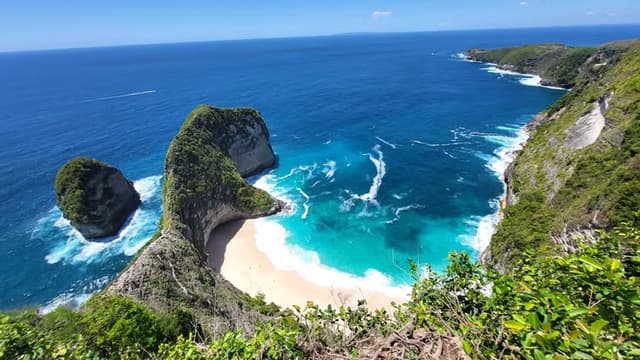
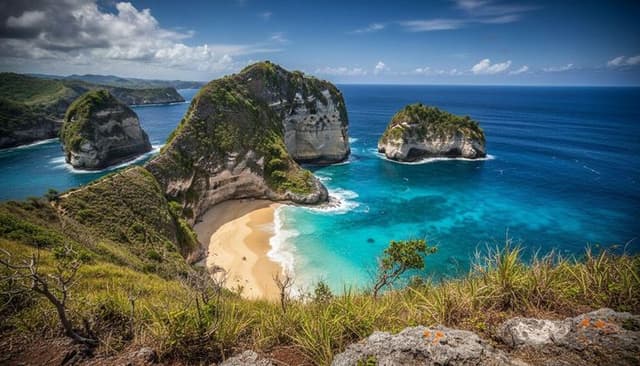
Bali's west coast faces open ocean, and rip currents are a real hazard at Kuta, Legian, Seminyak, Canggu, Balangan and Dreamland. Drownings happen most years, and strong swimmers are not immune, because a rip pulls you out rather than under.
The main southern beaches are patrolled by Balawista lifeguards and use an international flag system. Red and yellow flags mark the patrolled swimming zone; a single red flag means stay out. If a rip catches you, do not fight it. Float, signal, and swim parallel to the beach until the pull stops.
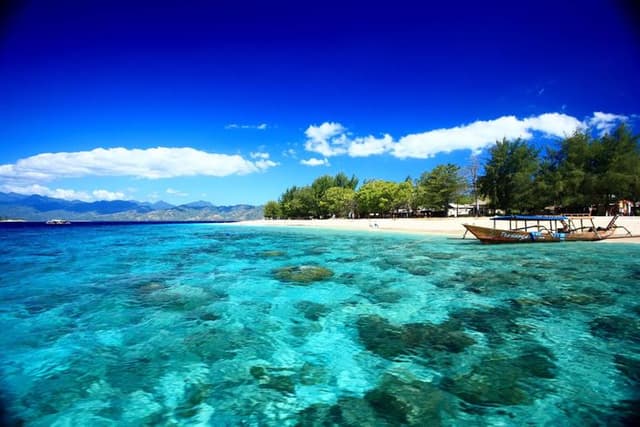
For calm water, head east and south to Sanur, Nusa Dua or Jimbaran, and our guide to the best places to visit in Bali sorts the swimming beaches from the surf ones. For fast boats to the Gilis and Nusa Penida, book a well known operator, check for life jackets, and skip a crossing in rough weather.
Health, mosquitoes and animals
Rabies is present in Bali and has been since 2008. It circulates mainly in stray dogs, and the macaques at Ubud's Monkey Forest and Uluwatu bite or scratch too, usually while grabbing sunglasses or snacks. Do not feed them and carry nothing loose.
If an animal bites or scratches you, treat it as urgent. Wash the wound with soap under running water for about fifteen minutes, apply antiseptic, then go straight to a clinic for post exposure vaccination. Do not wait to see how it looks tomorrow.
Dengue is spread by day biting mosquitoes and occurs year round, with more cases in the wet season from roughly November to April. No pill prevents it, so prevention is bite avoidance: repellent, covered ankles, screened or air conditioned rooms. Check the CDC's Indonesia travel health page before you go. Stomach trouble is the most common complaint of all and has its own guide, so read how to avoid Bali belly and move on.
Scams and petty theft, one by one
- Money changers. Backstreet booths advertising unusually good rates short count you by sleight of hand. Use a bank, your hotel, or an authorized changer with a shopfront, and count the notes yourself.
- ATM skimming. Prefer machines inside bank branches or hotel lobbies, cover the keypad, and check your account afterwards.
- Rental damage claims. Renters sometimes charge for pre existing scratches. Photos before you drive away end that argument.
- Fake police. Real officers wear uniform and carry ID. Anyone in plain clothes demanding on the spot cash is not one; ask to go to the nearest police station.
- The closed temple ploy. A driver says your destination is shut for a ceremony and offers an alternative, which turns out to be a shop paying commission. Check with the venue yourself.
- Bag snatching. Riders grab handbags from pedestrians and from scooter baskets. Wear bags across your body, on the side away from the road.
Alcohol and methanol
Deaths and serious illness from drinks containing methanol have been recorded in Indonesia, including counterfeit spirits sold in ordinary looking bars. Methanol has no taste or smell in a mixed drink, and the symptoms, blurred vision, severe headache and confusion, can appear hours later.
The precaution is easy. Stick to bottled beer, wine, or spirits poured from a sealed branded bottle at established venues, and be wary of free shots and cocktails from unknown sources. Watch your drink being made and never leave it unattended, since spiking has been reported too.
Laws that surprise visitors
Indonesia enforces a zero tolerance drug policy covering everything, including cannabis, CBD oil and hemp products that are legal at home. Penalties are severe and foreign nationals are regularly prosecuted.
Balinese Hindu custom also shapes daily life. Cover shoulders and knees at temples and wear the sarong provided, do not step on the palm leaf offerings on the pavement, and never climb on or pose disrespectfully at sacred sites, which has led to deportations. Menstruating women are traditionally asked not to enter temple grounds. Follow the signage and temple staff.
Volcanoes and earthquakes
Indonesia sits on the Pacific Ring of Fire, so tremors are normal and most go unnoticed. Mount Agung in east Bali erupted between 2017 and 2019 and has been quiet since. Indonesia's volcanology agency monitors it continuously and applies an exclusion zone around the crater whenever activity rises.
For a traveler, an eruption is a flight problem rather than a physical one. Ash can close Ngurah Rai airport at short notice, sometimes for more than a day, which is the argument for insurance covering delay and for avoiding a tight connection home. If you feel a strong earthquake near the coast, move inland and uphill without waiting for an alert.
Solo travelers, women and LGBTQ+ travelers
Bali is one of Asia's easier places for independent travel, with a large expat community, plenty of hostels and reliable ride hailing apps. On whether Bali is safe for solo female travelers, the fair answer is yes with normal precautions, though sexual assault cases involving visitors have been reported in Bali, Lombok and the Gilis, most often linked to alcohol and to unlicensed transport late at night. Use registered taxis or an app, check the driver and plate match, and tell someone your plans.
Same sex relationships are not criminalized under Indonesia's national criminal code, and Seminyak and Ubud are relaxed in practice. Indonesia is nonetheless socially conservative: attitudes outside tourist zones differ, provincial law in Aceh is stricter, and police have detained people at LGBT events elsewhere in the country. Discretion in public beyond the main visitor areas is sensible.
Entry paperwork and the tourist levy
Most nationalities enter Bali on a visa on arrival, which you can apply for in advance as an e-VOA through Indonesia's official immigration e-visa portal. Apply only on that official site, since lookalike sites crowd the search results, and check your passport has enough remaining validity and a blank page.
Bali also has a mandatory tourist levy for international visitors, introduced under a provincial regulation and payable once per entry. Pay it before you arrive through the official Love Bali portal, save the QR code to your phone, and skip the airport counter.
One date to check: Nyepi, the Balinese Day of Silence, falls in March each year on a date set by the Saka calendar. For 24 hours the island stops. Ngurah Rai airport closes to all flights, shops and beaches shut, and nobody goes outside, visitors included. Hotels stay open and feed guests, but you stay on the property. Remarkable if you plan for it, a problem if you booked a flight that day.
What to do if something goes wrong
The national emergency number in Indonesia is 112, which reaches police, ambulance and fire. Save it, along with your accommodation's address written in Indonesian.
For anything worse than a scrape, use a private international standard hospital rather than a small clinic. BIMC in Kuta and Nusa Dua, Siloam Hospital on Sunset Road and International SOS in Denpasar all handle foreign patients and insurance paperwork. Prof. Ngoerah Hospital in Denpasar is the main government referral center for serious trauma and rabies treatment. Carry your insurer's 24 hour assistance number, since they authorize treatment and evacuation, and get a police report for theft if you plan to claim.
None of this should put you off. Bali handles millions of visitors a year and most go home with nothing worse than sunburn. Respect the scooter, respect the ocean, keep your wits at night, and the island is as easy as travel in Asia gets.
Prefer a trip where hotels, transfers and tours are already arranged? Browse Bali holiday packages to see how the pieces fit together.
Frequently asked questions about safety in Bali
Is Bali safe for tourists right now?
Yes. Bali remains safe for tourists, with rare violent crime against visitors and well developed tourist infrastructure. The real risks are scooter accidents, rip currents, stomach illness and petty scams. Check your government's current travel advisory before departure for any short term alerts.
Is Bali safe for solo female travelers?
Generally yes, and many women travel Bali alone without issue. Take standard precautions: use registered taxis or ride hailing apps rather than unlicensed drivers late at night, never leave a drink unattended, and stay cautious around alcohol in nightlife areas, where most reported incidents happen.
What are the safest areas in Bali to stay?
Nusa Dua, Sanur, Jimbaran and Ubud are the calmest and best suited to families and first time visitors. Seminyak is safe and lively. Kuta and Legian are the most crowded and see the most petty theft and alcohol related trouble, especially after dark.
Do I need an International Driving Permit to ride a scooter in Bali?
Yes. You need your home motorcycle license plus an International Driving Permit endorsed for motorcycles. A car license is not enough. Riding without the correct permit can void your travel insurance, which is a far bigger problem than a roadside ticket.
Is the water safe to drink in Bali?
No, do not drink tap water in Bali. Use bottled or filtered water, including for brushing teeth if your stomach is sensitive. Ice at established restaurants and hotels is made from purified water and is generally fine; be more careful at roadside stalls.
Is Mount Agung dangerous for visitors?
Not for the average traveler. Mount Agung last erupted between 2017 and 2019 and is monitored continuously, with exclusion zones enforced when activity rises. The practical impact of an eruption is airport closure from ash, so hold travel insurance that covers delays and cancellations.
Planning the rest of your trip? Our Bali Travel Guide covers visas, money, getting around and when to go.
'/%3E%3C/svg%3E)