













+977-9709047652
Explore by Country
See all 22 Thailand packages
Most popular pick
See all 22 Thailand packages
See all 11 Vietnam packages
Most popular pick
See all 11 Vietnam packages
See all 10 Indonesia (Bali) packages
Most popular pick
See all 10 Indonesia (Bali) packages
See all 4 Maldives packages
Most popular pick
See all 4 Maldives packages
See all 10 China packages
Most popular pick
See all 10 China packages
See all 2 Sri Lanka packages
Most popular pick
See all 2 Sri Lanka packages
See all 9 Malaysia packages
Most popular pick
See all 9 Malaysia packages
See all 8 Singapore packages
Most popular pick
See all 8 Singapore packages
See all 2 Kenya packages
Most popular pick
See all 2 Kenya packages
See all 16 India packages
Most popular pick
See all 16 India packages
See all 3 Dubai packages
Most popular pick
See all 3 Dubai packages
See all 6 Philippines packages
Most popular pick
See all 6 Philippines packages
Search Tours or Places
Blog / Kenya

Masai Mara Safari Guide: Wildlife, Migration and Costs

11 min read 16 Aug 2026 · Updated 21 Aug 2026
Masai Mara Safari Guide: Wildlife, Migration and Costs

Picture a million wildebeest strung out to the horizon, a river full of waiting crocodiles, and a lioness watching the whole thing from the shade of a lone acacia. That is the Masai Mara at its wildest, and it is the single reason Kenya sits at the top of most safari wish lists. This guide is the long version: when to go, what you will actually see, what it costs, how to get there, where to sleep, and how to do it well.

New to the country? Pair this with our Kenya travel guide for visas, seasons and budgets, read the best time to visit Kenya guide for month by month timing, and see the Kenya safari cost guide if budget is your first question.

What is the Masai Mara?

The Masai Mara National Reserve sits in southwest Kenya and covers about 1,510 square kilometres of rolling, open grassland. Think of it as the northern tip of a single giant ecosystem: south of the border it becomes Tanzania's Serengeti, and together the two form the roughly 25,000 square kilometre Mara to Serengeti system that the migration moves around all year.

The name says a lot about the place. Mara means spotted or dappled in the Maa language of the Maasai people who have lived here for centuries, a nod to the way cloud shadows, acacia trees and animal herds freckle the plains. The Mara River, the star of the migration, cuts through the reserve and drains into Lake Victoria.

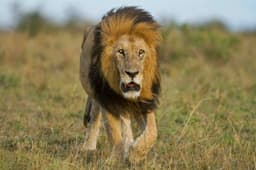
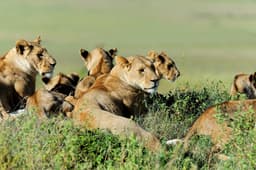
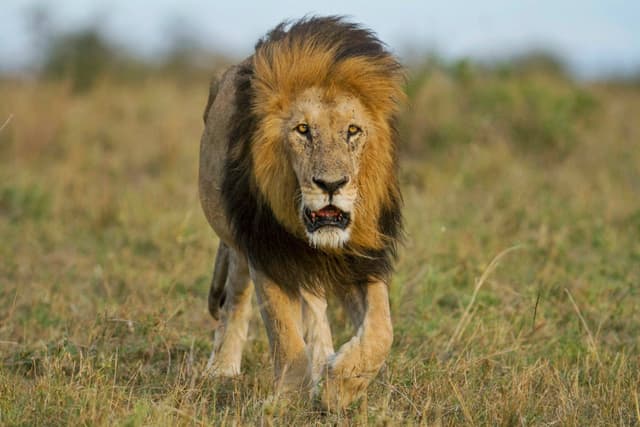
Two things make the Mara special even by African standards. First, the grassland is open, so wildlife is easy to see rather than hidden in thick bush. Second, it holds one of the highest densities of large predators on the continent, which is why big cat sightings here are closer to reliable than lucky.

What is the Great Migration, and why does everyone talk about it?

The Great Migration is the year round, clockwise movement of well over a million wildebeest, several hundred thousand zebra and gazelle, following the rains and fresh grass between the Serengeti and the Mara. It is not a single event on a fixed date. It is a slow, circular journey, and the Mara hosts the most dramatic chapter.

That chapter is the river crossings. Between roughly July and October the herds pile up on the banks of the Mara River, hesitate, and then pour across in a churning rush while crocodiles up to 5 metres long wait below and lions patrol the far bank. It is chaotic, loud and unforgettable, and it is the image that sells Kenya safaris around the world.

A few numbers put the spectacle in perspective:

  • Around 1.3 to 1.5 million wildebeest take part, alongside roughly 300,000 to 400,000 zebra and large numbers of gazelle.
  • The full annual loop covers something like 800 kilometres.
  • Crossings are unscheduled. A herd can gather at a bank for hours and not cross, or cross three times in one morning.
  • Calving happens far to the south in the Serengeti around January and February, not in the Mara, so time your trip to the phase you want.
Explore Kenya tour packages
View all →

When is the best time for a Masai Mara safari?

The reserve is genuinely excellent all year, because resident lions, elephants, giraffes and cheetahs never leave. But the calendar changes the experience, so match the month to what you want.

PeriodWhat is happeningGood to know
Jul to OctGreat Migration and river crossingsPeak season, best drama, book 6 to 12 months ahead
Nov to DecShort rains, herds heading southGreen and photogenic, fewer vehicles, strong birding
Jan to MarDry, resident game, calving in the SerengetiExcellent big cats, quieter, good value
Apr to MayLong rains, low seasonCheapest rates, lush scenery, some camps close, roads muddy

The short version: come in August or September for the crossings, or in January and February for big cats without the crowds and at a friendlier price.

What animals will you see?

The Mara is one of the best places on earth to see predators, and the supporting cast is just as good. On a two or three day trip most travellers see the majority of this list.

  • The Big Five: lion, leopard, elephant, buffalo and rhino, though rhino are the rarest and need a little luck.
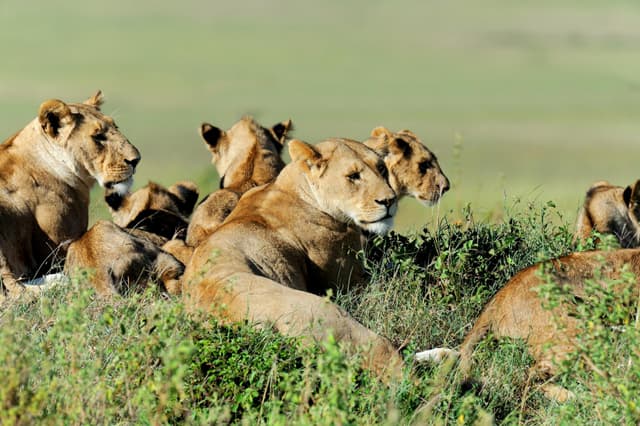
  • Big cats in numbers: the Mara has one of Africa's densest lion populations, plus cheetah on the open plains and leopard draped in riverine trees.
  • Other predators: spotted hyena, black backed jackal, and if you are fortunate the endangered African wild dog.
  • The migration herds: wildebeest, zebra and Thomson's and Grant's gazelle in season.
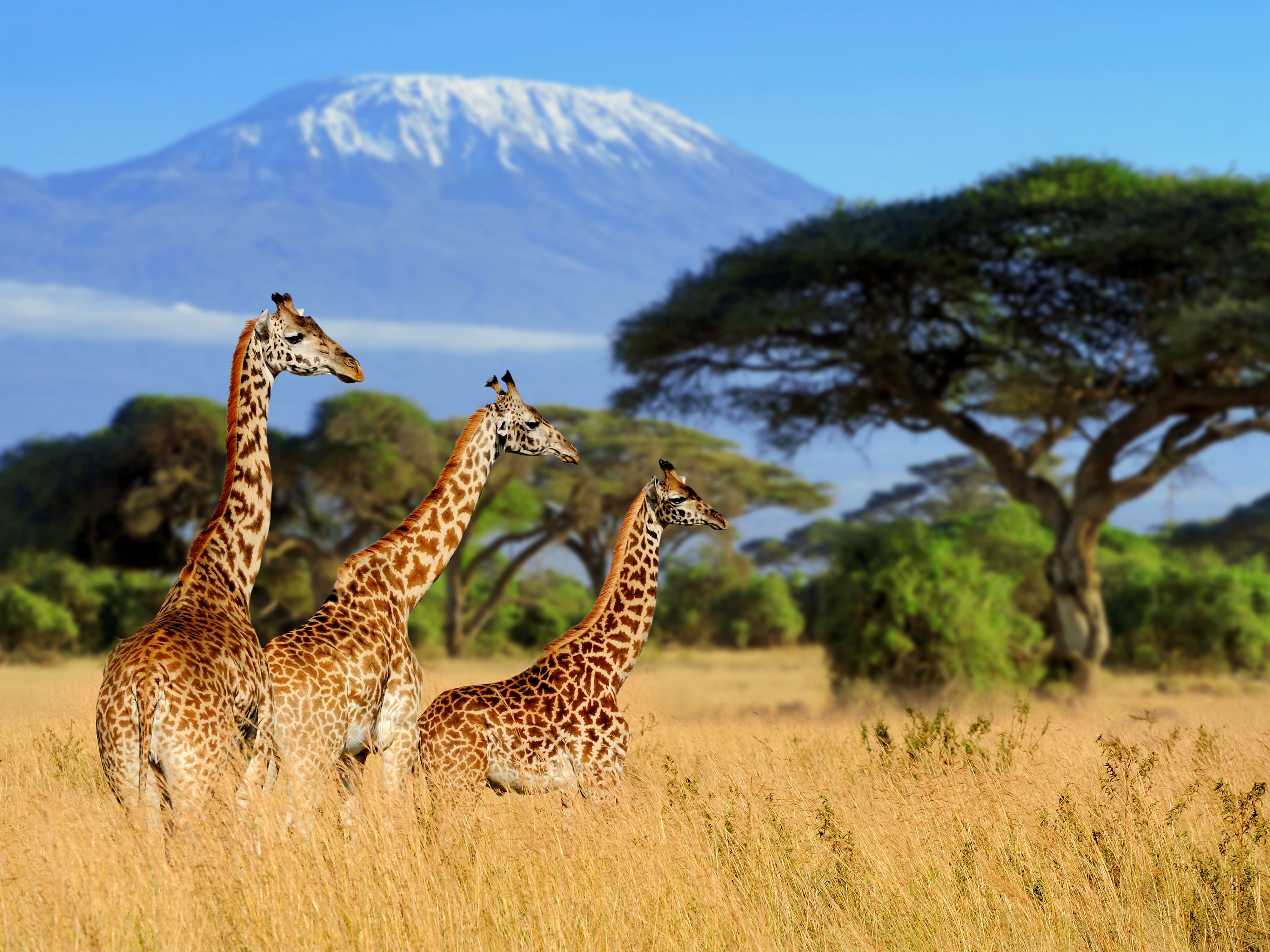
  • Plains and river life: giraffe, topi, eland, hippo pods and huge Nile crocodiles along the Mara River.
  • Birds: well over 470 recorded species, from lilac breasted rollers to enormous ground hornbills and secretary birds.

What is a day on safari actually like?

Safari days follow the animals, which means they follow the light. A typical rhythm looks like this. You wake before dawn to a knock on the tent and a flask of coffee, then head out as the sky turns pink, because the cats are most active in the cool early hours. You spend two or three hours tracking movement, radio chatter guiding your driver toward a sighting. Back at camp by mid morning for a big breakfast, then the hot middle of the day is for resting, a shower, a swim or a nap while the wildlife does the same in the shade.

In the late afternoon you head out again until sunset, often ending with a sundowner drink on the bonnet as the plains glow gold. Some camps offer night drives and guided bush walks in the neighbouring conservancies. It is slower than people expect and all the better for it.

How much does a Masai Mara safari cost?

Costs swing widely with the standard of camp and whether you fly or drive. The table below is a rough per person, per day estimate covering accommodation, park or conservancy fees, meals and game drives, and it excludes international flights.

StylePer day (USD)What you get
Budget camping150 to 250Basic tented camps outside the reserve, shared minibus drives
Mid range300 to 500Comfortable lodges, private 4x4 option, stronger guiding
Luxury600 to 1,500+Premium conservancy camps, private vehicle, off road access, extras

The single biggest lever is where you sleep. Conservancy camps cost more but cap vehicle numbers, so you trade money for space and exclusivity. For a full breakdown of what drives the price and how to save, see our Kenya safari cost guide.

How do you get to the Masai Mara?

There are two routes from Nairobi, and they suit different trips.

By air: scheduled light aircraft leave Nairobi's Wilson Airport several times a day and reach the Mara airstrips in about 45 minutes. It is the comfortable choice, especially on shorter trips or when you are combining parks, and it drops you straight into game viewing.

By road: the drive is roughly 5 to 6 hours and 270 kilometres, part of it on rough track. It is cheaper, lets you see the Great Rift Valley escarpment on the way, and pairs well with a stop at Lake Nakuru. It is a long, bumpy day though, so it suits travellers on a budget or a longer itinerary.

Where should you stay: reserve or conservancy?

This is the decision that shapes your safari more than any other. The main reserve is where the river crossings happen and where day trippers concentrate, so sightings can draw a crowd of vehicles in peak season. The surrounding conservancies, private community run areas like the Mara North, Naboisho and Olare Motorogi, limit vehicle numbers, allow off road driving, night drives and walking safaris, and pay lease fees directly to Maasai landowners.

A popular strategy is to base in a conservancy for space and quality, then drive into the reserve for a day during the crossing season to catch the river drama. You get the best of both.

How many days do you need in the Masai Mara?

Plan a minimum of 3 days and 2 nights so you get two full mornings of game drives without spending it all in transit. Three nights is the sweet spot, and it lets you slow down and enjoy sightings rather than chase a checklist. Many travellers combine the Mara with Lake Nakuru or Amboseli on a longer Kenya itinerary.

Masai Mara or Serengeti: which is better?

They are two halves of the same ecosystem, so it is less a rivalry and more a question of what fits your trip.

FeatureMasai Mara (Kenya)Serengeti (Tanzania)
SizeCompact, about 1,510 sq kmVast, about 14,750 sq km
Wildlife densityVery high, quick sightingsHigh but spread over huge distances
River crossingsJul to Oct, the Mara RiverGrumeti and Mara rivers, earlier
CrowdsBusier in the main reserveCan feel emptier, more remote
Best forA Kenya focused, efficient safariA longer, wilder, Tanzania trip

For a Kenya trip, the Mara is the natural and more time efficient choice.

Meet the Maasai

The Mara is named for its people, and a visit to a Maasai village is one of the most memorable non wildlife experiences here. The Maasai are a semi nomadic people famous for their red shukas, beadwork, cattle herding and the adumu, the jumping dance. Many conservancies are leased from Maasai communities, so your visit helps fund both conservation and local livelihoods. Go with a genuine community run village rather than a staged stop, and it becomes a real exchange rather than a photo op.

What should you pack?

Safari packing is simple once you know the rules.

  • Neutral colours: khaki, olive and beige. Avoid bright white and dark blue or black, which can attract tsetse flies.
  • Layers: mornings on open game drives are genuinely cold, afternoons are warm, so pack a fleece and a light jacket.
  • Sun protection: hat, sunglasses and high factor sunscreen for the equatorial sun.
  • Binoculars and a zoom lens: the difference between seeing a leopard and watching it.
  • Soft bag: light aircraft have strict luggage limits, often around 15 kilograms in a soft duffel.

Travel responsibly

The Mara is a living landscape, not a theme park. Keep noise down at sightings, never ask a driver to go off road in the main reserve or crowd an animal, choose camps that support the conservancies and employ local Maasai guides, and take nothing but photographs. Good operators follow these rules as a matter of course, and they make the experience better for everyone, wildlife included.

Ready to see it for yourself? Browse our Kenya safari packages for ready made itineraries that put the flights, park fees and lodges together.

Masai Mara safari FAQ

When is the Great Migration in the Masai Mara?

The herds are usually in the Mara between July and October, with the dramatic river crossings most likely from late July through September. Exact timing shifts every year with the rains, so treat it as a window, not a date.

Is the Masai Mara safe for tourists?

Yes. It is one of Kenya's most visited and well managed reserves. You explore in a guided safari vehicle and stay in established camps, which keeps risk low. Follow your guide's instructions around wildlife and you will be fine.

How much does a Masai Mara safari cost per day?

Budget tented safaris start around 150 to 250 USD per person per day, mid range lodges run 300 to 500, and luxury conservancy camps begin near 600 and climb well beyond, all excluding international flights.

Can you see the Big Five in the Masai Mara?

All five are present. Lion, elephant, buffalo and leopard are seen regularly, while rhino are rarer and need a bit more luck. The Mara is especially strong for lion and cheetah.

How many days do you need for the Masai Mara?

Three days and two nights is a comfortable minimum. Add nights or combine with Amboseli and Lake Nakuru if you want a fuller safari.

Should you stay in the reserve or a conservancy?

Conservancies cost more but limit vehicle numbers and allow off road driving, night drives and walks. A common plan is to base in a conservancy and drive into the reserve for a day during crossing season.

Is the Masai Mara or the Serengeti better?

They are the same ecosystem split by a border. The Serengeti is far larger, while the Mara is compact with very high wildlife density, so sightings come quickly. For a Kenya trip, the Mara is the natural choice.

Do you need to fly to the Masai Mara?

Tags
KenyaMasai MaraSafariGreat MigrationWildlife
Share
G
Gomayu Team
Writer at Gomayu
Keep reading
Blog / Kenya
Masai Mara Safari Guide: Wildlife, Migration and Costs
11 min read 16 Aug 2026 · Updated 21 Aug 2026
Masai Mara Safari Guide: Wildlife, Migration and Costs

Picture a million wildebeest strung out to the horizon, a river full of waiting crocodiles, and a lioness watching the whole thing from the shade of a lone acacia. That is the Masai Mara at its wildest, and it is the single reason Kenya sits at the top of most safari wish lists. This guide is the long version: when to go, what you will actually see, what it costs, how to get there, where to sleep, and how to do it well.

New to the country? Pair this with our Kenya travel guide for visas, seasons and budgets, read the best time to visit Kenya guide for month by month timing, and see the Kenya safari cost guide if budget is your first question.

What is the Masai Mara?

The Masai Mara National Reserve sits in southwest Kenya and covers about 1,510 square kilometres of rolling, open grassland. Think of it as the northern tip of a single giant ecosystem: south of the border it becomes Tanzania's Serengeti, and together the two form the roughly 25,000 square kilometre Mara to Serengeti system that the migration moves around all year.

The name says a lot about the place. Mara means spotted or dappled in the Maa language of the Maasai people who have lived here for centuries, a nod to the way cloud shadows, acacia trees and animal herds freckle the plains. The Mara River, the star of the migration, cuts through the reserve and drains into Lake Victoria.

Two things make the Mara special even by African standards. First, the grassland is open, so wildlife is easy to see rather than hidden in thick bush. Second, it holds one of the highest densities of large predators on the continent, which is why big cat sightings here are closer to reliable than lucky.

What is the Great Migration, and why does everyone talk about it?

The Great Migration is the year round, clockwise movement of well over a million wildebeest, several hundred thousand zebra and gazelle, following the rains and fresh grass between the Serengeti and the Mara. It is not a single event on a fixed date. It is a slow, circular journey, and the Mara hosts the most dramatic chapter.

That chapter is the river crossings. Between roughly July and October the herds pile up on the banks of the Mara River, hesitate, and then pour across in a churning rush while crocodiles up to 5 metres long wait below and lions patrol the far bank. It is chaotic, loud and unforgettable, and it is the image that sells Kenya safaris around the world.

A few numbers put the spectacle in perspective:

  • Around 1.3 to 1.5 million wildebeest take part, alongside roughly 300,000 to 400,000 zebra and large numbers of gazelle.
  • The full annual loop covers something like 800 kilometres.
  • Crossings are unscheduled. A herd can gather at a bank for hours and not cross, or cross three times in one morning.
  • Calving happens far to the south in the Serengeti around January and February, not in the Mara, so time your trip to the phase you want.
Explore Kenya tour packages
View all →

When is the best time for a Masai Mara safari?

The reserve is genuinely excellent all year, because resident lions, elephants, giraffes and cheetahs never leave. But the calendar changes the experience, so match the month to what you want.

PeriodWhat is happeningGood to know
Jul to OctGreat Migration and river crossingsPeak season, best drama, book 6 to 12 months ahead
Nov to DecShort rains, herds heading southGreen and photogenic, fewer vehicles, strong birding
Jan to MarDry, resident game, calving in the SerengetiExcellent big cats, quieter, good value
Apr to MayLong rains, low seasonCheapest rates, lush scenery, some camps close, roads muddy

The short version: come in August or September for the crossings, or in January and February for big cats without the crowds and at a friendlier price.

What animals will you see?

The Mara is one of the best places on earth to see predators, and the supporting cast is just as good. On a two or three day trip most travellers see the majority of this list.

  • The Big Five: lion, leopard, elephant, buffalo and rhino, though rhino are the rarest and need a little luck.
  • Big cats in numbers: the Mara has one of Africa's densest lion populations, plus cheetah on the open plains and leopard draped in riverine trees.
  • Other predators: spotted hyena, black backed jackal, and if you are fortunate the endangered African wild dog.
  • The migration herds: wildebeest, zebra and Thomson's and Grant's gazelle in season.
  • Plains and river life: giraffe, topi, eland, hippo pods and huge Nile crocodiles along the Mara River.
  • Birds: well over 470 recorded species, from lilac breasted rollers to enormous ground hornbills and secretary birds.

What is a day on safari actually like?

Safari days follow the animals, which means they follow the light. A typical rhythm looks like this. You wake before dawn to a knock on the tent and a flask of coffee, then head out as the sky turns pink, because the cats are most active in the cool early hours. You spend two or three hours tracking movement, radio chatter guiding your driver toward a sighting. Back at camp by mid morning for a big breakfast, then the hot middle of the day is for resting, a shower, a swim or a nap while the wildlife does the same in the shade.

In the late afternoon you head out again until sunset, often ending with a sundowner drink on the bonnet as the plains glow gold. Some camps offer night drives and guided bush walks in the neighbouring conservancies. It is slower than people expect and all the better for it.

How much does a Masai Mara safari cost?

Costs swing widely with the standard of camp and whether you fly or drive. The table below is a rough per person, per day estimate covering accommodation, park or conservancy fees, meals and game drives, and it excludes international flights.

StylePer day (USD)What you get
Budget camping150 to 250Basic tented camps outside the reserve, shared minibus drives
Mid range300 to 500Comfortable lodges, private 4x4 option, stronger guiding
Luxury600 to 1,500+Premium conservancy camps, private vehicle, off road access, extras

The single biggest lever is where you sleep. Conservancy camps cost more but cap vehicle numbers, so you trade money for space and exclusivity. For a full breakdown of what drives the price and how to save, see our Kenya safari cost guide.

How do you get to the Masai Mara?

There are two routes from Nairobi, and they suit different trips.

By air: scheduled light aircraft leave Nairobi's Wilson Airport several times a day and reach the Mara airstrips in about 45 minutes. It is the comfortable choice, especially on shorter trips or when you are combining parks, and it drops you straight into game viewing.

By road: the drive is roughly 5 to 6 hours and 270 kilometres, part of it on rough track. It is cheaper, lets you see the Great Rift Valley escarpment on the way, and pairs well with a stop at Lake Nakuru. It is a long, bumpy day though, so it suits travellers on a budget or a longer itinerary.

Where should you stay: reserve or conservancy?

This is the decision that shapes your safari more than any other. The main reserve is where the river crossings happen and where day trippers concentrate, so sightings can draw a crowd of vehicles in peak season. The surrounding conservancies, private community run areas like the Mara North, Naboisho and Olare Motorogi, limit vehicle numbers, allow off road driving, night drives and walking safaris, and pay lease fees directly to Maasai landowners.

A popular strategy is to base in a conservancy for space and quality, then drive into the reserve for a day during the crossing season to catch the river drama. You get the best of both.

How many days do you need in the Masai Mara?

Plan a minimum of 3 days and 2 nights so you get two full mornings of game drives without spending it all in transit. Three nights is the sweet spot, and it lets you slow down and enjoy sightings rather than chase a checklist. Many travellers combine the Mara with Lake Nakuru or Amboseli on a longer Kenya itinerary.

Masai Mara or Serengeti: which is better?

They are two halves of the same ecosystem, so it is less a rivalry and more a question of what fits your trip.

FeatureMasai Mara (Kenya)Serengeti (Tanzania)
SizeCompact, about 1,510 sq kmVast, about 14,750 sq km
Wildlife densityVery high, quick sightingsHigh but spread over huge distances
River crossingsJul to Oct, the Mara RiverGrumeti and Mara rivers, earlier
CrowdsBusier in the main reserveCan feel emptier, more remote
Best forA Kenya focused, efficient safariA longer, wilder, Tanzania trip

For a Kenya trip, the Mara is the natural and more time efficient choice.

Meet the Maasai

The Mara is named for its people, and a visit to a Maasai village is one of the most memorable non wildlife experiences here. The Maasai are a semi nomadic people famous for their red shukas, beadwork, cattle herding and the adumu, the jumping dance. Many conservancies are leased from Maasai communities, so your visit helps fund both conservation and local livelihoods. Go with a genuine community run village rather than a staged stop, and it becomes a real exchange rather than a photo op.

What should you pack?

Safari packing is simple once you know the rules.

  • Neutral colours: khaki, olive and beige. Avoid bright white and dark blue or black, which can attract tsetse flies.
  • Layers: mornings on open game drives are genuinely cold, afternoons are warm, so pack a fleece and a light jacket.
  • Sun protection: hat, sunglasses and high factor sunscreen for the equatorial sun.
  • Binoculars and a zoom lens: the difference between seeing a leopard and watching it.
  • Soft bag: light aircraft have strict luggage limits, often around 15 kilograms in a soft duffel.

Travel responsibly

The Mara is a living landscape, not a theme park. Keep noise down at sightings, never ask a driver to go off road in the main reserve or crowd an animal, choose camps that support the conservancies and employ local Maasai guides, and take nothing but photographs. Good operators follow these rules as a matter of course, and they make the experience better for everyone, wildlife included.

Ready to see it for yourself? Browse our Kenya safari packages for ready made itineraries that put the flights, park fees and lodges together.

Masai Mara safari FAQ

When is the Great Migration in the Masai Mara?

The herds are usually in the Mara between July and October, with the dramatic river crossings most likely from late July through September. Exact timing shifts every year with the rains, so treat it as a window, not a date.

Is the Masai Mara safe for tourists?

Yes. It is one of Kenya's most visited and well managed reserves. You explore in a guided safari vehicle and stay in established camps, which keeps risk low. Follow your guide's instructions around wildlife and you will be fine.

How much does a Masai Mara safari cost per day?

Budget tented safaris start around 150 to 250 USD per person per day, mid range lodges run 300 to 500, and luxury conservancy camps begin near 600 and climb well beyond, all excluding international flights.

Can you see the Big Five in the Masai Mara?

All five are present. Lion, elephant, buffalo and leopard are seen regularly, while rhino are rarer and need a bit more luck. The Mara is especially strong for lion and cheetah.

How many days do you need for the Masai Mara?

Three days and two nights is a comfortable minimum. Add nights or combine with Amboseli and Lake Nakuru if you want a fuller safari.

Should you stay in the reserve or a conservancy?

Conservancies cost more but limit vehicle numbers and allow off road driving, night drives and walks. A common plan is to base in a conservancy and drive into the reserve for a day during crossing season.

Is the Masai Mara or the Serengeti better?

They are the same ecosystem split by a border. The Serengeti is far larger, while the Mara is compact with very high wildlife density, so sightings come quickly. For a Kenya trip, the Mara is the natural choice.
Do you need to fly to the Masai Mara?

Tags
KenyaMasai MaraSafariGreat MigrationWildlife
Share
G
Gomayu Team
Writer at Gomayu
Keep reading