

















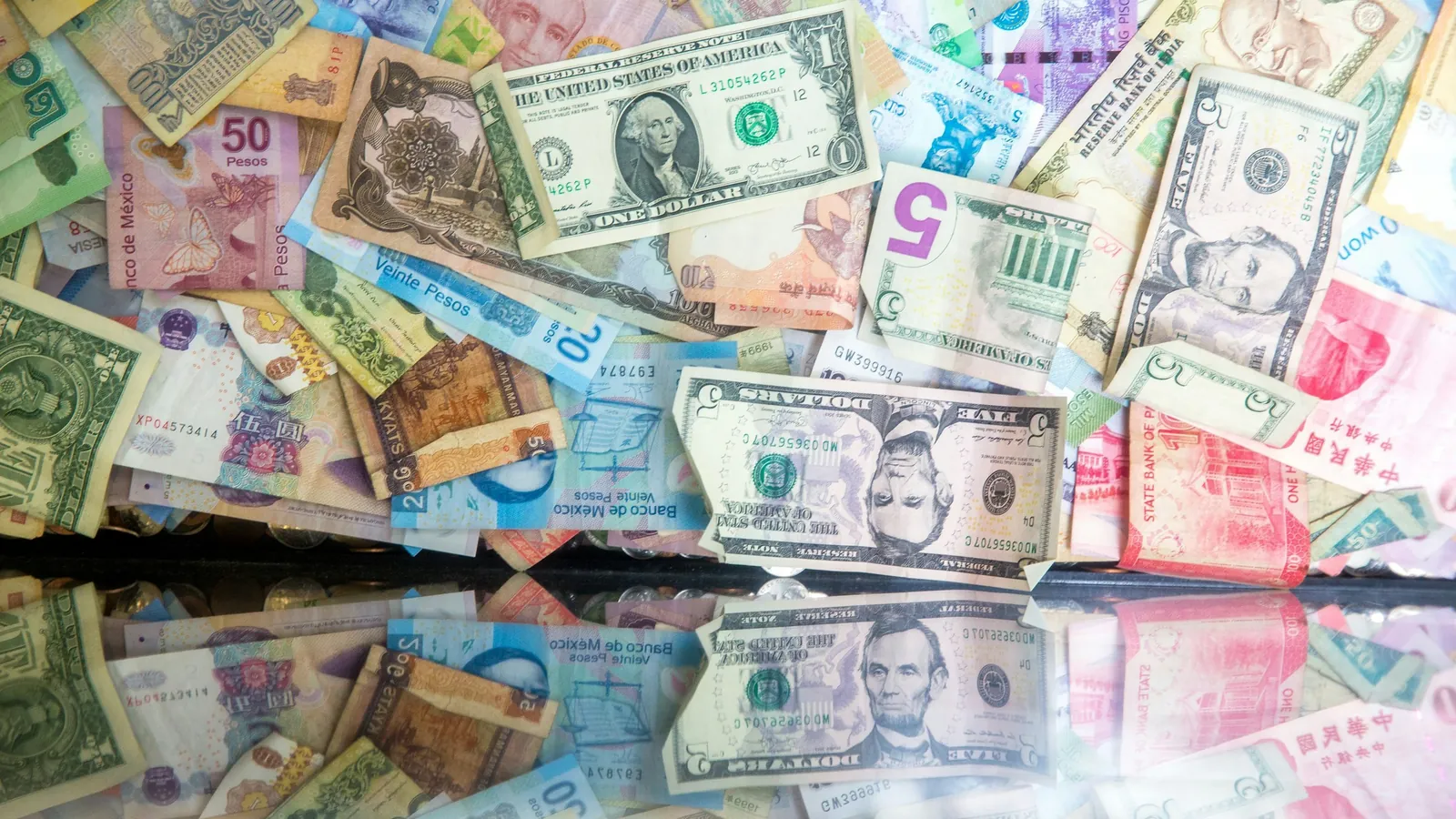
Short answer: Under Nepal Rastra Bank's Unified Circular 2082, a Nepali citizen travelling to any country except India can buy up to USD 3,000 (or the equivalent in another convertible currency) per trip under the passport facility. A bank can normally give up to USD 500 of that in cash; the rest goes on a foreign currency card or draft in your name. Checked: 8 Oct 2026, Nepal Rastra Bank.
Every Dashain and Tihar, the same question comes up in Nepali households before a holiday abroad: how many dollars can we actually take? The answer online is confusing because the rule has changed several times since 2022, and older figures (USD 200, USD 1,500, USD 2,500) are still repeated on blogs, forums and even some bank pages. This guide reads the rule straight from the Nepal Rastra Bank (NRB) Foreign Exchange Management Department's consolidated circular and its later amendments, explains how the passport facility works at a bank counter, and shows openly where sources disagree.
It is written for Nepali passport holders leaving from Kathmandu or a land border, and for families in the diaspora helping parents plan a trip. It does not quote exchange rates, because rates change every day; instead it points you to the NRB page that publishes them. For where Nepali travellers tend to go and why, see our guide to the best travel destinations for Nepalese travellers.
Rules change about once a year: verify yearly. Every figure on this page was checked on 8 October 2026 against NRB's Unified Circular 2082 (consolidated up to 24 Chaitra 2082, early April 2026) and its amendments up to circular 2/2083-84 (19 Asoj 2083, 5 October 2026). Before you travel, ask your bank whether anything has changed.
How much foreign currency can you take from Nepal for a holiday?
For a holiday outside India, the standard allowance is up to USD 3,000 per trip under the passport facility, of which up to USD 500 can usually be cash. There is no longer a cap on how many trips a year you can use it for, but you must have actually travelled on the last facility before a bank gives you another one. Overland trips to China and to SAARC countries other than India have a lower allowance, and India is outside the passport facility altogether.
The rule sits in section 1 of the NRB circular on foreign currency exchange (Unified Circular 2082, circular 7/2082). It applies to licensed class "A" commercial banks, national-level class "B" development banks and licensed money changers. The latest amendment on 19 Asoj 2083 (5 October 2026) raised several other limits, such as medical treatment and service imports, but did not change the passport facility for holiday travel.
The rule in one box
| Rule | Current figure | Where it comes from |
|---|---|---|
| Passport facility per trip (all countries except India) | Up to USD 3,000 or equivalent | NRB Unified Circular 2082, circular 7/2082, section 1(b)(1) |
| Cash portion | Up to USD 500; more only if the bank's office chief approves on merit | Circular 7/2082, section 1(h) |
| Rest of the allowance | On a foreign currency debit, credit or prepaid card, a draft or a similar instrument in the passport holder's name | Circular 7/2082, section 1(h) |
| How often | Per trip; the previous facility must have been used for the stated travel | Circular 7/2082, section 1(f) |
| Licensed money changer (passport facility) | Up to USD 200 | Circular 7/2082, section 1(b)(4) |
| Total foreign cash a Nepali may carry out | Up to USD 5,000, endorsed in the passport, including leftover cash from earlier trips | NRB public notice on carrying cash, published 26 Chaitra 2075, reproduced in Unified Circular 2082 and restated by NRB in July 2026 |
Checked: 8 Oct 2026, Nepal Rastra Bank Unified Circular 2082 (Nepali, PDF) and amendment 2/2083-84; NRB cash notice restated July 2026 (reported by ShareSansar, 24 Jul 2026). Verify yearly.
Where do sources disagree, and why?
Most conflicting figures online are old rules that were correct at the time and never updated. Nepal tightened travel foreign exchange during the 2022 to 2023 squeeze on foreign reserves, then relaxed it step by step. If a page does not say which circular it relies on and when it was checked, treat its figure with care.
| Figure you may see | What it actually refers to | Still valid? |
|---|---|---|
| USD 200 | An instruction reported in news coverage of the reserve squeeze capping cash for travellers; today USD 200 is the money changer limit under the passport facility, and the foreign employment limit for most countries | Only as a money changer or foreign employment limit, not as the holiday limit |
| USD 1,500, twice a year | A temporary cap reported during the reserve squeeze | No. Today USD 1,500 is the amount of foreign cash a Nepali may keep at home (see the section on leftover currency) |
| USD 2,500 per trip | The limit from the 2023/24 monetary policy; NRB removed the twice-a-year cap in August 2024 but kept USD 2,500 | No. Raised to USD 3,000 under the 2025/26 monetary policy (July 2025) |
| USD 3,000 per trip | Current passport facility for countries except India | Yes, as written in Unified Circular 2082 |
| "The whole amount must go into a foreign currency account" | Some July 2025 news reports described the account route as compulsory | Unclear. The consolidated text we read says banks may provide the facility by crediting a convertible foreign currency account (opening one if needed). Ask your bank how it delivers it |
| "Leftover dollars must be sold within 30 days" | Some guides say 30 days | The circular says 35 days, and only for cash above USD 1,500 |
Checked: 8 Oct 2026, Nepal Rastra Bank Unified Circular 2082; Kathmandu Post (2 Aug 2024); Republica and Desh Sanchar (July 2025). Verify yearly.
One practical point: individual bank branches sometimes apply the rule more cautiously than the circular allows, for example giving less cash because their stock of physical dollars is low. The circular itself says the cash portion depends on the bank's own reserve of foreign cash. If you need the full USD 500 in cash, ask a day or two before you travel rather than on the morning of your flight.
What is the passport facility and how do you use it?
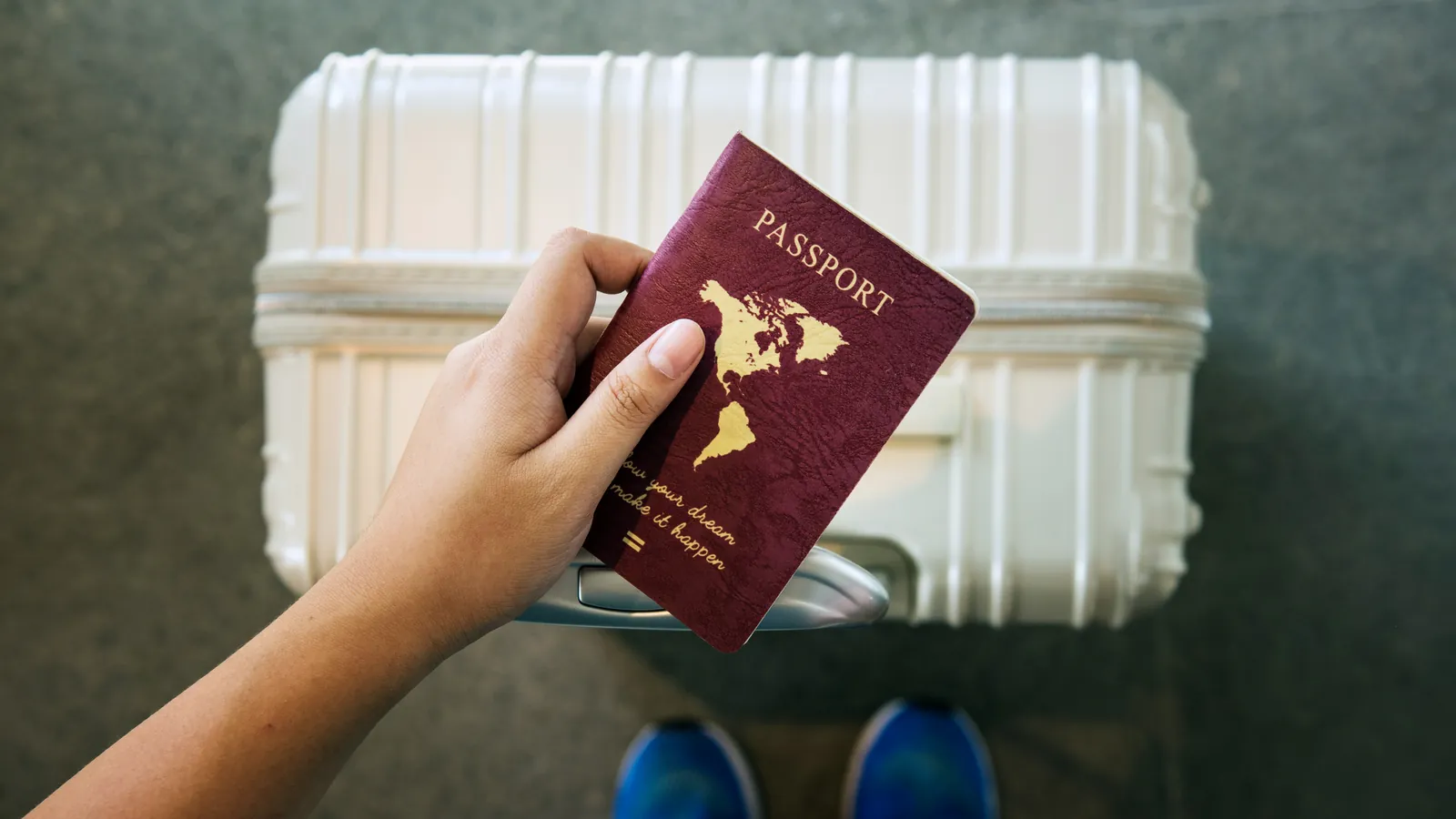
The passport facility (rahadani suvidha) is the foreign exchange a Nepali citizen can legally buy from a Nepali bank against a valid Nepali passport and a confirmed air ticket. The bank sells you foreign currency at its selling rate, records the date and amount on the endorsement page of your passport, and signs and stamps it. That endorsement is your proof that the money left Nepal legally.
Under the circular, the facility is given on the basis of a passport issued by the Government of Nepal and a confirmed air ticket. Only licensed banks, financial institutions and licensed money changers can provide it. NRB's own banking offices give it only to government and constitutional body employees and NRB staff, so ordinary travellers should go to a commercial bank.
Step by step at a bank counter
- Choose your bank. Your own bank is easiest, because it already holds your KYC (know your customer) details and the money can come straight from your account. In the festival season some branches run short of cash dollars, so ask a few days ahead.
- Collect your documents. Original passport, a photocopy of the photo page, your confirmed air ticket and, where a visa is needed in advance, a copy of the visa page or the printout of an electronic visa. The full list is in the documents section below.
- Fill in the application form. The circular sets out a standard form (Annex 7.1) and asks the bank to take a self-declaration of the source of your rupees.
- Go in person if you can. The circular says the passport holder should be present wherever possible. For family trips, each traveller has their own passport facility, so each passport is endorsed separately.
- Decide the split. Ask for up to USD 500 in cash and put the rest on a foreign currency card or similar instrument. The card must be in the passport holder's own name.
- Pay in rupees. The bank debits your account or takes rupee payment and applies its own selling rate for that day.
- Check the endorsement. Before leaving the counter, make sure the passport page shows the date, amount, officer's signature and bank stamp. Keep the receipt.
- Travel as planned. The next facility is given only if you travelled for the purpose stated last time, so keep your boarding passes and the entry and exit stamps in your passport.
Checked: 8 Oct 2026, Nepal Rastra Bank Unified Circular 2082, circular 7/2082, section 1(i) and (j). Verify yearly.
What counts as a confirmed air ticket?
The circular defines it as a confirmed ticket that starts in Nepal or India, or a return ticket for someone who came to Nepal from abroad and is flying out again. A booking hold or an unpaid reservation usually will not be accepted. If you plan to fly from Delhi or Kolkata after crossing the border by road, a ticket starting in India still qualifies under this definition. Our first-time flight tips explain how to read a ticket and what a confirmed booking looks like.
What if you book a package through a travel agency?
This is a detail many travellers do not know. When a licensed Nepali travel or tour company pays a foreign tour operator for a package abroad, the circular allows it to remit up to USD 1,000 per traveller, but that amount comes out of the traveller's own passport facility and is endorsed in the passport. In practice, if an agency pays part of your package in foreign currency, your remaining passport facility for that trip is smaller. If you book through an agency, it is worth asking whether any part of the booking is paid this way before you go to the bank, so you can plan the cash and card split.
Checked: 8 Oct 2026, Nepal Rastra Bank Unified Circular 2082, circular 7/2082, section on travel and tour agencies. Verify yearly.
How much can be cash and how much on a card?
Under the current circular, a bank can give up to USD 500 of your passport facility in cash, and the remaining amount, up to the USD 3,000 limit, must go on a banking instrument such as a foreign currency debit, credit or prepaid card, or a draft. The bank's office chief may approve more cash "on the basis of justification", but that is a discretion, not a right.
| Form | Typical maximum per trip | Notes |
|---|---|---|
| Cash (US dollars or another convertible currency) | Up to USD 500 | Depends on the bank's stock of cash; more only with the office chief's approval |
| Foreign currency prepaid travel card | Balance of the USD 3,000 | Must be issued in the passport holder's name |
| Foreign currency debit or credit card | Balance of the USD 3,000 | Linked to your passport facility; card limits are set by the bank |
| Bank draft | Balance of the USD 3,000 | Rarely used for holidays now |
| Credit to a foreign currency account | Up to the facility limit | The circular allows banks to deliver the facility this way, opening a new account if needed |
Checked: 8 Oct 2026, Nepal Rastra Bank Unified Circular 2082, circular 7/2082, sections 1(h) and 2a. Verify yearly.
Cash or card: which is better on a holiday?
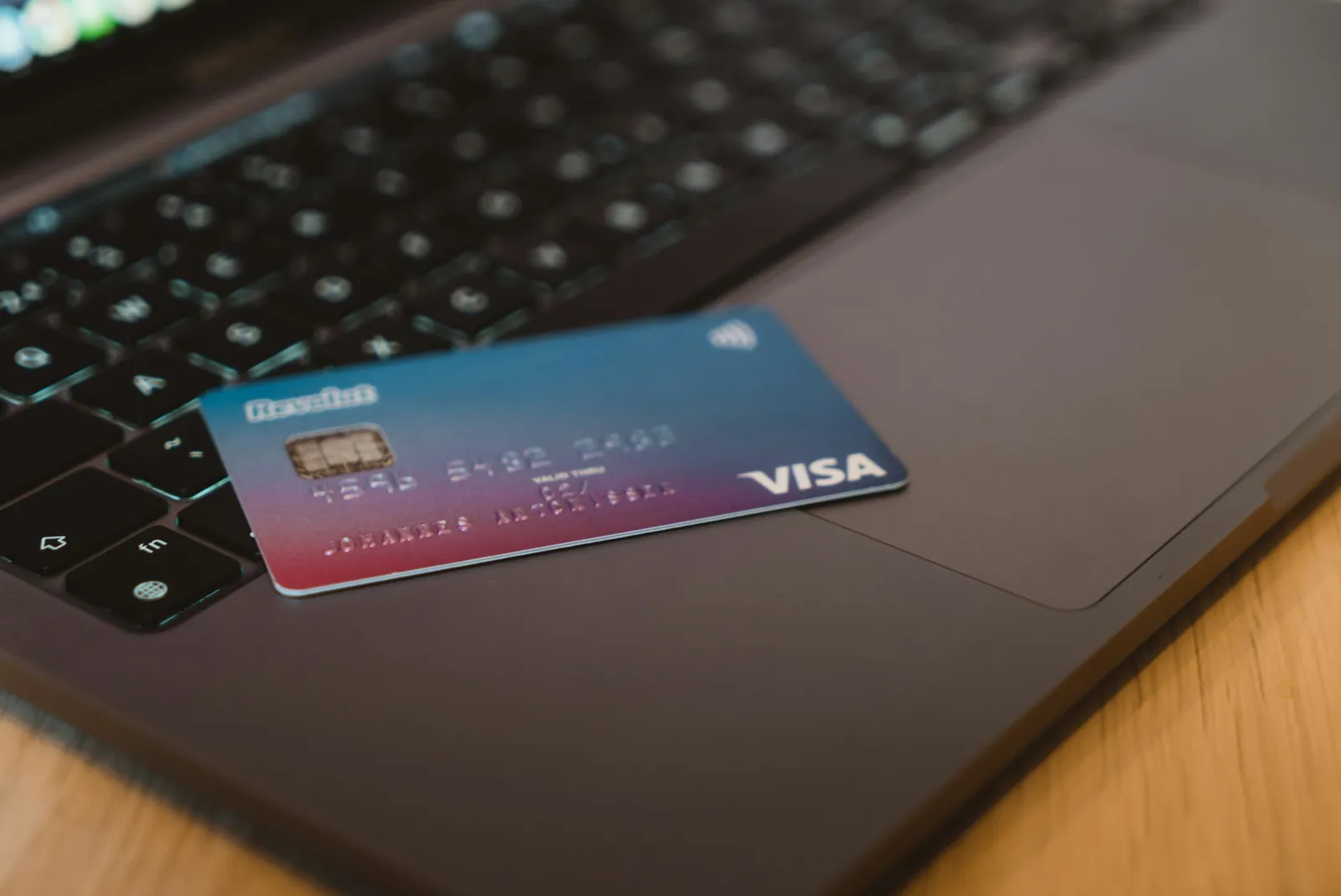
For most trips, a mix works best. Cash is useful on arrival for a taxi, a SIM card or a street market, and in places where small shops do not take cards. A card is safer to carry, easier to top up within your limit and widely accepted in hotels, malls and transport in Bangkok, Kuala Lumpur, Singapore, Dubai and Bali. Keep in mind:
- Carry new, undamaged US dollar notes. Exchange counters abroad may refuse torn, marked or very old notes.
- Ask your bank about card charges. ATM withdrawals and foreign transaction fees vary by bank and card type, so ask before you travel. We do not list fees here because they change.
- Tell the bank where you are going. Some cards are blocked for certain countries or need activation for international use.
- Keep the card and the cash in different bags. If one is lost, you still have the other.
Is the "dollar card" for online shopping the same thing?
No. Nepali banks also issue a prepaid foreign currency card for buying goods and services online from abroad, often called a dollar card. Under a separate section of the circular (circular 14/2082), that card is limited to USD 500 a year and needs your PAN. It is meant for online purchases such as software subscriptions or app payments, not for travel, and it does not add to your passport facility. If you already hold one, it does not reduce your passport facility either; they are different facilities.
Checked: 8 Oct 2026, Nepal Rastra Bank Unified Circular 2082, circular 14/2082, section 7. Verify yearly.
Which documents do banks and money changers ask for?
For the passport facility, a bank will ask for your original Nepali passport, a photocopy of its photo page, a confirmed air ticket, a copy of the visa page if your destination needs a visa in advance, the NRB application form and a self-declaration of the source of funds. The bank compares the copies with the originals before giving the facility and keeps the copies on file.
| Document | Why the bank needs it | Tip |
|---|---|---|
| Original Nepali passport | The facility is given against the passport and endorsed in it | Make sure it has a blank endorsement page and enough validity for your trip |
| Photocopy of the passport photo page | Required by the circular for the bank's records | Bring two copies |
| Confirmed air ticket | Proves the trip; must start in Nepal or India | Print the e-ticket; a booking on hold is usually not accepted |
| Visa page or e-visa printout (only if a visa is needed in advance) | Required by the circular where an advance visa applies | Electronic visas and e-tickets can be shown as printouts |
| Application form (NRB Annex 7.1) | Standard request form for the passport facility | Ask the bank for the form when you book your visit |
| Self-declaration of source of funds | Anti-money-laundering requirement | Paying from your own bank account makes this simple |
Checked: 8 Oct 2026, Nepal Rastra Bank Unified Circular 2082, circular 7/2082, section 1(i). Verify yearly.
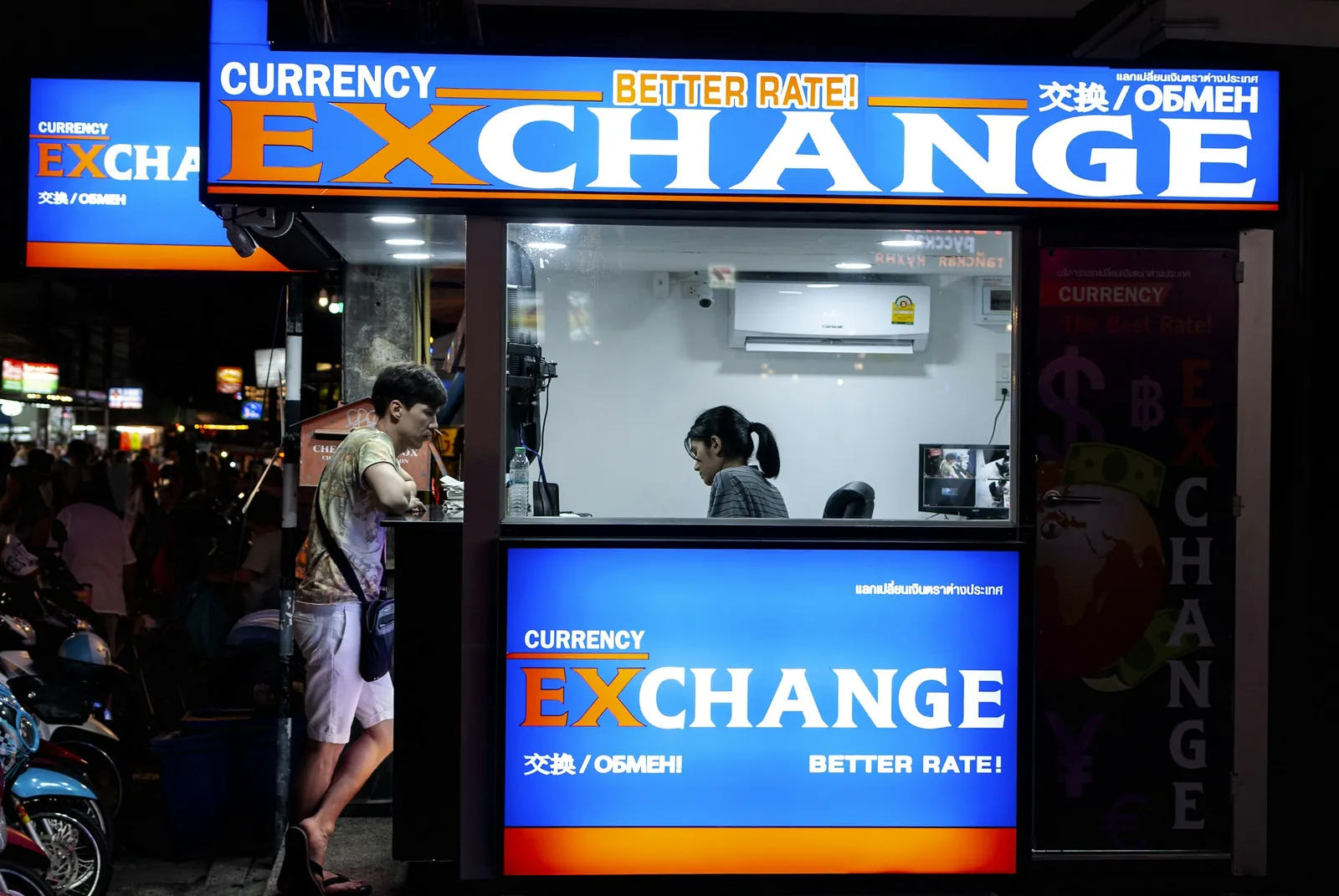
Can you change money at a money changer in Thamel?
Licensed money changers are allowed to buy foreign currency from you, and some also hold a licence to sell. Under the passport facility, a licensed money changer can sell a Nepali traveller a maximum of USD 200. For anything more, you need a bank. Only use money changers that display an NRB licence, and always ask for a foreign exchange receipt. Unlicensed street exchange is illegal and leaves you without an endorsement in your passport.
Departure immigration at Kathmandu airport is a separate process with its own requirements, so check them with the Department of Immigration before you fly; this guide covers only money rules. Our pre-trip checklist puts the bank, ticket and document steps in order.
Do you have to declare cash at Kathmandu airport?
When leaving Nepal, a Nepali citizen may carry up to USD 5,000 in foreign cash (including the passport facility), and it must be endorsed in the passport. That total counts any leftover foreign cash from earlier trips that you are taking out again. When entering Nepal, any traveller carrying more than the equivalent of USD 5,000 in foreign currency or travellers' cheques must declare it at customs.
| Situation | Rule | Source |
|---|---|---|
| Nepali citizen leaving Nepal with foreign cash | Up to USD 5,000 cash, endorsed in the passport, including leftover cash from earlier trips; more allowed with proof of a medical or other special exchange facility | NRB notice on carrying cash, published 26 Chaitra 2075 |
| Any traveller entering Nepal by air or land | Foreign currency or travellers' cheques above the equivalent of USD 5,000 must be declared at the customs point | Ministry of Finance customs notice on passengers' personal goods, in force from 15 Jestha 2082, published by the Department of Customs |
| Nepali rupee cash to or from other countries | Not more than NPR 5,000 per person | NRB notice on carrying cash, published 26 Chaitra 2075 |
| Valuables and money in checked baggage | Not allowed; carry money in hand luggage | Tribhuvan International Airport FAQ |
Checked: 8 Oct 2026, Nepal Rastra Bank Unified Circular 2082 (public notice 11); Department of Customs notice on personal items; TIA airport FAQ. Verify yearly.
The NRB said in its July 2025 monetary policy that it would review the customs declaration threshold for cash. As of 8 October 2026 we found no change in the published circulars or the customs notice, but this is exactly the kind of figure to recheck each year. Declaring at TIA is done at the customs office in the arrivals area; the TIA customs office has said in a public notice (reported by Republica) that declaring carries no charge, and the declaration protects you if you later need to show where the money came from.
Is the limit different for India, China overland or business trips?
Yes. India is outside the passport facility, overland travel to China and to SAARC countries other than India has a lower limit, and business promotion, medical and official travel have their own allowances. The table summarises the main categories a holiday traveller or a family is likely to meet.
| Purpose of travel | Allowance | Form and conditions |
|---|---|---|
| Holiday or private visit, any country except India (by air) | Up to USD 3,000 per trip | Up to USD 500 cash, the rest by card or draft; endorsed in the passport |
| Private travel overland to China, or overland to SAARC countries other than India | Up to USD 1,000 per trip and USD 2,000 per fiscal year | Visa for the destination needed where applicable; endorsed in the passport; regular border-crossers excluded |
| Travel on a Nepal Government travel document instead of a passport | Up to USD 1,000 | Under the passport facility rules |
| Business promotion, trade fair or trade seminar (except India) | Up to USD 5,000 per trip | Application with documents showing the purpose of the visit |
| Foreign employment: Japan, South Korea, Europe, USA, Canada, Australia | Up to USD 500 | Passport facility for migrant workers |
| Foreign employment: other countries | Up to USD 200 | Passport facility for migrant workers |
| Medical treatment abroad and related purchases | Up to USD 30,000 a year | Raised from USD 15,000 by amendment 2/2083-84 (5 October 2026); supporting documents required |
| Official travel (government, banks, public bodies) | As requested in writing by the institution | Travel order, ticket and passport; can be on top of the personal facility |
| Need more than your allowance | Case by case | Apply to NRB's Foreign Exchange Management Department with your or a family member's PAN and the reason |
Checked: 8 Oct 2026, Nepal Rastra Bank Unified Circular 2082, circular 7/2082, sections 1 to 2 and 8; amendment 2/2083-84. Verify yearly.
India: rupees, not dollars
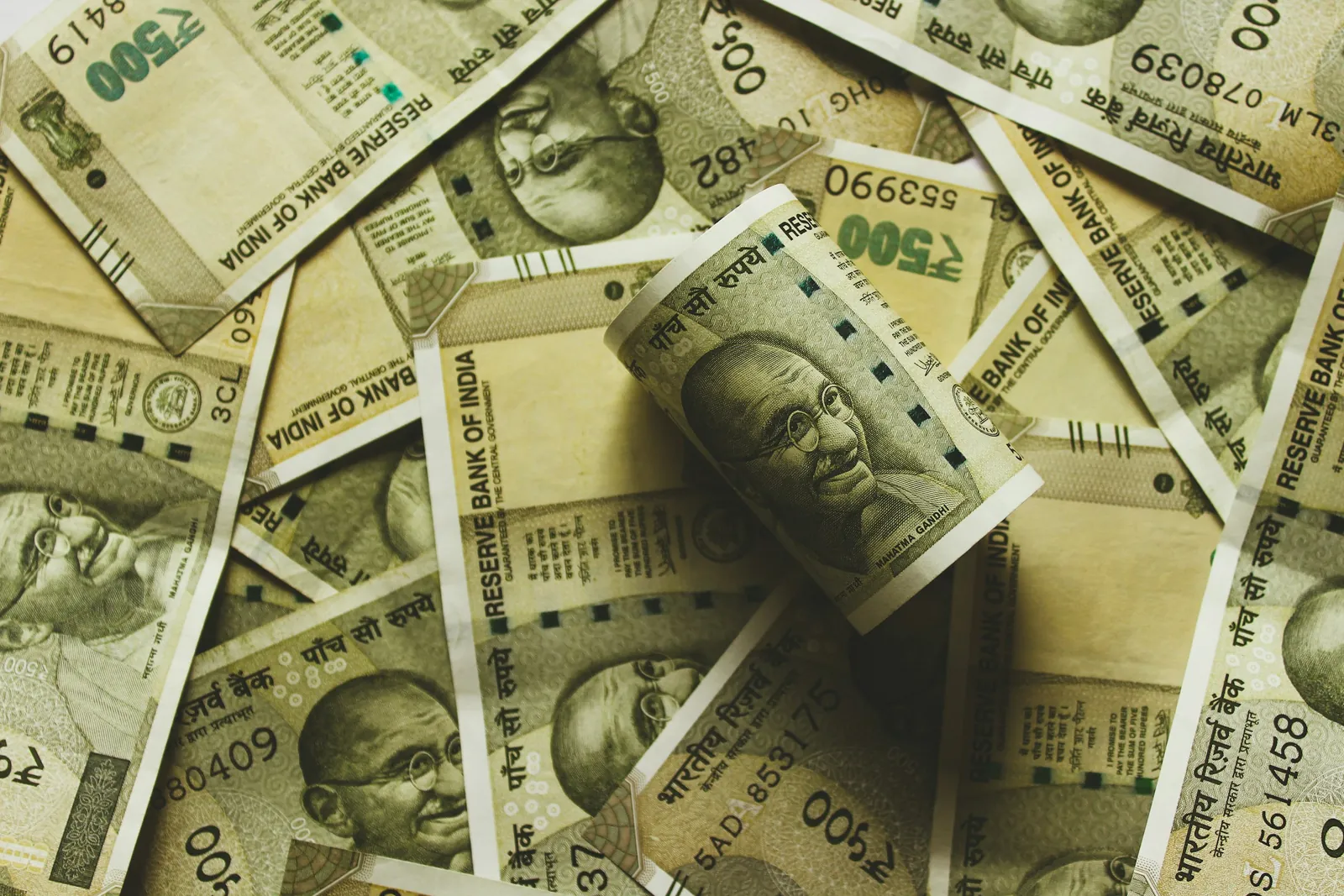
Because India is excluded, you cannot use the passport facility for a trip to Delhi, Varanasi or Goa. Nepali travellers to India mostly carry Indian rupees or Nepali rupees and use cards. The Indian rupee rules changed in 2026:
- INR 200 and INR 500 notes are now allowed. Under NRB rules reissued in late July 2026, a Nepali or Indian citizen may carry, take out and exchange INR 200 and INR 500 notes issued after 9 November 2016, up to INR 25,000 per person, under the prevailing rules.
- INR 2,000 notes remain barred. The same rules keep INR 2,000 notes outside what you may hold, carry or trade in Nepal.
- INR 100 and smaller notes and coins can be carried and exchanged under the prevailing rules.
- Indian rupees cannot be taken from Nepal to a third country or brought into Nepal from a third country.
- Money changers can sell up to INR 25,000 to a Nepali citizen travelling to India.
Checked: 8 Oct 2026, Nepal Rastra Bank July 2026 notice (as reported by ShareSansar and B360, 24 Jul 2026) and Unified Circular 2082, circulars 20/2082 and 25/2082. Verify yearly.
For planning the trip itself, our India travel guide and getting around India cover routes from Kathmandu and the border towns.
China: by air or by land?
If you fly from Kathmandu to China, the normal passport facility applies (up to USD 3,000 per trip). If you cross by road, the overland limit applies instead: up to USD 1,000 per trip and USD 2,000 per Nepali fiscal year (which runs from mid-July to mid-July). In China, mobile payments dominate, so plan how you will pay before you go; our China travel tips cover the practical side.
What happens to unused foreign currency when you return?
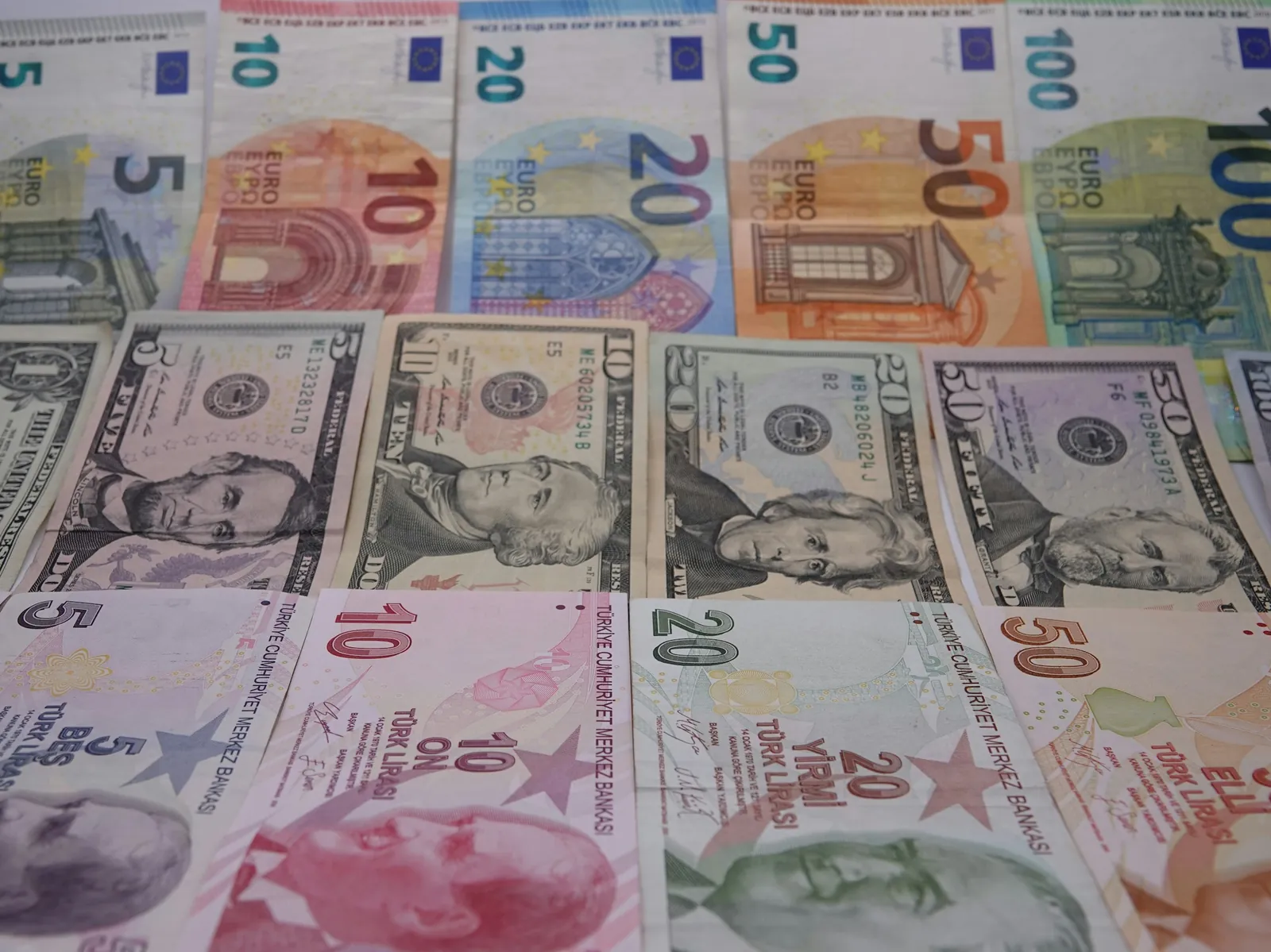
A Nepali citizen may keep up to USD 1,500 (or equivalent) of legally obtained foreign cash at home for future use. Anything above that must be exchanged or deposited in a foreign currency account at a Nepali bank within 35 days. The limit is a total, not per trip: savings from several trips are added together.
| What you want to do | Rule | What to bring |
|---|---|---|
| Keep leftover cash for the next trip | Up to USD 1,500 in total | Keep the bank receipt and passport endorsement as proof of source |
| You hold more than USD 1,500 | Exchange or deposit in a foreign currency account within 35 days | Passport, receipts |
| Sell leftover dollars back to a bank | Up to USD 5,000 at a time; more if declared at customs on arrival and backed by proof of earnings abroad | Citizenship certificate or photo ID; the bank issues a foreign exchange receipt |
| Sell leftover dollars to a money changer | A licensed money changer can buy up to USD 5,000 (or the full amount on a customs declaration) | Photo ID; ask for a receipt |
| Take the leftover cash abroad again | Counts towards the USD 5,000 cash you may carry out, and must be endorsed in the passport | Passport with endorsement |
Checked: 8 Oct 2026, Nepal Rastra Bank Unified Circular 2082, circular 9/2082 and circular 25/2082; NRB notice on carrying cash. Verify yearly.
A few habits help. Keep the bank's receipt from when you bought the currency, and keep your passport with the endorsement page intact. When you sell dollars back, the bank pays you in Nepali rupees and gives you a foreign exchange encashment receipt. If you returned with foreign cash given as a gift or tip, the circular sets a separate, smaller limit for exchanging it (USD 500 at a time). Keep coins in mind too: most exchange counters in Nepal and abroad accept only notes, so spend coins before you leave.
If you are part of the diaspora returning for Dashain with savings from abroad, note the difference: the circular allows any amount earned abroad to be exchanged in one go if it was declared at customs on arrival and you can show proof of earnings. Declaring at TIA on the way in makes life easier later.
Where do you check the day's exchange rate?
Check the Nepal Rastra Bank's daily foreign exchange rates page, which lists the official buying and selling rates for major currencies against the Nepali rupee. We do not quote rates on this page because they change every working day.
The official NRB list is published at nrb.org.np/forex. Commercial banks and money changers set their own rates within NRB's framework, so the rate at your bank counter will differ slightly from NRB's and will have separate buying and selling figures. A few points to keep in mind:
- Selling rate is what you pay. When you buy dollars for a trip, look at the bank's selling rate. When you return and sell, look at the buying rate.
- Cash and card may use different rates. Ask your bank which rate applies to the card load and which to the cash.
- Some currencies are bought in dollars first. For less common currencies such as the Vietnamese dong or Indonesian rupiah, many travellers carry US dollars and exchange them at the destination. Ask your bank what it stocks.
- Do not chase small differences. On a USD 500 cash purchase, the gap between two licensed banks is usually small compared with the risk of buying from an unlicensed source.
Before you leave Kathmandu: a money checklist
- Confirm the ticket and print it.
- Check that your passport has enough validity and a blank endorsement page. If you are renewing, our e-passport guide for Nepal explains the process and timing.
- Visit your bank a few days before departure with the documents listed above.
- Take up to USD 500 cash and load the rest on a card in your own name.
- Check the passport endorsement: date, amount, signature and stamp.
- Carry money in hand luggage, not checked baggage.
- Keep receipts for the return trip and for selling leftover currency.
If you are travelling with family over the festival holidays, our guide to Dashain and Tihar holidays abroad helps match your leave days to destinations, and the full pre-trip checklist covers everything beyond money. For a sense of what a holiday budget looks like in one popular destination, see our Dubai trip cost guide. If you would like help planning a trip, the Gomayu team answers questions on WhatsApp and by phone.
Frequently asked questions
How many dollars can I take from Nepal for a tour?
For a holiday in any country except India, a Nepali citizen can buy up to USD 3,000 per trip under the Nepal Rastra Bank passport facility. Up to USD 500 can normally be cash and the rest goes on a card or draft in your name. Checked: 8 Oct 2026, NRB Unified Circular 2082. Verify yearly.
What is passport facility in Nepal?
The passport facility is the foreign currency a Nepali citizen can legally buy from a licensed bank against a Nepali passport and a confirmed air ticket for travel abroad (except India). The bank records the amount and date on the passport's endorsement page, signs and stamps it. That endorsement shows the money left Nepal legally.
Can I exchange dollars at a money changer in Thamel?
A licensed money changer in Thamel or elsewhere can buy foreign currency from you, and those with the right licence can sell a Nepali traveller up to USD 200 under the passport facility. For more, use a bank. Only deal with money changers showing an NRB licence and always ask for a receipt. Checked: 8 Oct 2026, NRB.
Do I need a ticket to get foreign currency from a bank?
Yes. Nepali banks give the passport facility only against a confirmed air ticket, which must start in Nepal or India, or be a return ticket for someone flying out again after visiting Nepal. A reservation on hold is usually not enough. Bring a printed e-ticket with your passport and a copy of its photo page.
Can I carry more if I use a dollar card?
No. The USD 3,000 passport facility is the total across cash and cards for one trip. The separate online "dollar card" is limited to USD 500 a year for online purchases from abroad and does not add to your travel allowance. If you need more, apply to NRB's Foreign Exchange Management Department with reasons and PAN.
Is the limit the same for India?
No. The Nepal passport facility does not cover travel to India. For India, Nepali travellers use Indian or Nepali rupees and cards. Under NRB rules reissued in late July 2026, INR 200 and 500 notes up to INR 25,000 per person are allowed; INR 2,000 notes are not. Checked: 8 Oct 2026, NRB.
What documents does the bank need for passport facility?
A Nepali bank will ask for your original passport, a photocopy of the photo page, a confirmed air ticket, a copy of the visa page or e-visa printout if your destination needs an advance visa, the NRB application form and a self-declaration of the source of funds. The passport holder should go in person where possible.
Do I have to declare cash at Kathmandu airport?
When arriving in Nepal, you must declare foreign currency above the equivalent of USD 5,000 at customs. When leaving, a Nepali citizen may carry up to USD 5,000 in foreign cash in total, endorsed in the passport, including leftover cash from earlier trips. Checked: 8 Oct 2026, NRB notice and Department of Customs. Verify yearly.
What should I do with leftover dollars after the trip?
In Nepal you may keep up to USD 1,500 of legally obtained foreign cash at home for future trips. Above that, exchange it or deposit it in a foreign currency account within 35 days. Banks buy up to USD 5,000 at a time with photo ID. Keep your receipts and passport endorsement as proof. Checked: 8 Oct 2026, NRB.
How many times a year can I use the passport facility?
For air travel outside India there is no yearly cap on the number of trips, but a bank gives a new facility only if you actually travelled on the last one. Overland trips to China or SAARC countries other than India are capped at USD 1,000 per trip and USD 2,000 per fiscal year. Checked: 8 Oct 2026, NRB.
Bidesh jada kati dollar lana paincha?
Bharat bahek aru desh ghumna jada Nepal Rastra Bank ko rahadani suvidha anusar ek patak ma USD 3,000 samma satahi garna paincha. Tyasma USD 500 samma nagad ra baki card ma linu parchha. Bank ma passport, confirm ticket ra form chahinchha. Checked: 8 Oct 2026, NRB. Har barsa niyam check garnuhos.