+977-9709047652
Explore by Country
See all 22 Thailand packages
Most popular pick
See all 22 Thailand packages →
See all 11 Vietnam packages
Most popular pick
See all 11 Vietnam packages →
See all 10 Indonesia (Bali) packages
Most popular pick
See all 10 Indonesia (Bali) packages →
See all 7 Maldives packages
Most popular pick
See all 7 Maldives packages →
See all 10 China packages
Most popular pick
See all 10 China packages →
See all 13 Sri Lanka packages
Most popular pick
See all 13 Sri Lanka packages →
See all 9 Malaysia packages
Most popular pick
See all 9 Malaysia packages →
See all 8 Singapore packages
Most popular pick
See all 8 Singapore packages →
See all 2 Kenya packages
Most popular pick
See all 2 Kenya packages →
See all 16 India packages
Most popular pick
See all 16 India packages →
See all 3 Dubai packages
Most popular pick
See all 3 Dubai packages →
See all 7 Nepal packages
Most popular pick
See all 7 Nepal packages →
See all 6 Philippines packages
Most popular pick
See all 6 Philippines packages →
Search Tours or Places
Blog / Travel Tips

How to Plan a Europe Trip from Nepal: Routes, Seasons and Budget

30 min read 12 Oct 2026
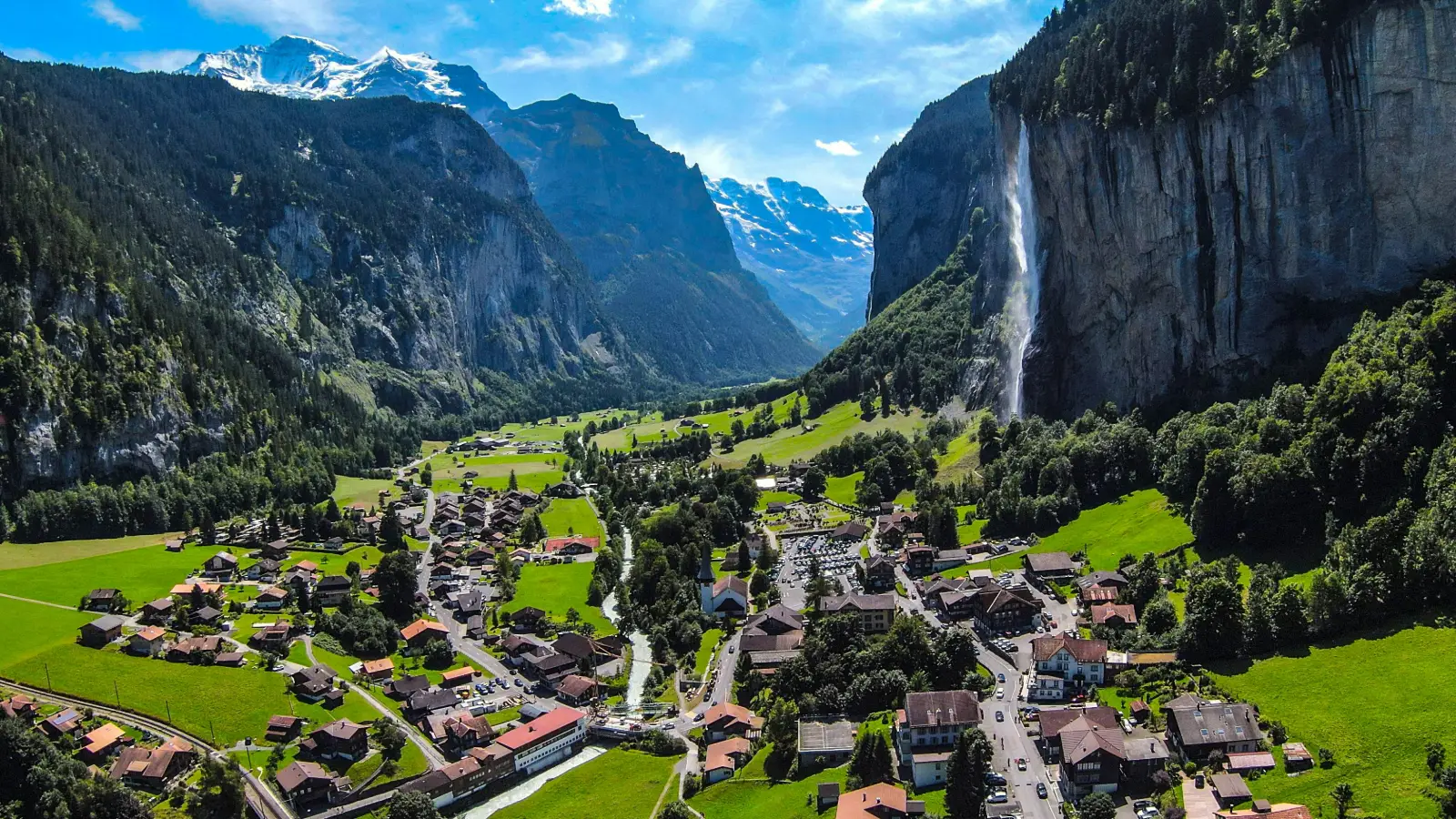
Lauterbrunnen village and its green valley beneath steep cliffs in the Swiss Alps

Short answer: Planning a Europe trip from Nepal starts with the visa: Nepali passport holders need a Schengen visa for the 29 Schengen countries, while the UK, Ireland and Cyprus set their own rules. No flight from Kathmandu reaches the Schengen area non-stop, so you change planes once in Doha, Dubai, Sharjah, Abu Dhabi, Istanbul or Delhi. For a first trip, choose two or three neighbouring countries, travel in May, June or September, and use trains between cities.

Europe is a different trip from the Asian holidays most Nepali travellers know: longer flights, more paperwork, bigger distances than the map suggests, and costs that change sharply between countries. This guide is for Nepali families, couples and first-time long-haul travellers leaving Kathmandu, for Nepalis abroad visiting relatives in Europe, and for anyone wanting a clear overview. It does not explain visa applications and quotes no prices; volatile facts carry the date we checked them and a link to the source.

QuestionQuick answer (checked 12 Oct 2026)
Do Nepali passport holders need a visa?Yes, a Schengen short-stay visa for the Schengen area; the UK, Ireland and Cyprus issue their own visas
Is there a non-stop flight from Kathmandu?Only to Istanbul, which is in Turkey and outside the Schengen area
How long can you stay?Up to 90 days in any 180-day period, and never beyond what your visa allows
Border registrationThe Entry/Exit System (EES) records fingerprints and a facial image; fully operational since 10 April 2026
ETIASNot in operation yet, and it is only for visa-exempt nationalities
Plugs and voltageMostly Type C and F at 230 V, 50 Hz; Type G in the UK, Ireland, Malta and Cyprus
Time differenceNepal is 3 hours 45 minutes ahead of Central European summer time and 4 hours 45 minutes ahead in winter

How do you get from Nepal to Europe?

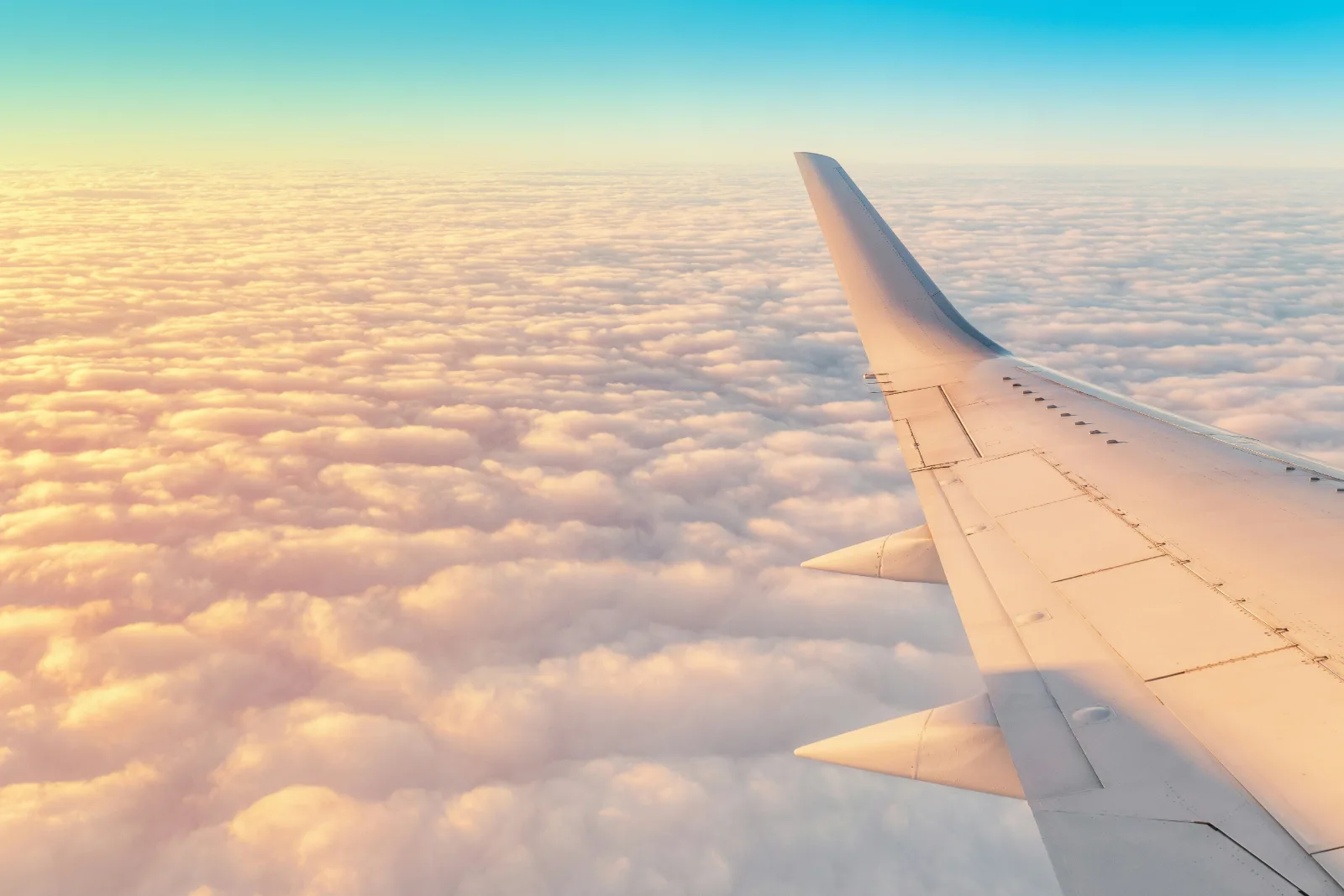
Plane wing over golden clouds at sunrise on a long haul flight towards Europe

You fly from Kathmandu with one connection, usually in a Gulf hub (Doha, Dubai, Sharjah or Abu Dhabi), in Istanbul or in Delhi. On 12 October 2026, FlightConnections schedule data showed no non-stop flight from Kathmandu to any city in the Schengen area. The only non-stop route from Kathmandu to a European city is Turkish Airlines to Istanbul, which takes about 8 hours, and Turkey is not part of the Schengen area, so you still change planes there for Paris, Rome or Zurich.

Our guide to non-stop flights from Kathmandu lists every city you can reach without changing planes. For Europe, choose the hub with the best onward connection to your first city, on one ticket.

HubAirlines flying there from KathmanduApprox. flying time from KathmanduWhat to know for Europe
Doha (DOH), QatarQatar Airways; also Himalaya Airlines and Nepal AirlinesAbout 5 hoursQatar Airways connects Doha to a wide European network on one ticket; Doha to Paris is scheduled at about 7 hours
Dubai (DXB), UAEflydubai; also Himalaya Airlines and Nepal AirlinesAbout 4 hours 40 minutesflydubai connects into the Emirates network; check which Dubai terminal each flight uses
Sharjah (SHJ), UAEAir ArabiaAbout 4 hours 25 minutesLow-cost model, so check the bag allowance and which European cities are served
Abu Dhabi (AUH), UAEAir Arabia Abu DhabiAbout 4 hours 40 minutesLow-cost model; compare total journey time, not just the first leg
Istanbul (IST), TurkeyTurkish AirlinesAbout 8 hoursThe only non-stop flight from Kathmandu to a European city; short onward flights across Europe
Delhi (DEL), IndiaSeveral Nepali and Indian airlinesAbout 1 hour 50 minutesLong second leg: Delhi to Paris is scheduled at roughly 10 to 11 hours

Checked: 12 Oct 2026, FlightConnections, Kathmandu (KTM) for routes, airlines and block times; FlightsFrom for Doha to Paris and Delhi to Paris. Airlines add and drop routes every season, so confirm on the airline's own website before you book.

Which hub suits which trip?

The Gulf hubs suit most travellers: the first leg is short, flights leave Kathmandu daily, and the onward networks cover nearly every major European city with a good choice of arrival times.

Istanbul suits trips starting in Central or Southern Europe, as the onward hop is short. Delhi works the other way round: a very short first leg, then a long flight. Air India's route map dated 13 July 2026 shows non-stop Delhi flights to Amsterdam, Copenhagen, Frankfurt, Milan, Paris, Rome, Vienna and Zurich. Nepali citizens need no visa for India, which keeps a Delhi connection simple.

Adding the legs and a connection of 2 to 3 hours, the fastest journeys from Kathmandu to Western Europe take around 14 to 16 hours; cheaper fares often mean longer layovers. For a long connection in the UAE, our Dubai stopover guide explains when you can leave the airport and what fits into 6 to 24 hours; for an overnight stop, see where to stay in Dubai, and note that Dubai's summer heat limits sightseeing from May to September.

Why no Nepali airline flies to Europe

Airlines certified in Nepal are on the EU Air Safety List, which bars them from operating in EU airspace. In August 2026 Nepal's civil aviation minister said the government is working to get them removed (Kantipur, 18 Aug 2026). Until then, Nepali airlines can take you only as far as the Gulf.

One ticket or two?

Book Kathmandu to your first European city on a single ticket where you can: if a delay makes you miss the connection, the airline rebooks you, and bags are usually checked through. On two separate tickets, a late first flight is your problem, and collecting and re-checking bags can mean passing immigration in a country that requires its own visa. Our first-time flight tips cover check-in, bag tags and connections in more detail.

Pokhara is now an option too: flydubai has flown daily between Pokhara and Dubai since 23 September 2026, as covered in our flight guide. Confirm it operates on your dates.

Where do you pass immigration in Europe?

You clear Schengen border control at the first Schengen airport you land in. Fly Doha to Frankfurt to Prague, and immigration happens in Frankfurt; the onward flight to Prague is then an internal Schengen flight. Allow extra connection time there, as first-time EES registration adds fingerprints and a photo.

What should Nepali travellers know about the Schengen area?

The Schengen area is a group of 29 European countries that have removed routine passport checks between them, and Nepali passport holders need a Schengen visa to visit, even for a short holiday. One Schengen visa normally covers all 29 countries.

GroupCountries
EU countries in Schengen (25)Austria, Belgium, Bulgaria, Croatia, Czechia, Denmark, Estonia, Finland, France, Germany, Greece, Hungary, Italy, Latvia, Lithuania, Luxembourg, Malta, Netherlands, Poland, Portugal, Romania, Slovakia, Slovenia, Spain, Sweden
Non-EU countries in Schengen (4)Iceland, Liechtenstein, Norway, Switzerland
EU countries outside SchengenCyprus and Ireland, which issue visas under their own national rules
Popular countries outside bothUnited Kingdom, Turkey, and the Western Balkan countries such as Albania, Montenegro and Serbia, each with its own entry rules

Checked: 12 Oct 2026, European Commission, Schengen area. Bulgaria and Romania were the last to join, on 1 January 2025. Cyprus has not yet lifted internal border controls, and Ireland is allowed to stay out.

The visa: what to know, and where to check

Nepal is on the EU list of countries whose nationals must hold a visa to enter the Schengen area for a short stay. You can see Nepal on the list published by Italy's Ministry of Foreign Affairs, and the European Commission's visa policy page explains the short-stay visa and links to the legal list. Which country handles your visa depends on your main destination, so settle the route first, and rely on the official EU page and that country's embassy for the application itself.

For a comparison with places that need much less paperwork, see our list of visa-free countries for Nepali passport holders.

How does the 90/180 rule work?

Short stays in the Schengen area are limited to 90 days in any 180-day period. The 180 days are a moving window: for every day you are in the area, you count back 180 days and add up all the days you spent inside. That total must never pass 90. The European Commission's short-stay calculator does the arithmetic for you.

  • Entry and exit days both count. The Commission's calculator manual says the date of entry is the first day of stay and the date of exit is the last.
  • Earlier trips count. Days from an April trip still count in August, until they are over 180 days old.
  • Your visa sets its own limit. Respect its validity dates and days allowed, even if the 90/180 count would allow more.
  • Residence permit days do not count. Time spent in a Schengen country on a residence permit or long-stay visa is left out of the calculation.

For a single two or three week holiday the rule rarely matters; it matters for frequent visitors, such as parents staying with children who live there.

What is the EES, and what happens at the border?

The Entry/Exit System (EES) is the EU's digital border register for non-EU travellers on short stays. It began a phased rollout in October 2025 and has been fully operational at all Schengen external borders since 10 April 2026. On first entry, officers record your fingerprints, a facial image and passport details, and every later entry and exit is logged digitally. Manual passport stamping is no longer required.

Checked: 12 Oct 2026, eucrim, EES fully operational since 10 April 2026.

Does ETIAS apply to Nepali travellers?

No. ETIAS, the European Travel Information and Authorisation System, is a pre-travel check for nationalities that can visit the Schengen area without a visa, such as citizens of the United States, Canada and Japan. Nepali passport holders need a visa instead, so ETIAS does not apply to them. On 12 October 2026 the European Commission said ETIAS was not yet in operation and that the start date will be announced several months ahead. Ignore any website asking a Nepali passport holder to pay for one. Diaspora travellers who now hold a visa-exempt passport, such as a US or Canadian one, will need ETIAS once it starts instead of a visa. Checked: 12 Oct 2026, European Commission, ETIAS and eu-LISA.

Are the UK, Ireland and Cyprus covered?

No. A Schengen visa does not cover the United Kingdom. Nepal is on the UK's visa national list, which means Nepali citizens need a UK visa before travelling there for any purpose (UK Immigration Rules, Appendix Visitor: Visa National List). Ireland also has its own visa system. For Cyprus, the EU's Your Europe service says a valid Schengen visa may also be used, but a Cypriot visa is not valid for Schengen; check Cyprus's own rules first.

Do internal border checks still happen?

Sometimes. Schengen countries can temporarily reintroduce checks at their internal borders, and in 2026 the European Commission issued opinions on controls reintroduced by Austria, Denmark, France, Germany, Italy, the Netherlands, Norway, Slovenia and Sweden (European Commission, IP/26/1223). Carry your passport on every cross-border journey.
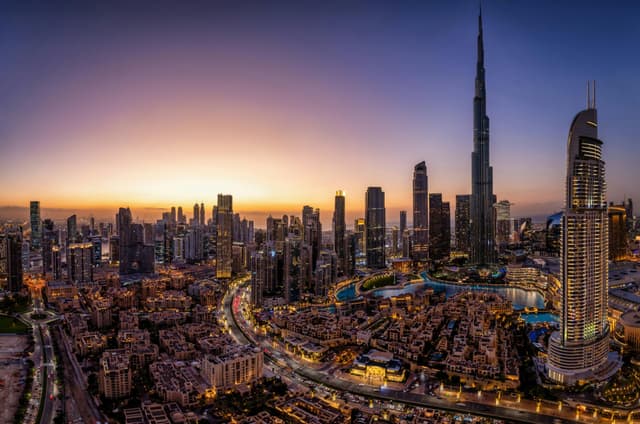
Explore Dubai tour packages
View all →

Which European countries suit a first trip?

For a first visit, France, Switzerland and Italy make the classic combination, with Central Europe (Czechia, Austria and Hungary) for better value and the Mediterranean (Spain, Portugal and Greece) for warm weather. The best first trip stays inside one region. If you are still deciding between Europe and somewhere closer, our guide to the best destinations for Nepali travellers compares the shorter-haul options and their paperwork.

Western classic: France, Switzerland and Italy

Eiffel Tower in Paris standing above green trees on a bright clear day

This is the trip most people picture: the Eiffel Tower, the Louvre and Versailles in Paris; lakes and Alps in Switzerland, reached by scenic trains; then Rome's Colosseum and Vatican City, Florence and the canals of Venice. It suits first-timers, honeymooners and families who want the famous sights. The trade-off is cost and crowds: Paris and Switzerland sit at the expensive end of Europe, and the Italian cities are very busy in summer. Couples can also compare our round-up of honeymoon destinations from Nepal.

Switzerland and the Alps

Why fly from Nepal to see mountains? The answer is access. In the Swiss Alps a train takes you to high viewpoints without trekking: the Jungfraujoch station sits at 3,454 metres and is the highest railway station in Europe, according to the operator, Jungfrau Railways. Grandparents and young children can see glaciers in the morning and be back by a lake for lunch, though it is cold at the top even in July. Austria's Tyrol and the Italian Dolomites offer similar scenery, often at better value.

Central Europe: Prague, Vienna and Budapest

Charles Bridge and the Vltava River in Prague lit up in the evening

Prague's Old Town and Charles Bridge, Vienna's palaces and Budapest's Danube views and thermal baths form a compact triangle linked by direct trains. Restaurants and hotels cost noticeably less than in Paris or Zurich, which makes it a strong choice for budget-conscious couples, friends and December Christmas market trips.

Mediterranean: Spain, Portugal, Italy and Greece

Barcelona's Sagrada Familia, Madrid's museums, Seville's old quarter, Lisbon's hills and trams, and the Greek islands are the draws here. This is the warm side of Europe, best in late spring and early autumn, as summers are hot and crowded. Portugal and Spain combine well, and Greece works as an island trip on its own.

Nordic: Norway, Sweden, Denmark, Finland and Iceland

Fjords, the midnight sun in summer and the northern lights in winter make the Nordic countries a second or third Europe trip for many people. Visit Norway says the northern lights can be seen from October through March in Northern Norway (Visit Norway). These are among Europe's most expensive countries, with long distances, so plan fewer bases.

RegionMain countriesBest forRelative costWatch out for
Western classicFrance, Switzerland, ItalyFirst trip, honeymoon, famous sightsHigh (Switzerland very high)Summer crowds, Alpine train times
AlpsSwitzerland, Austria, northern ItalyScenery, families, older parentsHigh to very highWeather at altitude, mountain railway closures in shoulder months
Central EuropeCzechia, Austria, Hungary, PolandValue, history, Christmas marketsMedium (Austria higher)Cold, dark winters
MediterraneanSpain, Portugal, Italy, GreeceWarm weather, food, beachesMediumHeat and crowds in July and August
NordicNorway, Sweden, Denmark, Finland, IcelandFjords, midnight sun, northern lightsVery highLong distances, short winter days

How long should your first Europe trip be?

Ten to fourteen nights is the most comfortable length for a first Europe trip from Nepal, covering two or three countries in one region. The long journey takes most of a day in each direction, so a trip shorter than a week leaves little time on the ground, and anything longer than three weeks needs a careful look at the dates your visa allows.

These are region combinations, not day-by-day plans.

Trip lengthRealistic scopeRegion combinations that workSuits
7 to 9 nightsOne country, or two close neighboursParis and Switzerland; Italy only (Rome, Florence, Venice); Prague and ViennaShort leave, a first taste
10 to 12 nightsTwo or three countries in one regionParis, Switzerland and northern Italy; Prague, Vienna and Budapest; Spain and PortugalMost first-timers, honeymooners
13 to 16 nightsThree or four countries, one region plus a neighbourAmsterdam, Paris, Switzerland and Italy; Central Europe plus the Austrian Alps; Italy plus a Greek islandFamilies with school holidays, diaspora visits combined with sightseeing
17 to 21 nightsTwo regions, or one region in depthWestern classic plus Central Europe; Norway's fjords plus Denmark and Sweden; a slow Mediterranean loopRetired parents, repeat visitors

Rules of thumb for pacing

  • Stay at least two nights, ideally three, in each base. Every move costs half a day.
  • Count the first and last days as travel days. You will be tired after the journey from Kathmandu.
  • Use day trips instead of extra hotel changes. Versailles from Paris or Salzburg from Vienna work well by train.
  • Jet lag is mild going west. Europe is behind Nepal, so early mornings feel natural; coming home is harder.

When is the best time to visit Europe?

May, June and September are the best all-round months to visit Europe, with mild weather, long days and fewer crowds than July and August. The right month also depends on the region: the Mediterranean is pleasant into October, the Alps have two seasons (summer for hiking and railways, winter for snow), and the Nordic countries swap the midnight sun for the northern lights.

RegionBest monthsPeak and busiestQuieter or harder months
Western Europe (France, Benelux, Germany)May, June, SeptemberJuly, August; Christmas markets in DecemberJanuary to March: cold, short days, fewer crowds
Alps (Switzerland, Austria)June to September for scenery; December to March for snowJuly, August; school holidays in winterApril, May and November: some lifts and mountain railways pause
Mediterranean (Italy, Spain, Portugal, Greece)April to June, September to OctoberJuly, August: hot and crowdedNovember to March: mild in the south, many island ferries reduced
Central Europe (Czechia, Hungary, Poland)May to SeptemberSummer weekends; December marketsJanuary, February: cold and dark
Nordic (Norway, Sweden, Finland, Iceland)June to August for long days; October to March for northern lightsJulyNovember to January: very short days in the north

Does Europe work for Dashain and Tihar?

Yes, and it is one of the better matches. Dashain and Tihar usually fall between late September and November, which is autumn in Europe. Early October is still warm in Spain, Portugal, southern Italy and Greece, and Central Europe has autumn colours with fewer crowds than summer. Further north it turns cool and wet, but the northern lights season begins. The festival break is the busiest booking window from Kathmandu, so flights fill early: start planning months ahead. Our guide to Dashain and Tihar holidays abroad compares Europe with closer options for the festival break.

One small detail: the EU's clocks go back on the last Sunday of October, so the time difference with Nepal grows by an hour midway through many festival trips. Check your train and flight times on the day.

Summer, Christmas and special dates

  • July and August bring Europe's school holidays and the highest demand; in August some small restaurants in France and Italy close while beaches fill up.
  • Late November and December bring the Christmas markets of Germany, Austria, Czechia and Alsace.
  • Venice charges day visitors aged 14 and over an access fee on selected days; in 2026 these fell between 3 April and 26 July, and overnight guests were exempt (The Local Italy). Check the calendar for the year you travel.

How do you get around Europe between cities?

Trains are the best way to travel between most European cities on a first trip, with low-cost airlines for long distances and buses as the budget option. City centre stations save airport trips, and many high-speed routes beat flying door to door.

ModeBest forWatch out for
High-speed and intercity trainsCity pairs up to about 5 to 6 hours apart, such as Paris to Zurich or Vienna to PragueReservations often needed; book popular routes early
Night trainsLong journeys that save a hotel nightLimited routes; sleeper berths sell out
Low-cost airlinesLong hops, such as Prague to Barcelona or reaching islandsStrict bag rules, airports far from the city, extra charges
Long-distance busesThe lowest cost between nearby citiesSlower; traffic delays
FerriesGreek islands, the Baltic, Italy to GreeceReduced timetables outside summer
Rental carCountryside, Tuscany, Iceland, Norway's fjordsLicence rules, tolls, city parking, unfamiliar road rules

Rail passes: Eurail is now Interrail

If you have read older guides, note the change. From September 2026 the Eurail brand became part of Interrail (the switch took effect on 9 to 10 September), and both European and non-European residents now travel with the same Interrail Pass, according to Interrail's help centre. Passes bought under the Eurail name before the change stay valid on their existing terms. The Global Pass covers 33 countries, and a One Country Pass covers a single country.

A pass is not a free ride on every train. Interrail says you pay an extra fee to reserve a seat or sleeper on high-speed trains, night trains and popular routes. A guide updated by Afar in September 2026 notes that in France, Spain and Italy you will need an advance seat reservation on high-speed trains. A pass pays off for several long journeys on flexible dates; for two or three fixed journeys, advance point-to-point tickets are often cheaper.

Scenic trains and mountain railways in Switzerland

Red train crossing the stone Landwasser Viaduct near Filisur in the Swiss Alps

Switzerland has its own national travel pass and some of Europe's most famous scenic lines, such as the Glacier Express and the Bernina Express, which need seat reservations. Mountain railways and cable cars to high viewpoints are often only discounted with a pass, so check what yours includes.

Low-cost airlines and buses

Low-cost airlines such as Ryanair, easyJet and Wizz Air connect cities that are far apart by train. The headline fare usually includes only a small under-seat bag; larger bags and seat selection cost extra, and many fly from secondary airports far from the city. Coach networks such as FlixBus are the cheapest, slowest option between nearby cities.

Getting around inside cities

Metros, trams and buses are good in every major European city, and many accept contactless cards or phone payments. Our guide to the best travel apps covers maps, translation and booking tools worth installing before you leave.

What does a Europe trip cost, and where can you save?

The cost of a Europe trip from Nepal is driven mainly by the return flight from Kathmandu, accommodation and intercity travel, and the country you choose can change the daily budget dramatically. Switzerland, Iceland, Norway and Denmark are the most expensive; Portugal, Czechia, Hungary, Poland and the Balkan countries cost much less day to day. We quote no prices, because they change with season, exchange rate and booking time.

How a Europe budget is built

Cost categoryWhat drives itHow to keep it down
Return flights from KathmanduSeason (Dashain, Tihar and summer are peak), booking time, hub, one ticket or twoBook early, compare Gulf, Istanbul and Delhi routings, be flexible by a few days
Visa and travel insuranceVisa charges set by the authorities; insurance cost depends on age, cover and trip lengthUse official channels only, avoid paying middlemen for things you can do yourself
AccommodationCity, season, location, room type; many cities add a nightly tourist taxStay near a metro line rather than in the centre, consider apartments for families
Intercity transportTrain type, reservations, how early you book, bag fees on low-cost flightsBook fixed journeys early, travel light, compare pass and point-to-point tickets
Local transportCity size, number of ridesDay passes or contactless capping where available, walk the old towns
FoodRestaurant meals versus supermarkets and bakeriesBig lunch, light dinner; supermarkets for breakfast and snacks
Attractions and mountain excursionsEntry tickets, timed slots, Alpine railways and cable carsChoose a few big-ticket sights, look for free museum days and city cards
Phone, data and contingencyRoaming versus an eSIM; delays and medical needsA Europe-wide eSIM; a reserve fund and a second card

Cheaper and pricier countries, by the numbers

Eurostat compares price levels across Europe with an index where the EU average is 100. A country at 160 is about 60 percent more expensive than average; one at 60 is about 40 percent cheaper. These are index values, not prices, and they show relative cost only.

CountryOverall household price level (EU = 100)Restaurants and accommodation (EU = 100)
Iceland173.5173.2
Switzerland171.3163.1
Denmark139.7142.0
Norway128.6139.7
Austria113.0116.8
France110.3116.0
Italy97.1110.8
Germany108.3108.4
Greece87.486.1
Spain91.685.4
Poland73.380.5
Portugal86.673.6
Czechia89.469.5
Romania65.159.4
Bulgaria62.555.7

Source: Eurostat, comparative price levels, reference year 2025 (dataset prc_ppp_ind_1, data released June to July 2026). Checked: 12 Oct 2026. Eurostat updates these figures yearly.

A week in Portugal or Czechia stretches much further than a week in Switzerland or Norway, and on the Western classic route Italy is cheaper than France and far cheaper than Switzerland for hotels and meals.

Money, cards and currency

The euro is used in 21 EU countries since Bulgaria joined the euro area on 1 January 2026 (European Central Bank). Several popular countries keep their own currency: Switzerland and Liechtenstein (Swiss franc), Czechia (koruna), Hungary (forint), Poland (zloty), Denmark, Sweden, Norway and Iceland (their own krone or krona), Romania (leu) and the UK (pound sterling). Cards are accepted almost everywhere, but carry a little cash for markets and small towns.

Nepal's rules limit how much foreign currency you can carry and how it is issued, so read our explainer on the foreign currency limit from Nepal before you exchange money. Tell your bank about your travel dates so international card payments are not blocked, and when a card machine offers to charge you in Nepali or other home currency, choose the local currency instead, which usually avoids a poor conversion rate.

What should you pack and prepare before leaving Kathmandu?

Before leaving Kathmandu, make sure your passport, visa, travel insurance, money plan and bookings line up, then pack layers, comfortable walking shoes and a plug adapter for the countries you will visit. Our pre-trip checklist covers the general steps for any international trip; the points below are specific to Europe.

  • Passport. Check its validity and condition well before you plan. If you need a new one, our Nepal e-passport guide explains the process and timing.
  • Travel insurance. Schengen visa rules require travel medical insurance that is valid across the whole Schengen area for your entire stay, with a minimum level of cover set in EU law. Our guide to travel insurance from Nepal explains what to look for in a policy, including cover for older parents and pre-existing conditions.
  • Medicines. Carry prescription medicines in original packaging with a copy of the prescription, in hand luggage.
  • Copies. Keep scans of your passport, visa page, insurance and bookings on your phone and in cloud storage.

Which plugs are used in Europe?

Most of continental Europe uses Type C and Type F plugs (two round pins) at 230 volts and 50 hertz, the same voltage as Nepal, so you need an adapter but not a voltage converter. Many Nepali chargers already have two-pin Type C plugs that fit.

CountryPlug typesDoes a Nepali Type C plug fit?
Germany, Austria, Netherlands, Spain, Portugal, Greece, Norway, SwedenC, FYes
France, Belgium, CzechiaC, EYes
ItalyC, F, LYes in most sockets
Switzerland, LiechtensteinJ (also accepts C)Yes for slim two-pin plugs; thick F plugs need an adapter
DenmarkC, F, KYes
United Kingdom, Ireland, Malta, CyprusG (three rectangular pins)No, bring a Type G adapter
Nepal (for reference)C, D, M at 230 V, 50 Hz

Checked: 12 Oct 2026, WorldStandards, plug and voltage by country.

Food you should not pack

Many Nepali travellers pack food from home for relatives. Be careful: under EU rules, travellers arriving from outside the EU may not bring in meat, milk or products made from them, with narrow exceptions such as some powdered infant milk and special medical foods (European Commission, personal imports). That rules out sukuti and other dried meat, ghee, chhurpi, paneer and milk sweets. Dry snacks such as spices, tea, dalmoth and chiura are generally a safer choice, but declare anything you are unsure about. On the return journey, our guide to the Nepal customs allowance explains what you can bring back duty free.

What clothes to pack for Europe

  • Spring and autumn: layers and a light waterproof jacket.
  • Summer: light clothes for the south, a jacket for the Alps; cover shoulders and knees for churches such as St Peter's Basilica.
  • Winter: a proper coat, gloves and waterproof shoes.
  • All year: worn-in walking shoes for cobbled old towns.

On departure day in Kathmandu

Airline staff check your visa at the counter, so arrive early, and read our Kathmandu airport international departure guide for the check-in, immigration and security steps at Tribhuvan International Airport.

What mistakes do first-time Europe travellers make?

The most common first-trip mistakes are trying to see too many countries, booking non-refundable travel before the visa is settled, and underestimating travel days between cities. Most of them come from planning Europe as if it were one destination, when it is really many countries with different prices, rules and distances.

  1. Too many countries. Six countries in ten days means living on trains. Two or three is enough.
  2. Paying for everything before the visa is settled. Keep flights and hotels flexible or refundable until then.
  3. Forgetting train reservations. A pass does not guarantee a seat on high-speed and night trains.
  4. Ignoring low-cost bag rules. Adding bags at the airport can cost more than the ticket.
  5. Ignoring pickpockets. Crowded metros and sights are where it happens; wear a zipped bag in front.
  6. Losing track of days. Frequent visitors should use the official 90/180 calculator, not guesswork.
  7. Forgetting Sundays. In many countries shops close on Sundays and public holidays, and many museums close one weekday.
  8. Expecting the Schengen visa to cover the UK. London needs its own visa.
  9. Packing too much. Station stairs and cobbled streets punish big suitcases.

Dos and don'ts in Europe

DoDon't
Validate paper tickets where required before boarding regional trains and busesAssume a ticket bought on board will be accepted; fines are common
Greet shopkeepers with a simple hello in the local languageTalk loudly on trains, especially in quiet carriages
Carry your passport with the visa when crossing bordersRely on a photocopy at a border check
Check local tipping customs, which vary by countryAssume service is always included or never included

Visiting family in Europe

Many Nepali families now have children, siblings or relatives studying and working in Europe and the UK, and a visit to them is often the first Europe trip for parents. A few points make these trips easier.

  • The visit is still a short stay. Parents visiting a son or daughter in Portugal or Germany fall under the same Schengen short-stay rules as tourists, including the 90/180 limit. Your relative can help with information the embassy asks for, but check the embassy's own page for what applies.
  • Relatives with residence permits can travel with you. According to the EU's Schengen FAQ, a residence permit issued by one Schengen country lets its holder travel in other Schengen countries within the short-stay limit, so your relative can join a sightseeing trip to Paris or Switzerland without a separate visa (EEAS, Schengen area FAQ). This does not apply to a UK residence permit, whose holders follow the visa rules for their own nationality.
  • Book assistance for older parents. Request wheelchair or walking assistance through the airline booking in advance.
  • Leave gifts of ghee and sukuti at home. EU rules do not allow them, as explained above.
  • Planning the return visit too? Relatives in Europe coming home can check the best time to visit Nepal.

If you would rather have flights, hotels and trains arranged in one place, our note on how to choose a travel agency in Nepal explains what to check before paying anyone.

Frequently asked questions

Do Nepali citizens need a visa for Europe?

Yes. Nepali citizens need a Schengen short-stay visa to visit any of the 29 Schengen countries, including France, Germany, Italy and Switzerland. The UK, Ireland and Cyprus are outside Schengen and have their own visa rules. Check the European Commission's visa policy page and the embassy of your main destination for current requirements before you book anything.

Is there a direct flight from Kathmandu to Europe?

Not into the Schengen area. On 12 October 2026, schedule data showed the only non-stop route from Kathmandu to a European city was Turkish Airlines to Istanbul, about 8 hours, and Turkey is outside Schengen. Most travellers to Europe from Nepal connect once in Doha, Dubai, Sharjah, Abu Dhabi, Istanbul or Delhi.

Which is the cheapest European country to visit?

Among EU countries, Bulgaria and Romania have the lowest price levels for restaurants and accommodation in Eurostat's 2025 comparison, followed by Czechia and Portugal. Outside the EU, North Macedonia and Albania are cheaper still. Switzerland, Iceland, Norway and Denmark are the most expensive, so the same budget lasts far longer in Central or Southern Europe.

How many days are enough for a Europe trip?

Ten to fourteen nights is a comfortable first Europe trip from Nepal, enough for two or three countries in one region, such as France, Switzerland and Italy. Seven to nine nights suits one country or two close neighbours. The journey from Kathmandu takes most of a day each way, so very short trips leave little time.

What is the 90/180 rule in the Schengen area?

The 90/180 rule limits short stays in the Schengen area to 90 days in any 180-day period. For each day of your stay, count back 180 days and add up every day spent inside the area, including entry and exit days. The total must not exceed 90. Your visa can set a shorter limit, and it always applies.

Is the UK part of Schengen?

No. The United Kingdom is not part of the Schengen area, so a Schengen visa does not allow entry to the UK. Nepal is on the UK's visa national list, which means Nepali citizens need a separate UK visa before travelling. A trip combining Paris and London therefore needs two different visas, planned well in advance.

Is Switzerland in Schengen?

Yes. Switzerland is one of four non-EU countries in the Schengen area, with Iceland, Norway and Liechtenstein, so a Schengen visa covers it. Switzerland is not in the EU and does not use the euro: its currency is the Swiss franc. Its plugs are Type J, which also accept slim two-pin Type C plugs.

When is the cheapest time to travel to Europe?

Europe is usually cheapest from November to March, outside Christmas and New Year, when city hotels are quieter. From Nepal, also avoid the Dashain and Tihar peak, when flights from Kathmandu fill early. Late April, May and late September often give the best balance of reasonable prices, good weather and smaller crowds.

Is a Eurail pass worth it?

Eurail became part of Interrail in September 2026, so travellers from Nepal now buy an Interrail Pass. A pass is worth it if you plan several long train journeys on flexible dates. High-speed and night trains need paid seat reservations on top. For two or three fixed journeys, advance point-to-point tickets are often better value.

What plug type is used in Europe?

Most of continental Europe uses Type C and Type F plugs at 230 volts and 50 hertz, the same voltage as Nepal, so you need only an adapter. The UK, Ireland, Malta and Cyprus use three-pin Type G. Switzerland uses Type J and Italy also uses Type L, though both accept slim Type C plugs.

Europe jana kati din lagcha?

Kathmandu bata Europe pugna ek stop sahit samanya taur ma 14 dekhi 16 ghanta lagchha, Doha, Dubai, Istanbul wa Delhi hudai. Pahilo Europe trip ko lagi 10 dekhi 14 rat thik huncha, ek region ka dui wa tin desh herna. Schengen visa ko lagi pani samaya chahincha, tesaile dherai mahina agadi planning suru garnus.

Tags
Europe
Share
G
Gomayu Team
Writer at Gomayu
Keep reading
Blog / Travel Tips
How to Plan a Europe Trip from Nepal: Routes, Seasons and Budget
30 min read 12 Oct 2026
Lauterbrunnen village and its green valley beneath steep cliffs in the Swiss Alps

Short answer: Planning a Europe trip from Nepal starts with the visa: Nepali passport holders need a Schengen visa for the 29 Schengen countries, while the UK, Ireland and Cyprus set their own rules. No flight from Kathmandu reaches the Schengen area non-stop, so you change planes once in Doha, Dubai, Sharjah, Abu Dhabi, Istanbul or Delhi. For a first trip, choose two or three neighbouring countries, travel in May, June or September, and use trains between cities.

Europe is a different trip from the Asian holidays most Nepali travellers know: longer flights, more paperwork, bigger distances than the map suggests, and costs that change sharply between countries. This guide is for Nepali families, couples and first-time long-haul travellers leaving Kathmandu, for Nepalis abroad visiting relatives in Europe, and for anyone wanting a clear overview. It does not explain visa applications and quotes no prices; volatile facts carry the date we checked them and a link to the source.

QuestionQuick answer (checked 12 Oct 2026)
Do Nepali passport holders need a visa?Yes, a Schengen short-stay visa for the Schengen area; the UK, Ireland and Cyprus issue their own visas
Is there a non-stop flight from Kathmandu?Only to Istanbul, which is in Turkey and outside the Schengen area
How long can you stay?Up to 90 days in any 180-day period, and never beyond what your visa allows
Border registrationThe Entry/Exit System (EES) records fingerprints and a facial image; fully operational since 10 April 2026
ETIASNot in operation yet, and it is only for visa-exempt nationalities
Plugs and voltageMostly Type C and F at 230 V, 50 Hz; Type G in the UK, Ireland, Malta and Cyprus
Time differenceNepal is 3 hours 45 minutes ahead of Central European summer time and 4 hours 45 minutes ahead in winter

How do you get from Nepal to Europe?

Plane wing over golden clouds at sunrise on a long haul flight towards Europe

You fly from Kathmandu with one connection, usually in a Gulf hub (Doha, Dubai, Sharjah or Abu Dhabi), in Istanbul or in Delhi. On 12 October 2026, FlightConnections schedule data showed no non-stop flight from Kathmandu to any city in the Schengen area. The only non-stop route from Kathmandu to a European city is Turkish Airlines to Istanbul, which takes about 8 hours, and Turkey is not part of the Schengen area, so you still change planes there for Paris, Rome or Zurich.

Our guide to non-stop flights from Kathmandu lists every city you can reach without changing planes. For Europe, choose the hub with the best onward connection to your first city, on one ticket.

HubAirlines flying there from KathmanduApprox. flying time from KathmanduWhat to know for Europe
Doha (DOH), QatarQatar Airways; also Himalaya Airlines and Nepal AirlinesAbout 5 hoursQatar Airways connects Doha to a wide European network on one ticket; Doha to Paris is scheduled at about 7 hours
Dubai (DXB), UAEflydubai; also Himalaya Airlines and Nepal AirlinesAbout 4 hours 40 minutesflydubai connects into the Emirates network; check which Dubai terminal each flight uses
Sharjah (SHJ), UAEAir ArabiaAbout 4 hours 25 minutesLow-cost model, so check the bag allowance and which European cities are served
Abu Dhabi (AUH), UAEAir Arabia Abu DhabiAbout 4 hours 40 minutesLow-cost model; compare total journey time, not just the first leg
Istanbul (IST), TurkeyTurkish AirlinesAbout 8 hoursThe only non-stop flight from Kathmandu to a European city; short onward flights across Europe
Delhi (DEL), IndiaSeveral Nepali and Indian airlinesAbout 1 hour 50 minutesLong second leg: Delhi to Paris is scheduled at roughly 10 to 11 hours

Checked: 12 Oct 2026, FlightConnections, Kathmandu (KTM) for routes, airlines and block times; FlightsFrom for Doha to Paris and Delhi to Paris. Airlines add and drop routes every season, so confirm on the airline's own website before you book.

Which hub suits which trip?

The Gulf hubs suit most travellers: the first leg is short, flights leave Kathmandu daily, and the onward networks cover nearly every major European city with a good choice of arrival times.

Istanbul suits trips starting in Central or Southern Europe, as the onward hop is short. Delhi works the other way round: a very short first leg, then a long flight. Air India's route map dated 13 July 2026 shows non-stop Delhi flights to Amsterdam, Copenhagen, Frankfurt, Milan, Paris, Rome, Vienna and Zurich. Nepali citizens need no visa for India, which keeps a Delhi connection simple.

Adding the legs and a connection of 2 to 3 hours, the fastest journeys from Kathmandu to Western Europe take around 14 to 16 hours; cheaper fares often mean longer layovers. For a long connection in the UAE, our Dubai stopover guide explains when you can leave the airport and what fits into 6 to 24 hours; for an overnight stop, see where to stay in Dubai, and note that Dubai's summer heat limits sightseeing from May to September.

Why no Nepali airline flies to Europe

Airlines certified in Nepal are on the EU Air Safety List, which bars them from operating in EU airspace. In August 2026 Nepal's civil aviation minister said the government is working to get them removed (Kantipur, 18 Aug 2026). Until then, Nepali airlines can take you only as far as the Gulf.

One ticket or two?

Book Kathmandu to your first European city on a single ticket where you can: if a delay makes you miss the connection, the airline rebooks you, and bags are usually checked through. On two separate tickets, a late first flight is your problem, and collecting and re-checking bags can mean passing immigration in a country that requires its own visa. Our first-time flight tips cover check-in, bag tags and connections in more detail.

Pokhara is now an option too: flydubai has flown daily between Pokhara and Dubai since 23 September 2026, as covered in our flight guide. Confirm it operates on your dates.

Where do you pass immigration in Europe?

You clear Schengen border control at the first Schengen airport you land in. Fly Doha to Frankfurt to Prague, and immigration happens in Frankfurt; the onward flight to Prague is then an internal Schengen flight. Allow extra connection time there, as first-time EES registration adds fingerprints and a photo.

What should Nepali travellers know about the Schengen area?

The Schengen area is a group of 29 European countries that have removed routine passport checks between them, and Nepali passport holders need a Schengen visa to visit, even for a short holiday. One Schengen visa normally covers all 29 countries.

GroupCountries
EU countries in Schengen (25)Austria, Belgium, Bulgaria, Croatia, Czechia, Denmark, Estonia, Finland, France, Germany, Greece, Hungary, Italy, Latvia, Lithuania, Luxembourg, Malta, Netherlands, Poland, Portugal, Romania, Slovakia, Slovenia, Spain, Sweden
Non-EU countries in Schengen (4)Iceland, Liechtenstein, Norway, Switzerland
EU countries outside SchengenCyprus and Ireland, which issue visas under their own national rules
Popular countries outside bothUnited Kingdom, Turkey, and the Western Balkan countries such as Albania, Montenegro and Serbia, each with its own entry rules

Checked: 12 Oct 2026, European Commission, Schengen area. Bulgaria and Romania were the last to join, on 1 January 2025. Cyprus has not yet lifted internal border controls, and Ireland is allowed to stay out.

The visa: what to know, and where to check

Nepal is on the EU list of countries whose nationals must hold a visa to enter the Schengen area for a short stay. You can see Nepal on the list published by Italy's Ministry of Foreign Affairs, and the European Commission's visa policy page explains the short-stay visa and links to the legal list. Which country handles your visa depends on your main destination, so settle the route first, and rely on the official EU page and that country's embassy for the application itself.

For a comparison with places that need much less paperwork, see our list of visa-free countries for Nepali passport holders.

How does the 90/180 rule work?

Short stays in the Schengen area are limited to 90 days in any 180-day period. The 180 days are a moving window: for every day you are in the area, you count back 180 days and add up all the days you spent inside. That total must never pass 90. The European Commission's short-stay calculator does the arithmetic for you.

  • Entry and exit days both count. The Commission's calculator manual says the date of entry is the first day of stay and the date of exit is the last.
  • Earlier trips count. Days from an April trip still count in August, until they are over 180 days old.
  • Your visa sets its own limit. Respect its validity dates and days allowed, even if the 90/180 count would allow more.
  • Residence permit days do not count. Time spent in a Schengen country on a residence permit or long-stay visa is left out of the calculation.

For a single two or three week holiday the rule rarely matters; it matters for frequent visitors, such as parents staying with children who live there.

What is the EES, and what happens at the border?

The Entry/Exit System (EES) is the EU's digital border register for non-EU travellers on short stays. It began a phased rollout in October 2025 and has been fully operational at all Schengen external borders since 10 April 2026. On first entry, officers record your fingerprints, a facial image and passport details, and every later entry and exit is logged digitally. Manual passport stamping is no longer required.

Checked: 12 Oct 2026, eucrim, EES fully operational since 10 April 2026.

Does ETIAS apply to Nepali travellers?

No. ETIAS, the European Travel Information and Authorisation System, is a pre-travel check for nationalities that can visit the Schengen area without a visa, such as citizens of the United States, Canada and Japan. Nepali passport holders need a visa instead, so ETIAS does not apply to them. On 12 October 2026 the European Commission said ETIAS was not yet in operation and that the start date will be announced several months ahead. Ignore any website asking a Nepali passport holder to pay for one. Diaspora travellers who now hold a visa-exempt passport, such as a US or Canadian one, will need ETIAS once it starts instead of a visa. Checked: 12 Oct 2026, European Commission, ETIAS and eu-LISA.

Are the UK, Ireland and Cyprus covered?

No. A Schengen visa does not cover the United Kingdom. Nepal is on the UK's visa national list, which means Nepali citizens need a UK visa before travelling there for any purpose (UK Immigration Rules, Appendix Visitor: Visa National List). Ireland also has its own visa system. For Cyprus, the EU's Your Europe service says a valid Schengen visa may also be used, but a Cypriot visa is not valid for Schengen; check Cyprus's own rules first.

Do internal border checks still happen?

Sometimes. Schengen countries can temporarily reintroduce checks at their internal borders, and in 2026 the European Commission issued opinions on controls reintroduced by Austria, Denmark, France, Germany, Italy, the Netherlands, Norway, Slovenia and Sweden (European Commission, IP/26/1223). Carry your passport on every cross-border journey.
Explore Dubai tour packages
View all →

Which European countries suit a first trip?

For a first visit, France, Switzerland and Italy make the classic combination, with Central Europe (Czechia, Austria and Hungary) for better value and the Mediterranean (Spain, Portugal and Greece) for warm weather. The best first trip stays inside one region. If you are still deciding between Europe and somewhere closer, our guide to the best destinations for Nepali travellers compares the shorter-haul options and their paperwork.

Western classic: France, Switzerland and Italy
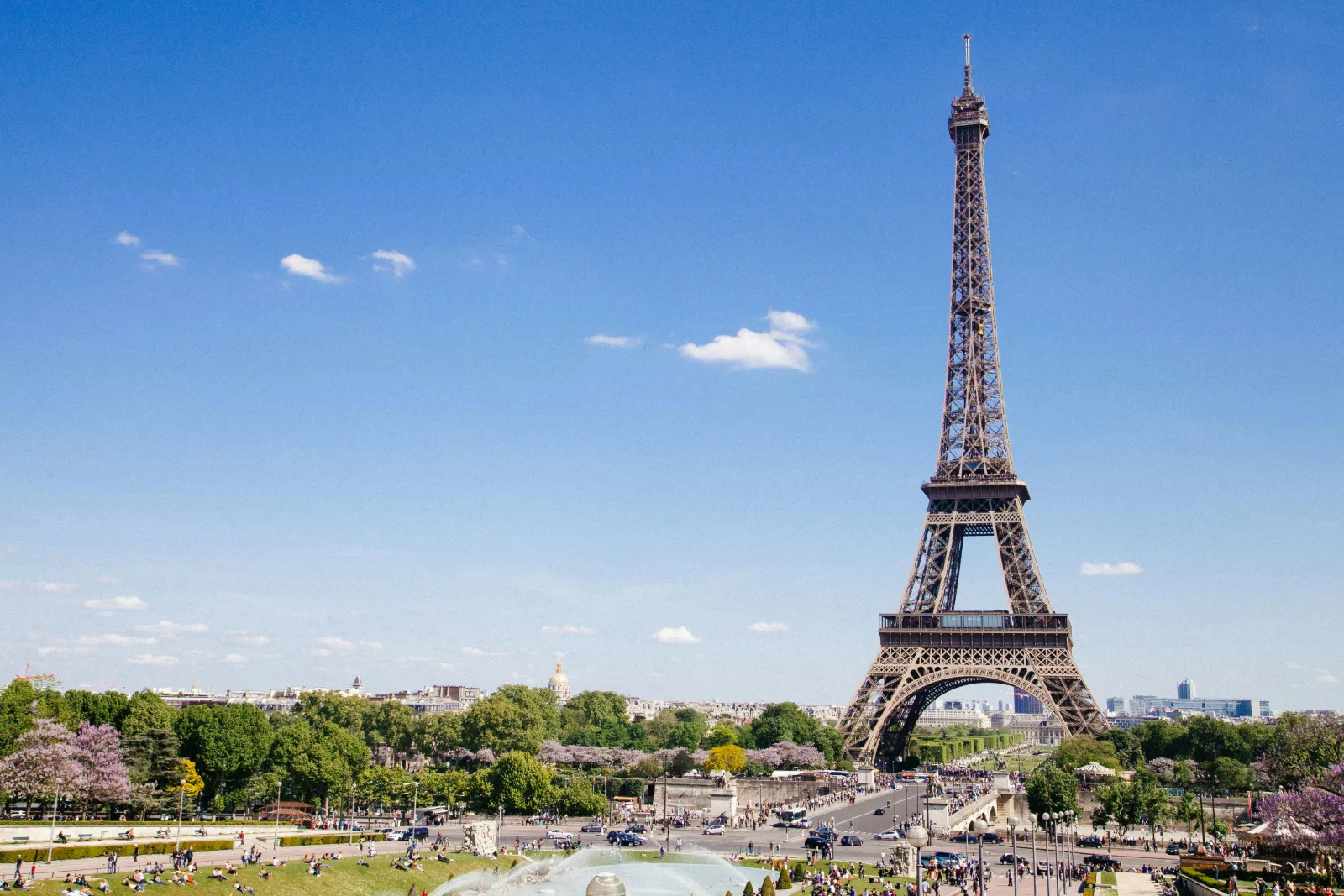
Eiffel Tower in Paris standing above green trees on a bright clear day

This is the trip most people picture: the Eiffel Tower, the Louvre and Versailles in Paris; lakes and Alps in Switzerland, reached by scenic trains; then Rome's Colosseum and Vatican City, Florence and the canals of Venice. It suits first-timers, honeymooners and families who want the famous sights. The trade-off is cost and crowds: Paris and Switzerland sit at the expensive end of Europe, and the Italian cities are very busy in summer. Couples can also compare our round-up of honeymoon destinations from Nepal.

Switzerland and the Alps

Why fly from Nepal to see mountains? The answer is access. In the Swiss Alps a train takes you to high viewpoints without trekking: the Jungfraujoch station sits at 3,454 metres and is the highest railway station in Europe, according to the operator, Jungfrau Railways. Grandparents and young children can see glaciers in the morning and be back by a lake for lunch, though it is cold at the top even in July. Austria's Tyrol and the Italian Dolomites offer similar scenery, often at better value.

Central Europe: Prague, Vienna and Budapest
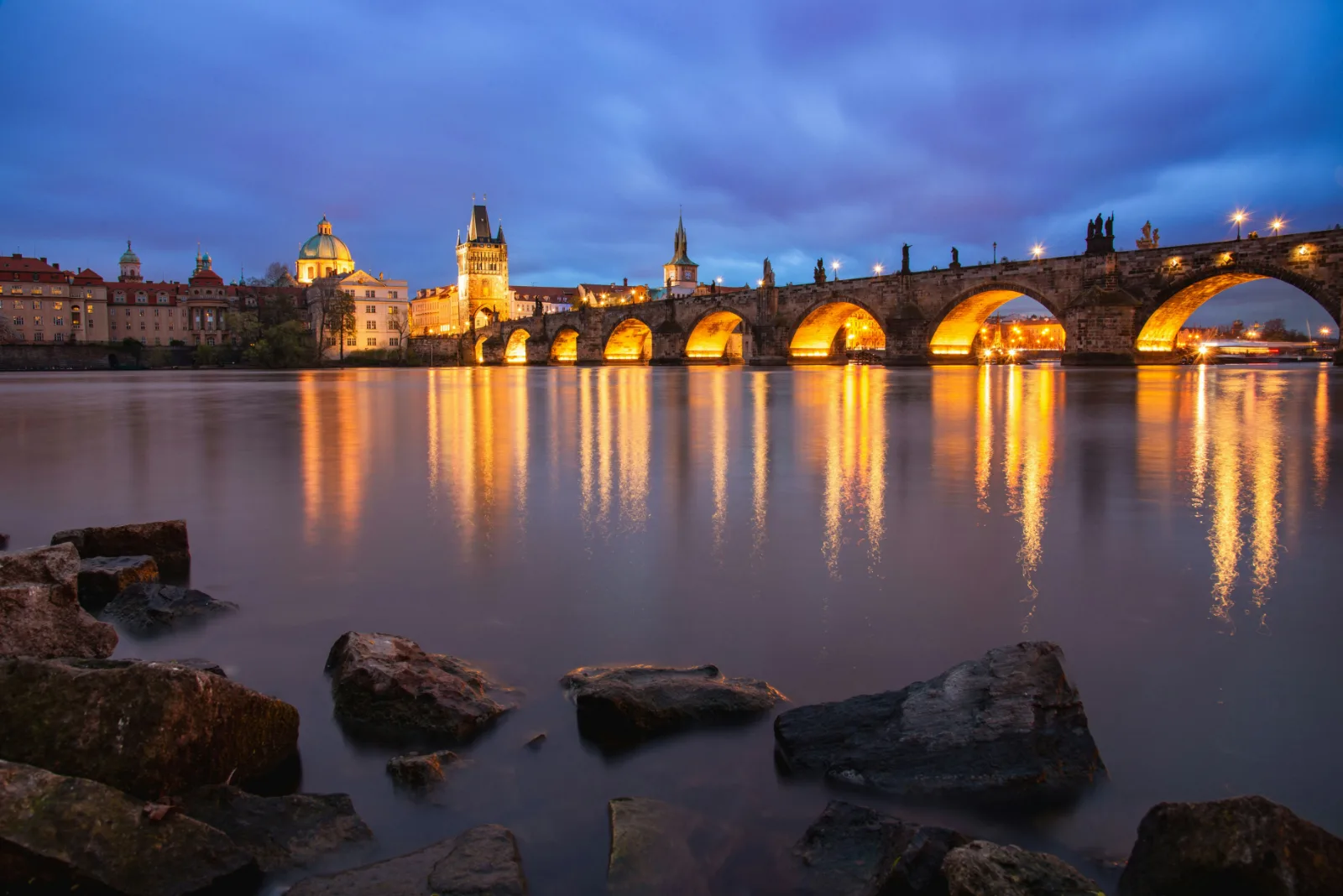
Charles Bridge and the Vltava River in Prague lit up in the evening

Prague's Old Town and Charles Bridge, Vienna's palaces and Budapest's Danube views and thermal baths form a compact triangle linked by direct trains. Restaurants and hotels cost noticeably less than in Paris or Zurich, which makes it a strong choice for budget-conscious couples, friends and December Christmas market trips.

Mediterranean: Spain, Portugal, Italy and Greece

Barcelona's Sagrada Familia, Madrid's museums, Seville's old quarter, Lisbon's hills and trams, and the Greek islands are the draws here. This is the warm side of Europe, best in late spring and early autumn, as summers are hot and crowded. Portugal and Spain combine well, and Greece works as an island trip on its own.

Nordic: Norway, Sweden, Denmark, Finland and Iceland

Fjords, the midnight sun in summer and the northern lights in winter make the Nordic countries a second or third Europe trip for many people. Visit Norway says the northern lights can be seen from October through March in Northern Norway (Visit Norway). These are among Europe's most expensive countries, with long distances, so plan fewer bases.

RegionMain countriesBest forRelative costWatch out for
Western classicFrance, Switzerland, ItalyFirst trip, honeymoon, famous sightsHigh (Switzerland very high)Summer crowds, Alpine train times
AlpsSwitzerland, Austria, northern ItalyScenery, families, older parentsHigh to very highWeather at altitude, mountain railway closures in shoulder months
Central EuropeCzechia, Austria, Hungary, PolandValue, history, Christmas marketsMedium (Austria higher)Cold, dark winters
MediterraneanSpain, Portugal, Italy, GreeceWarm weather, food, beachesMediumHeat and crowds in July and August
NordicNorway, Sweden, Denmark, Finland, IcelandFjords, midnight sun, northern lightsVery highLong distances, short winter days

How long should your first Europe trip be?

Ten to fourteen nights is the most comfortable length for a first Europe trip from Nepal, covering two or three countries in one region. The long journey takes most of a day in each direction, so a trip shorter than a week leaves little time on the ground, and anything longer than three weeks needs a careful look at the dates your visa allows.

These are region combinations, not day-by-day plans.

Trip lengthRealistic scopeRegion combinations that workSuits
7 to 9 nightsOne country, or two close neighboursParis and Switzerland; Italy only (Rome, Florence, Venice); Prague and ViennaShort leave, a first taste
10 to 12 nightsTwo or three countries in one regionParis, Switzerland and northern Italy; Prague, Vienna and Budapest; Spain and PortugalMost first-timers, honeymooners
13 to 16 nightsThree or four countries, one region plus a neighbourAmsterdam, Paris, Switzerland and Italy; Central Europe plus the Austrian Alps; Italy plus a Greek islandFamilies with school holidays, diaspora visits combined with sightseeing
17 to 21 nightsTwo regions, or one region in depthWestern classic plus Central Europe; Norway's fjords plus Denmark and Sweden; a slow Mediterranean loopRetired parents, repeat visitors

Rules of thumb for pacing

  • Stay at least two nights, ideally three, in each base. Every move costs half a day.
  • Count the first and last days as travel days. You will be tired after the journey from Kathmandu.
  • Use day trips instead of extra hotel changes. Versailles from Paris or Salzburg from Vienna work well by train.
  • Jet lag is mild going west. Europe is behind Nepal, so early mornings feel natural; coming home is harder.

When is the best time to visit Europe?

May, June and September are the best all-round months to visit Europe, with mild weather, long days and fewer crowds than July and August. The right month also depends on the region: the Mediterranean is pleasant into October, the Alps have two seasons (summer for hiking and railways, winter for snow), and the Nordic countries swap the midnight sun for the northern lights.

RegionBest monthsPeak and busiestQuieter or harder months
Western Europe (France, Benelux, Germany)May, June, SeptemberJuly, August; Christmas markets in DecemberJanuary to March: cold, short days, fewer crowds
Alps (Switzerland, Austria)June to September for scenery; December to March for snowJuly, August; school holidays in winterApril, May and November: some lifts and mountain railways pause
Mediterranean (Italy, Spain, Portugal, Greece)April to June, September to OctoberJuly, August: hot and crowdedNovember to March: mild in the south, many island ferries reduced
Central Europe (Czechia, Hungary, Poland)May to SeptemberSummer weekends; December marketsJanuary, February: cold and dark
Nordic (Norway, Sweden, Finland, Iceland)June to August for long days; October to March for northern lightsJulyNovember to January: very short days in the north

Does Europe work for Dashain and Tihar?

Yes, and it is one of the better matches. Dashain and Tihar usually fall between late September and November, which is autumn in Europe. Early October is still warm in Spain, Portugal, southern Italy and Greece, and Central Europe has autumn colours with fewer crowds than summer. Further north it turns cool and wet, but the northern lights season begins. The festival break is the busiest booking window from Kathmandu, so flights fill early: start planning months ahead. Our guide to Dashain and Tihar holidays abroad compares Europe with closer options for the festival break.

One small detail: the EU's clocks go back on the last Sunday of October, so the time difference with Nepal grows by an hour midway through many festival trips. Check your train and flight times on the day.

Summer, Christmas and special dates

  • July and August bring Europe's school holidays and the highest demand; in August some small restaurants in France and Italy close while beaches fill up.
  • Late November and December bring the Christmas markets of Germany, Austria, Czechia and Alsace.
  • Venice charges day visitors aged 14 and over an access fee on selected days; in 2026 these fell between 3 April and 26 July, and overnight guests were exempt (The Local Italy). Check the calendar for the year you travel.

How do you get around Europe between cities?

Trains are the best way to travel between most European cities on a first trip, with low-cost airlines for long distances and buses as the budget option. City centre stations save airport trips, and many high-speed routes beat flying door to door.

ModeBest forWatch out for
High-speed and intercity trainsCity pairs up to about 5 to 6 hours apart, such as Paris to Zurich or Vienna to PragueReservations often needed; book popular routes early
Night trainsLong journeys that save a hotel nightLimited routes; sleeper berths sell out
Low-cost airlinesLong hops, such as Prague to Barcelona or reaching islandsStrict bag rules, airports far from the city, extra charges
Long-distance busesThe lowest cost between nearby citiesSlower; traffic delays
FerriesGreek islands, the Baltic, Italy to GreeceReduced timetables outside summer
Rental carCountryside, Tuscany, Iceland, Norway's fjordsLicence rules, tolls, city parking, unfamiliar road rules

Rail passes: Eurail is now Interrail

If you have read older guides, note the change. From September 2026 the Eurail brand became part of Interrail (the switch took effect on 9 to 10 September), and both European and non-European residents now travel with the same Interrail Pass, according to Interrail's help centre. Passes bought under the Eurail name before the change stay valid on their existing terms. The Global Pass covers 33 countries, and a One Country Pass covers a single country.

A pass is not a free ride on every train. Interrail says you pay an extra fee to reserve a seat or sleeper on high-speed trains, night trains and popular routes. A guide updated by Afar in September 2026 notes that in France, Spain and Italy you will need an advance seat reservation on high-speed trains. A pass pays off for several long journeys on flexible dates; for two or three fixed journeys, advance point-to-point tickets are often cheaper.

Scenic trains and mountain railways in Switzerland
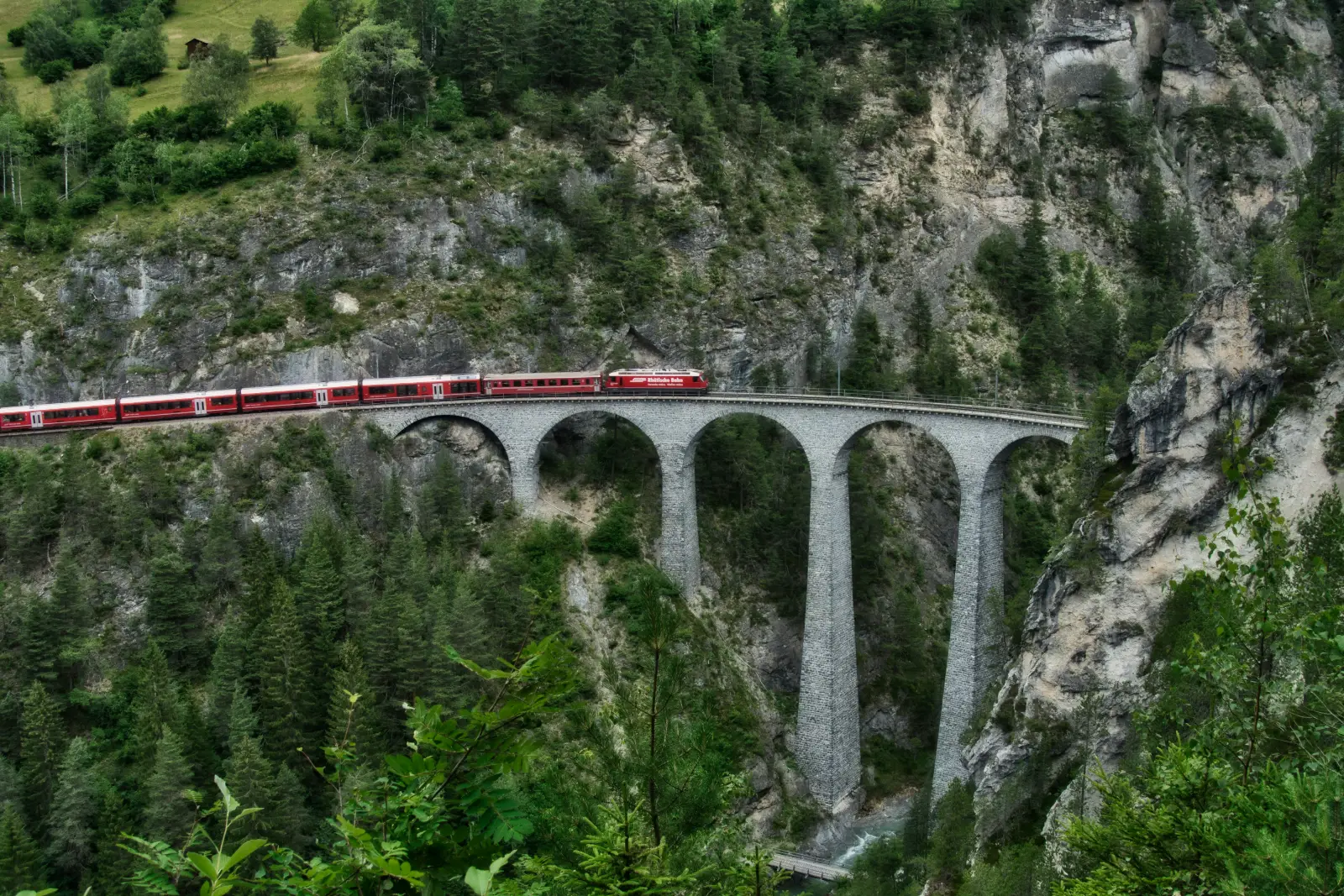
Red train crossing the stone Landwasser Viaduct near Filisur in the Swiss Alps

Switzerland has its own national travel pass and some of Europe's most famous scenic lines, such as the Glacier Express and the Bernina Express, which need seat reservations. Mountain railways and cable cars to high viewpoints are often only discounted with a pass, so check what yours includes.

Low-cost airlines and buses

Low-cost airlines such as Ryanair, easyJet and Wizz Air connect cities that are far apart by train. The headline fare usually includes only a small under-seat bag; larger bags and seat selection cost extra, and many fly from secondary airports far from the city. Coach networks such as FlixBus are the cheapest, slowest option between nearby cities.

Getting around inside cities

Metros, trams and buses are good in every major European city, and many accept contactless cards or phone payments. Our guide to the best travel apps covers maps, translation and booking tools worth installing before you leave.

What does a Europe trip cost, and where can you save?

The cost of a Europe trip from Nepal is driven mainly by the return flight from Kathmandu, accommodation and intercity travel, and the country you choose can change the daily budget dramatically. Switzerland, Iceland, Norway and Denmark are the most expensive; Portugal, Czechia, Hungary, Poland and the Balkan countries cost much less day to day. We quote no prices, because they change with season, exchange rate and booking time.

How a Europe budget is built

Cost categoryWhat drives itHow to keep it down
Return flights from KathmanduSeason (Dashain, Tihar and summer are peak), booking time, hub, one ticket or twoBook early, compare Gulf, Istanbul and Delhi routings, be flexible by a few days
Visa and travel insuranceVisa charges set by the authorities; insurance cost depends on age, cover and trip lengthUse official channels only, avoid paying middlemen for things you can do yourself
AccommodationCity, season, location, room type; many cities add a nightly tourist taxStay near a metro line rather than in the centre, consider apartments for families
Intercity transportTrain type, reservations, how early you book, bag fees on low-cost flightsBook fixed journeys early, travel light, compare pass and point-to-point tickets
Local transportCity size, number of ridesDay passes or contactless capping where available, walk the old towns
FoodRestaurant meals versus supermarkets and bakeriesBig lunch, light dinner; supermarkets for breakfast and snacks
Attractions and mountain excursionsEntry tickets, timed slots, Alpine railways and cable carsChoose a few big-ticket sights, look for free museum days and city cards
Phone, data and contingencyRoaming versus an eSIM; delays and medical needsA Europe-wide eSIM; a reserve fund and a second card

Cheaper and pricier countries, by the numbers

Eurostat compares price levels across Europe with an index where the EU average is 100. A country at 160 is about 60 percent more expensive than average; one at 60 is about 40 percent cheaper. These are index values, not prices, and they show relative cost only.

CountryOverall household price level (EU = 100)Restaurants and accommodation (EU = 100)
Iceland173.5173.2
Switzerland171.3163.1
Denmark139.7142.0
Norway128.6139.7
Austria113.0116.8
France110.3116.0
Italy97.1110.8
Germany108.3108.4
Greece87.486.1
Spain91.685.4
Poland73.380.5
Portugal86.673.6
Czechia89.469.5
Romania65.159.4
Bulgaria62.555.7

Source: Eurostat, comparative price levels, reference year 2025 (dataset prc_ppp_ind_1, data released June to July 2026). Checked: 12 Oct 2026. Eurostat updates these figures yearly.

A week in Portugal or Czechia stretches much further than a week in Switzerland or Norway, and on the Western classic route Italy is cheaper than France and far cheaper than Switzerland for hotels and meals.

Money, cards and currency

The euro is used in 21 EU countries since Bulgaria joined the euro area on 1 January 2026 (European Central Bank). Several popular countries keep their own currency: Switzerland and Liechtenstein (Swiss franc), Czechia (koruna), Hungary (forint), Poland (zloty), Denmark, Sweden, Norway and Iceland (their own krone or krona), Romania (leu) and the UK (pound sterling). Cards are accepted almost everywhere, but carry a little cash for markets and small towns.

Nepal's rules limit how much foreign currency you can carry and how it is issued, so read our explainer on the foreign currency limit from Nepal before you exchange money. Tell your bank about your travel dates so international card payments are not blocked, and when a card machine offers to charge you in Nepali or other home currency, choose the local currency instead, which usually avoids a poor conversion rate.

What should you pack and prepare before leaving Kathmandu?

Before leaving Kathmandu, make sure your passport, visa, travel insurance, money plan and bookings line up, then pack layers, comfortable walking shoes and a plug adapter for the countries you will visit. Our pre-trip checklist covers the general steps for any international trip; the points below are specific to Europe.

  • Passport. Check its validity and condition well before you plan. If you need a new one, our Nepal e-passport guide explains the process and timing.
  • Travel insurance. Schengen visa rules require travel medical insurance that is valid across the whole Schengen area for your entire stay, with a minimum level of cover set in EU law. Our guide to travel insurance from Nepal explains what to look for in a policy, including cover for older parents and pre-existing conditions.
  • Medicines. Carry prescription medicines in original packaging with a copy of the prescription, in hand luggage.
  • Copies. Keep scans of your passport, visa page, insurance and bookings on your phone and in cloud storage.

Which plugs are used in Europe?

Most of continental Europe uses Type C and Type F plugs (two round pins) at 230 volts and 50 hertz, the same voltage as Nepal, so you need an adapter but not a voltage converter. Many Nepali chargers already have two-pin Type C plugs that fit.

CountryPlug typesDoes a Nepali Type C plug fit?
Germany, Austria, Netherlands, Spain, Portugal, Greece, Norway, SwedenC, FYes
France, Belgium, CzechiaC, EYes
ItalyC, F, LYes in most sockets
Switzerland, LiechtensteinJ (also accepts C)Yes for slim two-pin plugs; thick F plugs need an adapter
DenmarkC, F, KYes
United Kingdom, Ireland, Malta, CyprusG (three rectangular pins)No, bring a Type G adapter
Nepal (for reference)C, D, M at 230 V, 50 Hz

Checked: 12 Oct 2026, WorldStandards, plug and voltage by country.

Food you should not pack

Many Nepali travellers pack food from home for relatives. Be careful: under EU rules, travellers arriving from outside the EU may not bring in meat, milk or products made from them, with narrow exceptions such as some powdered infant milk and special medical foods (European Commission, personal imports). That rules out sukuti and other dried meat, ghee, chhurpi, paneer and milk sweets. Dry snacks such as spices, tea, dalmoth and chiura are generally a safer choice, but declare anything you are unsure about. On the return journey, our guide to the Nepal customs allowance explains what you can bring back duty free.

What clothes to pack for Europe

  • Spring and autumn: layers and a light waterproof jacket.
  • Summer: light clothes for the south, a jacket for the Alps; cover shoulders and knees for churches such as St Peter's Basilica.
  • Winter: a proper coat, gloves and waterproof shoes.
  • All year: worn-in walking shoes for cobbled old towns.

On departure day in Kathmandu

Airline staff check your visa at the counter, so arrive early, and read our Kathmandu airport international departure guide for the check-in, immigration and security steps at Tribhuvan International Airport.

What mistakes do first-time Europe travellers make?

The most common first-trip mistakes are trying to see too many countries, booking non-refundable travel before the visa is settled, and underestimating travel days between cities. Most of them come from planning Europe as if it were one destination, when it is really many countries with different prices, rules and distances.

  1. Too many countries. Six countries in ten days means living on trains. Two or three is enough.
  2. Paying for everything before the visa is settled. Keep flights and hotels flexible or refundable until then.
  3. Forgetting train reservations. A pass does not guarantee a seat on high-speed and night trains.
  4. Ignoring low-cost bag rules. Adding bags at the airport can cost more than the ticket.
  5. Ignoring pickpockets. Crowded metros and sights are where it happens; wear a zipped bag in front.
  6. Losing track of days. Frequent visitors should use the official 90/180 calculator, not guesswork.
  7. Forgetting Sundays. In many countries shops close on Sundays and public holidays, and many museums close one weekday.
  8. Expecting the Schengen visa to cover the UK. London needs its own visa.
  9. Packing too much. Station stairs and cobbled streets punish big suitcases.

Dos and don'ts in Europe

DoDon't
Validate paper tickets where required before boarding regional trains and busesAssume a ticket bought on board will be accepted; fines are common
Greet shopkeepers with a simple hello in the local languageTalk loudly on trains, especially in quiet carriages
Carry your passport with the visa when crossing bordersRely on a photocopy at a border check
Check local tipping customs, which vary by countryAssume service is always included or never included

Visiting family in Europe

Many Nepali families now have children, siblings or relatives studying and working in Europe and the UK, and a visit to them is often the first Europe trip for parents. A few points make these trips easier.

  • The visit is still a short stay. Parents visiting a son or daughter in Portugal or Germany fall under the same Schengen short-stay rules as tourists, including the 90/180 limit. Your relative can help with information the embassy asks for, but check the embassy's own page for what applies.
  • Relatives with residence permits can travel with you. According to the EU's Schengen FAQ, a residence permit issued by one Schengen country lets its holder travel in other Schengen countries within the short-stay limit, so your relative can join a sightseeing trip to Paris or Switzerland without a separate visa (EEAS, Schengen area FAQ). This does not apply to a UK residence permit, whose holders follow the visa rules for their own nationality.
  • Book assistance for older parents. Request wheelchair or walking assistance through the airline booking in advance.
  • Leave gifts of ghee and sukuti at home. EU rules do not allow them, as explained above.
  • Planning the return visit too? Relatives in Europe coming home can check the best time to visit Nepal.

If you would rather have flights, hotels and trains arranged in one place, our note on how to choose a travel agency in Nepal explains what to check before paying anyone.

Frequently asked questions

Do Nepali citizens need a visa for Europe?

Yes. Nepali citizens need a Schengen short-stay visa to visit any of the 29 Schengen countries, including France, Germany, Italy and Switzerland. The UK, Ireland and Cyprus are outside Schengen and have their own visa rules. Check the European Commission's visa policy page and the embassy of your main destination for current requirements before you book anything.

Is there a direct flight from Kathmandu to Europe?

Not into the Schengen area. On 12 October 2026, schedule data showed the only non-stop route from Kathmandu to a European city was Turkish Airlines to Istanbul, about 8 hours, and Turkey is outside Schengen. Most travellers to Europe from Nepal connect once in Doha, Dubai, Sharjah, Abu Dhabi, Istanbul or Delhi.

Which is the cheapest European country to visit?

Among EU countries, Bulgaria and Romania have the lowest price levels for restaurants and accommodation in Eurostat's 2025 comparison, followed by Czechia and Portugal. Outside the EU, North Macedonia and Albania are cheaper still. Switzerland, Iceland, Norway and Denmark are the most expensive, so the same budget lasts far longer in Central or Southern Europe.

How many days are enough for a Europe trip?

Ten to fourteen nights is a comfortable first Europe trip from Nepal, enough for two or three countries in one region, such as France, Switzerland and Italy. Seven to nine nights suits one country or two close neighbours. The journey from Kathmandu takes most of a day each way, so very short trips leave little time.

What is the 90/180 rule in the Schengen area?

The 90/180 rule limits short stays in the Schengen area to 90 days in any 180-day period. For each day of your stay, count back 180 days and add up every day spent inside the area, including entry and exit days. The total must not exceed 90. Your visa can set a shorter limit, and it always applies.

Is the UK part of Schengen?

No. The United Kingdom is not part of the Schengen area, so a Schengen visa does not allow entry to the UK. Nepal is on the UK's visa national list, which means Nepali citizens need a separate UK visa before travelling. A trip combining Paris and London therefore needs two different visas, planned well in advance.

Is Switzerland in Schengen?

Yes. Switzerland is one of four non-EU countries in the Schengen area, with Iceland, Norway and Liechtenstein, so a Schengen visa covers it. Switzerland is not in the EU and does not use the euro: its currency is the Swiss franc. Its plugs are Type J, which also accept slim two-pin Type C plugs.

When is the cheapest time to travel to Europe?

Europe is usually cheapest from November to March, outside Christmas and New Year, when city hotels are quieter. From Nepal, also avoid the Dashain and Tihar peak, when flights from Kathmandu fill early. Late April, May and late September often give the best balance of reasonable prices, good weather and smaller crowds.

Is a Eurail pass worth it?

Eurail became part of Interrail in September 2026, so travellers from Nepal now buy an Interrail Pass. A pass is worth it if you plan several long train journeys on flexible dates. High-speed and night trains need paid seat reservations on top. For two or three fixed journeys, advance point-to-point tickets are often better value.

What plug type is used in Europe?

Most of continental Europe uses Type C and Type F plugs at 230 volts and 50 hertz, the same voltage as Nepal, so you need only an adapter. The UK, Ireland, Malta and Cyprus use three-pin Type G. Switzerland uses Type J and Italy also uses Type L, though both accept slim Type C plugs.

Europe jana kati din lagcha?

Kathmandu bata Europe pugna ek stop sahit samanya taur ma 14 dekhi 16 ghanta lagchha, Doha, Dubai, Istanbul wa Delhi hudai. Pahilo Europe trip ko lagi 10 dekhi 14 rat thik huncha, ek region ka dui wa tin desh herna. Schengen visa ko lagi pani samaya chahincha, tesaile dherai mahina agadi planning suru garnus.
Tags
Europe
Share
G
Gomayu Team
Writer at Gomayu
Keep reading