

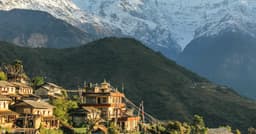



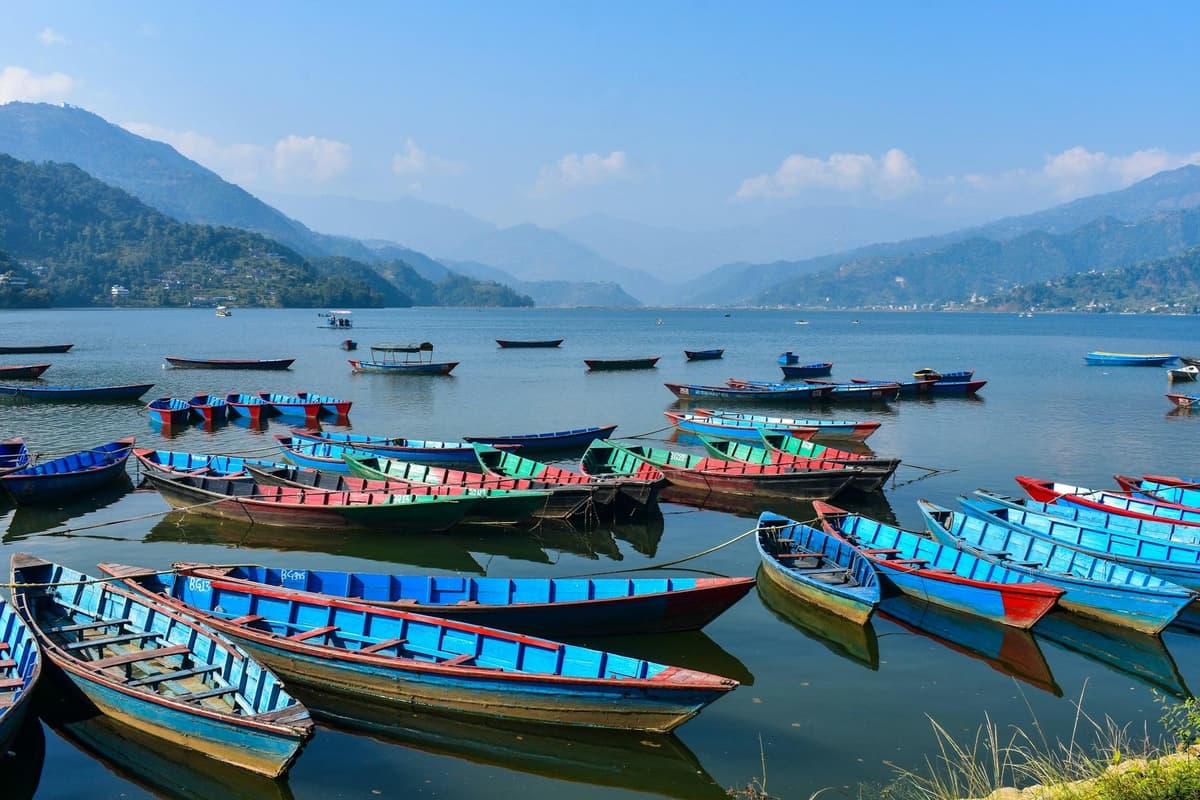
Short answer: the best time to visit Nepal is October to November, after the monsoon, when skies are at their clearest and the weather is what Nepal's Department of Hydrology and Meteorology (DHM) calls "pleasant". February to April is the second window, with warmer days, rhododendron forests in flower and good trekking, though haze can soften the mountain views. December and January are dry and clear but cold in the hills, with morning fog in the Terai. June to September is the monsoon: green, rainy and slow for roads and mountain flights, but the right time for rain-shadow trips to Upper Mustang and Manang.
This guide works through Nepal region by region and month by month, with climate figures for six places, festival dates for 2026 and 2027, and advice for families, couples, pilgrims, trekkers and Nepalis coming home from abroad. Once you have your dates, compare trips on our Nepal tours page or ask our Kathmandu team for a quote.
When is the best time to visit Nepal overall?
For most trips, from a family break in Pokhara to a trek in the Everest region, October and November are the safest choice. The rain has mostly stopped (in a typical November, Kathmandu gets almost none), valley days are warm and nights are cool. These are also the busiest months. In 2025, October brought more international visitors to Nepal than any other month, followed by March and April (Nepal Tourism Board figures), and Dashain and Tihar fill buses, flights and hotels with Nepali families on holiday. If you want a little more space, late February to April is the best alternative.
| Region | Best months | Hardest months | Note |
|---|---|---|---|
| Kathmandu Valley | October to November, February to April | July to August (wettest), winter mornings (fog) | Heritage sites and festivals all year |
| Pokhara | October to November, February to April | June to September | Very wet in the monsoon: a typical July brings about 886 mm |
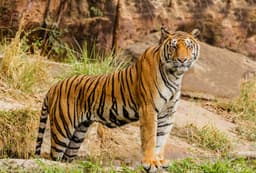
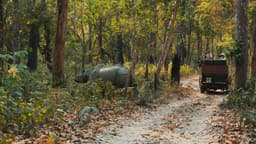
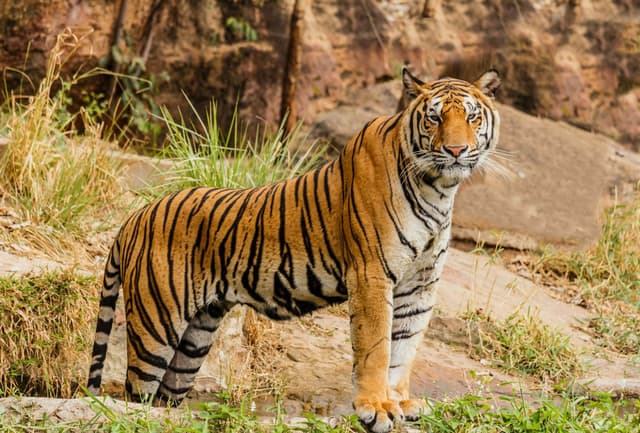
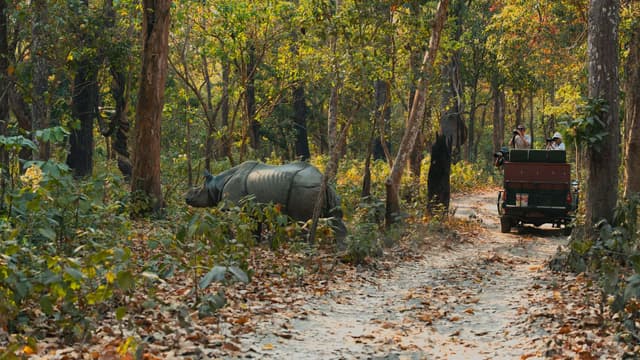
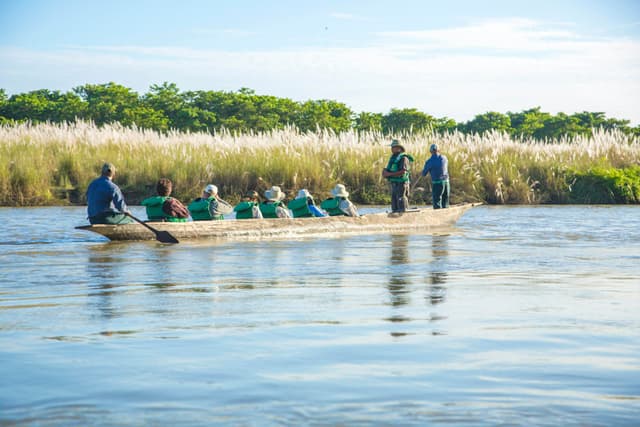
| Chitwan | October to March | May to June (heat), July to around Dashain | Core-park jeep safaris pause in the monsoon; buffer-zone safaris keep running |
| Bardiya | October to March | April to June (very hot), July to September (rain) | The Nepal Tourism Board gives October to March as the best season |
| Lower Mustang and Muktinath | March to May, October to November | December to February | Winter snow can block the Kagbeni to Muktinath road for days |
| Upper Mustang | Late spring to autumn, including the monsoon | December to February | In the rain shadow; Lo Manthang sits at 3,840 m |
| Manang and Thorong La | March to May, October to November | December to February | Thorong La is often blocked by snow in winter |
| Everest and Annapurna treks | October to November, March to May | June to September, and winter at height | Lukla flights are often grounded by monsoon fog and rain |
In Nepal, height matters as much as the calendar. In January, Lukla (2,786 m) averages -2.9 °C at night, while in May, Nepalgunj (165 m) averages a daytime high of 37.9 °C. So the real question is not only "which month?" but "which month, for where?"
How do Nepal's seasons and the monsoon work?
DHM divides Nepal's year into four seasons. The spring and autumn of everyday talk are DHM's pre-monsoon and post-monsoon seasons.
| Season (DHM) | Months | How DHM describes it | What it means for your trip |
|---|---|---|---|
| Winter | December to February | Coldest and driest season | Clear, dry days; cold nights in the hills; fog and cold waves in the Terai |
| Pre-monsoon | March to May | Hot weather and thunderstorms | Rhododendrons, good trekking, forest-fire haze, strong Terai heat by May |
| Monsoon | June to September | Rainy, hot and humid | Green landscapes, landslides and flight delays; best for rain-shadow areas |
| Post-monsoon | October to November | Pleasant weather | Clearest views, main festival and trekking season |
When does the monsoon start and end in Nepal?
According to DHM, the monsoon normally reaches Nepal on 13 June and withdraws on 2 October, a season of about 112 days. It enters from the east, which is closer to the Bay of Bengal, and spreads west. At the end it pulls back step by step from the west and leaves eastern Nepal last.
Recent years have ended late. In 2024 the monsoon left eastern Nepal on 12 October, ten days after the normal date, and in 2025 on 10 October, eight days late, according to DHM's 2025 monsoon report. The start moves too: in 2025 it arrived on 29 May, fifteen days early, and in 2026 on 19 June, six days late. The practical lesson: the first ten days of October can still be wet, so keep a spare day around early-October flights and treks.
Roughly 80% of Nepal's yearly rain falls in June to September. Worked out from DHM's district averages for 1981 to 2010, the share is about 82% in Chitwan, 85% in Bardiya and about 65% in Mustang.
What is a rain shadow, and why does it matter?
The high Himalaya blocks most monsoon clouds, so the land north of the main range, including Mustang, Manang and Dolpa, stays dry while the rest of Nepal is soaked. Upper Mustang sits in the rain shadow of the Annapurna and Dhaulagiri ranges. On DHM's 1991 to 2020 averages, Jomsom gets about 292 mm of rain a year, while Kathmandu airport gets about 1,502 mm, roughly five times as much, and DHM notes that Mustang has Nepal's lowest monsoon rainfall, under 200 mm. That is why June to September can suit Upper Mustang and Manang. The catch is getting there: the roads pass through wetter hills where monsoon landslides are common.
What is Nepal's weather like month by month?
The tables cover six places: Kathmandu and Pokhara, Bharatpur for Chitwan, Nepalgunj for Bardiya, Jomsom for Lower Mustang and Muktinath, and Lukla for the Everest region.
Average daily high (°C)
| Month | Kathmandu | Pokhara | Bharatpur (Chitwan) | Nepalgunj (Bardiya) | Jomsom (Mustang) | Lukla (Everest) |
|---|---|---|---|---|---|---|
| January | 18.5 | 20.5 | 22.1 | 20.1 | 10.4 | 8.3 |
| February | 21.4 | 23.3 | 26.1 | 25.5 | 11.8 | 8.9 |
| March | 25.4 | 27.1 | 31.5 | 31.2 | 15.2 | 13.3 |
| April | 28.4 | 29.7 | 35.4 | 36.6 | 18.6 | 16.6 |
| May | 28.7 | 30.2 | 36.1 | 37.9 | 20.6 | 16.7 |
| June | 29.7 | 31.4 | 34.9 | 36.6 | 22.6 | 17.7 |
| July | 28.7 | 30.7 | 33.5 | 33.8 | 22.8 | 18.4 |
| August | 29.2 | 31.1 | 33.6 | 33.6 | 22.6 | 18.6 |
| September | 28.6 | 30.3 | 33.2 | 33.3 | 21.3 | 18.6 |
| October | 27.0 | 28.5 | 32.0 | 31.8 | 18.0 | 16.8 |
| November | 23.1 | 24.9 | 28.4 | 28.3 | 14.8 | 13.8 |
| December | 19.4 | 21.5 | 24.0 | 23.1 | 12.3 | 11.1 |
Sources: Kathmandu and Pokhara from NOAA station data, 2015 to 2024. Bharatpur, Nepalgunj, Jomsom and Lukla from the Department of Hydrology and Meteorology (DHM), 1991 to 2020 averages. Nights are much colder: in January, Kathmandu averages 3.9 °C at night and Jomsom -1.9 °C.
Average monthly rainfall (mm)
| Month | Kathmandu | Pokhara | Nepalgunj (Bardiya) | Jomsom (Mustang) | Lukla (Everest) |
|---|---|---|---|---|---|
| January | 3 | 6 | 23 | 14 | 15 |
| February | 9 | 19 | 23 | 21 | 17 |
| March | 45 | 94 | 16 | 30 | 45 |
| April | 63 | 121 | 20 | 21 | 59 |
| May | 101 | 299 | 59 | 19 | 128 |
| June | 211 | 621 | 209 | 32 | 325 |
| July | 416 | 886 | 483 | 47 | 530 |
| August | 320 | 809 | 397 | 44 | 642 |
| September | 280 | 770 | 186 | 36 | 419 |
| October | 64 | 293 | 47 | 18 | 103 |
| November | Almost none | No reliable figure | 4 | 5 | 6 |
| December | Almost none | Almost none | 8 | 5 | Under 1 |
Sources: Kathmandu and Pokhara from NOAA station data, 2015 to 2024, showing a typical month (the median), so "almost none" means nearly dry, not that it never rains. Nepalgunj, Jomsom and Lukla from DHM, 1991 to 2020 averages. Chitwan is left out because we could not confirm the period of the published figures; about 82% of its yearly rain falls in June to September (DHM district averages). Years vary, so read these as likelihoods, not a forecast.
What is the best time to visit Nepal each month?
"How busy" combines international arrivals with Nepali holiday travel, which peaks around Dashain and Tihar.
| Month | Best for | Weather | How busy | Highlights |
|---|---|---|---|---|
| January | Kathmandu Valley, Chitwan, Bardiya | Dry, coldest month, Terai fog | Quieter | Quiet heritage sites |
| February | Kathmandu, Pokhara, Chitwan, Bardiya | Dry, warming up | Quieter, rising | Sonam Lhosar |
| March | Treks, Pokhara, early rhododendrons | Warm, some storms, haze | Busy | Maha Shivaratri, Gyalpo Lhosar, Holi |
| April | Treks, rhododendron forests, Mustang | Warm in hills, hot in Terai, haze | Busy | Ghode Jatra, Nepali New Year |
| May | Mustang, Manang, high treks | Terai heat, pre-monsoon storms | Medium | Buddha Jayanti, Tiji |
| June | Upper Mustang, Manang | Monsoon arrives | Quieter | Green hills |
| July | Upper Mustang, Manang | Wettest month in most places | Quieter | Rain-shadow season |
| August | Upper Mustang, Manang | Wet and humid | Quieter | Janai Purnima |
| September | Upper Mustang, Kathmandu festivals | Rain easing late | Quieter, rising | Teej, Indra Jatra |
| October | Almost everywhere | Clear and pleasant once the rain ends | Busiest | Dashain, peak trekking |
| November | Almost everywhere, high treks | Dry, clear, cooler nights | Busy | Tihar, Chhath, Mani Rimdu |
| December | Kathmandu, Pokhara, Chitwan, lower treks | Dry, cold nights, Terai fog | Medium | Tamu Lhosar |
January
January is Nepal's coldest month, and Jomsom and Lukla fall below freezing at night on average. Days are mostly dry and clear, good for Kathmandu Valley sightseeing and Chitwan, but dense morning fog can settle over the Terai and sometimes Kathmandu airport: on 29 January 2026, fog shut the airport from 7:20 a.m. Heavy snow blocked the Kagbeni to Muktinath road for about three days the same week.
February
February warms quickly, with average highs of 23.3 °C in Pokhara and 26.1 °C in Bharatpur, and stays dry, which makes it a good month for Pokhara and Chitwan before the Terai heat. Sonam Lhosar falls on 7 February 2027 and is a nationwide public holiday.
March
The rhododendron season, Nepal's national flower, runs through Chaitra and Baishakh, roughly mid-March to mid-May, and trekking picks up. Maha Shivaratri (6 March 2027), Gyalpo Lhosar (9 March 2027) and Holi (21 March 2027 in the hills, 22 March in the Terai) all fall this month. Forest-fire haze starts to build, so mountain views are less certain than in autumn.
April
April is warm in the hills (Kathmandu averages 28.4 °C) and already hot in the Terai (Nepalgunj 36.6 °C). It suits rhododendron forests, Mustang and spring treks, though forest-fire haze peaks late in the month. Ghode Jatra is on 6 April 2027 in the Kathmandu Valley, Nepali New Year 2084 is expected on 14 April 2027, and Bhaktapur's Bisket Jatra centres on the New Year.
May
May is the hottest month in the Terai: Nepalgunj averages 37.9 °C and goes above 40 °C on hot days. Mustang is at its best, with Jomsom averaging 20.6 °C and little rain. Buddha Jayanti is expected on 20 May 2027, and Tiji is held in Lo Manthang in the third month of the Tibetan calendar, usually around May or early June, with dates announced locally.
June
The monsoon normally arrives on 13 June (19 June in 2026). Rain jumps sharply, with Pokhara's typical June at about 621 mm, and mountain flights become unreliable: in June 2024, Lukla flights were cancelled for ten days because of fog and poor visibility. Upper Mustang and Manang begin their rain-shadow season.
July
July is the wettest month across most of Nepal, with a typical 416 mm in Kathmandu and 886 mm in Pokhara. Chitwan National Park pauses jeep safaris inside the core park from 1 July each year, while buffer-zone community forest safaris keep running. Jomsom averages only about 47 mm, so the rain-shadow valleys are the place to be.
August
August stays wet, and Lukla has its wettest month (642 mm on average). Upper Mustang is busy, as August and October are its peak visiting months. Janai Purnima is expected on 17 August 2027 (it fell on 28 August in 2026).
September
Rain eases through September but is still heavy in places such as Pokhara. Kathmandu has Teej (expected 3 September 2027; 14 September in 2026) and Indra Jatra (expected 14 September 2027; 25 September in 2026). Dashain 2027 is expected to start early, with Ghatasthapana on 30 September.
October
October is Nepal's peak month. Once the monsoon withdraws, DHM's "pleasant" post-monsoon weather sets in, but recent withdrawals came around 10 to 12 October and Pokhara's typical October still brings about 293 mm, so the second half of the month is the safer bet for clear views. On 2 October 2026, DHM said the monsoon was gradually retreating and could withdraw completely by Dashain. Dashain 2026 runs from Ghatasthapana on 11 October to Tika on 21 October.
November
November is usually the driest of the clear months. Tihar runs from 7 to 11 November 2026, followed by Chhath on 15 November, and according to the Nepal Tourism Board, Mani Rimdu at Tengboche (3,867 m) takes place in November and lasts three days. Weather can still turn: in late October and early November 2025, rain and fog grounded Lukla flights for three days, and snowfall turned trekkers back at Thorong La until the route reopened in early November.
December
December is dry with cold nights. Days suit Kathmandu, Pokhara, Chitwan and lower treks, but the Terai cold wave usually starts around mid-December, with fog that slows the East-West Highway and often delays flights. Tamu Lhosar falls on 30 December 2026, a nationwide public holiday, and Thorong La's snowy season begins.
When are Nepal's main festivals in 2026 and 2027?
Dates up to mid-April 2027 come from the official 2083 BS public holiday list in the Nepal Gazette, published by the Ministry of Home Affairs. Dates from Nepali New Year 2084 onwards are expected dates from the lunar calendar; the government publishes the official 2084 list later, so check it before you book.
| Festival | Where or what | Date | Public holiday? |
|---|---|---|---|
| Dashain: Ghatasthapana | First day of Dashain | 11 October 2026 | Yes, nationwide |
| Dashain: Fulpati to Dwadashi | Includes Maha Ashtami (18 Oct), Maha Navami (20 Oct) and Vijaya Dashami, Tika (21 Oct) | 17 to 23 October 2026 | Yes, nationwide |
| Tihar: Laxmi Puja and Kukur Tihar | Same day; Kaag Tihar is the day before (7 Nov) | 8 November 2026 | Yes; Tihar holiday runs 8 to 12 November |
| Tihar: Mha Puja and Govardhan Puja | Nepal Sambat 1147 new year | 10 November 2026 | Yes, nationwide |
| Tihar: Bhai Tika | Brothers and sisters | 11 November 2026 | Yes, nationwide |
| Chhath | Chhath Parva, after Tihar | 15 November 2026 | Yes, nationwide |
| Mani Rimdu | Tengboche Monastery, three days | November, per the Nepal Tourism Board (confirm dates locally) | No |
| Tamu Lhosar | New year festival | 30 December 2026 | Yes, nationwide |
| Sonam Lhosar | New year festival | 7 February 2027 | Yes, nationwide |
| Maha Shivaratri | Pashupatinath and Shiva temples | 6 March 2027 | Yes, nationwide |
| Gyalpo Lhosar | New year festival | 9 March 2027 | Yes, nationwide |
| Holi (Fagu Purnima) | Hills and mountains / 21 Terai districts | 21 March 2027 / 22 March 2027 | Yes, in those districts |
| Ghode Jatra | Kathmandu Valley | 6 April 2027 | Kathmandu Valley only |
| Nepali New Year 2084 | Baisakh 1 | 14 April 2027 (expected) | Expected, nationwide |
| Buddha Jayanti | Lumbini and Buddhist sites | 20 May 2027 (expected) | Expected, nationwide |
| Tiji | Lo Manthang, Upper Mustang | Tibetan third month, usually around May or early June (announced locally) | No |
| Janai Purnima | Sacred thread and Raksha Bandhan | 17 August 2027 (expected) | Expected, nationwide |
| Teej | Women's festival | 3 September 2027 (expected) | In 2026, for women employees only |
| Indra Jatra | Kathmandu | 14 September 2027 (expected) | Kathmandu Valley only |
| Dashain 2027 | Ghatasthapana; Vijaya Dashami on 9 October 2027 (expected) | 30 September 2027 (expected) | Expected, nationwide |
Travelling during Dashain and Tihar
Dashain and Tihar are the biggest travel weeks of the Nepali year. Buses and domestic flights out of Kathmandu fill up in the days before Fulpati and Tika, many businesses close around Tika day, and hotels in Pokhara and Chitwan get busy. For a family holiday in this window, book early and travel a day or two before the main rush.
What is the best time to visit each region of Nepal?
Kathmandu Valley
The Kathmandu Valley works all year, but October to November and February to April give the most comfortable days. Winter days are mild (18.5 °C in January) with cold, sometimes foggy mornings. July and August are the wettest months, yet the valley's festival season runs right through the monsoon, from Janai Purnima to Teej and Indra Jatra.
Pokhara
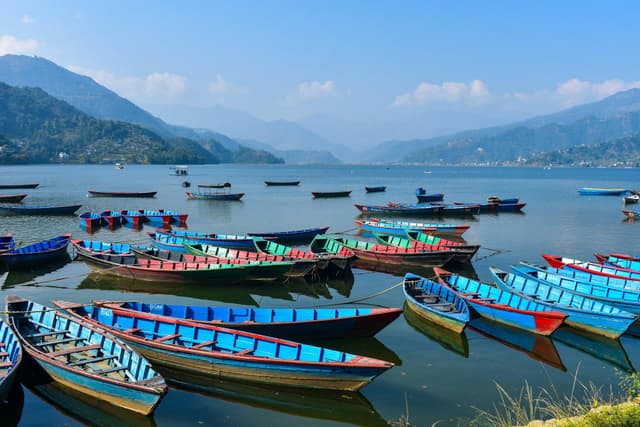
The best time to visit Pokhara is October to November and February to April, when the lake and hills are dry and mountain views are most likely. From June to September Pokhara is very wet, so plan lake and viewpoint days outside the monsoon where you can. Our Pokhara tour is planned around these seasons, and the Chitwan and Pokhara tour pairs the lake with a jungle stay.
Chitwan and Bardiya
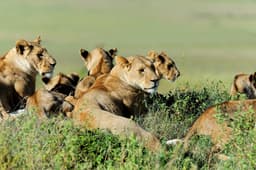
The Terai jungle safari season runs from about October to March. Every year, jeep safaris inside the core of Chitwan National Park pause from 1 July for the monsoon (breeding season and damaged roads) and usually restart around Dashain; in 2026, park officials said they planned to restart on 3 October. Buffer-zone community forest safaris continue through the monsoon. See our Chitwan jungle safari.
For Bardiya, the Nepal Tourism Board gives October to March as the best season and describes April to June as hot and dry, up to 42 °C. October to November and March to April are its busiest periods. Bardiya kept jeep safaris running in the 2026 monsoon because its roads stayed open, but October to March is still the comfortable choice for a Bardiya jungle safari.
Lower Mustang and Muktinath
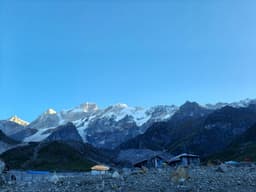
The best time for Jomsom, Kagbeni and Muktinath is March to May and October to November, when Jomsom averages 18 to 21 °C by day and rain is light. Jomsom flights are scheduled for early morning because strong winds often stop airport operations after midday. In winter, heavy snow can block the Kagbeni to Muktinath road for days. Our Mustang and Muktinath tour follows these seasons.
Upper Mustang
Upper Mustang is one of the few parts of Nepal that suits the monsoon. It has a cool, semi-arid climate in the rain shadow, and August and October are its peak visiting months. Lo Manthang sits at 3,840 m, about 1,100 m above Jomsom, so nights are colder than the Jomsom figures, and winter is very cold. Stays are in simple lodges, not luxury hotels. Tiji, around May or early June, is a popular time to go. See our Upper Mustang tour.
Manang and Thorong La
Manang is also in the rain shadow, so it works in the monsoon as well as in spring and autumn. From December to February, Thorong La is often blocked by snow and can stay closed for days, and early snow can come in autumn too, as in late October 2025. Manang has lodges rather than luxury hotels. See our Manang tour.
Everest and Annapurna trekking regions
The trekking seasons are October to November and March to May. Autumn gives the clearest skies; spring is warmer and brings rhododendron forests, such as the Ghorepani forest at about 2,800 m below Poon Hill (3,210 m). The monsoon is a poor time for the Everest region: visibility problems close Lukla airport about half the time in the monsoon, according to a Civil Aviation Authority of Nepal study. In winter, Lukla's average nights are below freezing from December to February.
What is the best time to visit Nepal for your type of trip?
| Traveller type | Best months | Why |
|---|---|---|
| Families | Dashain and Tihar holidays, February to March | Everyone is off together; dry weather; Chitwan comfortable before the heat |
| Couples and honeymooners | Late October to November, February to April | Clear Pokhara mornings, mild days, flowers in spring |
| Pilgrims | March to May and October to November (Muktinath); Buddha Jayanti (Lumbini); Maha Shivaratri (Pashupatinath) | Open roads to Muktinath; the year's big religious days |
| Wildlife lovers | October to March | Main safari season in Chitwan and Bardiya |
| Trekkers | October to November, March to May | Clear autumn skies or spring rhododendrons |
| Quiet roads | February, late November to early December | Good weather between the festival and trekking peaks |
| Nepalis coming home | Dashain, Tihar, or February to April | Family time at festivals, or easier travel in spring |
Families and couples
Dashain and Tihar are when most families can travel together, and October and November weather is ideal for Pokhara and Chitwan; the trade-off is crowds, so book early. Avoid the Terai in May and June, when daytime highs average 36 to 38 °C. Couples get clear mornings over Phewa Lake after Tika, a quieter spring from February to April, or something different: Upper Mustang in the monsoon.
Pilgrims
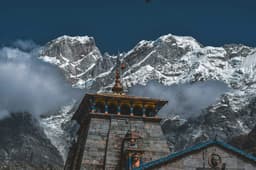
For Muktinath, March to May and October to November avoid winter snow and monsoon landslides on the way. Lumbini on Buddha Jayanti (expected 20 May 2027) is meaningful but hot, as Terai stations average 36 to 38 °C in May. Pashupatinath on Maha Shivaratri (6 March 2027) comes in pleasant spring weather; plan for large crowds.
Nepalis coming home from abroad
Flying home for Dashain 2026? Plan to land a few days before Fulpati on 17 October, because buses and domestic flights out of Kathmandu fill up in the days before Fulpati and Tika. Dashain 2027 is expected to start early (Ghatasthapana on 30 September 2027), possibly before the monsoon has withdrawn, as recent years ran to 10 to 12 October. Coming home in December or January? Leave a buffer for domestic connections, as winter fog can delay morning flights at Kathmandu and in the Terai.
When should you avoid or be careful about travelling in Nepal?
No month is completely off-limits, but some places and months need extra planning.
- Terai fog and cold wave, mid-December to February: the cold wave can last from a few days to a month, and fog slows traffic on the East-West Highway and often delays flights.
- Kathmandu airport morning fog in winter: on 29 January 2026, dense fog shut the airport from 7:20 a.m., and Nepalgunj, Biratnagar and other domestic airports were also suspended. Avoid tight same-day connections.
- Spring haze, March to April: around 80% of forest fires happen in March and April, peaking in the last week of April, and the smoke can hide mountain views and occasionally divert flights.
- Terai heat, May to June: Nepalgunj averages 37.9 °C in May and goes above 40 °C on hot days. Plan safaris for early mornings, or choose another season.
- Monsoon, June to September: heavy rain brings landslides and flight cancellations, especially to Lukla. Monsoon and autumn landslides can close mountain roads at short notice, so check current conditions before you set off; see our live travel updates on the Nepal tours page.
- Thorong La and high passes, December to February: snow can close the pass for days.
Once you know your season, pick the trip that fits it: a Pokhara tour package for the lake and mountain views, a Chitwan jungle safari or a Bardiya safari from October to March, the Chitwan and Pokhara combination for families, or the Mustang and Muktinath trip, Upper Mustang and Manang for the rain-shadow valleys. Every trip is listed on the Nepal tours page above, and our Kathmandu team can help you match your dates to the right region.
Frequently asked questions
What is the best month to visit Nepal?
November is the most reliable single month to visit Nepal. The monsoon has withdrawn, Kathmandu typically gets almost no rain, skies are clear for mountain views and Kathmandu averages a comfortable 23.1 °C by day. Late October is equally good once the rain clears, but it overlaps with Dashain crowds. Outside autumn, March and April are the best alternative.
Which months are the monsoon in Nepal?
The monsoon in Nepal runs from June to September. DHM gives the normal start as 13 June and the normal end as 2 October, about 112 days, and roughly 80% of Nepal's yearly rain falls in these months. It arrives from the east and leaves eastern Nepal last. In 2024 and 2025 it withdrew late, on 12 and 10 October.
Is October or November too crowded in Nepal?
October and November are Nepal's busiest months; in 2025, October had more international visitors than any other month. Dashain and Tihar also fill buses, flights and hotels with Nepali families. Popular hotels in Pokhara and Chitwan, Lukla flights and festival-week transport book up, so book early, travel a day or two before the main festival days, or consider late November.
Is Nepal good to visit in winter?
Yes, Nepal is good in winter for the Kathmandu Valley, Pokhara, Chitwan and lower hikes. December to February is DHM's driest season and days are mild, with Pokhara averaging 20.5 °C in January. Nights are cold, and Jomsom and Lukla drop below freezing. Watch for Terai fog from mid-December, morning fog at Kathmandu airport, and snow on Thorong La and the Muktinath road.
What is the best time to visit Pokhara?
The best time to visit Pokhara is October to November, followed by February to April. These months are dry enough for boating on Phewa Lake and clear mountain views from the hills. Avoid June to September if you can, because Pokhara is very wet in the monsoon, with a typical July bringing about 886 mm of rain. Winter is mild by day and cool at night.
When is the jungle safari season in Chitwan?
The main jungle safari season in Chitwan is October to March. Jeep safaris inside the core of Chitwan National Park pause every monsoon from 1 July and usually restart around Dashain, while buffer-zone community forest safaris keep running. April to June is hot, with Bharatpur averaging 36.1 °C in May, so choose early-morning safaris in those months.
What is the best time to visit Upper Mustang?
Upper Mustang is best from late spring to autumn, and it is one of the few Nepal trips that works in the monsoon. It sits in the rain shadow of the Annapurna and Dhaulagiri ranges, so it stays dry while the rest of Nepal is wet, and August and October are its peak visiting months. Winter at Lo Manthang (3,840 m) is very cold.
When is the best time to visit Muktinath?
The best time to visit Muktinath is March to May and October to November, when the weather is mild and roads are most reliable. In winter, heavy snow can block the Kagbeni to Muktinath road for days, as it did in January 2026, and in the monsoon landslides can affect the road through the wetter hills below Jomsom. Jomsom flights run early in the morning because of strong afternoon winds.
When is Dashain in 2026?
Dashain 2026 begins with Ghatasthapana on Sunday 11 October 2026. The main public holiday runs from Fulpati on 17 October to 23 October, with Maha Ashtami on 18 October, Maha Navami on 20 October and Vijaya Dashami (Tika) on Wednesday 21 October 2026. These dates come from the Nepal Gazette holiday list for 2083 BS. Tihar follows, with Bhai Tika on 11 November 2026.
When does the monsoon end in Nepal?
The monsoon in Nepal normally ends on 2 October, according to DHM, withdrawing first from the west and last from eastern Nepal. Recent years ran late: it left eastern Nepal on 12 October in 2024 and 10 October in 2025. On 2 October 2026, DHM said the monsoon was gradually retreating and could withdraw completely by Dashain. Check DHM forecasts before early-October treks.
Is spring a good time for trekking in Nepal?
Yes, spring (March to May) is Nepal's second trekking season after autumn. Days are warmer, and rhododendron forests flower through Chaitra and Baishakh, roughly mid-March to mid-May, for example around Ghorepani at about 2,800 m. The trade-offs are haze from forest fires, which peaks in late April, and thunderstorms building towards May.
Do Lukla flights get cancelled?
Yes. Lukla flights are often cancelled by fog, cloud and rain. In the monsoon, visibility problems close Lukla airport about half the time, according to a Civil Aviation Authority of Nepal study, and in June 2024 flights were cancelled for ten days. Even in autumn, rain and fog grounded flights for three days in late October and early November 2025. Always keep spare days in an Everest trip.