







































+977-9709047652
Explore by Country
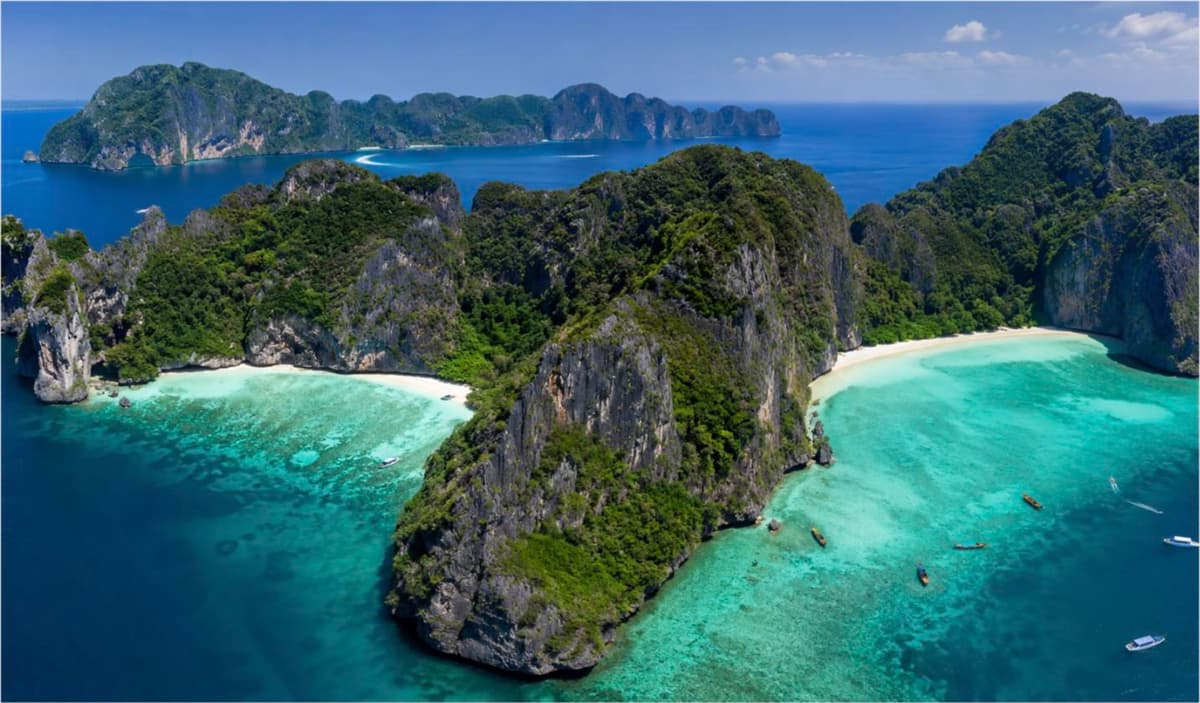
See all 12 Thailand packages
Most popular pick
See all 12 Thailand packages
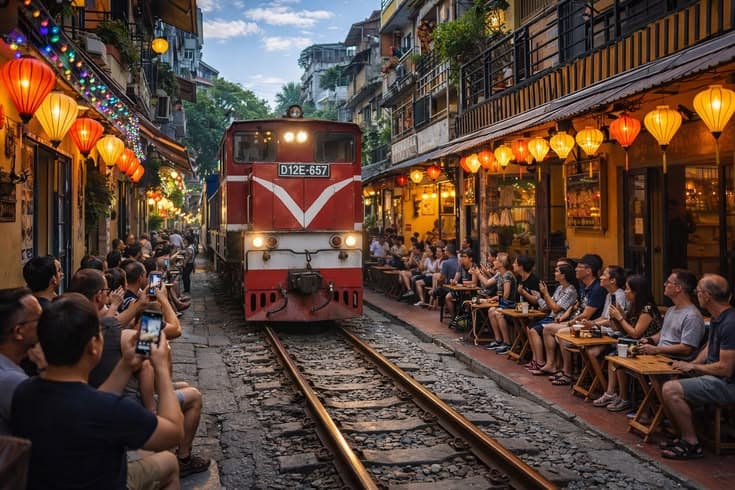
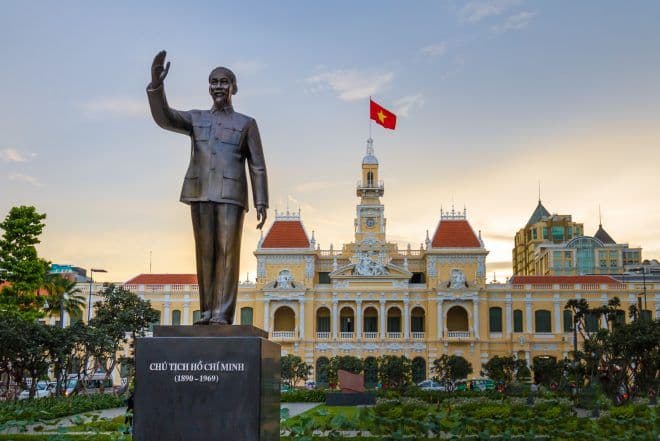
See all 8 Vietnam packages
Most popular pick
See all 8 Vietnam packages
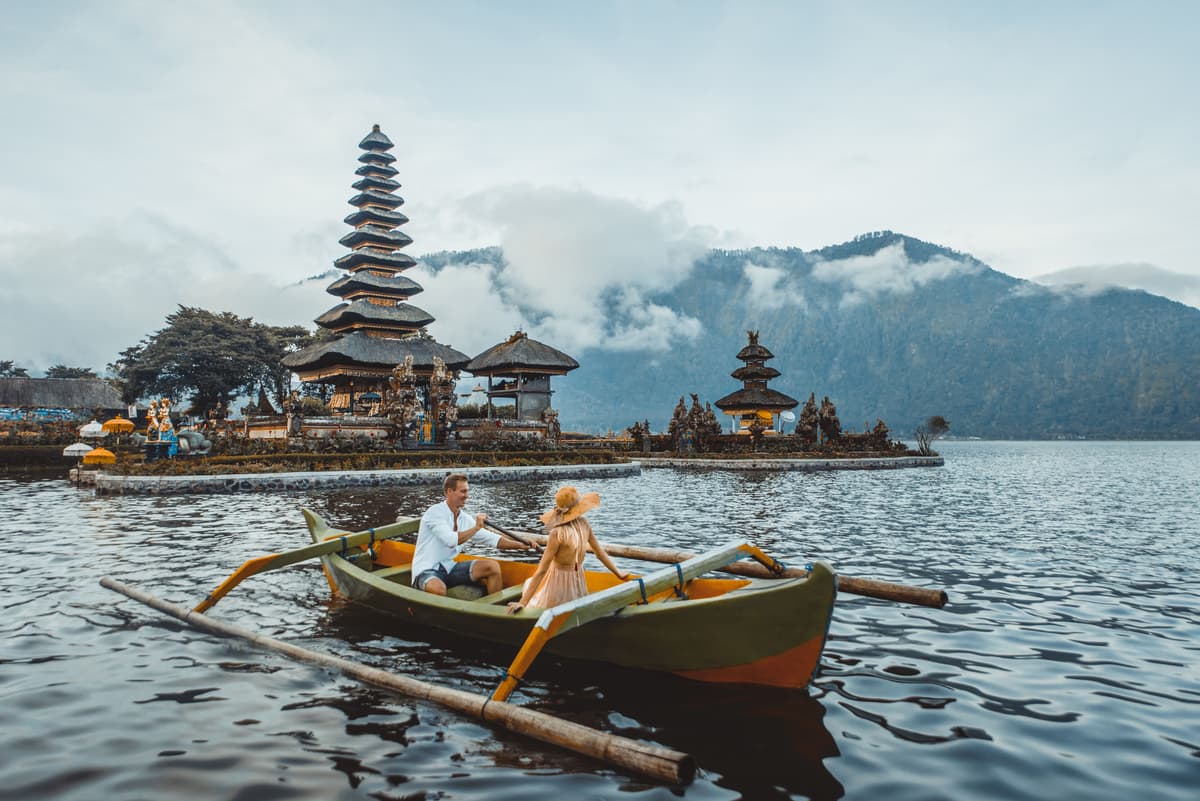
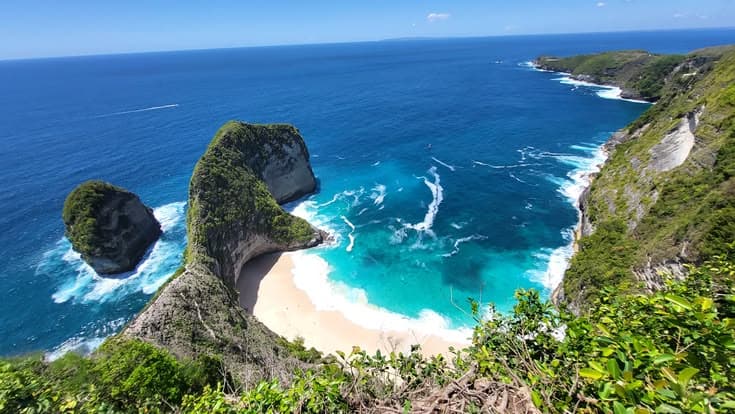
See all 4 Indonesia (Bali) packages
Most popular pick
See all 4 Indonesia (Bali) packages
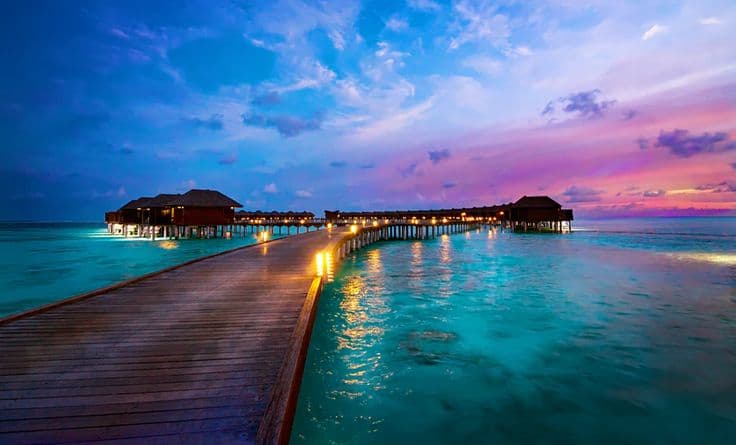
See all 3 Maldives packages
Most popular pick
See all 3 Maldives packages
See all 3 China packages
Most popular pick
See all 3 China packages
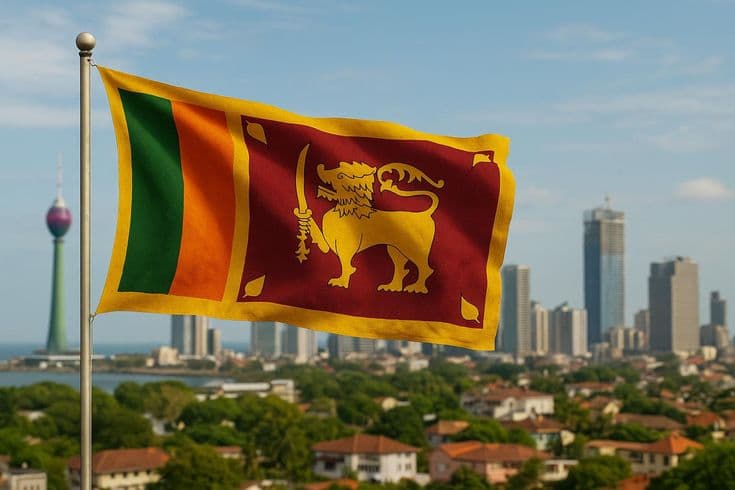
See all 2 Sri Lanka packages
Most popular pick
See all 2 Sri Lanka packages
See all 3 Malaysia packages
Most popular pick
See all 3 Malaysia packages
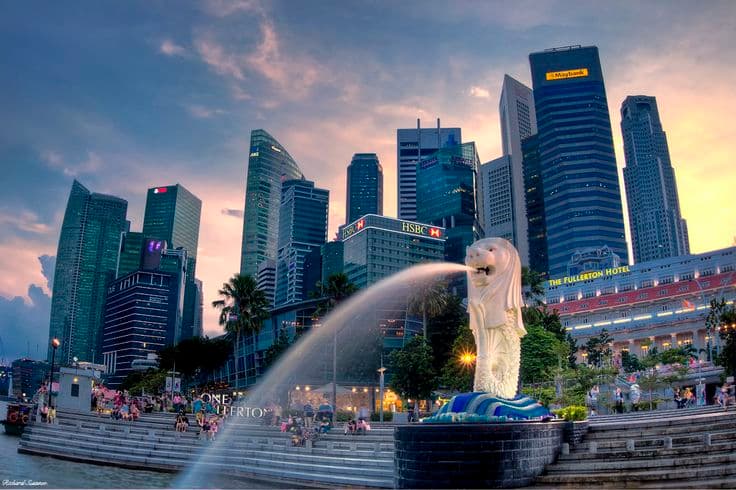
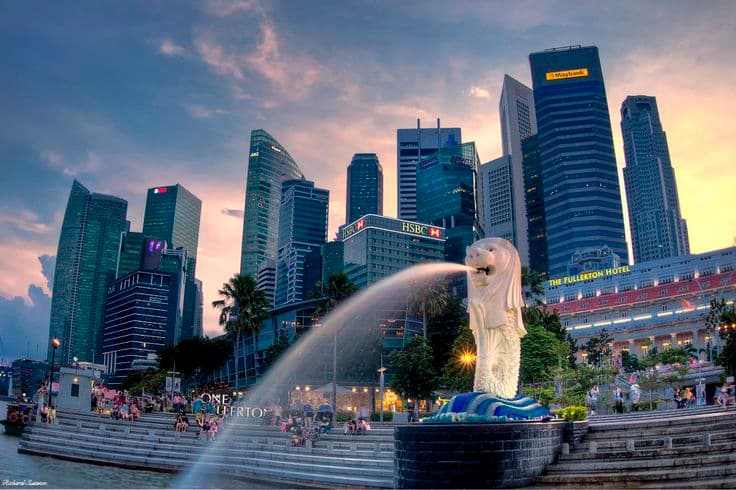
See all 2 Singapore packages
Most popular pick
See all 2 Singapore packages
See all 2 Kenya packages
Most popular pick
See all 2 Kenya packages
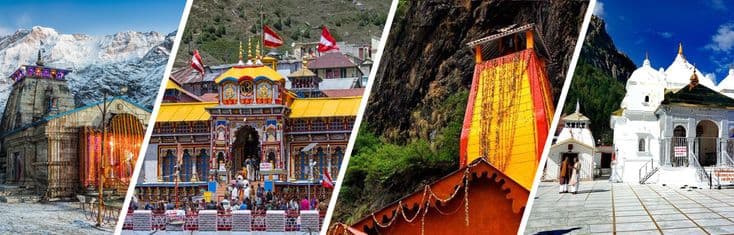
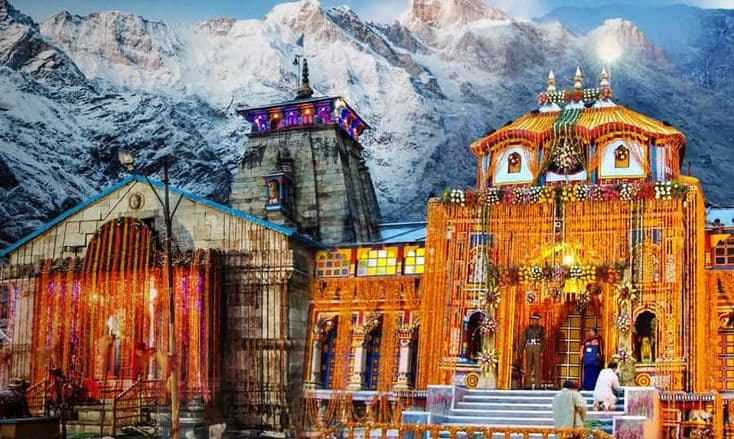
See all 4 India packages
Most popular pick
See all 4 India packages
Search Tours or Places
Blog / Travel Tips

Travel Agency in Nepal: How to Choose One You Can Trust

10 min read 27 Jul 2026

Choosing a travel agency in Nepal comes down to three things you can check before you pay: is the business licensed to sell travel, is there a written agreement covering what happens when something goes wrong, and is there a real office with a real person you can reach while you are abroad. Photos, followers and a friendly first call tell you very little.

The checks below take an afternoon and most are free from your phone. The gap between a licensed operator and a person reselling packages from a chat account is invisible until the day a booking fails. This is a guide to running those checks, and to knowing when you do not need an agency at all.

What does a travel agency actually do for you?

An agency sells you three things: coordination, leverage and someone to call. Coordination means flights, hotels, transfers and permits are booked to fit together, so a delayed arrival does not orphan a paid transfer. Leverage means supplier contracts you cannot reach as an individual, and the ability to move a booking when a schedule changes. Someone to call means a named human, reachable when your connection is cancelled at midnight abroad.

It also does the documentation work: assembling visa applications correctly, checking passport validity, flagging a transit country where you need a visa you had not thought about. What it cannot do is guarantee a visa decision or change an airline's rules. Any promise in that direction is a signal, not a service.

When should you just book it yourself?

Often. An agency that pretends otherwise is not being straight.

  • One simple destination, straightforward visa. One flight, one city, one hotel, an entry process you complete online. Little to coordinate.
  • You want flexibility. Bookings you control are easier to amend than a packaged arrangement.
  • You already know the country. Repeat visitors usually do better on their own.
  • You only want a flight. Buy direct and the airline owns your booking and deals with you when it changes.

An agency earns its place when a trip has moving parts: multiple countries, a visa that needs a documented itinerary, group travel, dates that cannot slip, elderly parents or small children along. Multi-country decisions, such as choosing between Vietnam and Thailand, are where coordination pays off.

How do you verify a travel agency in Nepal is legitimate?

Nepal has a real licensing system for travel businesses, and you are allowed to ask for the paperwork. A legitimate operator sends it without hesitation.

What to checkWho issues itHow you verify it
Tourism licenceDepartment of Tourism, under the Ministry of Culture, Tourism and Civil Aviation, under the Tourism Act 2035 and Tourism Regulation 2038Ask for a copy and check the category and validity date. Tourism licences run by fiscal year and renew annually.
Company registrationOffice of the Company RegistrarConfirm the legal name matches the name on your agreement and receipt.
PAN, and VAT where applicableInland Revenue DepartmentThe IRD runs a free public PAN search at ird.gov.np. Enter the nine digit PAN to see the registered taxpayer name and address.
NATTA membershipNepal Association of Tour and Travel Agents, founded 1966, roughly eleven hundred member agenciesCheck the directory on natta.org.np. A trade credential, not a government licence, so treat it as supporting evidence.
IATA accreditationInternational Air Transport AssociationRelevant only if the agency issues airline tickets itself. Ask for the IATA numeric code and certificate. IATA holds the register, though its lookup service is aimed at suppliers.
A physical officeNobody issues this. It is on you.Visit before paying. Signboard, staff, desks, landline. This one check filters out more risk than any certificate.

One correction, because it circulates widely: the Nepal Tourism Board does not license travel agencies. It was established in 1998 as a public private body to market Nepal as a destination. If an agency offers "registered with the Nepal Tourism Board" instead of a Department of Tourism licence, ask again.

Travel agency, visa consultancy or manpower agency?

These are three separately regulated businesses in Nepal, and confusing them is where people get badly hurt. Different authorities license them to do different things.

  • A travel agency holds a tourism licence from the Department of Tourism and sells travel: tickets, hotels, tours, transfers, and assistance assembling a tourist visa application.
  • An educational consultancy is licensed by the federal education ministry and handles study abroad admissions and student visas. Regulations approved by the Cabinet in July 2026 require annual federal licensing, a written contract before services begin, all transactions through the banking system, and hold the consultancy responsible if a student is stranded or defrauded through misleading advice.
  • A recruitment or manpower agency is licensed by the Department of Foreign Employment and places workers in jobs abroad. The department publishes lists of licensed agencies on dofe.gov.np.

A travel agency is not licensed to arrange foreign employment. If someone selling you a holiday package starts talking about work opportunities or a job on arrival, stop. That sits outside a tourism licence, and the risk lands entirely on you.

What should you ask before you pay anything?

Ask in writing, and keep the replies. A serious operator answers all of these plainly.

  • What is written into the agreement? Inclusions, exclusions, hotel names or a defined category, transport type, cancellation and amendment terms. If it is not written, it is not included.
  • Who holds the booking? Is the hotel in your name, the agency's name, or a third party wholesaler's? Ask for the supplier confirmation reference, not just the agency's voucher.
  • What happens if a visa is refused? Which components are refundable, which are not, and how long a refund takes. Get this before you apply.
  • What happens if a flight changes? Who rebooks, who covers a fare difference, and whether the ground arrangements move with you.
  • Who is reachable while I am abroad? A named person, a number that works internationally, and the hours it is answered. "The office" is not an answer.
  • Is this itinerary yours or a reseller's? Some agencies run their own ground handling, many resell another operator's product. Neither is wrong, but know how many hands your booking passes through.
  • Will you invoice the licensed company? The receipt should carry the registered company name and PAN.

What are the warning signs of a risky agency?

None of these alone proves bad intent. Two or three together mean walk away.

  • Pressure to pay immediately. A deadline that keeps moving, or a seat that will "go today", is a technique.
  • No written confirmation. Verbal assurances, screenshots, nothing on letterhead.
  • Only a personal chat account. No company email, no office number, and an account that can disappear.
  • Refusal to put terms in writing. If asking for a written agreement causes irritation, you have your answer.
  • Promises about visa outcomes. Nobody can guarantee a visa. Anyone who does is either lying or claiming influence over a foreign government, which is worse.
  • A package far below everything comparable. Look at the pattern, not the number. An undercutting quote usually hides an unnamed hotel far from where you think you are staying, transfers billed separately on arrival, a flight on hold rather than ticketed, or later customers funding earlier ones.
  • Payment to a personal bank account. A licensed business has a company account.

What does good after-sales support look like?

Support is the part you cannot judge from a brochure, so judge it from specifics. Ask what happens in these situations and see whether the answers are procedures or improvisation.

  • Before departure: a documents check a few days out, confirmed ticketing rather than a held reservation, vouchers carrying the supplier reference, and a pickup plan with the driver's name.
  • During the trip: one contact who knows your booking, reachable in the destination's hours as well as Nepal's, plus a local contact on the ground. Ask what they did the last time a client's flight was cancelled overnight.
  • When plans break: who pays for the rebooking first and settles later. That separates an operator with supplier relationships from a reseller who can only forward a message.
  • After you return: a complaint route that is not the same salesperson, and a stated refund timeline.

Destination briefing counts too. An operator who prepares you on avoiding food and water trouble in Bali or the realities behind safety in Thailand is doing the job. One who only sends a payment link is not.

Group tour or custom itinerary: which suits you?

Group departures run on a fixed date, a fixed route and a shared coach. They suit first time international travellers, solo travellers who would rather not eat alone, and families who want logistics handled. The trade off is pace: you move when the group moves.

Custom itineraries suit honeymooners, anyone with awkward dates, travellers with dietary or mobility needs, and people returning to a country they know. A good agency asks a lot of questions before quoting one.

If you are still deciding where to go, a survey of destinations that work well for Nepali travellers is a better starting point, and a country overview such as the Thailand destination page shows what a realistic trip involves.

How to run these checks quickly

In order, because each step is cheap: search the PAN on the IRD site, check the tourism licence and its validity date, look the name up in the NATTA directory, then visit the office. Only if all four hold does the agreement matter.

Gomayu Holidays is one of Nepal's licensed outbound operators, and we would rather you ran this checklist on us than skipped it.

Frequently asked questions

How do I check if a travel agency in Nepal is registered?

Ask for three documents: the company registration certificate from the Office of the Company Registrar, the PAN certificate from the Inland Revenue Department, and a current tourism licence from the Department of Tourism. Verify the PAN yourself for free on the IRD site using the nine digit number, then visit the office.

Does the Nepal Tourism Board license travel agencies?

No. The Nepal Tourism Board was set up in 1998 as a public private body to promote Nepal as a destination. Licensing of travel and trekking agencies sits with the Department of Tourism under the Ministry of Culture, Tourism and Civil Aviation. If an agency offers Tourism Board registration in place of a licence, ask again.

What happens if my visa is refused after I have booked?

That depends on what you agreed in writing beforehand, which is why you ask before applying. Some components are refundable and some are not, and those terms come from the airline and hotel suppliers rather than the agency. No travel agency in Nepal can guarantee a visa outcome.

Is NATTA membership enough to trust an agency?

It helps, but it does not replace a government licence. NATTA is a trade association founded in 1966 with around eleven hundred member agencies, and its directory is a useful cross check. Read it alongside the tourism licence and PAN, not instead of them.

Can a travel agency arrange a job abroad for me?

No. Foreign employment placement is a separate licensed activity handled by recruitment agencies licensed by the Department of Foreign Employment, which publishes lists of licensed agencies. A tourism licence does not cover it. Treat any holiday package that comes with talk of work on arrival as a serious warning sign.

Tags
travel agency in nepaltravel tipstravel planningnepalbooking advicetravel safety
Share
G
Gomayu Team
Writer at Gomayu
Keep reading
Blog / Travel Tips

Travel Agency in Nepal: How to Choose One You Can Trust

10 min read 27 Jul 2026

Choosing a travel agency in Nepal comes down to three things you can check before you pay: is the business licensed to sell travel, is there a written agreement covering what happens when something goes wrong, and is there a real office with a real person you can reach while you are abroad. Photos, followers and a friendly first call tell you very little.

The checks below take an afternoon and most are free from your phone. The gap between a licensed operator and a person reselling packages from a chat account is invisible until the day a booking fails. This is a guide to running those checks, and to knowing when you do not need an agency at all.

What does a travel agency actually do for you?

An agency sells you three things: coordination, leverage and someone to call. Coordination means flights, hotels, transfers and permits are booked to fit together, so a delayed arrival does not orphan a paid transfer. Leverage means supplier contracts you cannot reach as an individual, and the ability to move a booking when a schedule changes. Someone to call means a named human, reachable when your connection is cancelled at midnight abroad.

It also does the documentation work: assembling visa applications correctly, checking passport validity, flagging a transit country where you need a visa you had not thought about. What it cannot do is guarantee a visa decision or change an airline's rules. Any promise in that direction is a signal, not a service.

When should you just book it yourself?

Often. An agency that pretends otherwise is not being straight.

  • One simple destination, straightforward visa. One flight, one city, one hotel, an entry process you complete online. Little to coordinate.
  • You want flexibility. Bookings you control are easier to amend than a packaged arrangement.
  • You already know the country. Repeat visitors usually do better on their own.
  • You only want a flight. Buy direct and the airline owns your booking and deals with you when it changes.

An agency earns its place when a trip has moving parts: multiple countries, a visa that needs a documented itinerary, group travel, dates that cannot slip, elderly parents or small children along. Multi-country decisions, such as choosing between Vietnam and Thailand, are where coordination pays off.

How do you verify a travel agency in Nepal is legitimate?

Nepal has a real licensing system for travel businesses, and you are allowed to ask for the paperwork. A legitimate operator sends it without hesitation.

What to checkWho issues itHow you verify it
Tourism licenceDepartment of Tourism, under the Ministry of Culture, Tourism and Civil Aviation, under the Tourism Act 2035 and Tourism Regulation 2038Ask for a copy and check the category and validity date. Tourism licences run by fiscal year and renew annually.
Company registrationOffice of the Company RegistrarConfirm the legal name matches the name on your agreement and receipt.
PAN, and VAT where applicableInland Revenue DepartmentThe IRD runs a free public PAN search at ird.gov.np. Enter the nine digit PAN to see the registered taxpayer name and address.
NATTA membershipNepal Association of Tour and Travel Agents, founded 1966, roughly eleven hundred member agenciesCheck the directory on natta.org.np. A trade credential, not a government licence, so treat it as supporting evidence.
IATA accreditationInternational Air Transport AssociationRelevant only if the agency issues airline tickets itself. Ask for the IATA numeric code and certificate. IATA holds the register, though its lookup service is aimed at suppliers.
A physical officeNobody issues this. It is on you.Visit before paying. Signboard, staff, desks, landline. This one check filters out more risk than any certificate.

One correction, because it circulates widely: the Nepal Tourism Board does not license travel agencies. It was established in 1998 as a public private body to market Nepal as a destination. If an agency offers "registered with the Nepal Tourism Board" instead of a Department of Tourism licence, ask again.

Travel agency, visa consultancy or manpower agency?

These are three separately regulated businesses in Nepal, and confusing them is where people get badly hurt. Different authorities license them to do different things.

  • A travel agency holds a tourism licence from the Department of Tourism and sells travel: tickets, hotels, tours, transfers, and assistance assembling a tourist visa application.
  • An educational consultancy is licensed by the federal education ministry and handles study abroad admissions and student visas. Regulations approved by the Cabinet in July 2026 require annual federal licensing, a written contract before services begin, all transactions through the banking system, and hold the consultancy responsible if a student is stranded or defrauded through misleading advice.
  • A recruitment or manpower agency is licensed by the Department of Foreign Employment and places workers in jobs abroad. The department publishes lists of licensed agencies on dofe.gov.np.

A travel agency is not licensed to arrange foreign employment. If someone selling you a holiday package starts talking about work opportunities or a job on arrival, stop. That sits outside a tourism licence, and the risk lands entirely on you.

What should you ask before you pay anything?

Ask in writing, and keep the replies. A serious operator answers all of these plainly.

  • What is written into the agreement? Inclusions, exclusions, hotel names or a defined category, transport type, cancellation and amendment terms. If it is not written, it is not included.
  • Who holds the booking? Is the hotel in your name, the agency's name, or a third party wholesaler's? Ask for the supplier confirmation reference, not just the agency's voucher.
  • What happens if a visa is refused? Which components are refundable, which are not, and how long a refund takes. Get this before you apply.
  • What happens if a flight changes? Who rebooks, who covers a fare difference, and whether the ground arrangements move with you.
  • Who is reachable while I am abroad? A named person, a number that works internationally, and the hours it is answered. "The office" is not an answer.
  • Is this itinerary yours or a reseller's? Some agencies run their own ground handling, many resell another operator's product. Neither is wrong, but know how many hands your booking passes through.
  • Will you invoice the licensed company? The receipt should carry the registered company name and PAN.

What are the warning signs of a risky agency?

None of these alone proves bad intent. Two or three together mean walk away.

  • Pressure to pay immediately. A deadline that keeps moving, or a seat that will "go today", is a technique.
  • No written confirmation. Verbal assurances, screenshots, nothing on letterhead.
  • Only a personal chat account. No company email, no office number, and an account that can disappear.
  • Refusal to put terms in writing. If asking for a written agreement causes irritation, you have your answer.
  • Promises about visa outcomes. Nobody can guarantee a visa. Anyone who does is either lying or claiming influence over a foreign government, which is worse.
  • A package far below everything comparable. Look at the pattern, not the number. An undercutting quote usually hides an unnamed hotel far from where you think you are staying, transfers billed separately on arrival, a flight on hold rather than ticketed, or later customers funding earlier ones.
  • Payment to a personal bank account. A licensed business has a company account.

What does good after-sales support look like?

Support is the part you cannot judge from a brochure, so judge it from specifics. Ask what happens in these situations and see whether the answers are procedures or improvisation.

  • Before departure: a documents check a few days out, confirmed ticketing rather than a held reservation, vouchers carrying the supplier reference, and a pickup plan with the driver's name.
  • During the trip: one contact who knows your booking, reachable in the destination's hours as well as Nepal's, plus a local contact on the ground. Ask what they did the last time a client's flight was cancelled overnight.
  • When plans break: who pays for the rebooking first and settles later. That separates an operator with supplier relationships from a reseller who can only forward a message.
  • After you return: a complaint route that is not the same salesperson, and a stated refund timeline.

Destination briefing counts too. An operator who prepares you on avoiding food and water trouble in Bali or the realities behind safety in Thailand is doing the job. One who only sends a payment link is not.

Group tour or custom itinerary: which suits you?

Group departures run on a fixed date, a fixed route and a shared coach. They suit first time international travellers, solo travellers who would rather not eat alone, and families who want logistics handled. The trade off is pace: you move when the group moves.

Custom itineraries suit honeymooners, anyone with awkward dates, travellers with dietary or mobility needs, and people returning to a country they know. A good agency asks a lot of questions before quoting one.

If you are still deciding where to go, a survey of destinations that work well for Nepali travellers is a better starting point, and a country overview such as the Thailand destination page shows what a realistic trip involves.

How to run these checks quickly

In order, because each step is cheap: search the PAN on the IRD site, check the tourism licence and its validity date, look the name up in the NATTA directory, then visit the office. Only if all four hold does the agreement matter.

Gomayu Holidays is one of Nepal's licensed outbound operators, and we would rather you ran this checklist on us than skipped it.

Frequently asked questions

How do I check if a travel agency in Nepal is registered?

Ask for three documents: the company registration certificate from the Office of the Company Registrar, the PAN certificate from the Inland Revenue Department, and a current tourism licence from the Department of Tourism. Verify the PAN yourself for free on the IRD site using the nine digit number, then visit the office.

Does the Nepal Tourism Board license travel agencies?

No. The Nepal Tourism Board was set up in 1998 as a public private body to promote Nepal as a destination. Licensing of travel and trekking agencies sits with the Department of Tourism under the Ministry of Culture, Tourism and Civil Aviation. If an agency offers Tourism Board registration in place of a licence, ask again.

What happens if my visa is refused after I have booked?

That depends on what you agreed in writing beforehand, which is why you ask before applying. Some components are refundable and some are not, and those terms come from the airline and hotel suppliers rather than the agency. No travel agency in Nepal can guarantee a visa outcome.

Is NATTA membership enough to trust an agency?

It helps, but it does not replace a government licence. NATTA is a trade association founded in 1966 with around eleven hundred member agencies, and its directory is a useful cross check. Read it alongside the tourism licence and PAN, not instead of them.

Can a travel agency arrange a job abroad for me?

No. Foreign employment placement is a separate licensed activity handled by recruitment agencies licensed by the Department of Foreign Employment, which publishes lists of licensed agencies. A tourism licence does not cover it. Treat any holiday package that comes with talk of work on arrival as a serious warning sign.

Tags
travel agency in nepaltravel tipstravel planningnepalbooking advicetravel safety
Share
G
Gomayu Team
Writer at Gomayu
Keep reading