







+977-9709047652
Explore by Country
See all 12 Thailand packages
Most popular pick
See all 12 Thailand packages
See all 8 Vietnam packages
Most popular pick
See all 8 Vietnam packages
See all 4 Indonesia (Bali) packages
Most popular pick
See all 4 Indonesia (Bali) packages
See all 3 Maldives packages
Most popular pick
See all 3 Maldives packages
See all 3 China packages
Most popular pick
See all 3 China packages
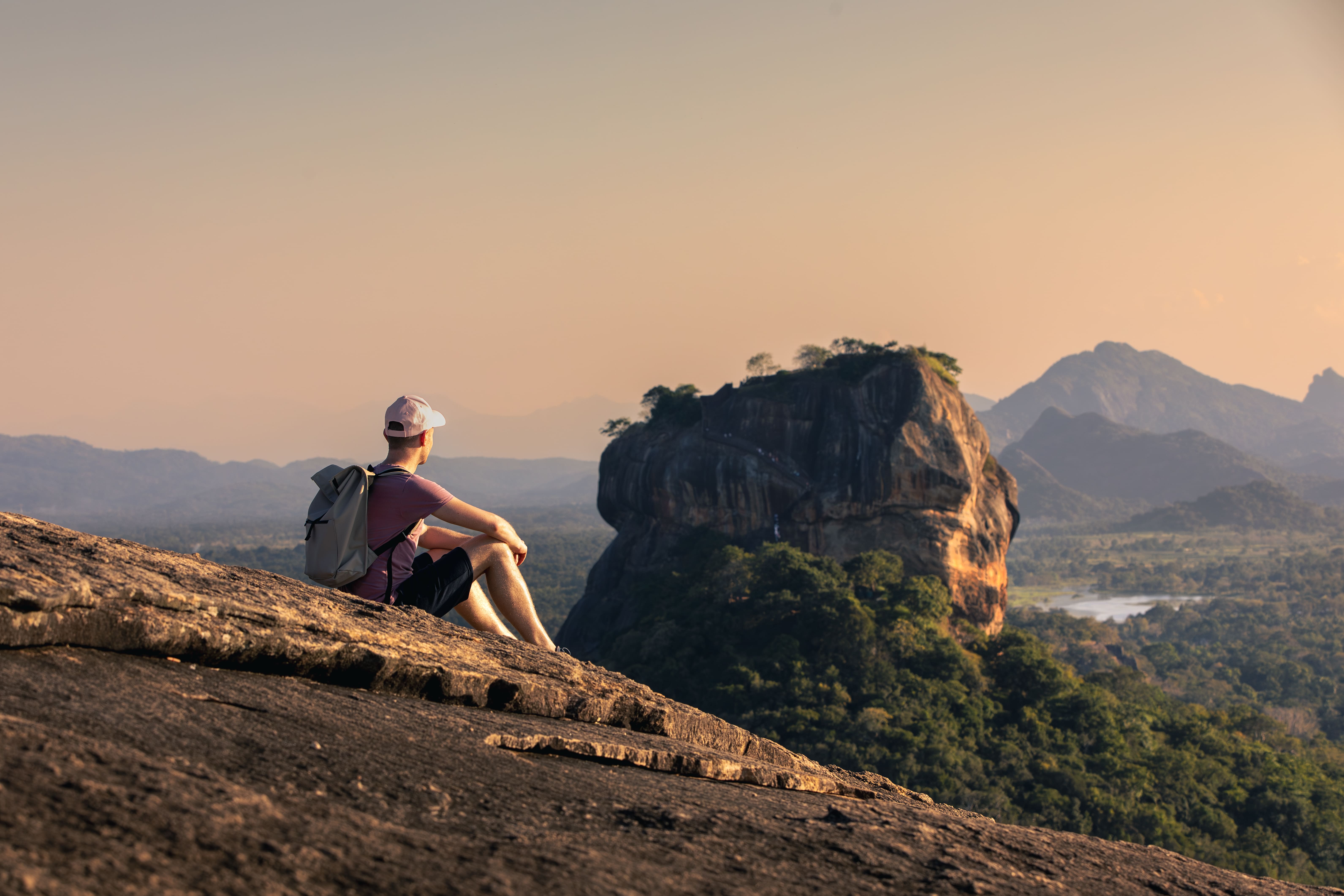
See all 2 Sri Lanka packages
Most popular pick
See all 2 Sri Lanka packages
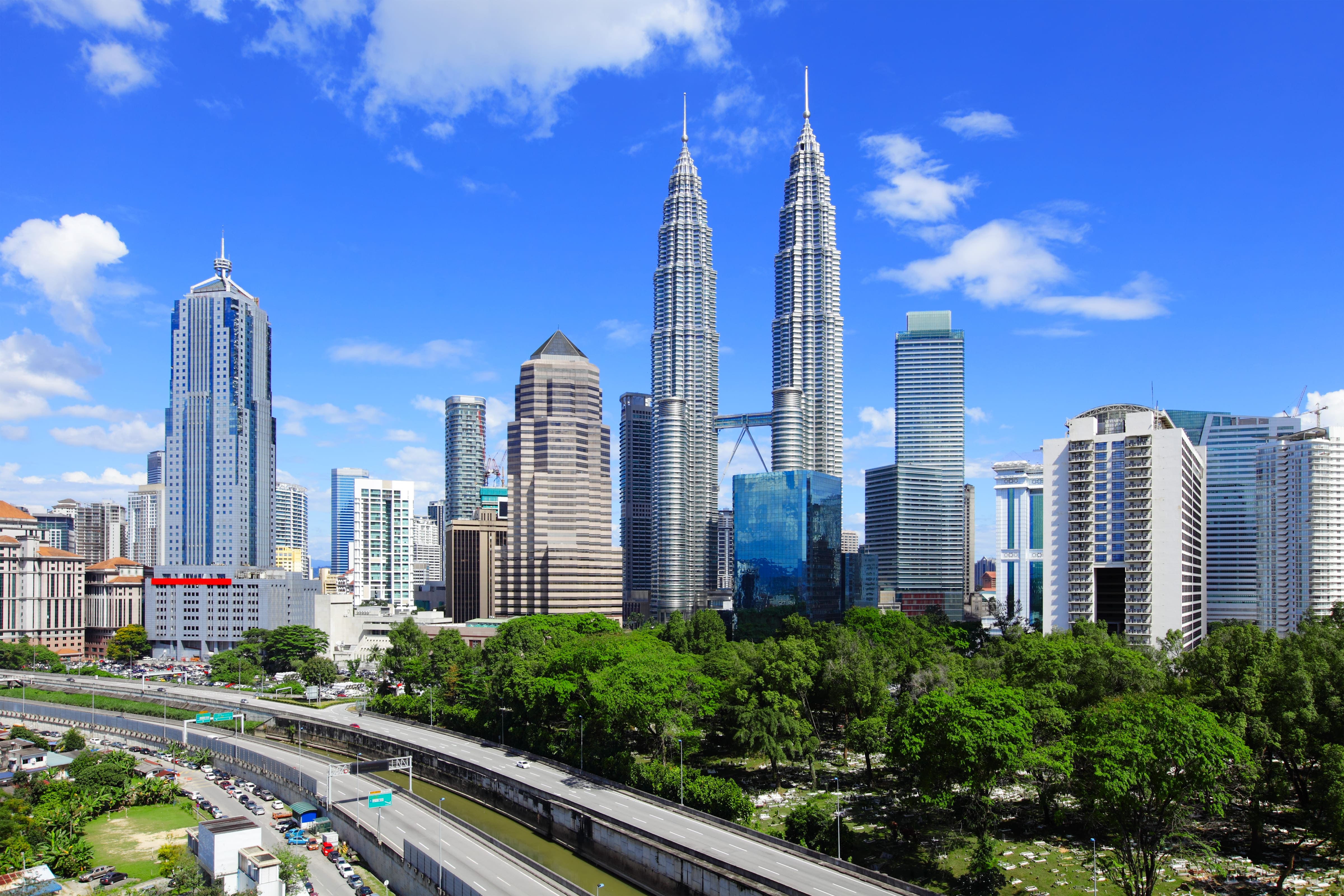
See all 3 Malaysia packages
Most popular pick
See all 3 Malaysia packages
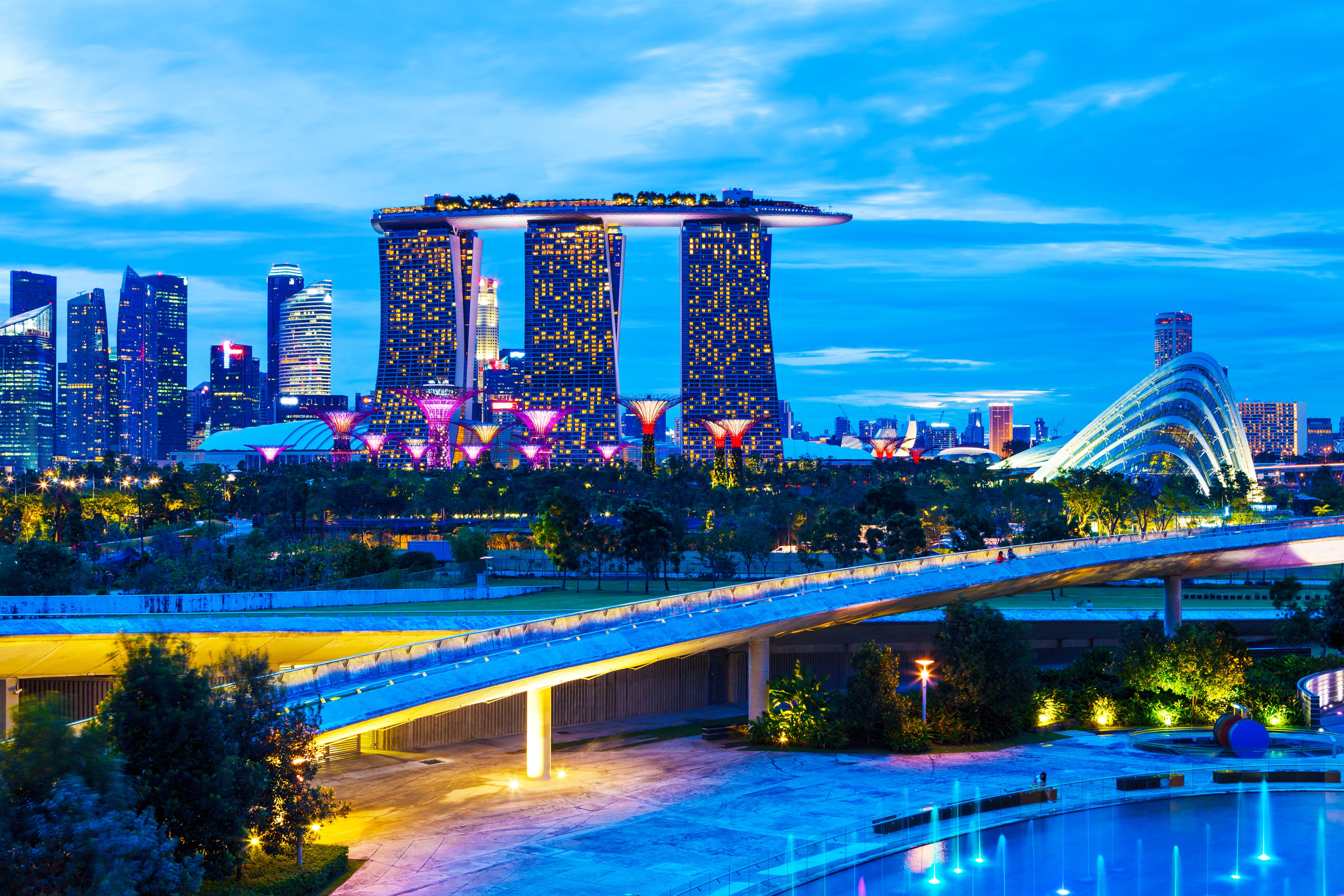
See all 2 Singapore packages
Most popular pick
See all 2 Singapore packages
See all 2 Kenya packages
Most popular pick
See all 2 Kenya packages
See all 4 India packages
Most popular pick
See all 4 India packages
Search Tours or Places
Blog / Thailand

Is Thailand Safe? An Honest Travel Safety Guide

11 min read 26 Jul 2026

Yes, Thailand is generally a safe country to travel in, and most visitors go home with nothing worse than a sunburn. The honest answer to is Thailand safe is that the real dangers are rarely the ones people worry about before they fly. Violent crime against tourists is uncommon. Road accidents, water and weather, and a handful of well practiced scams are what actually send travelers home early.

The short answer on travel safety in Thailand

Thailand has strong tourist infrastructure, a dedicated tourist police force, and hospitals in the major cities that meet international standards. Is Bangkok safe? Broadly yes, with the street sense you would use in any large capital.

Two areas carry specific government travel advice: the four southernmost provinces near the Malaysia border, and land areas within roughly 20 kilometers of the Cambodia border, where crossings are suspended. Check the UK Foreign Office advisory for Thailand, or your own government's equivalent, before booking near them. Nowhere else carries that kind of warning.

Roads and scooters: the biggest real risk by far

According to the World Health Organization in Thailand, the country recorded a road traffic death rate of 25.4 per 100,000 people in 2021, among the highest in Asia, and motorcyclists accounted for 83.8 percent of those deaths. That one statistic explains most tourist injuries here.

Renting a scooter is the default holiday move in Phuket, Samui, Pai and Koh Tao, and shops rarely check whether you can ride. Gravel, sudden rain and unlit roads do the rest.

The insurance trap matters more than the crash. Most policies only cover a motorcycle accident if you were legally entitled to ride, meaning a valid motorcycle license from home plus an International Driving Permit with the motorcycle category, not just a car license. Ride without that and a serious claim can be refused, leaving you holding a private hospital bill. Helmets are required by law.

If you are not an experienced rider, do not learn in Thailand. Taxis, ride hailing apps and songthaews are everywhere. If you do ride, avoid riding at night and never ride after drinking.

The scams you will actually meet

Thailand's scams are persistent rather than dangerous. They cost mood, not safety, and knowing the script defuses them.

  • The jet ski damage claim. You return the jet ski and the operator points to scratches that were already there. Film the whole craft on your phone before you get on, in front of the operator, and refuse to leave your passport as security.
  • The gem and tailor scam. A stranger says the temple is closed for a ceremony, then a tuk tuk driver appears with a cheap tour that ends at a jewelry or suit shop. Thai temples do not close for one off ceremonies. Check at the entrance yourself, and never buy loose gemstones as an investment.
  • The tuk tuk detour. A suspiciously low flat rate, then unwanted stops at shops paying the driver commission. Agree the destination and route first, or use a metered taxi or an app.
  • The passport hold. Rental firms may ask to keep your passport. Offer a copy instead, because a held passport is leverage in a fake damage dispute.

Know the patterns and you can enjoy our guide to what to do in Thailand without spending the trip suspicious of everyone.

Beaches, rip currents and boat safety

Drowning is the quiet risk on a beach holiday, concentrated in a few places and months. The Andaman coast beaches around Phuket, especially Karon, Kata and Kamala, produce strong rip currents during the southwest monsoon from about May to October. Most drownings involve confident swimmers who ignored a red flag on an unguarded beach.

The flag system is simple. Red means do not swim, two red flags means the water is closed, and red is an instruction rather than advice. If a rip pulls you out, do not fight it. Swim parallel to the shore until the pull stops, then come in at an angle.

On boats, check for life jackets before boarding, avoid overloaded longtails, and accept ferry cancellations as a safety feature. If you are island hopping, read up on the best beaches in Thailand and match your dates to the calmer coast.

Health, food and mosquitoes

Thai street food is safe for most travelers with the standard rules: eat where it is busy and cooked to order, skip anything raw or lukewarm, and drink bottled or filtered water rather than tap water.

Mosquitoes are the bigger issue. The CDC Yellow Book entry for Thailand notes that dengue is endemic across Thailand, peaks in the rainy season and occurs year round. There is no quick cure, so repellent, covered skin at dawn and dusk, and a screened or air conditioned room are your real protection.

Rabies still exists in Thailand, so memorize the animal bite advice: if a dog, cat or monkey bites or scratches you, wash the wound with soap and running water for at least 20 minutes and get medical attention immediately, even if it looks trivial. Do not touch or feed monkeys, including the tame looking ones at temples.

Petty theft, drink spiking and nights out

Pickpocketing, bag snatching by passing motorbikes and theft from sleeping passengers on overnight buses are the common crimes against visitors. Carry your bag on the side away from the road, use the hotel safe, and keep a photo of your passport in your email.

Drink spiking happens in nightlife areas and affects men as often as women. Do not accept drinks from strangers or leave yours unattended. Be wary of unbranded spirits and free shots, since counterfeit alcohol containing methanol has killed travelers in the region and cannot be tasted or smelled.

Laws that surprise visitors

  • Vapes are illegal. Possessing or using any e-cigarette, vape, pod or heat not burn device is prohibited in Thailand, and penalties include confiscation and detention. Leave them at home.
  • Drugs. Penalties for possession and trafficking are severe, up to long prison terms and, for the most serious offenses, capital punishment. There is no lighter enforcement for tourists.
  • Cannabis. The rules tightened in 2025. Cannabis is regulated for medical use, and cannabis flower requires a prescription from a licensed practitioner. Shops still trading are not proof that recreational use is legal.
  • Lese majeste. Criticizing the Thai monarchy is a criminal offense, and the law covers social media posts as well as spoken remarks. Do not discuss the monarchy publicly or online while in Thailand.
  • Beach smoking. Smoking is banned on many popular beaches and enforcement is real.

Solo travelers, women travelers and LGBTQ+ travelers

Thailand is one of the world's most established solo travel destinations, with hostels, group tours and transport built around independent travelers. Is Thailand safe for solo female travelers? By regional and global standards, yes, and large numbers travel the country alone every year. The precautions are the familiar ones: book arrival transport in advance, avoid walking home alone through quiet areas late, and watch your drink.

For LGBTQ+ travelers, Thailand is among the most welcoming countries in Asia. Same sex marriage became legal in January 2025 under the Marriage Equality Act, and couples can register marriages nationwide. Attitudes are more conservative in rural areas, as they are almost everywhere.

Seasons, air quality and weather

Timing removes more risk than any gadget. The two coasts have opposite rainy seasons, and the north has a smoke problem the brochures skip.

RiskHow likelyHow to avoid it
Scooter or road accidentThe highest real risk to travelersDo not rent unless licensed and insured, use taxis and apps, helmet always
Jet ski, jewelry and tuk tuk scamsCommon in tourist zonesFilm rentals before use, never surrender your passport, verify closures yourself
Rip currents and drowningSeasonal, mainly Andaman coast in monsoonObey red flags, swim near lifeguards, swim parallel out of a rip
Dengue and mosquito bitesYear round, peaks in rainy seasonRepellent, covered skin at dawn and dusk, screened or air conditioned rooms
Pickpocketing and drink spikingOccasional, nightlife and transport hubsHotel safe, bag on the inside shoulder, never leave a drink unattended
Northern air pollutionPredictable, roughly February to AprilTravel south in those months, check daily readings, carry a proper mask
Legal trouble over vapes or cannabisAvoidable entirelyLeave vapes at home, no recreational cannabis, no comment on the monarchy

The Andaman coast, meaning Phuket, Krabi and Koh Lanta, is wettest from about May to October. The Gulf coast, meaning Koh Samui and Koh Tao, runs later and is wettest around October to December. Northern Thailand has a burning season, when agricultural fires push air quality in Chiang Mai and Chiang Rai to unhealthy levels, typically from February into April. Our Thailand tour packages are built around these seasonal windows.

If something goes wrong

Thailand has a Tourist Police service on 1155, which handles crimes and disputes involving foreign visitors and has English speaking operators. Use it for scams, thefts, rental disputes and accidents rather than arguing on the street. For medical emergencies, 1669 is the national ambulance line, and 191 is the general police number.

Report any theft and get a written police report, because your insurer will require it. Contact your embassy for a lost passport, an arrest or a serious hospitalization. Thai hospitals expect a guarantee of payment before treating you, so carry proof of medical evacuation cover.

Before you fly: paperwork and a short checklist

All foreign nationals arriving in Thailand by air, land or sea must submit the Thailand Digital Arrival Card, or TDAC, within 72 hours before arrival. It is submitted at the official government portal, tdac.immigration.go.th, and it is free. Copycat sites charge for the same form, so check the domain before entering passport details.

  • Submit the TDAC on the official portal in the three days before you fly.
  • Buy insurance with medical evacuation cover, and check the motorcycle clause before renting anything.
  • Save 1155 and your embassy number offline.
  • Leave vapes at home. Take repellent, sunscreen and a small first aid kit instead.
  • Photograph rentals before use and keep your passport with you.
  • Check your government's advisory for the far south and the Cambodia border areas if your route goes near them.
  • Match your dates to the right coast, and skip the north in burning season.

Handle those seven things and Thailand becomes what the statistics say it is: a friendly, straightforward country to travel in. If you would rather have the logistics and seasonal timing handled for you, our Bangkok Pattaya Tour keeps you on serviced transport throughout.

Frequently asked questions about safety in Thailand

Is Thailand safe for tourists right now?

Thailand is generally safe for tourists, with low levels of violent crime against visitors and strong tourist infrastructure. Specific government travel advice applies to the four southernmost provinces near the Malaysia border and to land areas close to the Cambodia border, where crossings are suspended. Check your own government's advisory before travel.

Is Bangkok safe to walk around at night?

Bangkok is broadly safe at night in the main areas. Use normal big city caution: stick to well lit routes, use metered taxis or a ride hailing app after dark, keep your bag on the side away from traffic, and be careful with drinks in nightlife districts.

Is Thailand safe for solo female travelers?

Yes. Thailand is one of Asia's most popular destinations for solo female travelers, with a well developed hostel and tour network. The usual precautions apply rather than anything Thailand specific: pre book arrival transport, avoid isolated areas late at night, never leave a drink unattended, and share your plans with someone at home.

What is the biggest danger for travelers in Thailand?

Road accidents, by a wide margin. The World Health Organization recorded a road death rate of 25.4 per 100,000 in Thailand in 2021, with motorcyclists making up 83.8 percent of fatalities. Renting a scooter without a motorcycle license is the riskiest thing most visitors do.

Do I need travel insurance for Thailand?

Travel insurance with medical evacuation cover is strongly advised, since Thai hospitals require a guarantee of payment before treating patients. If you plan to ride a scooter, confirm your policy covers motorcycles and that you hold a valid motorcycle license plus an International Driving Permit with the motorcycle category.

Is cannabis legal in Thailand for tourists?

No. Thailand tightened its rules in 2025, and cannabis is regulated for medical use, with cannabis flower requiring a prescription from a licensed practitioner. Recreational use is not legal for visitors, and vapes and e-cigarettes are separately banned outright, including possession.

Tags
ThailandTravel SafetyThailand Travel TipsSolo TravelSoutheast AsiaTravel InsuranceTrip Planning
Share
G
Gomayu Team
Writer at Gomayu
Keep reading
Blog / Thailand

Is Thailand Safe? An Honest Travel Safety Guide

11 min read 26 Jul 2026

Yes, Thailand is generally a safe country to travel in, and most visitors go home with nothing worse than a sunburn. The honest answer to is Thailand safe is that the real dangers are rarely the ones people worry about before they fly. Violent crime against tourists is uncommon. Road accidents, water and weather, and a handful of well practiced scams are what actually send travelers home early.

The short answer on travel safety in Thailand

Thailand has strong tourist infrastructure, a dedicated tourist police force, and hospitals in the major cities that meet international standards. Is Bangkok safe? Broadly yes, with the street sense you would use in any large capital.

Two areas carry specific government travel advice: the four southernmost provinces near the Malaysia border, and land areas within roughly 20 kilometers of the Cambodia border, where crossings are suspended. Check the UK Foreign Office advisory for Thailand, or your own government's equivalent, before booking near them. Nowhere else carries that kind of warning.

Roads and scooters: the biggest real risk by far

According to the World Health Organization in Thailand, the country recorded a road traffic death rate of 25.4 per 100,000 people in 2021, among the highest in Asia, and motorcyclists accounted for 83.8 percent of those deaths. That one statistic explains most tourist injuries here.

Renting a scooter is the default holiday move in Phuket, Samui, Pai and Koh Tao, and shops rarely check whether you can ride. Gravel, sudden rain and unlit roads do the rest.

The insurance trap matters more than the crash. Most policies only cover a motorcycle accident if you were legally entitled to ride, meaning a valid motorcycle license from home plus an International Driving Permit with the motorcycle category, not just a car license. Ride without that and a serious claim can be refused, leaving you holding a private hospital bill. Helmets are required by law.

If you are not an experienced rider, do not learn in Thailand. Taxis, ride hailing apps and songthaews are everywhere. If you do ride, avoid riding at night and never ride after drinking.

The scams you will actually meet

Thailand's scams are persistent rather than dangerous. They cost mood, not safety, and knowing the script defuses them.

  • The jet ski damage claim. You return the jet ski and the operator points to scratches that were already there. Film the whole craft on your phone before you get on, in front of the operator, and refuse to leave your passport as security.
  • The gem and tailor scam. A stranger says the temple is closed for a ceremony, then a tuk tuk driver appears with a cheap tour that ends at a jewelry or suit shop. Thai temples do not close for one off ceremonies. Check at the entrance yourself, and never buy loose gemstones as an investment.
  • The tuk tuk detour. A suspiciously low flat rate, then unwanted stops at shops paying the driver commission. Agree the destination and route first, or use a metered taxi or an app.
  • The passport hold. Rental firms may ask to keep your passport. Offer a copy instead, because a held passport is leverage in a fake damage dispute.

Know the patterns and you can enjoy our guide to what to do in Thailand without spending the trip suspicious of everyone.

Beaches, rip currents and boat safety

Drowning is the quiet risk on a beach holiday, concentrated in a few places and months. The Andaman coast beaches around Phuket, especially Karon, Kata and Kamala, produce strong rip currents during the southwest monsoon from about May to October. Most drownings involve confident swimmers who ignored a red flag on an unguarded beach.

The flag system is simple. Red means do not swim, two red flags means the water is closed, and red is an instruction rather than advice. If a rip pulls you out, do not fight it. Swim parallel to the shore until the pull stops, then come in at an angle.

On boats, check for life jackets before boarding, avoid overloaded longtails, and accept ferry cancellations as a safety feature. If you are island hopping, read up on the best beaches in Thailand and match your dates to the calmer coast.

Health, food and mosquitoes

Thai street food is safe for most travelers with the standard rules: eat where it is busy and cooked to order, skip anything raw or lukewarm, and drink bottled or filtered water rather than tap water.

Mosquitoes are the bigger issue. The CDC Yellow Book entry for Thailand notes that dengue is endemic across Thailand, peaks in the rainy season and occurs year round. There is no quick cure, so repellent, covered skin at dawn and dusk, and a screened or air conditioned room are your real protection.

Rabies still exists in Thailand, so memorize the animal bite advice: if a dog, cat or monkey bites or scratches you, wash the wound with soap and running water for at least 20 minutes and get medical attention immediately, even if it looks trivial. Do not touch or feed monkeys, including the tame looking ones at temples.

Petty theft, drink spiking and nights out

Pickpocketing, bag snatching by passing motorbikes and theft from sleeping passengers on overnight buses are the common crimes against visitors. Carry your bag on the side away from the road, use the hotel safe, and keep a photo of your passport in your email.

Drink spiking happens in nightlife areas and affects men as often as women. Do not accept drinks from strangers or leave yours unattended. Be wary of unbranded spirits and free shots, since counterfeit alcohol containing methanol has killed travelers in the region and cannot be tasted or smelled.

Laws that surprise visitors

  • Vapes are illegal. Possessing or using any e-cigarette, vape, pod or heat not burn device is prohibited in Thailand, and penalties include confiscation and detention. Leave them at home.
  • Drugs. Penalties for possession and trafficking are severe, up to long prison terms and, for the most serious offenses, capital punishment. There is no lighter enforcement for tourists.
  • Cannabis. The rules tightened in 2025. Cannabis is regulated for medical use, and cannabis flower requires a prescription from a licensed practitioner. Shops still trading are not proof that recreational use is legal.
  • Lese majeste. Criticizing the Thai monarchy is a criminal offense, and the law covers social media posts as well as spoken remarks. Do not discuss the monarchy publicly or online while in Thailand.
  • Beach smoking. Smoking is banned on many popular beaches and enforcement is real.

Solo travelers, women travelers and LGBTQ+ travelers

Thailand is one of the world's most established solo travel destinations, with hostels, group tours and transport built around independent travelers. Is Thailand safe for solo female travelers? By regional and global standards, yes, and large numbers travel the country alone every year. The precautions are the familiar ones: book arrival transport in advance, avoid walking home alone through quiet areas late, and watch your drink.

For LGBTQ+ travelers, Thailand is among the most welcoming countries in Asia. Same sex marriage became legal in January 2025 under the Marriage Equality Act, and couples can register marriages nationwide. Attitudes are more conservative in rural areas, as they are almost everywhere.

Seasons, air quality and weather

Timing removes more risk than any gadget. The two coasts have opposite rainy seasons, and the north has a smoke problem the brochures skip.

RiskHow likelyHow to avoid it
Scooter or road accidentThe highest real risk to travelersDo not rent unless licensed and insured, use taxis and apps, helmet always
Jet ski, jewelry and tuk tuk scamsCommon in tourist zonesFilm rentals before use, never surrender your passport, verify closures yourself
Rip currents and drowningSeasonal, mainly Andaman coast in monsoonObey red flags, swim near lifeguards, swim parallel out of a rip
Dengue and mosquito bitesYear round, peaks in rainy seasonRepellent, covered skin at dawn and dusk, screened or air conditioned rooms
Pickpocketing and drink spikingOccasional, nightlife and transport hubsHotel safe, bag on the inside shoulder, never leave a drink unattended
Northern air pollutionPredictable, roughly February to AprilTravel south in those months, check daily readings, carry a proper mask
Legal trouble over vapes or cannabisAvoidable entirelyLeave vapes at home, no recreational cannabis, no comment on the monarchy

The Andaman coast, meaning Phuket, Krabi and Koh Lanta, is wettest from about May to October. The Gulf coast, meaning Koh Samui and Koh Tao, runs later and is wettest around October to December. Northern Thailand has a burning season, when agricultural fires push air quality in Chiang Mai and Chiang Rai to unhealthy levels, typically from February into April. Our Thailand tour packages are built around these seasonal windows.

If something goes wrong

Thailand has a Tourist Police service on 1155, which handles crimes and disputes involving foreign visitors and has English speaking operators. Use it for scams, thefts, rental disputes and accidents rather than arguing on the street. For medical emergencies, 1669 is the national ambulance line, and 191 is the general police number.

Report any theft and get a written police report, because your insurer will require it. Contact your embassy for a lost passport, an arrest or a serious hospitalization. Thai hospitals expect a guarantee of payment before treating you, so carry proof of medical evacuation cover.

Before you fly: paperwork and a short checklist

All foreign nationals arriving in Thailand by air, land or sea must submit the Thailand Digital Arrival Card, or TDAC, within 72 hours before arrival. It is submitted at the official government portal, tdac.immigration.go.th, and it is free. Copycat sites charge for the same form, so check the domain before entering passport details.

  • Submit the TDAC on the official portal in the three days before you fly.
  • Buy insurance with medical evacuation cover, and check the motorcycle clause before renting anything.
  • Save 1155 and your embassy number offline.
  • Leave vapes at home. Take repellent, sunscreen and a small first aid kit instead.
  • Photograph rentals before use and keep your passport with you.
  • Check your government's advisory for the far south and the Cambodia border areas if your route goes near them.
  • Match your dates to the right coast, and skip the north in burning season.

Handle those seven things and Thailand becomes what the statistics say it is: a friendly, straightforward country to travel in. If you would rather have the logistics and seasonal timing handled for you, our Bangkok Pattaya Tour keeps you on serviced transport throughout.

Frequently asked questions about safety in Thailand

Is Thailand safe for tourists right now?

Thailand is generally safe for tourists, with low levels of violent crime against visitors and strong tourist infrastructure. Specific government travel advice applies to the four southernmost provinces near the Malaysia border and to land areas close to the Cambodia border, where crossings are suspended. Check your own government's advisory before travel.

Is Bangkok safe to walk around at night?

Bangkok is broadly safe at night in the main areas. Use normal big city caution: stick to well lit routes, use metered taxis or a ride hailing app after dark, keep your bag on the side away from traffic, and be careful with drinks in nightlife districts.

Is Thailand safe for solo female travelers?

Yes. Thailand is one of Asia's most popular destinations for solo female travelers, with a well developed hostel and tour network. The usual precautions apply rather than anything Thailand specific: pre book arrival transport, avoid isolated areas late at night, never leave a drink unattended, and share your plans with someone at home.

What is the biggest danger for travelers in Thailand?

Road accidents, by a wide margin. The World Health Organization recorded a road death rate of 25.4 per 100,000 in Thailand in 2021, with motorcyclists making up 83.8 percent of fatalities. Renting a scooter without a motorcycle license is the riskiest thing most visitors do.

Do I need travel insurance for Thailand?

Travel insurance with medical evacuation cover is strongly advised, since Thai hospitals require a guarantee of payment before treating patients. If you plan to ride a scooter, confirm your policy covers motorcycles and that you hold a valid motorcycle license plus an International Driving Permit with the motorcycle category.

Is cannabis legal in Thailand for tourists?

No. Thailand tightened its rules in 2025, and cannabis is regulated for medical use, with cannabis flower requiring a prescription from a licensed practitioner. Recreational use is not legal for visitors, and vapes and e-cigarettes are separately banned outright, including possession.

Tags
ThailandTravel SafetyThailand Travel TipsSolo TravelSoutheast AsiaTravel InsuranceTrip Planning
Share
G
Gomayu Team
Writer at Gomayu
Keep reading