


+977-9709047652
Explore by Country
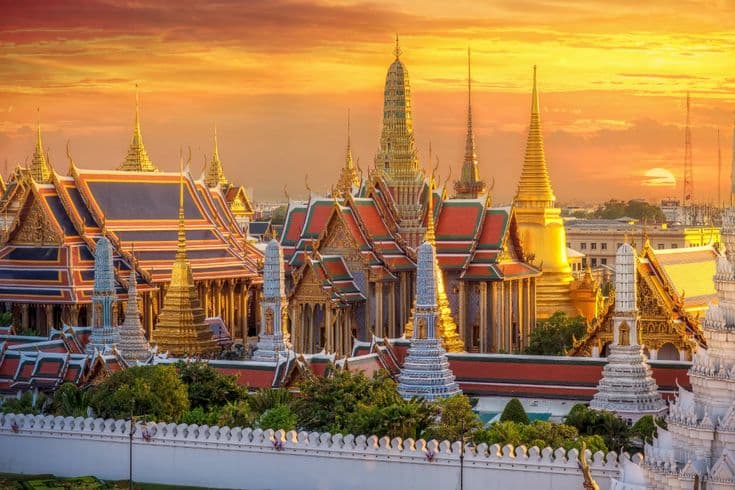
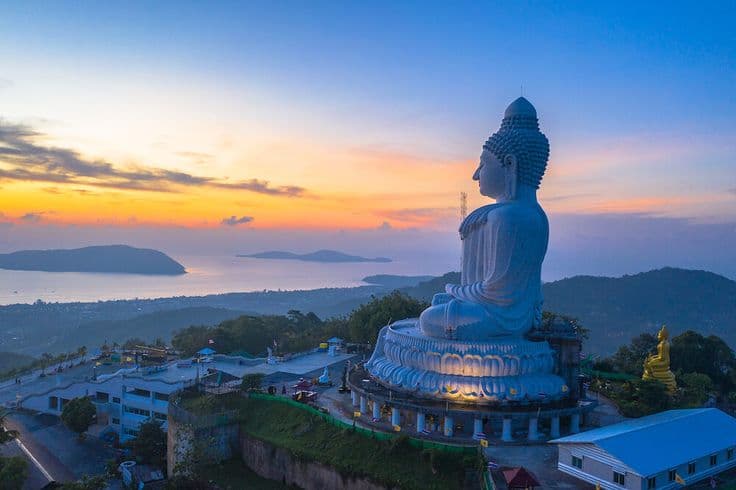
See all 12 Thailand packages
Most popular pick
See all 12 Thailand packages
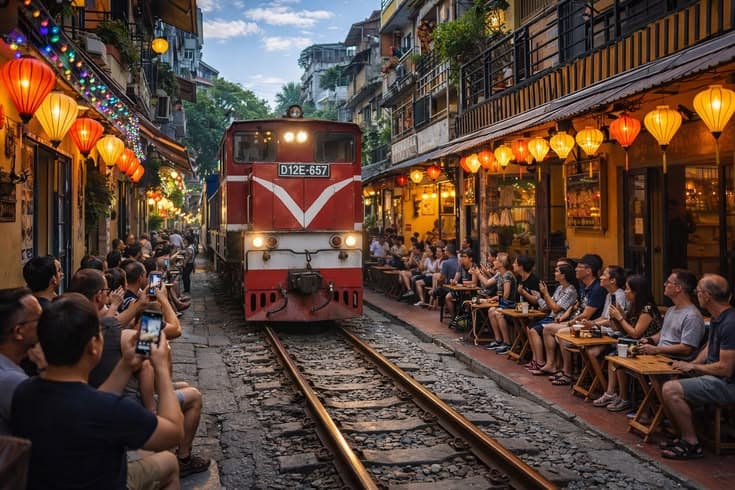
See all 8 Vietnam packages
Most popular pick
See all 8 Vietnam packages
See all 4 Indonesia (Bali) packages
Most popular pick
See all 4 Indonesia (Bali) packages
See all 3 Maldives packages
Most popular pick
See all 3 Maldives packages
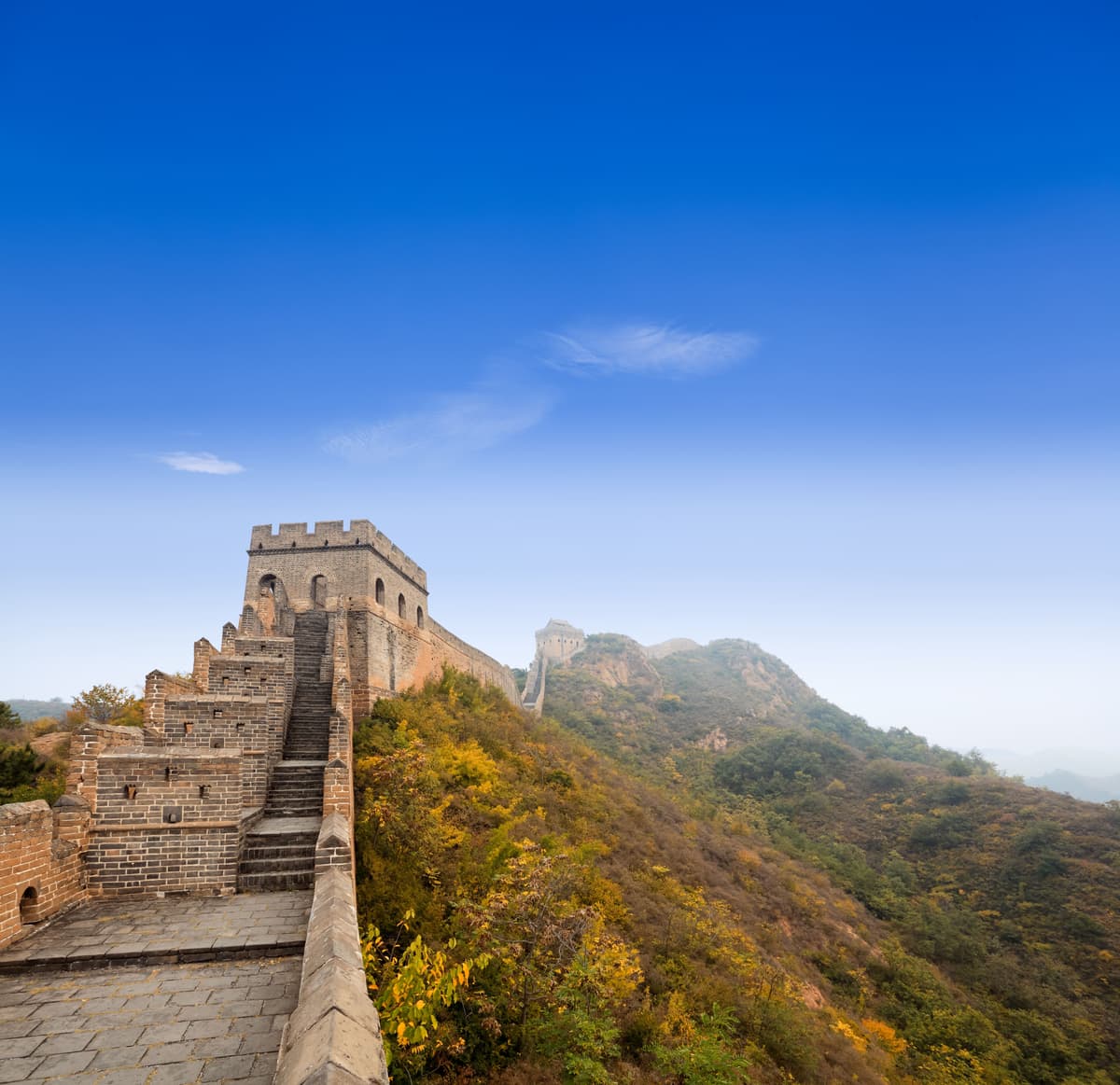
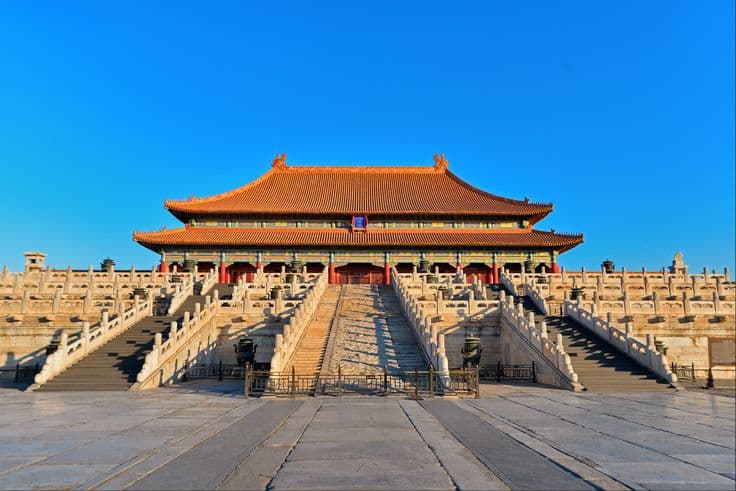
See all 3 China packages
Most popular pick
See all 3 China packages
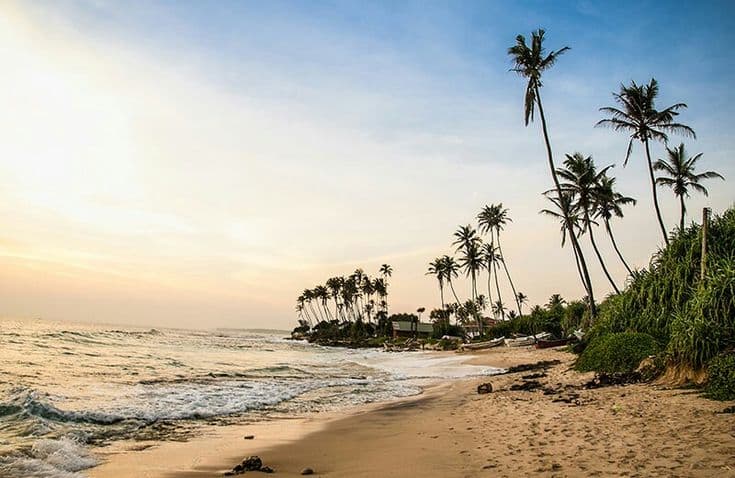
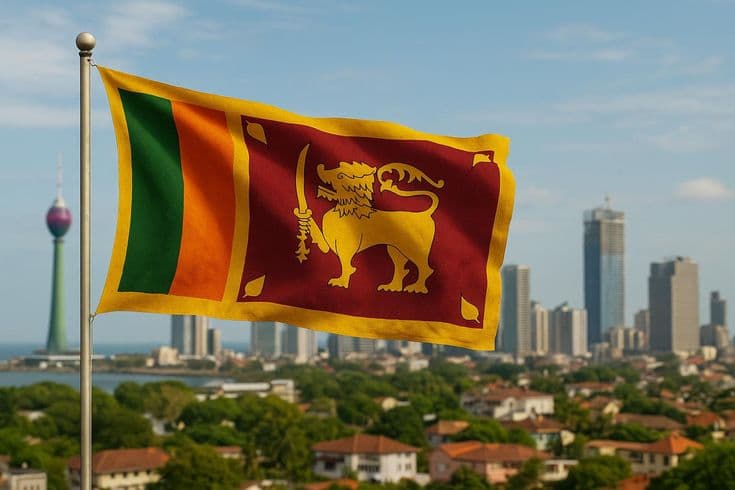
See all 2 Sri Lanka packages
Most popular pick
See all 2 Sri Lanka packages
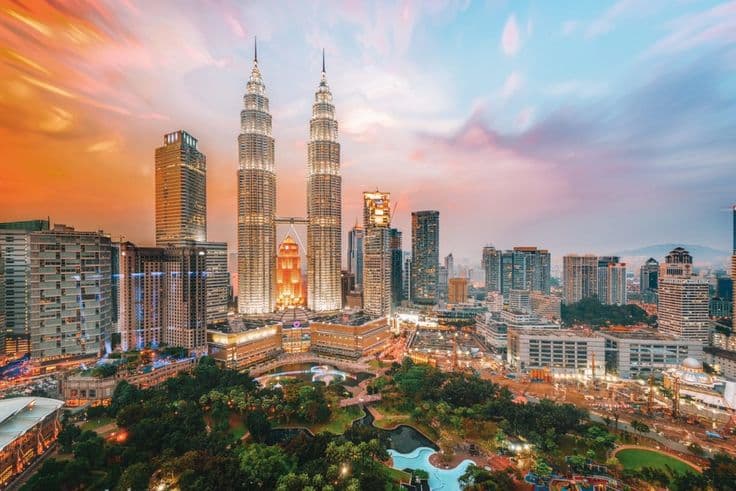
See all 3 Malaysia packages
Most popular pick
See all 3 Malaysia packages
See all 2 Singapore packages
Most popular pick
See all 2 Singapore packages
See all 2 Kenya packages
Most popular pick
See all 2 Kenya packages
See all 4 India packages
Most popular pick
See all 4 India packages
Search Tours or Places
Blog / Tanzania

12 Best Things to Do in Tanzania: Safari to Zanzibar

11 min read 26 Jul 2026

The list of things to do in Tanzania keeps growing the longer you look at a map. In the north the Serengeti, Ngorongoro Crater and Kilimanjaro sit within a few hours of each other. Off the coast is Zanzibar and its reefs. In the south and west there is a quieter Tanzania of river boats, wild dogs and chimpanzees that most travelers never reach. This Tanzania travel guide covers the experiences worth building a trip around, and how they fit together.

Best time to visit Tanzania and how the migration actually works

The dry months from late June to October are the easiest time for a Tanzania safari. Grass is short, animals gather at water, and roads are firm. January to March is the other strong window. The long rains fall roughly from late March into May, when some camps close.

The migration is not an event you catch on one date. It is a year round loop of wildebeest and zebra following the rain, and Tanzania holds the herds for most of it.

  • December to March: the southern short grass plains around Ndutu, with calving peaking in February inside a window of only two to three weeks.
  • April to May: the herds start moving north and west as the rains break.
  • June: the Western Corridor, where they bunch up at the Grumeti River.
  • July to August: steady movement into the far north.
  • September to October: the Mara River crossings in northern Serengeti, the most dramatic stage.
  • November: back south toward the plains.

Rainfall shifts these dates every year, so treat them as a guide, not a timetable.

Watch the wildebeest migration in the Serengeti

The Serengeti is the reason most people come. Where you sleep matters more than how many days you stay, because the herds move and your camp does not. Pick a camp in the region that matches your month.

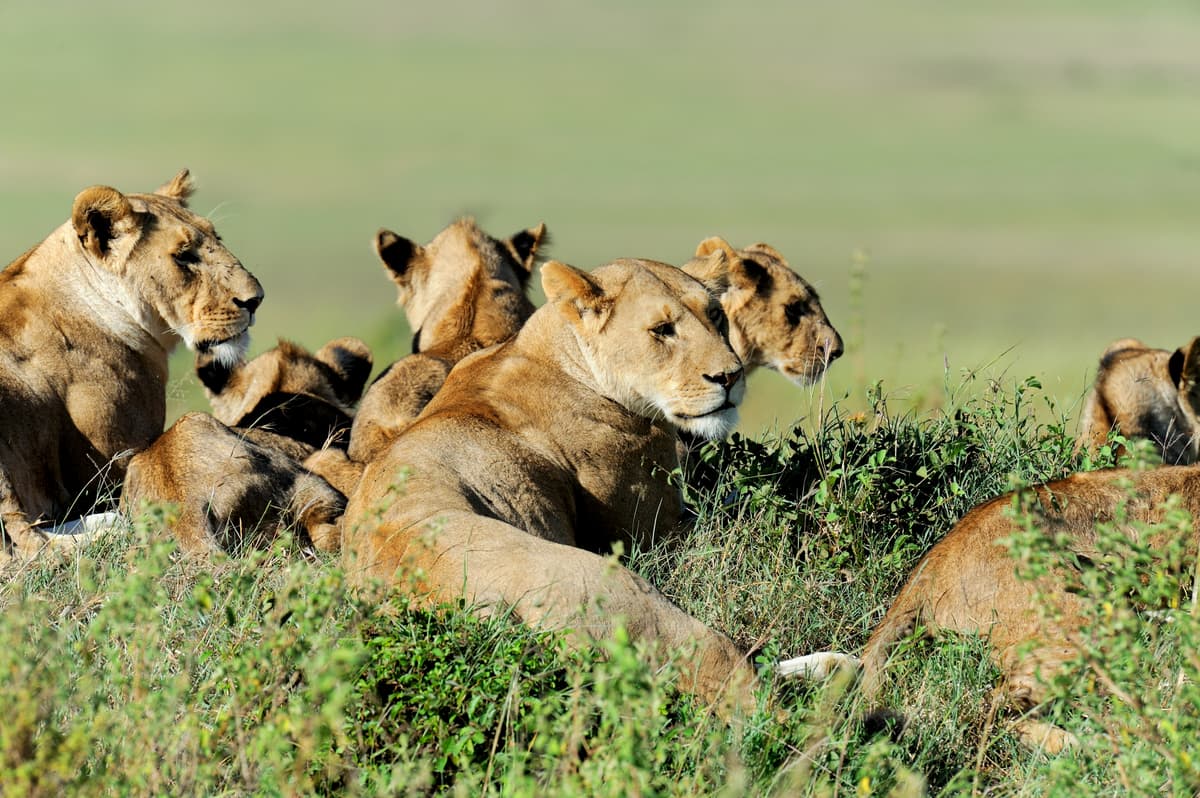
Even outside migration season the park holds resident lion prides, cheetah on the plains and leopard along the Seronera river valley. If you have read our guide to things to do in Kenya, the Serengeti will feel familiar. It is the same grassland system, just the larger Tanzanian half.

Drive into Ngorongoro Crater

Ngorongoro is a collapsed volcanic caldera with a floor of grassland, soda lake and forest, holding lion, elephant, buffalo and black rhino. It is the best single place in Tanzania to see rhino, though sightings are never promised.

The rules are strict. All visitors to the crater must be with a licensed guide, off road driving is banned, and no more than five vehicles may sit at one animal or kill. Gates open at 0600 and close at 1800, and the Seneto descent gate closes at 1600, so an early start is not optional.

See elephants and baobabs in Tarangire

Tarangire is the elephant park of the northern circuit. In the dry season, when water outside dries up, big herds come to the Tarangire River and the park fills with elephant, zebra and eland under old baobab trees. It is quieter than the Serengeti and easy to reach from Arusha. Go between July and October, since in the green months animals disperse outside the boundary and sightings thin out.

Add Lake Manyara for a short, different day

Lake Manyara is small and takes half a day, which is exactly its use. The road runs through groundwater forest with baboons and blue monkeys, then opens onto the lake shore where flamingos and pelicans feed. It is known for lions that rest in trees, though seeing one is luck rather than a plan. Most travelers slot it into the drive between Tarangire and the crater.

Climb Kilimanjaro

Kilimanjaro is 5,895 meters and the highest point in Africa, and it needs no technical climbing skill. What it needs is time on the mountain. Park rules require every climber to be with a licensed guide registered with the park authority, so solo climbs are not allowed.

Route length drives your odds more than route choice. Historic park data puts five day attempts near 27 percent and eight day attempts near 85 percent. Machame and Lemosho over seven or eight days are the popular middle ground, Rongai comes in from the drier north, and the Northern Circuit is longest with the highest success rate. Marangu in five days is the one to avoid.

Slow down in Zanzibar

Zanzibar is the natural second half of a Tanzania itinerary. Stone Town, on the UNESCO World Heritage list since 2000, is a maze of coral stone houses and carved doors holding Swahili, Arab and Indian history, including a hard record of the East African slave trade.

The north of the island, Nungwi and Kendwa, has the widest beaches and the least tidal retreat, so you can swim through the day. The east coast has huge tides that pull the water far out, better for kitesurfers than casual swimmers.

Snorkel and dive at Mnemba or Mafia Island

Mnemba Atoll, off the northeast tip of Zanzibar, is the easy option. Short boat ride, shallow reef, and it works for first time snorkelers as well as divers.

Mafia Island, further south, is the serious one, with a marine park, far fewer boats, and whale sharks gathering roughly from October to March. Diving conditions are cleanest from July to October, so pick your months by whether you want whale sharks or visibility.

Go south to Nyerere and Ruaha

The old Selous Game Reserve was split in 2019 and its northern section became Nyerere National Park, named for Julius Nyerere. At over 30,000 square kilometers it is one of the largest national parks in Africa, and the rest of Selous remains a separate reserve. The official description sits on the Tanzania National Parks site.

Nyerere gives you boat safaris on the Rufiji River, walking safaris and one of the last strongholds of African wild dog. Ruaha, inland to the west, is dry country with big lion prides and both greater and lesser kudu.

Trek chimpanzees at Mahale or Gombe

On the shore of Lake Tanganyika in the far west, Mahale Mountains and Gombe protect wild chimpanzee communities. Gombe is where Jane Goodall began her research in 1960. Mahale is bigger, wilder and where most trekking trips go.

You hike into forest with a ranger until the group is found, then spend a limited window with them. May to October is best, when trails are passable and the chimps stay lower on the slopes. Both parks are reached by small plane, so build in a spare day.

Spend a morning with a Maasai community

A Maasai visit is worth doing if you do it properly. Choose an operator that works with a community on an agreed arrangement rather than one that drops in on a village for photographs. Ask before you take pictures, buy beadwork directly, and treat it as time with people rather than a performance.

Float over the Serengeti in a hot air balloon

Balloons launch at first light and drift low over the plains for about an hour before landing for a bush breakfast. It is the one activity that shows you the shape of the Serengeti, the river lines and the scale of a moving herd, instead of the view from a vehicle window. Book well ahead in migration months, and put it early in your stay because flights cancel in wind.

Take a spice tour and eat well in Zanzibar

Zanzibar grows clove, nutmeg, cinnamon, cardamom and vanilla, and a spice farm tour outside Stone Town is a genuinely good half day, with plants you crush and taste as you walk. Swahili food leans on coconut, tamarind and grilled seafood.

In the evening the Forodhani Gardens stalls on the waterfront serve skewers, urojo soup and Zanzibar pizza. Eat where the queue is longest and the food is coming off the grill in front of you.

Tanzania experiences at a glance

ExperienceWhereBest forWhen to go
Wildebeest migrationSerengetiFirst time safari, photographyFeb calving, Jun Grumeti, Sep Mara crossings
Crater game driveNgorongoroRhino and big cats in one dayJun to Oct
Elephant herds and baobabsTarangireQuieter northern circuit dayJul to Oct
Forest, lake and birdsLake ManyaraHalf day stop en routeJun to Oct
Summit trekKilimanjaroFit hikers with 7 to 9 daysJan to Mar, Jun to Oct
Beaches and Swahili historyZanzibar, Nungwi, KendwaCouples, families, post safari restJun to Oct, Dec to Feb
Snorkeling and divingMnemba, Mafia IslandReef and whale sharksJul to Oct diving, Oct to Mar whale sharks
River boat and walking safariNyerere, RuahaRepeat visitors, wild dogJun to Oct
Chimpanzee trekkingMahale, GombePrimate focused tripsMay to Oct
Maasai community visitNorthern circuitCultural interestYear round
Hot air balloonSerengetiSpecial occasionsJun to Oct, Jan to Mar
Spice farms and street foodStone TownFood lovers, familiesYear round

Entry rules to check before you book

Most visitors apply through Tanzania's official electronic visa portal at visa.immigration.go.tz. The ordinary single entry visa covers tourism for up to 90 days. A multiple entry visa is available for limited categories and, for tourism, is issued to United States nationals. Applications are processed within ten days, so apply early.

Nationals of a listed group of countries, along with stateless persons and refugees, fall under the referral visa category and must get advance approval instead of applying on arrival. Check the official list rather than assuming.

Proof of yellow fever vaccination is required if you are arriving from a country where the disease is present, and that can include airport transits of around 12 hours or more, so confirm your exact routing against the current rule. Zanzibar has also required all inbound visitors to hold mandatory local travel insurance since October 2024, arranged through the official Zanzibar portal, with the youngest children exempt. No second visa is needed, but your passport is checked on arrival even on a domestic flight.

How to plan your Tanzania trip

Think of Tanzania as three blocks. The northern circuit covers Arusha, Tarangire, Manyara, Ngorongoro and the Serengeti, connected by road with short flights available. The southern circuit means Nyerere and Ruaha, reached by air from Dar es Salaam and better suited to a second visit. Zanzibar is the coast, and it pairs with either.

A first trip usually works best as a northern circuit safari followed by beach time in Zanzibar. Allow at least four nights on safari so you are not spending all of it in transit, then three or four on the coast. If Kilimanjaro is on the plan, climb first and safari after.

Because the Serengeti and Kenya's Maasai Mara are one ecosystem divided by a border, some travelers cross over and see both. Our Maasai Mara safari covers the Kenyan side of the same plains, and our full range of Kenya safari packages is the neighboring option most people combine with Tanzania.

Frequently asked questions about visiting Tanzania

What is the best time to visit Tanzania?

June to October is the main dry season and the easiest time for a Tanzania safari, with short grass and animals gathered at water. January to March is the second good window and covers calving season in the southern Serengeti. Avoid the long rains from late March into May.

How many days do you need in Tanzania?

Eight to ten days suits most first trips. That allows four or five nights on the northern circuit safari and three or four in Zanzibar. Adding Kilimanjaro pushes it to around two weeks, since the climb alone needs seven to nine days on the mountain.

Can you see the wildebeest migration all year in Tanzania?

Yes, in the sense that the herds spend most of the year inside the Serengeti. What changes is where. Southern plains from December to March, Western Corridor and the Grumeti River around June, and the northern Mara River crossings around September and October.

Do you need a guide to climb Kilimanjaro?

Yes. Park rules require every climber to be accompanied by a licensed guide registered with the park authority, and solo climbing is not permitted. You must book through a licensed operator and register at the park gate before starting.

Is Selous Game Reserve still called Selous?

Partly. In 2019 the northern section was gazetted as Nyerere National Park, now one of Africa's largest national parks, while the remainder continues as Selous Game Reserve. Most safari itineraries in that area now refer to Nyerere.

Do you need a separate visa for Zanzibar?

No. Zanzibar is part of Tanzania and your Tanzania visa covers it. Your passport is still checked on arrival, including on domestic flights, and inbound visitors must hold the mandatory Zanzibar travel insurance introduced in October 2024.

Tags
TanzaniaTanzania SafariSerengetiZanzibarNgorongoro CraterMount KilimanjaroAfrica TravelWildebeest Migration
Share
G
Gomayu Team
Writer at Gomayu
Keep reading
Blog / Tanzania

12 Best Things to Do in Tanzania: Safari to Zanzibar

11 min read 26 Jul 2026

The list of things to do in Tanzania keeps growing the longer you look at a map. In the north the Serengeti, Ngorongoro Crater and Kilimanjaro sit within a few hours of each other. Off the coast is Zanzibar and its reefs. In the south and west there is a quieter Tanzania of river boats, wild dogs and chimpanzees that most travelers never reach. This Tanzania travel guide covers the experiences worth building a trip around, and how they fit together.

Best time to visit Tanzania and how the migration actually works

The dry months from late June to October are the easiest time for a Tanzania safari. Grass is short, animals gather at water, and roads are firm. January to March is the other strong window. The long rains fall roughly from late March into May, when some camps close.

The migration is not an event you catch on one date. It is a year round loop of wildebeest and zebra following the rain, and Tanzania holds the herds for most of it.

  • December to March: the southern short grass plains around Ndutu, with calving peaking in February inside a window of only two to three weeks.
  • April to May: the herds start moving north and west as the rains break.
  • June: the Western Corridor, where they bunch up at the Grumeti River.
  • July to August: steady movement into the far north.
  • September to October: the Mara River crossings in northern Serengeti, the most dramatic stage.
  • November: back south toward the plains.

Rainfall shifts these dates every year, so treat them as a guide, not a timetable.

Watch the wildebeest migration in the Serengeti

The Serengeti is the reason most people come. Where you sleep matters more than how many days you stay, because the herds move and your camp does not. Pick a camp in the region that matches your month.

Even outside migration season the park holds resident lion prides, cheetah on the plains and leopard along the Seronera river valley. If you have read our guide to things to do in Kenya, the Serengeti will feel familiar. It is the same grassland system, just the larger Tanzanian half.

Drive into Ngorongoro Crater

Ngorongoro is a collapsed volcanic caldera with a floor of grassland, soda lake and forest, holding lion, elephant, buffalo and black rhino. It is the best single place in Tanzania to see rhino, though sightings are never promised.

The rules are strict. All visitors to the crater must be with a licensed guide, off road driving is banned, and no more than five vehicles may sit at one animal or kill. Gates open at 0600 and close at 1800, and the Seneto descent gate closes at 1600, so an early start is not optional.

See elephants and baobabs in Tarangire

Tarangire is the elephant park of the northern circuit. In the dry season, when water outside dries up, big herds come to the Tarangire River and the park fills with elephant, zebra and eland under old baobab trees. It is quieter than the Serengeti and easy to reach from Arusha. Go between July and October, since in the green months animals disperse outside the boundary and sightings thin out.

Add Lake Manyara for a short, different day

Lake Manyara is small and takes half a day, which is exactly its use. The road runs through groundwater forest with baboons and blue monkeys, then opens onto the lake shore where flamingos and pelicans feed. It is known for lions that rest in trees, though seeing one is luck rather than a plan. Most travelers slot it into the drive between Tarangire and the crater.

Climb Kilimanjaro

Kilimanjaro is 5,895 meters and the highest point in Africa, and it needs no technical climbing skill. What it needs is time on the mountain. Park rules require every climber to be with a licensed guide registered with the park authority, so solo climbs are not allowed.

Route length drives your odds more than route choice. Historic park data puts five day attempts near 27 percent and eight day attempts near 85 percent. Machame and Lemosho over seven or eight days are the popular middle ground, Rongai comes in from the drier north, and the Northern Circuit is longest with the highest success rate. Marangu in five days is the one to avoid.

Slow down in Zanzibar

Zanzibar is the natural second half of a Tanzania itinerary. Stone Town, on the UNESCO World Heritage list since 2000, is a maze of coral stone houses and carved doors holding Swahili, Arab and Indian history, including a hard record of the East African slave trade.

The north of the island, Nungwi and Kendwa, has the widest beaches and the least tidal retreat, so you can swim through the day. The east coast has huge tides that pull the water far out, better for kitesurfers than casual swimmers.

Snorkel and dive at Mnemba or Mafia Island

Mnemba Atoll, off the northeast tip of Zanzibar, is the easy option. Short boat ride, shallow reef, and it works for first time snorkelers as well as divers.

Mafia Island, further south, is the serious one, with a marine park, far fewer boats, and whale sharks gathering roughly from October to March. Diving conditions are cleanest from July to October, so pick your months by whether you want whale sharks or visibility.

Go south to Nyerere and Ruaha

The old Selous Game Reserve was split in 2019 and its northern section became Nyerere National Park, named for Julius Nyerere. At over 30,000 square kilometers it is one of the largest national parks in Africa, and the rest of Selous remains a separate reserve. The official description sits on the Tanzania National Parks site.

Nyerere gives you boat safaris on the Rufiji River, walking safaris and one of the last strongholds of African wild dog. Ruaha, inland to the west, is dry country with big lion prides and both greater and lesser kudu.

Trek chimpanzees at Mahale or Gombe

On the shore of Lake Tanganyika in the far west, Mahale Mountains and Gombe protect wild chimpanzee communities. Gombe is where Jane Goodall began her research in 1960. Mahale is bigger, wilder and where most trekking trips go.

You hike into forest with a ranger until the group is found, then spend a limited window with them. May to October is best, when trails are passable and the chimps stay lower on the slopes. Both parks are reached by small plane, so build in a spare day.

Spend a morning with a Maasai community

A Maasai visit is worth doing if you do it properly. Choose an operator that works with a community on an agreed arrangement rather than one that drops in on a village for photographs. Ask before you take pictures, buy beadwork directly, and treat it as time with people rather than a performance.

Float over the Serengeti in a hot air balloon

Balloons launch at first light and drift low over the plains for about an hour before landing for a bush breakfast. It is the one activity that shows you the shape of the Serengeti, the river lines and the scale of a moving herd, instead of the view from a vehicle window. Book well ahead in migration months, and put it early in your stay because flights cancel in wind.

Take a spice tour and eat well in Zanzibar

Zanzibar grows clove, nutmeg, cinnamon, cardamom and vanilla, and a spice farm tour outside Stone Town is a genuinely good half day, with plants you crush and taste as you walk. Swahili food leans on coconut, tamarind and grilled seafood.

In the evening the Forodhani Gardens stalls on the waterfront serve skewers, urojo soup and Zanzibar pizza. Eat where the queue is longest and the food is coming off the grill in front of you.

Tanzania experiences at a glance

ExperienceWhereBest forWhen to go
Wildebeest migrationSerengetiFirst time safari, photographyFeb calving, Jun Grumeti, Sep Mara crossings
Crater game driveNgorongoroRhino and big cats in one dayJun to Oct
Elephant herds and baobabsTarangireQuieter northern circuit dayJul to Oct
Forest, lake and birdsLake ManyaraHalf day stop en routeJun to Oct
Summit trekKilimanjaroFit hikers with 7 to 9 daysJan to Mar, Jun to Oct
Beaches and Swahili historyZanzibar, Nungwi, KendwaCouples, families, post safari restJun to Oct, Dec to Feb
Snorkeling and divingMnemba, Mafia IslandReef and whale sharksJul to Oct diving, Oct to Mar whale sharks
River boat and walking safariNyerere, RuahaRepeat visitors, wild dogJun to Oct
Chimpanzee trekkingMahale, GombePrimate focused tripsMay to Oct
Maasai community visitNorthern circuitCultural interestYear round
Hot air balloonSerengetiSpecial occasionsJun to Oct, Jan to Mar
Spice farms and street foodStone TownFood lovers, familiesYear round

Entry rules to check before you book

Most visitors apply through Tanzania's official electronic visa portal at visa.immigration.go.tz. The ordinary single entry visa covers tourism for up to 90 days. A multiple entry visa is available for limited categories and, for tourism, is issued to United States nationals. Applications are processed within ten days, so apply early.

Nationals of a listed group of countries, along with stateless persons and refugees, fall under the referral visa category and must get advance approval instead of applying on arrival. Check the official list rather than assuming.

Proof of yellow fever vaccination is required if you are arriving from a country where the disease is present, and that can include airport transits of around 12 hours or more, so confirm your exact routing against the current rule. Zanzibar has also required all inbound visitors to hold mandatory local travel insurance since October 2024, arranged through the official Zanzibar portal, with the youngest children exempt. No second visa is needed, but your passport is checked on arrival even on a domestic flight.

How to plan your Tanzania trip

Think of Tanzania as three blocks. The northern circuit covers Arusha, Tarangire, Manyara, Ngorongoro and the Serengeti, connected by road with short flights available. The southern circuit means Nyerere and Ruaha, reached by air from Dar es Salaam and better suited to a second visit. Zanzibar is the coast, and it pairs with either.

A first trip usually works best as a northern circuit safari followed by beach time in Zanzibar. Allow at least four nights on safari so you are not spending all of it in transit, then three or four on the coast. If Kilimanjaro is on the plan, climb first and safari after.

Because the Serengeti and Kenya's Maasai Mara are one ecosystem divided by a border, some travelers cross over and see both. Our Maasai Mara safari covers the Kenyan side of the same plains, and our full range of Kenya safari packages is the neighboring option most people combine with Tanzania.

Frequently asked questions about visiting Tanzania

What is the best time to visit Tanzania?

June to October is the main dry season and the easiest time for a Tanzania safari, with short grass and animals gathered at water. January to March is the second good window and covers calving season in the southern Serengeti. Avoid the long rains from late March into May.

How many days do you need in Tanzania?

Eight to ten days suits most first trips. That allows four or five nights on the northern circuit safari and three or four in Zanzibar. Adding Kilimanjaro pushes it to around two weeks, since the climb alone needs seven to nine days on the mountain.

Can you see the wildebeest migration all year in Tanzania?

Yes, in the sense that the herds spend most of the year inside the Serengeti. What changes is where. Southern plains from December to March, Western Corridor and the Grumeti River around June, and the northern Mara River crossings around September and October.

Do you need a guide to climb Kilimanjaro?

Yes. Park rules require every climber to be accompanied by a licensed guide registered with the park authority, and solo climbing is not permitted. You must book through a licensed operator and register at the park gate before starting.

Is Selous Game Reserve still called Selous?

Partly. In 2019 the northern section was gazetted as Nyerere National Park, now one of Africa's largest national parks, while the remainder continues as Selous Game Reserve. Most safari itineraries in that area now refer to Nyerere.

Do you need a separate visa for Zanzibar?

No. Zanzibar is part of Tanzania and your Tanzania visa covers it. Your passport is still checked on arrival, including on domestic flights, and inbound visitors must hold the mandatory Zanzibar travel insurance introduced in October 2024.

Tags
TanzaniaTanzania SafariSerengetiZanzibarNgorongoro CraterMount KilimanjaroAfrica TravelWildebeest Migration
Share
G
Gomayu Team
Writer at Gomayu
Keep reading