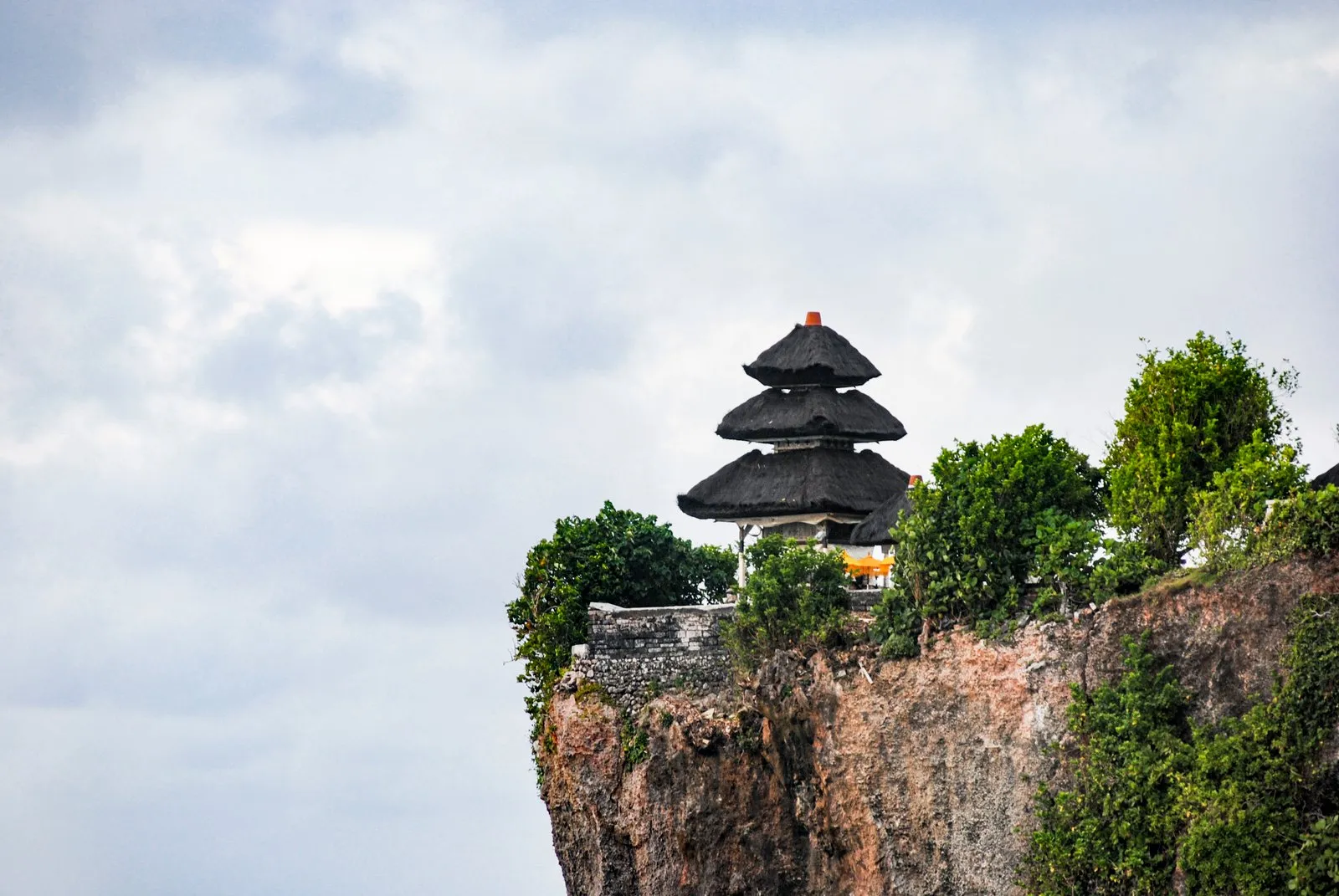
+977-9768558250
Explore by Country
See all 22 Thailand packages
Most popular pick
See all 22 Thailand packages →
See all 11 Vietnam packages
Most popular pick
See all 11 Vietnam packages →
See all 10 Indonesia (Bali) packages
Most popular pick
See all 10 Indonesia (Bali) packages →
See all 7 Maldives packages
Most popular pick
See all 7 Maldives packages →
See all 10 China packages
Most popular pick
See all 10 China packages →
See all 13 Sri Lanka packages
Most popular pick
See all 13 Sri Lanka packages →
See all 9 Malaysia packages
Most popular pick
See all 9 Malaysia packages →
See all 8 Singapore packages
Most popular pick
See all 8 Singapore packages →
See all 2 Kenya packages
Most popular pick
See all 2 Kenya packages →
See all 16 India packages
Most popular pick
See all 16 India packages →
See all 3 Dubai packages
Most popular pick
See all 3 Dubai packages →
See all 7 Nepal packages
Most popular pick
See all 7 Nepal packages →
See all 6 Philippines packages
Most popular pick
See all 6 Philippines packages →
Search Tours or Places
Blog / Indonesia

Uluwatu Temple and Uluwatu Bali Guide: Kecak Dance, Beaches and Tips

34 min read 06 Nov 2026
Aerial view of the long white sand of Nyang Nyang Beach below green cliffs near Uluwatu

Short answer: Uluwatu Temple (Pura Luhur Uluwatu) is a Balinese Hindu sea temple on a cliff about 70 metres above the Indian Ocean, at the south western tip of Bali's Bukit Peninsula. Most people visit in the late afternoon, walk the cliff paths, watch the sunset Kecak dance in the open air amphitheatre beside the temple, and spend the rest of their time on the beaches nearby: Padang Padang, Melasti, Suluban, Bingin, Balangan and Nyang Nyang. Dress modestly (sarongs and sashes are handed out at the entrance), hold on to your sunglasses because of the monkeys, and allow 45 minutes to well over an hour for the drive from the airport.

This guide covers the whole Uluwatu area for first time visitors: what the temple actually is, what you can and cannot enter, how the Kecak dance works and when it starts, which beaches suit swimmers and which only suit surfers, where to base yourself, and how traffic on the peninsula really behaves. Volatile facts such as show times and rules are dated so you know how fresh they are. For the bigger picture of the island, read our complete Bali travel guide first, then come back here for the south.

Quick factDetail
Official namePura Luhur Uluwatu
LocationPecatu village, South Kuta district, Badung Regency, southern Bali
SettingOn a cliff about 70 m (230 ft) above the Indian Ocean
Religious statusOne of Bali's Sad Kahyangan (six great sanctuaries) and one of the nine directional temples (Kahyangan Jagat), guarding the south west
Typical visiting hoursVisitor guides commonly list about 7am to 7pm; we found no official timetable online, so confirm locally
Kecak danceDaily sunset show at 6pm; some online ticket sellers also list a 7pm session (Checked: 6 Nov 2026)
Distance from Ngurah Rai AirportRoughly 20 to 25 km, about 45 minutes to 1.5 hours by road depending on traffic
Time zoneWITA (UTC+8), 2 hours 15 minutes ahead of Nepal
CurrencyIndonesian rupiah (IDR)

What is Uluwatu known for?

Tiered thatched shrine of Uluwatu Temple perched on a sheer limestone cliff edge in Bali

Uluwatu is known for three things: the cliff top Uluwatu Temple, the sunset Kecak dance performed beside it, and some of the most famous surf breaks in Asia on the beaches below. Around those three sit cliff top villas, beach clubs and small surf guesthouses, which makes Uluwatu feel quite different from busier Kuta or green, inland Ubud.

Strictly speaking, "Uluwatu" is not a town. It is the name people use for the south western corner of the Bukit Peninsula, the dry limestone plateau that hangs off the bottom of Bali. Most of what visitors call Uluwatu lies in Pecatu village, with Ungasan to the east and Jimbaran to the north. The landscape is the opposite of the rice terrace image of Bali: sheer white and grey cliffs, scrubby headlands, and small coves reached by long staircases cut into the rock.

Here is how the main attractions compare, so you can decide how much time to give each one.

AttractionWhat it isBest timeWho it suits
Uluwatu Temple and cliff walkSea temple on a 70 m cliff, with paths along the cliff edgeLate afternoon, before sunsetEveryone; steps and slopes involved
Kecak danceHour long chant and dance drama based on the Ramayana, performed outdoorsSunset, from 6pmFirst timers, couples, families with children who can sit for an hour
Surf breaksReef breaks such as Uluwatu (below Suluban), Padang Padang and BinginDrier months, roughly April to October, for the classic swell and windIntermediate and advanced surfers; a few spots for beginners
Cove beachesSmall sandy bays under cliffs, many reached by stairsMorning, or lower tides for rock poolsSwimmers at calmer beaches, photographers, beach club fans
Cliff top sunsetsBars, villas and viewpoints facing west over the oceanSunset, roughly 6pm to 6:45pm depending on the monthCouples, honeymooners, groups

If you are still choosing between regions of the island, our guide to the best places to visit in Bali and where to stay by area compares Uluwatu with Seminyak, Canggu, Ubud, Sanur and Nusa Dua.

What is the history and meaning of Uluwatu Temple?

Uluwatu Temple is one of the holiest temples in Bali. It is counted among the Sad Kahyangan, the six great sanctuaries that Balinese Hindus believe protect the island, and it is also one of the nine directional temples (Kahyangan Jagat), assigned to the south west. It is the only one of Bali's sea temples that is also a directional temple, which explains why it matters so much to local worshippers and is far more than a sunset viewpoint.

According to the temple's documented history on Wikipedia's Pura Luhur Uluwatu entry, a shrine stood here before the Javanese sage Empu Kuturan expanded it in the 11th century. Around the turn of the 16th century another sage from East Java, Dang Hyang Nirartha, added padmasana shrines. Balinese tradition holds that Nirartha attained moksha (spiritual liberation) on this cliff, an event called ngeluhur, which is where the word "Luhur" in the temple's name comes from. The temple is dedicated to Sang Hyang Widhi Wasa in his manifestation as Rudra.

Nirartha is also credited with founding several of the sea temples around Bali's coast, which are traditionally said to be visible one from the next. Tanah Lot on the west coast and Uluwatu in the south are the two most visited links in that chain. If you plan to see several temples on your trip, our list of Bali's most important temples worth visiting explains how Uluwatu compares with Besakih, Tanah Lot, Ulun Danu Beratan and Tirta Empul.

TermMeaningWhy it matters on your visit
PuraBalinese templeYou will see it in the names of every temple on the island
Luhur"Height", linked to Nirartha's moksha on the cliffExplains the full name, Pura Luhur Uluwatu
Ulu / watuCommonly explained as "tip" or "head" and "stone" or "rock"Describes the temple's position on the end of the rock
Sad KahyanganThe six great sanctuaries of BaliSignals that this is a major place of worship, not a tourist site first
Kahyangan JagatThe nine directional templesUluwatu guards the south west
Piodalan (odalan)The temple's anniversary ceremony, every 210 days on the Balinese Pawukon calendarParts of the temple may close to visitors and roads get busy

Land around the temple is also protected. A 2015 regulation sets out a sacred zone around Uluwatu, with a core zone of up to 1 km, a buffer zone to 2.5 km and a utilisation zone to 5 km, which limits what can be built near the temple. The customary law of the Pecatu village community also treats the temple forest as part of its sacred space.

For Nepali Hindu travellers, much of this will feel familiar. Balinese Hinduism shares deities and epics with Hinduism in Nepal, but the rituals, offerings and temple layouts look quite different. The courtyard design, split gates (candi bentar) and tiered meru shrines are uniquely Balinese.
Explore Indonesia (Bali) tour packages
View all →

How do you visit Uluwatu Temple?

You visit Uluwatu Temple by buying an entry ticket at the gate near the car park, putting on the sarong or sash you are given, and walking the paved cliff top paths to the viewpoints on either side of the temple. Tourists can see the temple from outside and from the cliff paths, but cannot enter its inner courtyards, which are reserved for worshippers. Plan on about 60 to 90 minutes for the temple and cliff walk, longer if you are staying for the Kecak dance.

Uluwatu Temple visit checklist

  • Clothing: shoulders covered and legs covered to below the knee. Sarongs and sashes are provided at the entrance if you need them; avoid swimwear and very short shorts.
  • Shoes: comfortable closed shoes or secure sandals. Paths include slopes and steps, and monkeys are known to snatch loose flip flops.
  • Bag: a zipped bag or backpack worn on your front. Put sunglasses, hats, hair clips and earrings away before you enter the forest section.
  • Phone: a wrist strap or a firm grip, especially near railings and cliff edges.
  • Food: keep snacks and drinks out of sight; plastic bags of food attract monkeys straight away.
  • Water and sun cover: the cliff top is exposed and hot until late afternoon.
  • Cash and cards: carry rupiah and a payment card; Bali's visitor rules require transactions in rupiah.
  • Time buffer: arrive at least 90 minutes before sunset if you also want a good Kecak seat.

What can visitors see and what is closed?

Visitors can walk the cliff top paths, look across to the temple from the viewpoints, and see the outer gates and walls. The inner sanctum and main courtyards are closed to tourists. Bali's Governor Circular No. 7 of 2025 lists entering the main and middle temple courtyards (Utamaning Mandala and Madyaning Mandala) as prohibited for anyone who is not there to pray, and worshippers must wear traditional Balinese dress. The same circular notes that menstruating women may not enter these sacred areas, in line with Balinese custom.

Access to some areas can also change during ceremonies. During the temple's Piodalan in May 2025, for example, the temple stayed open to tourists but many areas of the complex were restricted, according to a report in The Bali Sun. The Piodalan falls every 210 days, so ask your hotel or driver whether one is on during your dates.

AreaOpen to visitors?Notes
Car park, ticket gate and sarong deskYesStarting point for the temple and the Kecak amphitheatre
Cliff top paths and viewpointsYesPaved paths with steps; low walls in places, so watch children
Outer temple gates and wallsView from outsideGood for photos; do not climb walls or shrines
Main and middle courtyards (Utama and Madya Mandala)No, worshippers onlyProhibited for tourists under Governor Circular No. 7 of 2025
Kecak amphitheatreTicket holders during show timesSeparate ticket from temple entry

Are there monkeys at Uluwatu Temple, and how do you avoid trouble?

Yes. Long tailed macaques live in the forest around Uluwatu Temple and are famous for grabbing sunglasses, hats, phones, cameras and even flip flops. Researchers have studied the habit: the monkeys often hold items until they are offered food in exchange, and young monkeys appear to learn this bartering from older ones. Feeding them to get your belongings back only rewards the behaviour.

  • Remove glasses and hats before you walk into the forest section, and keep them in a closed bag.
  • Do not carry visible food, drinks or plastic bags.
  • Do not touch, feed, tease or corner a monkey, and do not stare at one at close range.
  • Keep children close and holding an adult's hand on the paths.
  • If something is taken, do not chase the monkey. Ask temple staff for help.
  • If you are scratched or bitten, wash the wound well with soap and running water and see a doctor promptly; a monkey bite needs medical assessment.

For wider advice on health, scams and road risks around the island, see our honest guide on Bali safety for travellers.

Temple etiquette in brief

  • Do not step on offerings (canang sari) placed on the ground.
  • Give way to anyone carrying offerings or walking in a procession.
  • Do not sit or stand on shrines, walls or statues for photos.
  • Keep your voice low near worshippers, and ask before photographing people praying.
  • Stay behind barriers on the cliff edge. The drop is about 70 metres.

Our guide to Bali etiquette and things to avoid covers temple behaviour, gestures and dress across the whole island.

What is the Kecak fire dance and when does it start?

Kecak dancers seated in concentric circles around a lamp at the Uluwatu Temple amphitheatre

The Kecak dance at Uluwatu is an hour long performance of a Ramayana story, chanted by a large circle of bare chested men with no musical instruments, held in an open air amphitheatre beside the temple. The main show starts at 6pm so that it plays out against the sunset. An online ticket page for the show and a January 2026 visitor guide also list a second session at 7pm, but we found no official schedule confirming it (Checked: 6 Nov 2026). Times can change on busy dates, ceremony days and in bad weather, so confirm on the day you go.

Where Kecak comes from

Kecak grew out of sanghyang, a Balinese trance and exorcism ritual. In the 1930s it was developed into a dance drama based on the Ramayana, a change often credited to the Balinese dancer Wayan Limbak working with the German painter and musician Walter Spies, though Balinese scholars point out that local artists were already shaping the form. According to Wikipedia's Kecak entry, performances typically involve about 50 to 100 men, sometimes as many as 150, sitting in concentric circles and chanting "cak" in interlocking rhythms. The voices are the only music.

The story follows Rama, Sita and Lakshmana in exile, Sita's abduction by Ravana, and Hanuman's search for her. Nepali Hindu visitors will know this story well: Sita is revered in Nepal as Janaki, traditionally linked with Janakpur. Watching the familiar characters through Balinese movement and costume is one of the more memorable cultural moments of a Bali trip for travellers from Nepal and India.

Uluwatu Kecak schedule at a glance

ItemWhat to expectSource and date
First session6pm to about 7pm, timed for sunsetOnline ticket page, The Bali Sun (May 2025) and Wikipedia; checked 6 Nov 2026
Second session7pm to about 8pm, after dark, if runningListed by an online ticket page and a January 2026 visitor guide only; not officially confirmed
DurationAbout one hour, no intervalVisitor guides and Wikipedia
WeatherOutdoor show; performances depend on weather conditionsOnline ticket page
Ceremony daysThe Kecak continued as normal during the May 2025 PiodalanThe Bali Sun, May 2025
NyepiNo shows on Nyepi, Bali's Day of Silence, when the whole island shuts downIsland wide closure for 24 hours each year

Kecak timing and seating tips

  • Arrive 60 to 90 minutes early. Seating is first come, first served, and the best seats go first in peak season. Arriving around 4:30pm gives you time to see the temple first.
  • Buy tickets early in peak periods. The 6pm show can sell out on weekends, in peak season and around major holidays.
  • Pick your seat for the view you want. Higher rows show the whole circle with the ocean behind it, while front rows are closest to the fire scene. For some shade at the 6pm show, one visitor guide suggests the far right and upper rows.
  • Think about the sun. At the 6pm show, many seats face direct low sun for the first part of the performance. Bring a hat you can hold on to, sunglasses in a case, and water.
  • Consider a 7pm session if one is running. You lose the sunset backdrop but may get a calmer arrival and an easier exit.
  • Expect a slow exit. Most of the audience leaves the car park at once after the 6pm show. Agree a meeting point with your driver beforehand.
  • Keep monkey rules in mind. The amphitheatre sits next to the temple forest, so secure loose items before you sit down.

How should you time a sunset visit?

The most common way to plan an Uluwatu evening is to arrive in mid afternoon and work backwards from the 6pm Kecak. This timing table suits a first visit.

TimeWhat to doWhy
Before 3pmLeave Seminyak, Kuta or CangguBeats the worst of the southbound sunset traffic
3:30pm to 4pmArrive, collect sarong, enter the temple areaSofter light and fewer crowds on the cliff paths
4pm to 5pmWalk the cliff paths to both viewpointsBest light on the temple and the cliffs
5pmTake your seat in the amphitheatreGood choice of seats before peak arrival
6pm to 7pmKecak dance with sunset behind the stageThe main reason most people come at this hour
After 7pmDinner in Jimbaran, Pecatu or at a cliff top restaurantLets the car park traffic clear before a long drive

Which beaches near Uluwatu are best?

The best beach near Uluwatu depends on what you want: Melasti is the easiest to reach and the calmest for a swim, Padang Padang is the classic small cove with good conditions for a dip on calm days, Suluban and Bingin are mainly for surfers and views, Balangan is a long beach with a beginner friendly wave at the right tide, and Nyang Nyang is the wild, empty one at the bottom of a long path. Most beaches here sit below cliffs, so check the access before you go, especially with children or older relatives.

The table below compares the main Uluwatu beaches by access, swimming and surf. Step counts are approximate figures reported by visitor guides in 2026; tides and swell change conditions daily.

BeachAccessSwimmingSurfTide notesBest for
Padang PadangAbout 120 steps down a narrow staircase through the cliff, from parking off the main roadGood on calm days in the sandy coveWorld famous reef break for experts; smaller "Baby Padang" wave for beginnersSmall cove that gets very crowded in peak seasonClassic cove, swimmers, watching expert surfers
Melasti (Ungasan)Easiest; road down the cliff with parking close to the sandCalmest water on the peninsula in many conditionsNot a surf beachMore room to swim at high tide between sand and breakersFamilies, beach clubs, photos of the cliff road
Suluban (Uluwatu Beach)Short but steep staircase, then through rocks and a sea cave to the sandNot a swimming beach; strong surf and reefGateway to the famous Uluwatu reef breaks, for advanced surfersCave route and rock pools best at lower tidesSurfers, cave and cliff photography, cliff top cafes
BinginAlmost 200 steep, uneven steps; not suitable for limited mobilityLimited; reef close to shoreFast reef wave for experienced surfersReef and rock pools exposed at low tideSurfers, sunset, quieter stays
BalanganA few steps down from two parking areasNot ideal; exposed reef in front of the sandGood for beginners at high tide; lessons and board hireSurf best around high tideLearning to surf, long beach walks
Nyang NyangAbout a 15 minute walk down a steep path from the clifftopNot advised at high tide; wade in tide pools at low tideReef breaks for experienced surfersExplore rock pools at low tide; bring waterSolitude, long empty sand, drone and aerial views

Sources for access and conditions: Bali Untold's Uluwatu beach guide and the Badung Regency tourism portal, checked 6 Nov 2026. For a wider comparison that includes Nusa Dua, Sanur, Seminyak and the Nusa islands, see our guide to the best beaches across Bali, from surf to white sand.

Padang Padang Beach

Padang Padang is the small, much photographed cove a few kilometres north east of the temple. You reach it from a parking area just off the main road by going down a narrow staircase that squeezes through a gap in the limestone. At the bottom is a short arc of sand framed by rock. On calm days the inside of the cove is pleasant for a swim, while the main reef break offshore is one of the most famous and dangerous waves in Bali, ridden only by experts. There is also a gentler beginner wave known as Baby Padang. It can get very crowded in peak season, so arrive early if you want space on the sand. Monkeys on the stairs are known to grab bags and drinks.

Melasti Beach

Turquoise water, rolling surf and a rocky shoreline at Melasti Beach in Ungasan

Melasti is in Ungasan, east of Uluwatu, and is the easiest Bukit beach to reach: a road curves down past tall limestone walls to parking close to the white sand. Its name comes from Melasti, the purification ceremony Balinese Hindus hold before Nyepi, and you may see ceremonies here around that time of year, usually in March. The Badung Regency tourism portal notes that parts of the beach have calm waves suitable for light swimming, and suggests early morning for quiet conditions and late afternoon for sunset. Beach clubs, cafes and sunbeds line part of the shore, so it can feel busy in the afternoon.

Suluban Beach

Suluban, often simply called Uluwatu Beach, is the cove directly below the cliff top cafes north of the temple. A steep staircase leads down to a maze of rocks and a sea cave that opens onto a small patch of sand. This is where surfers paddle out to the famous Uluwatu reef breaks. It is a striking place to explore and photograph at lower tides, but it is not a swimming beach: the surf is powerful, the reef is sharp, and the cave can flood as the tide rises. Watch from the cafes above if the sea looks big.

Bingin Beach

Two people among mossy rocks and sand at low tide below the cliffs of Bingin Beach

Bingin is a narrow strip of sand and reef below a steep cliff, reached by almost 200 uneven concrete steps. It became famous for its fast reef wave and for the guesthouses and warungs stacked on the cliff face. On 21 July 2025 the Badung Regency government began demolishing 48 cliffside buildings that officials said were built without permits on government land, according to ANTARA Bali and The Bali Sun. Visitors in 2026 have described the lower beach area as changed, with fewer businesses than before. Low tide exposes rock pools and reef, which is good for photos but not for swimming. Reef shoes help.

Balangan Beach

Golden sand curving below green cliffs with rolling surf at Balangan Beach, Bukit Peninsula

Balangan sits on the north western side of the Bukit, closer to Jimbaran, and has a long curve of golden sand below green cliffs. Access is easy, with only a few steps down from the parking areas. The reef in front of the beach makes swimming awkward at lower tides, but around high tide the waves suit beginners, and surf lessons and board hire are available. It is also one of the better beaches for a long walk and a quiet sunset.

Nyang Nyang Beach

Nyang Nyang is the long, wild beach south east of the temple, where the cliffs drop to a wide stretch of empty sand and reef. You park at the top and walk down a steep path for about 15 minutes, which is exactly why it stays quiet. Facilities are basic, so bring water. Swimming is best avoided at high tide; at low tide you can wade through the rock pools. The walk back up is hot in the middle of the day, so go early or late.

Other beaches worth knowing

  • Dreamland: easy access with parking close to the sand, gentler waves on a sandy bottom and surf schools.
  • Thomas Beach: about 130 steps down; a shallow dip is possible at high tide.
  • Green Bowl: around 320 steep steps, no facilities on the sand, powerful waves for experienced surfers only.

Is Uluwatu good for swimming or only surfing?

Surfers paddling and riding powerful turquoise waves off the Uluwatu coast

Uluwatu is better for surfing than swimming overall, but it is not only for surfers. Melasti and, on calm days, the inside of the Padang Padang cove are the most reliable places for a swim, while Suluban, Bingin, Green Bowl and the outer reefs are surf spots where swimming is unsafe. Conditions change with the tide and swell, so judge each beach on the day rather than by its reputation.

If you want toGo toAvoid
Swim in calmer waterMelasti; Padang Padang cove on calm daysSuluban, Bingin, Green Bowl, Nyang Nyang at high tide
Take a first surf lessonBalangan around high tide, Dreamland, Baby Padang with an instructorThe main Uluwatu, Padang Padang and Bingin reef breaks
Surf at an intermediate levelDreamland, Balangan, mellower days at UluwatuPadang Padang main break and big swell days anywhere
Explore rock poolsBingin, Nyang Nyang and Suluban at low tideRock shelves when the tide is rising or the swell is big
Watch surfing without getting wetCliff top cafes above Suluban, the Padang Padang viewpointStanding close to cliff edges for photos

Ocean safety on the Bukit

  • Reef: most Uluwatu beaches have coral or rock close to shore. Wear reef shoes and clean any coral cut carefully, as cuts in the tropics can become infected.
  • Tides: check a tide chart. Several beaches lose most of their sand at high tide, and cave routes can cut off as the water rises.
  • Currents: rips run out through channels in the reef. If you feel pulled out, swim parallel to the shore, then back in.
  • Flags and lifeguards: look for a lifeguard post or warning flags and follow them. Where there is no lifeguard, stay in your depth.
  • Sun and stairs: the climbs back up are steep and exposed. Carry water and avoid the hottest hours if anyone in your group has heart or knee problems.
  • Surf lessons: beginners should learn with a qualified instructor on a sand bottom or a gentle reef at the right tide, not on the famous breaks.

When is the best time to visit Uluwatu?

The drier months, roughly April to October, are the best time for Uluwatu, with less rain, clearer sunsets and the classic surf season on the west facing reefs. Bali's wet season runs from about October to April, with the heaviest rain from December to March, but showers usually come in bursts and the temple and Kecak still run on most days. For a month by month breakdown with crowds and festival dates, see our guide to Bali's month by month weather and seasons.

SeasonMonths (approx.)Uluwatu conditionsCrowds
Dry seasonApril to OctoberLowest rainfall from May to September, clear sunsets, best known surf seasonBusiest in July, August and school holidays
ShoulderApril, May, late September, OctoberMostly dry, good light, warm seaModerate
Wet seasonNovember to MarchHeaviest rain December to March, humid, some cloudy sunsetsPeaks at Christmas and New Year, quieter in January and February
Nyepi (Day of Silence)Usually MarchIsland wide 24 hour closure; the airport shuts and no sightseeing is possiblePlan around it

Tip for travellers from Nepal: Dashain and Tihar usually fall between late September and mid November, which lines up with the end of Bali's dry season and the start of the wetter months. That is the peak holiday window for Nepali families and when flights through connecting hubs fill up, so book early and expect more showers if your trip runs into November.

Where should you stay in the Uluwatu area?

Stay in Uluwatu itself (Pecatu, Bingin and Padang Padang) if you want cliff top sunsets, surf and a slower pace; stay in Ungasan for big cliff resorts near Melasti; and choose Jimbaran or Nusa Dua if you want to be closer to the airport, with calmer beaches and easier transport. All are within reach of the temple, but traffic on the peninsula makes your base matter more than the map suggests.

AreaFeelAccommodation styleGood forTrade offs
Uluwatu and PecatuCliff top, surfy, spread outVillas, boutique hotels, cliff resortsCouples, surfers, temple and Kecak accessYou need a driver or scooter for almost everything
Bingin and Padang PadangLaid back surf villagesGuesthouses, small hotels, villas with stepsSurfers, solo travellers, budget to mid rangeSteep stairs and narrow lanes; not ideal with limited mobility
UngasanQuiet, upscaleLarge cliff top resorts and private villasHoneymooners, premium stays, Melasti BeachFewer casual places to eat within walking distance
JimbaranBay with fishing boats and seafood on the sandBeach resorts and mid range hotelsFamilies, first timers, short airport transferDaily drive to Uluwatu's beaches
Nusa DuaPlanned resort enclaveLarge international resortsFamilies with young children, calm water, older travellersLess local character; drive to Uluwatu for sunset

Bali's visitor rules ask tourists to book licensed accommodation, so check that a villa or homestay is properly registered before you pay. Many cliff top properties are reached by steep driveways or stairs; if you are travelling with grandparents or a pram, ask for photos of the access first.

How do you get to Uluwatu and get around?

Uluwatu is roughly 20 to 25 km south of Ngurah Rai International Airport (DPS), and the drive usually takes about 45 minutes to an hour in light traffic, rising to 90 minutes or more in late afternoon or if you are heading deeper into the peninsula. There is no practical public bus, so most visitors use a private driver, an app based ride or a taxi, and confident riders hire scooters.

Drive times to Uluwatu from around Bali

FromApprox. distanceTypical drive time
Jimbaran12 km20 to 30 minutes
Nusa Dua19 km30 to 45 minutes
Ngurah Rai Airport20 to 25 km45 minutes to 1.5 hours
Kuta25 km1 to 1.5 hours
Seminyak30 km1.25 to 2 hours
Canggu35 km1.5 to 2.5 hours
Ubud54 km2 to 3 hours

Distances and times are estimates published by Bali Holiday Secrets (checked 6 Nov 2026) and vary with traffic. Treat the higher figure as normal in the afternoon.

Traffic note

  • Jimbaran is the bottleneck. Almost every route south passes through the Jimbaran area and the bypass road near the airport, which clog with buses, taxis and trucks.
  • Sunset is the worst time. Between about 4pm and 7pm, temple visitors, Kecak audiences and beach club crowds all head the same way. Leave Seminyak, Kuta or Canggu before 3pm.
  • Short distances, long drives. Many peninsula roads are narrow and do not connect directly, so a beach that looks close on the map can mean a 20 to 30 minute detour.
  • Ceremonies close roads. Temple processions occasionally close roads for hours or even days; in May 2025 the road towards Uluwatu Temple was closed for two days for a procession from Jimbaran.
  • Night is easier for traffic, harder for rides. Roads are quieter after dark, but app rides and taxis can be hard to find late at night in Uluwatu.

Transport options compared

OptionProsConsBest for
Private car with driverWaits for you, handles parking and the post Kecak exit, flexible for beach hoppingNeeds booking in advanceFamilies, first timers, temple and Kecak evenings
App based rides (car or bike)Easy to book from busier areasPickup restrictions reported at some spots, including near the temple and several beaches; hard to find late at nightOne way trips into Uluwatu
Metered taxiFamiliar, meteredFewer cars waiting in Uluwatu; return trips can be hardAirport transfers and trips from Kuta
ScooterFlexible, easy parking near beachesSteep, narrow roads and heavy traffic; licence and helmet legally requiredExperienced riders only

If you ride, Bali's Governor Circular No. 7 of 2025 requires a valid international or national driving licence, a helmet on motorbikes, and vehicles from licensed rental businesses. Riding without the correct licence may also affect your travel insurance cover.

Getting to Bali from Nepal

There is no direct flight between Kathmandu and Bali. Travellers from Nepal fly on a one stop connection, most commonly through Kuala Lumpur, Bangkok or Singapore, into Ngurah Rai International Airport in Denpasar, about 45 minutes or more from Uluwatu by road. Visa rules depend on your passport, so Nepali passport holders should read our Indonesia visa guide before booking anything, and check the official Indonesian immigration website close to travel, as requirements can change.

What rules should visitors know in Bali in 2026?

Bali's main visitor rules are set out in Governor Circular No. 7 of 2025, announced by Governor Wayan Koster on 24 March 2025. It asks foreign tourists to respect temples and sacred symbols, dress modestly at temples and attractions, behave politely, pay the tourist levy, use licensed guides, accommodation and transport, and transact in rupiah. It also lists prohibitions that matter directly at Uluwatu.

RuleWhat it means at Uluwatu
Respect sacred sites and symbolsStay out of the temple courtyards, give way to processions, do not touch shrines
Dress modestlyShoulders and legs covered at the temple; use the sarong or sash provided
Do not enter the main and middle courtyards unless prayingApplies to Uluwatu's inner sanctum and main courtyards
Do not climb sacred trees or monuments, or take inappropriate photosNo climbing temple walls or posing on shrines for photos
No littering and no single use plasticsCarry a refillable bottle and take rubbish away from the beaches
Use licensed guides at cultural and natural sitesThe circular says tourists should be accompanied by a certified guide at such sites; if you hire one at the temple, choose a licensed guide
Follow traffic lawsLicence, helmet and no overloading if you ride a scooter
Pay the tourist levyPaid once per visit, electronically, before or during your stay

Sources: Bali Provincial Tourism Office and ANTARA news agency, checked 6 Nov 2026. Both summarise the circular rather than publishing its full text.

Tourist levy: Bali charges foreign tourists a one time levy of IDR 150,000 per person per visit, paid cashless before or during the stay through the official Love Bali portal or at counters at the airport and port (Checked: 6 Nov 2026). The provincial tourism office has said tourists who have not paid can be denied access to attractions, so keep your proof of payment on your phone.

Is Uluwatu right for families, couples and first time visitors?

Uluwatu suits couples and surfers best, works well for families who plan around the stairs and the monkeys, and is an easy half day or evening trip for first timers staying elsewhere in the south. It is less suited to travellers who want to walk everywhere, since the area is spread out and hilly.

TravellerWhy Uluwatu worksWatch out for
Honeymooners and couplesCliff top villas, sunset dinners, the Kecak at dusk, quieter beachesBook sunset tables ahead in peak season; distances between venues
Families with childrenMelasti for swimming, the Kecak's drama and fire, Jimbaran or Nusa Dua basesMonkeys, unfenced drops, long beach staircases, late finishes
Older travellers and parentsTemple paths are paved; Melasti and Balangan have easy accessSteps at Padang Padang, Bingin, Nyang Nyang and Green Bowl; heat
SurfersSome of Bali's best known reef breaks within a short rideSharp reef, crowds on good days, big swell
Solo and budget travellersGuesthouses in Bingin and Padang Padang, a strong surf communityTransport costs add up; scooter safety
First timers based in Seminyak or KutaAn evening at the temple and Kecak is a highlight of many tripsLeave early to beat traffic; arrange your ride back

Couples planning a whole trip can find more ideas in our Bali honeymoon guide covering areas, experiences and season.

How does Uluwatu fit into a wider Bali trip?

Most visitors give Uluwatu either one evening (temple and Kecak) or two to three nights based on the peninsula, then combine it with Ubud for culture and rice terraces and, if time allows, a day on Nusa Penida. Base yourself in the south at the start or end of the trip, because Uluwatu is close to the airport and makes a relaxed final stop before a long flight home.

Time you haveHow Uluwatu fits
One eveningTemple, cliff walk and the 6pm Kecak, with dinner in Jimbaran afterwards
One full dayMorning at Melasti or Padang Padang, lunch with a view, temple and Kecak in the evening
Two to three nightsBeaches by day, sunset spots each evening, a surf lesson at Balangan or Dreamland
A week or more in BaliSplit nights between Uluwatu and Ubud, with a day trip to the Nusa islands

Many travellers who want everything arranged in one go look at Bali tour packages to see how Uluwatu, Ubud and Nusa Penida are commonly grouped, then adjust the pace to suit their group.

Frequently asked questions

What is Uluwatu Temple?

Uluwatu Temple, or Pura Luhur Uluwatu, is a Balinese Hindu sea temple on a cliff about 70 metres above the Indian Ocean at the south western tip of the Bukit Peninsula. It is one of Bali's six great sanctuaries (Sad Kahyangan) and one of nine directional temples, dedicated to Sang Hyang Widhi Wasa as Rudra. Visitors walk the cliff paths but cannot enter the inner courtyards.

What time is the Kecak dance at Uluwatu?

The Uluwatu Kecak dance starts at 6pm daily so it plays out against the sunset. Some online ticket sellers also list a second session at 7pm, which we could not confirm with an official source (checked 6 Nov 2026). Each show lasts about one hour. Arrive 60 to 90 minutes early for a good seat, and confirm the schedule on the day, as weather and ceremonies can affect it.

Do I need a sarong at Uluwatu Temple?

Yes, visitors to Uluwatu Temple need to cover their legs, and sarongs and sashes are provided at the entrance for anyone who needs them. Wear a top that covers your shoulders and avoid swimwear. Bali's Governor Circular No. 7 of 2025 asks all tourists to dress modestly at temples, so dressing respectfully is expected, not optional.

Are there monkeys at Uluwatu?

Yes, long tailed macaques live around Uluwatu Temple and often snatch sunglasses, hats, phones and flip flops, then hold them until offered food. Put loose items in a zipped bag before entering, carry no visible food, keep children close and never feed or chase the monkeys. If something is taken, ask temple staff for help. Seek medical advice after any bite or scratch.

Which is the best beach in Uluwatu?

The best beach in Uluwatu depends on your plans. Melasti is easiest to reach and calmest for swimming, Padang Padang is the classic cove with a swim on calm days, Suluban and Bingin are mainly for surfers and views, Balangan suits beginner surfers around high tide, and Nyang Nyang is the quietest, at the end of a steep 15 minute path.

Can beginners surf in Uluwatu?

Beginners can surf in the Uluwatu area, but not on the famous reef breaks. Balangan around high tide, Dreamland's sandy bottom and the small Baby Padang wave at Padang Padang suit lessons with a qualified instructor. The main Uluwatu, Padang Padang and Bingin breaks are fast, shallow reef waves for experienced surfers only, especially in the dry season swell.

How far is Uluwatu from the airport?

Uluwatu is roughly 20 to 25 km from Bali's Ngurah Rai International Airport. The drive usually takes 45 minutes to an hour in light traffic, but can stretch to 90 minutes or more in the late afternoon, when sunset traffic builds through Jimbaran. Arrange a car with driver or a pre booked transfer, since public buses do not serve most of Uluwatu.

Is Uluwatu good for families?

Uluwatu is good for families who plan around its stairs, cliffs and monkeys. Melasti Beach has easy road access and calmer water, the Kecak dance holds children's attention with its fire scene, and nearby Jimbaran or Nusa Dua make easier family bases. Avoid steep beaches such as Bingin, Green Bowl and Nyang Nyang with small children or anyone with limited mobility.

Is Uluwatu good for a honeymoon?

Uluwatu is one of the most popular areas in Bali for a honeymoon, thanks to cliff top villas and resorts, ocean sunsets, the Kecak dance at dusk and quiet cove beaches. Ungasan and Pecatu have the most secluded stays. Many couples spend two to three nights in Uluwatu and combine it with Ubud for culture and rice terraces.

What is there to see in Uluwatu (Uluwatu ma k herne)?

In Uluwatu you can see Uluwatu Temple on its 70 metre cliff, walk the cliff top paths, watch the sunset Kecak dance, and visit beaches such as Padang Padang, Melasti, Suluban, Bingin, Balangan and Nyang Nyang. Add sunset at a cliff top cafe, surf watching above Suluban and a seafood dinner in nearby Jimbaran for a full Uluwatu day.

How long should I spend at Uluwatu Temple?

Plan on about 60 to 90 minutes at Uluwatu Temple for the cliff walk and viewpoints, or around three hours if you also watch the Kecak dance. Arriving between 3:30pm and 4pm gives you soft light on the cliffs, time to find a good seat in the amphitheatre and the sunset show at 6pm.

Do I need to pay the Bali tourist levy to visit Uluwatu?

Foreign tourists in Bali must pay the Bali tourist levy once per visit, and the provincial tourism office has said those who have not paid can be denied access to attractions. It is paid cashless through the official Love Bali portal or at airport and port counters, before or during your stay. Keep your proof of payment on your phone when visiting Uluwatu Temple and other attractions.

Tags
BaliIndonesiaUluwatuBali TemplesBeaches
Share
G
Gomayu Team
Writer at Gomayu
Keep reading
Blog / Indonesia
Uluwatu Temple and Uluwatu Bali Guide: Kecak Dance, Beaches and Tips
34 min read 06 Nov 2026
Aerial view of the long white sand of Nyang Nyang Beach below green cliffs near Uluwatu

Short answer: Uluwatu Temple (Pura Luhur Uluwatu) is a Balinese Hindu sea temple on a cliff about 70 metres above the Indian Ocean, at the south western tip of Bali's Bukit Peninsula. Most people visit in the late afternoon, walk the cliff paths, watch the sunset Kecak dance in the open air amphitheatre beside the temple, and spend the rest of their time on the beaches nearby: Padang Padang, Melasti, Suluban, Bingin, Balangan and Nyang Nyang. Dress modestly (sarongs and sashes are handed out at the entrance), hold on to your sunglasses because of the monkeys, and allow 45 minutes to well over an hour for the drive from the airport.

This guide covers the whole Uluwatu area for first time visitors: what the temple actually is, what you can and cannot enter, how the Kecak dance works and when it starts, which beaches suit swimmers and which only suit surfers, where to base yourself, and how traffic on the peninsula really behaves. Volatile facts such as show times and rules are dated so you know how fresh they are. For the bigger picture of the island, read our complete Bali travel guide first, then come back here for the south.

Quick factDetail
Official namePura Luhur Uluwatu
LocationPecatu village, South Kuta district, Badung Regency, southern Bali
SettingOn a cliff about 70 m (230 ft) above the Indian Ocean
Religious statusOne of Bali's Sad Kahyangan (six great sanctuaries) and one of the nine directional temples (Kahyangan Jagat), guarding the south west
Typical visiting hoursVisitor guides commonly list about 7am to 7pm; we found no official timetable online, so confirm locally
Kecak danceDaily sunset show at 6pm; some online ticket sellers also list a 7pm session (Checked: 6 Nov 2026)
Distance from Ngurah Rai AirportRoughly 20 to 25 km, about 45 minutes to 1.5 hours by road depending on traffic
Time zoneWITA (UTC+8), 2 hours 15 minutes ahead of Nepal
CurrencyIndonesian rupiah (IDR)

What is Uluwatu known for?

Tiered thatched shrine of Uluwatu Temple perched on a sheer limestone cliff edge in Bali

Uluwatu is known for three things: the cliff top Uluwatu Temple, the sunset Kecak dance performed beside it, and some of the most famous surf breaks in Asia on the beaches below. Around those three sit cliff top villas, beach clubs and small surf guesthouses, which makes Uluwatu feel quite different from busier Kuta or green, inland Ubud.

Strictly speaking, "Uluwatu" is not a town. It is the name people use for the south western corner of the Bukit Peninsula, the dry limestone plateau that hangs off the bottom of Bali. Most of what visitors call Uluwatu lies in Pecatu village, with Ungasan to the east and Jimbaran to the north. The landscape is the opposite of the rice terrace image of Bali: sheer white and grey cliffs, scrubby headlands, and small coves reached by long staircases cut into the rock.

Here is how the main attractions compare, so you can decide how much time to give each one.

AttractionWhat it isBest timeWho it suits
Uluwatu Temple and cliff walkSea temple on a 70 m cliff, with paths along the cliff edgeLate afternoon, before sunsetEveryone; steps and slopes involved
Kecak danceHour long chant and dance drama based on the Ramayana, performed outdoorsSunset, from 6pmFirst timers, couples, families with children who can sit for an hour
Surf breaksReef breaks such as Uluwatu (below Suluban), Padang Padang and BinginDrier months, roughly April to October, for the classic swell and windIntermediate and advanced surfers; a few spots for beginners
Cove beachesSmall sandy bays under cliffs, many reached by stairsMorning, or lower tides for rock poolsSwimmers at calmer beaches, photographers, beach club fans
Cliff top sunsetsBars, villas and viewpoints facing west over the oceanSunset, roughly 6pm to 6:45pm depending on the monthCouples, honeymooners, groups

If you are still choosing between regions of the island, our guide to the best places to visit in Bali and where to stay by area compares Uluwatu with Seminyak, Canggu, Ubud, Sanur and Nusa Dua.

What is the history and meaning of Uluwatu Temple?

Uluwatu Temple is one of the holiest temples in Bali. It is counted among the Sad Kahyangan, the six great sanctuaries that Balinese Hindus believe protect the island, and it is also one of the nine directional temples (Kahyangan Jagat), assigned to the south west. It is the only one of Bali's sea temples that is also a directional temple, which explains why it matters so much to local worshippers and is far more than a sunset viewpoint.

According to the temple's documented history on Wikipedia's Pura Luhur Uluwatu entry, a shrine stood here before the Javanese sage Empu Kuturan expanded it in the 11th century. Around the turn of the 16th century another sage from East Java, Dang Hyang Nirartha, added padmasana shrines. Balinese tradition holds that Nirartha attained moksha (spiritual liberation) on this cliff, an event called ngeluhur, which is where the word "Luhur" in the temple's name comes from. The temple is dedicated to Sang Hyang Widhi Wasa in his manifestation as Rudra.

Nirartha is also credited with founding several of the sea temples around Bali's coast, which are traditionally said to be visible one from the next. Tanah Lot on the west coast and Uluwatu in the south are the two most visited links in that chain. If you plan to see several temples on your trip, our list of Bali's most important temples worth visiting explains how Uluwatu compares with Besakih, Tanah Lot, Ulun Danu Beratan and Tirta Empul.

TermMeaningWhy it matters on your visit
PuraBalinese templeYou will see it in the names of every temple on the island
Luhur"Height", linked to Nirartha's moksha on the cliffExplains the full name, Pura Luhur Uluwatu
Ulu / watuCommonly explained as "tip" or "head" and "stone" or "rock"Describes the temple's position on the end of the rock
Sad KahyanganThe six great sanctuaries of BaliSignals that this is a major place of worship, not a tourist site first
Kahyangan JagatThe nine directional templesUluwatu guards the south west
Piodalan (odalan)The temple's anniversary ceremony, every 210 days on the Balinese Pawukon calendarParts of the temple may close to visitors and roads get busy

Land around the temple is also protected. A 2015 regulation sets out a sacred zone around Uluwatu, with a core zone of up to 1 km, a buffer zone to 2.5 km and a utilisation zone to 5 km, which limits what can be built near the temple. The customary law of the Pecatu village community also treats the temple forest as part of its sacred space.

For Nepali Hindu travellers, much of this will feel familiar. Balinese Hinduism shares deities and epics with Hinduism in Nepal, but the rituals, offerings and temple layouts look quite different. The courtyard design, split gates (candi bentar) and tiered meru shrines are uniquely Balinese.
Explore Indonesia (Bali) tour packages
View all →

How do you visit Uluwatu Temple?

You visit Uluwatu Temple by buying an entry ticket at the gate near the car park, putting on the sarong or sash you are given, and walking the paved cliff top paths to the viewpoints on either side of the temple. Tourists can see the temple from outside and from the cliff paths, but cannot enter its inner courtyards, which are reserved for worshippers. Plan on about 60 to 90 minutes for the temple and cliff walk, longer if you are staying for the Kecak dance.

Uluwatu Temple visit checklist

  • Clothing: shoulders covered and legs covered to below the knee. Sarongs and sashes are provided at the entrance if you need them; avoid swimwear and very short shorts.
  • Shoes: comfortable closed shoes or secure sandals. Paths include slopes and steps, and monkeys are known to snatch loose flip flops.
  • Bag: a zipped bag or backpack worn on your front. Put sunglasses, hats, hair clips and earrings away before you enter the forest section.
  • Phone: a wrist strap or a firm grip, especially near railings and cliff edges.
  • Food: keep snacks and drinks out of sight; plastic bags of food attract monkeys straight away.
  • Water and sun cover: the cliff top is exposed and hot until late afternoon.
  • Cash and cards: carry rupiah and a payment card; Bali's visitor rules require transactions in rupiah.
  • Time buffer: arrive at least 90 minutes before sunset if you also want a good Kecak seat.

What can visitors see and what is closed?

Visitors can walk the cliff top paths, look across to the temple from the viewpoints, and see the outer gates and walls. The inner sanctum and main courtyards are closed to tourists. Bali's Governor Circular No. 7 of 2025 lists entering the main and middle temple courtyards (Utamaning Mandala and Madyaning Mandala) as prohibited for anyone who is not there to pray, and worshippers must wear traditional Balinese dress. The same circular notes that menstruating women may not enter these sacred areas, in line with Balinese custom.

Access to some areas can also change during ceremonies. During the temple's Piodalan in May 2025, for example, the temple stayed open to tourists but many areas of the complex were restricted, according to a report in The Bali Sun. The Piodalan falls every 210 days, so ask your hotel or driver whether one is on during your dates.

AreaOpen to visitors?Notes
Car park, ticket gate and sarong deskYesStarting point for the temple and the Kecak amphitheatre
Cliff top paths and viewpointsYesPaved paths with steps; low walls in places, so watch children
Outer temple gates and wallsView from outsideGood for photos; do not climb walls or shrines
Main and middle courtyards (Utama and Madya Mandala)No, worshippers onlyProhibited for tourists under Governor Circular No. 7 of 2025
Kecak amphitheatreTicket holders during show timesSeparate ticket from temple entry

Are there monkeys at Uluwatu Temple, and how do you avoid trouble?

Yes. Long tailed macaques live in the forest around Uluwatu Temple and are famous for grabbing sunglasses, hats, phones, cameras and even flip flops. Researchers have studied the habit: the monkeys often hold items until they are offered food in exchange, and young monkeys appear to learn this bartering from older ones. Feeding them to get your belongings back only rewards the behaviour.

  • Remove glasses and hats before you walk into the forest section, and keep them in a closed bag.
  • Do not carry visible food, drinks or plastic bags.
  • Do not touch, feed, tease or corner a monkey, and do not stare at one at close range.
  • Keep children close and holding an adult's hand on the paths.
  • If something is taken, do not chase the monkey. Ask temple staff for help.
  • If you are scratched or bitten, wash the wound well with soap and running water and see a doctor promptly; a monkey bite needs medical assessment.

For wider advice on health, scams and road risks around the island, see our honest guide on Bali safety for travellers.

Temple etiquette in brief

  • Do not step on offerings (canang sari) placed on the ground.
  • Give way to anyone carrying offerings or walking in a procession.
  • Do not sit or stand on shrines, walls or statues for photos.
  • Keep your voice low near worshippers, and ask before photographing people praying.
  • Stay behind barriers on the cliff edge. The drop is about 70 metres.

Our guide to Bali etiquette and things to avoid covers temple behaviour, gestures and dress across the whole island.

What is the Kecak fire dance and when does it start?
Kecak dancers seated in concentric circles around a lamp at the Uluwatu Temple amphitheatre

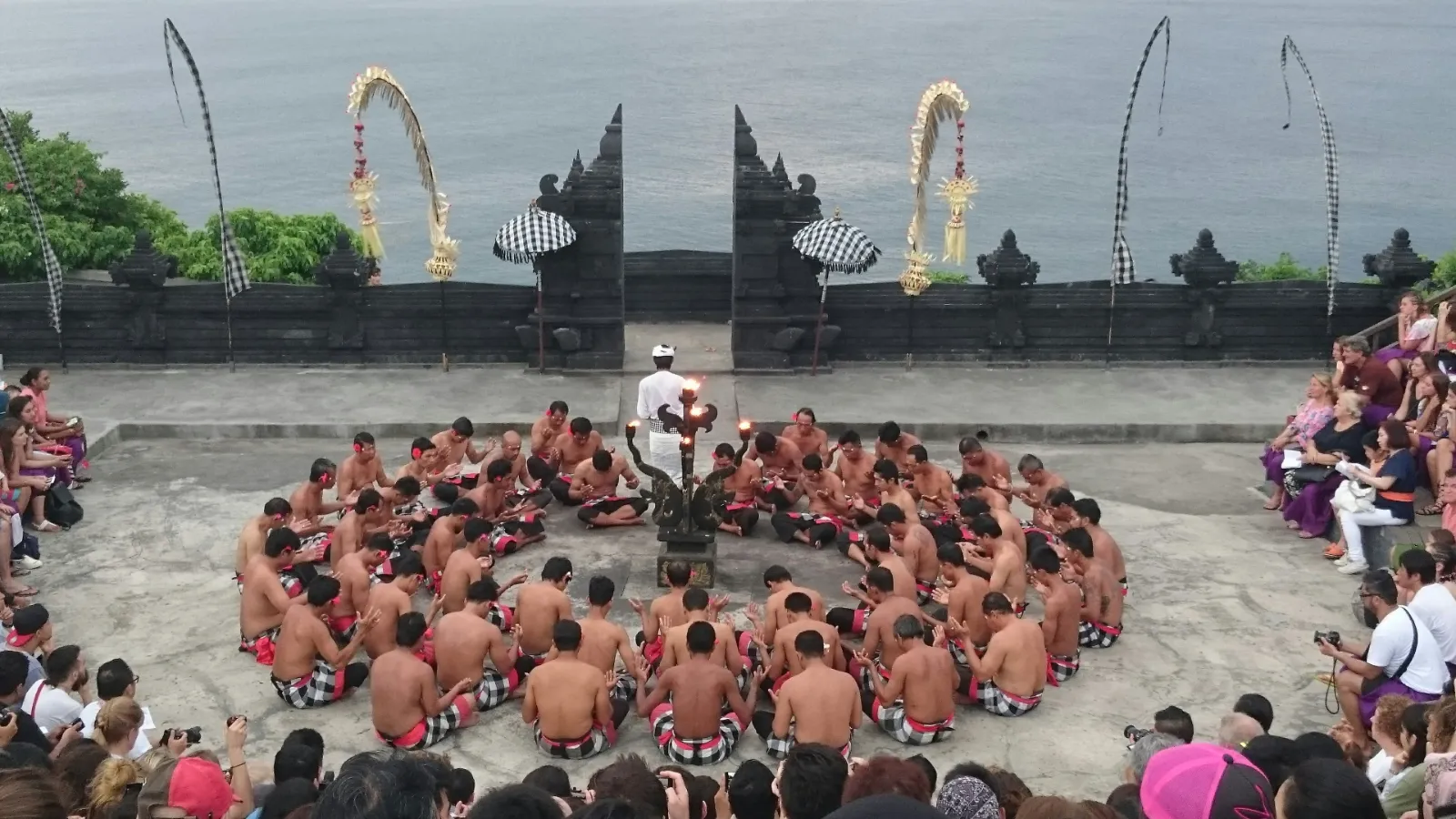
The Kecak dance at Uluwatu is an hour long performance of a Ramayana story, chanted by a large circle of bare chested men with no musical instruments, held in an open air amphitheatre beside the temple. The main show starts at 6pm so that it plays out against the sunset. An online ticket page for the show and a January 2026 visitor guide also list a second session at 7pm, but we found no official schedule confirming it (Checked: 6 Nov 2026). Times can change on busy dates, ceremony days and in bad weather, so confirm on the day you go.

Where Kecak comes from

Kecak grew out of sanghyang, a Balinese trance and exorcism ritual. In the 1930s it was developed into a dance drama based on the Ramayana, a change often credited to the Balinese dancer Wayan Limbak working with the German painter and musician Walter Spies, though Balinese scholars point out that local artists were already shaping the form. According to Wikipedia's Kecak entry, performances typically involve about 50 to 100 men, sometimes as many as 150, sitting in concentric circles and chanting "cak" in interlocking rhythms. The voices are the only music.

The story follows Rama, Sita and Lakshmana in exile, Sita's abduction by Ravana, and Hanuman's search for her. Nepali Hindu visitors will know this story well: Sita is revered in Nepal as Janaki, traditionally linked with Janakpur. Watching the familiar characters through Balinese movement and costume is one of the more memorable cultural moments of a Bali trip for travellers from Nepal and India.

Uluwatu Kecak schedule at a glance

ItemWhat to expectSource and date
First session6pm to about 7pm, timed for sunsetOnline ticket page, The Bali Sun (May 2025) and Wikipedia; checked 6 Nov 2026
Second session7pm to about 8pm, after dark, if runningListed by an online ticket page and a January 2026 visitor guide only; not officially confirmed
DurationAbout one hour, no intervalVisitor guides and Wikipedia
WeatherOutdoor show; performances depend on weather conditionsOnline ticket page
Ceremony daysThe Kecak continued as normal during the May 2025 PiodalanThe Bali Sun, May 2025
NyepiNo shows on Nyepi, Bali's Day of Silence, when the whole island shuts downIsland wide closure for 24 hours each year

Kecak timing and seating tips

  • Arrive 60 to 90 minutes early. Seating is first come, first served, and the best seats go first in peak season. Arriving around 4:30pm gives you time to see the temple first.
  • Buy tickets early in peak periods. The 6pm show can sell out on weekends, in peak season and around major holidays.
  • Pick your seat for the view you want. Higher rows show the whole circle with the ocean behind it, while front rows are closest to the fire scene. For some shade at the 6pm show, one visitor guide suggests the far right and upper rows.
  • Think about the sun. At the 6pm show, many seats face direct low sun for the first part of the performance. Bring a hat you can hold on to, sunglasses in a case, and water.
  • Consider a 7pm session if one is running. You lose the sunset backdrop but may get a calmer arrival and an easier exit.
  • Expect a slow exit. Most of the audience leaves the car park at once after the 6pm show. Agree a meeting point with your driver beforehand.
  • Keep monkey rules in mind. The amphitheatre sits next to the temple forest, so secure loose items before you sit down.

How should you time a sunset visit?

The most common way to plan an Uluwatu evening is to arrive in mid afternoon and work backwards from the 6pm Kecak. This timing table suits a first visit.

TimeWhat to doWhy
Before 3pmLeave Seminyak, Kuta or CangguBeats the worst of the southbound sunset traffic
3:30pm to 4pmArrive, collect sarong, enter the temple areaSofter light and fewer crowds on the cliff paths
4pm to 5pmWalk the cliff paths to both viewpointsBest light on the temple and the cliffs
5pmTake your seat in the amphitheatreGood choice of seats before peak arrival
6pm to 7pmKecak dance with sunset behind the stageThe main reason most people come at this hour
After 7pmDinner in Jimbaran, Pecatu or at a cliff top restaurantLets the car park traffic clear before a long drive

Which beaches near Uluwatu are best?

The best beach near Uluwatu depends on what you want: Melasti is the easiest to reach and the calmest for a swim, Padang Padang is the classic small cove with good conditions for a dip on calm days, Suluban and Bingin are mainly for surfers and views, Balangan is a long beach with a beginner friendly wave at the right tide, and Nyang Nyang is the wild, empty one at the bottom of a long path. Most beaches here sit below cliffs, so check the access before you go, especially with children or older relatives.

The table below compares the main Uluwatu beaches by access, swimming and surf. Step counts are approximate figures reported by visitor guides in 2026; tides and swell change conditions daily.

BeachAccessSwimmingSurfTide notesBest for
Padang PadangAbout 120 steps down a narrow staircase through the cliff, from parking off the main roadGood on calm days in the sandy coveWorld famous reef break for experts; smaller "Baby Padang" wave for beginnersSmall cove that gets very crowded in peak seasonClassic cove, swimmers, watching expert surfers
Melasti (Ungasan)Easiest; road down the cliff with parking close to the sandCalmest water on the peninsula in many conditionsNot a surf beachMore room to swim at high tide between sand and breakersFamilies, beach clubs, photos of the cliff road
Suluban (Uluwatu Beach)Short but steep staircase, then through rocks and a sea cave to the sandNot a swimming beach; strong surf and reefGateway to the famous Uluwatu reef breaks, for advanced surfersCave route and rock pools best at lower tidesSurfers, cave and cliff photography, cliff top cafes
BinginAlmost 200 steep, uneven steps; not suitable for limited mobilityLimited; reef close to shoreFast reef wave for experienced surfersReef and rock pools exposed at low tideSurfers, sunset, quieter stays
BalanganA few steps down from two parking areasNot ideal; exposed reef in front of the sandGood for beginners at high tide; lessons and board hireSurf best around high tideLearning to surf, long beach walks
Nyang NyangAbout a 15 minute walk down a steep path from the clifftopNot advised at high tide; wade in tide pools at low tideReef breaks for experienced surfersExplore rock pools at low tide; bring waterSolitude, long empty sand, drone and aerial views

Sources for access and conditions: Bali Untold's Uluwatu beach guide and the Badung Regency tourism portal, checked 6 Nov 2026. For a wider comparison that includes Nusa Dua, Sanur, Seminyak and the Nusa islands, see our guide to the best beaches across Bali, from surf to white sand.

Padang Padang Beach

Padang Padang is the small, much photographed cove a few kilometres north east of the temple. You reach it from a parking area just off the main road by going down a narrow staircase that squeezes through a gap in the limestone. At the bottom is a short arc of sand framed by rock. On calm days the inside of the cove is pleasant for a swim, while the main reef break offshore is one of the most famous and dangerous waves in Bali, ridden only by experts. There is also a gentler beginner wave known as Baby Padang. It can get very crowded in peak season, so arrive early if you want space on the sand. Monkeys on the stairs are known to grab bags and drinks.

Melasti Beach
Turquoise water, rolling surf and a rocky shoreline at Melasti Beach in Ungasan

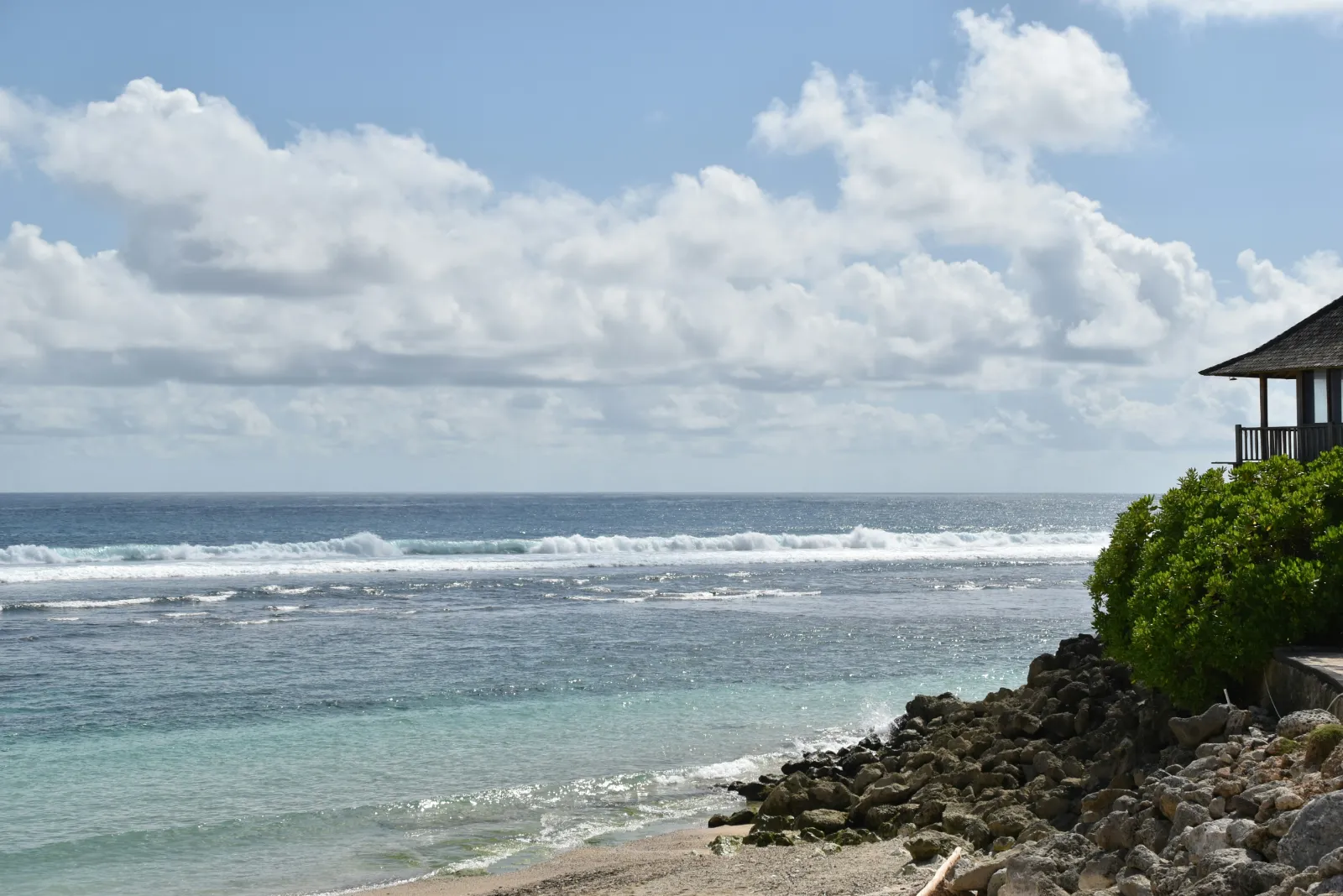
Melasti is in Ungasan, east of Uluwatu, and is the easiest Bukit beach to reach: a road curves down past tall limestone walls to parking close to the white sand. Its name comes from Melasti, the purification ceremony Balinese Hindus hold before Nyepi, and you may see ceremonies here around that time of year, usually in March. The Badung Regency tourism portal notes that parts of the beach have calm waves suitable for light swimming, and suggests early morning for quiet conditions and late afternoon for sunset. Beach clubs, cafes and sunbeds line part of the shore, so it can feel busy in the afternoon.

Suluban Beach

Suluban, often simply called Uluwatu Beach, is the cove directly below the cliff top cafes north of the temple. A steep staircase leads down to a maze of rocks and a sea cave that opens onto a small patch of sand. This is where surfers paddle out to the famous Uluwatu reef breaks. It is a striking place to explore and photograph at lower tides, but it is not a swimming beach: the surf is powerful, the reef is sharp, and the cave can flood as the tide rises. Watch from the cafes above if the sea looks big.

Bingin Beach
Two people among mossy rocks and sand at low tide below the cliffs of Bingin Beach

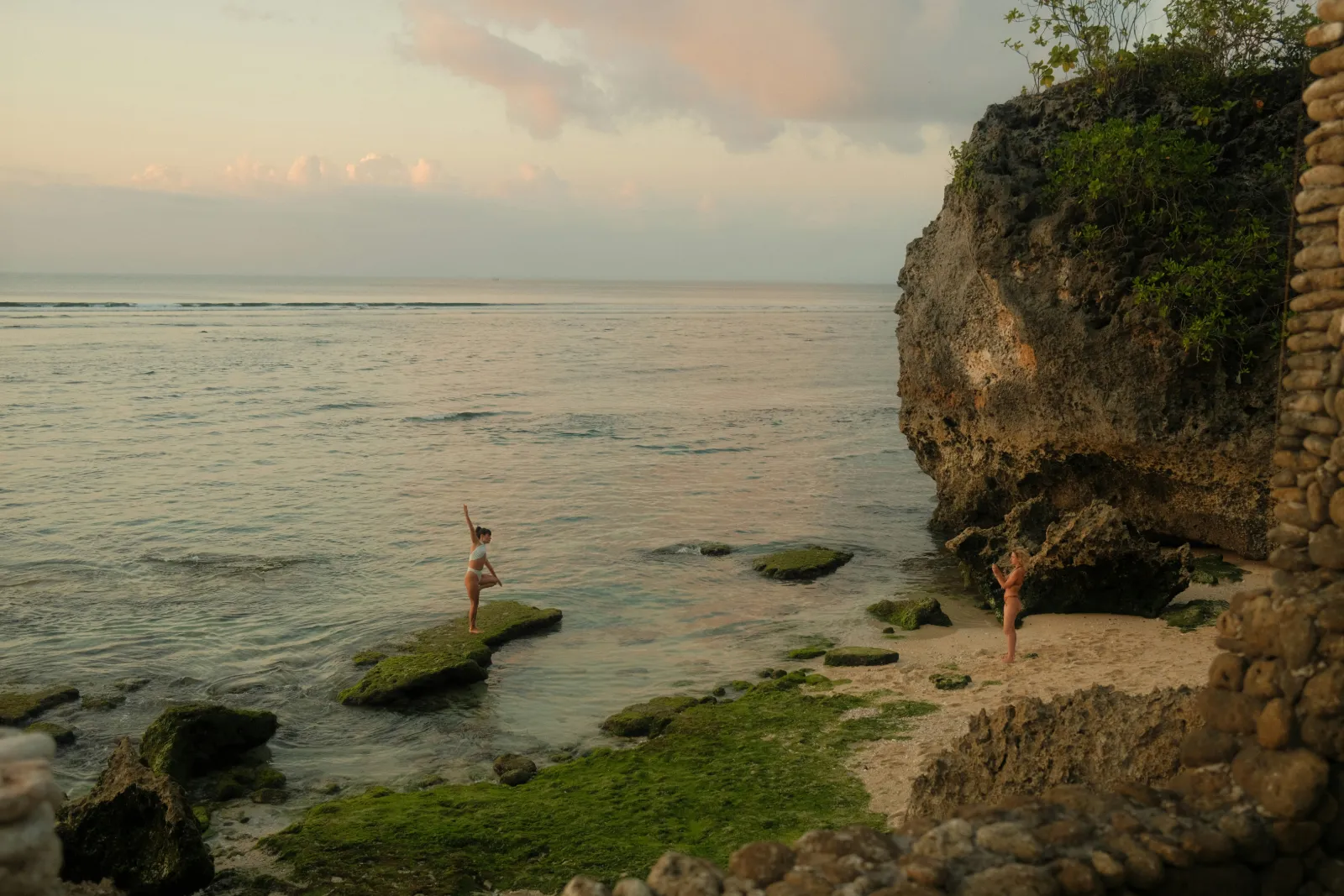
Bingin is a narrow strip of sand and reef below a steep cliff, reached by almost 200 uneven concrete steps. It became famous for its fast reef wave and for the guesthouses and warungs stacked on the cliff face. On 21 July 2025 the Badung Regency government began demolishing 48 cliffside buildings that officials said were built without permits on government land, according to ANTARA Bali and The Bali Sun. Visitors in 2026 have described the lower beach area as changed, with fewer businesses than before. Low tide exposes rock pools and reef, which is good for photos but not for swimming. Reef shoes help.

Balangan Beach
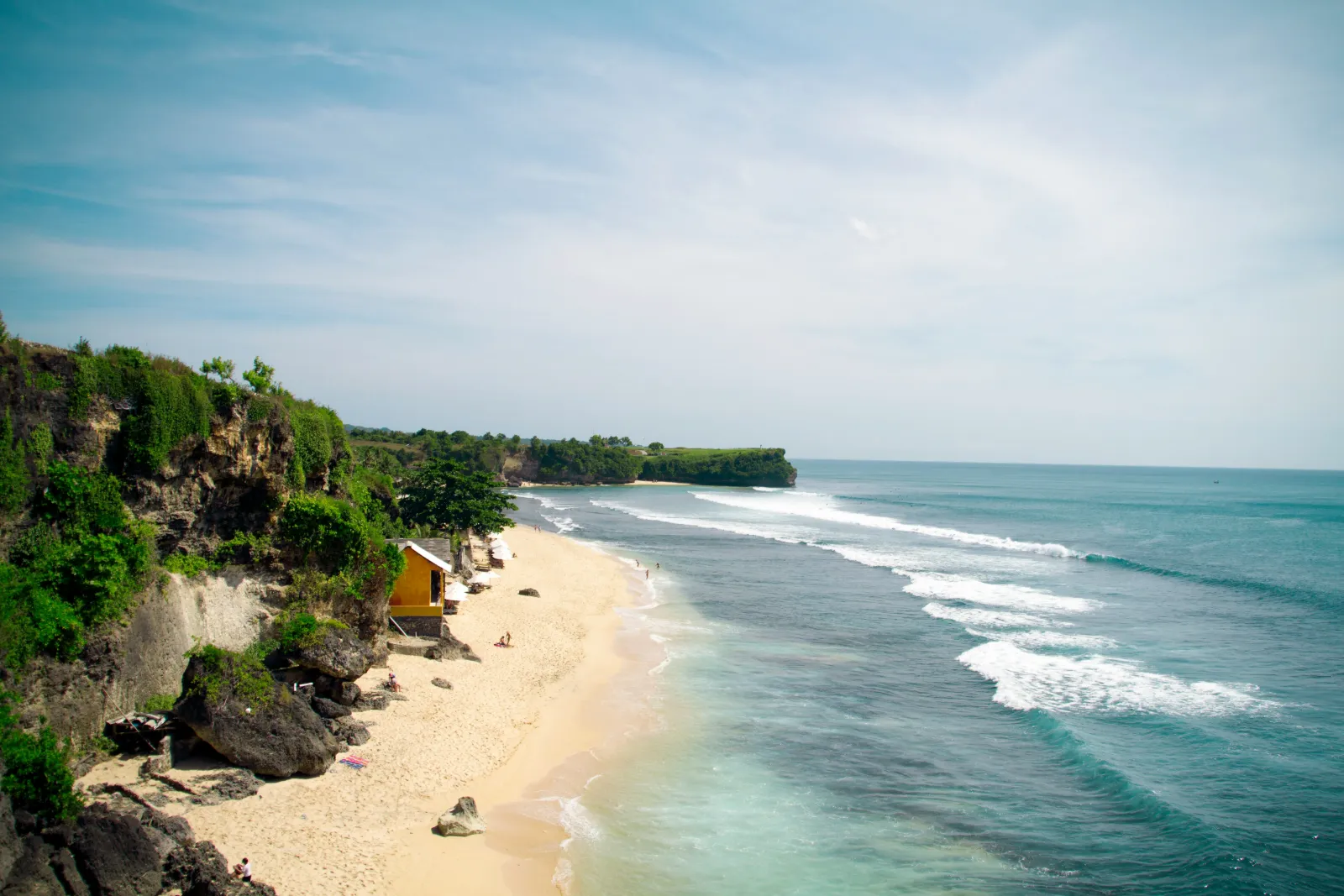
Golden sand curving below green cliffs with rolling surf at Balangan Beach, Bukit Peninsula

Balangan sits on the north western side of the Bukit, closer to Jimbaran, and has a long curve of golden sand below green cliffs. Access is easy, with only a few steps down from the parking areas. The reef in front of the beach makes swimming awkward at lower tides, but around high tide the waves suit beginners, and surf lessons and board hire are available. It is also one of the better beaches for a long walk and a quiet sunset.

Nyang Nyang Beach

Nyang Nyang is the long, wild beach south east of the temple, where the cliffs drop to a wide stretch of empty sand and reef. You park at the top and walk down a steep path for about 15 minutes, which is exactly why it stays quiet. Facilities are basic, so bring water. Swimming is best avoided at high tide; at low tide you can wade through the rock pools. The walk back up is hot in the middle of the day, so go early or late.

Other beaches worth knowing

  • Dreamland: easy access with parking close to the sand, gentler waves on a sandy bottom and surf schools.
  • Thomas Beach: about 130 steps down; a shallow dip is possible at high tide.
  • Green Bowl: around 320 steep steps, no facilities on the sand, powerful waves for experienced surfers only.

Is Uluwatu good for swimming or only surfing?
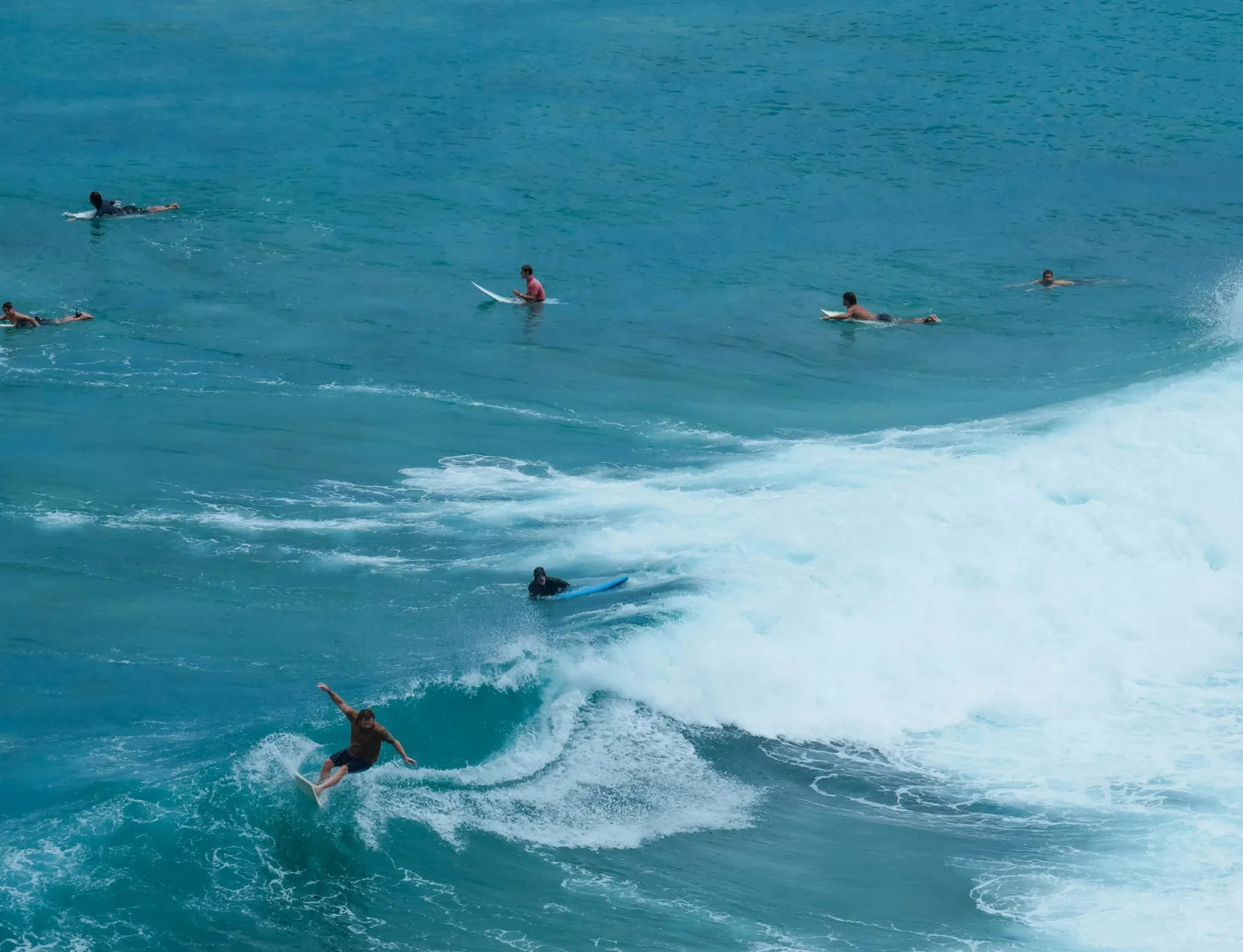
Surfers paddling and riding powerful turquoise waves off the Uluwatu coast

Uluwatu is better for surfing than swimming overall, but it is not only for surfers. Melasti and, on calm days, the inside of the Padang Padang cove are the most reliable places for a swim, while Suluban, Bingin, Green Bowl and the outer reefs are surf spots where swimming is unsafe. Conditions change with the tide and swell, so judge each beach on the day rather than by its reputation.

If you want toGo toAvoid
Swim in calmer waterMelasti; Padang Padang cove on calm daysSuluban, Bingin, Green Bowl, Nyang Nyang at high tide
Take a first surf lessonBalangan around high tide, Dreamland, Baby Padang with an instructorThe main Uluwatu, Padang Padang and Bingin reef breaks
Surf at an intermediate levelDreamland, Balangan, mellower days at UluwatuPadang Padang main break and big swell days anywhere
Explore rock poolsBingin, Nyang Nyang and Suluban at low tideRock shelves when the tide is rising or the swell is big
Watch surfing without getting wetCliff top cafes above Suluban, the Padang Padang viewpointStanding close to cliff edges for photos

Ocean safety on the Bukit

  • Reef: most Uluwatu beaches have coral or rock close to shore. Wear reef shoes and clean any coral cut carefully, as cuts in the tropics can become infected.
  • Tides: check a tide chart. Several beaches lose most of their sand at high tide, and cave routes can cut off as the water rises.
  • Currents: rips run out through channels in the reef. If you feel pulled out, swim parallel to the shore, then back in.
  • Flags and lifeguards: look for a lifeguard post or warning flags and follow them. Where there is no lifeguard, stay in your depth.
  • Sun and stairs: the climbs back up are steep and exposed. Carry water and avoid the hottest hours if anyone in your group has heart or knee problems.
  • Surf lessons: beginners should learn with a qualified instructor on a sand bottom or a gentle reef at the right tide, not on the famous breaks.

When is the best time to visit Uluwatu?

The drier months, roughly April to October, are the best time for Uluwatu, with less rain, clearer sunsets and the classic surf season on the west facing reefs. Bali's wet season runs from about October to April, with the heaviest rain from December to March, but showers usually come in bursts and the temple and Kecak still run on most days. For a month by month breakdown with crowds and festival dates, see our guide to Bali's month by month weather and seasons.

SeasonMonths (approx.)Uluwatu conditionsCrowds
Dry seasonApril to OctoberLowest rainfall from May to September, clear sunsets, best known surf seasonBusiest in July, August and school holidays
ShoulderApril, May, late September, OctoberMostly dry, good light, warm seaModerate
Wet seasonNovember to MarchHeaviest rain December to March, humid, some cloudy sunsetsPeaks at Christmas and New Year, quieter in January and February
Nyepi (Day of Silence)Usually MarchIsland wide 24 hour closure; the airport shuts and no sightseeing is possiblePlan around it

Tip for travellers from Nepal: Dashain and Tihar usually fall between late September and mid November, which lines up with the end of Bali's dry season and the start of the wetter months. That is the peak holiday window for Nepali families and when flights through connecting hubs fill up, so book early and expect more showers if your trip runs into November.

Where should you stay in the Uluwatu area?

Stay in Uluwatu itself (Pecatu, Bingin and Padang Padang) if you want cliff top sunsets, surf and a slower pace; stay in Ungasan for big cliff resorts near Melasti; and choose Jimbaran or Nusa Dua if you want to be closer to the airport, with calmer beaches and easier transport. All are within reach of the temple, but traffic on the peninsula makes your base matter more than the map suggests.

AreaFeelAccommodation styleGood forTrade offs
Uluwatu and PecatuCliff top, surfy, spread outVillas, boutique hotels, cliff resortsCouples, surfers, temple and Kecak accessYou need a driver or scooter for almost everything
Bingin and Padang PadangLaid back surf villagesGuesthouses, small hotels, villas with stepsSurfers, solo travellers, budget to mid rangeSteep stairs and narrow lanes; not ideal with limited mobility
UngasanQuiet, upscaleLarge cliff top resorts and private villasHoneymooners, premium stays, Melasti BeachFewer casual places to eat within walking distance
JimbaranBay with fishing boats and seafood on the sandBeach resorts and mid range hotelsFamilies, first timers, short airport transferDaily drive to Uluwatu's beaches
Nusa DuaPlanned resort enclaveLarge international resortsFamilies with young children, calm water, older travellersLess local character; drive to Uluwatu for sunset

Bali's visitor rules ask tourists to book licensed accommodation, so check that a villa or homestay is properly registered before you pay. Many cliff top properties are reached by steep driveways or stairs; if you are travelling with grandparents or a pram, ask for photos of the access first.

How do you get to Uluwatu and get around?

Uluwatu is roughly 20 to 25 km south of Ngurah Rai International Airport (DPS), and the drive usually takes about 45 minutes to an hour in light traffic, rising to 90 minutes or more in late afternoon or if you are heading deeper into the peninsula. There is no practical public bus, so most visitors use a private driver, an app based ride or a taxi, and confident riders hire scooters.

Drive times to Uluwatu from around Bali

FromApprox. distanceTypical drive time
Jimbaran12 km20 to 30 minutes
Nusa Dua19 km30 to 45 minutes
Ngurah Rai Airport20 to 25 km45 minutes to 1.5 hours
Kuta25 km1 to 1.5 hours
Seminyak30 km1.25 to 2 hours
Canggu35 km1.5 to 2.5 hours
Ubud54 km2 to 3 hours

Distances and times are estimates published by Bali Holiday Secrets (checked 6 Nov 2026) and vary with traffic. Treat the higher figure as normal in the afternoon.

Traffic note

  • Jimbaran is the bottleneck. Almost every route south passes through the Jimbaran area and the bypass road near the airport, which clog with buses, taxis and trucks.
  • Sunset is the worst time. Between about 4pm and 7pm, temple visitors, Kecak audiences and beach club crowds all head the same way. Leave Seminyak, Kuta or Canggu before 3pm.
  • Short distances, long drives. Many peninsula roads are narrow and do not connect directly, so a beach that looks close on the map can mean a 20 to 30 minute detour.
  • Ceremonies close roads. Temple processions occasionally close roads for hours or even days; in May 2025 the road towards Uluwatu Temple was closed for two days for a procession from Jimbaran.
  • Night is easier for traffic, harder for rides. Roads are quieter after dark, but app rides and taxis can be hard to find late at night in Uluwatu.

Transport options compared

OptionProsConsBest for
Private car with driverWaits for you, handles parking and the post Kecak exit, flexible for beach hoppingNeeds booking in advanceFamilies, first timers, temple and Kecak evenings
App based rides (car or bike)Easy to book from busier areasPickup restrictions reported at some spots, including near the temple and several beaches; hard to find late at nightOne way trips into Uluwatu
Metered taxiFamiliar, meteredFewer cars waiting in Uluwatu; return trips can be hardAirport transfers and trips from Kuta
ScooterFlexible, easy parking near beachesSteep, narrow roads and heavy traffic; licence and helmet legally requiredExperienced riders only

If you ride, Bali's Governor Circular No. 7 of 2025 requires a valid international or national driving licence, a helmet on motorbikes, and vehicles from licensed rental businesses. Riding without the correct licence may also affect your travel insurance cover.

Getting to Bali from Nepal

There is no direct flight between Kathmandu and Bali. Travellers from Nepal fly on a one stop connection, most commonly through Kuala Lumpur, Bangkok or Singapore, into Ngurah Rai International Airport in Denpasar, about 45 minutes or more from Uluwatu by road. Visa rules depend on your passport, so Nepali passport holders should read our Indonesia visa guide before booking anything, and check the official Indonesian immigration website close to travel, as requirements can change.

What rules should visitors know in Bali in 2026?

Bali's main visitor rules are set out in Governor Circular No. 7 of 2025, announced by Governor Wayan Koster on 24 March 2025. It asks foreign tourists to respect temples and sacred symbols, dress modestly at temples and attractions, behave politely, pay the tourist levy, use licensed guides, accommodation and transport, and transact in rupiah. It also lists prohibitions that matter directly at Uluwatu.

RuleWhat it means at Uluwatu
Respect sacred sites and symbolsStay out of the temple courtyards, give way to processions, do not touch shrines
Dress modestlyShoulders and legs covered at the temple; use the sarong or sash provided
Do not enter the main and middle courtyards unless prayingApplies to Uluwatu's inner sanctum and main courtyards
Do not climb sacred trees or monuments, or take inappropriate photosNo climbing temple walls or posing on shrines for photos
No littering and no single use plasticsCarry a refillable bottle and take rubbish away from the beaches
Use licensed guides at cultural and natural sitesThe circular says tourists should be accompanied by a certified guide at such sites; if you hire one at the temple, choose a licensed guide
Follow traffic lawsLicence, helmet and no overloading if you ride a scooter
Pay the tourist levyPaid once per visit, electronically, before or during your stay

Sources: Bali Provincial Tourism Office and ANTARA news agency, checked 6 Nov 2026. Both summarise the circular rather than publishing its full text.

Tourist levy: Bali charges foreign tourists a one time levy of IDR 150,000 per person per visit, paid cashless before or during the stay through the official Love Bali portal or at counters at the airport and port (Checked: 6 Nov 2026). The provincial tourism office has said tourists who have not paid can be denied access to attractions, so keep your proof of payment on your phone.

Is Uluwatu right for families, couples and first time visitors?

Uluwatu suits couples and surfers best, works well for families who plan around the stairs and the monkeys, and is an easy half day or evening trip for first timers staying elsewhere in the south. It is less suited to travellers who want to walk everywhere, since the area is spread out and hilly.

TravellerWhy Uluwatu worksWatch out for
Honeymooners and couplesCliff top villas, sunset dinners, the Kecak at dusk, quieter beachesBook sunset tables ahead in peak season; distances between venues
Families with childrenMelasti for swimming, the Kecak's drama and fire, Jimbaran or Nusa Dua basesMonkeys, unfenced drops, long beach staircases, late finishes
Older travellers and parentsTemple paths are paved; Melasti and Balangan have easy accessSteps at Padang Padang, Bingin, Nyang Nyang and Green Bowl; heat
SurfersSome of Bali's best known reef breaks within a short rideSharp reef, crowds on good days, big swell
Solo and budget travellersGuesthouses in Bingin and Padang Padang, a strong surf communityTransport costs add up; scooter safety
First timers based in Seminyak or KutaAn evening at the temple and Kecak is a highlight of many tripsLeave early to beat traffic; arrange your ride back

Couples planning a whole trip can find more ideas in our Bali honeymoon guide covering areas, experiences and season.

How does Uluwatu fit into a wider Bali trip?

Most visitors give Uluwatu either one evening (temple and Kecak) or two to three nights based on the peninsula, then combine it with Ubud for culture and rice terraces and, if time allows, a day on Nusa Penida. Base yourself in the south at the start or end of the trip, because Uluwatu is close to the airport and makes a relaxed final stop before a long flight home.

Time you haveHow Uluwatu fits
One eveningTemple, cliff walk and the 6pm Kecak, with dinner in Jimbaran afterwards
One full dayMorning at Melasti or Padang Padang, lunch with a view, temple and Kecak in the evening
Two to three nightsBeaches by day, sunset spots each evening, a surf lesson at Balangan or Dreamland
A week or more in BaliSplit nights between Uluwatu and Ubud, with a day trip to the Nusa islands

Many travellers who want everything arranged in one go look at Bali tour packages to see how Uluwatu, Ubud and Nusa Penida are commonly grouped, then adjust the pace to suit their group.

Frequently asked questions

What is Uluwatu Temple?

Uluwatu Temple, or Pura Luhur Uluwatu, is a Balinese Hindu sea temple on a cliff about 70 metres above the Indian Ocean at the south western tip of the Bukit Peninsula. It is one of Bali's six great sanctuaries (Sad Kahyangan) and one of nine directional temples, dedicated to Sang Hyang Widhi Wasa as Rudra. Visitors walk the cliff paths but cannot enter the inner courtyards.

What time is the Kecak dance at Uluwatu?

The Uluwatu Kecak dance starts at 6pm daily so it plays out against the sunset. Some online ticket sellers also list a second session at 7pm, which we could not confirm with an official source (checked 6 Nov 2026). Each show lasts about one hour. Arrive 60 to 90 minutes early for a good seat, and confirm the schedule on the day, as weather and ceremonies can affect it.

Do I need a sarong at Uluwatu Temple?

Yes, visitors to Uluwatu Temple need to cover their legs, and sarongs and sashes are provided at the entrance for anyone who needs them. Wear a top that covers your shoulders and avoid swimwear. Bali's Governor Circular No. 7 of 2025 asks all tourists to dress modestly at temples, so dressing respectfully is expected, not optional.

Are there monkeys at Uluwatu?

Yes, long tailed macaques live around Uluwatu Temple and often snatch sunglasses, hats, phones and flip flops, then hold them until offered food. Put loose items in a zipped bag before entering, carry no visible food, keep children close and never feed or chase the monkeys. If something is taken, ask temple staff for help. Seek medical advice after any bite or scratch.

Which is the best beach in Uluwatu?

The best beach in Uluwatu depends on your plans. Melasti is easiest to reach and calmest for swimming, Padang Padang is the classic cove with a swim on calm days, Suluban and Bingin are mainly for surfers and views, Balangan suits beginner surfers around high tide, and Nyang Nyang is the quietest, at the end of a steep 15 minute path.

Can beginners surf in Uluwatu?

Beginners can surf in the Uluwatu area, but not on the famous reef breaks. Balangan around high tide, Dreamland's sandy bottom and the small Baby Padang wave at Padang Padang suit lessons with a qualified instructor. The main Uluwatu, Padang Padang and Bingin breaks are fast, shallow reef waves for experienced surfers only, especially in the dry season swell.

How far is Uluwatu from the airport?

Uluwatu is roughly 20 to 25 km from Bali's Ngurah Rai International Airport. The drive usually takes 45 minutes to an hour in light traffic, but can stretch to 90 minutes or more in the late afternoon, when sunset traffic builds through Jimbaran. Arrange a car with driver or a pre booked transfer, since public buses do not serve most of Uluwatu.

Is Uluwatu good for families?

Uluwatu is good for families who plan around its stairs, cliffs and monkeys. Melasti Beach has easy road access and calmer water, the Kecak dance holds children's attention with its fire scene, and nearby Jimbaran or Nusa Dua make easier family bases. Avoid steep beaches such as Bingin, Green Bowl and Nyang Nyang with small children or anyone with limited mobility.

Is Uluwatu good for a honeymoon?

Uluwatu is one of the most popular areas in Bali for a honeymoon, thanks to cliff top villas and resorts, ocean sunsets, the Kecak dance at dusk and quiet cove beaches. Ungasan and Pecatu have the most secluded stays. Many couples spend two to three nights in Uluwatu and combine it with Ubud for culture and rice terraces.

What is there to see in Uluwatu (Uluwatu ma k herne)?

In Uluwatu you can see Uluwatu Temple on its 70 metre cliff, walk the cliff top paths, watch the sunset Kecak dance, and visit beaches such as Padang Padang, Melasti, Suluban, Bingin, Balangan and Nyang Nyang. Add sunset at a cliff top cafe, surf watching above Suluban and a seafood dinner in nearby Jimbaran for a full Uluwatu day.

How long should I spend at Uluwatu Temple?

Plan on about 60 to 90 minutes at Uluwatu Temple for the cliff walk and viewpoints, or around three hours if you also watch the Kecak dance. Arriving between 3:30pm and 4pm gives you soft light on the cliffs, time to find a good seat in the amphitheatre and the sunset show at 6pm.

Do I need to pay the Bali tourist levy to visit Uluwatu?

Foreign tourists in Bali must pay the Bali tourist levy once per visit, and the provincial tourism office has said those who have not paid can be denied access to attractions. It is paid cashless through the official Love Bali portal or at airport and port counters, before or during your stay. Keep your proof of payment on your phone when visiting Uluwatu Temple and other attractions.
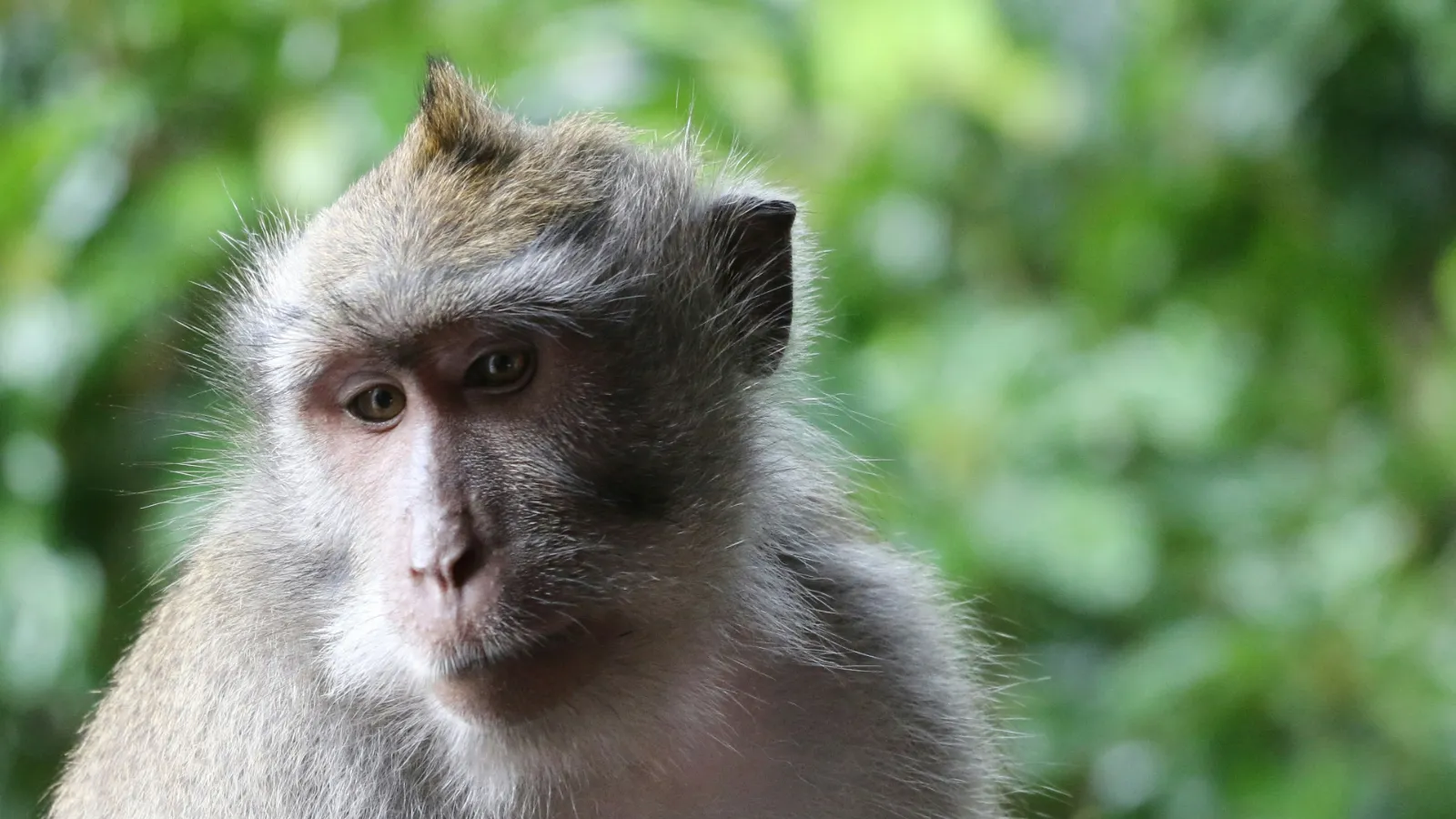
Tags
BaliIndonesiaUluwatuBali TemplesBeaches
Share
G
Gomayu Team
Writer at Gomayu
Keep reading