















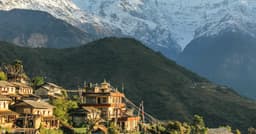


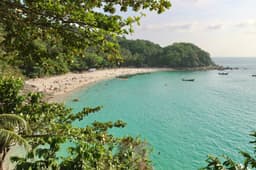
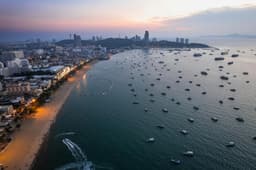
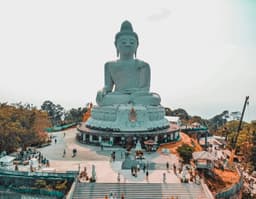



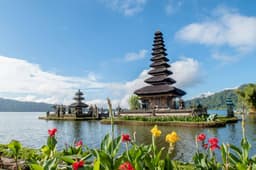
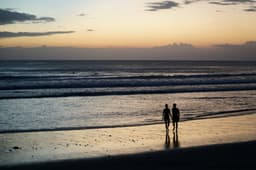
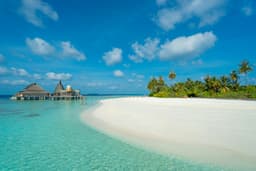







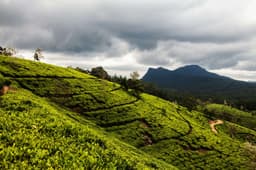















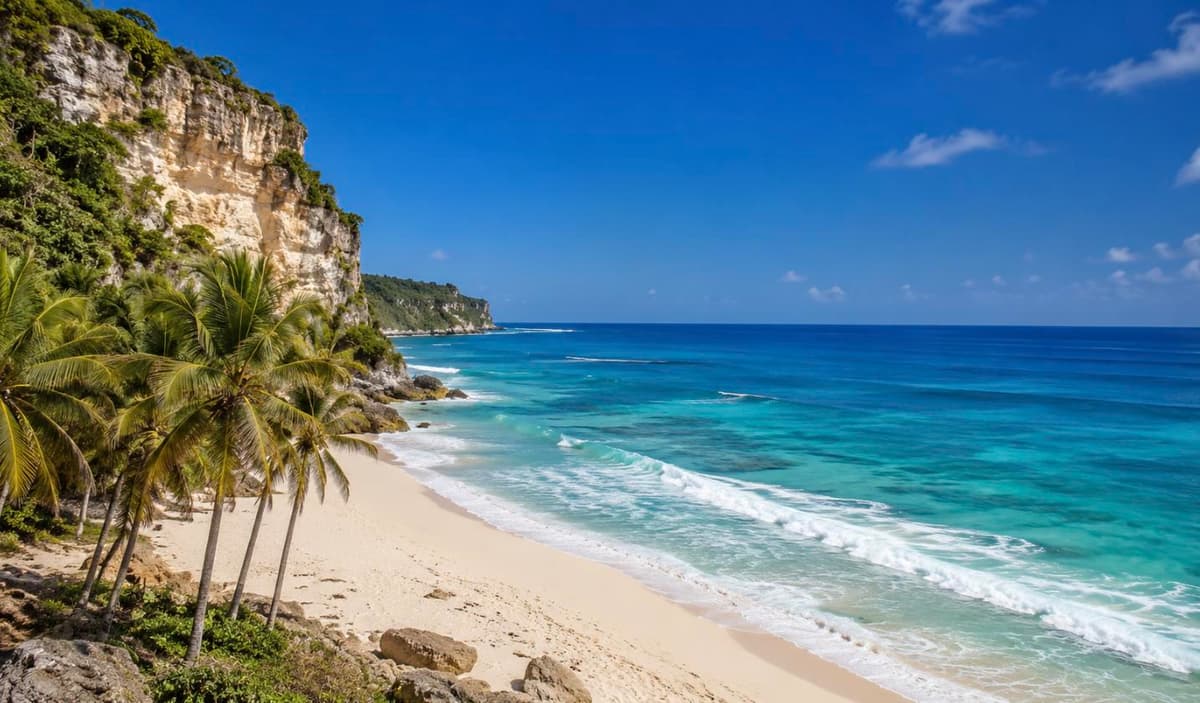
The best time to visit Bali is during the dry season from April to October, and the sweet spot is May, June and September, when you get sunshine, calmer seas and thinner crowds than the July to August peak. Bali sits about 8 degrees south of the equator, so it stays warm all year and never has a cold season. What actually changes is the rain, the humidity, the surf and the number of visitors. Pick your month around those four things and the trip almost plans itself.
Key takeaways
- The dry season runs roughly April to October and is the best all round time to visit.
- May, June and September give the best mix of good weather, lower prices and fewer people.
- July and August have the finest weather but the biggest crowds and highest prices.
- The wet season, November to March, is hot, green and cheaper, with short heavy downpours rather than all day rain.
- Temperatures barely move all year, sitting around 27 to 32 degrees Celsius by day.
- Nyepi, the Balinese Day of Silence, falls on 19 March 2026 and closes the whole island, including the airport, for 24 hours.
The short answer
If you want the safest weather window, travel between May and September. Skies are clearest, the sea is calmer on the south and west coasts, and the island feels relaxed outside the two peak months. If your dates are fixed for the wet season, do not cancel. Bali in the wet season is lush, quiet and much cheaper, and the rain usually arrives as a sharp afternoon burst that clears within an hour or two.
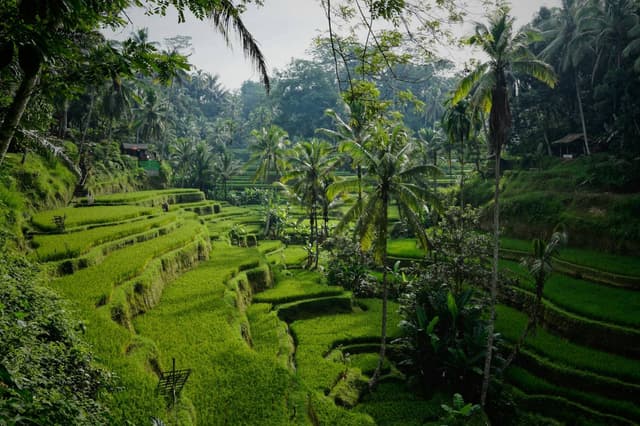
Rule of thumb: dry season for beaches and surf on the south and west, wet season for green rice terraces, waterfalls at full flow and lower prices everywhere.
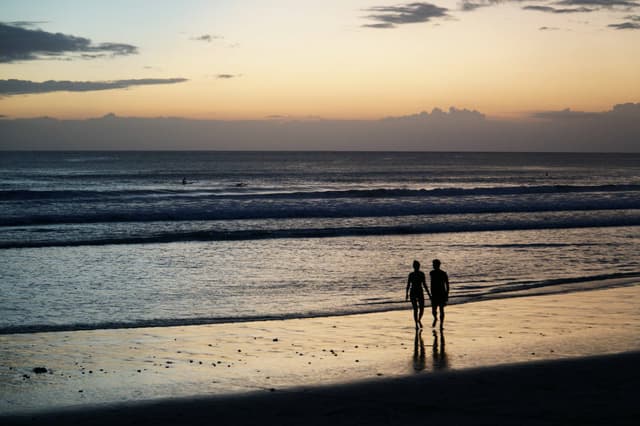
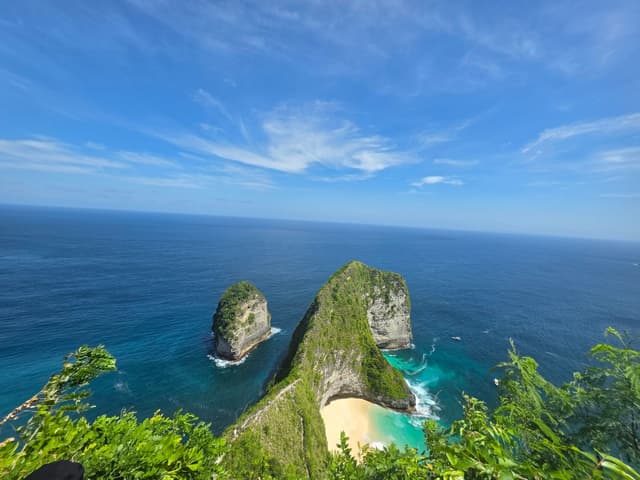
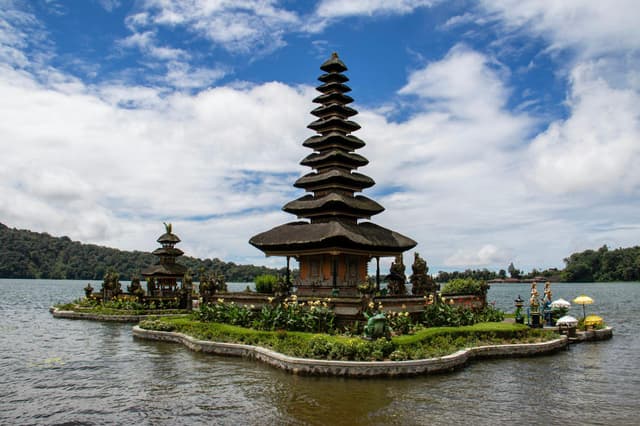


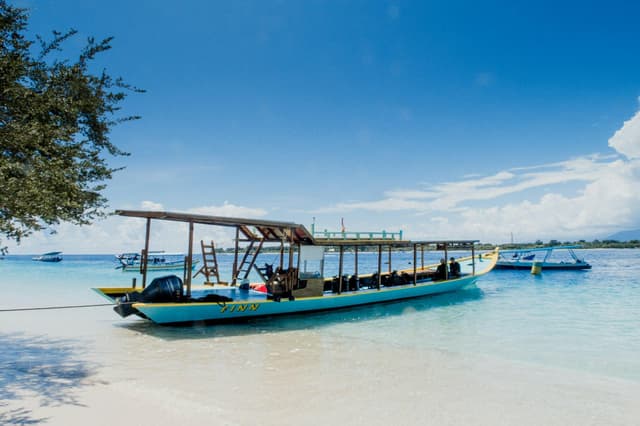
Bali's two seasons at a glance
| Season | Months | Weather | Best for |
|---|---|---|---|
| Dry | April to October | Sunny, low humidity, calm south and west seas | Beaches, surfing, island hopping, temples |
| Wet | November to March | Hot, humid, short heavy afternoon rain | Green landscapes, waterfalls, fewer crowds, value |
The change between the two is gradual rather than sudden. April and October are transition months that often deliver dry season weather at shoulder season prices, which is why experienced visitors love them.
The dry season in detail: April to October
This is the classic time to visit Bali. Daytime highs sit near 30 degrees Celsius, humidity drops, and rain becomes rare and brief. The southern beach areas of Kuta, Seminyak, Canggu, Uluwatu and Nusa Dua are at their best, and the sea is clear for swimming and snorkelling. The trade off is popularity. From late June the island fills up, and in July and August you share the beaches, roads and restaurants with peak season crowds.
| Month | Feel | Crowds | Notes |
|---|---|---|---|
| April | Dry season begins | Low | Great value, mostly sunny |
| May | Warm and dry | Low to moderate | One of the best months overall |
| June | Dry and pleasant | Rising | Excellent weather before the rush |
| July | Peak dry | Very high | Best weather, highest prices |
| August | Peak dry | Very high | Busy and breezy, book early |
| September | Dry, easing crowds | Moderate | A favourite shoulder month |
| October | Dry season ends | Low to moderate | Good value, occasional showers late |
The wet season in detail: November to March
The wet season is warmer, more humid and much greener. Rain tends to come in concentrated bursts, often in the late afternoon or overnight, so you can still enjoy full mornings of sightseeing. January and February are the wettest months, when downpours can last longer and the sea gets choppy on the south coast. Prices fall outside the Christmas and New Year window, and popular spots that feel crowded in July can be almost peaceful.
There is one fixed date to plan around. Nyepi, the Balinese Day of Silence and the Saka new year, falls on 19 March 2026. For 24 hours the entire island stops. Shops close, no one goes outside, lights stay low, and even Ngurah Rai airport shuts with no flights in or out. The evening before, on 18 March, villages parade giant Ogoh-Ogoh monster figures through the streets, which is a spectacular thing to witness if your dates line up.
Best time for surfing and beaches by coast
Bali has surf all year because its two coasts work on opposite schedules. The dry season powers the famous west coast breaks, while the wet season switches the action to the east.
| Coast and area | Best months | Why |
|---|---|---|
| West and south (Uluwatu, Canggu, Kuta) | May to September | Offshore winds, clean powerful swell |
| East (Sanur, Nusa Dua, Keramas) | November to March | Offshore winds shift east in the wet season |
| Beginner beaches (Kuta, Seminyak) | Year round | Gentler waves, surf schools operate daily |
If you simply want calm water for swimming, the dry season on the south coast is the reliable choice. For a deeper look at where to base yourself, see our guide to the best places to visit in Bali.
Best time for diving and snorkelling
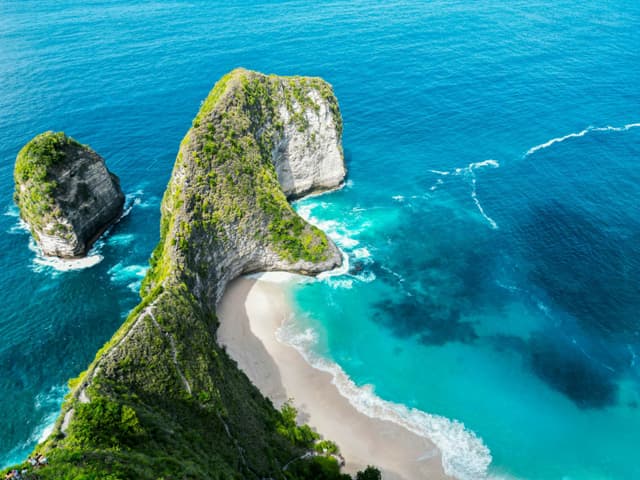
The waters around Nusa Penida and the north coast are a major draw, and marine life follows a calendar of its own. Manta rays cruise Nusa Penida all year, but the strange and wonderful mola mola, the giant oceanic sunfish, appears most reliably from July to October when cooler currents rise. Visibility is generally best in the dry season, while plankton rich wet season water can reduce it but sometimes brings more feeding activity.
| Marine highlight | Best months |
|---|---|
| Manta rays (Nusa Penida) | Year round, strong April to May |
| Mola mola sunfish | July to October |
| Best visibility | May to November |
Crowds and prices by season
For the best balance of decent weather, room to breathe and softer prices, travel in the shoulder weeks and avoid both the July to August peak and the Christmas to New Year spike.
| Season | Months | What to expect |
|---|---|---|
| High season | July, August, plus Christmas and New Year | Best or festive weather, top prices, heavy crowds |
| Shoulder | April to June, September, October | Good weather, better value, manageable crowds |
| Low season | November to March, outside the holidays | Green and quiet, lowest prices, more rain |
Festival calendar and cultural dates
Balinese Hindu culture runs on the 210 day Pawukon calendar, so several big festivals move each year. Timing your trip around one adds a lot, as long as you plan for the closures that come with the largest.
| Event | When in 2026 | What happens |
|---|---|---|
| Nyepi, Day of Silence | 19 March | Whole island closes for 24 hours, airport shut |
| Ogoh-Ogoh parades | 18 March | Giant effigies paraded the night before Nyepi |
| Galungan and Kuningan | Twice a year, moving dates | Tall penjor bamboo poles line the streets |
| Bali Arts Festival | Around June to July | Weeks of dance and music in Denpasar |
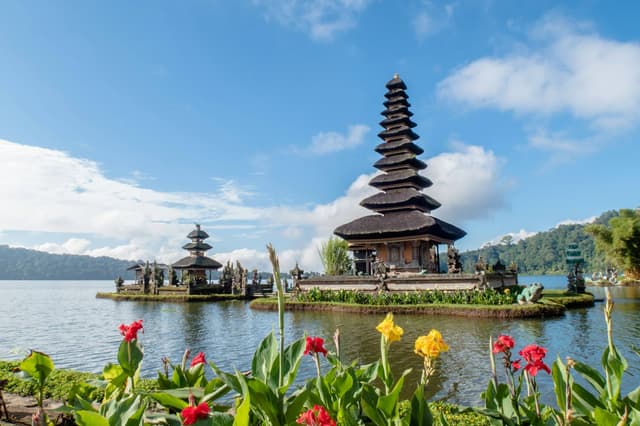
To understand the offerings, temples and rituals you will see everywhere, read our guide to Balinese Hinduism.
Month by month across Bali
| Month | Weather | Crowds | Verdict |
|---|---|---|---|
| January | Wettest, humid | Moderate | Green and cheap, pack a rain shell |
| February | Wet, humid | Low | Quiet and lush, short heavy showers |
| March | Wet easing | Low | Improving, plan around Nyepi on the 19th |
| April | Drying out | Low | Excellent value as dry season starts |
| May | Dry, warm | Low to moderate | One of the best months |
| June | Dry, pleasant | Rising | Excellent all round |
| July | Dry, breezy | Very high | Superb weather, busy and pricey |
| August | Dry, breezy | Very high | Peak season, book ahead |
| September | Dry | Moderate | Excellent, crowds thinning |
| October | Dry, late showers | Low to moderate | Very good value |
| November | Wet returning | Low | Warm, green, occasional storms |
| December | Wet, festive spike | High late month | Lively, prices jump for the holidays |
What to pack by season
- Dry season: light breathable clothing, strong sun protection, a hat and reef safe sunscreen.
- Wet season: a compact rain shell, quick dry footwear and a dry bag for electronics.
- Any time: modest cover for temple visits, a reusable water bottle and mosquito repellent.
- For scooters: closed shoes and a light layer for cool evening rides inland.
Quick planning comparison
| If your priority is | Travel in | Why |
|---|---|---|
| Best all round weather | May, June, September | Sun, calm seas, fewer crowds |
| Surfing the west coast | May to September | Clean offshore swell |
| Lowest prices | February and March | Deep low season, outside holidays |
| Green rice terraces and waterfalls | November to March | Everything is lush and flowing |
| Diving with mola mola | July to October | Sunfish season around Nusa Penida |
| Cultural spectacle | Around 18 to 19 March 2026 | Ogoh-Ogoh parades and Nyepi |
Would rather someone else handled the bookings? A Bali tour package covers hotels, transfers and tours in one plan.
Frequently asked questions
What is the overall best time to visit Bali?
The best time to visit Bali is the dry season from April to October, with May, June and September offering the finest balance of good weather, reasonable prices and lighter crowds.
What is the rainy season in Bali?
The rainy season runs from November to March, with January and February the wettest. Rain usually falls in short heavy bursts rather than all day, so mornings are often clear.
Is it worth visiting Bali in the wet season?
Yes. The wet season brings green landscapes, waterfalls at full flow, thinner crowds and lower prices. You simply plan sightseeing for the mornings and keep a rain shell handy.
What are the hottest and most humid months?
Temperatures stay near 27 to 32 degrees Celsius all year, but the wet season months of December to March feel hotter because of the high humidity.
When should I avoid Bali?
There is no month to truly avoid, but July, August and the Christmas to New Year period are the most crowded and expensive. If crowds bother you, skip those windows.
What happens on Nyepi and when is it in 2026?
Nyepi, the Balinese Day of Silence, falls on 19 March 2026. For 24 hours the entire island closes, including the airport, and visitors stay inside their accommodation. The Ogoh-Ogoh parades the night before are worth seeing.
When is the best time for surfing in Bali?
The west and south coast breaks such as Uluwatu and Canggu are best from May to September, while the east coast works better from November to March.
Related Bali guides
Keep planning with our full Bali Travel Guide, the best places to visit in Bali, our honest look at whether Bali is safe, how to avoid Bali belly, and a traveller's guide to Balinese Hinduism.
Sources: seasonal weather windows, surf patterns and marine life timing cross checked against Rough Guides, Lonely Planet and local dive operator reports. Nyepi 2026 date and airport closure confirmed via bali.com and Bali provincial tourism information. Temperatures are typical seasonal averages and vary year to year.

'/%3E%3C/svg%3E)