

+977-9709047652
Explore by Country
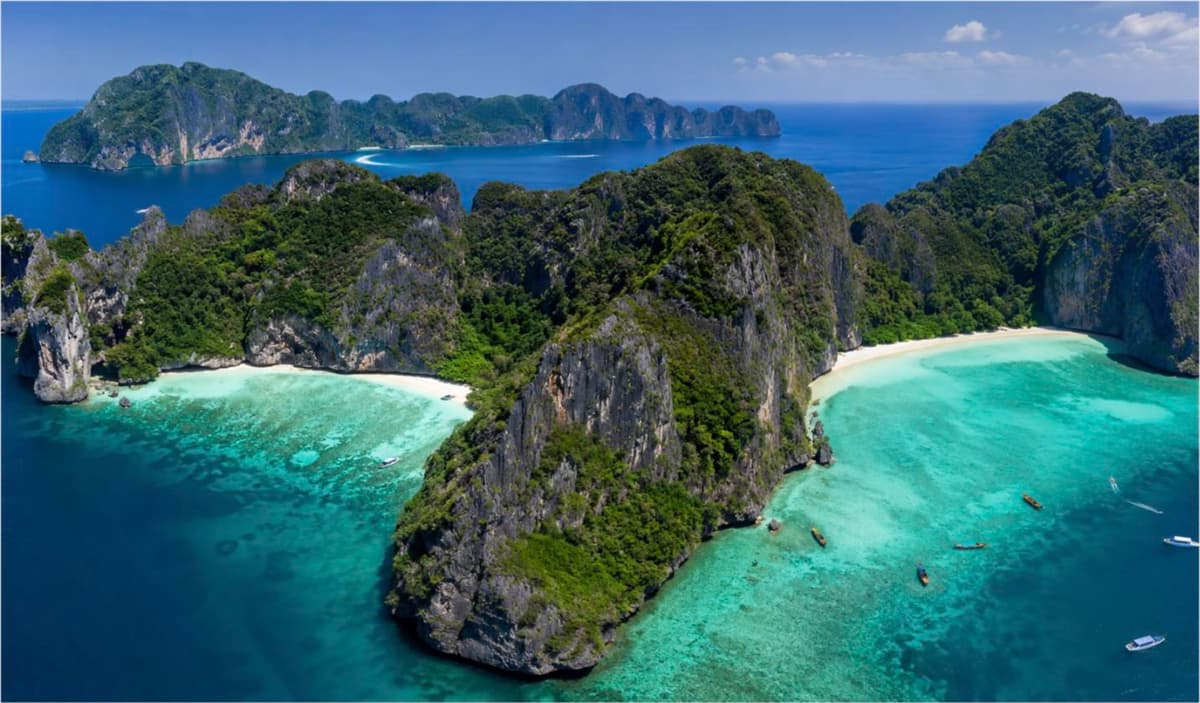
See all 12 Thailand packages
Most popular pick
See all 12 Thailand packages
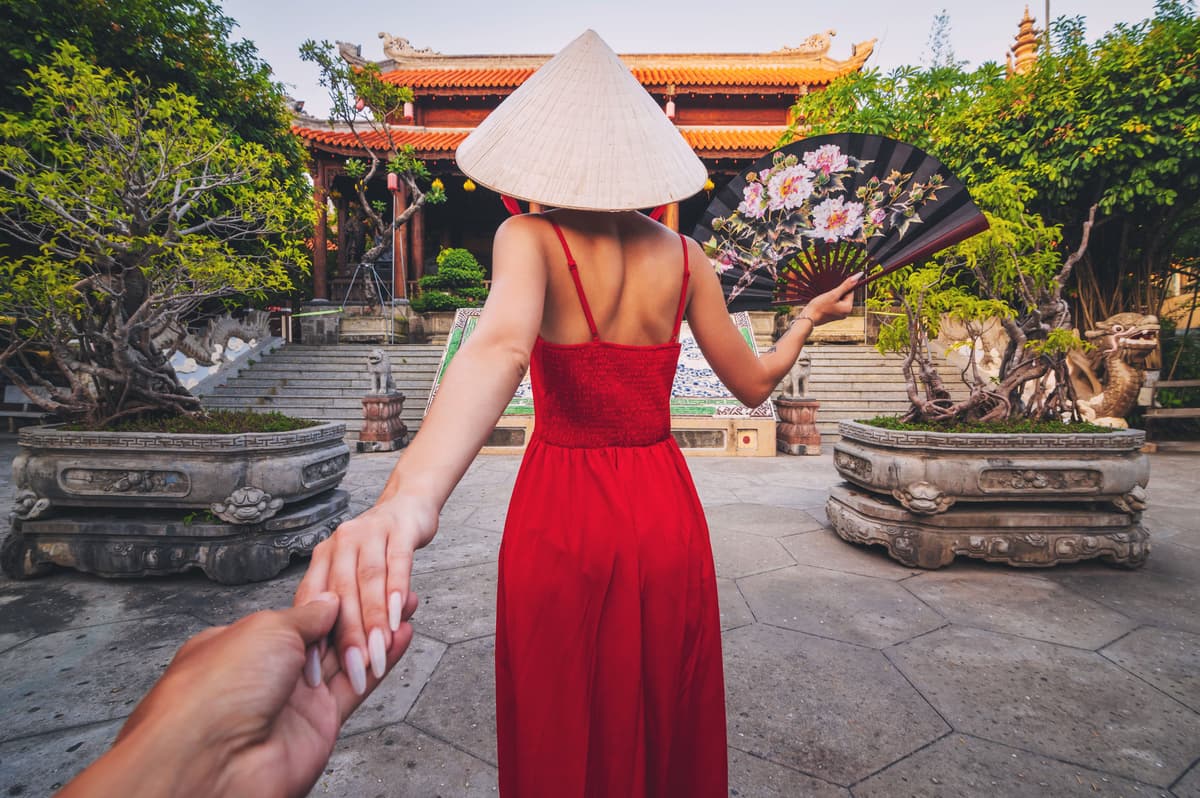
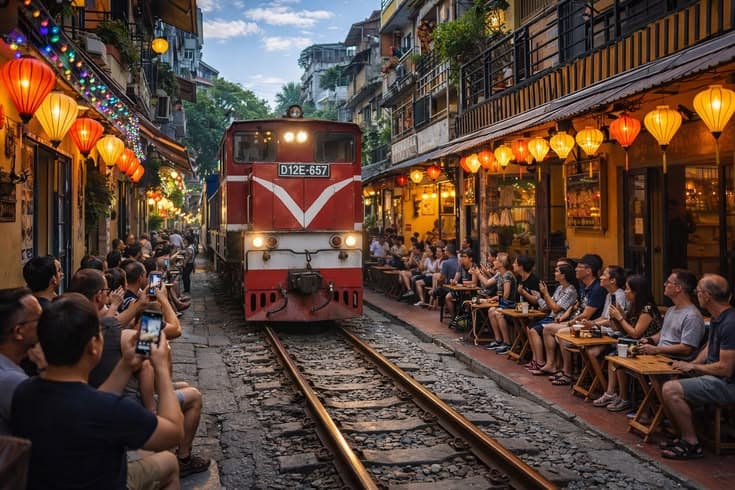
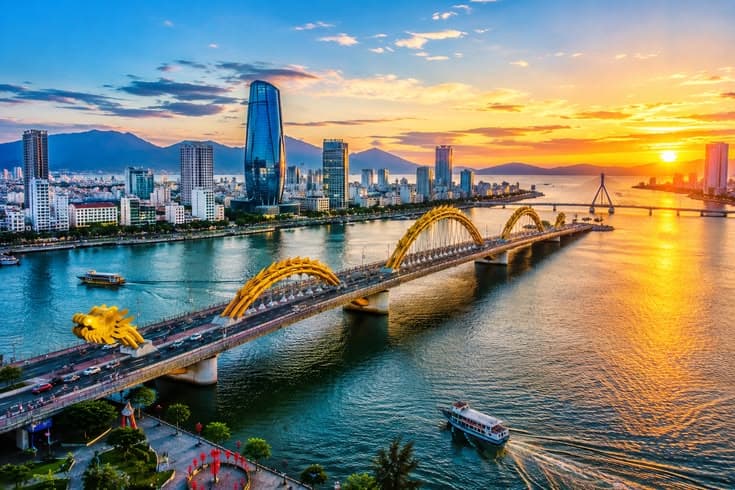
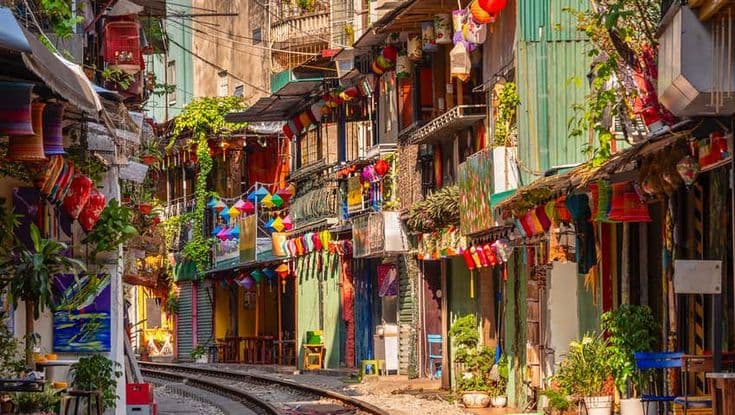
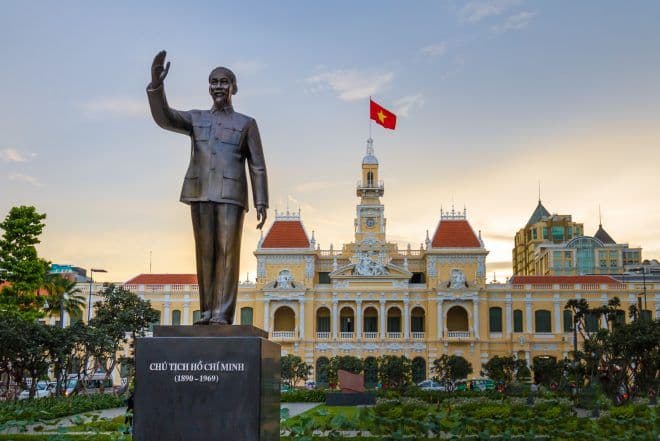
See all 8 Vietnam packages
Most popular pick
See all 8 Vietnam packages
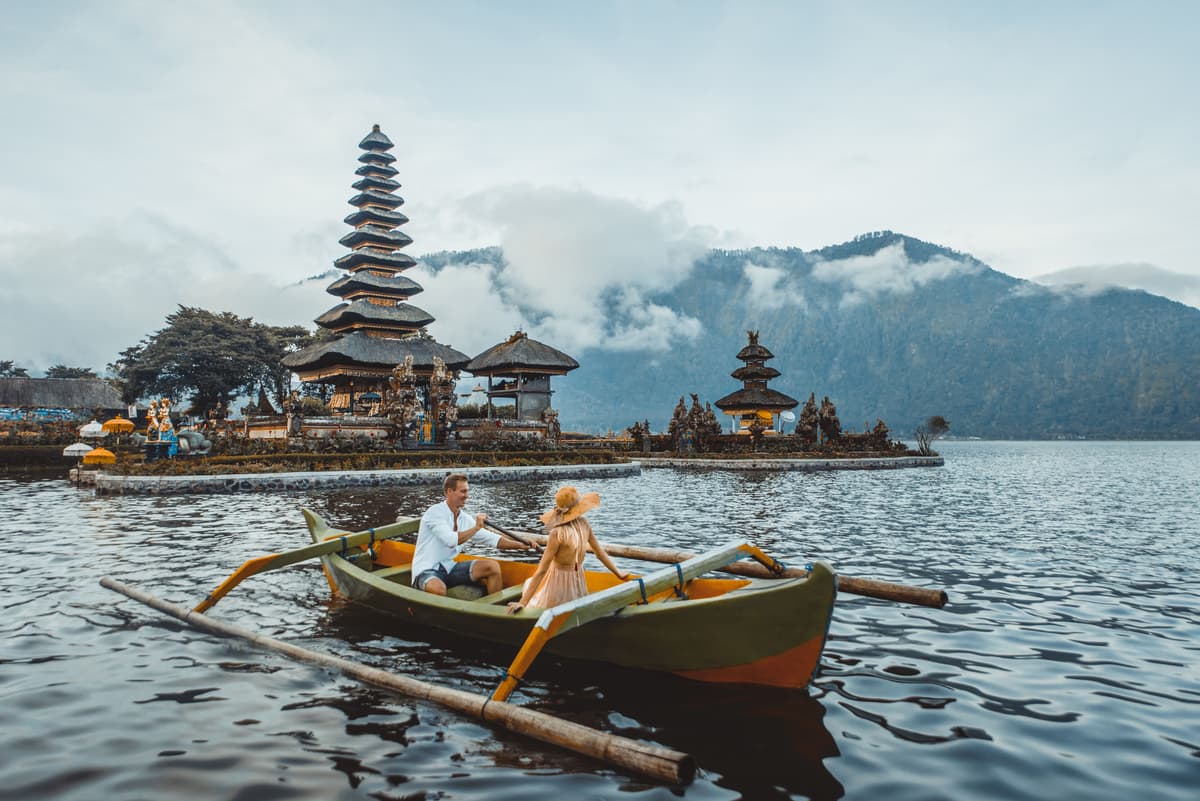
See all 4 Indonesia (Bali) packages
Most popular pick
See all 4 Indonesia (Bali) packages
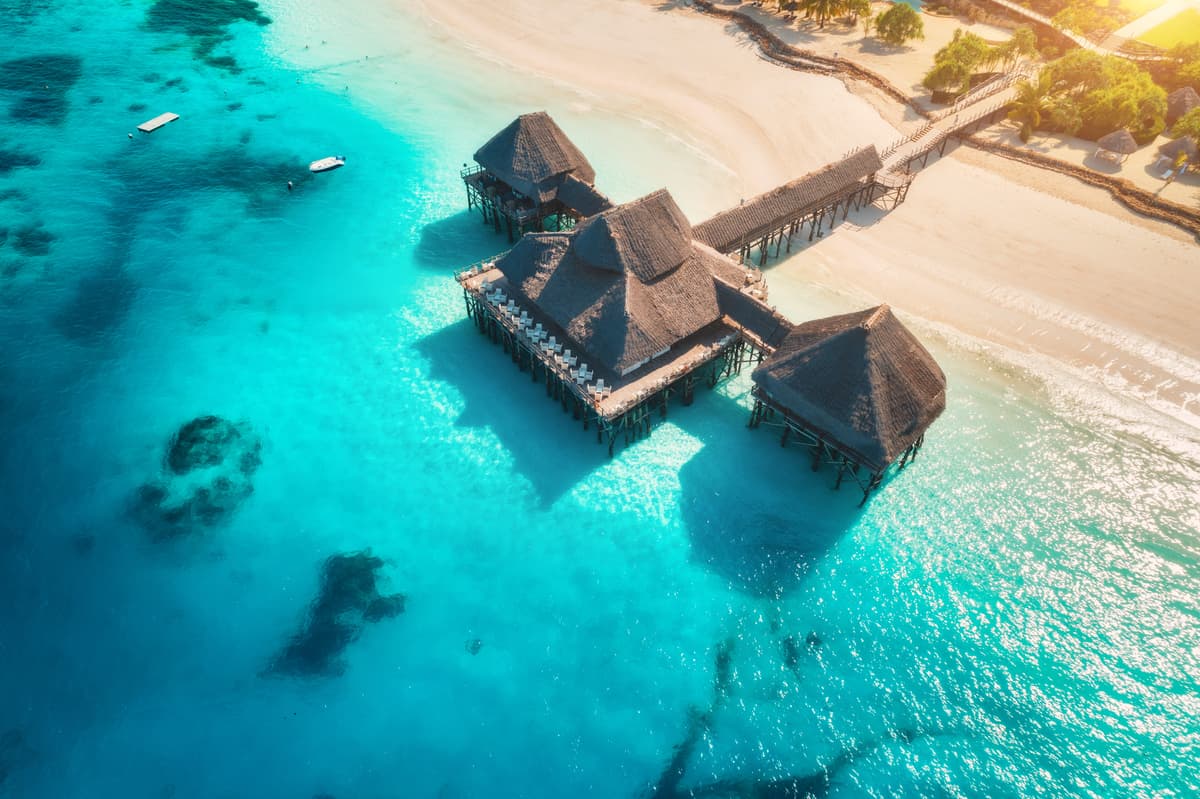
See all 3 Maldives packages
Most popular pick
See all 3 Maldives packages
See all 3 China packages
Most popular pick
See all 3 China packages
See all 2 Sri Lanka packages
Most popular pick
See all 2 Sri Lanka packages
See all 3 Malaysia packages
Most popular pick
See all 3 Malaysia packages
See all 2 Singapore packages
Most popular pick
See all 2 Singapore packages
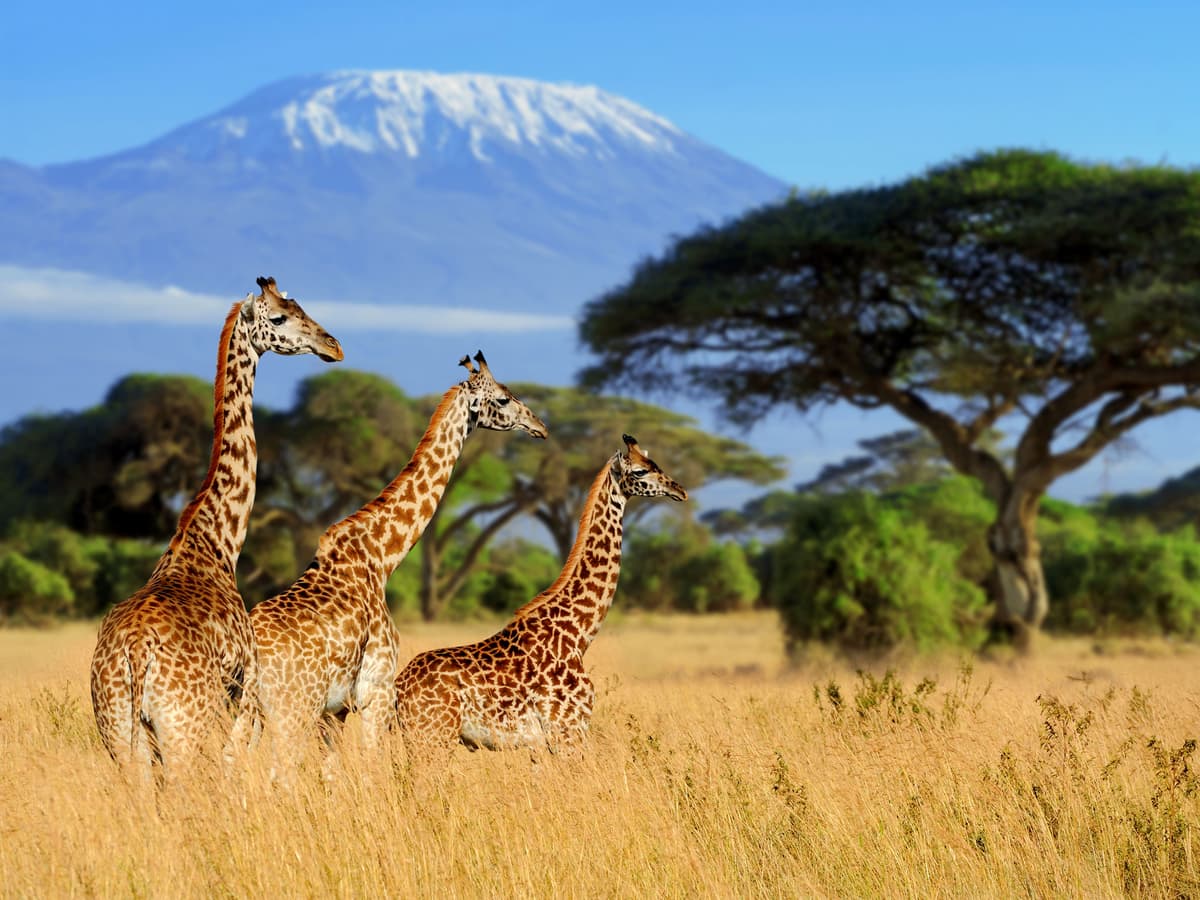
See all 2 Kenya packages
Most popular pick
See all 2 Kenya packages
See all 4 India packages
Most popular pick
See all 4 India packages
Search Tours or Places
Blog / Tanzania

Tanzania Travel Guide: Regions, Seasons, Visas and Practical Planning

10 min read 27 Jul 2026

Most of what you need from a Tanzania travel guide comes down to four decisions: which part of the country you go to, what month you go in, whether your paperwork is sorted before you fly, and how you move between places once you land.

Tanzania is not one destination. The northern safari circuit, the quieter southern parks, the Zanzibar archipelago and Mount Kilimanjaro are separated by long distances and have different best seasons. Trying to do all four in one short trip is the most common planning mistake.

Entry rules are the other thing people get wrong. Visa, passport validity and yellow fever requirements all change from time to time, so treat this as a starting point and confirm against the official Tanzanian immigration portal and a current government travel advisory before you travel.

Where this Tanzania travel guide starts: the four regions

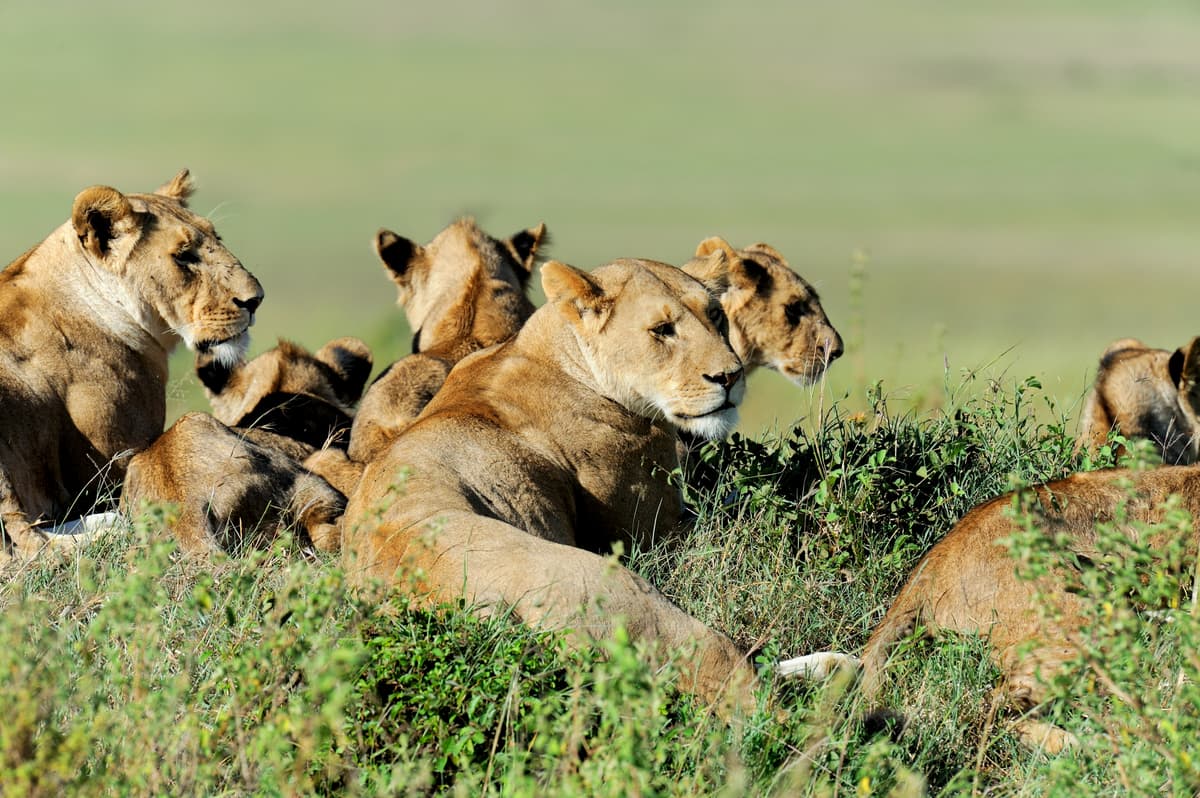
The northern circuit holds the Serengeti, Ngorongoro Crater, Tarangire and Lake Manyara, all reachable by road from Arusha. The southern and western circuits, mainly Nyerere (formerly Selous), Ruaha and Katavi, are wilder, far less crowded and reached by light aircraft. Zanzibar sits off the central coast, and Kilimanjaro and Mount Meru form their own trekking region in the north.

RegionWhat it is forUsual accessStrongest months
Northern circuit (Serengeti, Ngorongoro, Tarangire)First safari, big herds, crater floor game viewingRoad from Arusha, or bush airstripsJune to October, January to February
Southern and western circuit (Nyerere, Ruaha, Katavi)Low-density wilderness, boat and walking safarisLight aircraft from Dar es SalaamJune to October
Zanzibar archipelagoBeaches, diving, Stone Town, spice farmsShort flight or ferry from Dar es SalaamJune to October, December to February
Kilimanjaro and Mount MeruHigh-altitude trekkingKilimanjaro International Airport, then Moshi or ArushaJanuary to February, July to October

A workable two-week trip is one circuit plus Zanzibar. Trekking trips usually pair Kilimanjaro with a short safari afterwards, not before. Our roundup of things to do in Tanzania covers the individual experiences in more detail.

When is the best time to visit Tanzania?

The long dry season, roughly late June to October, is the most reliable window for almost everything: safari, trekking and the coast. Vegetation thins out, animals concentrate around water, roads stay passable and coastal humidity drops. It is also the busiest stretch of the year.

The rest splits into the long rains from late March to mid-June, the wettest and least suitable period, and the short rains around November, usually brief afternoon showers rather than washouts. December to March is warm and green, good for the southern Serengeti plains and quieter than the July to September peak.

The wildebeest migration is a continuous year-round loop, not an event with a fixed date. Broadly, the herds are on the southern short-grass plains around Ndutu and the Ngorongoro Conservation Area from about November to March, with most calving packed into a few weeks in February. From April they move north and west, massing near the Grumeti River around June.

The Mara River crossings in the far northern Serengeti generally happen between about July and October. Timing shifts every year with rainfall and grazing, so nobody can guarantee a crossing on a given date. The northern Serengeti shares an ecosystem with Kenya's Maasai Mara, which is why many travellers combine the two and why our guide to things to do in Kenya overlaps with this one.

When is the best time to climb Kilimanjaro?

January to February and July to October are the two dependable climbing windows. January and February are warmer with generally clear skies. July to October is drier and colder, and dryness matters more than temperature for a successful summit. Late March to mid-June is widely treated as the worst window: mud, poor visibility and slippery scree.

Kilimanjaro is a walk rather than a technical climb, but it is a walk to 5,895 metres, and altitude decides most outcomes. Longer routes such as Lemosho, Machame and the Northern Circuit give you more acclimatisation days than the shortest options, which generally means better summit rates. Choose itinerary length over training intensity.

Do you need a visa for Tanzania?

Yes, most nationalities need a visa, and the standard route is the official e-visa applied for online before travel through the Tanzanian immigration portal at visa.immigration.go.tz. Nationals of East African Community and SADC states and many Commonwealth countries are exempt, and some nationalities fall into a referral category that must be lodged well in advance.

Your passport needs at least six months of validity and one unused visa page. You apply online, upload your photo and documents, then track the application through the portal using your application number. Tourist visas are normally single entry, and the stated processing time is up to ten days, considerably longer for referral cases.

  • Check your own passport. Exemptions, referral status and single versus multiple entry all vary by nationality.
  • Visa on arrival exists but is not a plan. It is offered at major entry points for many nationalities, but multiple-entry visas are never issued on arrival.
  • Rules change. No Tanzania travel guide stays current forever, so re-check the official immigration site and your government's travel advisory shortly before you fly.

Yellow fever, malaria and staying healthy

A yellow fever vaccination certificate is required if you are arriving from, or have recently transited through, a country with yellow fever transmission risk. It is not demanded of every arrival regardless of origin, but transit does count, so check your specific routing against the current list rather than assuming.

Malaria is present across most of the mainland and on Zanzibar, so talk to a travel clinic about prophylaxis well before departure. High-altitude Kilimanjaro is not a malaria zone, but Moshi and Arusha at the base are. Medical facilities are limited outside Dar es Salaam, so evacuation cover matters more here than in most places. Heightened health screening for arrivals from certain neighbouring countries has been in place through 2026.

Is Tanzania safe to visit?

Tanzania is generally safe for organised travel, and the parks and lodges are among the most controlled environments you will encounter. The real risks are urban and opportunistic. Bag snatching by people on motorbikes and in cars is common in Dar es Salaam and parts of Zanzibar, and advisories flag express kidnapping, where victims are pressured into ATM withdrawals, in Dar es Salaam specifically.

Sensible precautions cover most of it: use hotel-arranged taxis rather than street pickups, avoid beaches after dark, keep phones out of sight in traffic, stay away from demonstrations, and do not drive at night outside major towns. Governments currently advise against all but essential travel within 20 kilometres of the Mozambique border in the far south, near Cabo Delgado. Same-sex activity is criminalised and drug offences carry heavy prison sentences. The same logic runs through our look at whether Kenya is safe to visit.

Getting around Tanzania: flights, roads and airports

Two airports handle most international arrivals. Julius Nyerere International in Dar es Salaam serves the coast, Zanzibar connections and the southern circuit. Kilimanjaro International, between Arusha and Moshi, is the arrival point for the northern safari circuit and for trekking. Abeid Amani Karume International on Zanzibar handles some international traffic plus the constant mainland shuttle.

Inside the country, light aircraft do the heavy lifting. Scheduled bush flights land at park airstrips and turn an eight-hour drive into under an hour, in exchange for strict weight limits and soft-bag-only luggage rules. Road transfers within the northern circuit are normal and often scenic, but distances are long. For the southern parks, flying is effectively the only option.

Language, connectivity and cultural etiquette

Kiswahili is the national language and English is widely used in tourism, business and signage, so you will not struggle. A few words still help: jambo for hello, karibu for welcome, asante for thank you, and pole pole for slowly, which is what every Kilimanjaro guide will say to you for a week. For data, buy a local SIM at the airport or an operator shop using your passport, or use an eSIM. Vodacom has the broadest national coverage, Airtel does better in the Serengeti and Ngorongoro, Zantel is strong on Zanzibar, and signal deep in the parks is patchy either way.

  • Dress modestly in Zanzibar. It is a predominantly Muslim island and authorities enforce public dress standards, with fines possible for clothing deemed inappropriate. Cover shoulders and knees in Stone Town, villages and markets. Beachwear stays at the beach.
  • Ask before photographing people, especially in Maasai communities and markets. Do not photograph government buildings, airports or police.
  • Leave plastic bags at home. Single-use plastic bags are banned nationwide and checked on arrival. Resealable toiletry bags for airport security are generally tolerated, nothing else is.
  • Zanzibar requires its own insurance. Visitors must hold a mandatory policy issued through the Zanzibar Insurance Corporation for stays of up to 92 days. Other international policies are not accepted in its place.

What to pack for a Tanzania safari

Safari packing is about layers and neutral colours, not gear. Mornings in open vehicles are cold, midday is hot, and you are in and out of dust all day.

  • Neutral clothing. Khaki, olive, beige, grey. Avoid black and dark blue, which attract tsetse flies, and avoid bright white.
  • A warm layer and a windproof. Early game drives and the Ngorongoro rim are cold, whatever the forecast says.
  • Binoculars. The single item that most improves a game drive, one pair per person rather than per vehicle.
  • Sun protection and DEET repellent. Brimmed hat, high-factor sunscreen, sunglasses, long sleeves for dawn and dusk.
  • Power bank and adapter. Tanzania uses UK-style three-pin type G sockets, and camp charging is often limited to generator hours.

Frequently asked questions

How many days do you need in Tanzania?

Seven to ten days covers one safari circuit properly, allowing for travel time between parks. Add four to five days for Zanzibar. A Kilimanjaro climb takes six to nine days on the mountain plus buffer days, so combining a trek with a full safari needs around two weeks.

Is Tanzania or Kenya better for a first safari?

Both sit on the same ecosystem and see the same migration at different points in the year. Tanzania offers larger, less crowded park areas and the Ngorongoro Crater, and it pairs naturally with Zanzibar. Kenya has shorter internal travel times and a denser concentration of camps in the Maasai Mara.

Do you need a yellow fever certificate for Tanzania?

You need one if you are arriving from or have transited a country with yellow fever transmission risk. It is not required of every arrival regardless of origin. Because transit counts and the affected-country list is updated, check your specific routing against current official guidance before booking.

Can you climb Kilimanjaro without experience?

Yes. Kilimanjaro requires no technical climbing skills and most people who summit are not mountaineers. What it does require is reasonable cardiovascular fitness and, more importantly, enough acclimatisation days. Longer routes have noticeably higher success rates than the shortest ones.

What language do they speak in Tanzania?

Kiswahili is the national language and is spoken across the country alongside many local languages. English is widely used in tourism, hotels, signage and business, so English-speaking travellers manage comfortably. A few Kiswahili greetings are still appreciated everywhere.

What should women wear in Zanzibar?

In Stone Town, villages, markets and outside resort areas, cover shoulders and knees. Zanzibar is predominantly Muslim and the authorities do enforce public dress standards, with fines possible for clothing considered inappropriate. Swimwear is fine on hotel beaches, not in town.

Should you apply for a Tanzania visa online or on arrival?

Applying online through the official immigration portal before travel is safer, because it gives you an approved record to show at check-in and immigration. Visa on arrival is offered to many nationalities at major entry points, but it depends on your passport, cannot issue multiple-entry visas, and can mean long queues.

Tags
TanzaniaTanzania travel guideSerengetiKilimanjaroZanzibarSafariAfrica travelTravel planning
Share
G
Gomayu Team
Writer at Gomayu
Keep reading
Blog / Tanzania

Tanzania Travel Guide: Regions, Seasons, Visas and Practical Planning

10 min read 27 Jul 2026

Most of what you need from a Tanzania travel guide comes down to four decisions: which part of the country you go to, what month you go in, whether your paperwork is sorted before you fly, and how you move between places once you land.

Tanzania is not one destination. The northern safari circuit, the quieter southern parks, the Zanzibar archipelago and Mount Kilimanjaro are separated by long distances and have different best seasons. Trying to do all four in one short trip is the most common planning mistake.

Entry rules are the other thing people get wrong. Visa, passport validity and yellow fever requirements all change from time to time, so treat this as a starting point and confirm against the official Tanzanian immigration portal and a current government travel advisory before you travel.

Where this Tanzania travel guide starts: the four regions

The northern circuit holds the Serengeti, Ngorongoro Crater, Tarangire and Lake Manyara, all reachable by road from Arusha. The southern and western circuits, mainly Nyerere (formerly Selous), Ruaha and Katavi, are wilder, far less crowded and reached by light aircraft. Zanzibar sits off the central coast, and Kilimanjaro and Mount Meru form their own trekking region in the north.

RegionWhat it is forUsual accessStrongest months
Northern circuit (Serengeti, Ngorongoro, Tarangire)First safari, big herds, crater floor game viewingRoad from Arusha, or bush airstripsJune to October, January to February
Southern and western circuit (Nyerere, Ruaha, Katavi)Low-density wilderness, boat and walking safarisLight aircraft from Dar es SalaamJune to October
Zanzibar archipelagoBeaches, diving, Stone Town, spice farmsShort flight or ferry from Dar es SalaamJune to October, December to February
Kilimanjaro and Mount MeruHigh-altitude trekkingKilimanjaro International Airport, then Moshi or ArushaJanuary to February, July to October

A workable two-week trip is one circuit plus Zanzibar. Trekking trips usually pair Kilimanjaro with a short safari afterwards, not before. Our roundup of things to do in Tanzania covers the individual experiences in more detail.

When is the best time to visit Tanzania?

The long dry season, roughly late June to October, is the most reliable window for almost everything: safari, trekking and the coast. Vegetation thins out, animals concentrate around water, roads stay passable and coastal humidity drops. It is also the busiest stretch of the year.

The rest splits into the long rains from late March to mid-June, the wettest and least suitable period, and the short rains around November, usually brief afternoon showers rather than washouts. December to March is warm and green, good for the southern Serengeti plains and quieter than the July to September peak.

The wildebeest migration is a continuous year-round loop, not an event with a fixed date. Broadly, the herds are on the southern short-grass plains around Ndutu and the Ngorongoro Conservation Area from about November to March, with most calving packed into a few weeks in February. From April they move north and west, massing near the Grumeti River around June.

The Mara River crossings in the far northern Serengeti generally happen between about July and October. Timing shifts every year with rainfall and grazing, so nobody can guarantee a crossing on a given date. The northern Serengeti shares an ecosystem with Kenya's Maasai Mara, which is why many travellers combine the two and why our guide to things to do in Kenya overlaps with this one.

When is the best time to climb Kilimanjaro?

January to February and July to October are the two dependable climbing windows. January and February are warmer with generally clear skies. July to October is drier and colder, and dryness matters more than temperature for a successful summit. Late March to mid-June is widely treated as the worst window: mud, poor visibility and slippery scree.

Kilimanjaro is a walk rather than a technical climb, but it is a walk to 5,895 metres, and altitude decides most outcomes. Longer routes such as Lemosho, Machame and the Northern Circuit give you more acclimatisation days than the shortest options, which generally means better summit rates. Choose itinerary length over training intensity.

Do you need a visa for Tanzania?

Yes, most nationalities need a visa, and the standard route is the official e-visa applied for online before travel through the Tanzanian immigration portal at visa.immigration.go.tz. Nationals of East African Community and SADC states and many Commonwealth countries are exempt, and some nationalities fall into a referral category that must be lodged well in advance.

Your passport needs at least six months of validity and one unused visa page. You apply online, upload your photo and documents, then track the application through the portal using your application number. Tourist visas are normally single entry, and the stated processing time is up to ten days, considerably longer for referral cases.

  • Check your own passport. Exemptions, referral status and single versus multiple entry all vary by nationality.
  • Visa on arrival exists but is not a plan. It is offered at major entry points for many nationalities, but multiple-entry visas are never issued on arrival.
  • Rules change. No Tanzania travel guide stays current forever, so re-check the official immigration site and your government's travel advisory shortly before you fly.

Yellow fever, malaria and staying healthy

A yellow fever vaccination certificate is required if you are arriving from, or have recently transited through, a country with yellow fever transmission risk. It is not demanded of every arrival regardless of origin, but transit does count, so check your specific routing against the current list rather than assuming.

Malaria is present across most of the mainland and on Zanzibar, so talk to a travel clinic about prophylaxis well before departure. High-altitude Kilimanjaro is not a malaria zone, but Moshi and Arusha at the base are. Medical facilities are limited outside Dar es Salaam, so evacuation cover matters more here than in most places. Heightened health screening for arrivals from certain neighbouring countries has been in place through 2026.

Is Tanzania safe to visit?

Tanzania is generally safe for organised travel, and the parks and lodges are among the most controlled environments you will encounter. The real risks are urban and opportunistic. Bag snatching by people on motorbikes and in cars is common in Dar es Salaam and parts of Zanzibar, and advisories flag express kidnapping, where victims are pressured into ATM withdrawals, in Dar es Salaam specifically.

Sensible precautions cover most of it: use hotel-arranged taxis rather than street pickups, avoid beaches after dark, keep phones out of sight in traffic, stay away from demonstrations, and do not drive at night outside major towns. Governments currently advise against all but essential travel within 20 kilometres of the Mozambique border in the far south, near Cabo Delgado. Same-sex activity is criminalised and drug offences carry heavy prison sentences. The same logic runs through our look at whether Kenya is safe to visit.

Getting around Tanzania: flights, roads and airports

Two airports handle most international arrivals. Julius Nyerere International in Dar es Salaam serves the coast, Zanzibar connections and the southern circuit. Kilimanjaro International, between Arusha and Moshi, is the arrival point for the northern safari circuit and for trekking. Abeid Amani Karume International on Zanzibar handles some international traffic plus the constant mainland shuttle.

Inside the country, light aircraft do the heavy lifting. Scheduled bush flights land at park airstrips and turn an eight-hour drive into under an hour, in exchange for strict weight limits and soft-bag-only luggage rules. Road transfers within the northern circuit are normal and often scenic, but distances are long. For the southern parks, flying is effectively the only option.

Language, connectivity and cultural etiquette

Kiswahili is the national language and English is widely used in tourism, business and signage, so you will not struggle. A few words still help: jambo for hello, karibu for welcome, asante for thank you, and pole pole for slowly, which is what every Kilimanjaro guide will say to you for a week. For data, buy a local SIM at the airport or an operator shop using your passport, or use an eSIM. Vodacom has the broadest national coverage, Airtel does better in the Serengeti and Ngorongoro, Zantel is strong on Zanzibar, and signal deep in the parks is patchy either way.

  • Dress modestly in Zanzibar. It is a predominantly Muslim island and authorities enforce public dress standards, with fines possible for clothing deemed inappropriate. Cover shoulders and knees in Stone Town, villages and markets. Beachwear stays at the beach.
  • Ask before photographing people, especially in Maasai communities and markets. Do not photograph government buildings, airports or police.
  • Leave plastic bags at home. Single-use plastic bags are banned nationwide and checked on arrival. Resealable toiletry bags for airport security are generally tolerated, nothing else is.
  • Zanzibar requires its own insurance. Visitors must hold a mandatory policy issued through the Zanzibar Insurance Corporation for stays of up to 92 days. Other international policies are not accepted in its place.

What to pack for a Tanzania safari

Safari packing is about layers and neutral colours, not gear. Mornings in open vehicles are cold, midday is hot, and you are in and out of dust all day.

  • Neutral clothing. Khaki, olive, beige, grey. Avoid black and dark blue, which attract tsetse flies, and avoid bright white.
  • A warm layer and a windproof. Early game drives and the Ngorongoro rim are cold, whatever the forecast says.
  • Binoculars. The single item that most improves a game drive, one pair per person rather than per vehicle.
  • Sun protection and DEET repellent. Brimmed hat, high-factor sunscreen, sunglasses, long sleeves for dawn and dusk.
  • Power bank and adapter. Tanzania uses UK-style three-pin type G sockets, and camp charging is often limited to generator hours.

Frequently asked questions

How many days do you need in Tanzania?

Seven to ten days covers one safari circuit properly, allowing for travel time between parks. Add four to five days for Zanzibar. A Kilimanjaro climb takes six to nine days on the mountain plus buffer days, so combining a trek with a full safari needs around two weeks.

Is Tanzania or Kenya better for a first safari?

Both sit on the same ecosystem and see the same migration at different points in the year. Tanzania offers larger, less crowded park areas and the Ngorongoro Crater, and it pairs naturally with Zanzibar. Kenya has shorter internal travel times and a denser concentration of camps in the Maasai Mara.

Do you need a yellow fever certificate for Tanzania?

You need one if you are arriving from or have transited a country with yellow fever transmission risk. It is not required of every arrival regardless of origin. Because transit counts and the affected-country list is updated, check your specific routing against current official guidance before booking.

Can you climb Kilimanjaro without experience?

Yes. Kilimanjaro requires no technical climbing skills and most people who summit are not mountaineers. What it does require is reasonable cardiovascular fitness and, more importantly, enough acclimatisation days. Longer routes have noticeably higher success rates than the shortest ones.

What language do they speak in Tanzania?

Kiswahili is the national language and is spoken across the country alongside many local languages. English is widely used in tourism, hotels, signage and business, so English-speaking travellers manage comfortably. A few Kiswahili greetings are still appreciated everywhere.

What should women wear in Zanzibar?

In Stone Town, villages, markets and outside resort areas, cover shoulders and knees. Zanzibar is predominantly Muslim and the authorities do enforce public dress standards, with fines possible for clothing considered inappropriate. Swimwear is fine on hotel beaches, not in town.

Should you apply for a Tanzania visa online or on arrival?

Applying online through the official immigration portal before travel is safer, because it gives you an approved record to show at check-in and immigration. Visa on arrival is offered to many nationalities at major entry points, but it depends on your passport, cannot issue multiple-entry visas, and can mean long queues.

Tags
TanzaniaTanzania travel guideSerengetiKilimanjaroZanzibarSafariAfrica travelTravel planning
Share
G
Gomayu Team
Writer at Gomayu
Keep reading