
+977-9709047652
Explore by Country
See all 12 Thailand packages
Most popular pick
See all 12 Thailand packages
See all 8 Vietnam packages
Most popular pick
See all 8 Vietnam packages
See all 4 Indonesia (Bali) packages
Most popular pick
See all 4 Indonesia (Bali) packages
See all 3 Maldives packages
Most popular pick
See all 3 Maldives packages
See all 3 China packages
Most popular pick
See all 3 China packages
See all 2 Sri Lanka packages
Most popular pick
See all 2 Sri Lanka packages
See all 3 Malaysia packages
Most popular pick
See all 3 Malaysia packages
See all 2 Singapore packages
Most popular pick
See all 2 Singapore packages
See all 2 Kenya packages
Most popular pick
See all 2 Kenya packages
See all 4 India packages
Most popular pick
See all 4 India packages
Search Tours or Places
Blog / Kenya

The Best Safari Destinations in the World, and What Each One Is Actually Best For

12 min read 27 Jul 2026

The best safari destinations are Kenya, Tanzania, Botswana, South Africa, Namibia and Zambia in Africa, plus Uganda and Rwanda if you want gorillas rather than big cats. Which one is best for you depends on two things: what animal you actually want to see, and which months you can travel.

There is no single winner. Kenya and Tanzania give you the highest volume of plains game and the easiest first safari. Botswana gives you water and space. South Africa gives you the most self-drive freedom and the only realistic malaria-free Big Five option. Namibia gives you desert landscapes with waterhole viewing. Zambia gives you walking.

Kenya: the easiest first safari

Kenya is the most straightforward place to start. The parks are close together, the guiding standard is high, English is widely spoken, and the wildlife density in the Maasai Mara is very hard to beat. If you have one week and have never done this before, Kenya is the safe answer.

The four parks worth knowing:

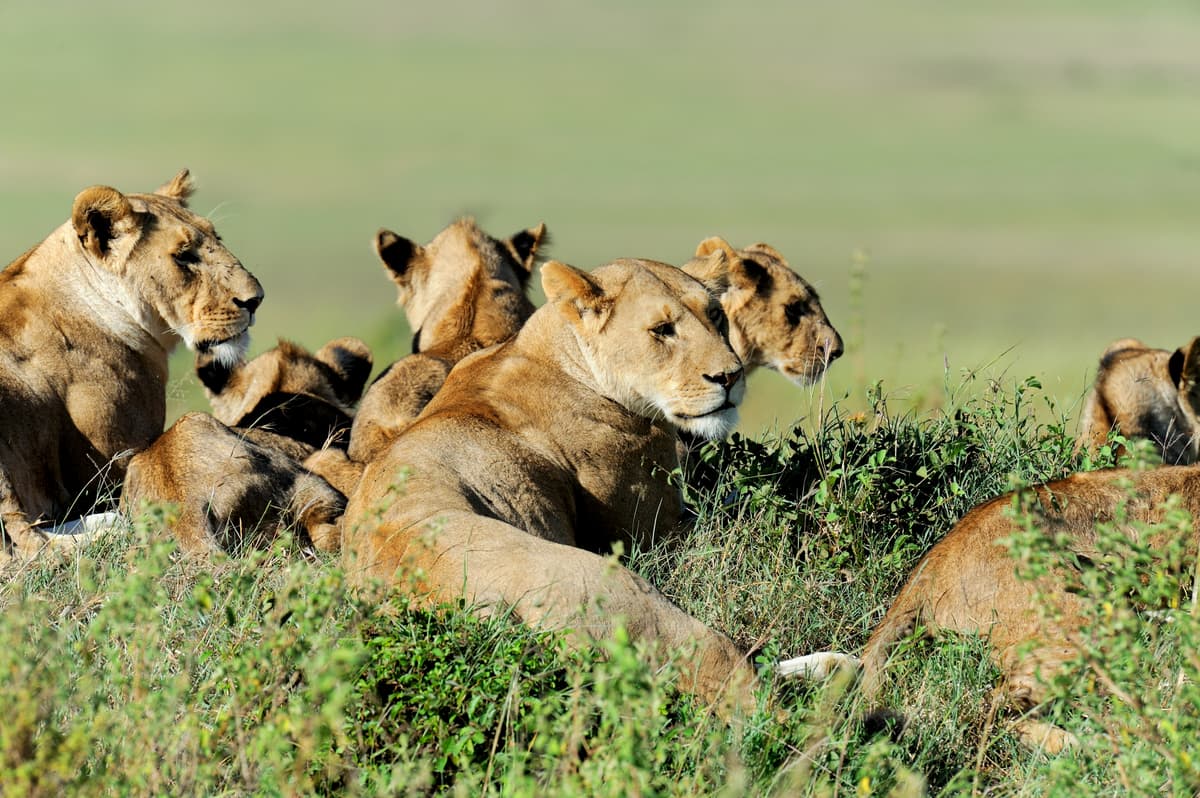
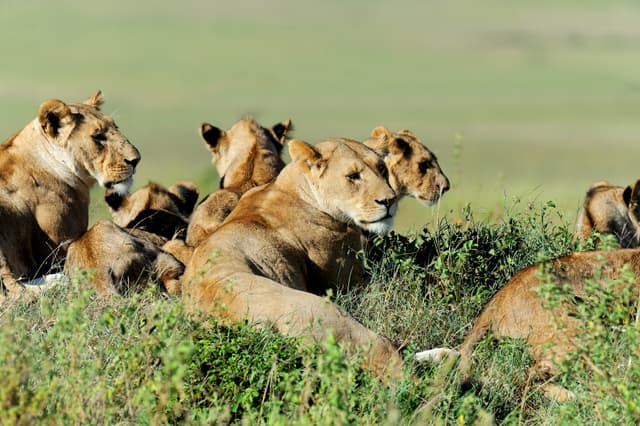
  • Maasai Mara. Big cats, and the northern half of the Serengeti to Mara wildebeest movement roughly between July and October. Lion sightings here are close to reliable rather than lucky.
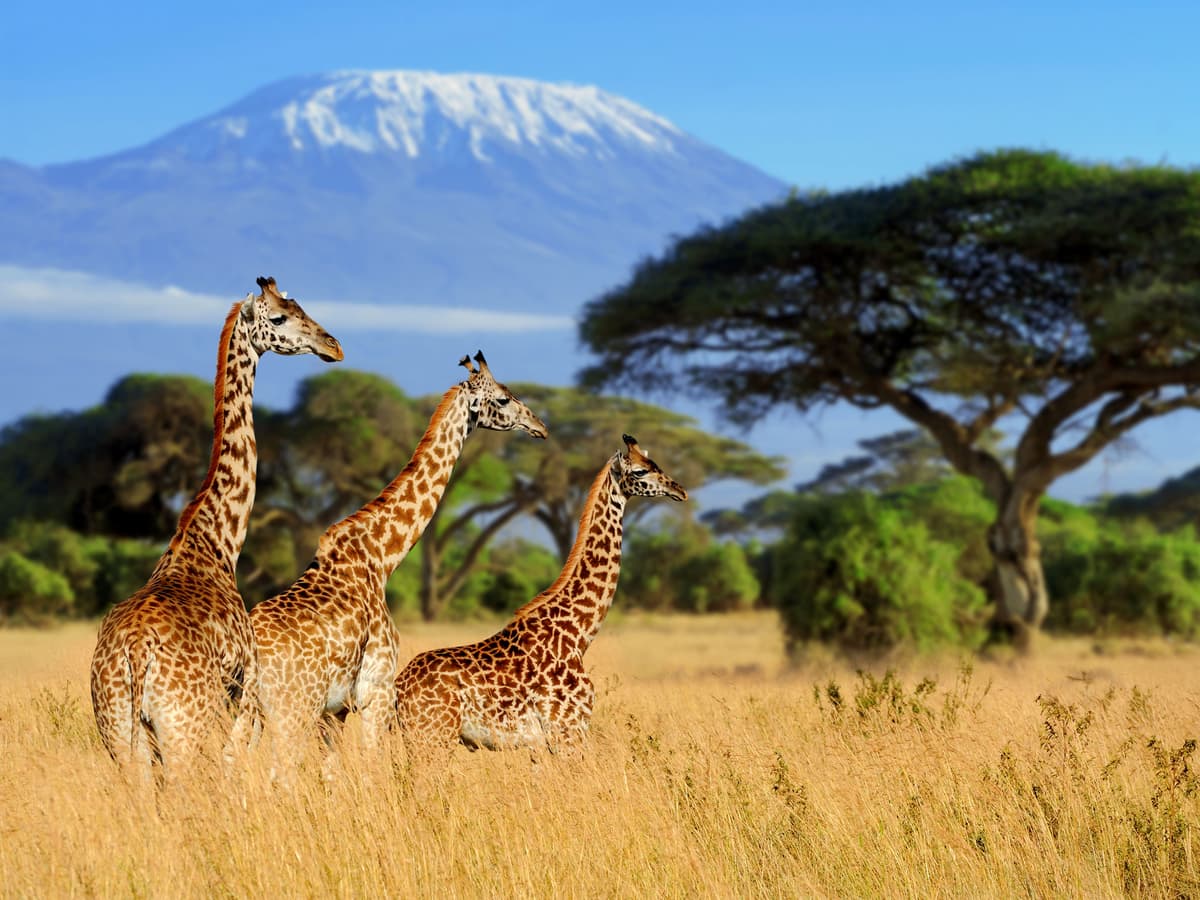
  • Amboseli. Large elephant herds on open pans with Kilimanjaro behind them on clear mornings. The single best place in East Africa to photograph elephants.
  • Samburu. Dry northern country with species you will not see in the Mara, including Grevy's zebra, reticulated giraffe and the gerenuk. Good for a second visit.
  • Tsavo East and West. Enormous, far less crowded, and known for elephants that look red from dust bathing in the local soil.

The honest drawback is crowding. The Mara in peak season puts a lot of vehicles around a good sighting. Conservancies bordering the reserve limit vehicle numbers and are the usual fix. If you are building a wider trip, our guide to things to do in Kenya covers what sits outside the parks.

Tanzania: the biggest ecosystem

Tanzania is Kenya's larger, quieter neighbour and holds the most famous safari geography in the world. The Serengeti alone is roughly the size of a small country, and the wildlife moves across it in a predictable annual loop.

The wildebeest cycle, verified against long running operator records, works roughly like this. Herds gather on the southern short grass plains around Ndutu and the Ngorongoro Conservation Area from late November, with most calves born in a tight window around February. From April they move north and west, reach the Grumeti River area around June, and are in the far north near the Mara River around late July through September, when the river crossings happen. By October and November they drift south again. Timing shifts every year with the rain, so treat the months as a guide and not a timetable.

Beyond the Serengeti, Ngorongoro Crater is a collapsed caldera with resident wildlife on the floor year round, including one of the better chances of seeing black rhino. Tarangire concentrates elephants along its river in the dry months. Nyerere National Park, carved out of the northern part of the Selous Game Reserve in 2019, and Ruaha in the south are far emptier, with boat safaris on the Rufiji in Nyerere and strong wild dog and lion populations in Ruaha.

The drawback is distance and internal flights. Doing the northern circuit and the southern parks in one trip is a lot of moving. Pick one. Our Tanzania activities guide and the full Tanzania travel guide go deeper on routing.
Botswana: water, space and low volume

Botswana runs a deliberate low volume, high value tourism model, which means fewer camps, fewer vehicles and a quieter experience. Two areas matter.

The Okavango Delta is an inland river delta that never reaches the sea. Its flood arrives out of phase with the local rain, so water levels are usually highest around the middle of the year, in the dry season, which is why you can be in a mokoro canoe surrounded by water in June while the surrounding land is parched. That combination of water channels and dry land concentrates animals unusually well.

Chobe, in the north, has one of the densest elephant populations in Africa along the Chobe River, best seen from a boat in the late afternoon during the dry months.

The drawback is access. Most good Delta camps are fly in only by light aircraft, luggage is limited to soft bags, and the whole country sits at the premium end. It is not the place for a first budget safari.

South Africa: self-drive, and the malaria question

South Africa is the most flexible of the safari destinations because you can genuinely do it yourself. Kruger National Park has sealed roads, rest camps you book directly, fuel and shops, and you can drive your own hire car and find your own animals. Nothing else in Africa makes safari this independent. The private reserves on its western boundary, including Sabi Sand and Timbavati, work differently: no fences with the park, off road driving allowed, and leopard sightings among the most consistent anywhere.

Now the malaria point, because it is repeated carelessly online. According to the CDC Yellow Book, malaria risk in South Africa is limited to the Mopani and Vhembe districts of Limpopo, the Ehlanzeni district of Mpumalanga, and the uMkhanyakude district of KwaZulu-Natal. Kruger sits inside that risk zone and is treated as endemic with seasonal transmission. The Eastern Cape, which includes Addo Elephant National Park and the private reserves around it, is not listed as a malaria risk area. That is the reason families with young children are routinely sent there instead.

Be careful how far you extend that logic. "Malaria-free" is a claim about a specific area, not about South Africa generally, and you should still confirm current advice with a travel clinic before you go rather than trusting a marketing page.

The drawback of the Eastern Cape option is honesty about the product. Those reserves are smaller and many are restocked rather than ancient ecosystems. You will see the animals. It will not feel like the Serengeti.

Namibia and Zambia: for the second or third safari

Namibia is the landscape choice. Etosha National Park is built around a vast salt pan, and in the dry season the animals have almost nowhere else to drink, so you park at a waterhole and let the wildlife come to you rather than searching for it. Some camps have floodlit waterholes you can watch after dark. Further west, Damaraland and the Kunene region hold desert adapted elephants and rhino, which is a genuinely unusual thing to see. Roads suit self-drive, though distances are long.

Zambia is the walking choice. South Luangwa National Park is where the guided walking safari was developed, and walking changes the experience completely. You stop chasing lions and start reading tracks, birds and small things. The drawback is seasonal: many Luangwa camps close during the heavy rains, so the walking season is effectively the drier middle of the year.

Uganda and Rwanda: gorillas are a different product

Gorilla trekking is not a safari in the normal sense and should not be planned as one. You hike, often steeply and often in mud, to reach one habituated family, and you get one hour with them.

The rules are strict and consistent across both countries. The minimum age is 15. Permits are non-transferable and your passport is checked against the permit before you set off. Time with the gorillas is capped at one hour. In Rwanda's Volcanoes National Park, eight permits per day are issued for each habituated group. Uganda's Bwindi Impenetrable Forest has more habituated families and therefore more availability, plus a longer habituation experience with a research group.

Rwanda is easier logistically, with a short drive from Kigali to the park. Uganda involves longer overland travel but can be combined with real plains game in Queen Elizabeth and Murchison Falls, so it works better as a single country trip.

Beyond Africa: India and Sri Lanka

Africa does not have a monopoly. India's tiger reserves, including Ranthambore, Bandhavgarh, Kanha and Tadoba, offer something Africa cannot: a realistic chance at a wild tiger. The system is tightly regulated, with fixed zones, fixed vehicle numbers and timed drives. Core zones close during the monsoon, generally from 1 July to the end of September, and the best sighting months are the hot ones from March to June when animals concentrate at water. If you are combining wildlife with a wider trip, our India destination page has the broader picture.

Sri Lanka is the compact option. Yala has a very high leopard density in a small area, Wilpattu is larger and quieter, and Udawalawe is reliable for elephants. Yala's main block closes for part of the dry season each year, usually around September into October, so check dates before committing.

Best safari destinations compared

DestinationBest forBest monthsHonest drawback
Kenya (Maasai Mara)First safari, big cats, migration in the northJuly to OctoberVehicle crowding at good sightings in peak season
Tanzania (Serengeti)Scale, the full migration cycle, Ngorongoro rhinoDec to Mar for calving, Jul to Sep for crossingsLong internal transfers, and migration timing shifts yearly
Botswana (Okavango, Chobe)Water safaris, elephants, low vehicle numbersMay to OctoberFly in access and a premium only camp market
South Africa (Kruger)Self-drive, Big Five, easy logisticsMay to SeptemberSits inside a malaria risk zone
South Africa (Eastern Cape)Families, young children, no malaria risk listedYear roundSmaller reserves, less wild in feel
Namibia (Etosha)Waterhole viewing, desert wildlife, self-driveJune to OctoberVery long driving distances between highlights
Zambia (South Luangwa)Walking safaris, leopards, expert guidingJune to OctoberMany camps close in the heavy rains
Uganda and RwandaGorilla trekkingJune to September, December to FebruaryOne hour only, age 15 minimum, demanding hike

Dry season, green season, and guided or self-drive

Season changes your trip more than the choice of country does. Almost all of the best safari destinations above have a dry season and a green season, and both answers are defensible.

  • Dry season means thin vegetation, animals forced to gather at shrinking water, and easier spotting. It is also peak season, so more vehicles and less availability.
  • Green season means rain, thick grass and harder viewing, but dramatic skies, newborn animals, migrant birds and far fewer people. Photographers often prefer it.
  • Calving beats crossings if predators are your priority. The southern Serengeti in February concentrates newborn wildebeest and the predators that follow them, and it is more reliable than waiting at a river for a crossing that may not happen while you are there.
  • River crossings are not guaranteed. Herds can sit at the bank for days. Budget several days in the north if this is your goal, not one.

On driving yourself: self-drive works in South Africa and Namibia, where the roads, signage and park infrastructure support it. It does not really work in Botswana's Delta, in most of Zambia, or in the Kenyan and Tanzanian parks, where a guide with a radio network finds in an hour what you would miss all day. A good guide is the single biggest variable in safari quality, above the camp and above the vehicle.

Three practical points whichever you pick. Book roughly a year ahead for the best small camps in peak months. Pack neutral khaki and olive, and avoid dark blue and black, which attract tsetse flies in parts of Tanzania and Zambia. Bring binoculars for each person rather than sharing one pair.

Frequently asked questions

Which country has the best safari?

For a first safari, Kenya and Tanzania are the strongest all round choices because of wildlife density and straightforward logistics. Botswana is better if you want few other vehicles and can pay for it. South Africa is better if you want to drive yourself. There is no objectively best country, only a best fit for what you want to see.

When is the best time to go on safari in Africa?

For most of southern and eastern Africa, the dry months from roughly June to October give the best game viewing because vegetation thins and animals concentrate at water. The exception is the southern Serengeti, where the wildebeest calving season around February is exceptional for predator action. Green season travel means harder viewing but far fewer people.

Is there a malaria-free safari option?

Yes. The CDC lists malaria risk in South Africa only in specific districts of Limpopo, Mpumalanga and KwaZulu-Natal, which includes Kruger. The Eastern Cape, home to Addo Elephant National Park and several private Big Five reserves, is not listed as a risk area, which is why it is the standard recommendation for families with small children. Always confirm current guidance with a travel clinic.

Can children go gorilla trekking?

No. Both Rwanda and Uganda enforce a minimum age of 15 for gorilla trekking, with no exceptions made for younger children. Permits are non-transferable and passports are checked against them before the trek begins. Families with younger children should plan a conventional wildlife safari instead.

Are the Serengeti river crossings guaranteed if I go in August?

No. The Mara River crossings typically happen between late July and September in the northern Serengeti, but the herds move in response to rainfall and grazing, so timing varies every year. Herds can wait at the riverbank for days without crossing. Allow several nights in the north rather than one if this is your main goal.

How many days do I need for a safari?

Plan a minimum of four to five nights of actual game viewing, split across two areas if possible. Fewer than three nights leaves you at the mercy of one bad weather stretch or one quiet patch. If you are adding gorilla trekking in Uganda or Rwanda, treat that as a separate block of days rather than squeezing it into the same week.

Is Kenya safe for a safari trip?

The safari areas of Kenya, including the Maasai Mara, Amboseli and Samburu, are well managed and heavily geared toward visitors, and incidents inside the parks are rare. Standard urban precautions apply in Nairobi and Mombasa. Our guide on whether Kenya is safe to visit covers the current picture in more detail.

Tags
safariKenyaTanzaniaBotswanaSouth AfricaNamibiaZambiagorilla trekkingwildlifetravel guide
Share
G
Gomayu Team
Writer at Gomayu
Keep reading
Blog / Kenya

The Best Safari Destinations in the World, and What Each One Is Actually Best For

12 min read 27 Jul 2026

The best safari destinations are Kenya, Tanzania, Botswana, South Africa, Namibia and Zambia in Africa, plus Uganda and Rwanda if you want gorillas rather than big cats. Which one is best for you depends on two things: what animal you actually want to see, and which months you can travel.

There is no single winner. Kenya and Tanzania give you the highest volume of plains game and the easiest first safari. Botswana gives you water and space. South Africa gives you the most self-drive freedom and the only realistic malaria-free Big Five option. Namibia gives you desert landscapes with waterhole viewing. Zambia gives you walking.

Kenya: the easiest first safari

Kenya is the most straightforward place to start. The parks are close together, the guiding standard is high, English is widely spoken, and the wildlife density in the Maasai Mara is very hard to beat. If you have one week and have never done this before, Kenya is the safe answer.

The four parks worth knowing:

  • Maasai Mara. Big cats, and the northern half of the Serengeti to Mara wildebeest movement roughly between July and October. Lion sightings here are close to reliable rather than lucky.
  • Amboseli. Large elephant herds on open pans with Kilimanjaro behind them on clear mornings. The single best place in East Africa to photograph elephants.
  • Samburu. Dry northern country with species you will not see in the Mara, including Grevy's zebra, reticulated giraffe and the gerenuk. Good for a second visit.
  • Tsavo East and West. Enormous, far less crowded, and known for elephants that look red from dust bathing in the local soil.

The honest drawback is crowding. The Mara in peak season puts a lot of vehicles around a good sighting. Conservancies bordering the reserve limit vehicle numbers and are the usual fix. If you are building a wider trip, our guide to things to do in Kenya covers what sits outside the parks.

Tanzania: the biggest ecosystem

Tanzania is Kenya's larger, quieter neighbour and holds the most famous safari geography in the world. The Serengeti alone is roughly the size of a small country, and the wildlife moves across it in a predictable annual loop.

The wildebeest cycle, verified against long running operator records, works roughly like this. Herds gather on the southern short grass plains around Ndutu and the Ngorongoro Conservation Area from late November, with most calves born in a tight window around February. From April they move north and west, reach the Grumeti River area around June, and are in the far north near the Mara River around late July through September, when the river crossings happen. By October and November they drift south again. Timing shifts every year with the rain, so treat the months as a guide and not a timetable.

Beyond the Serengeti, Ngorongoro Crater is a collapsed caldera with resident wildlife on the floor year round, including one of the better chances of seeing black rhino. Tarangire concentrates elephants along its river in the dry months. Nyerere National Park, carved out of the northern part of the Selous Game Reserve in 2019, and Ruaha in the south are far emptier, with boat safaris on the Rufiji in Nyerere and strong wild dog and lion populations in Ruaha.

The drawback is distance and internal flights. Doing the northern circuit and the southern parks in one trip is a lot of moving. Pick one. Our Tanzania activities guide and the full Tanzania travel guide go deeper on routing.

Botswana: water, space and low volume

Botswana runs a deliberate low volume, high value tourism model, which means fewer camps, fewer vehicles and a quieter experience. Two areas matter.

The Okavango Delta is an inland river delta that never reaches the sea. Its flood arrives out of phase with the local rain, so water levels are usually highest around the middle of the year, in the dry season, which is why you can be in a mokoro canoe surrounded by water in June while the surrounding land is parched. That combination of water channels and dry land concentrates animals unusually well.

Chobe, in the north, has one of the densest elephant populations in Africa along the Chobe River, best seen from a boat in the late afternoon during the dry months.

The drawback is access. Most good Delta camps are fly in only by light aircraft, luggage is limited to soft bags, and the whole country sits at the premium end. It is not the place for a first budget safari.

South Africa: self-drive, and the malaria question

South Africa is the most flexible of the safari destinations because you can genuinely do it yourself. Kruger National Park has sealed roads, rest camps you book directly, fuel and shops, and you can drive your own hire car and find your own animals. Nothing else in Africa makes safari this independent. The private reserves on its western boundary, including Sabi Sand and Timbavati, work differently: no fences with the park, off road driving allowed, and leopard sightings among the most consistent anywhere.

Now the malaria point, because it is repeated carelessly online. According to the CDC Yellow Book, malaria risk in South Africa is limited to the Mopani and Vhembe districts of Limpopo, the Ehlanzeni district of Mpumalanga, and the uMkhanyakude district of KwaZulu-Natal. Kruger sits inside that risk zone and is treated as endemic with seasonal transmission. The Eastern Cape, which includes Addo Elephant National Park and the private reserves around it, is not listed as a malaria risk area. That is the reason families with young children are routinely sent there instead.

Be careful how far you extend that logic. "Malaria-free" is a claim about a specific area, not about South Africa generally, and you should still confirm current advice with a travel clinic before you go rather than trusting a marketing page.

The drawback of the Eastern Cape option is honesty about the product. Those reserves are smaller and many are restocked rather than ancient ecosystems. You will see the animals. It will not feel like the Serengeti.

Namibia and Zambia: for the second or third safari

Namibia is the landscape choice. Etosha National Park is built around a vast salt pan, and in the dry season the animals have almost nowhere else to drink, so you park at a waterhole and let the wildlife come to you rather than searching for it. Some camps have floodlit waterholes you can watch after dark. Further west, Damaraland and the Kunene region hold desert adapted elephants and rhino, which is a genuinely unusual thing to see. Roads suit self-drive, though distances are long.

Zambia is the walking choice. South Luangwa National Park is where the guided walking safari was developed, and walking changes the experience completely. You stop chasing lions and start reading tracks, birds and small things. The drawback is seasonal: many Luangwa camps close during the heavy rains, so the walking season is effectively the drier middle of the year.

Uganda and Rwanda: gorillas are a different product

Gorilla trekking is not a safari in the normal sense and should not be planned as one. You hike, often steeply and often in mud, to reach one habituated family, and you get one hour with them.

The rules are strict and consistent across both countries. The minimum age is 15. Permits are non-transferable and your passport is checked against the permit before you set off. Time with the gorillas is capped at one hour. In Rwanda's Volcanoes National Park, eight permits per day are issued for each habituated group. Uganda's Bwindi Impenetrable Forest has more habituated families and therefore more availability, plus a longer habituation experience with a research group.

Rwanda is easier logistically, with a short drive from Kigali to the park. Uganda involves longer overland travel but can be combined with real plains game in Queen Elizabeth and Murchison Falls, so it works better as a single country trip.

Beyond Africa: India and Sri Lanka

Africa does not have a monopoly. India's tiger reserves, including Ranthambore, Bandhavgarh, Kanha and Tadoba, offer something Africa cannot: a realistic chance at a wild tiger. The system is tightly regulated, with fixed zones, fixed vehicle numbers and timed drives. Core zones close during the monsoon, generally from 1 July to the end of September, and the best sighting months are the hot ones from March to June when animals concentrate at water. If you are combining wildlife with a wider trip, our India destination page has the broader picture.

Sri Lanka is the compact option. Yala has a very high leopard density in a small area, Wilpattu is larger and quieter, and Udawalawe is reliable for elephants. Yala's main block closes for part of the dry season each year, usually around September into October, so check dates before committing.

Best safari destinations compared

DestinationBest forBest monthsHonest drawback
Kenya (Maasai Mara)First safari, big cats, migration in the northJuly to OctoberVehicle crowding at good sightings in peak season
Tanzania (Serengeti)Scale, the full migration cycle, Ngorongoro rhinoDec to Mar for calving, Jul to Sep for crossingsLong internal transfers, and migration timing shifts yearly
Botswana (Okavango, Chobe)Water safaris, elephants, low vehicle numbersMay to OctoberFly in access and a premium only camp market
South Africa (Kruger)Self-drive, Big Five, easy logisticsMay to SeptemberSits inside a malaria risk zone
South Africa (Eastern Cape)Families, young children, no malaria risk listedYear roundSmaller reserves, less wild in feel
Namibia (Etosha)Waterhole viewing, desert wildlife, self-driveJune to OctoberVery long driving distances between highlights
Zambia (South Luangwa)Walking safaris, leopards, expert guidingJune to OctoberMany camps close in the heavy rains
Uganda and RwandaGorilla trekkingJune to September, December to FebruaryOne hour only, age 15 minimum, demanding hike

Dry season, green season, and guided or self-drive

Season changes your trip more than the choice of country does. Almost all of the best safari destinations above have a dry season and a green season, and both answers are defensible.

  • Dry season means thin vegetation, animals forced to gather at shrinking water, and easier spotting. It is also peak season, so more vehicles and less availability.
  • Green season means rain, thick grass and harder viewing, but dramatic skies, newborn animals, migrant birds and far fewer people. Photographers often prefer it.
  • Calving beats crossings if predators are your priority. The southern Serengeti in February concentrates newborn wildebeest and the predators that follow them, and it is more reliable than waiting at a river for a crossing that may not happen while you are there.
  • River crossings are not guaranteed. Herds can sit at the bank for days. Budget several days in the north if this is your goal, not one.

On driving yourself: self-drive works in South Africa and Namibia, where the roads, signage and park infrastructure support it. It does not really work in Botswana's Delta, in most of Zambia, or in the Kenyan and Tanzanian parks, where a guide with a radio network finds in an hour what you would miss all day. A good guide is the single biggest variable in safari quality, above the camp and above the vehicle.

Three practical points whichever you pick. Book roughly a year ahead for the best small camps in peak months. Pack neutral khaki and olive, and avoid dark blue and black, which attract tsetse flies in parts of Tanzania and Zambia. Bring binoculars for each person rather than sharing one pair.

Frequently asked questions

Which country has the best safari?

For a first safari, Kenya and Tanzania are the strongest all round choices because of wildlife density and straightforward logistics. Botswana is better if you want few other vehicles and can pay for it. South Africa is better if you want to drive yourself. There is no objectively best country, only a best fit for what you want to see.

When is the best time to go on safari in Africa?

For most of southern and eastern Africa, the dry months from roughly June to October give the best game viewing because vegetation thins and animals concentrate at water. The exception is the southern Serengeti, where the wildebeest calving season around February is exceptional for predator action. Green season travel means harder viewing but far fewer people.

Is there a malaria-free safari option?

Yes. The CDC lists malaria risk in South Africa only in specific districts of Limpopo, Mpumalanga and KwaZulu-Natal, which includes Kruger. The Eastern Cape, home to Addo Elephant National Park and several private Big Five reserves, is not listed as a risk area, which is why it is the standard recommendation for families with small children. Always confirm current guidance with a travel clinic.

Can children go gorilla trekking?

No. Both Rwanda and Uganda enforce a minimum age of 15 for gorilla trekking, with no exceptions made for younger children. Permits are non-transferable and passports are checked against them before the trek begins. Families with younger children should plan a conventional wildlife safari instead.

Are the Serengeti river crossings guaranteed if I go in August?

No. The Mara River crossings typically happen between late July and September in the northern Serengeti, but the herds move in response to rainfall and grazing, so timing varies every year. Herds can wait at the riverbank for days without crossing. Allow several nights in the north rather than one if this is your main goal.

How many days do I need for a safari?

Plan a minimum of four to five nights of actual game viewing, split across two areas if possible. Fewer than three nights leaves you at the mercy of one bad weather stretch or one quiet patch. If you are adding gorilla trekking in Uganda or Rwanda, treat that as a separate block of days rather than squeezing it into the same week.

Is Kenya safe for a safari trip?

The safari areas of Kenya, including the Maasai Mara, Amboseli and Samburu, are well managed and heavily geared toward visitors, and incidents inside the parks are rare. Standard urban precautions apply in Nairobi and Mombasa. Our guide on whether Kenya is safe to visit covers the current picture in more detail.

Tags
safariKenyaTanzaniaBotswanaSouth AfricaNamibiaZambiagorilla trekkingwildlifetravel guide
Share
G
Gomayu Team
Writer at Gomayu
Keep reading